
How did we become human? It’s a question that’s fascinated us for centuries, yet the answer keeps shifting beneath our feet. Every time researchers unearth a new fossil or decode ancient DNA, our family tree grows more complex, our origins more mysterious. What we thought we knew about early humans just decades ago has been completely transformed by groundbreaking discoveries that forced scientists to rethink everything.
The story of human evolution isn’t a neat, linear progression from ape to modern human like those old textbook illustrations suggested. It’s messy, branching, and full of surprises. So what are the discoveries that truly shook the foundations of paleoanthropology? Let’s dive in.
Lucy Walked Upright Before Our Brains Got Big
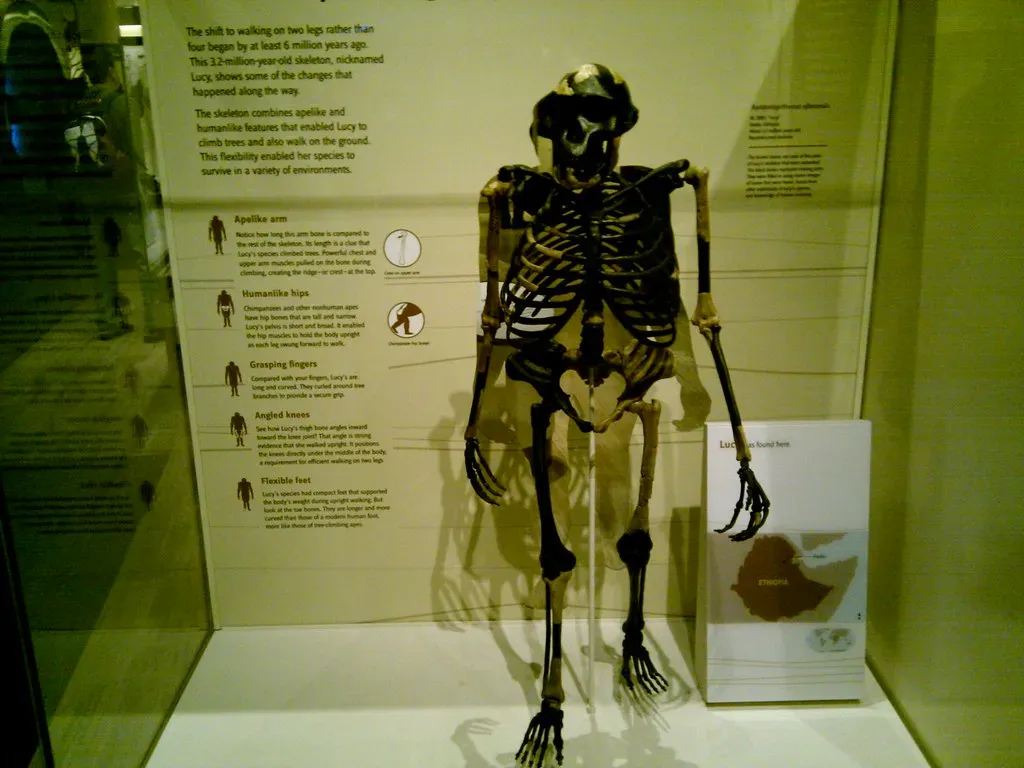
You might have heard her name before. Lucy, discovered in November 1974 in Ethiopia, was roughly about three-quarters complete when paleoanthropologist Donald Johanson spotted her arm bone poking out of a slope. The team found around forty percent of Lucy’s skeleton, making her approximately 3.2 million years old. Here’s the thing. At the time, this made Lucy both the oldest and most complete early human ancestor or relative ever found.
The skeleton presented a small skull akin to that of non-hominin apes, plus evidence of a walking gait that was bipedal and upright, akin to that of humans; this combination supports the view of human evolution that bipedalism preceded increase in brain size. Think about that for a moment. For years, experts assumed our big, clever brains came first, allowing us to walk upright and use tools. Lucy flipped that narrative completely. Lucy’s fossils confirmed that hominins became bipedal before the development of large brains. Walking on two legs wasn’t the result of intelligence; it may have been what eventually allowed intelligence to flourish. Her discovery fundamentally reshaped how we understand the sequence of human evolution.
Stone Tools Appeared Earlier Than We Ever Imagined
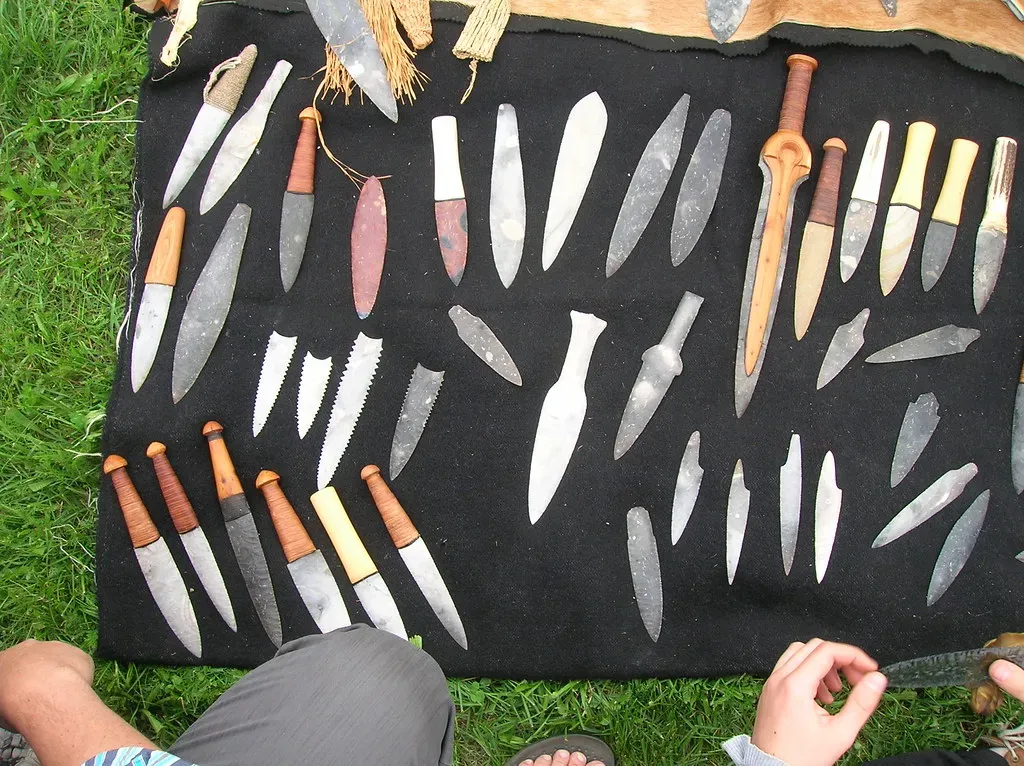
Let’s be real. Finding a stone tool might not sound as thrilling as discovering ancient bones, but it tells us something profound about our ancestors’ minds. The finds at Lomekwi represent the oldest stone tools ever discovered, dated to 3.3 million years ago, extending the history of human use and tool making about 500,000 years further than previously known. That’s staggering.
The date predates the genus Homo by 500,000 years, suggesting this tool making was undertaken by Australopithecus or Kenyanthropus. The discovery completely blew apart the assumption that only members of the Homo genus were smart enough to make tools. Early human relatives used some of the oldest stone tools ever found to both butcher hippos and to pound plant material. These ancient tools weren’t just random rocks. They showed clear evidence of deliberate shaping and purpose. Someone, or something, was thinking ahead, planning, problem-solving. That’s a level of cognitive sophistication we didn’t think existed so early in our evolutionary story.
Homo Naledi Buried Their Dead With Small Brains
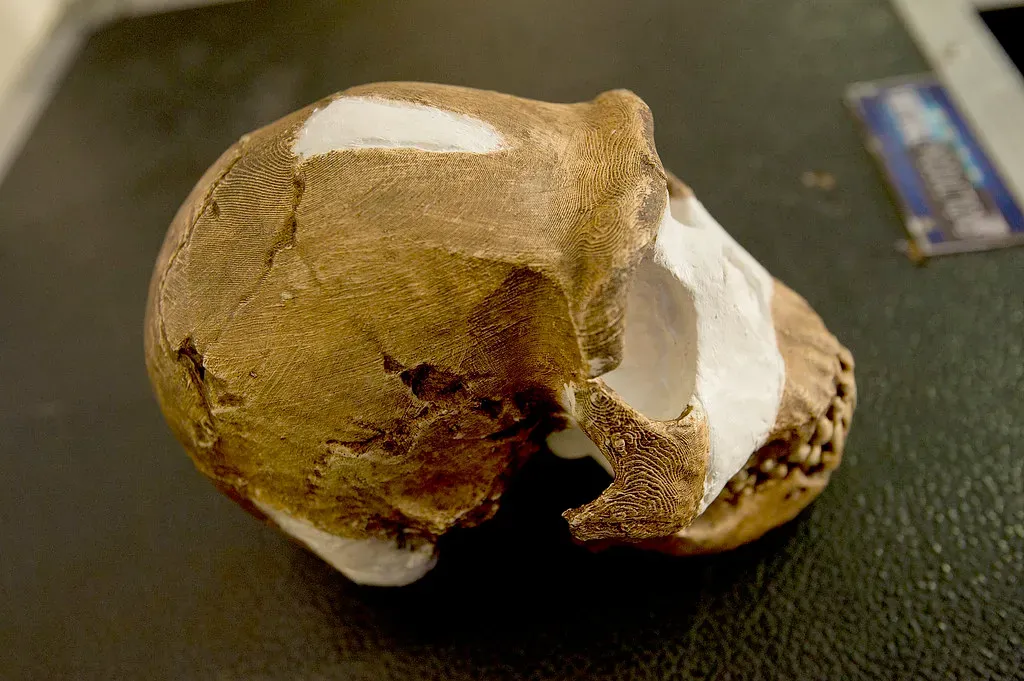
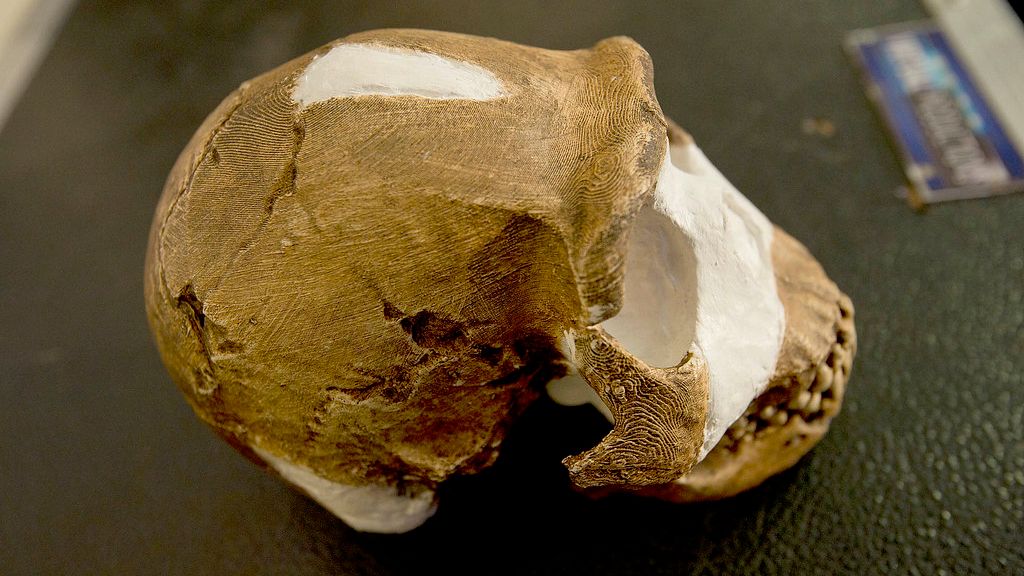
Homo naledi is an extinct species of archaic human discovered in 2013 in the Rising Star Cave system in South Africa, dating back to the Middle Pleistocene between 335,000 and 236,000 years ago. What makes naledi so strange? They share several characteristics with the ancestral Australopithecus as well as early Homo, most notably a small cranial capacity of 465–610 cubic centimeters, compared with 1,270–1,330 cubic centimeters in modern humans. Honestly, that’s tiny. Yet these small-brained creatures may have engaged in behavior we thought was uniquely human.
The discovery of Homo naledi sent shockwaves through the palaeontological community; new evidence suggests they buried their dead and used symbols for meaning-making, behaviors that were thought to be exclusive to large-brained hominins, which could overturn what was thought to be known about human beliefs, culture and symbolism. Someone is making fire torches and keeping them alive; there would have to be a group of them going down there, dragging these bodies with them and then burying them, really complex and planned behaviour. Brain size, we’re learning, doesn’t tell the whole story about what makes us human. Culture and symbolism might have deeper, older roots than anyone expected.
Denisovans Were Ghost Ancestors Hidden in Our DNA
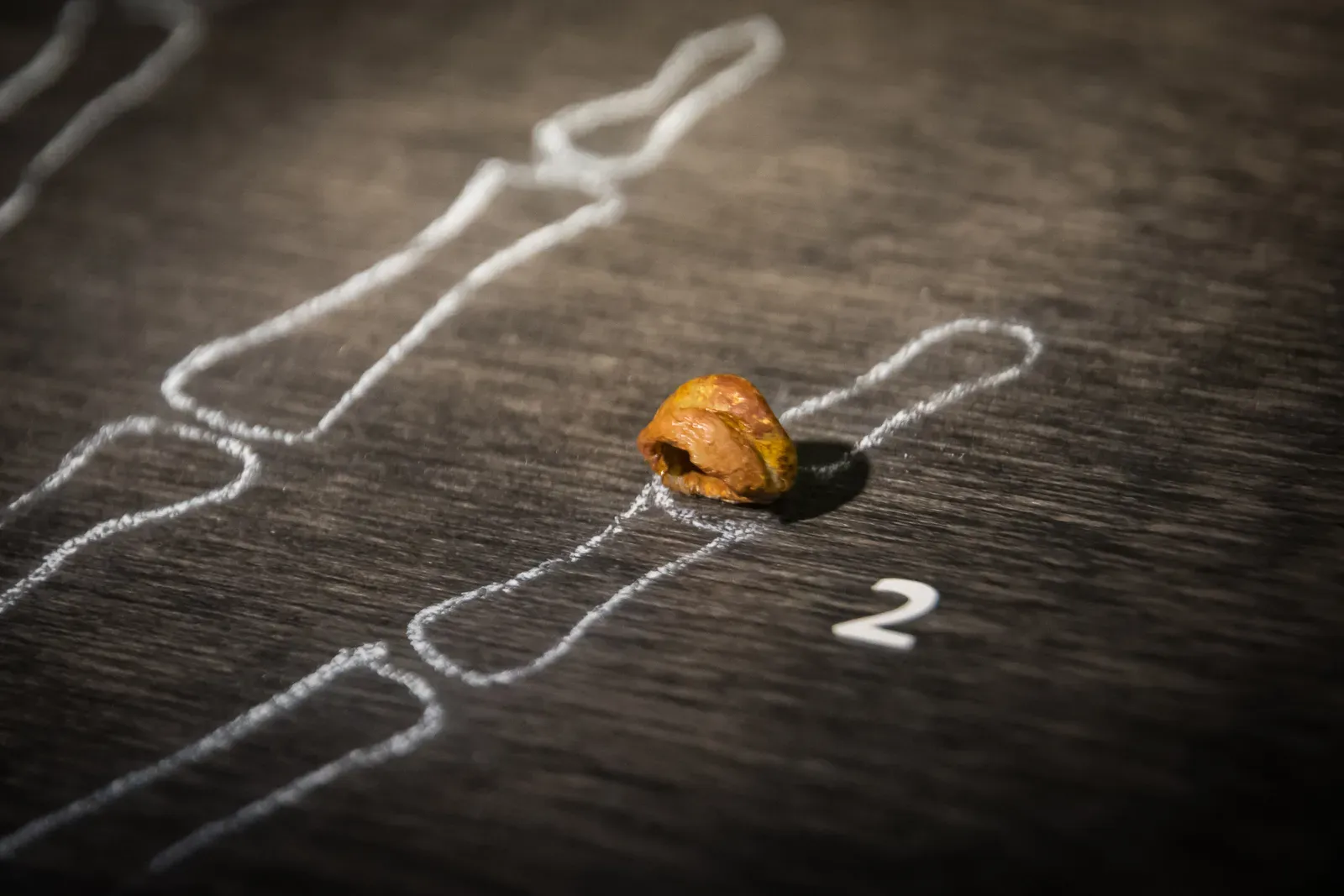
In 2008, a finger bone of a juvenile female hominin was found in Denisova Cave and originally dated to 50,000–30,000 years ago, but the estimate has changed to 76,200–51,600 years ago; matrilineal mitochondrial DNA extracted from the bone demonstrated it to belong to a novel ancient hominin, genetically distinct both from modern humans and Neanderthals. The Denisovans are a strange case. Most of what is known about Denisovans comes from DNA evidence; while many recent fossils have been found and tentatively identified as Denisovan, the first Denisovans discovered were known from few physical remains.
Here’s where it gets wild. The highest Denisovan ancestry is inferred in Oceanians at roughly about two percent, while most populations of Native Americans, East Asians, and South Asians have similar amounts; this distribution suggests that there were Denisovan populations across Asia. These mysterious humans interbred with our ancestors, passing on genes that still affect people today. Ethnic Sherpas likely inherited from Denisovans a super athlete gene variant that helps them breathe easily at high altitudes. The discovery of the Denisovans revealed that human evolution was far more interconnected than we realized. We didn’t just replace other human species; we absorbed them, carrying their genetic legacy forward.
Multiple Human Species Lived Side by Side
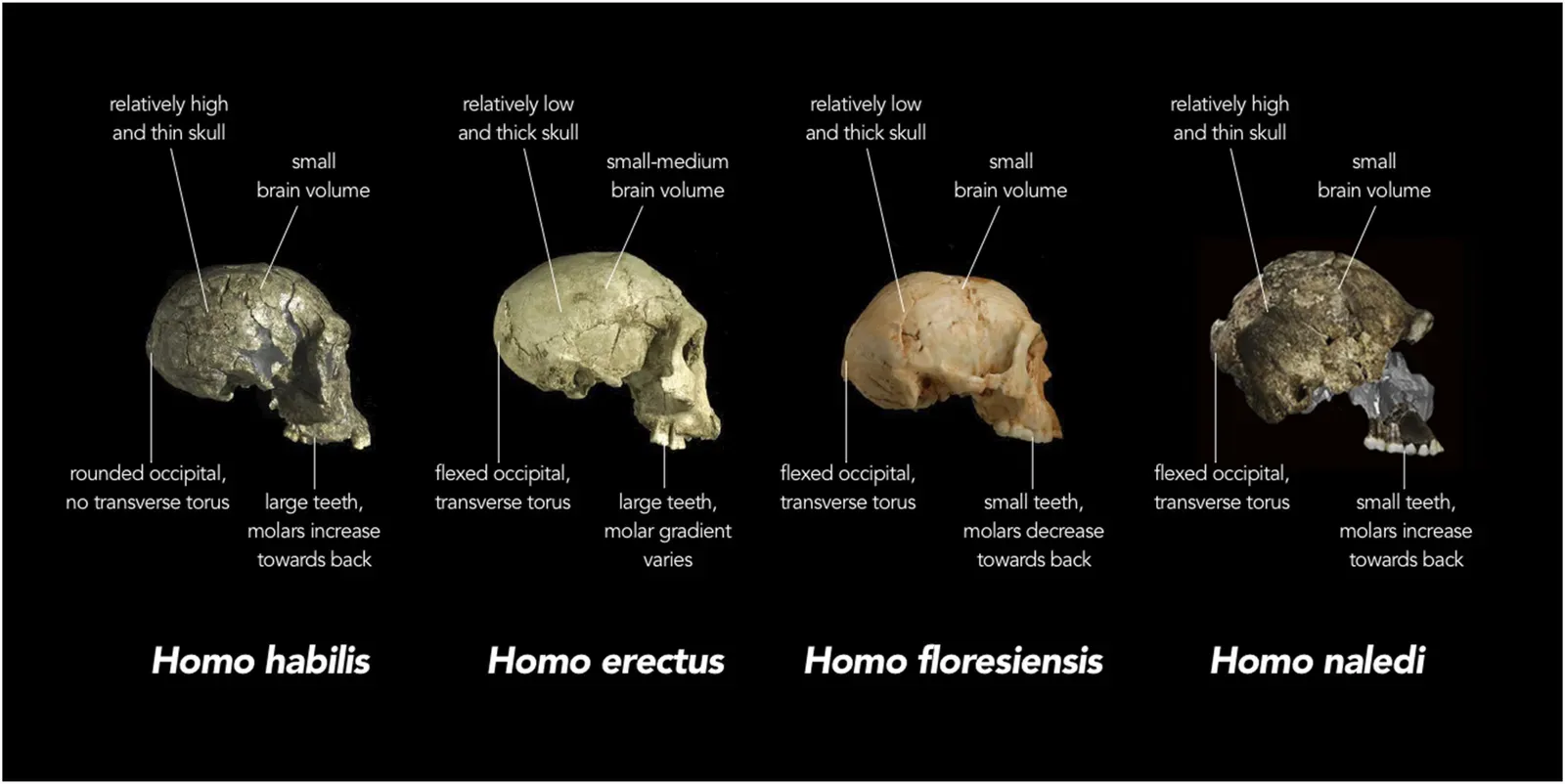
Remember when the story of human evolution was simple? One species gradually became another, marching in a straight line toward modern humans. Yeah, that was never true. A team of international scientists discovered new fossils at a field site in Africa indicating Australopithecus and the oldest specimens of Homo coexisted at the same place in Africa at the same time between 2.6 million and 2.8 million years ago; the paleoanthropologists discovered a new species of Australopithecus that has never been found anywhere.
Estimated dates are much more recent than many had predicted, and mean that Homo naledi was alive at the same time as the earliest members of our own species, which most likely evolved between 300,000 and 200,000 years ago. That means multiple branches of the human family tree were living, breathing, and likely interacting at the same time. A female who died around 90,000 years ago was half Neanderthal and half Denisovan; this is the first time scientists have identified an ancient individual whose parents belonged to distinct human groups. The picture that emerges is not one of isolated lineages but of overlapping populations, mixing and mingling in ways we’re only beginning to understand. Our past is far richer and more complex than anyone imagined.
What It All Means for Our Story
These five discoveries have fundamentally changed how we see ourselves and our origins. We now know that walking upright came before big brains, that tool-making predates our genus, that complex behavior doesn’t require large brains, that ghost species linger in our DNA, and that our ancestors shared the world with other human species. Each revelation forces us to ask deeper questions about what it truly means to be human.
The narrative of human evolution is being rewritten with every excavation, every DNA sequence, every careful analysis of ancient bones and stones. What seemed like a simple story has become a sprawling epic with unexpected plot twists. We’re learning that humanity isn’t defined by a single trait or a single ancestor. It’s a mosaic of features, behaviors, and lineages that came together in unpredictable ways. What will the next discovery reveal?