You’ve probably never stopped to wonder how you got here, not just as a person, but as a life form made up of trillions of cooperating cells. The story stretches back billions of years, to a time when Earth hosted only the simplest imaginable organisms, each one consisting of nothing more than a single cell. That journey from lone microscopic wanderers to complex beings like us is one of the most remarkable transformations in the history of our planet.
Let’s face it, the idea that all the diversity you see around you emerged from something smaller than a speck of dust is mind-blowing. It took nearly four billion years of tinkering, accidents, and adaptations to get from those first simple cells to the intricate ecosystems teeming with life today. So let’s dive in and explore how this incredible transformation happened.
The Dawn of Life: When Single Cells Ruled Earth
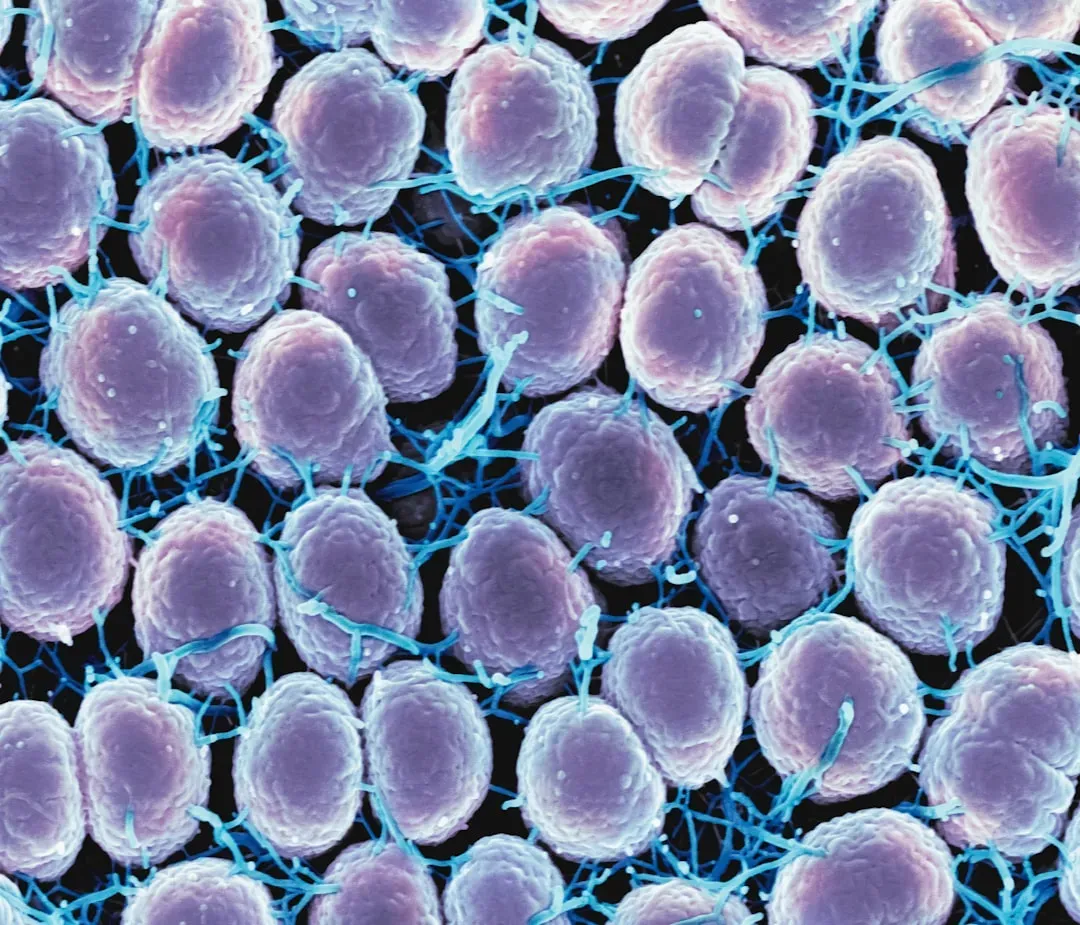
Life on Earth evolved from a single-celled organism that lived roughly three and a half billion years ago. Picture a world completely alien to what you know today. From nearly four billion years to about one and a half billion years ago, life was confined to microbes, or single-celled organisms. No trees, no animals, no fungi. Just microscopic cells floating in ancient oceans or clinging to rocks.
These early pioneers were prokaryotes, simple cells without a nucleus or any of the fancy internal compartments you find in more complex cells. Yet they were survivors. Some learned to harness the energy of sunlight through photosynthesis, releasing oxygen as a byproduct. Honestly, without their invention of photosynthesis, none of what followed would have been possible. They were quietly transforming the planet, one oxygen molecule at a time.
The Great Oxygenation: A Poisonous Revolution
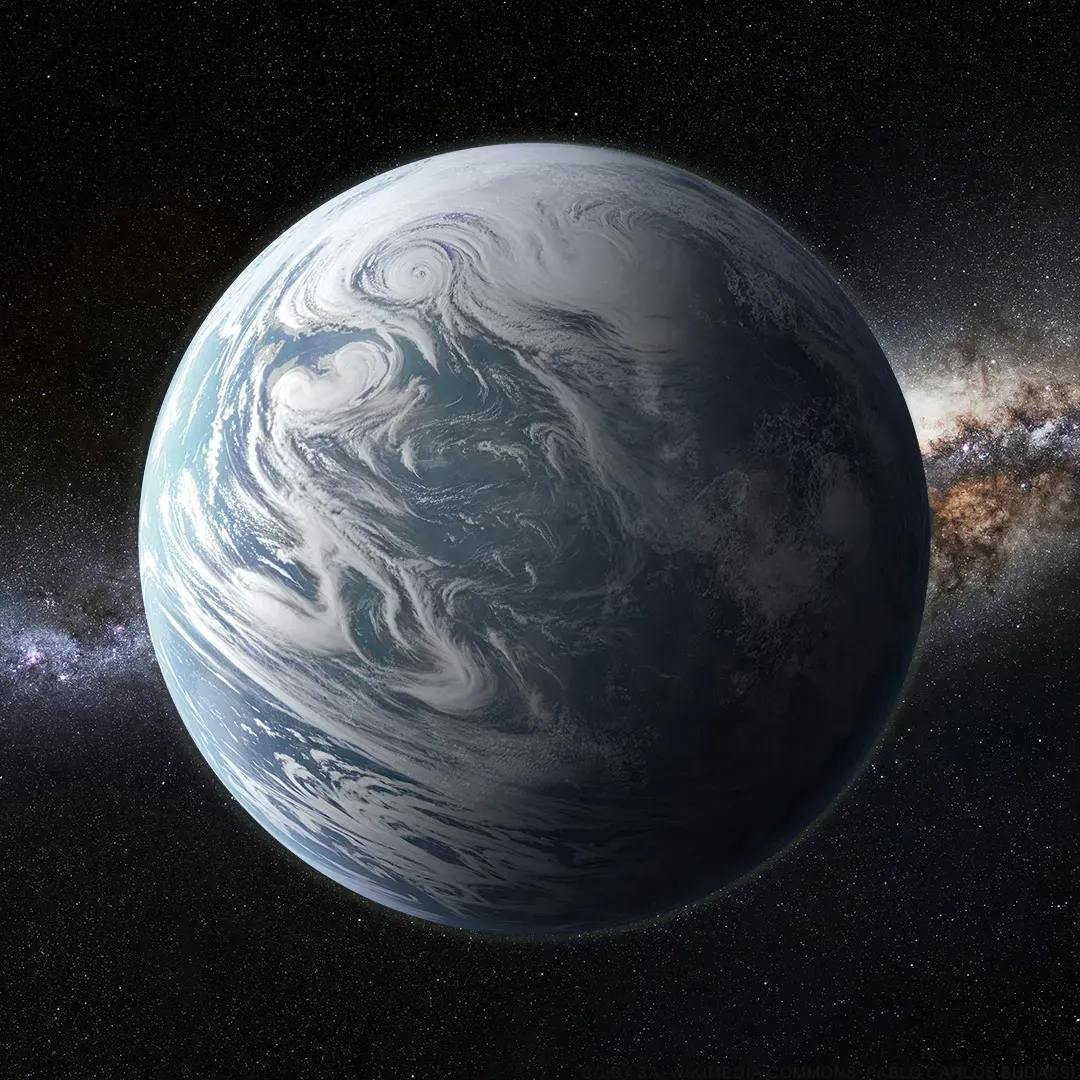
Here’s something that sounds crazy: oxygen, the very thing you need to breathe, was once a deadly poison. To early anaerobic organisms, oxygen was a reactive gas that damaged their delicate molecular machinery, and this period known as the Great Oxidation Event occurred around two and a half billion years ago. Cyanobacteria and other photosynthesizing microbes were flooding the atmosphere with oxygen, and it triggered a mass extinction of life forms that couldn’t handle it.
The influx of oxygen triggered a mass extinction of anaerobic life forms, but it also opened doors to a new kind of metabolism: aerobic respiration. This was a turning point. Organisms that could use oxygen to extract energy from organic molecules had access to far more power than their predecessors. Think of it like upgrading from a flickering candle to a roaring bonfire.
The Birth of Complex Cells: Eukaryotes Emerge
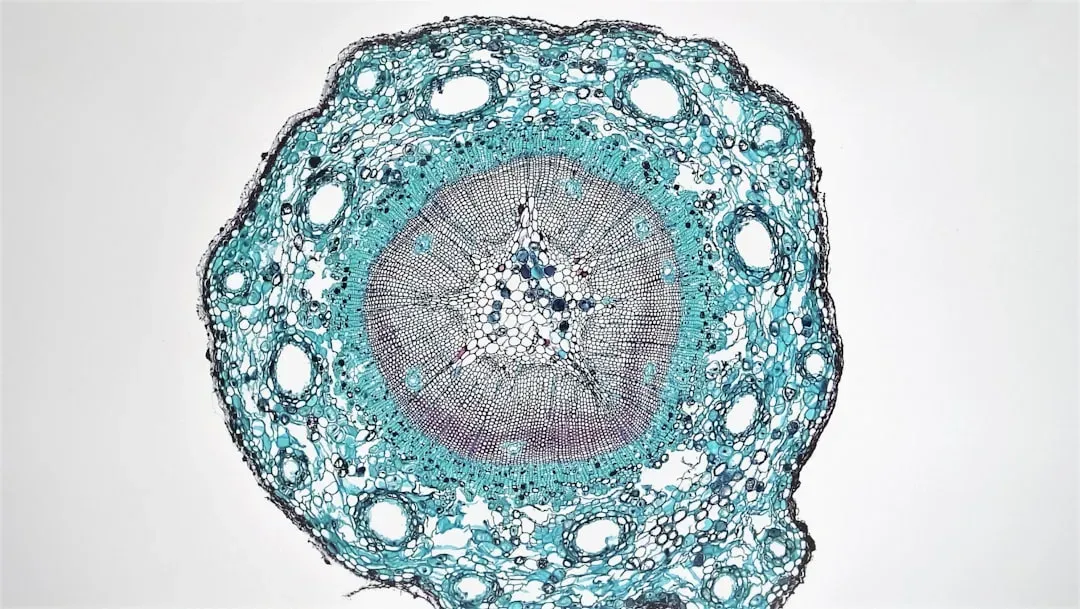
In a process referred to as eukaryogenesis, the eukaryotic cell is believed to have evolved between approximately one point eight and two point seven billion years ago from its archaeal ancestors. These weren’t just slightly improved prokaryotes. Eukaryotic cells were fundamentally different, with a nucleus to house their DNA and a whole array of specialized compartments called organelles.
Complex cellular machinery had evolved even before the symbiosis with mitochondria, including the development of transport within the cell and the cytoskeleton. It’s hard to say for sure, but the evidence suggests that these cells were already becoming sophisticated before they acquired their most important feature. They were like houses under construction, waiting for the power supply to be connected.
Endosymbiosis: The Ultimate Partnership
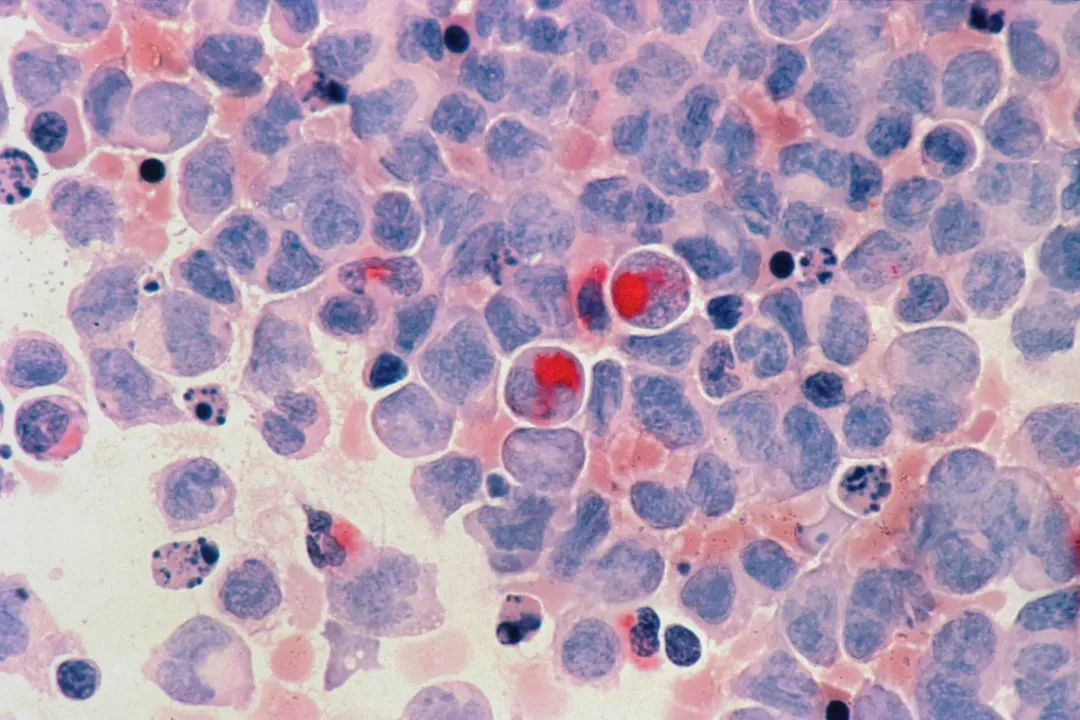
This is where things get really interesting. The hypothesis that eukaryotic cells evolved from a symbiotic association of prokaryotes, called endosymbiosis, is particularly well supported by studies of mitochondria and chloroplasts, which are thought to have evolved from bacteria living in large cells. Imagine one cell literally swallowing another, and instead of digesting it, the two strike up a permanent partnership.
Mitochondria are thought to have evolved from aerobic bacteria and chloroplasts from photosynthetic bacteria, such as the cyanobacteria. The mitochondria became the cell’s powerhouses, generating energy. Later, in some lineages, chloroplasts gave cells the ability to photosynthesize. These endosymbiotic associations were highly advantageous to their partners and were selected for in the course of evolution. Both partners benefited so much that they became inseparable over time.
From One Cell to Many: The Multicellular Leap
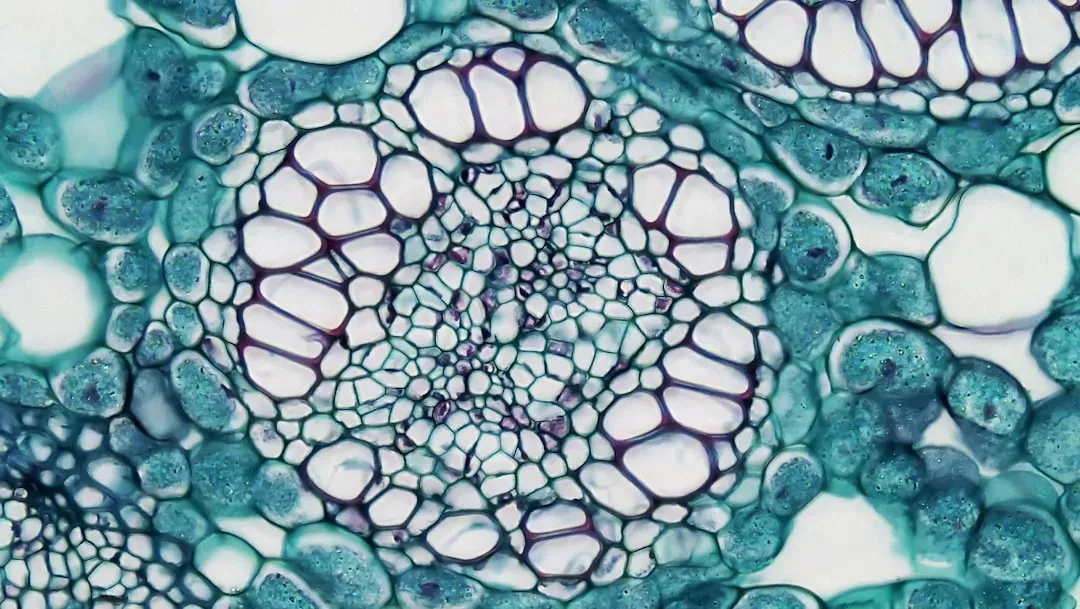
The first known single-celled organisms appeared on Earth about three and a half billion years ago, and more complex forms of life took longer to evolve, with the first multicellular animals not appearing until about six hundred million years ago. So why did it take so long? For billions of years, single cells were perfectly successful on their own.
A single chance mutation was enough to cause the ancestor of a protein to evolve an entirely new function, one that became essential for multicellular organization. It turns out that becoming multicellular wasn’t as difficult as scientists once thought. Clever experiments have shown that in the test tube, single-celled life can evolve the beginnings of multicellularity in just a few hundred generations, an evolutionary instant. Cells just needed the right conditions and the right genetic changes to start sticking together.
Why Stick Together? The Benefits of Teamwork
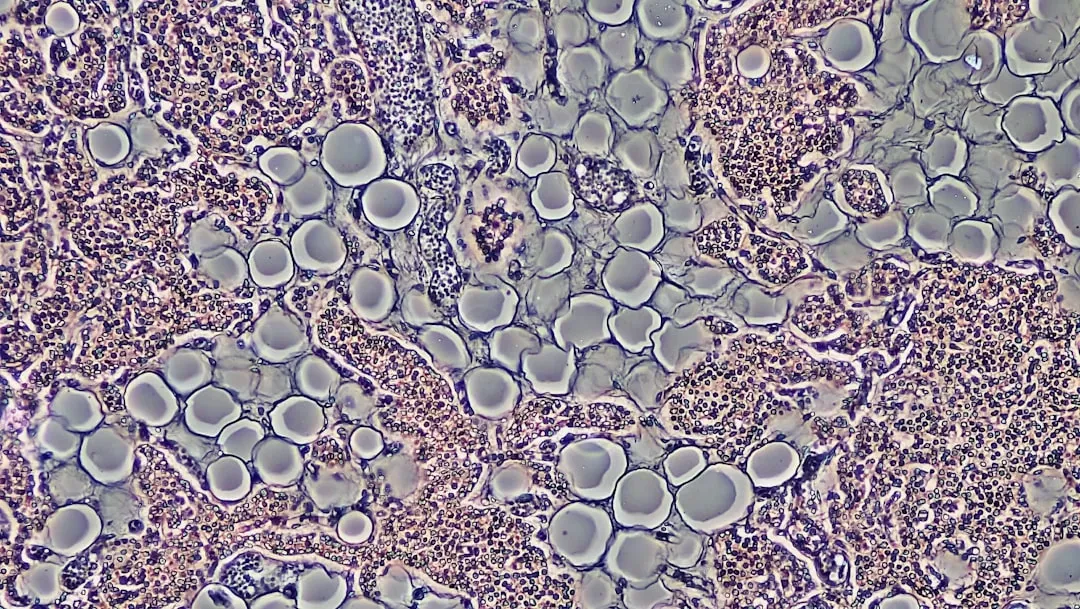
Let’s be real: going multicellular came with serious challenges. The first multicellular organisms were only a mutation away from being strictly unicellular, meaning cells constantly faced the temptation to cheat and go back to the solo life. So what made cooperation worthwhile?
Groups of cells were generally better at sensing and moving towards a resource than single cells acting alone. Being part of a team meant better navigation through complex environments. Only after oxygen levels rose about one billion years ago could larger, multicellular organisms arise. Environmental changes, especially rising oxygen, provided the energy needed to sustain bigger, more complex bodies. Cells that cooperated could grow larger, defend themselves better, and explore new ecological niches.
The Cambrian Explosion: Life Goes Wild
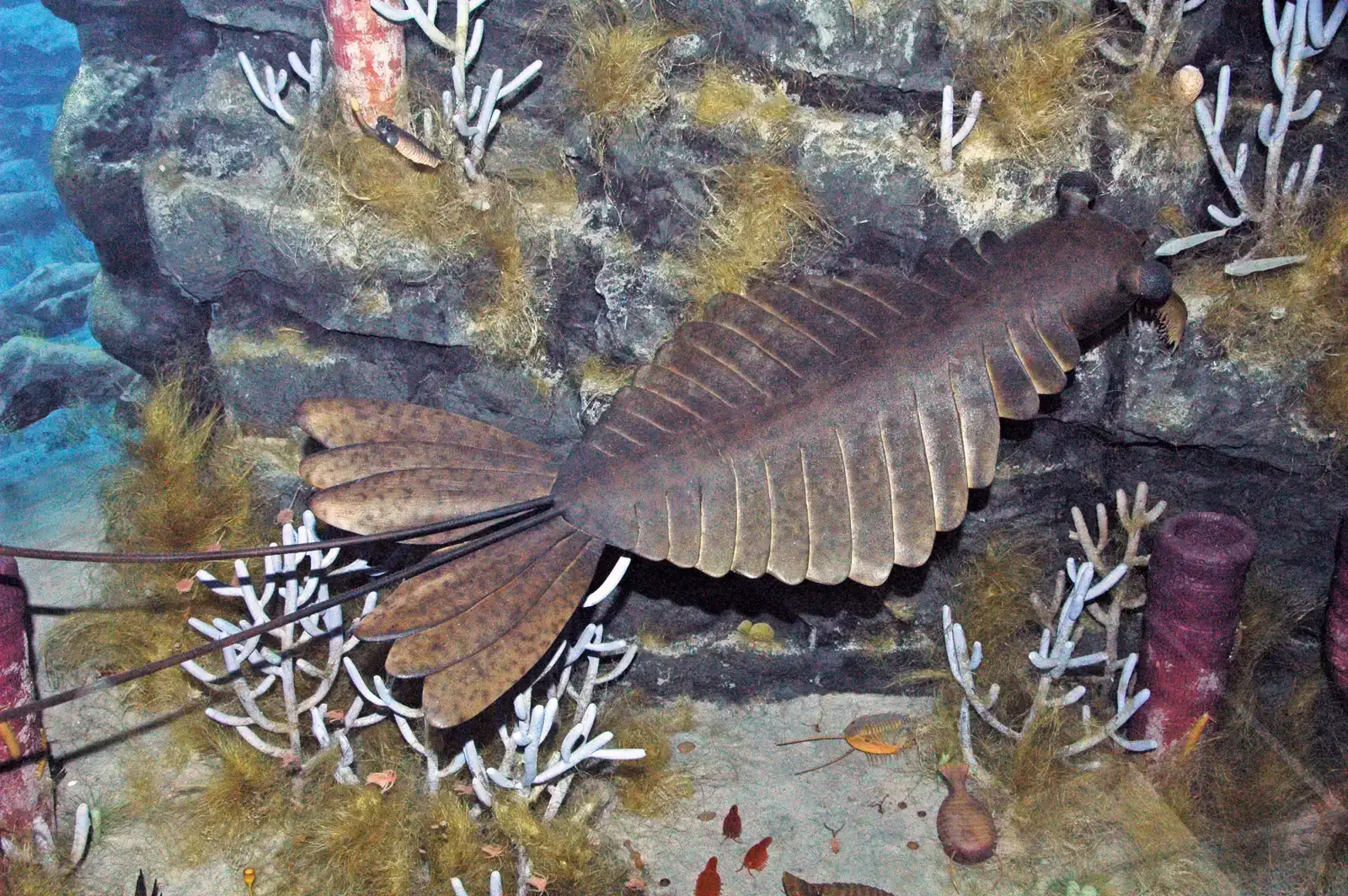
Around five hundred forty million years ago, evolution’s pace suddenly accelerated during a period known as the Cambrian Explosion, and in a relatively short span of geological time, just a few tens of millions of years, most major animal groups appeared. The oceans transformed from relatively simple ecosystems into bustling communities filled with bizarre and wonderful creatures.
Some scientists now think that a small, perhaps temporary, increase in oxygen suddenly crossed an ecological threshold, enabling the emergence of predators, and the rise of carnivory would have set off an evolutionary arms race. Suddenly, life wasn’t just about eating algae and floating peacefully. Predators hunted prey, prey evolved defenses, and the race was on. The event was characterized by the appearance of many of the major phyla that make up modern animal life. This was when the blueprint for nearly all animal body plans we see today was established.
The Road to Us: Complexity Builds on Complexity
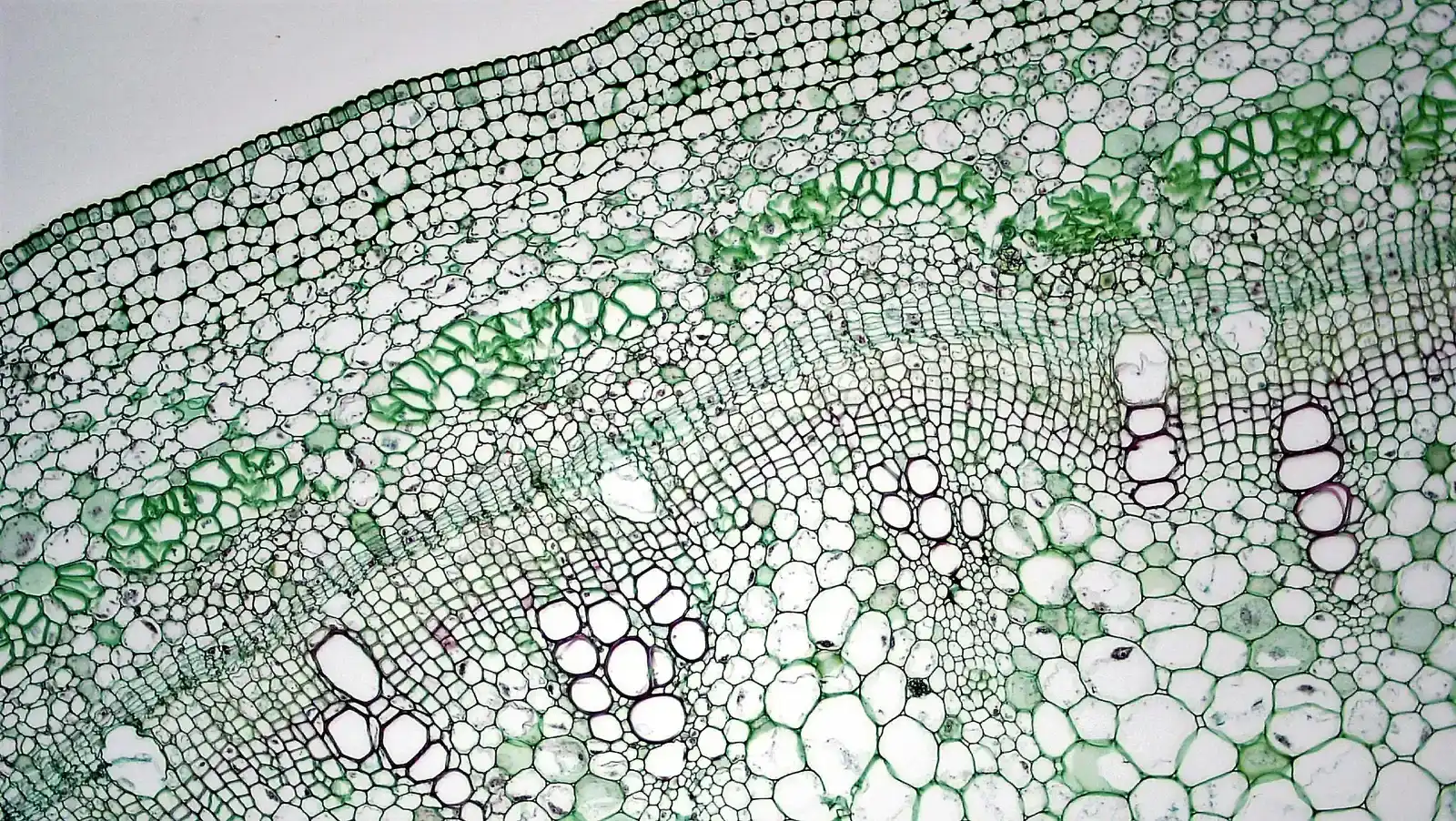
After the Cambrian, life didn’t slow down. Multicellular organisms evolved from unicellular eukaryotes at least one point seven billion years ago, and increasing cell specialization led to the transition from colonial aggregates to truly multicellular organisms. Cells began taking on different roles within the same organism. Some became specialized for digestion, others for movement, still others for reproduction.
Continuing cell specialization and division of labor among the cells of an organism have led to the complexity and diversity observed in the many types of cells that make up present-day plants and animals, including human beings. Every organism alive today carries within it echoes of that ancient history. Your mitochondria still have their own DNA, a reminder that they were once independent bacteria. The oxygen you breathe was made possible by photosynthesizing cyanobacteria billions of years ago.
Conclusion: A Journey Still Unfolding
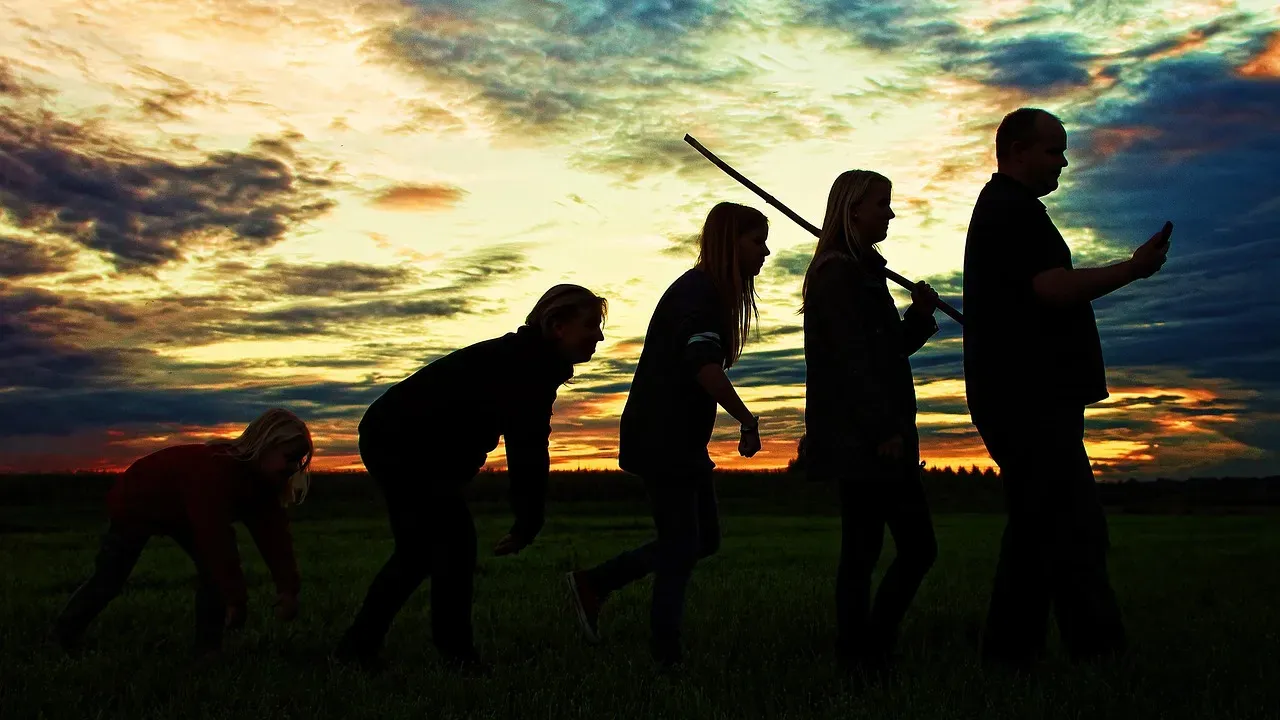
From a single microscopic cell to the astonishing diversity of life surrounding you today, evolution has been a story of cooperation, competition, and endless innovation. It took nearly four billion years of experimentation to get from those first lonely prokaryotes to the complex organisms that now dominate the planet. Each step built on what came before, from the invention of photosynthesis to the merger of cells through endosymbiosis to the leap into multicellularity.
The Cambrian Explosion marked a particularly dramatic chapter, when life’s creativity seemed to burst forth in an unprecedented frenzy. Yet even that was only possible because of billions of years of groundwork laid by simple cells transforming the planet’s chemistry and atmosphere. You are the product of countless cooperative ventures between cells, stretching back through deep time to an ancestor you share with every living thing on Earth.
What do you think about this incredible journey? Did you expect that all complex life traces back to such humble beginnings?