
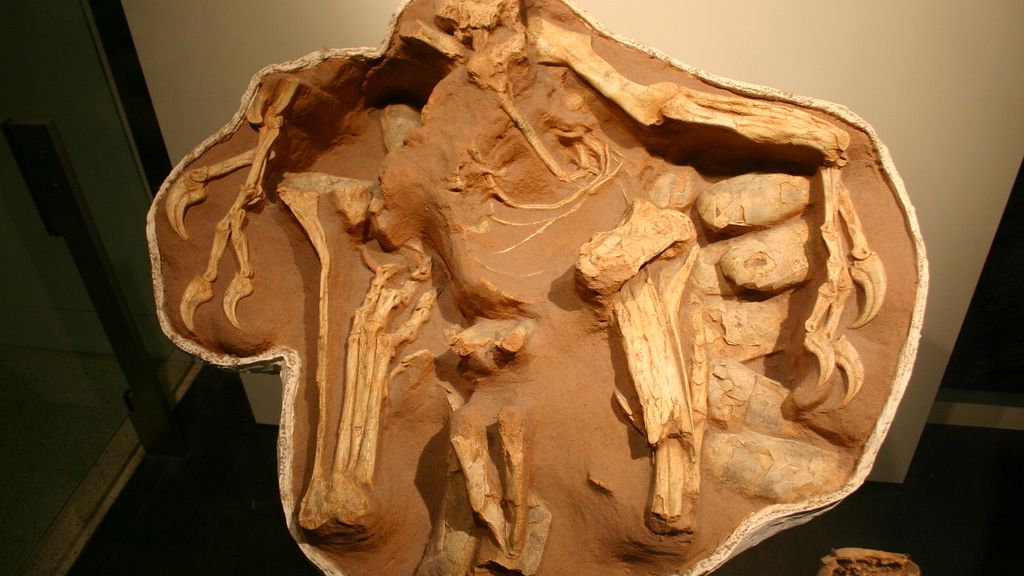
When most people picture dinosaurs, they imagine towering beasts locked in fierce combat or thundering across ancient plains. Rarely do thoughts drift to quieter moments: a parent tending to its young, guarding a nest through a sandstorm, or gently warming fragile eggs against the chill. Yet the fossil record offers glimpses of something truly unexpected and deeply moving – these prehistoric giants showed remarkable parental care.
For decades, scientists believed dinosaurs were cold, solitary creatures who laid eggs and walked away. The discovery of nesting sites, brooding adults, and fossilized embryos changed that narrative completely. What you’re about to discover challenges everything you thought you knew about these ancient reptiles.
When Oviraptors Were Wrongly Accused of Being Egg Thieves
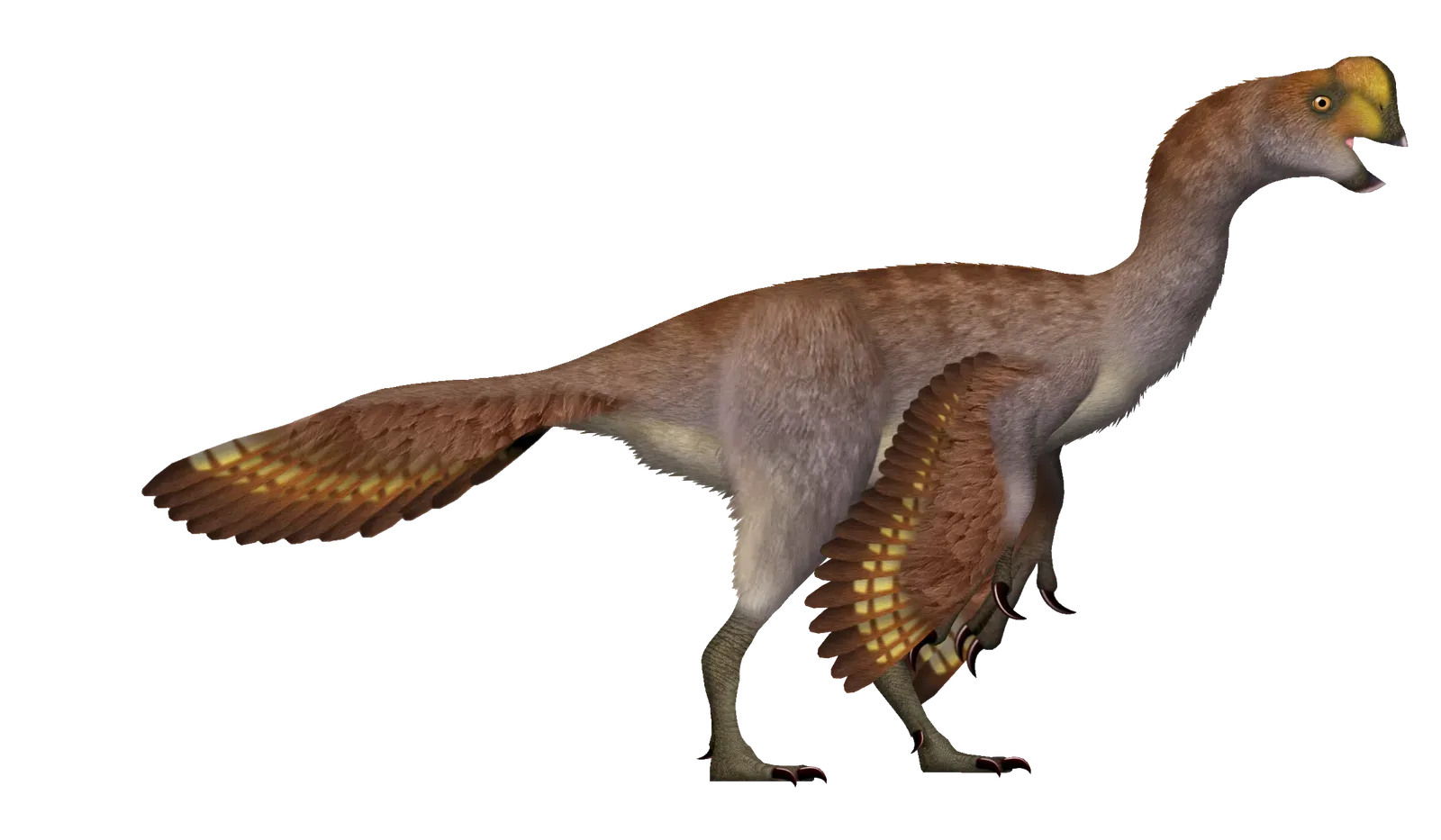
In 1923, George Olsen discovered the first Oviraptor skeleton on top of a dinosaur egg nest in the Gobi Desert, and because of the close proximity, scientists assumed it died attempting to steal the eggs. The name Oviraptor literally means “egg thief.” Let’s be real, that’s a harsh reputation to carry for nearly 60 years.
However, findings of numerous oviraptorosaurs in nesting poses demonstrated that these specimens were actually brooding their nests, and that the eggs belonged to them – not stolen from another species. It turned out the so-called thief was actually a devoted parent who died protecting its young. The babies were almost ready to hatch, indicating this oviraptorid had tended its nest for quite a long time, ultimately giving its life while nurturing its young.
The Good Mother Lizard That Changed Everything
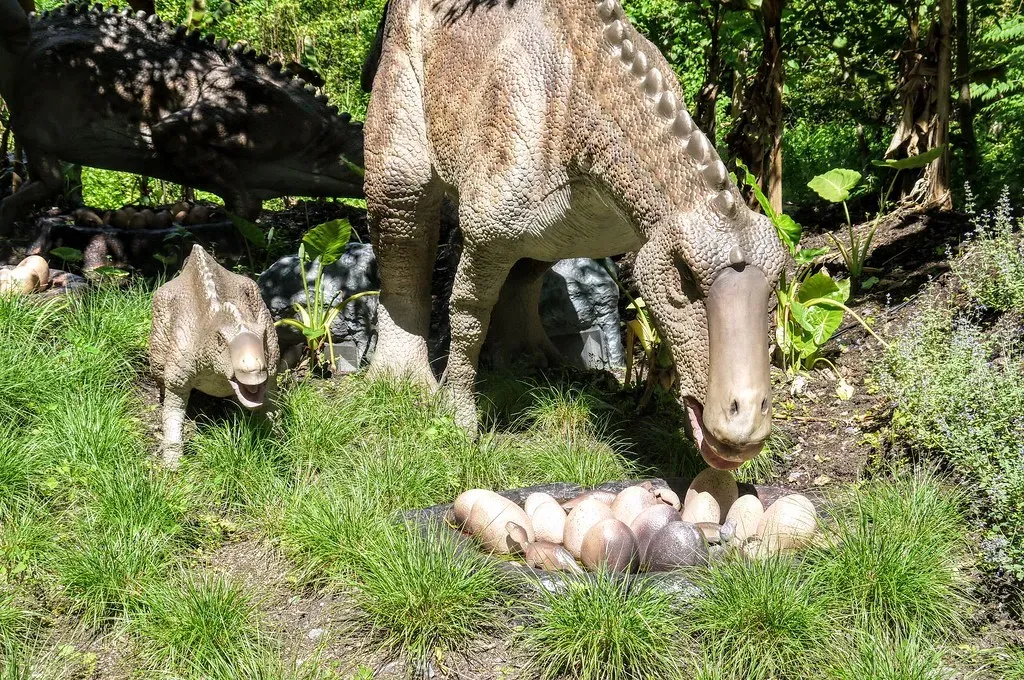
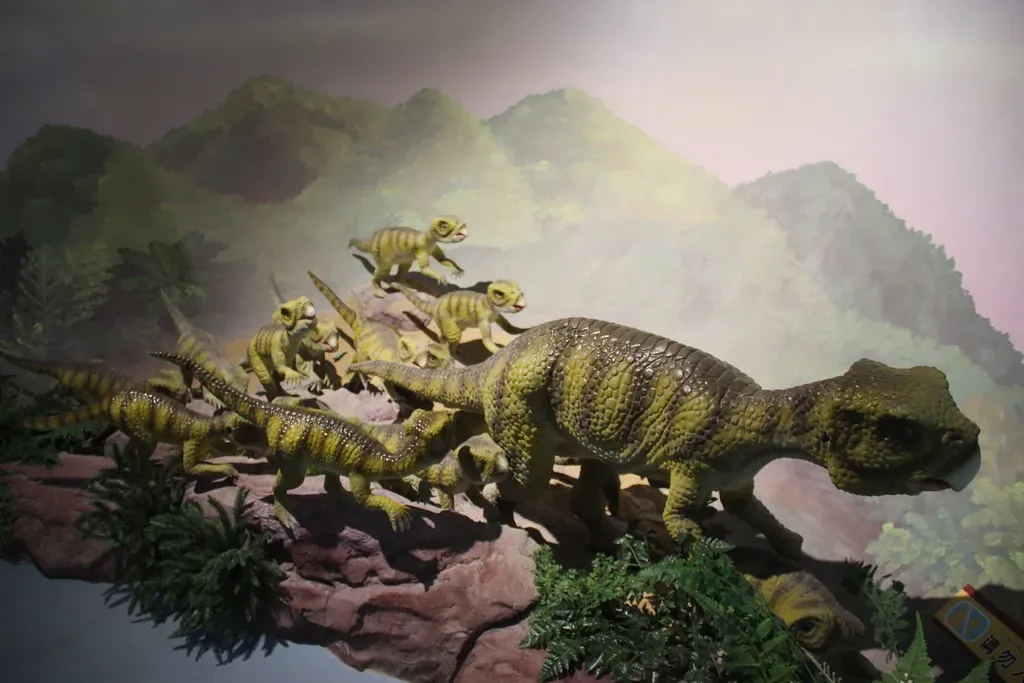
The discovery of Maiasaura in the late 1970’s revealed the first ever evidence for parental care in dinosaurs. Marion Brandvold found something extraordinary in Montana – a nesting site containing eggs, hatchlings, and juveniles all clustered together with adults nearby.
Fossils of baby Maiasaura show that their legs were not fully developed and thus they were incapable of walking upon hatching. Think about that for a moment. Fossilized nests showed hatchlings that were so undeveloped they could not even walk, so the parents must have brought food for them to the nest. This wasn’t just a creature abandoning its offspring to fate – it was actively feeding and caring for helpless babies.
The species name literally translates to “good mother lizard,” and honestly, it earned that title. Studies suggest infant Maiasaura were altricial and left the confines of their nests after 40-75 days, roughly a little over one to two months old.
Frozen in Time: Dinosaurs Caught Brooding Their Eggs
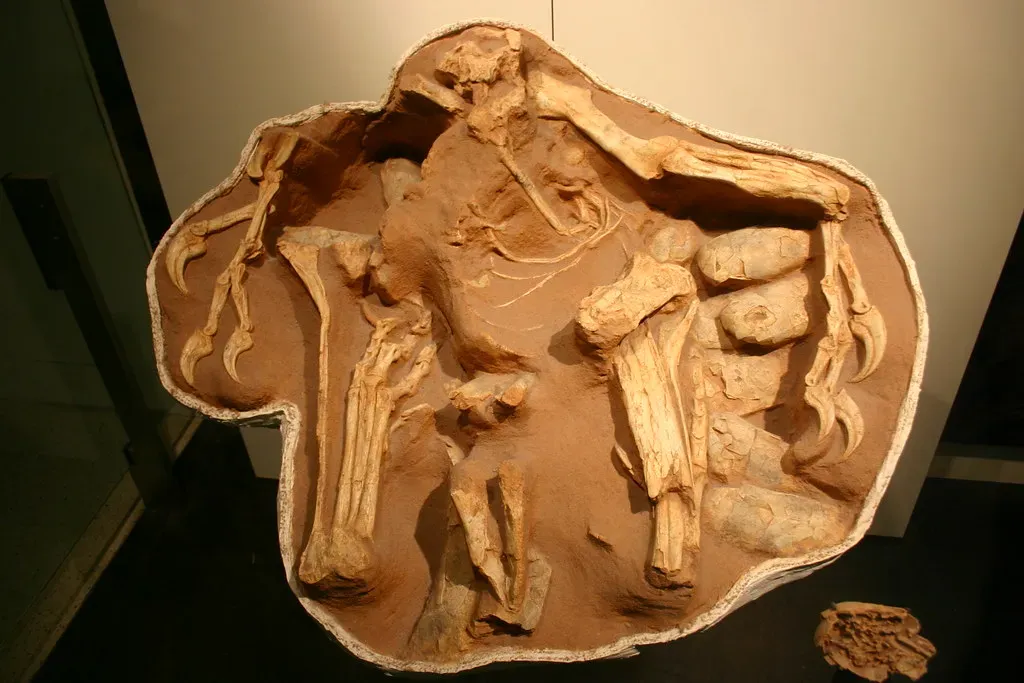
A 75-million-year-old oviraptorid nicknamed ‘Big Mama’ was uncovered brooding on a nest of eggs. This wasn’t simply a fossil near some eggs. The dinosaur was caught in the act, curled up on its nest, likely caught up in a sandstorm or mudslide and buried with its eggs – protective behaviour to the detriment of the parent.
Picture the scene: a feathered dinosaur spreading its arms over precious eggs, just as a modern bird might do. Specimens were found on top of egg clutches with hindlimbs crouched symmetrically on each side of the nest and forelimbs covering the nest perimeter – a brooding posture found today only in modern avian dinosaurs. That connection between ancient theropods and today’s birds becomes startlingly clear when you see these fossils.
Even more astonishing: Analysis of oxygen isotopes in fossilized eggshells and embryonic bones revealed eggs were incubated at high temperatures, adding evidence that the adult was sitting on the nest to keep eggs warm.
Colonial Nesting and Returning to the Same Sites
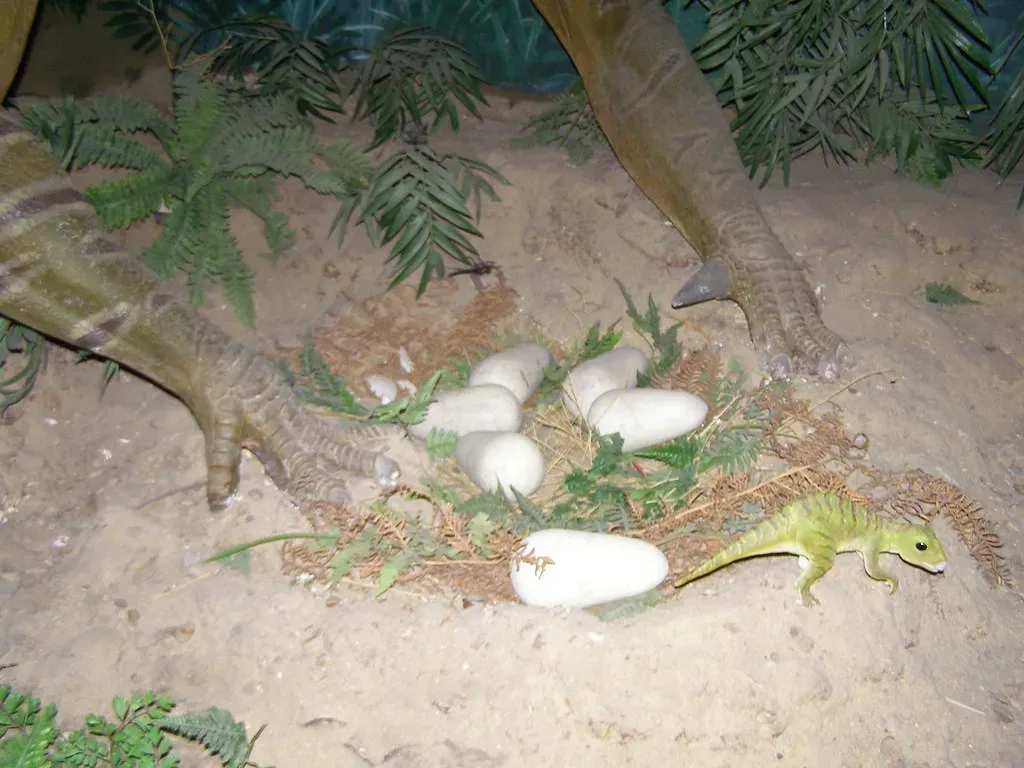
Some dinosaurs didn’t just care for their young – they formed breeding colonies. Multiple nests were found on the same depositional horizon, suggesting colonial nesting behavior, and multiple horizons of nests layered one on top of each other indicated groups of dinosaurs returned to the same area over multiple breeding seasons.
Imagine vast nesting grounds dotted with dinosaur parents, all tending their clutches in close proximity like modern seabirds. Nests were packed close together, with the gap between nests being around 7 meters, roughly 23 feet. This wasn’t random. These creatures deliberately chose communal breeding sites, returning year after year.
The presence of numerous clutches of eggs, some containing embryonic remains, in at least four distinct horizons within a small area provides the earliest known evidence of complex reproductive behavior including site fidelity and colonial nesting in a terrestrial vertebrate. Site fidelity – that’s the scientific term for what many modern animals do when they return to familiar breeding grounds. Dinosaurs were doing this nearly 200 million years ago.
Not All Dinosaurs Were Doting Parents
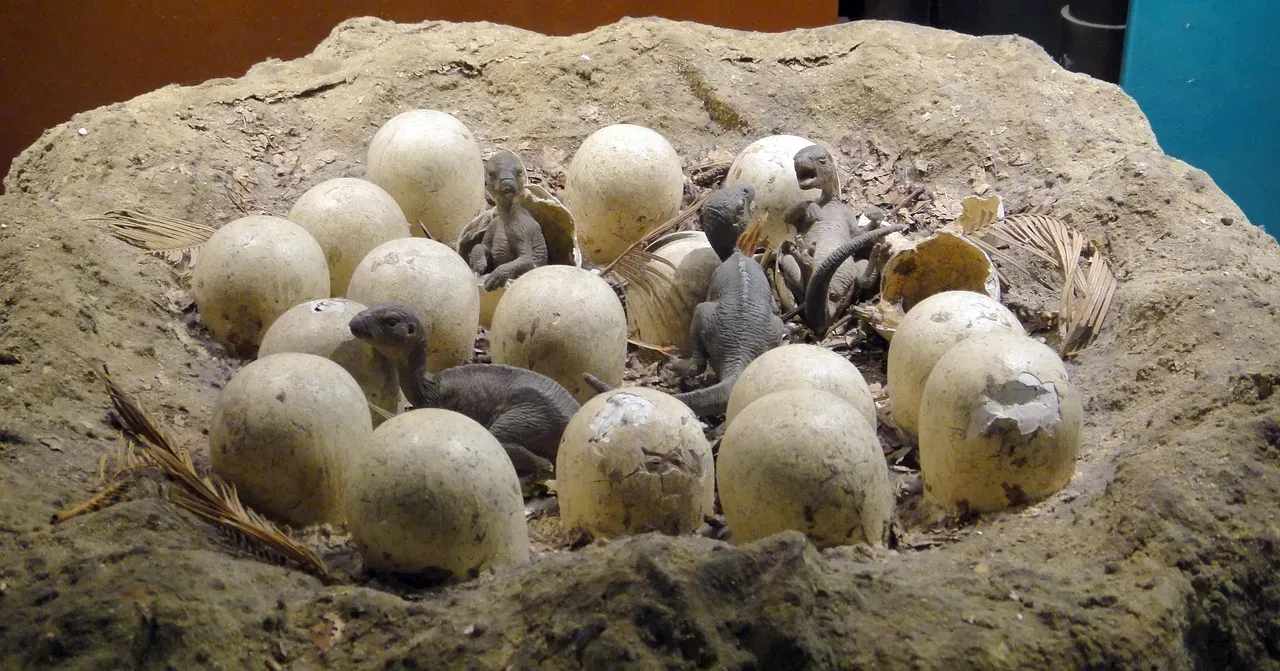
Here’s the thing: parental care wasn’t universal across all dinosaur species. For some groups like sauropods, there’s no evidence of post-laying care – paleontologists have found their expansive nesting grounds but no evidence that parents stuck around, pointing to a strategy of laying eggs and leaving them.
The massive long-necked giants couldn’t exactly tiptoe through a crowded nesting colony without crushing eggs underfoot. With so many nests in close proximity, it would have been hard for massive reptiles to access the site to incubate eggs or feed hatchlings, and titanosaurs were likely incapable of stepping delicately through the hatchery without crushing eggs. Instead, they likely buried their eggs and let geothermal heat or decomposing vegetation do the work.
Recent research shows even more variation. Fossil evidence reveals pods of youngster skeletons preserved together with no traces of adults nearby, where juveniles tended to travel together in groups of similarly aged individuals, getting their own food and fending for themselves. It’s a bit like prehistoric latchkey kids.
Egg Colors and Open Nests Point to Bird-Like Behavior
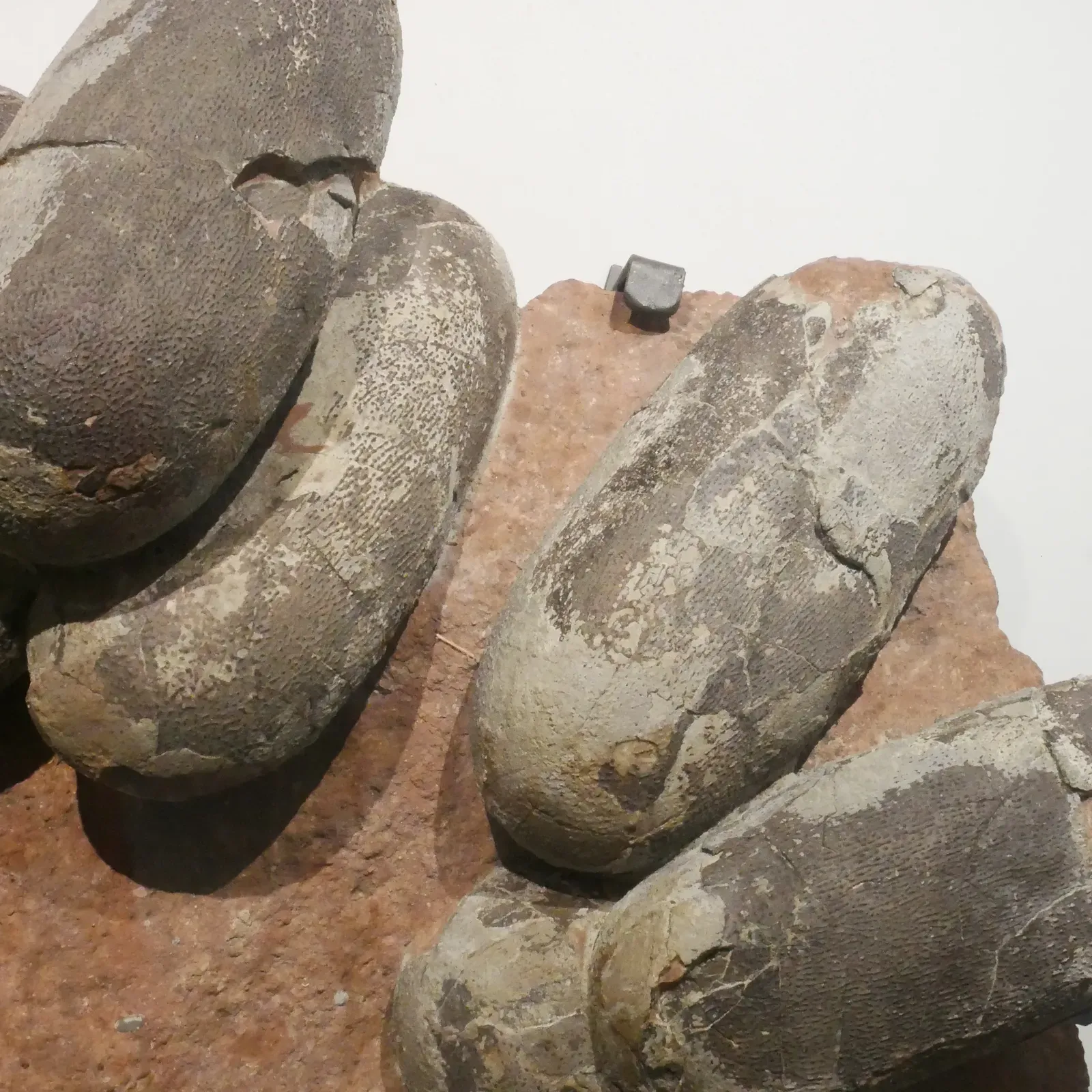
Modern birds inherited their knack for vibrant eggshells from their dinosaur ancestors, which first gained the trait more than 145 million years ago. Why would a buried egg need color? It wouldn’t. If dinosaurs laid eggs in open nests, the new evidence makes sense – but if you’re burying your eggs, why invest the extra energy to color them?
In fossil nests from the oviraptorid Heyuannia, researchers identified pigments in the eggs to determine their original color, revealing the eggs in this nest were originally blue-green. Honest, there’s something strangely beautiful about knowing a dinosaur egg was once a brilliant blue, just like an emu’s today.
Unlike other dinosaurs’ eggs, eumaniraptoran eggs didn’t have that many pores, a sign that eggs were kept in open, more birdlike nests, and some fossilized egg clusters even preserve adult dinosaurs sitting atop them. The pore density tells scientists whether eggs were buried (needing more gas exchange) or brooded in open air.
Embryos Reveal Postures That Mirror Modern Birds
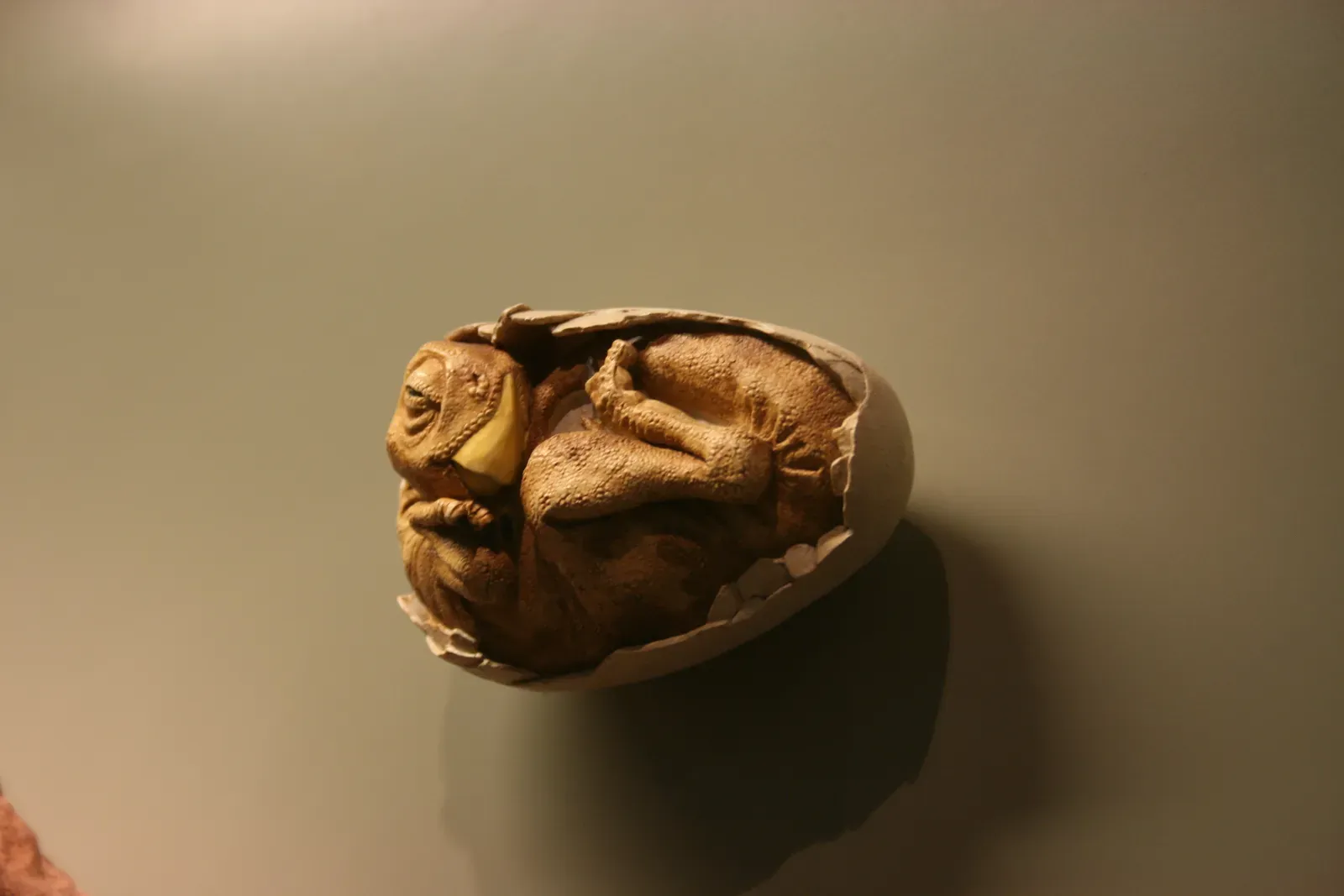
A dinosaur embryo estimated to be about 27 centimeters long marks the first discovery displaying a posture typical of present-day bird embryos, engaging in a series of maneuvers known as tucking shortly before hatching. This “Baby Yingliang” fossil is hauntingly bird-like.
The head lies ventral to the body with feet on either side and the back curled along the blunt pole of the egg, in a posture previously unrecognized in a non-avian dinosaur but reminiscent of a late-stage modern bird embryo, suggesting late-stage oviraptorids developed avian-like postures related to coordinated embryonic movements associated with tucking.
It’s hard to say for sure, but this hints that behaviors we consider uniquely avian actually originated much deeper in the theropod lineage. Such pre-hatching behavior, previously considered unique to birds, may have originated among non-avian theropods. Each new embryo fossil peels back another layer of the evolutionary story connecting dinosaurs to the birds perched outside your window right now.
What Fossil Parenting Tells Us About Dinosaur Lives
The spectrum of parental care strategies reveals something profound about dinosaur biology and ecology. Dinosaurs’ free-range parenting style complemented the fact that they hatched eggs, forming relatively large broods in a single attempt, and because multiple offspring were born at once with reproduction occurring more frequently than in mammals, dinosaurs increased survival chances for their lineage without expending much effort or resources.
The early separation between parent and offspring, and the size differences between these creatures, likely led to profound ecological consequences. Juveniles occupied different ecological niches than adults, essentially functioning as separate species within the same ecosystem. Meanwhile, species like Maiasaura invested heavily in their young, keeping them in nests for weeks.
Parental care varied. That simple statement captures the reality – dinosaurs weren’t a monolithic group with uniform behaviors. Some were attentive parents who risked their lives for their eggs. Others laid hundreds of eggs and departed, playing the numbers game. Both strategies worked for millions of years.
The fossil record doesn’t lie. It preserves moments of tenderness alongside the violence and grandeur we typically associate with the Mesozoic. These snapshots of parental devotion – adults curled protectively over nests, hatchlings huddled together, nesting colonies stretching across ancient floodplains – paint a picture far richer than pop culture typically allows. Dinosaurs weren’t just monsters. They were parents. They cared for their young in ways that bridge the vast temporal gulf between their world and ours.
Did you expect to find such intimate evidence of prehistoric family life preserved in stone? What other secrets might be waiting in rocks yet to be split open?