For more than a century, dinosaurs were dismissed as slow-witted, lumbering giants, creatures that survived on instinct alone. That image stuck. It was convenient, almost comforting in its simplicity. Then technology caught up with curiosity, and everything changed.
Today, with tools that can peer inside 66-million-year-old skulls without cracking a single bone, scientists are rewriting the story of prehistoric intelligence from the inside out. What they’re finding is both surprising and, honestly, a little unsettling. Let’s dive in.
The Remarkable Science Behind Reading Dinosaur Brains
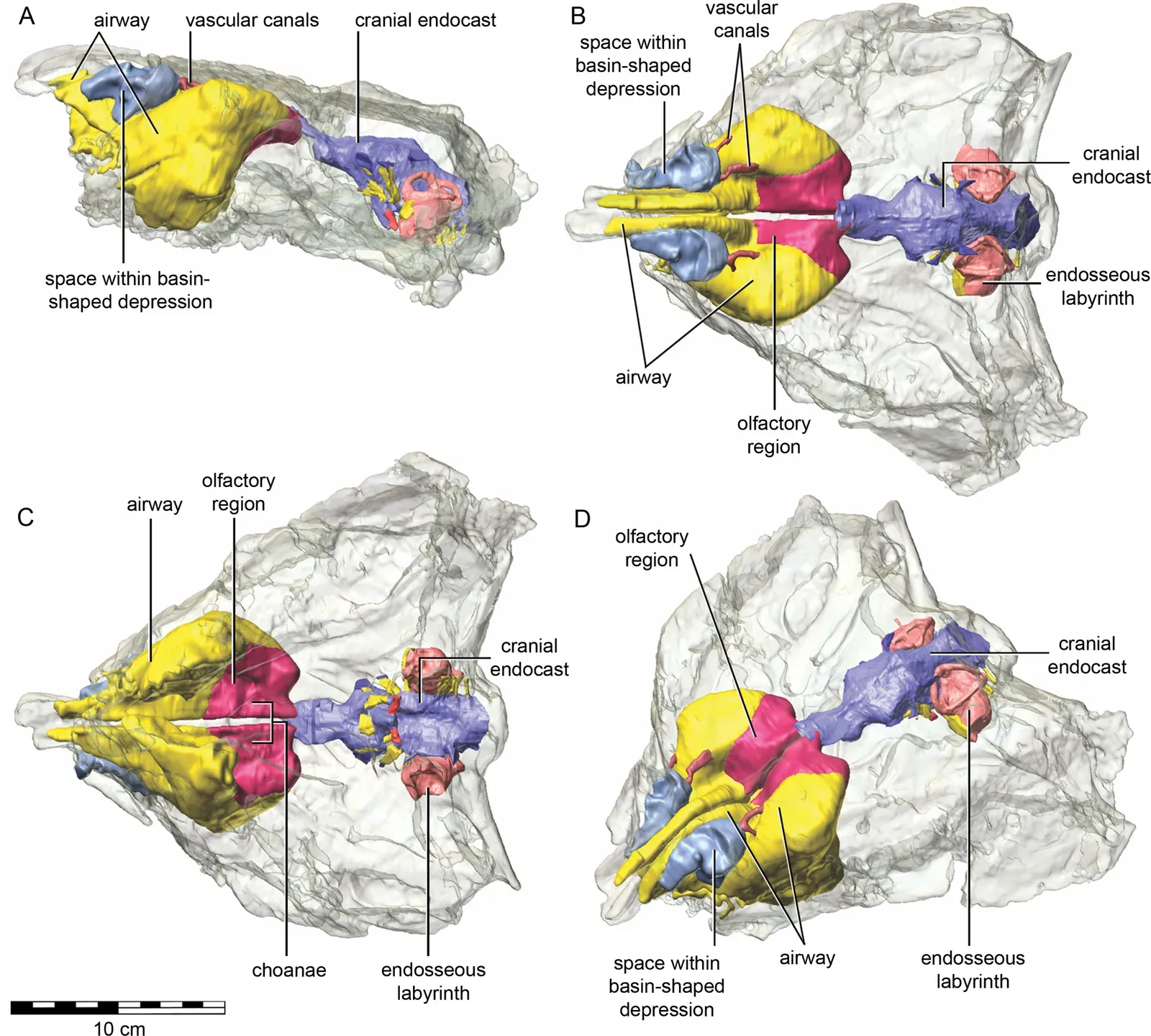
Here’s the thing about dinosaur brains: they didn’t fossilize. Soft tissue rarely survives deep geological time, so scientists had to get creative. The answer turned out to be hidden right inside the skull itself.
When fossilization occurs under just the right conditions, sediment fills in the space of an animal’s brain cavity after death and takes on its shape, producing what’s called an endocast, a treasure trove of dinosaur secrets. Think of it like nature’s own mold: ancient rock shaped into a perfect replica of what once filled the skull.
With the application of non-destructive 3D imaging techniques like CT scanning and synchrotron radiation scanning, paleontologists can now observe previously hidden structures without causing any damage, and these techniques have greatly facilitated the development of vertebrate paleontology not only in revealing hidden structures but also providing 3D models for teaching and exhibition. It’s a bit like performing brain surgery without ever picking up a scalpel.
CT Scanning: The Game-Changer That Transformed Paleoneurology
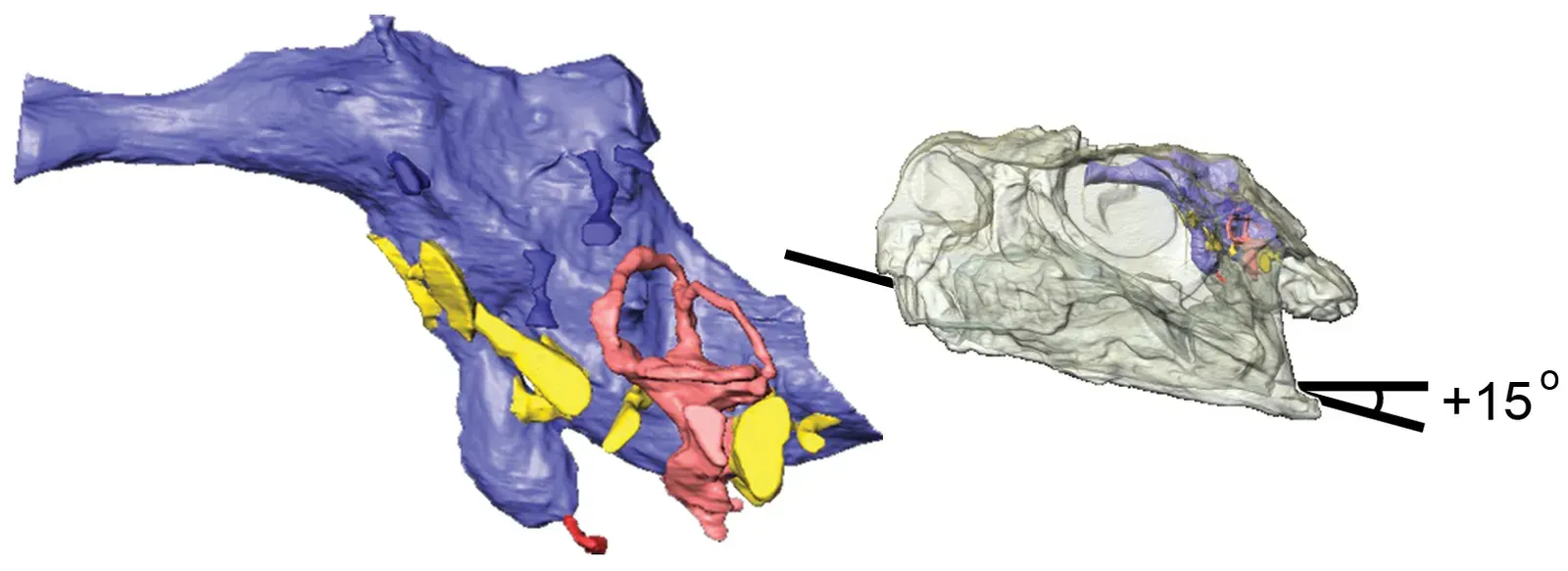
Before non-invasive imaging arrived, studying a dinosaur’s brain came with a brutal trade-off. Before the emergence of non-destructive CT imaging technology, studying dinosaur brains came with one major problem: to examine the endocast, you had to sacrifice the skull. You couldn’t remove the endocast without first breaking the surrounding bone. Imagine having to destroy the very thing you’re trying to understand.
While physical endocasts can be useful, they often aren’t that detailed. More recently, CT scanning has allowed virtual casts to be created in incredible detail. The resolution jump is staggering. What once looked like a rough lump of cast material now reveals distinct lobes, nerve canals, and blood vessel impressions that researchers couldn’t have imagined studying just a few decades ago.
CT scanners are among the most important tools in modern paleontology, having given considerable new help in figuring out how dinosaurs lived and operated. They help reveal the development of different lobes of the brain as recorded in the endocast, and since the structure of vertebrate brains is fairly conserved across the clade, researchers can identify which sections apply to which function.
What Endocasts Actually Reveal About Brain Structure
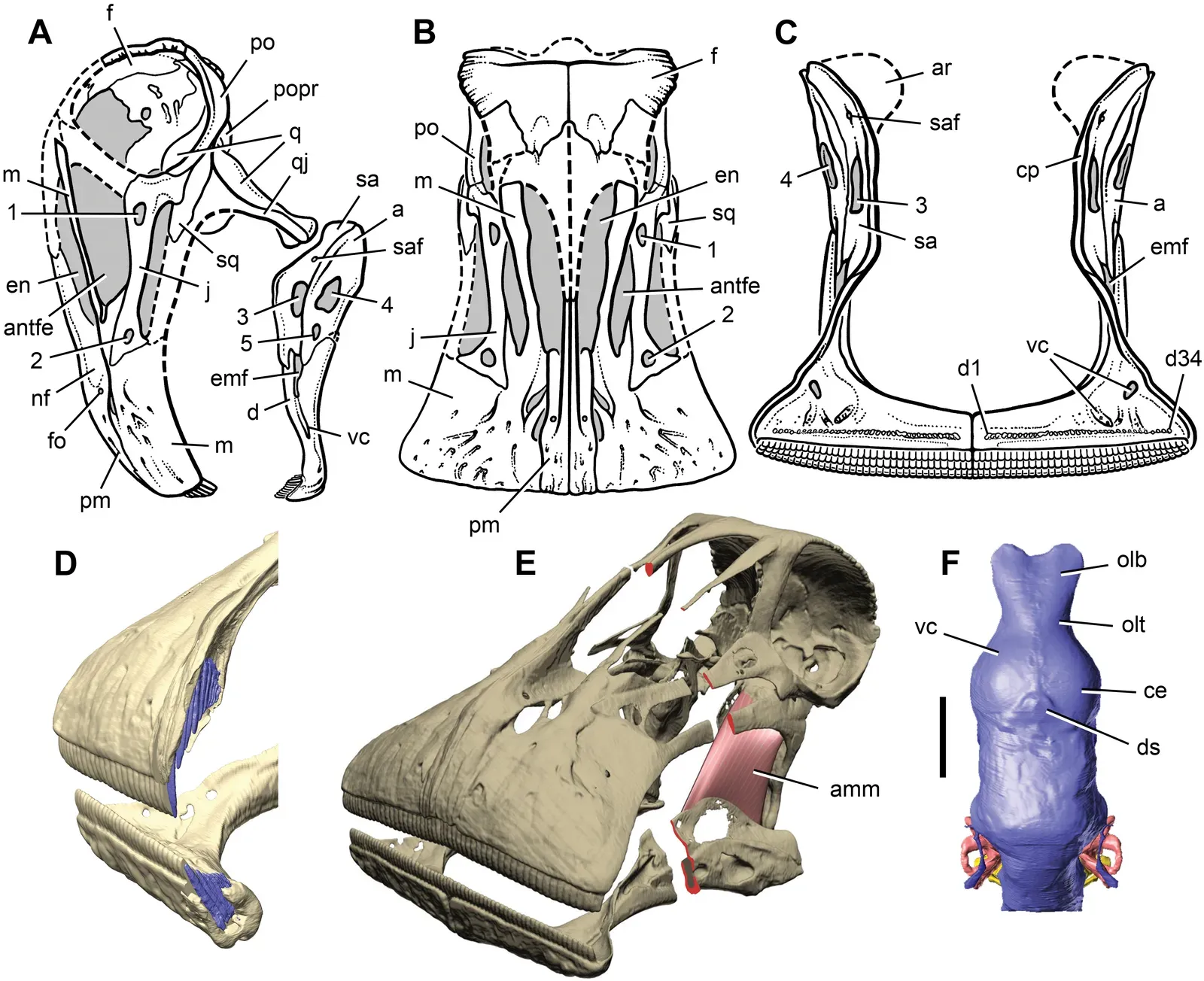
Fossil endocasts record features of brains from the past, including size, shape, vasculature, and gyrification, and these data, alongside experimental and comparative evidence, are needed to resolve questions about brain energetics and cognitive specializations. Each scan is essentially a biography, written in bone geometry.
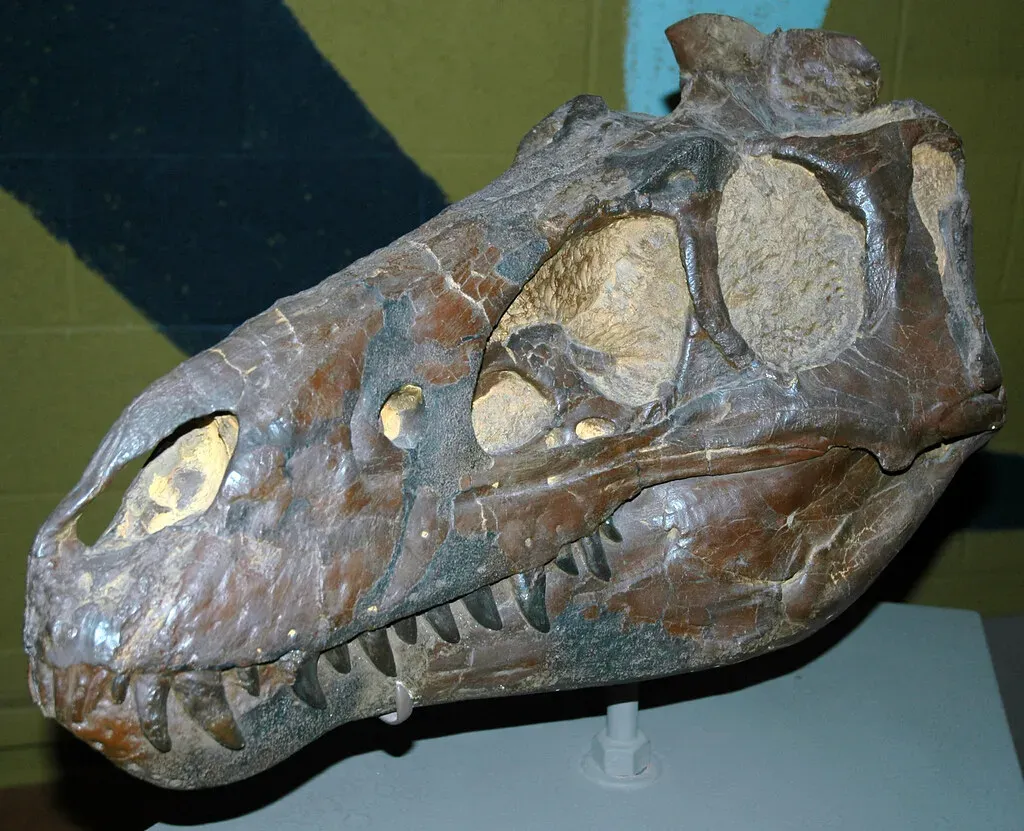
Exploring the brain slice by slice, a trained paleontologist can use bony landmarks to decipher the boundaries of key brain regions and isolate those regions digitally. As researchers segment the brain from front to back, the olfactory bulb is the first structure they encounter, and olfactory bulb shape varies dramatically in dinosaurs and their relatives. That variation tells a story all by itself. A large olfactory region in a predator, for instance, screams “this animal hunted by smell” louder than any fossil footprint ever could.
T. rex and the Surprising Smell Machine
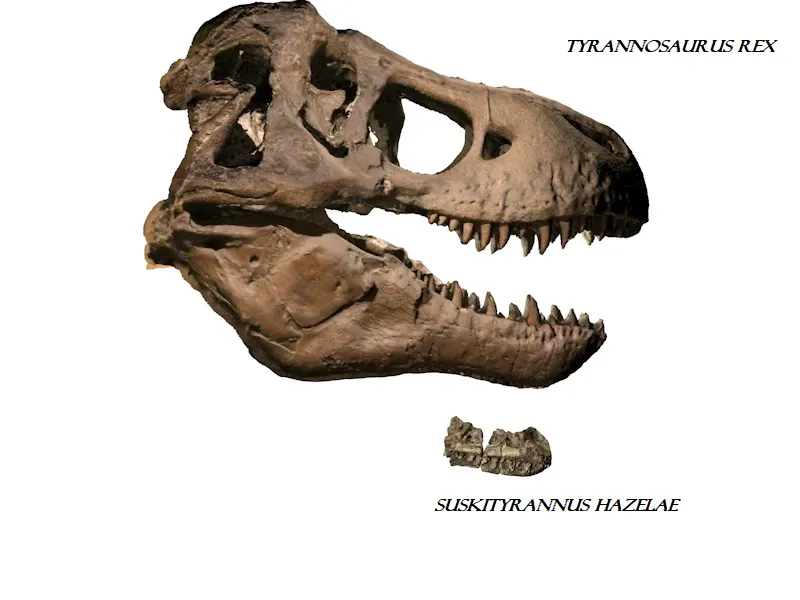
You might picture Tyrannosaurus rex crashing through undergrowth and hunting purely by sight. Most of us do. But the scans tell a completely different story, and it’s far more fascinating.
Tyrannosaurus topped the charts with olfactory bulb dimensions consistent with the presence of more than 600 olfactory receptor genes, a number on par with domestic cats and higher than in almost all modern birds. A T. rex really would have been able to sniff the wind and identify both living prey and carcasses to scavenge long before laying eyes on them. Honestly, imagine a predator the size of a school bus with a nose sharper than your neighbor’s cat. That’s a terrifying combination.
The Tyrannosaurus rex fossil material known as Stan has provided researchers with a detailed understanding of T. rex brain function. For example, roughly half of the brain volume was dedicated to analyzing smells, which reinforces the assertion that the sense of smell was extremely important to this carnivore. Half the brain devoted to a single sense. That kind of neurological commitment is hard to overstate.
The Debate Over Dinosaur Neuron Counts and Intelligence
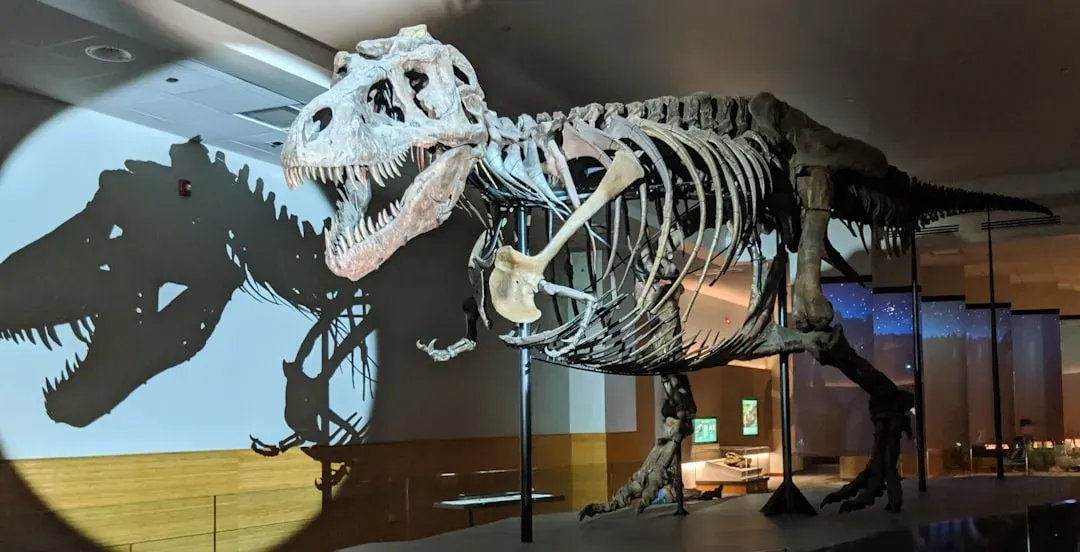
This is where things get genuinely contentious. In recent years, a provocative study suggested that T. rex might have had neuron counts comparable to modern primates. The paleontology community did not take that quietly.
More conservative revised estimates suggest that the T. rex telencephalon, a part of the forebrain involved in sensory, cognitive, and motor functions, had closer to 360 million neurons, and this new estimate suggests that T. rex’s forebrain is more similar to that of modern crocodiles than of primates. That’s still a meaningful number, just not quite the monkey-level intellect some headlines breathlessly announced.
It may be inaccurate to make assumptions about intelligence based on quantity rather than quality of neurons, and some researchers are quite skeptical of whether neuron counts should be accepted as a good proxy of cognitive ability, since it also matters how neurons are connected to each other and organized. It’s a fair point. Neuron count without connectivity data is a bit like judging a computer by the number of transistors and ignoring how they’re wired together.
Specialized Brain Regions and What They Tell Us About Behavior
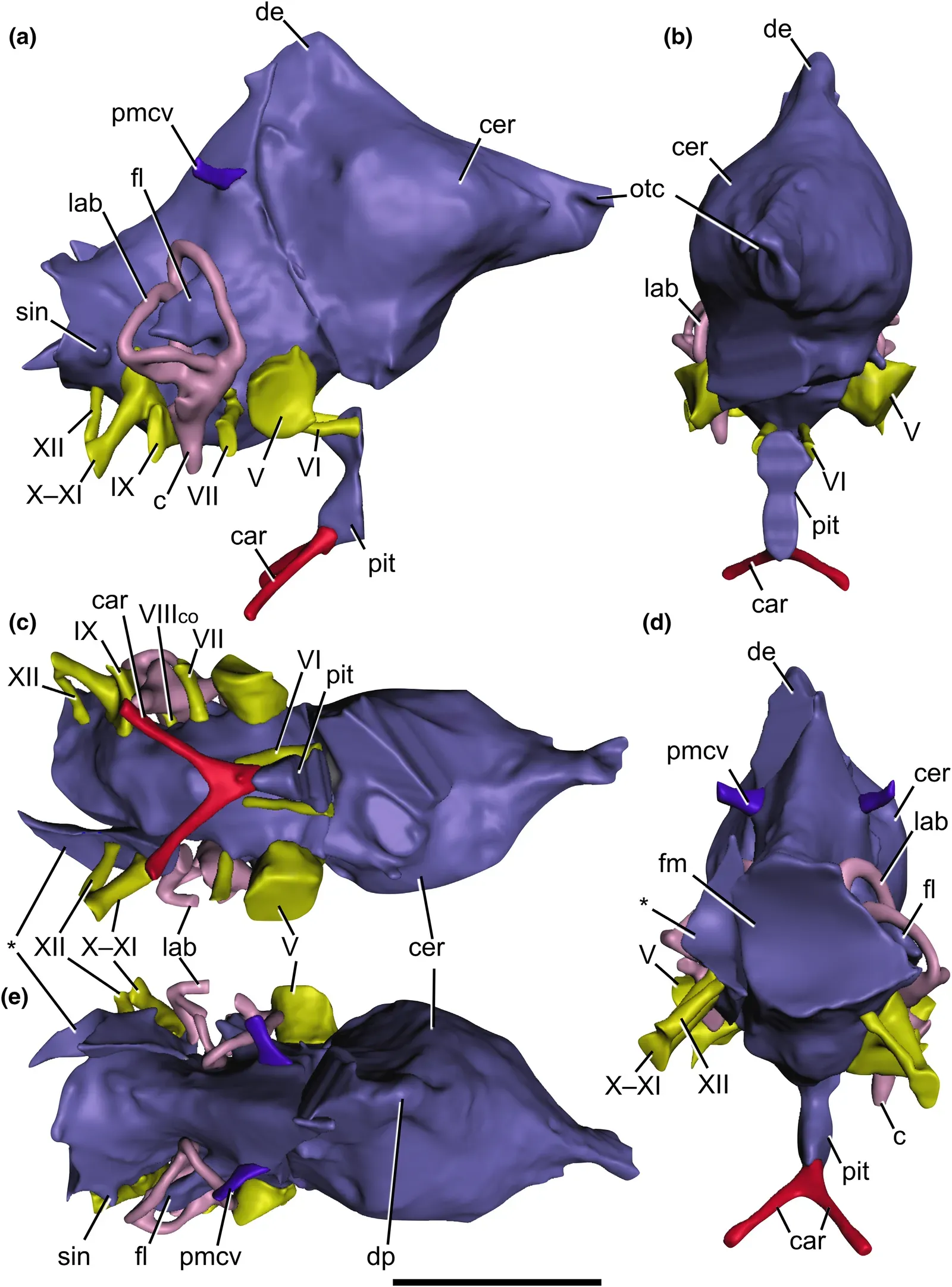
Beyond raw intelligence debates, imaging has quietly delivered something more practical and arguably more revealing: a window into how individual dinosaur species actually lived and sensed their world.
A CT scan of an often-overlooked, plant-eating dinosaur’s skull revealed that while it may not have been all that brainy, it had a unique combination of traits associated with living animals that spend at least part of their time underground, including a super sense of smell and outstanding balance. The work is the first to link a specific sensory fingerprint with this behavior in extinct dinosaurs. That’s remarkable. A scan of a skull can essentially tell you a creature’s lifestyle habits across tens of millions of years of time.
Researchers also reconstructed the inner ears of some dinosaur species, and estimated that certain specimens had a high hearing frequency, which would have allowed them to recognize noises made by other animals, suggesting some sort of social complexity. Social complexity in dinosaurs. That alone should reframe how you picture a prehistoric landscape, less solitary monster, more socially aware creature navigating a complex world.
The Evolving Link Between Dinosaurs, Birds, and Brain Development
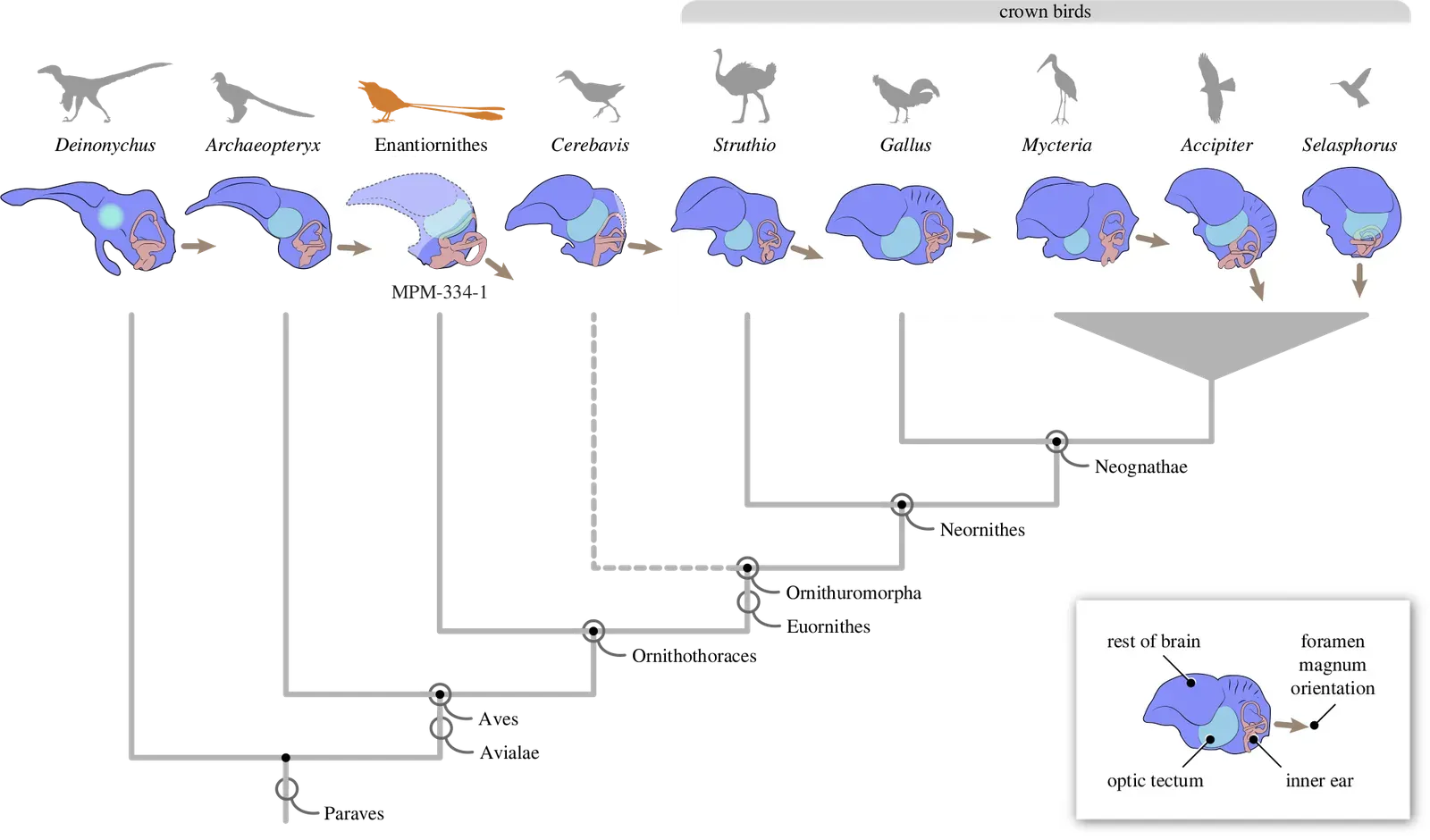
One of the most profound revelations from modern brain imaging is the direct neurological connection between ancient dinosaurs and the birds outside your window right now. It’s not just evolutionary poetry. It’s measurable, visible in scan data.
This work has shown that expansion of the cerebrum arose in more specialized theropods such as oviraptorosaurs and dromaeosaurs, lineages that branched off much later than tyrannosaurids. In other words, the roadmap to bird-like brain complexity was already being drawn tens of millions of years before the first true bird took flight.
Birds evolved from carnivorous dinosaurs called theropods, including T. rex, while crocodiles evolved from an ancestor of dinosaurs, the archosaurs. On the evolutionary tree, these animals sit on both sides of the dinosaurs, so scholars can draw comparisons and make educated guesses about what characteristics present in these creatures today were also present in dinosaurs back then. This technique is called phylogenetic bracketing. Think of it as triangulating a lost city using two maps drawn from opposite ends of the same road.
Conclusion: Rewriting What We Thought We Knew
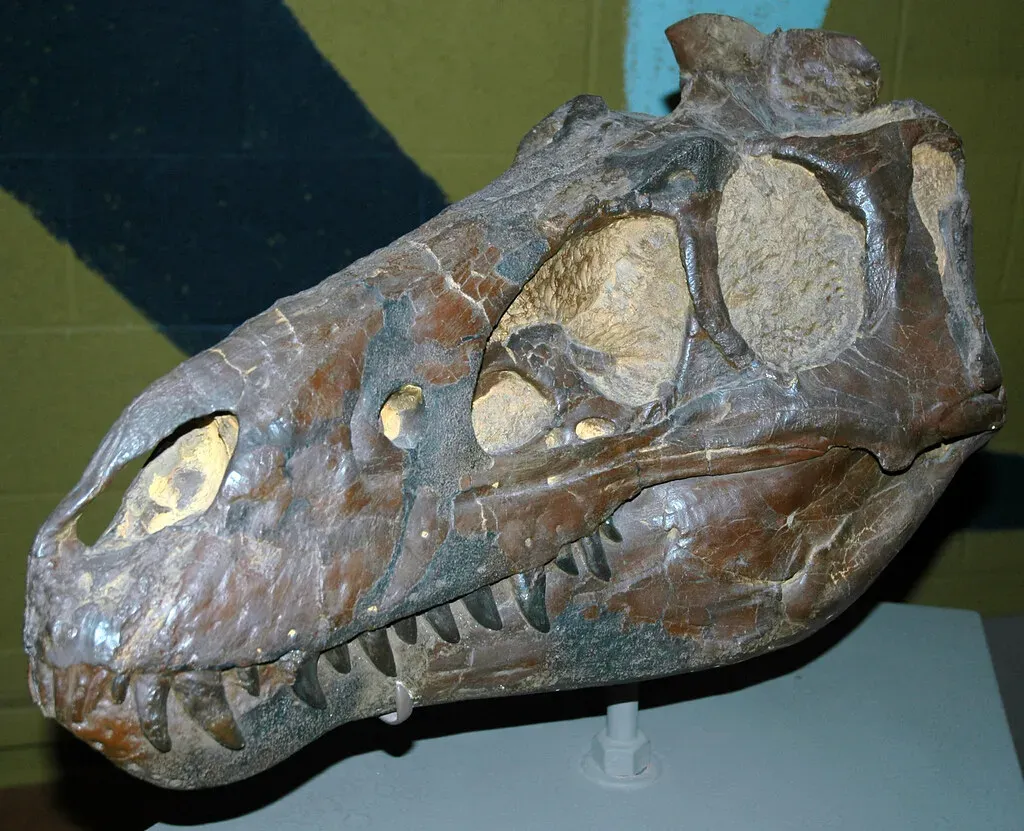
If there’s one clear takeaway from decades of advanced imaging research, it’s this: we have been drastically underselling dinosaurs. Not just in physical terms, but neurologically. The old caricature of a dim-witted, slow beast is not just outdated. It’s flatly contradicted by the science.
Dinosaurs may be long extinct, but recent discoveries have made it abundantly clear that they are anything but settled science. New fossils, reanalyses of famous specimens, and the use of increasingly sophisticated tools have continued to upend what we thought we knew about how these animals lived. Every scan of a new skull has the potential to reframe an entire species.
What’s genuinely exciting, and maybe a little humbling, is that the more clearly we see into these ancient skulls, the more we realize how much is still unknown. The technology keeps improving. The fossils keep revealing new details. Paleontology, like all sciences, is a continually evolving and growing field, and knowledge changes with the help of new technology such as CT imaging, curious minds, and unexpected discoveries. The dinosaurs have been silent for 66 million years. But with every scan, they’re speaking again. What do you think they’re telling us? Share your thoughts in the comments below.