There’s something almost otherworldly about a person who dedicates their life to digging through ancient rock layers, searching for clues about creatures that walked the Earth hundreds of millions of years ago. Most people picture a sun-burned scientist crouched over a desert canyon, brushing dust off a dinosaur bone. Honestly, that image isn’t entirely wrong – but it’s only a tiny sliver of what it really takes.
The spirit of a true paleontologist goes far deeper than a love of fossils or a childhood obsession with dinosaurs. It’s a rare combination of traits, a kind of inner architecture, that makes some people uniquely suited to reading the story written in stone. Curious about whether you have what it takes? Let’s dive in.
1. An Insatiable, Bone-Deep Curiosity
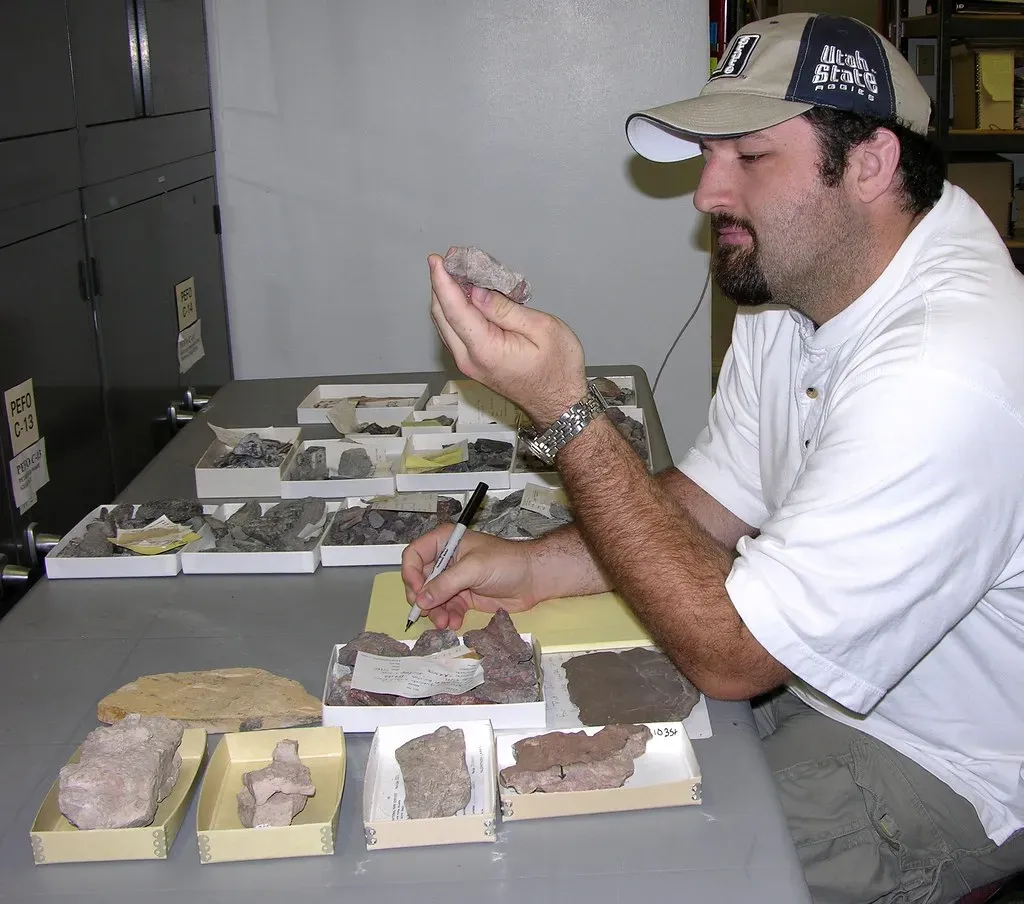
Here’s the thing – curiosity isn’t just a nice-to-have in this field. It’s the engine that drives everything. Paleontologists tend to be predominantly investigative individuals who are quite inquisitive and curious people that often like to spend time alone with their thoughts. That kind of deep, almost solitary inquisitiveness is what pushes you to keep asking “why” when everyone else has already moved on.
You should be inquisitive, with a natural curiosity about the world and its history. A desire to read and study is also important, as you will be spending many years in school. Think of it like being a detective, except your crime scene is three hundred million years old and the suspect left behind nothing but a mineralized bone fragment. That kind of puzzle-solving energy is what sets a true paleontologist apart from everyone else.
2. Patience That Borders on the Extraordinary
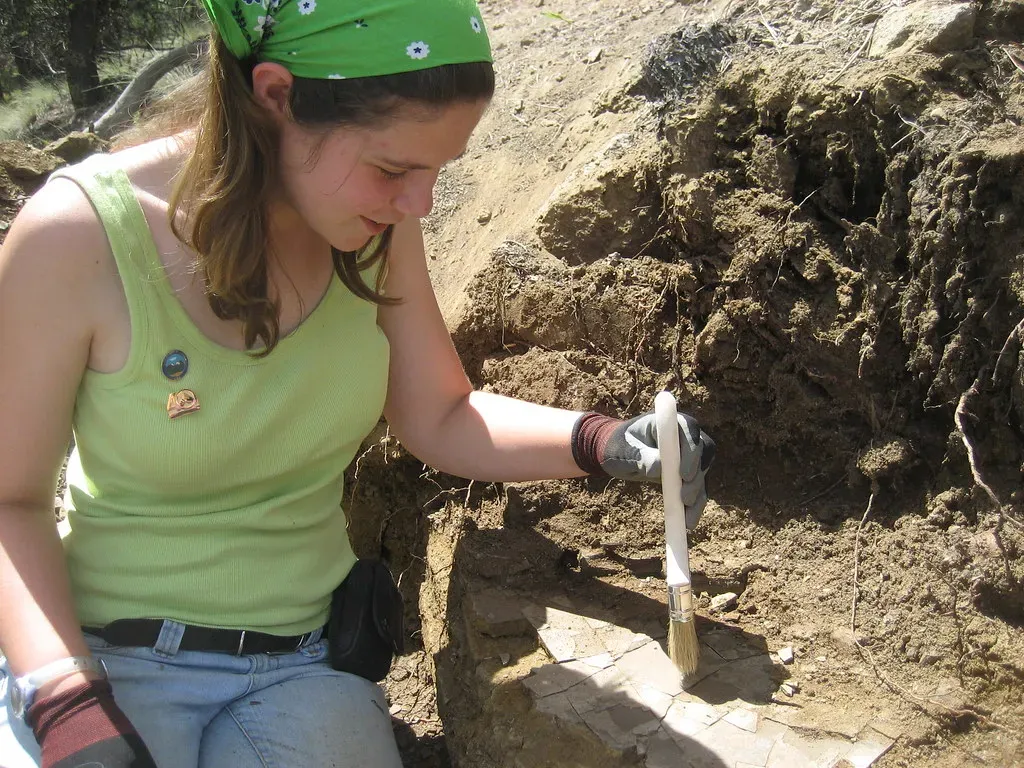
Let’s be real – patience in paleontology isn’t the kind you practice while waiting for your coffee to brew. This is a whole other level. It can take months, sometimes even years, to find any new fossils, as remains are often destroyed or consumed soon after death. As such, a lot of patience and perseverance will go a long way. Imagine committing years of your life to a search that might yield nothing. Most people couldn’t do it.
You’ll need a pretty active imagination to think like the dinos did, plus plenty of patience to keep hunting for fossils that don’t tend to materialize on demand. It’s almost meditative, in a way. The earth doesn’t reveal its secrets on your schedule. You learn to wait, observe, and keep going even when the terrain feels impossibly stubborn. That patience, I think, is one of the rarest and most beautiful traits a scientist can possess.
3. A Formidable Analytical Mind

Paleontologists must interpret fossil evidence and geological data to form logical, evidence-based conclusions about ancient life and environments. This is not a field where guesswork gets you far. Every chip in a fossil, every layer of sediment, every slight curve in a bone tells a story – and you have to be the one to decode it with rigor and precision.
Analytical thinking and problem-solving skills are fundamental. Fossils rarely tell their story directly – you’ll interpret fragmentary evidence, compare specimens across collections, and build arguments about ancient organisms’ biology and ecology. Strong quantitative skills help you apply statistical methods, create computer models, and analyze large datasets. Think of it like assembling a puzzle with half the pieces missing, no picture on the box, and the pieces keep crumbling in your hands. That’s the analytical challenge paleontologists face every single day.
4. Physical Resilience and a Love for the Outdoors
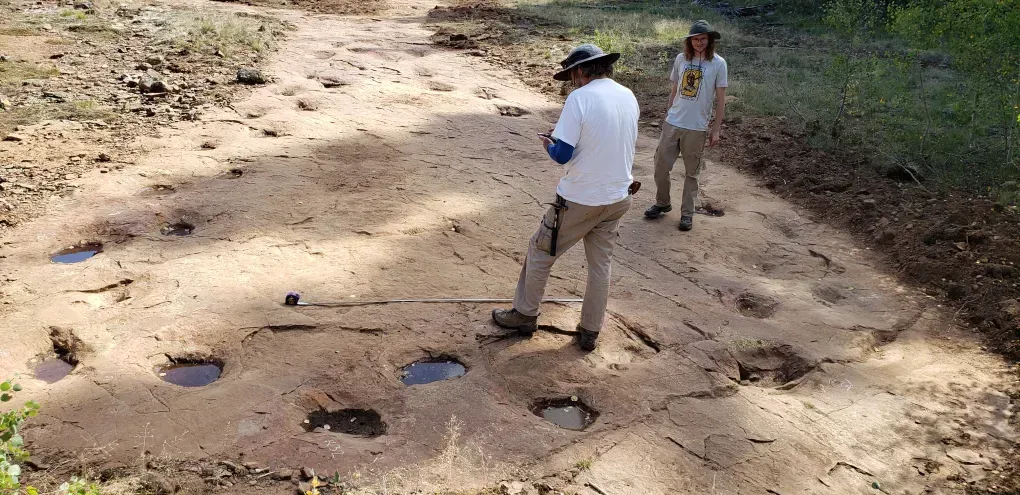
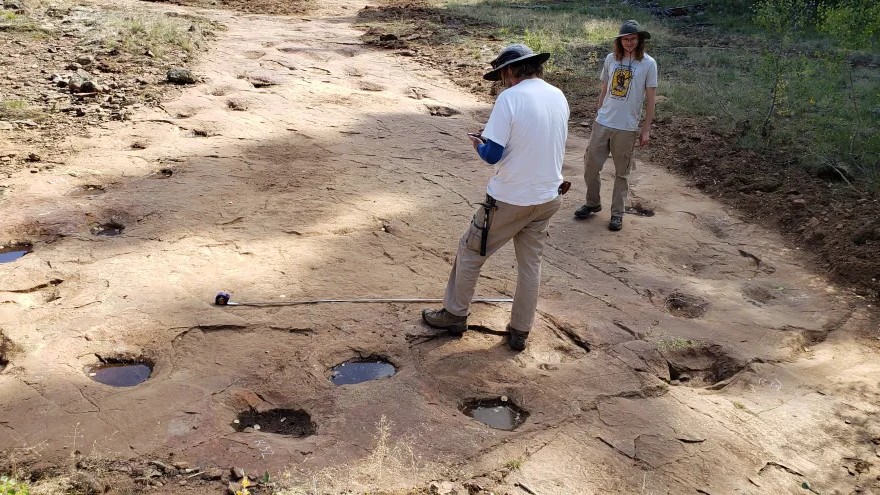
Successful paleontologists combine field skills, laboratory techniques, and analytical abilities. You’ll need physical stamina for fieldwork – hiking long distances over rough terrain, working in uncomfortable positions, lifting heavy equipment, and tolerating extreme weather conditions. Manual dexterity helps when extracting delicate fossils or preparing tiny specimens under a microscope. This isn’t a desk job, at least not entirely.
To be a palaeontologist you have to really love the outdoors and enjoy being outside a lot, particularly if you want to study geology as an undergraduate degree. There’s a certain romance to working under a blazing sun in the Gobi Desert or scrambling up a sea cliff on a fossil coast. Still, the physical demands are genuinely tough. Your body has to be as committed as your mind, because the earth doesn’t give up its treasures easily – and neither should you.
5. Creative Vision and Scientific Imagination
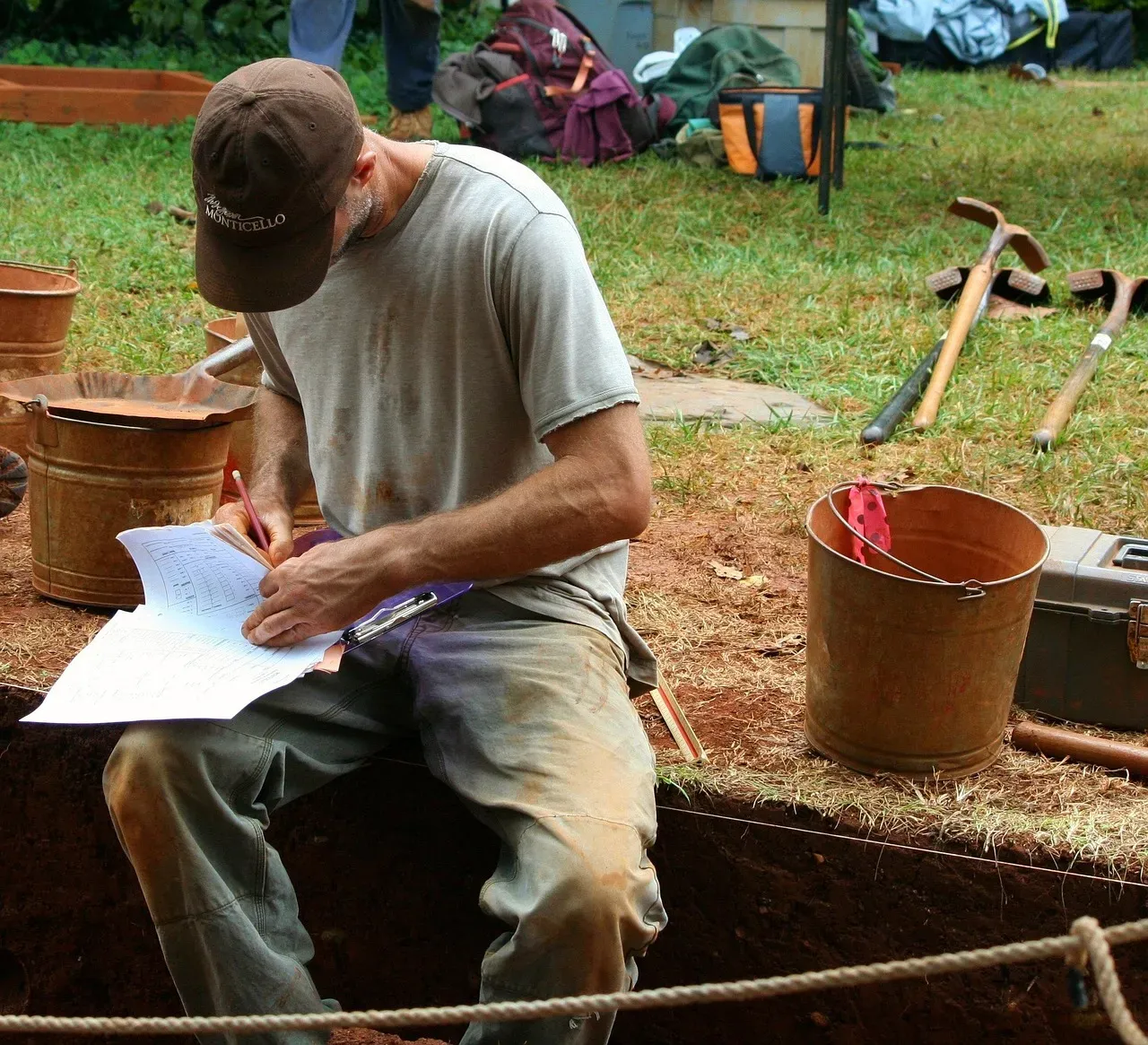
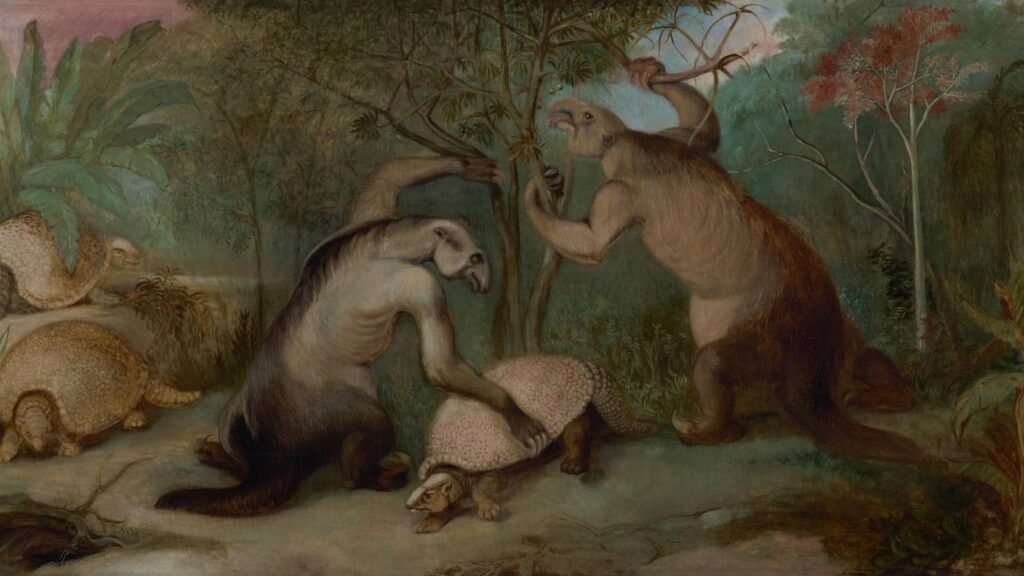
In the process of recreating the look and historical context of the fossil, paleontologists must possess some measure of creative vision. This surprises many people. Science and creativity aren’t opposites – in paleontology, they’re inseparable. You’re constantly asked to reconstruct living, breathing organisms from fragments of what they left behind. That requires a very special kind of imaginative thinking.
Paleontological work may seem limited by the fossil specimens available, but truly the main limitation is imagination. Creativity keeps paleontology moving forward. Paleontology always needs more passionate people with fresh ideas and fresh perspectives. I find this genuinely inspiring. The best breakthroughs in the field haven’t always come from finding the biggest fossil – they’ve come from someone looking at an old specimen in a completely new way. That creative spark is something no degree program can fully teach you.
6. Communication Skills That Bridge Science and Society
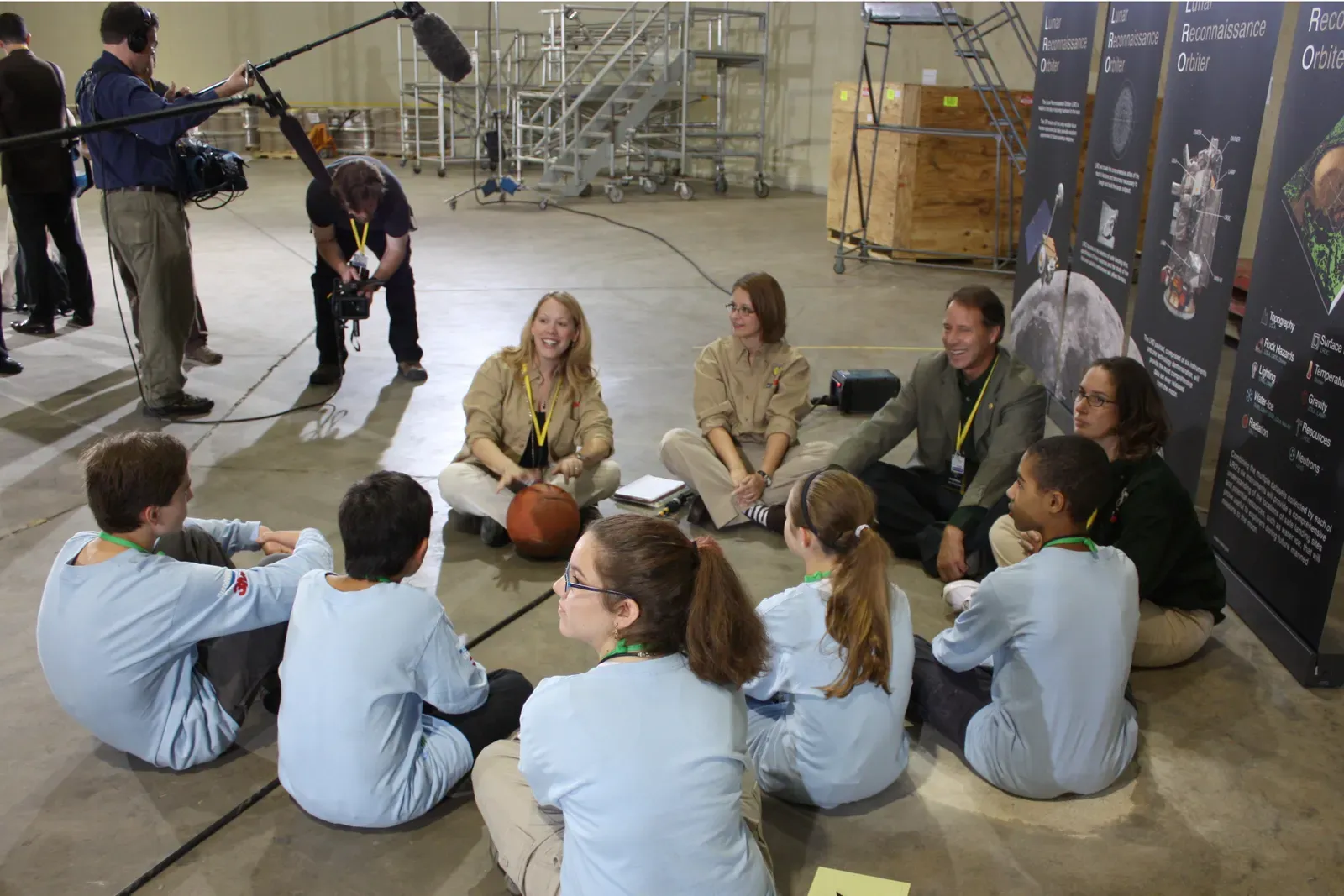
As so much of a paleontologist’s job revolves around research and the communication of that research to colleagues and the scientific community as a whole, strong written and verbal communication skills are necessary. You can make the most spectacular discovery in the history of the field, but if you can’t explain it clearly, it won’t matter much to anyone beyond your own notebook.
Communication skills matter more than many students expect. You’ll write grant proposals competing for limited funding, publish research articles in peer-reviewed journals, teach undergraduate and graduate courses, and present findings at conferences. Writing and public speaking classes are also important: learning to communicate well is an essential skill that will serve you well no matter what you do in the future. The ability to translate 300-million-year-old science into something that excites a ten-year-old at a museum – that’s a genuine superpower.
7. The Spirit of Collaboration and Cross-Disciplinary Thinking
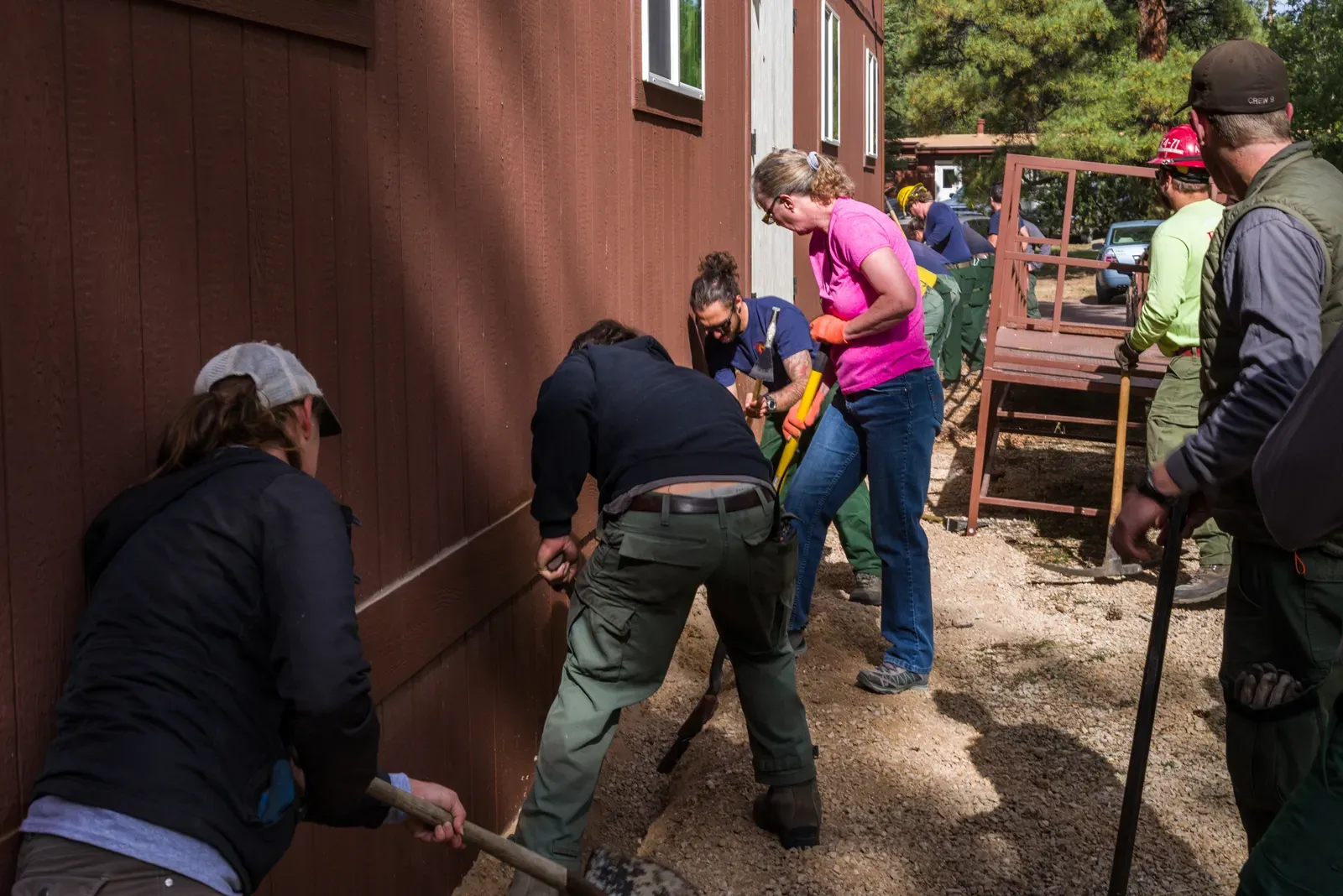
Paleontologists need to know about many fields of science, from rocks to genetics. Because of this, paleontology is among the broadest of sciences. This isn’t a field for lone wolves. The most impactful work in paleontology happens at the intersection of geology, biology, chemistry, ecology, and increasingly, computer science and data modeling.
Fieldwork and research often involve teamwork with geologists, biologists, and museum staff, requiring strong interpersonal skills. It is important to have a respect for other cultures, as you may be working closely with professionals from other countries. Good organizational skills will help you in your work with fossils and museum collections. People skills are also very important, as you’ll be relying on personal contacts in your pursuit of work and funding. Paleontology, at its best, is a deeply human endeavor – a conversation across time, disciplines, and cultures, all pointed toward the same breathtaking question: what was life before us?
Conclusion
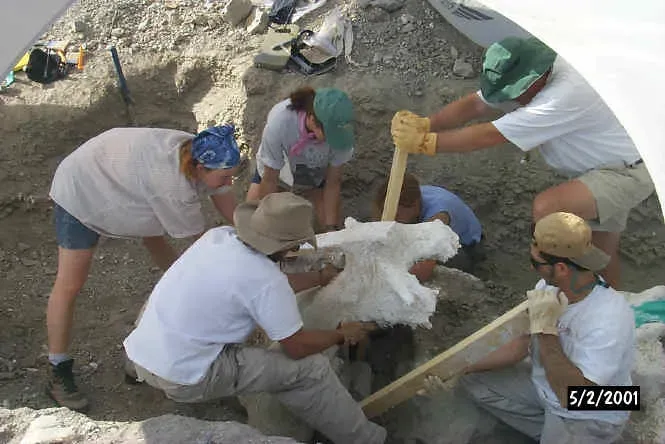
The true spirit of a paleontologist isn’t born in a lecture hall or forged on a single lucky dig. It’s a mosaic – curiosity layered over patience, creativity fused with rigorous analysis, physical grit balanced with the gentleness needed to handle a 65-million-year-old bone. It’s also about people: collaborating, communicating, and carrying a story far bigger than yourself.
Not everyone will turn this spirit into a career. There are many different ways to “be a paleontologist.” You can teach at a variety of levels, do research, take care of collections or other paleontological resources, design exhibits, or be a writer or artist. The path matters less than the fire that drives you forward. So here’s the question worth sitting with: of these seven traits, how many do you already carry within you?