If you could dive into the oceans of hundreds of millions of years ago, you’d hardly recognize them. Giant armoured fish, spiral-shelled squid relatives, and shark-like killers with buzz-saw jaws once ruled waters that now seem calm by comparison. Yet you’re still feeling the effects of those ancient creatures today, every time you look at a coral reef, eat seafood, or even check climate news about the ocean.
Prehistoric marine life did far more than come and go; it rewired how the ocean works. Old extinction events, long-lost reefs, and strange predators helped shape the food webs, chemistry, and even the geography of the seas you know now. When you look closely, modern oceans start to feel like a haunted house built on the bones and habits of vanished worlds.
1. Ancient Reef Builders Paved the Way for Today’s Coral Cities
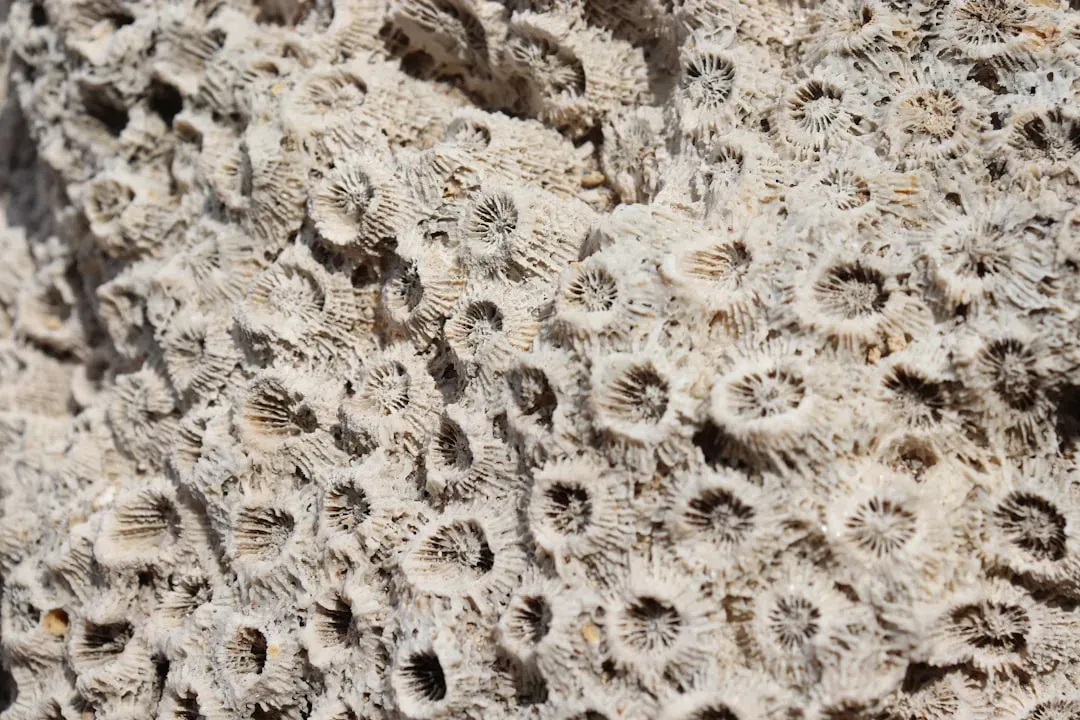
When you picture a reef, you probably think of modern corals, but you’re really seeing just the latest chapter in a very old story. Long before reef-building corals took over, ancient organisms like stromatolites (layered mounds built by microbes), tabulate corals, and rugose corals were already stacking themselves into hard, complex structures. You can think of these early reef builders as the architects who tested out what works when thousands of small skeletons lock together to resist waves and currents.
Those early reefs changed the game for life in shallow seas. By creating nooks, crannies, ledges, and crevices, they made it possible for more species to hide, hunt, and breed in the same small patch of ocean. That basic pattern – tiny reef units building into massive “cities” – set the blueprint modern coral reefs still follow. When you see how a clownfish, a moray eel, and a shrimp all share the same little coral head, you’re watching a lifestyle invented by ancient reef builders millions of years before your own species existed.
2. Prehistoric Plankton Rewired the Planet’s Carbon and Climate
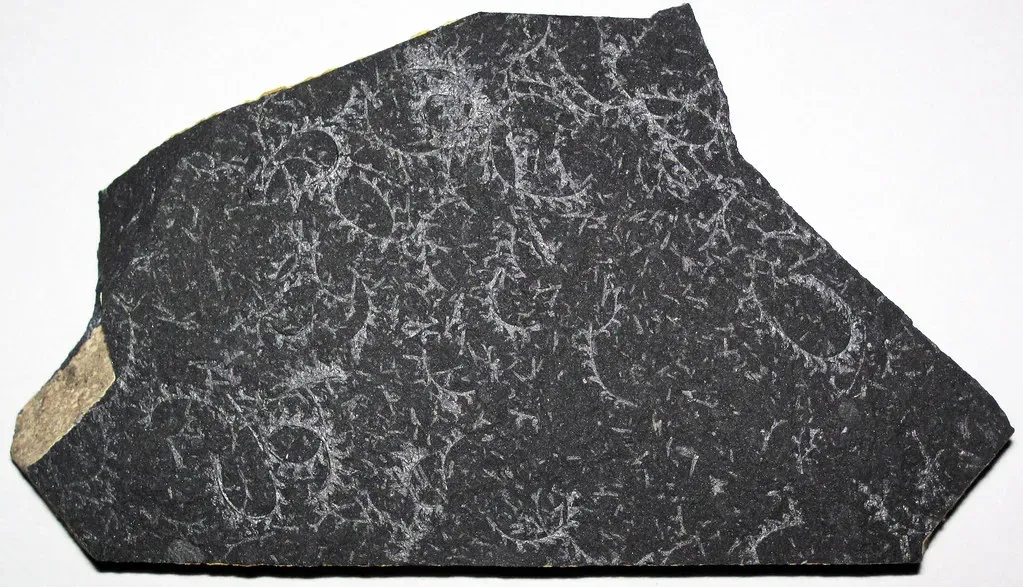
It’s easy to ignore plankton because you can’t really see them with the naked eye, but prehistoric plankton quietly re-engineered your entire planet. When certain groups of plankton evolved hard shells made of calcium carbonate or silica, they started pulling carbon from seawater, locking it away in their tiny skeletons. Over millions of years, their dead shells rained down onto the seafloor and built up into thick layers of chalk, limestone, and other sedimentary rocks that buried vast amounts of carbon.
By repeatedly sucking carbon out of the atmosphere-ocean system, these ancient plankton helped stabilize temperatures and made the climate more hospitable for complex life. Modern oceans still run on the same basic engine: plankton bloom, absorb carbon and nutrients, then sink or get eaten, shuttling carbon between surface waters and the deep sea. When you hear about the “biological pump” today, you’re really hearing about a set of feedback loops first perfected by prehistoric plankton that now quietly help buffer climate shifts you care about.
3. Giant Predators Forced Modern Fish to Get Faster and Smarter
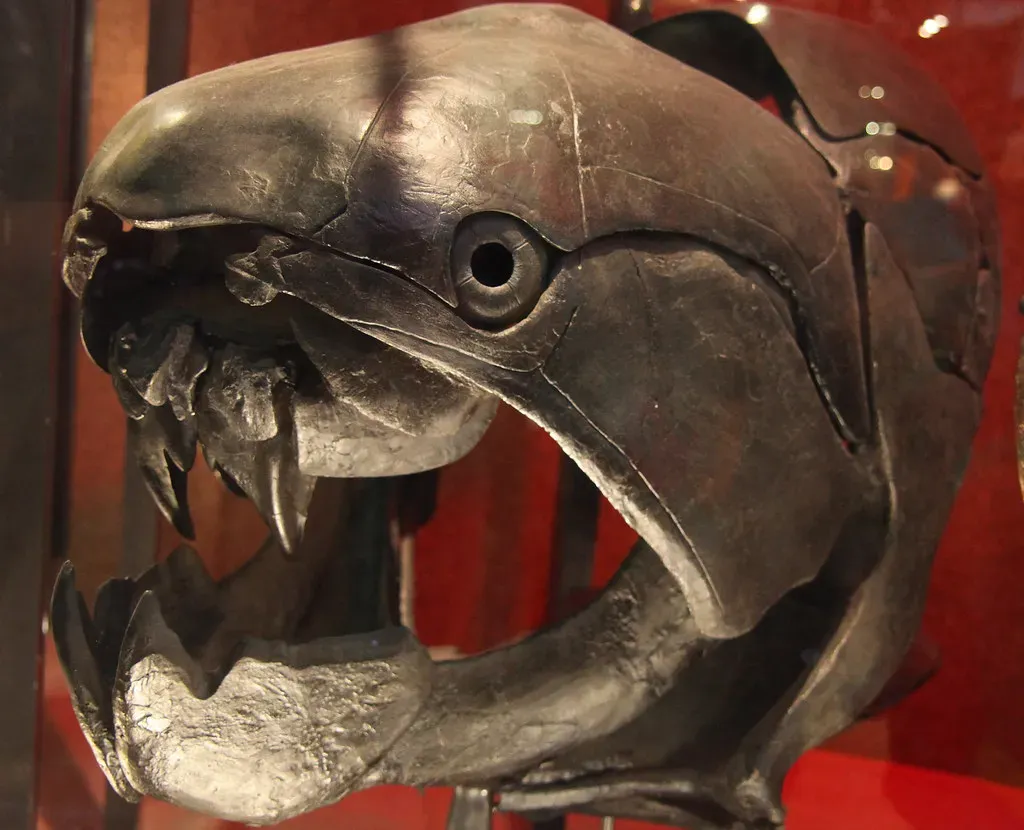
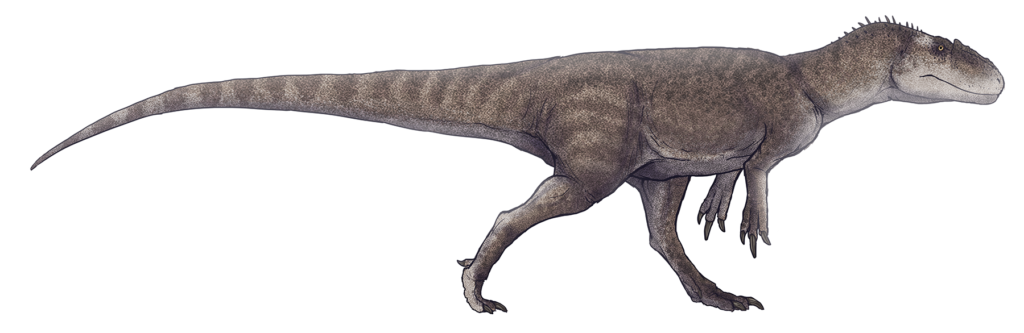
Long before you had sleek tuna and quick, schooling fish, the seas were ruled by bruisers like Dunkleosteus, massive armoured fish that could crush almost anything in their jaws. Later, early sharks and marine reptiles turned open waters into hunting grounds where slow or poorly defended animals didn’t last long. That ancient arms race between predator and prey pushed many lineages toward speed, agility, and sharper senses, traits you still see in today’s open-ocean hunters and their targets.
Modern fish that school tightly, flash silver sides, and dart away in split seconds are leaning on survival strategies polished under pressure from prehistoric monsters. When you watch a bait ball twisting like a living tornado to escape a marlin or dolphin, you’re seeing behavior that likely traces back to early vertebrates trying not to be lunch. The streamlined bodies, camouflaged patterns, and coordinated movements you see today are echoes of a time when being a fraction slower meant you disappeared from the evolutionary story.
4. Early Burrowers Turned the Seafloor into a Living “Garden Soil”
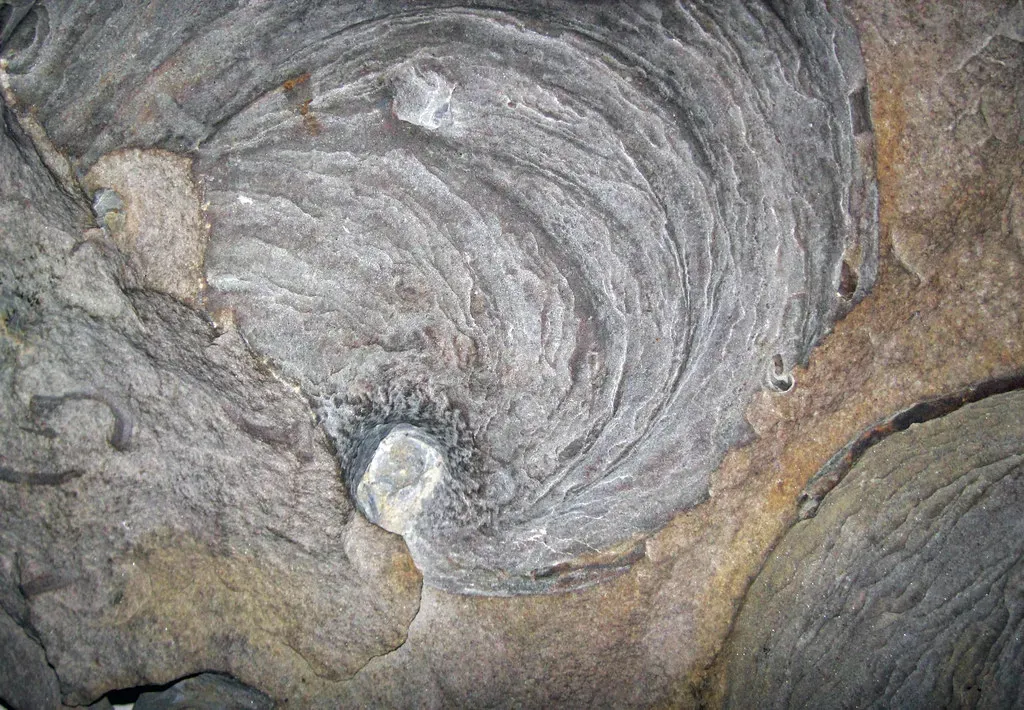
In the very early oceans, much of the seafloor was a relatively smooth, layered place where dead material just settled and stayed put. Then small animals – worms, arthropods, and other invertebrates – began digging, stirring, and churning through the mud. As they burrowed, they mixed oxygen into deeper layers and shuffled nutrients around, a process a bit like gardeners turning over soil with a shovel. This event is sometimes called the “agronomic revolution” of the seafloor.
Because of those early diggers, the modern seabed acts more like a dynamic filter than a passive dumping ground. Sediments now store, release, and recycle nutrients in a way that supports everything from tiny bacteria to large bottom-feeding fish you see today. When you learn that some modern clams, worms, and crustaceans are vital for keeping coastal ecosystems healthy, you’re really seeing a continuation of a lifestyle that started when the first brave creatures decided to tunnel into the mud instead of staying on top of it.
5. Shell-Breaking Hunters Drove the Explosion of Defensive Armor
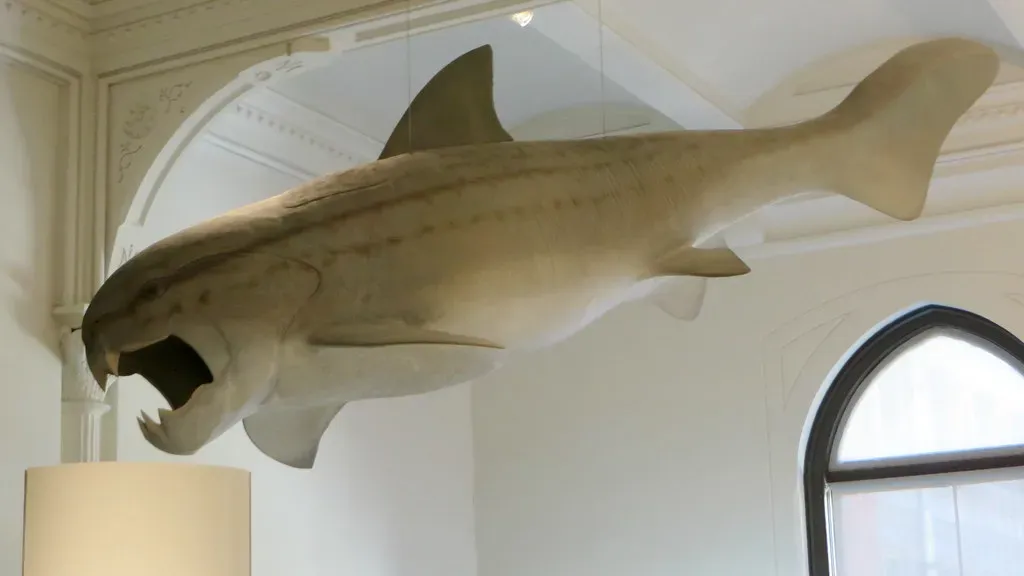
Once some ancient predators evolved jaws strong enough to crush shells – think of early sharks, large crustaceans, and specialized fish – shelled animals had a serious problem. Simple, thin shells stopped being safe, and many prey species started thickening their armor, adding spines, or changing their shapes to make themselves harder to grab and crack. That evolutionary back-and-forth between shell-breakers and shell-bearers is known as a form of the “Mesozoic Marine Revolution,” and you still live with its outcomes today.
When you see modern snails with spiny whorls, bivalves that wedge tightly into rock crevices, or crabs that use claws and posture to bluff their way out of danger, you are watching the long legacy of that shell war. Even the way many modern predators feed – drilling tiny holes, peeling shells apart, or using crushing plates – comes from ancient innovations born in that struggle. So the next time you handle a thick-shelled oyster or admire the spikes on a tropical snail, you’re holding a direct response to hunters that disappeared tens of millions of years ago but still shape who survives in today’s seas.
6. Mass Extinctions Opened the Door for Entirely New Ocean Communities
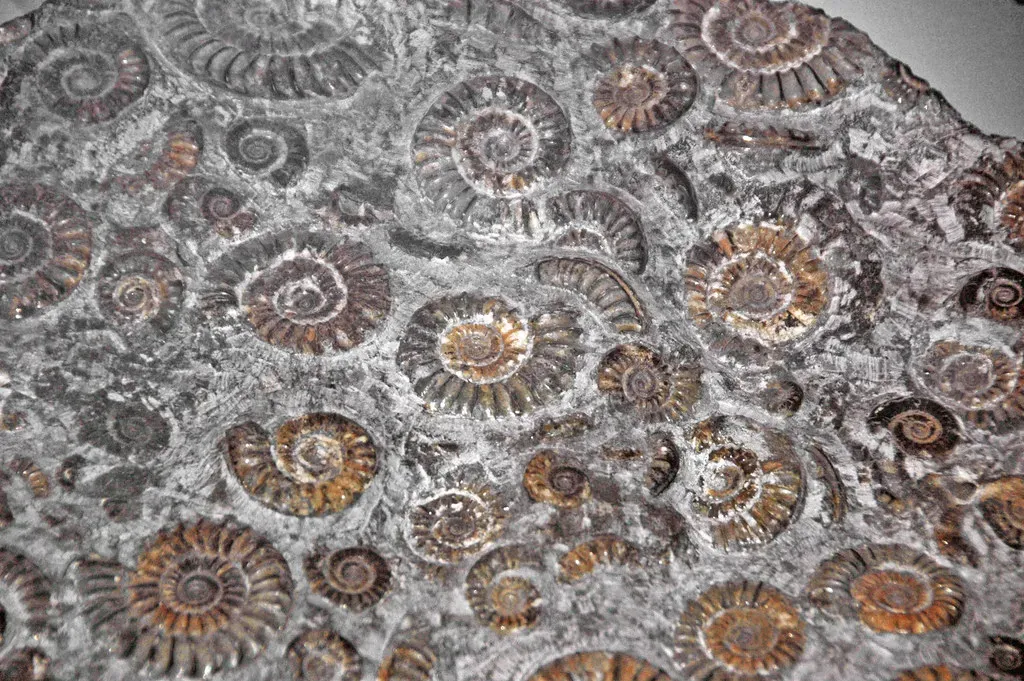
Your modern ocean is not just a stack of gradual changes; it’s also the result of several brutal resets. Events like the end-Permian and end-Cretaceous mass extinctions wiped out huge portions of marine life in relatively short geological bursts. When these crises hit, dominant groups vanished or shrank, leaving ecological space and resources up for grabs. The survivors – often smaller, more flexible species – radiated into those vacant roles and reassembled food webs from the wreckage.
Because of those ancient disasters, many of the lineages you now take for granted in coral reefs, open oceans, and polar seas only rose to prominence afterward. You live in a world where bony fish, modern corals, and many familiar invertebrates flourish in niches once held by very different creatures. When you hear about vulnerable modern species and the risks of a new human-driven extinction, you’re essentially hearing about the possibility of another big reshuffling, just like the ones that sculpted the present-day marine communities you know.
7. Ancient Marine Reptiles and Mammal Ancestors Redefined Top Predators
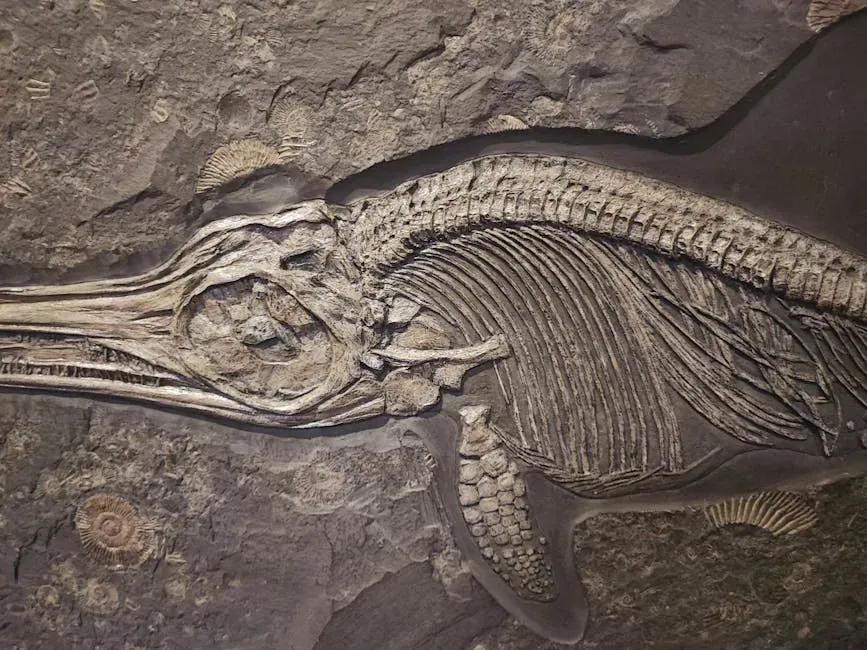
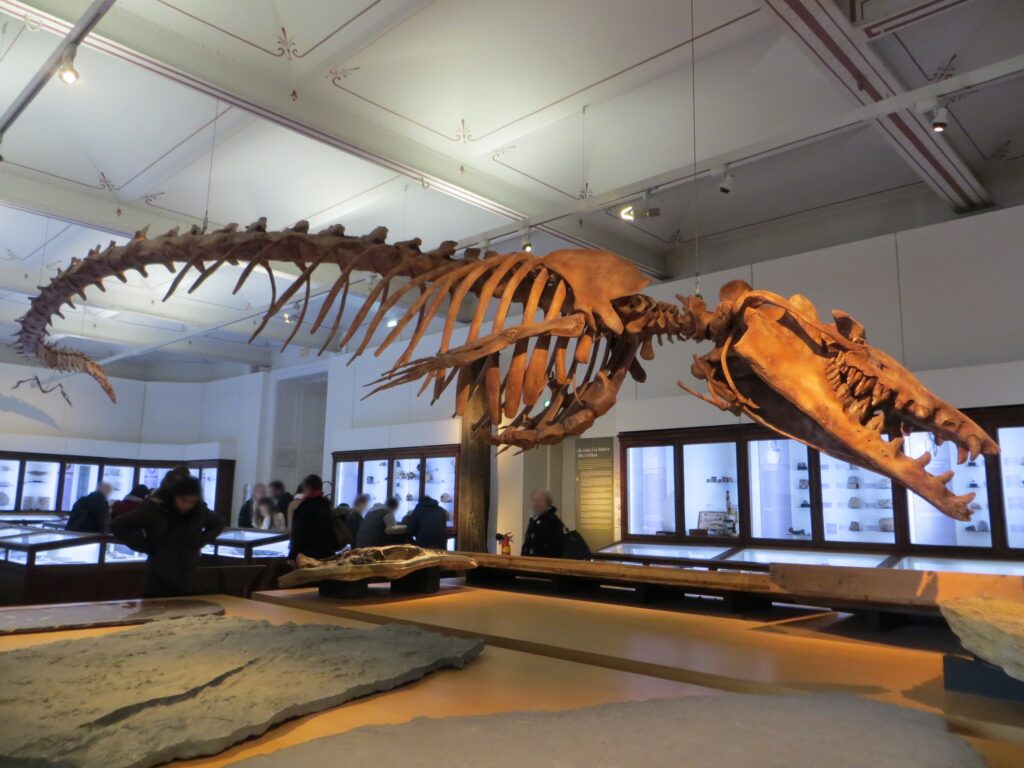
Before you had killer whales or great white sharks, strange marine reptiles like ichthyosaurs, plesiosaurs, and mosasaurs patrolled the seas as apex hunters. These animals experimented with body shapes, flipper designs, and hunting strategies that allowed them to dominate everything from shallow coasts to deep offshore waters. Later, after many of those reptiles disappeared, some land mammals’ ancestors moved back into the water and developed streamlined bodies, powerful tails, and complex social hunting tactics.
Modern whales, seals, and sea lions still benefit from those early evolutionary trials in how to be a large, fast-moving predator in water rather than on land. When you marvel at a whale’s ability to dive deep, communicate over long distances, or coordinate group hunts, you’re seeing refined versions of strategies invented and reinvented since prehistoric times. The very idea that the top spot in the food chain can be held by a warm-blooded, air-breathing creature is one of the more surprising legacies of those ancient returns to the sea.
8. Fossil Coral and Shell “Archives” Shape How You Manage Oceans Today
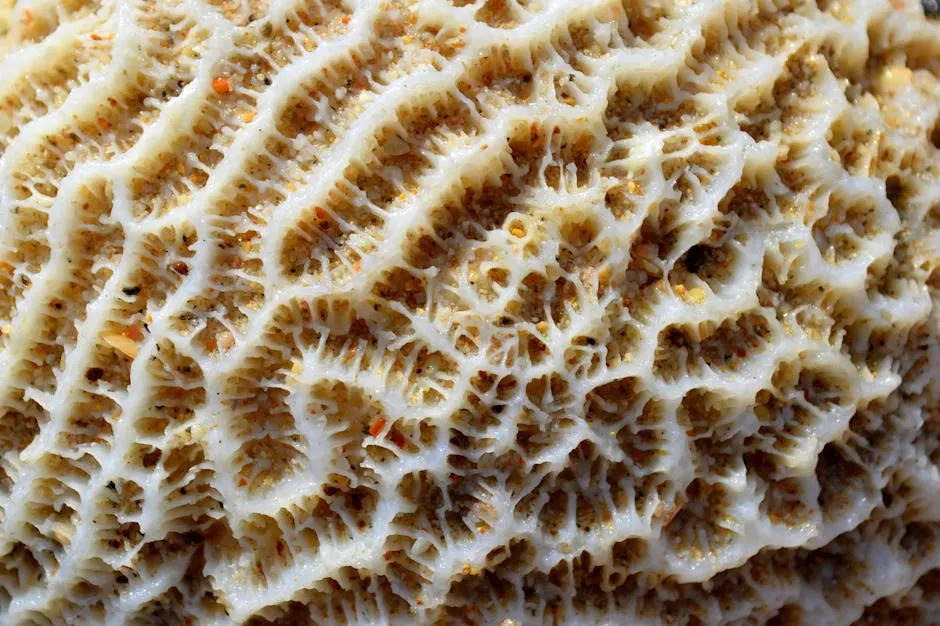
At first glance, fossils might seem like dusty relics with no real impact on what you do with oceans now, but they quietly influence modern decisions. Corals, shells, and tiny plankton fossils preserve records of ancient temperatures, ocean chemistry, and even pollution levels. By reading the chemistry locked in those remains, researchers can reconstruct how seas responded to past warming, cooling, acidification, and sea level changes. You benefit from those reconstructions every time modern climate projections are tested against how the ocean behaved in earlier, natural experiments.
Because prehistoric marine life recorded its surroundings in its skeletons, you now have roadmaps for how different species and ecosystems might respond to the changes you are driving. If you know that past coral communities shrank or shifted during rapid warming intervals, you get an early warning that similar thresholds exist today. In a very literal sense, those long-dead organisms are still advising you on what kinds of risks modern reefs and fisheries might face, and what kinds of changes might push them beyond recovery.
9. Ancient Seagrass and Algal Communities Built Coastal Nurseries
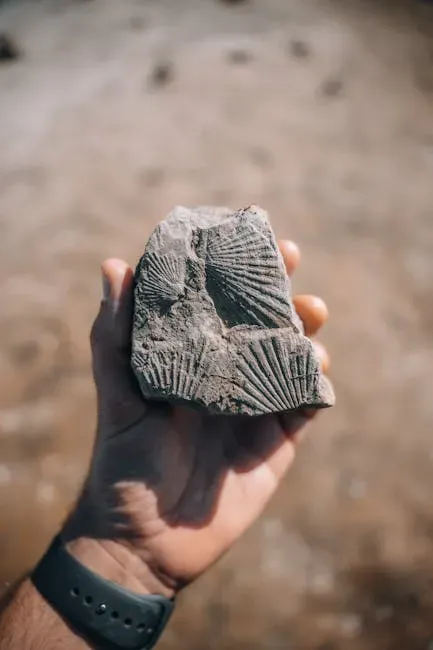
Shallow coastal waters have not always looked like the seagrass beds and algal meadows you may be familiar with now. Over time, early marine plants and algae moved in, stabilized sediments, and created gentle, sheltered environments that worked like nurseries for young fish and invertebrates. Once those plant-dominated habitats took hold, they offered something new: safe zones where juveniles could grow before venturing into more dangerous open waters or reefs.
Modern coastal ecosystems still run on that nursery concept that prehistoric communities pioneered. Many of the fish you eat or see on coral reefs spend their early lives hiding among blades of grass or dense seaweeds in places first shaped by ancient plant colonization. When coastal seagrass meadows die back today, you are not just losing plants; you are chipping away at a system that took millions of years to fine-tune and that underpins the survival of countless species in the modern ocean.
10. Prehistoric Bioluminescence Changed Nighttime Ocean Life Forever
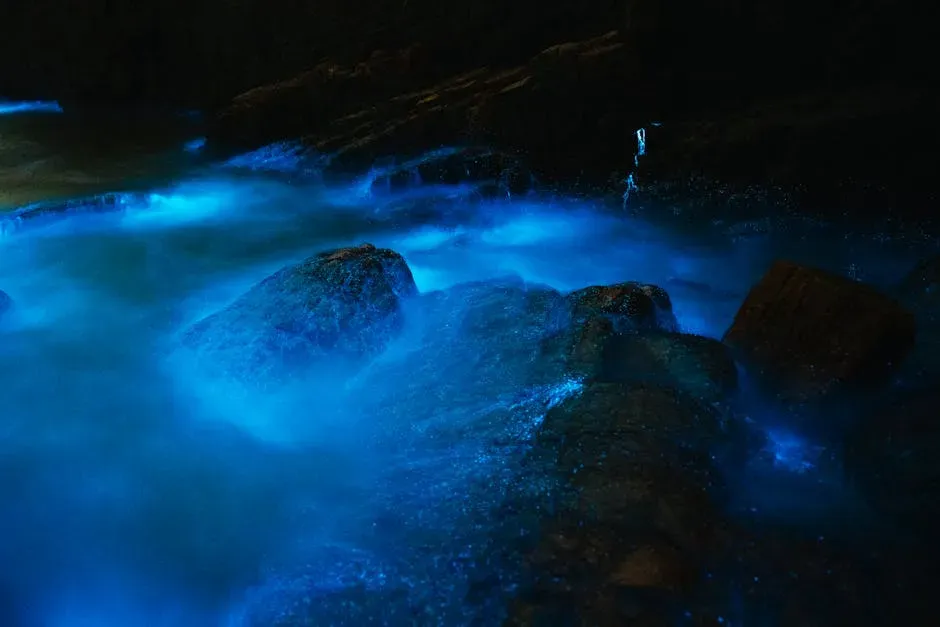
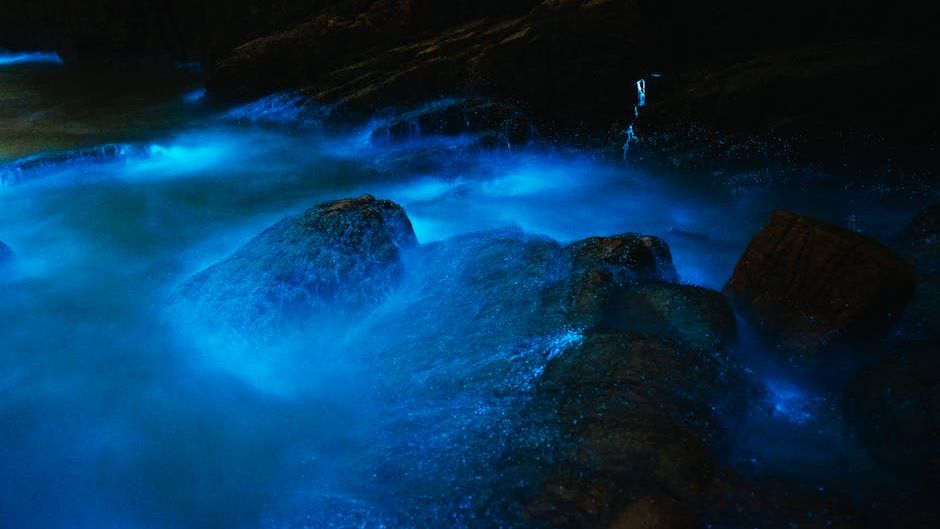
When the lights go out at the surface, you might assume the deep ocean goes dark and quiet, but prehistoric evolution had other plans. At various points, different marine groups evolved bioluminescence – the ability to produce light through chemical reactions inside their bodies. Once early plankton, jelly-like creatures, and later fish started glowing, flashing, and pulsing with light, the night ocean turned into a hidden world of signals and traps. That changed how predators hunted, how prey hid, and how mates found each other in the dark.
Today, much of the deep sea still runs on that light-based communication system first explored by ancient lineages. You see its impact when a fish uses a lure to draw in a meal, when a startled school leaves a glowing trail, or when tiny plankton light up waves near the shore. By turning darkness into an information-rich arena, prehistoric bioluminescent life reshaped the daily rhythm of ocean ecosystems, carving out a thriving nighttime world that most people on land never realize is there.
When you step back, you realize the modern ocean you know is not a fresh start but a layered inheritance. From reef architecture and carbon cycling to predator tactics and nursery habitats, you are swimming in a world designed, tested, and remodeled by countless generations of prehistoric life. The next time you look at the sea, will you see only the surface, or will you imagine the ghostly blueprints of the worlds that came before it?