Sixty-six million years ago, something so catastrophic happened to our planet that nearly three quarters of all life simply vanished. No gradual fading, no slow goodbye. Just an abrupt, world-altering erasure. The story of how the dinosaurs met their end has fascinated scientists, students, and curious minds for generations. Yet here’s the thing – even after more than a century of serious research, we still don’t have it completely figured out.
New fossils, smarter modeling tools, and cutting-edge chemical analysis keep reshaping what we thought we knew. The science is nowhere near finished. Some findings from just the past year or two have completely flipped long-standing assumptions. So if you thought the “asteroid did it” story was the whole picture, buckle up. Be surprised by what the latest research is actually revealing.
The Chicxulub Crater: Ground Zero of a Global Catastrophe
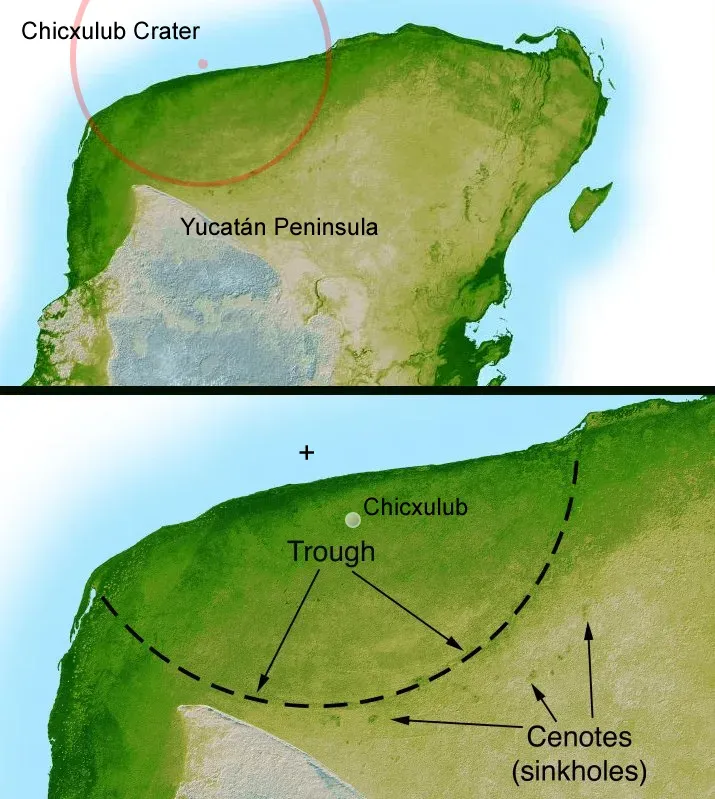
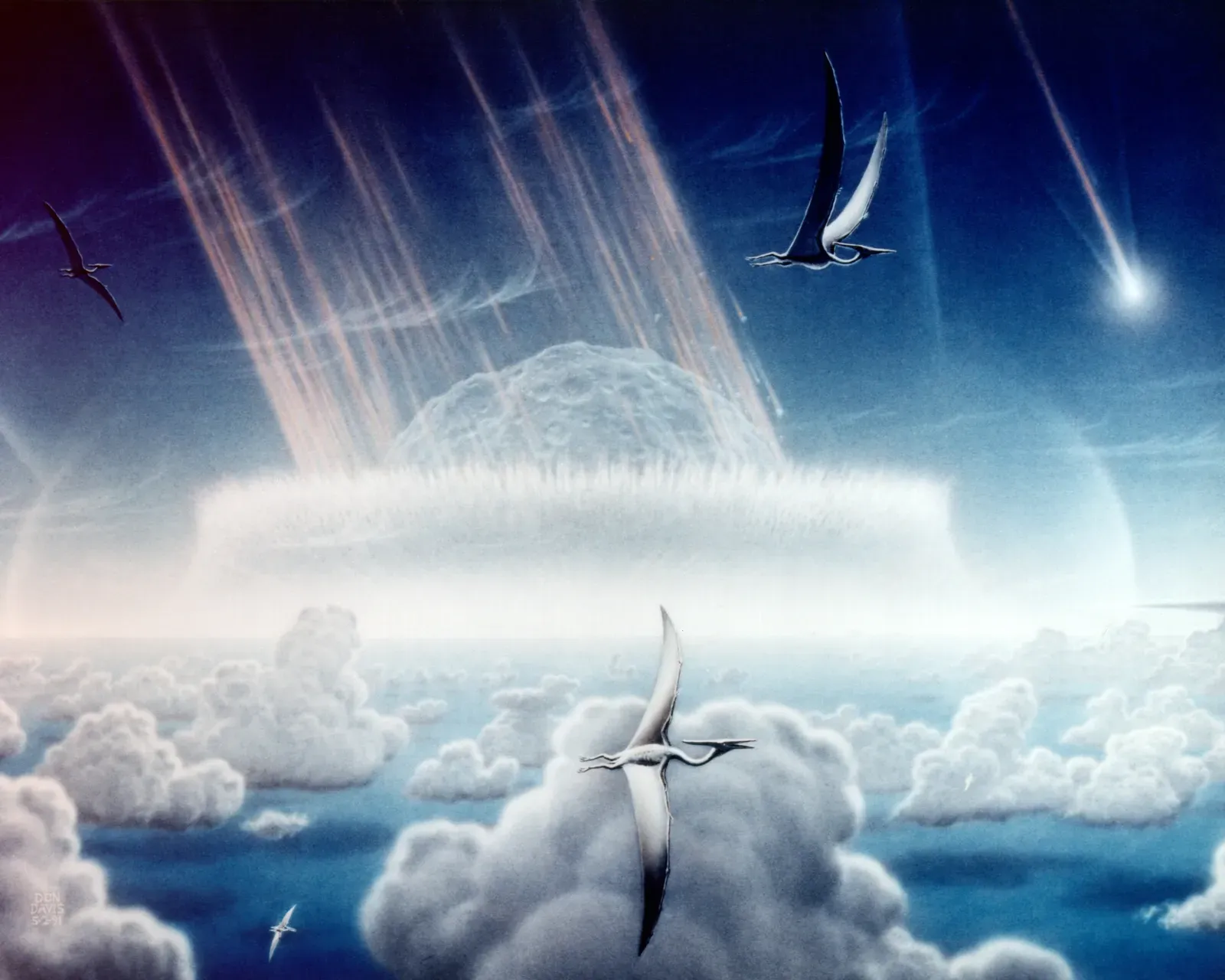
You’ve probably heard the story. Around 66 million years ago, a massive rock from space slammed into what is now Mexico’s Yucatán Peninsula, and life on Earth was never the same again. The Chicxulub crater was formed slightly over 66 million years ago when an asteroid, about ten kilometers in diameter, struck Earth. That’s roughly the size of a small city. When you think about it that way, the scale of destruction becomes genuinely mind-bending.
The Alvarez hypothesis posits that the mass extinction of the non-avian dinosaurs and many other living things during the Cretaceous–Paleogene extinction event was caused by the impact of a large asteroid on the Earth. What made scientists so convinced? The smoking gun was chemistry. The Alvarezes and colleagues reported that a thin layer of clay at the impact boundary contained an abnormally high concentration of iridium, a chemical element rare on Earth but common in asteroids. That kind of geological fingerprint doesn’t lie.
It is now widely accepted that the devastation and climate disruption resulting from the impact was the primary cause of the Cretaceous–Paleogene extinction event, a mass extinction of 75% of plant and animal species on Earth, including all non-avian dinosaurs. Still, acceptance is not unanimity. A healthy faction of scientists keeps pushing back, insisting the story is far more complicated – and honestly, they have a point worth hearing.
The Impact Winter: When the Sky Turned Against Life
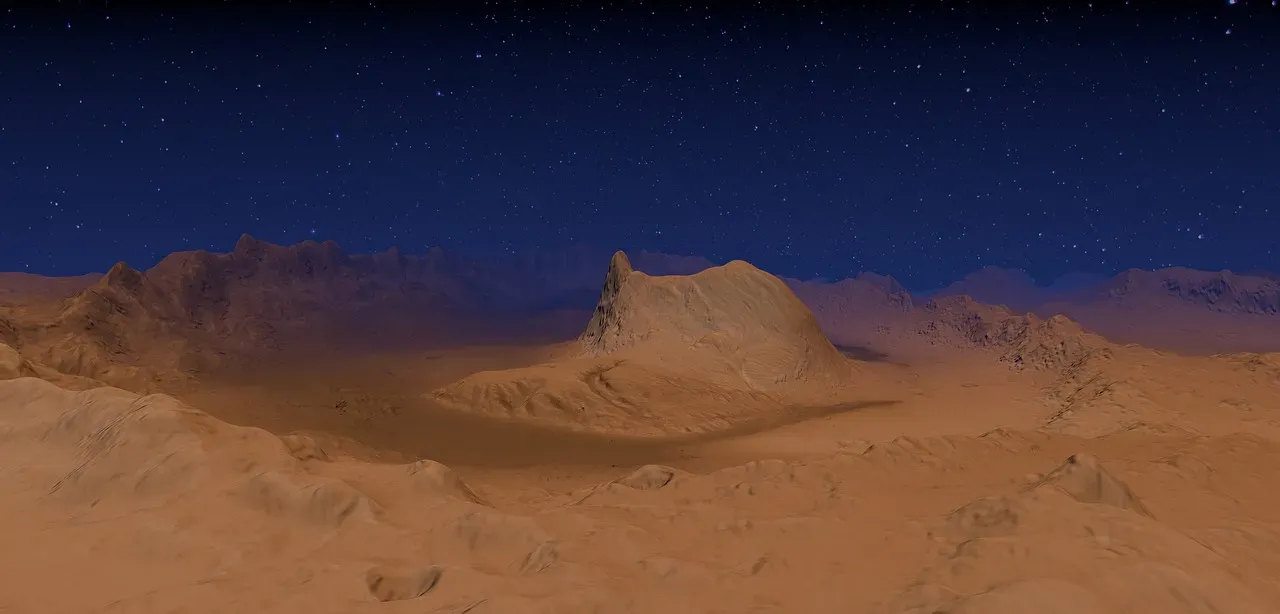
Let’s be real: the asteroid itself did not kill every dinosaur on day one. What followed the impact may have been even more terrifying than the collision itself. It is now generally thought that the K–Pg extinction resulted from the impact of a massive asteroid 10 to 15 km wide, devastating the global environment 66 million years ago, primarily through a lingering impact winter which halted photosynthesis in plants and plankton. Picture a world plunged into near-total darkness for years on end.
Dust from pulverized rock, amounting to around 2,000 gigatons, was propelled into the Earth’s atmosphere, overshadowing the sun and severely disrupting plant photosynthesis. These findings were made possible through advanced modeling techniques, which demonstrated that the atmospheric dust, equivalent to over eleven times the mass of Mount Everest, persisted for up to 15 years, triggering a global nuclear winter, which ultimately caused the dinosaur extinction. Fifteen years of near-darkness. Imagine that.
This “impact winter” plunged the Earth into darkness, halting photosynthesis and causing a collapse of the food chain. Plants died off, followed by the herbivorous dinosaurs that depended on them. You can think of it like pulling out the bottom card from a massive house of cards. Once the plants were gone, everything that depended on them came crashing down with them.
The Deccan Traps: Earth’s Own Contribution to the Catastrophe
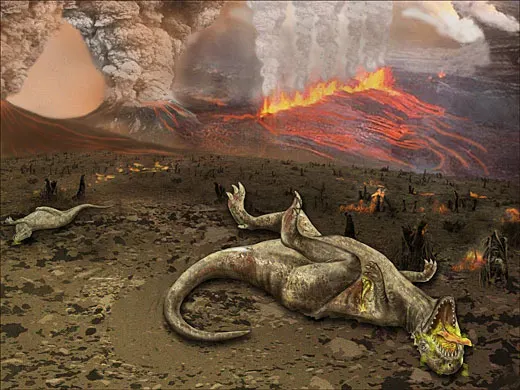
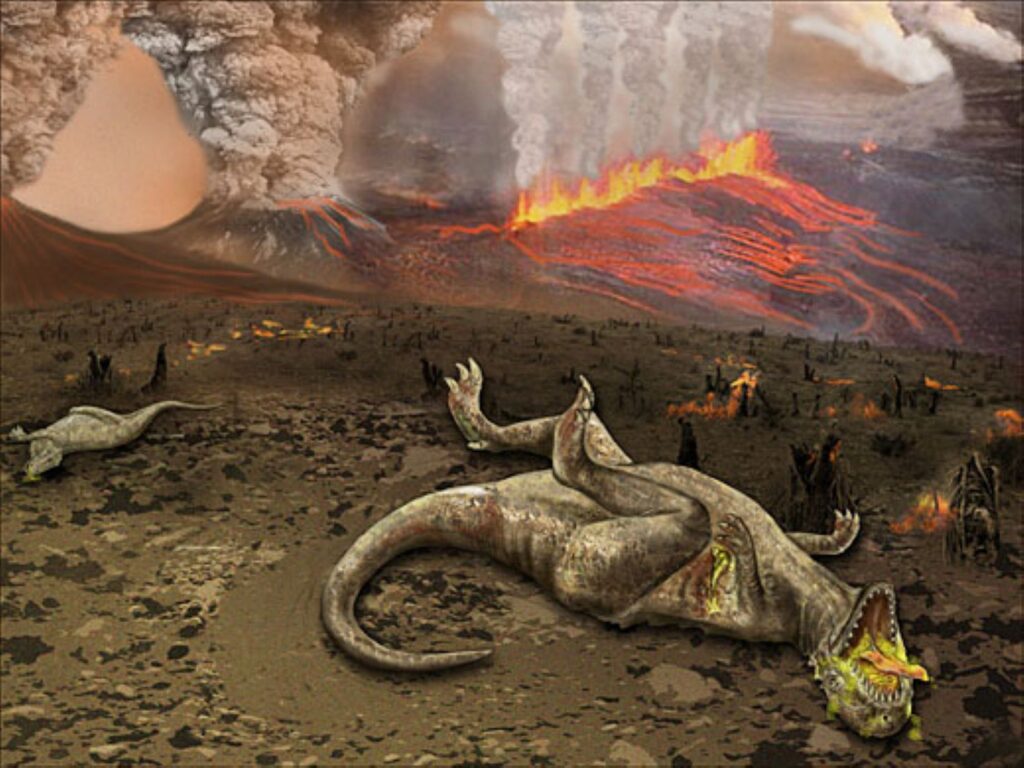
Here’s where things get genuinely complicated – and I think this is the part of the story that doesn’t get enough attention. At almost exactly the same time the asteroid was wreaking havoc, Earth itself was doing something spectacularly destructive from the inside. The Deccan Traps are an area of volcanic flood basalts in Western India spanning roughly 1.3 million square kilometers that were created by massive volcanic activity during the same time period in which the Chicxulub impact occurred.
Volcanic activity of this magnitude would have spewed out huge amounts of carbon dioxide into the atmosphere, causing greenhouse warming. The eruptions would have also caused levels of toxic gases like sulfur and chlorine to rise, resulting in acid rain and further damaging the global environment. Acid rain, global warming, and choking volcanic gases – all happening at the same time as the asteroid’s aftermath. You couldn’t design a worse scenario for life on Earth if you tried.
Data show that CO2 outgassing from Deccan Traps magmas can explain a warming of Earth’s global temperatures by roughly 3 degrees Celsius during the early phases of Deccan volcanism, but shows that the warming had lessened by the time of the mass extinction event. These findings support the theory that later Deccan magmas were not releasing that much CO2, suggesting that volcanic carbon emissions didn’t play a major role in the dinosaur’s extinction. So the volcanoes may have been a stressor, but they were likely not the main killer. The debate, though, is very much alive.
Were Dinosaurs Already Declining? The Fossil Record Fights Back
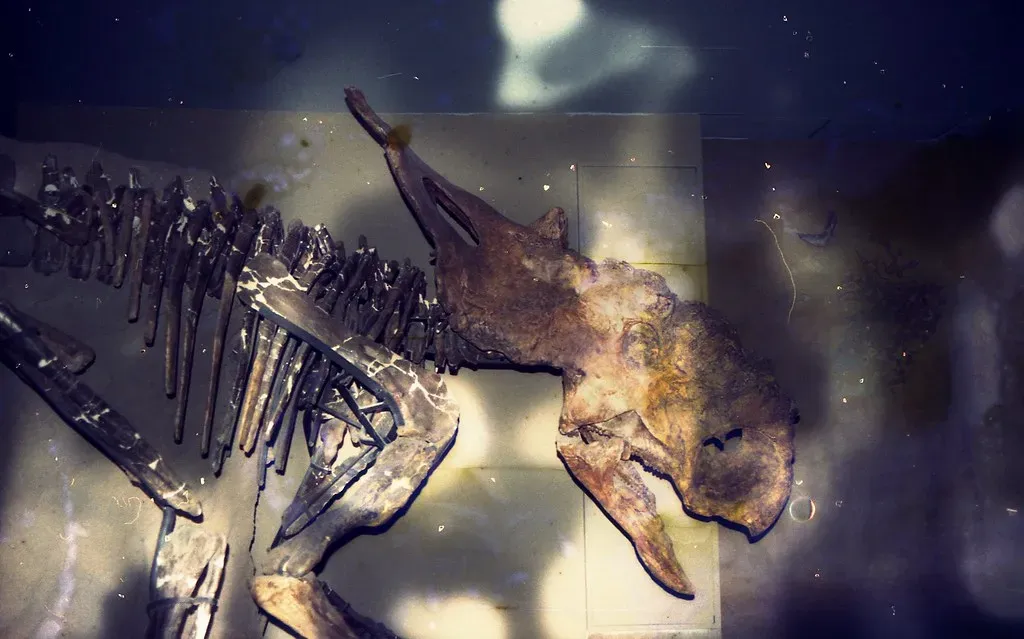
For decades, one of the most widely accepted ideas in paleontology was that dinosaurs were already dying out long before the asteroid delivered the final blow. It was a neat narrative. It made sense. It was also, according to recent research, possibly very wrong. Dinosaurs might not have been on the verge of extinction before an asteroid wiped them out 66 million years ago. New research led by scientists at University College London challenges the idea that dinosaur species gradually declined.
Taken at face value, over 8,000 fossils suggest the number of dinosaur species peaked about 75 million years ago and then declined in the 9 million years leading up to the asteroid impact. But the research team found this trend was due to fossils from that time being less likely to be discovered, primarily because of fewer locations with exposed and accessible rock from the very latest Cretaceous. In other words, the apparent decline may be a trick of geology, not biology. The dinosaurs weren’t disappearing – we just can’t find their fossils as easily.
Researchers found that, during this time, the proportion of land the four dinosaur clades likely occupied remained constant overall, suggesting their potential habitat area remained stable and risk of extinction stayed low. That’s a remarkable finding. The animals weren’t shrinking away from the world. They were holding their ground right to the very end.
Thriving Until the End: Shocking New Evidence from New Mexico
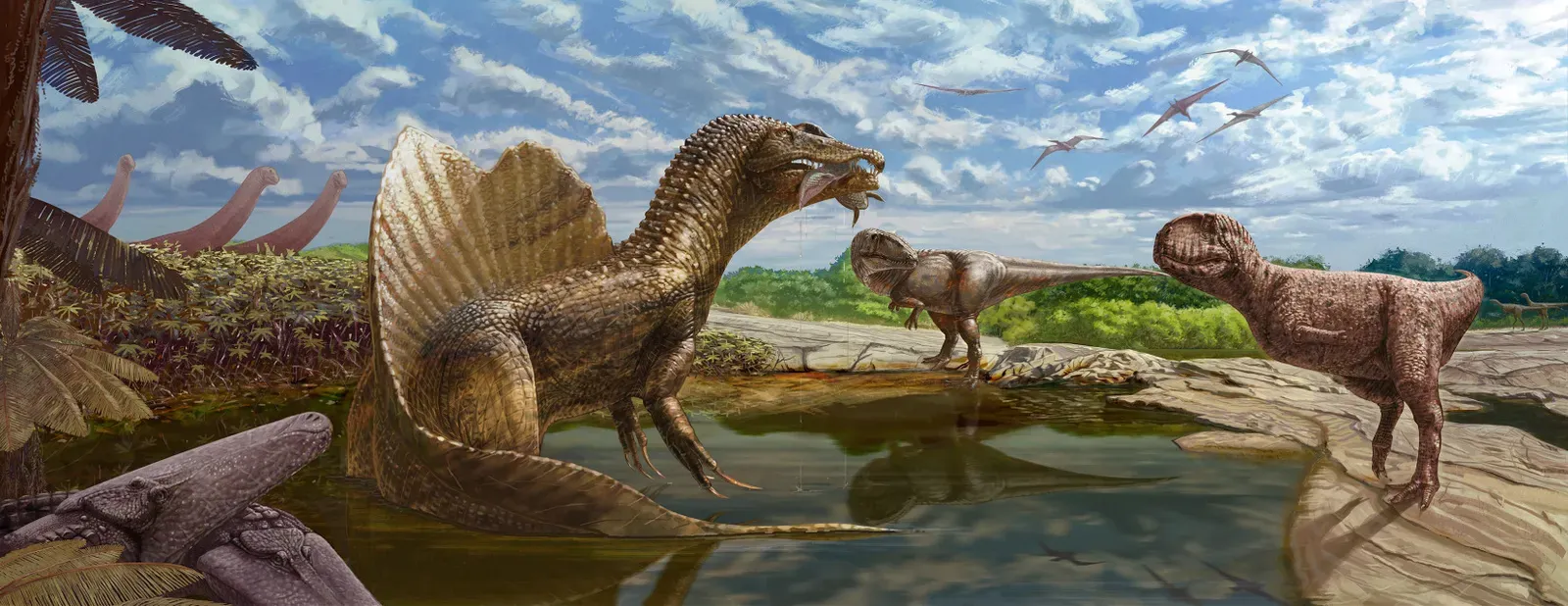
If the UCL study raised eyebrows, a study published in the journal Science in late 2025 went even further. Fossil evidence from the American Southwest is now painting one of the most vivid pictures yet of what the dinosaur world looked like in its final moments. Paleontologists have long debated whether the dinosaurs were already in decline when the asteroid hit or if they were flourishing and giving rise to new species. Fossils from New Mexico that date to within about 340,000 years before the asteroid struck paint a vivid picture: the dinosaurs were thriving right until the moment of impact.
Instead of dwindling, dinosaurs across North America were thriving in distinct regional communities. By analyzing ecological and geographic patterns, researchers found that dinosaur populations in western North America were divided into separate “bioprovinces” shaped primarily by regional temperature differences rather than by mountains or rivers. Think of it like different ecological nations, each evolving its own unique fauna. That level of biological richness is not what you’d expect from a dying order of animals.
The asteroid impact brought the age of dinosaurs to an abrupt end, but the ecosystems they left behind became the foundation for a new evolutionary chapter. Within just 300,000 years, mammals began rapidly diversifying, developing new diets, sizes, and ecological roles. The same temperature-related patterns that once defined dinosaur ecosystems continued into the Paleocene epoch, guiding how life recovered after the disaster. It’s a bittersweet thought – the very structure the dinosaurs built in life became the blueprint for the world that arose after their death.
Sulfur, Soot, and the Chemistry of Extinction

Science rarely stops at “the asteroid hit and everything died.” The deeper you go, the more you realize how many chemical chain reactions were set in motion in those terrible hours and years after impact. For a long time, scientists thought sulfur from vaporized rocks played a massive role in the extinction. New research from 2025 is now challenging even that assumption. A new study led by an international team questions this scenario. Using groundbreaking empirical measurements of sulfur within the related Cretaceous-Paleogene boundary layer, the team demonstrated that the role of sulfur during the extinction has been overestimated.
Chicxulub expert David Kring of the Lunar and Planetary Institute in Texas explained that soot blocked sunlight, greatly reducing if not shutting down photosynthesis on both the land and in the sea. Without photosynthesis, the base of the food chain would have collapsed. While fires may have demolished vegetation on land in large areas of the world, globally distributed soot may have ravaged vegetation elsewhere. It’s a sobering image – the entire planet’s food supply collapsing from the top of the atmosphere all the way down to the ocean floor.
Scientists suggest that silicate dust, along with soot and sulfur, played a major role in blocking photosynthesis and sustaining an impact winter long enough to cause the catastrophic collapse of primary productivity, triggering a chain reaction of extinction. Every new study seems to add another layer to this nightmare scenario. Honestly, the more scientists dig into it, the more remarkable it becomes that anything survived at all.
Life After the Asteroid: The Surprising Recovery Story
One of the most underreported aspects of the dinosaur extinction story is what happened next. Not just who survived, but how life managed to bounce back in the smoldering ruins of a shattered world. It turns out the very crater that caused so much death may have also become a hotbed of life. About 66 million years ago, an asteroid slammed into the planet, wiping out all non-avian dinosaurs and about 70% of all marine species. But the crater it left behind in the Gulf of Mexico was a literal hotbed for life, enriching the overlying ocean for at least 700,000 years, according to research published in Nature Communications. Scientists discovered that a hydrothermal system created by the asteroid impact may have helped marine life flourish at the impact site by generating and circulating nutrients in the crater environment.
With the dinosaurs gone, mammals rapidly diversified. Early mammals, which had been small and often nocturnal during the dinosaur era, now had the opportunity to fill ecological niches previously occupied by their reptilian predecessors. They rapidly evolved into a wide range of forms, from tiny insectivores to larger herbivores and carnivores. It is honestly one of nature’s most dramatic plot twists – the creatures that cowered in the shadows of giants suddenly found themselves inheriting the Earth.
While some organisms recovered relatively quickly, it took at least 30,000 years for global ecosystems to begin showing signs of significant recovery. Full ecological recovery, with the establishment of complex food webs and diverse communities, took millions of years. Even with a hydrothermal system feeding new life into the ocean, there was no quick rebound. The scars of that catastrophe ran deep, and healing was slow, patient, and extraordinary.
Conclusion: A Mystery That Keeps Getting Bigger
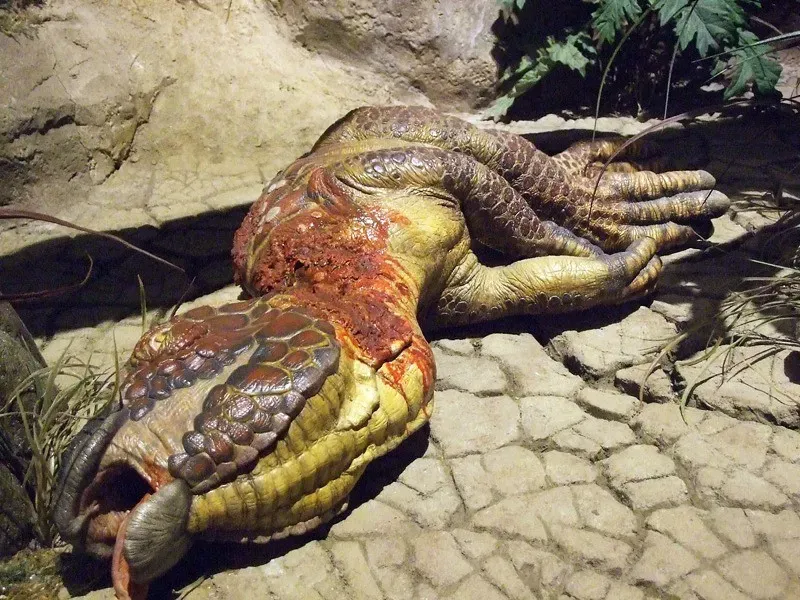
What makes the story of dinosaur extinction so captivating in 2026 is precisely this: the more data scientists collect, the more nuanced and surprising the answers become. We started with a simple “asteroid killed the dinosaurs” headline. Today, we’re looking at a layered catastrophe involving cosmic impacts, volcanic mega-eruptions, atmospheric chemistry, food chain collapse, and geological sampling bias. It’s not a single event. It’s a perfect storm of calamities hitting a world full of animals that were, by all appearances, doing just fine.
The fossil record is still speaking to us, one bone at a time. New dating techniques, climate modeling software, and chemical analyses are rewriting chapters of a story we thought we already knew. And that, I think, is the real wonder of science – it never stops updating itself. The dinosaurs ruled the Earth for nearly 180 million years. Surely, understanding how they vanished deserves more than a single, settled answer.
What do you think? Could there be yet another piece of the puzzle still waiting underground? Drop your thoughts in the comments – the debate is far from over.