There is something deeply thrilling about a chapter of Earth’s history that most people overlook. We hear endlessly about dinosaurs, the Jurassic, the Cretaceous – roaring tyrannosaurs and massive sauropods. Yet the Triassic Period, a stretch of roughly 50 million years sandwiched between two catastrophic mass extinctions, is where the real drama unfolded. This is the era where life was shattered and then rebuilt almost from scratch.
What makes the Triassic so extraordinary isn’t just what lived during it, but how life managed to reinvent itself against almost impossible odds. You’re about to discover ten hidden wonders of this ancient world – facts that continue to stun paleontologists, geologists, and biologists alike. Let’s dive in.
1. The Deadliest Opening Act in Earth’s History
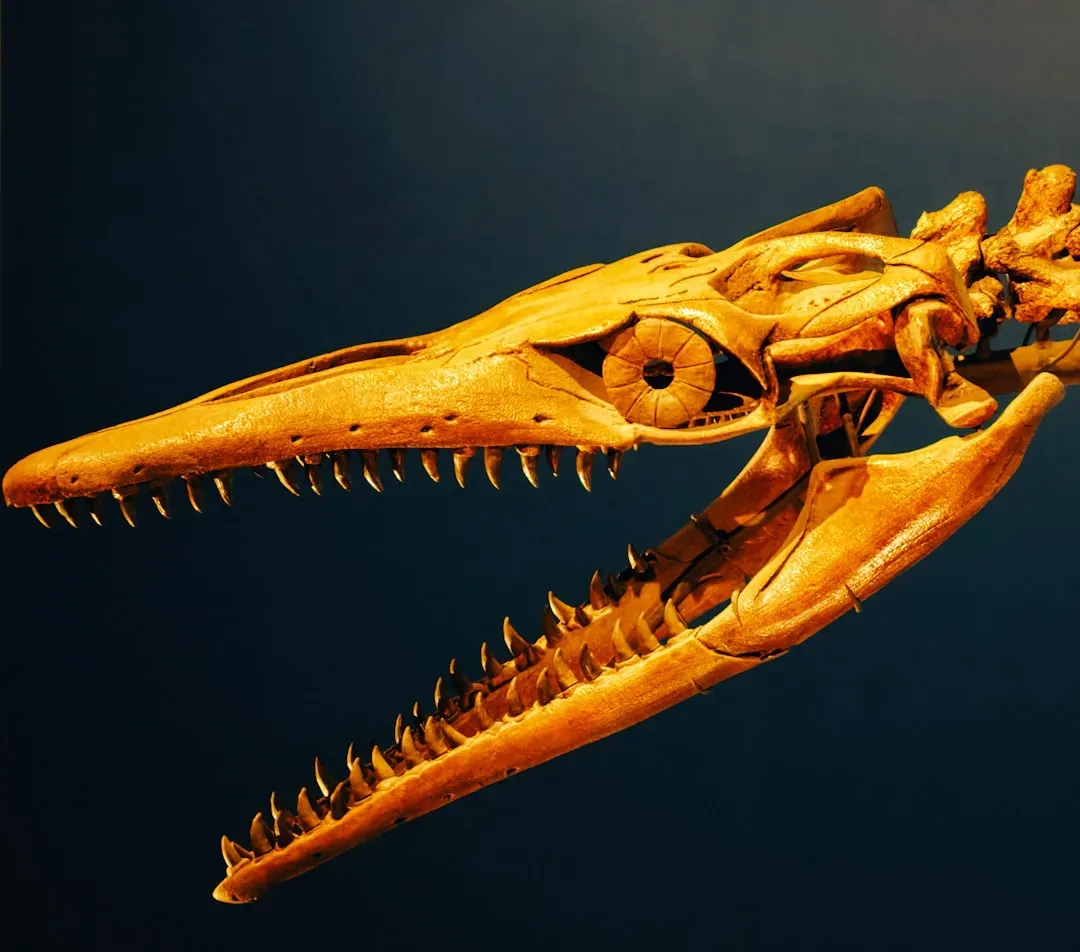
The Triassic Period, spanning roughly 252 to 201 million years ago, began after Earth’s worst-ever extinction event. The Permian-Triassic extinction event, also known as the Great Dying, took place roughly 252 million years ago and was one of the most significant events in the history of our planet. Think of it like the lights going out on a packed concert hall – suddenly, almost everything was gone.
The Triassic followed on the heels of the largest mass extinction event in the history of the Earth. This event occurred at the end of the Permian, when between 85 and 95 percent of marine invertebrate species and 70 percent of terrestrial vertebrate genera died out. The sheer scale of this wipeout still staggers scientists. What’s even more astonishing is that life didn’t just survive – it eventually exploded back with new and wildly different forms.
2. Pangaea: The One Continent That Ruled Them All
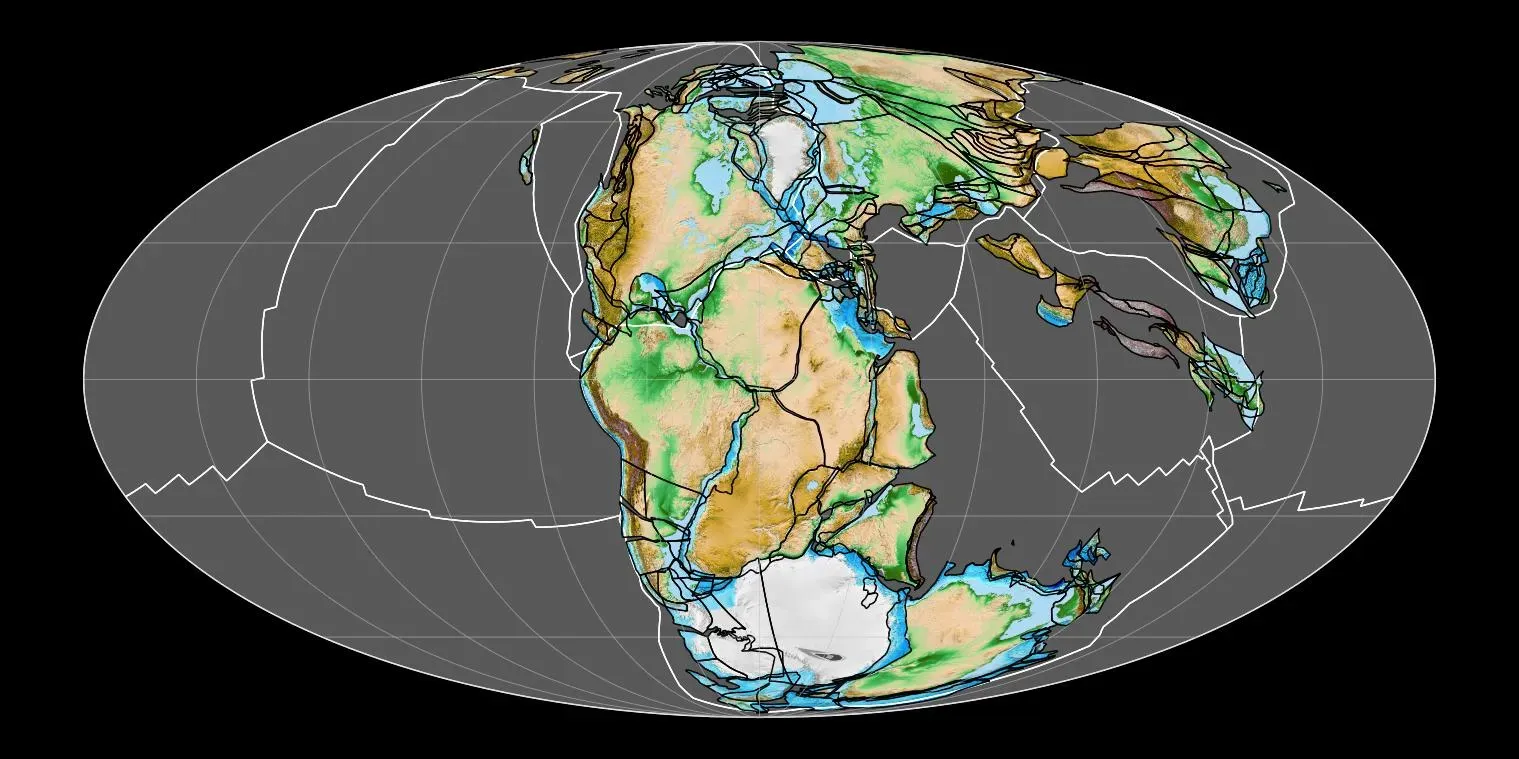
By the start of the Triassic, all the Earth’s landmasses had coalesced to form Pangaea, a supercontinent shaped like a giant C that straddled the Equator and extended toward the Poles. Almost as soon as the supercontinent formed, it started to come undone. By the end of the period, tectonic forces had slowly begun to split the supercontinent in two: Laurasia in the north and Gondwana in the south.
The seasonal heating and cooling of the northern and southern halves would have resulted in a global mega-monsoon climate pattern each year, and a huge, near-uncrossable desert at the belt of the C, segregating the faunas of the two hemispheres. Imagine a world where you could theoretically walk from the North Pole to the South Pole on land – yet a vast baking desert in the middle made doing so nearly impossible. Honestly, that’s one of the most mind-bending geographical facts you’ll find in Earth’s biography.
3. A World Without Ice – Anywhere
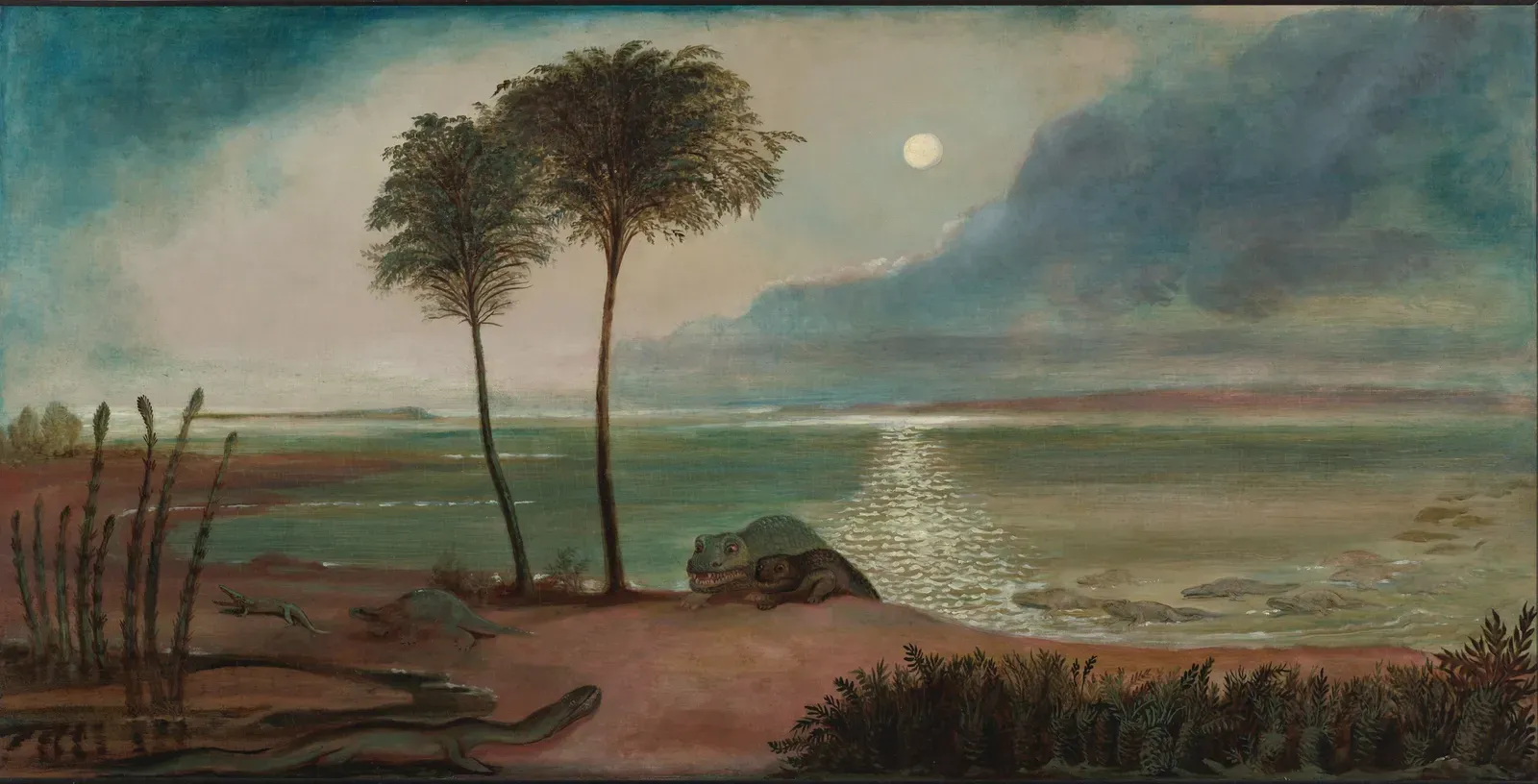
At the beginning of the Triassic, most of the continents were concentrated in the giant C-shaped supercontinent known as Pangaea. Climate was generally very dry over much of Pangaea with very hot summers and cold winters in the continental interior. A highly seasonal monsoon climate prevailed nearer to the coastal regions. Although the climate was more moderate farther from the equator, it was generally warmer than today with no polar ice caps.
Carbon dioxide levels were about three times higher than today. Let that sink in for a moment. No glaciers, no Antarctic ice sheets, not even a frost cap at the poles. The world was essentially a giant greenhouse, and the atmosphere would have felt alien to any modern human walking through it. Scientists are still working to understand how living things managed heat stress on such a planetary scale.
4. The Astonishing Recovery of Life After Near-Total Destruction
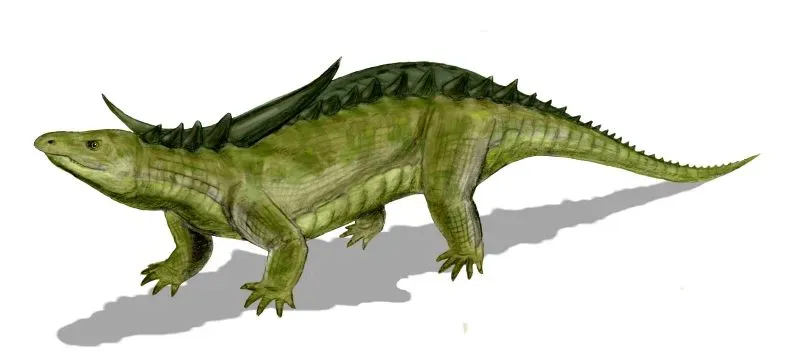
The early Triassic Period was a time of recovery for Earth’s plants and animals. Scientists believe that it may have taken up to ten million years for Earth to fully recover from the mass extinction. Ten million years. For context, that’s roughly twice as long as the entire span of time modern humans have existed. It’s a recovery story that puts every comeback tale in human history to shame.
The fossil record of the Triassic Period presents three categories of organisms: animals that survived the Permian-Triassic extinction event, new animals that briefly flourished in the Triassic biosphere, and new animals that evolved and dominated the Mesozoic Era. This layered record is like reading three separate stories written on top of each other in stone, and paleontologists are still carefully deciphering each one.
5. The First Dinosaurs Were Surprisingly Small and Humble
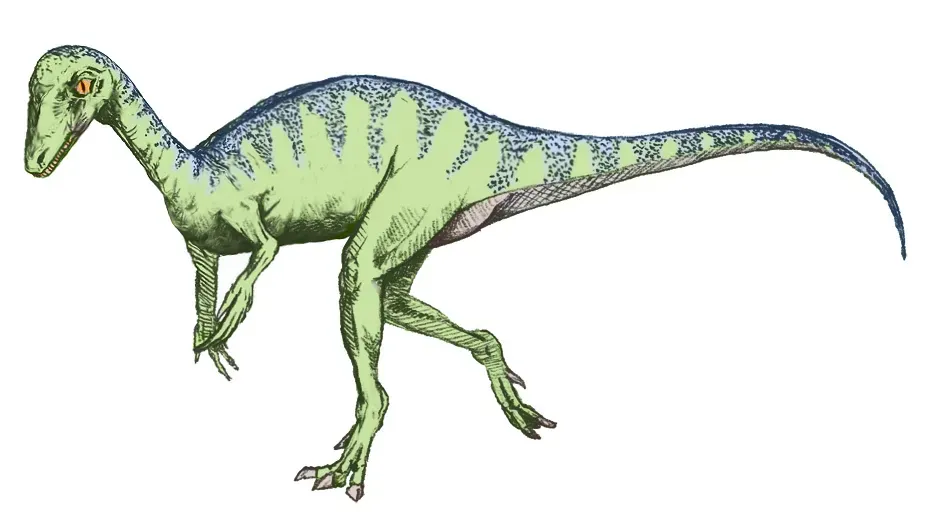
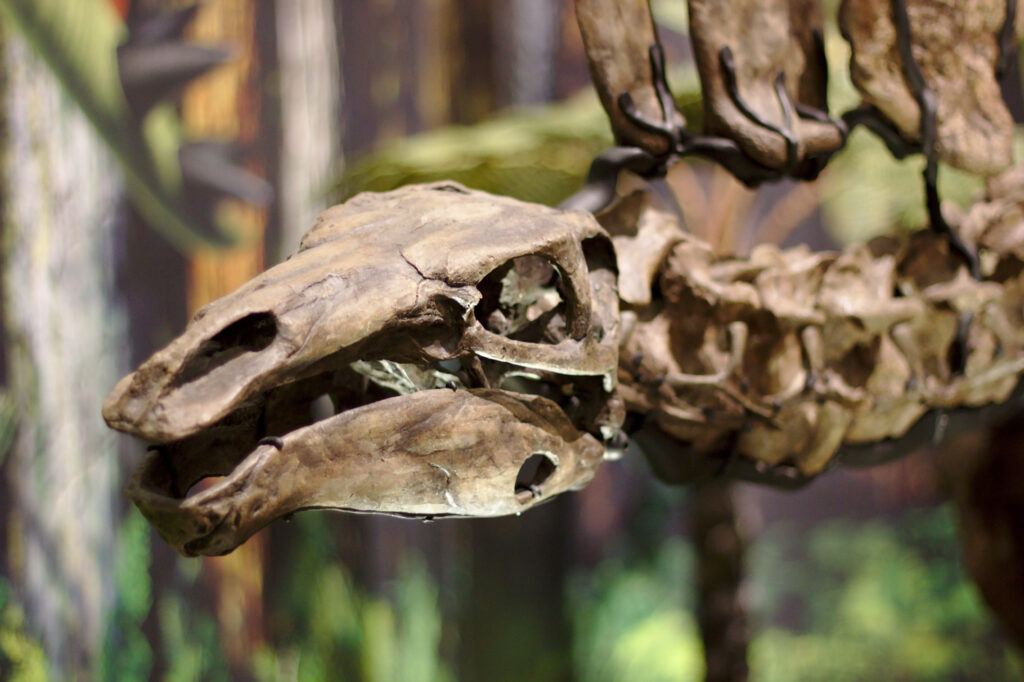
Eoraptor was one of the first dinosaurs to appear in the fossil record, with a lightweight skeleton, long tail and five fingers on each hand. Scientists agree that the first dinosaur may also have had these features and looked something like Eoraptor. You wouldn’t exactly tremble in fear at the sight of it. Early dinosaurs were modest, scrappy little creatures competing for survival in a world already dominated by other powerful animals.
Extinctions within the Triassic and at its end allowed the dinosaurs to expand into many niches that had become unoccupied. Dinosaurs became increasingly dominant, abundant and diverse, and remained that way for the next 150 million years. The true “Age of Dinosaurs” is during the following Jurassic and Cretaceous periods, rather than the Triassic. Here’s the thing – the Triassic was not the Age of Dinosaurs. It was the age that made the Age of Dinosaurs possible. That is a distinction that doesn’t get nearly enough attention.
6. The Bizarre Origins of Your Very First Mammal Ancestors
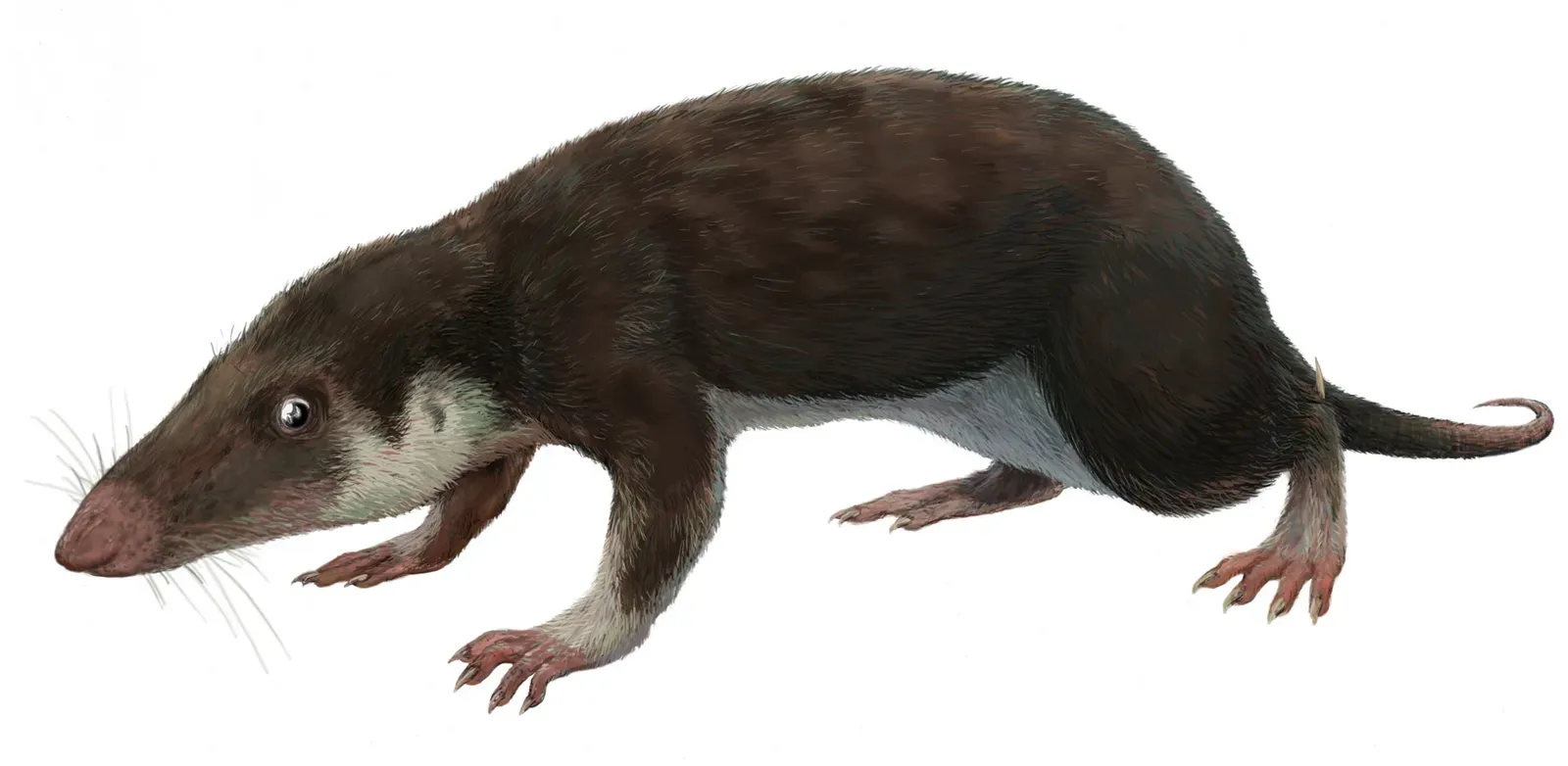
The first mammals evolved near the end of the Triassic period from the nearly extinct therapsids. Scientists have some difficulty in distinguishing where exactly the dividing line between therapsids and early mammals should be drawn. That blurry line is one of the most fascinating puzzles in all of evolutionary biology. It’s like trying to decide at exactly which step a caterpillar becomes a butterfly.
Early mammals of the late Triassic and early Jurassic were very small, rarely more than a few inches in length. They were mainly herbivores or insectivores and therefore were not in direct competition with the archosaurs or later dinosaurs. Many of them were probably at least partially arboreal and nocturnal as well. Most, such as the shrew-like Eozostrodon, were egg-layers although they clearly had fur and suckled their young. Tiny, tree-climbing, egg-laying creatures that nursed their young – you can see all three mammalian stories wrapped into one fascinating little animal.
7. Flying Reptiles That Predated Birds by Tens of Millions of Years
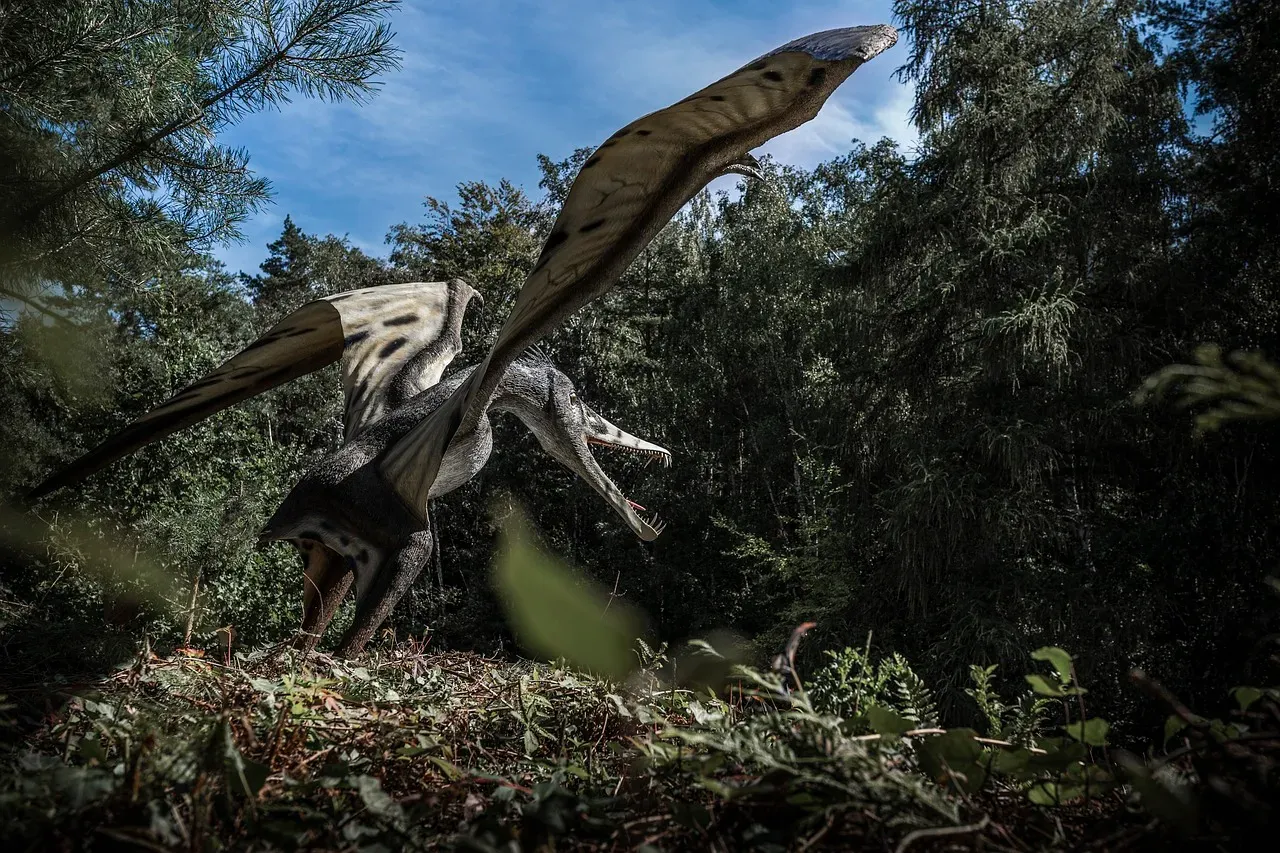
By the late Triassic, a third group of archosaurs had branched into the first pterosaurs. Sharovipteryx was a glider about the size of a modern crow with wing membranes attached to long hind legs. That anatomical detail is genuinely shocking when you picture it – imagine a hang-glider where the wings are attached to the back legs rather than the arms. Evolution was clearly experimenting with wild ideas long before birds came along.
Archosaurs that became dominant in this period were primarily pseudosuchians, relatives and ancestors of modern crocodilians, while some archosaurs specialized in flight, the first time among vertebrates, becoming the pterosaurs. The first powered flight in the history of vertebrate life happened in the Triassic. Not the Jurassic. Not the Cretaceous. Right here, in this vastly underappreciated era, something with a backbone first took to the skies.
8. Forests That Look Like Nothing Alive Today
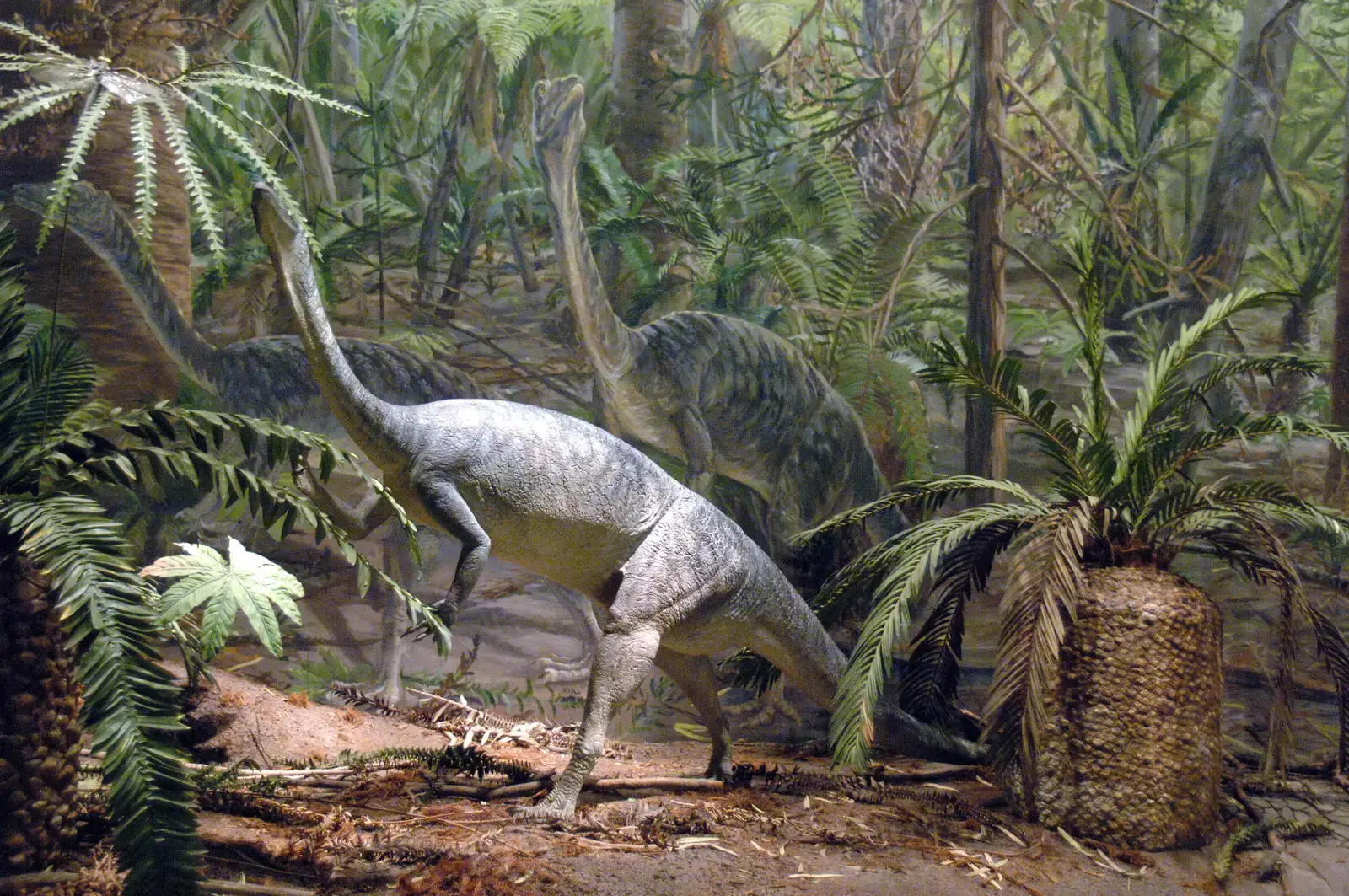
It is during the early part of the Triassic that the conifers took off. With flowering plants and grasses yet to evolve, conifers formed vast forests with individual trees reaching up to 30 metres tall. The understory would have been full of other conifer growth forms that no longer exist today, such as shrubs and woody vines. Walking through a Triassic forest would feel genuinely alien – no birdsong, no flowers, no grass beneath your feet. Just towering conifers and the deep hum of wind through forms of life that no longer exist.
Where the environment became drier, the forests gave way to vast fern prairies. On firm ground, moss, liverwort, and ferns carpeted forests of conifers, ginkgoes, and palm-like cycads. Spiders, scorpions, millipedes, and centipedes thrived. Grasshoppers appeared. It’s a strangely relatable ecosystem when you think about it – spiders and grasshoppers existed then, just as they do now. Some things, it turns out, were already perfect from very early on.
9. Giant Insects That Buzzed and Sang Like Living Instruments
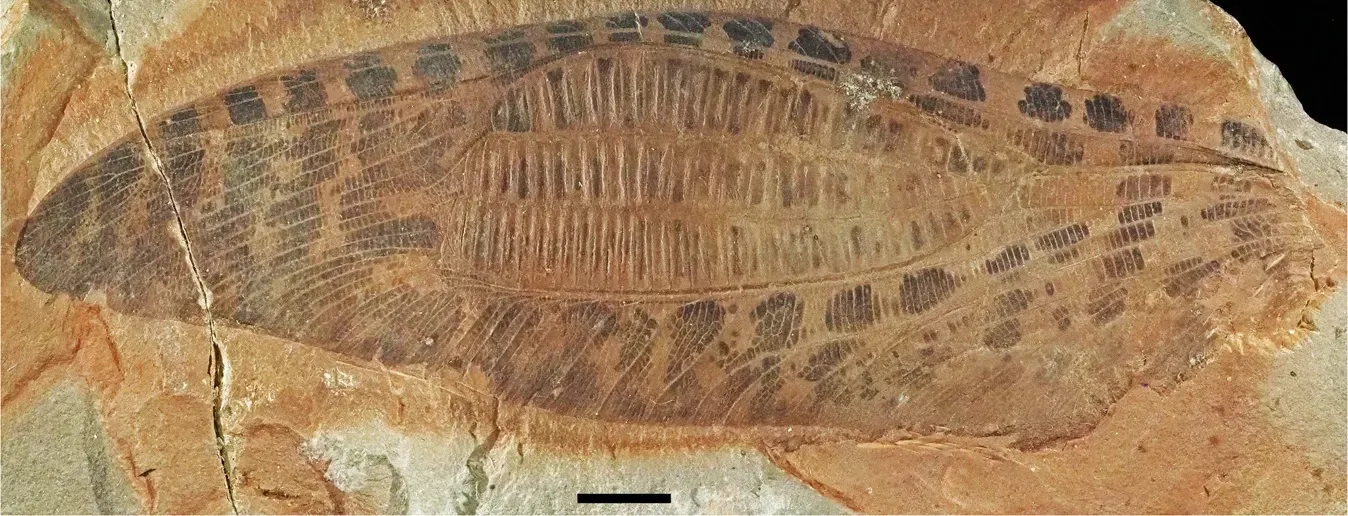
The titanopteran insect Clatrotitan scullyi lived during the Middle Triassic, around 240 million years ago. This giant insect, belonging to the extinct group Titanoptera, is distantly related to modern dragonflies and mayflies. Clatrotitan was a giant insect that had a wingspan of about 30 centimetres. That’s roughly the size of a modern dinner plate. Imagine that flying toward you in a dark Triassic forest.
Fossil evidence shows a large stridulatory structure which indicates that Clatrotitan was vocal, like its living relatives. By rubbing its forewings together, Clatrotitan may have produced a deep, resonating call similar to cicadas today. Clatrotitan lived alongside fish, primitive amphibians, horseshoe crabs, crustaceans, and other insects during the middle Triassic of New South Wales. There’s something almost poetic about the idea that 240 million years ago, a giant insect was singing in Australian forests in roughly the same way a cicada does on a summer afternoon today.
10. A Second Mass Extinction That Quietly Handed Dinosaurs the World
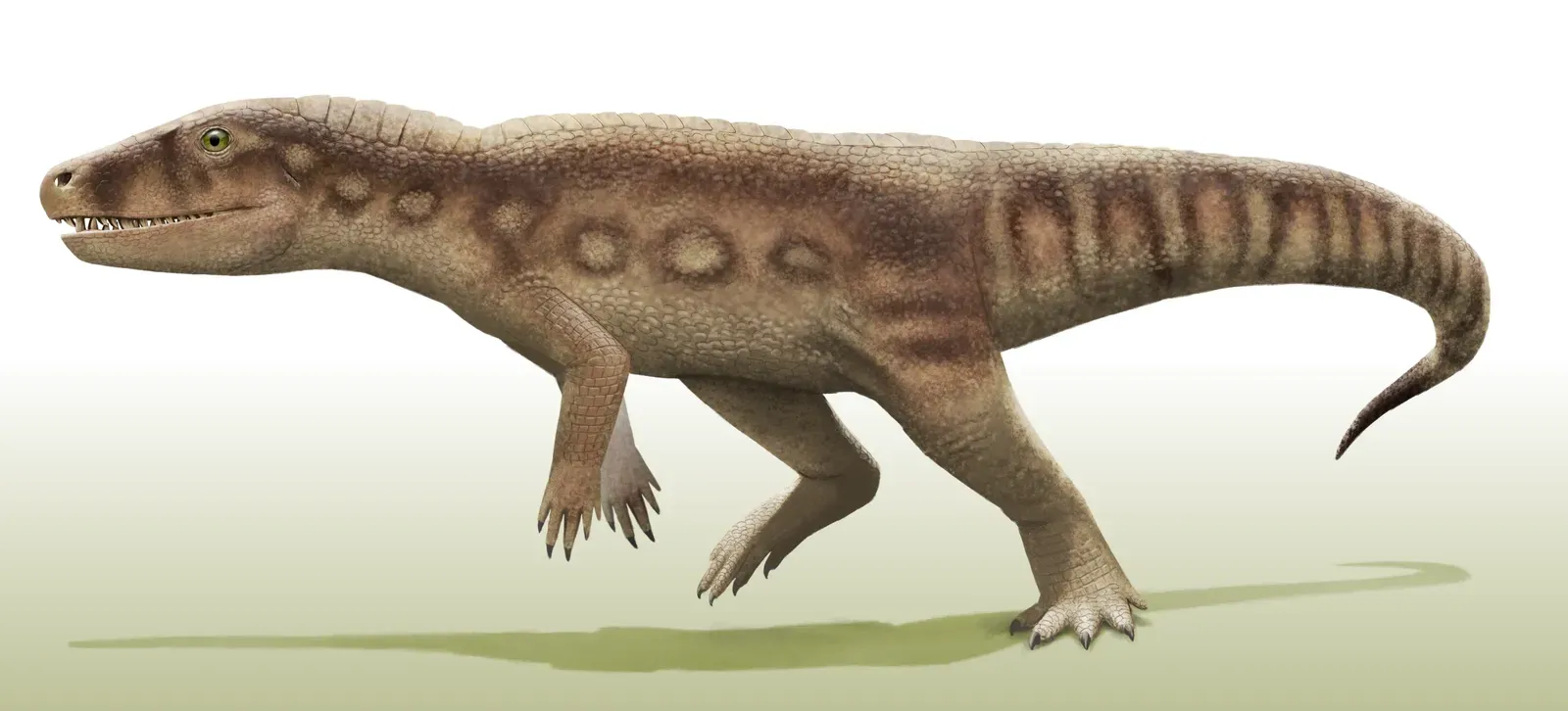
The Triassic Period ended as it had begun, with a mass extinction event. Scientists are unsure as to its exact cause. Possible explanations include volcanic eruptions or a meteor strike. The Triassic-Jurassic Extinction Event saw the loss of over half of the species known to be living at the time. A period literally bracketed by devastation. The Triassic opened in catastrophe and exited the same way, making it arguably the most violently eventful era in Earth’s history.
The end of the period was marked by yet another major mass extinction, the Triassic-Jurassic extinction event, that wiped out many groups, including most pseudosuchians, and allowed dinosaurs to assume dominance in the Jurassic. It’s a strange kind of dark luck when you think about it – dinosaurs didn’t necessarily win because they were superior. They thrived because almost everything that could challenge them was wiped away. The Triassic, more than any other period, teaches us that survival is often less about strength and more about being in the right place at the right time.
Conclusion: The Triassic Deserves Its Moment in the Spotlight
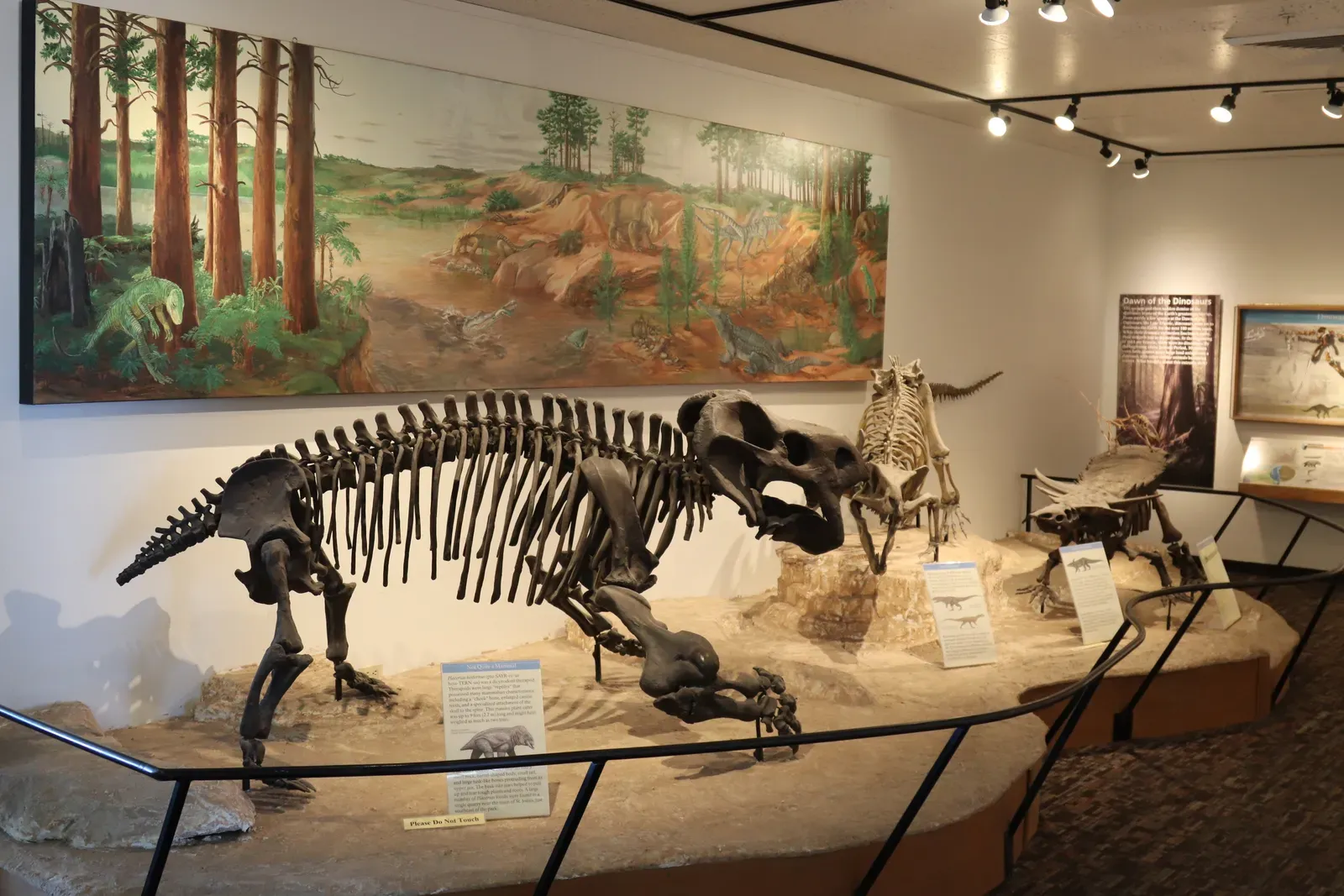
The Triassic Period is, in every sense, the forgotten revolution of our planet’s biography. It gave you the first mammals, the first flying vertebrates, the first dinosaurs, and a forest world so alien you’d struggle to recognize a single tree. It was forged in destruction, rebuilt through millions of years of resilience, and ended in another catastrophic reset.
Yet scientists continue to be amazed by what they find within its rock layers, from giant singing insects in ancient Australia to tiny shrew-like animals that were unknowingly setting the stage for all of mammal evolution. Every new fossil pulled from Triassic strata rewrites part of what we thought we knew.
The next time someone asks you which prehistoric era fascinates you most, don’t automatically say the Jurassic. The Triassic is where the real story began. What aspect of this ancient world surprised you the most?