We’ve all seen it. The scene in Jurassic Park where a massive Tyrannosaurus rex thunders after a jeep, closing the gap like a freight train on legs. Or the Velociraptors darting through corridors with the precision of trained assassadors. Hollywood made these images permanent fixtures in our brains. The trouble is, science has spent the last few decades quietly, methodically dismantling almost all of it.
Dinosaur speed and agility are among the most debated topics in all of paleontology, and right now, in 2026, we’re living through a genuinely golden era of discovery. New fossil finds, cutting-edge computer modeling, and revolutionary biomechanical tools are reshaping everything you thought you knew about how these animals actually moved. What’s emerging is somehow even more fascinating than the myths. Let’s dive in.
The T. rex Speed Myth That Movies Built and Science Is Slowly Tearing Down
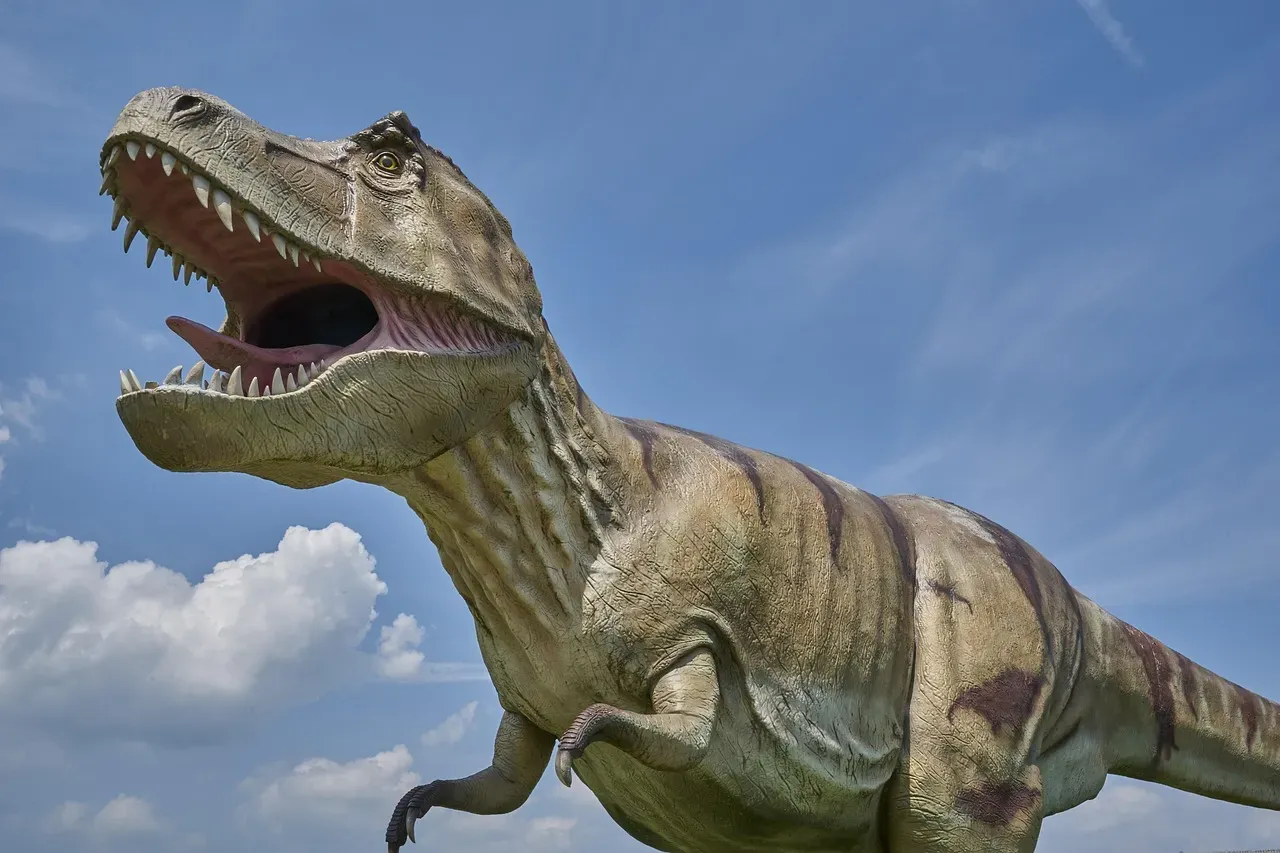
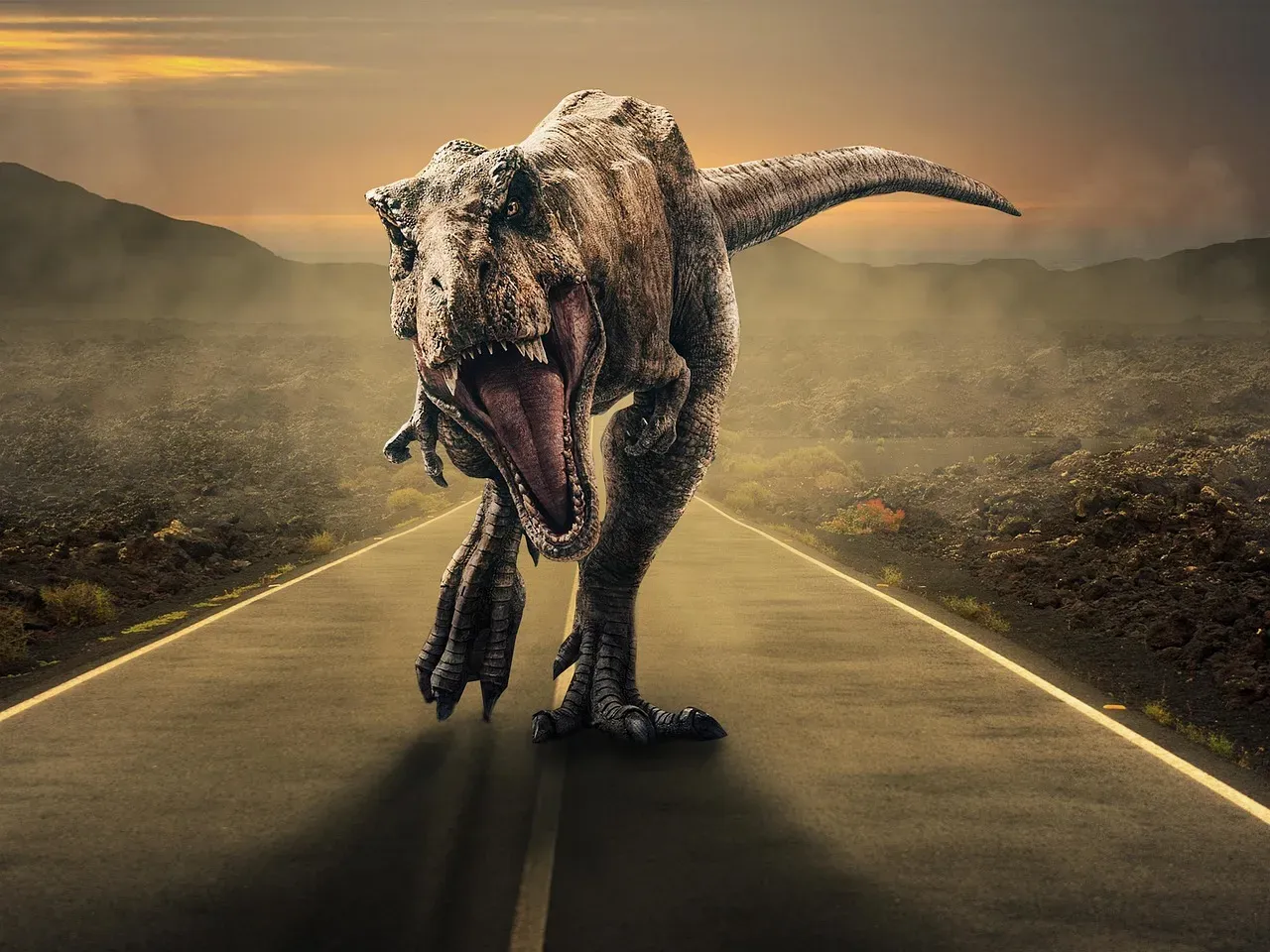
Here’s the thing about Tyrannosaurus rex: the image of it as a blazing-fast apex predator is almost entirely a pop culture invention. A biomechanics model found that T. rex lacked large enough leg muscles to run fast. That single finding should have stopped the Jurassic Park jeep chase cold, yet the myth persisted for decades.
Current research suggests that T. rex would have moved at the rough equivalent of eleven to sixteen kilometers per hour, which is much slower than many previous estimates and certainly less speedy than most Hollywood versions of the great Cretaceous carnivore. To put that in human terms, a reasonably fit jogger could have kept pace. Honestly, that’s a humbling thought when you consider how enormous this animal was.
According to research published in the journal PeerJ, the lower end of speed estimates is more accurate: T. rex probably could only reach around twelve miles an hour. Any faster, and its bones would have shattered. Bone stress, it turns out, was the real speed governor – not muscles, not posture, but the simple physics of massive weight striking the ground at high velocity.
Research has disrupted the idea that the T. rex was primarily a high-speed pursuit predator, and it even throws into question their hunting methods, suggesting a less athletic lifestyle for this famous carnivore. Still, slower doesn’t mean helpless. Its prey faced the same physical constraints, which changes the whole picture of how Cretaceous predator-prey relationships actually worked.
Why the Old Speed Formulas Were Getting It Wrong All Along
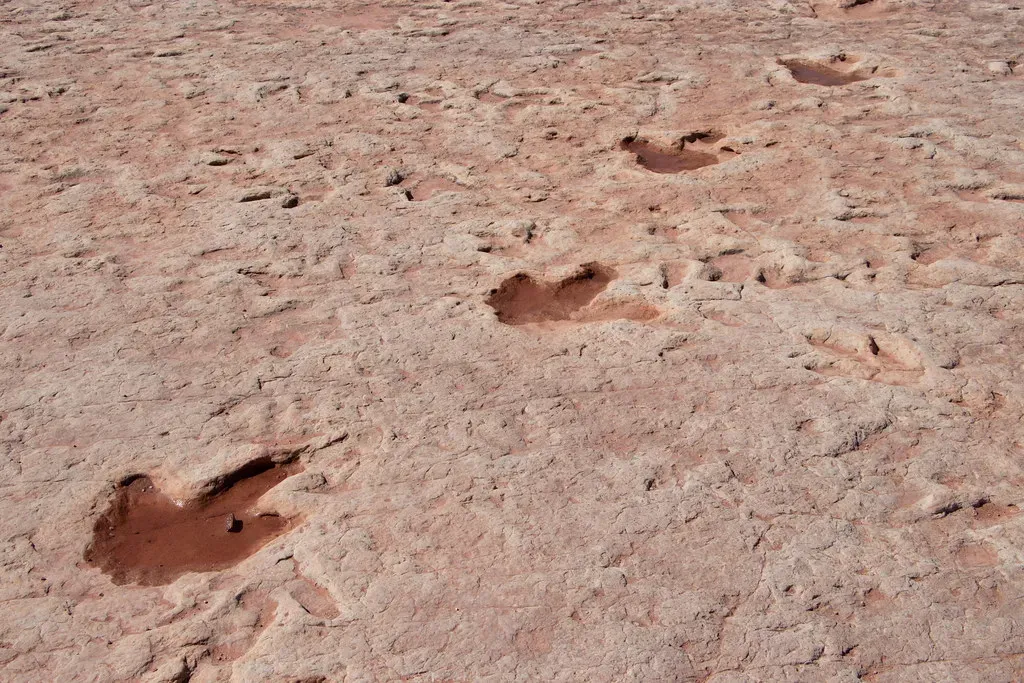
Scientists estimate dinosaur speeds based on tracks left in wet ground millions of years ago, and for decades researchers have used a fairly simple formula to link stride to speed. Experiments with birds strutting through mud now show that relationship is more complex than expected. Think of it like trying to calculate how fast a runner moved just by looking at footprints in beach sand without accounting for how deep the sand was or how much it shifted underfoot.
To come up with his speed equations, zoologist Robert McNeill Alexander studied how mammals walk. Dinosaurs, though, are much more similar to modern birds. The original equation was derived from predominantly mammalian data, and there have been few validation studies using modern birds, the actual descendants of theropod dinosaurs. That’s a foundational problem, and researchers are only now properly correcting for it.
While trackways may offer important insights into locomotor behaviour in extinct dinosaurs, using them for anything but broad comparisons of relative speeds currently carries too much uncertainty to be worthwhile. Researchers strongly advocate that calculations of speed from fossil trackways be presented in broad terms rather than as specific values. In other words, those confidently precise speed figures you’ve seen in documentaries? Take them with a generous handful of salt.
The calculated speeds for a T. rex range from twenty to forty kilometers per hour. As one researcher puts it, somewhere in there is the answer, but you may just never know for certain. That uncertainty is uncomfortable for science communicators, but it’s genuinely honest and far more interesting than false precision ever could be.
Footprints Frozen in Time: What Trackways Really Tell You
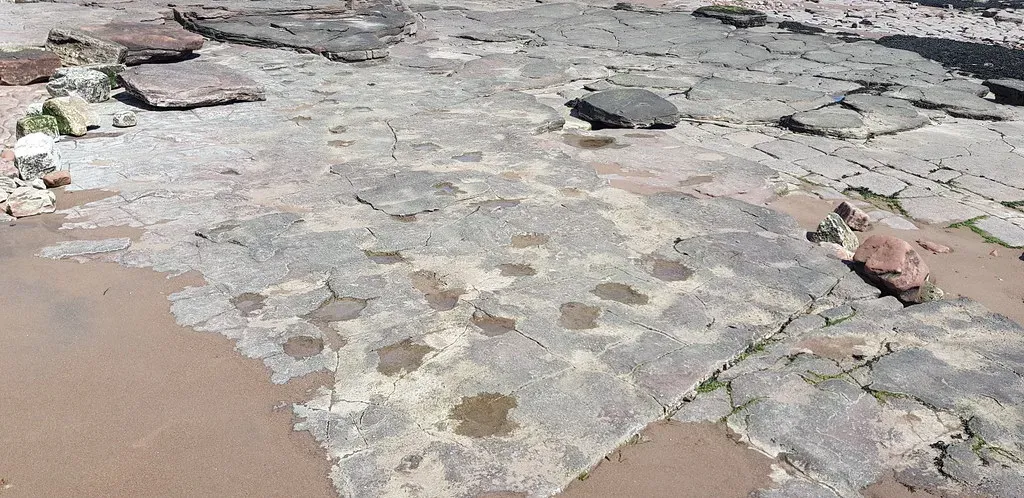
Studying footprints gives researchers a unique window into how dinosaurs lived. Unlike bones, which only show us parts of the animal’s body, footprints capture a moment in time, revealing how the animal moved. It’s like finding a split-second snapshot of life in the Cretaceous, frozen in stone and waiting 120 million years for someone to look.
Tracks found in Mongolia, dating back around 120 million years, have given scientists fresh insight into the speed and agility of one dinosaur, which appears to have sprinted at speeds that could match those of professional cyclists. The tracks were discovered in Cretaceous sediments in Mongolia and belong to two different types of dinosaurs. The sheer variety of speeds captured in a single tracksite is remarkable.
One set of tracks, found in excellent condition, comes from a medium-sized dinosaur, probably from the Eubrontidae family, that was sprinting at full speed. This dinosaur is believed to have reached speeds of up to forty-five kilometers per hour, a remarkable feat for an animal of its size. That’s not slow by any stretch of the imagination – that’s genuinely athletic performance.
Dinosaur trackway studies provide valuable insights into extinct animals’ locomotor behavior, and despite limitations arising from the inability to directly observe these trackmakers, speed and gait estimation formulas have become standard tools in the field of dinosaur ichnology. The tools are improving rapidly, and so is our understanding of just how varied dinosaur movement really was.
The Velociraptor Illusion: Hollywood’s Greatest Paleontological Crime
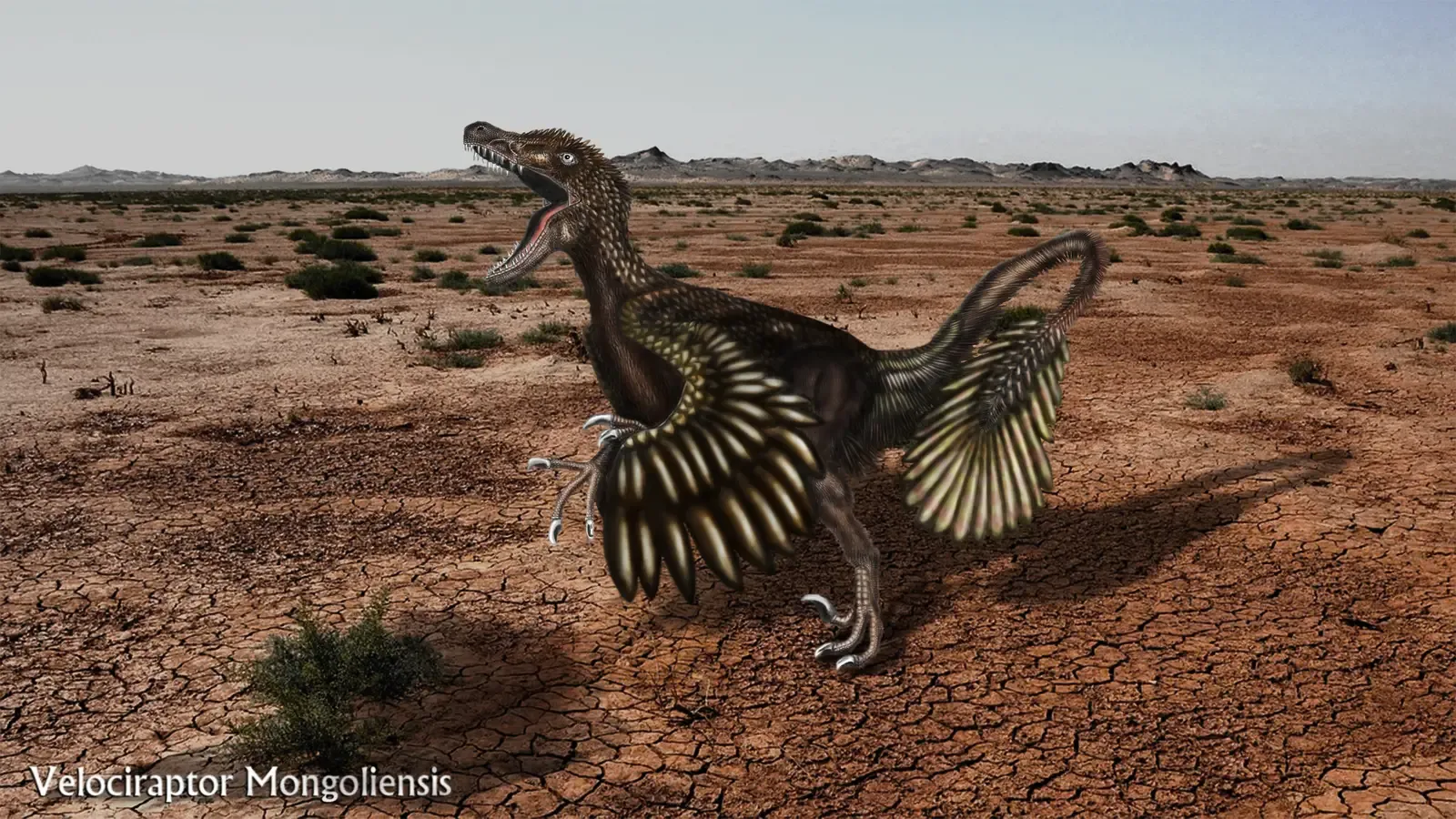
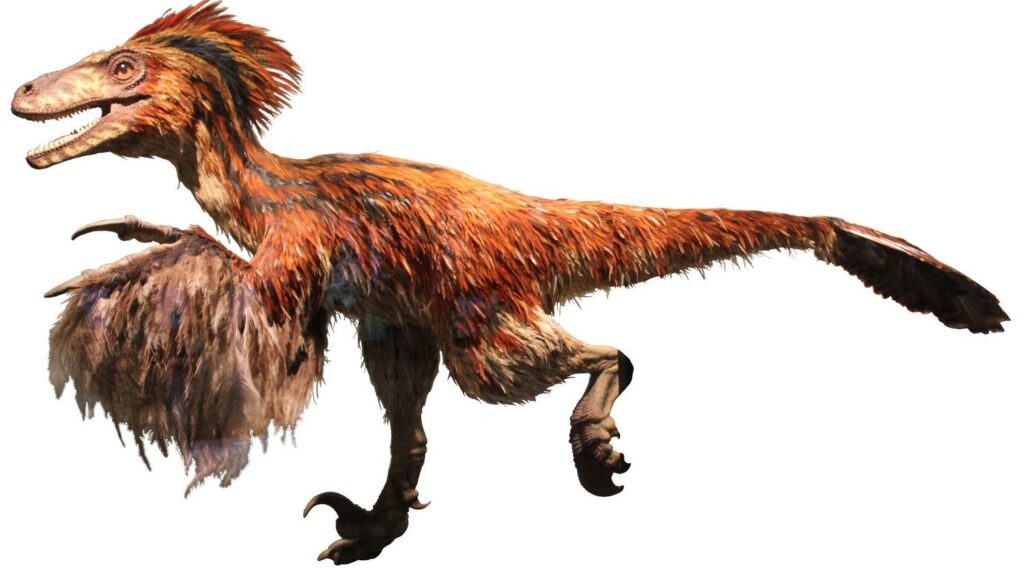
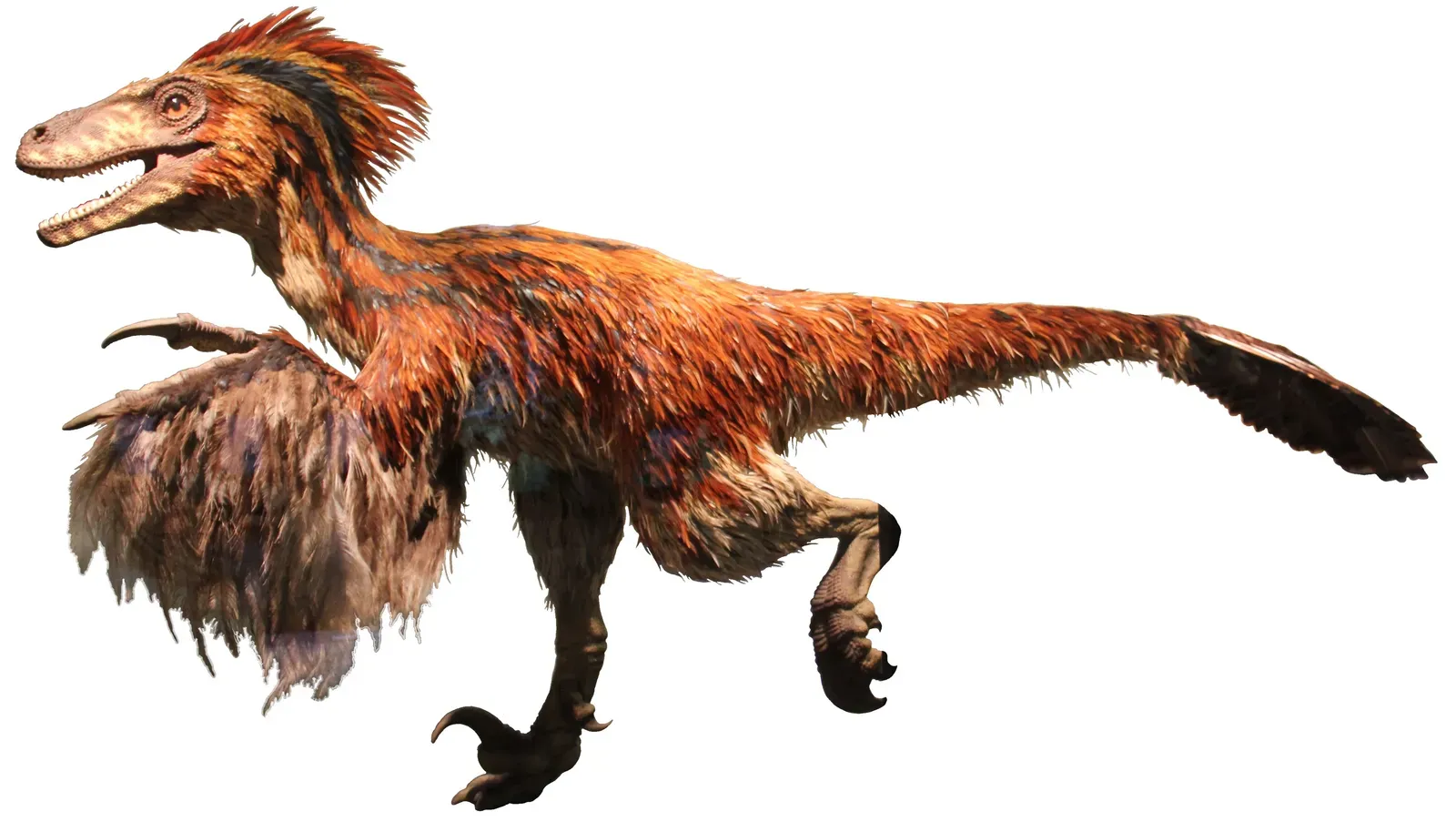
Let’s be real – Velociraptors in Jurassic Park are essentially a completely different animal from the creature that actually walked the Earth. In reality, Velociraptor was roughly the size of a turkey, considerably smaller than the approximately two-meter-tall and ninety-kilogram reptiles seen in the novels and films, which were actually based on members of the related genus Deinonychus. A turkey. The terrifying kitchen-scene monster was basically a feathered turkey on steroids, only it was neither that large nor that scaly.
Extensive fossil evidence, including quill knobs on the ulna of Velociraptor, confirms that these dinosaurs were covered in feathers. This wasn’t merely a decorative feature – feathers likely served for insulation, display, and possibly even enhanced agility. So the real Velociraptor looked far more like an aggressive bird than the reptilian nightmare Hollywood invented for us.
Velociraptor had quite big legs for its size and they were quite muscular. Its agility was also helped by a long, stiff tail that helped steer at high speeds. Evidence suggests Velociraptor could indeed run quickly. In that sense, the films got the agility part partially right, even if everything else was wildly distorted.
Speed estimates suggest Velociraptor was capable of running at speeds up to around twenty-four miles per hour. For something the size of a turkey with sharp sickle claws and keen bird-like senses, that’s genuinely frightening. You probably couldn’t outrun one. You’d just need to find a door to hide behind – and no, it couldn’t open it.
Nanotyrannus: The Surprise Speed Predator Nobody Saw Coming
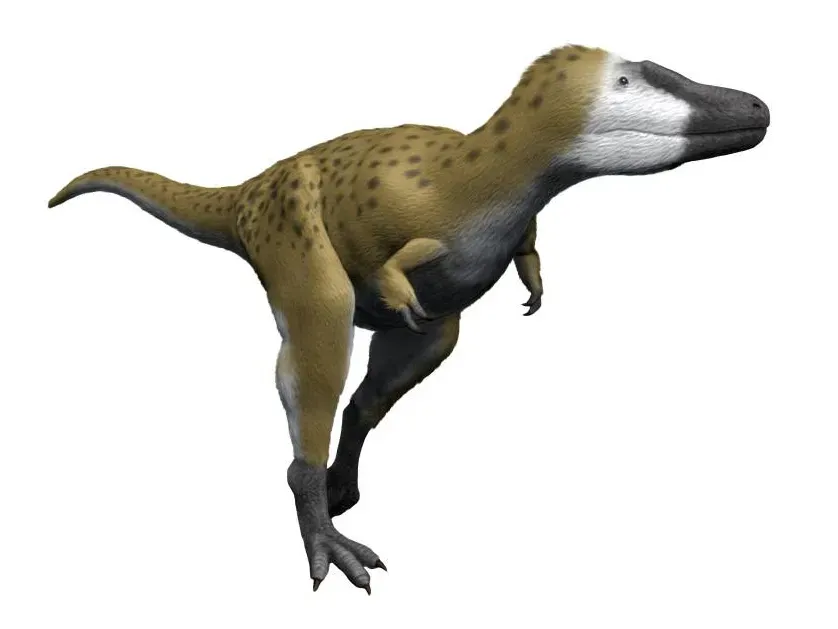
For thirty-five years, paleontologists argued about whether Nanotyrannus was its own species or simply a young T. rex. The debate got messy, personal, and very public. Then 2025 changed everything. Paleontologists Lindsay Zanno and James Napoli published a description of a new Nanotyrannus fossil specimen, and they showed that this Nanotyrannus was nearly an adult but also different from T. rex in lots of ways that cannot be explained by growth, including a longer hand.
A subsequent study on the original Nanotyrannus demonstrated that this specimen was also fully grown. Together, these studies end a thirty-five-year-long controversy and reveal Nanotyrannus as a slender, agile pursuit predator, built for speed. This is genuinely thrilling news. A second, much faster tyrannosaur was out there, hunting alongside the lumbering giants we already knew.
Think about what this means ecologically. Where T. rex likely relied on ambush and raw power, Nanotyrannus appears to have filled a very different niche, one that required genuine athletic performance and chase-based predation. It’s the difference between a bear and a cheetah occupying the same Cretaceous landscape, each with completely different movement strategies.
This discovery also illustrates something important about how fast the science is moving. A golden era in dinosaur science is driving fascination with these animals, and around fourteen hundred dinosaur species are now known from more than ninety countries, with the rate of discovery accelerating in the last two decades. Every new skeleton potentially rewrites the rulebook on locomotion and ecology.
Body Mass vs. Speed: The Physics That Put a Hard Ceiling on Giant Dinosaurs
Here’s the uncomfortable truth that no amount of Hollywood budget can override: physics. The larger an animal gets, the more punishing every running stride becomes on its skeleton. One of the key factors taken into account in modern biomechanical models is bone stress. A bone can only handle so much pressure while running before it shatters, and researchers developed models using the total body weight of a T. rex, around seven tons, along with the mechanical properties of bone.
It is somewhat paradoxical that the relatively long and gracile limbs of T. rex, long argued to indicate competent running ability, would actually have mechanically limited it to walking gaits while maximising its walking speed. The very features that looked like speed adaptations were actually walking optimizations. Nature is full of cruel ironies like this.
For the largest sauropods approaching or exceeding fifty tons, calculated maximum speeds are around ten kilometers per hour or lower. These findings suggest that immense body size and graviportal structure of sauropods were key factors likely restricting their locomotion to a single, steady gait, consistent with fossil trackway evidence. Massive sauropods weren’t running anywhere. They were, in the most literal sense, just too big for speed.
According to scaling principles, heavier animals are typically going to be slower than lighter ones. Animals which demonstrate greater muscle-to-body-mass allometry are likely to be faster. This scaling relationship is why small, light theropods like the Eubrontidae specimen found in Mongolia could sprint like cyclists while their enormous cousins could barely manage a brisk walk.
Wings as Running Aids: The Surprising Science of Raptor Locomotion
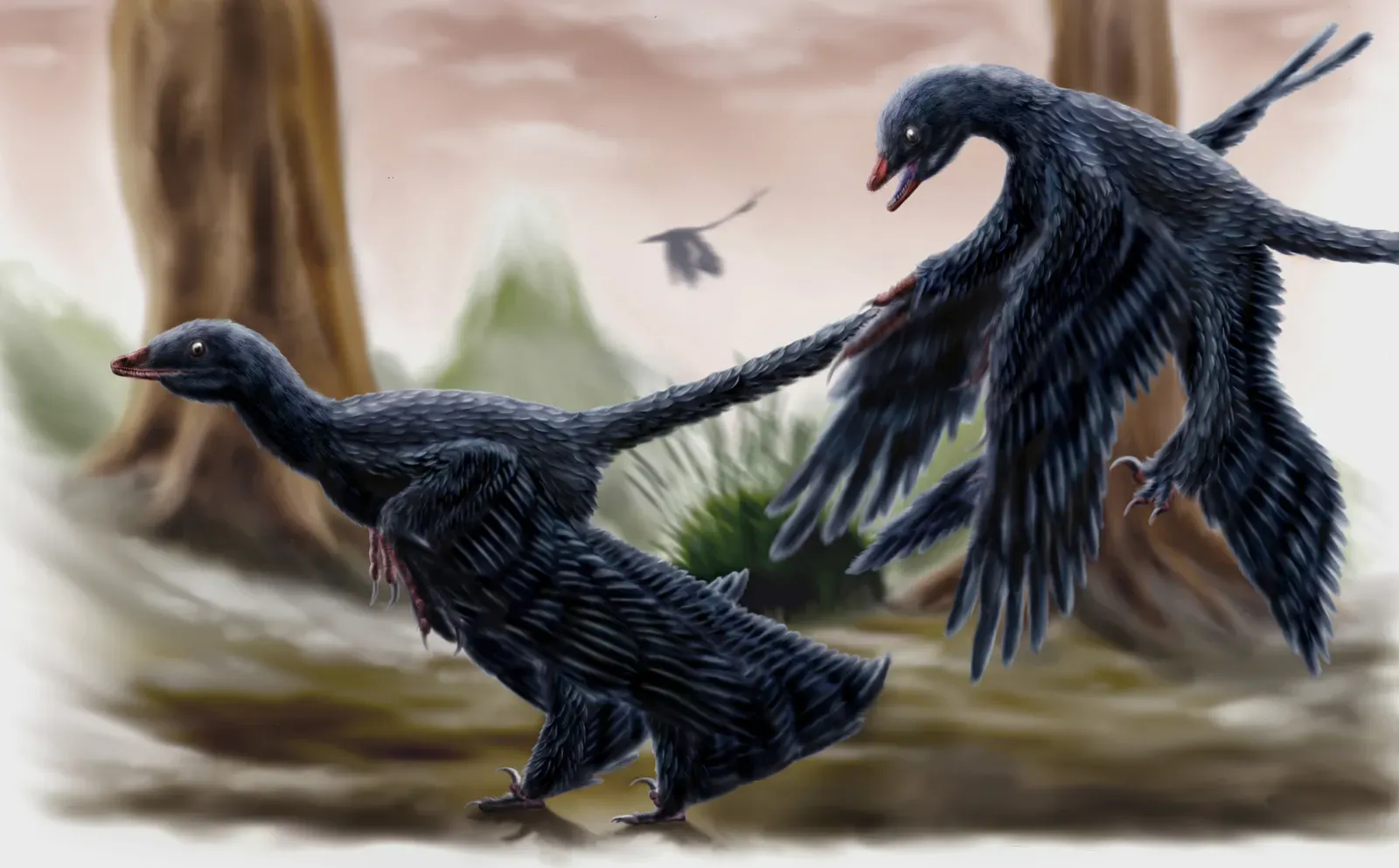
This one genuinely surprised the paleontology community when it emerged. We tend to think of wings and running as separate evolutionary strategies. One replaces the other, right? Not quite. Detailed in the Proceedings of the National Academy of Sciences, a Cretaceous trackway was made by a two-toed dinosaur like Microraptor. The spacing between the tracks indicates the dinosaur was moving at high speed, but it seemed to be moving even faster than expected if the dinosaur was just propelling itself with its legs alone.
The little raptor was likely flapping as it kicked with its feet, even though experts aren’t sure if the dinosaur was trying to take off, land, run up an incline, or something else. Nevertheless, the tracks indicate that flapping wings could be as important to running as long, strong legs. Imagine combining the speed of your legs with the thrust of arm-flapping to go faster. That’s essentially what these small feathered dinosaurs appear to have been doing.
This blurs the boundary between flight evolution and running evolution in a genuinely fascinating way. The transition from ground-runner to flier may not have been a sudden leap but rather a gradual blending of locomotion styles, where flapping assisted running before it ever fully enabled flight. Think of it like a proto-airplane that drives really fast before it ever actually lifts off.
Research has interpreted this two-toed theropod trackway as evidence of wing-assisted movement of a non-avian theropod. Even though this specific interpretation remains actively debated among researchers, it opens a remarkable window into just how multi-modal dinosaur locomotion could be.
Computer Modeling: The New Frontier Replacing Guesswork With Precision
The days of paleontologists simply eyeballing a femur and guessing at speed are gone. Modern biomechanical research looks more like aerospace engineering than old-school fossil hunting. A Yale-led study has combined 3D images and computer animation to visualize the movements of a long-extinct dinosaur. That kind of tool simply didn’t exist a generation ago.
Research involved feeding information about the skeletal and muscular structure of the dinosaurs directly into a supercomputer so it could work out how the animals were best able to move. Despite its powerful memory and two hundred and fifty-six processors, the computer still took up to a week to learn the biomechanics of each animal, starting with the first clumsy steps and developing into a top running speed based on optimum gait and posture. A week of supercomputer time just to simulate one dinosaur’s movement. That tells you something about the sheer complexity of what researchers are attempting to solve.
While the true speed of T. rex will never be certain, results from modern studies lend support to interpretations of this theropod as a reasonably fast and active predator. The top speed ranges found in these studies help narrow down the range of estimates. Narrowing the range is real scientific progress, even when the answer remains somewhere in a broad window rather than a single neat number.
A new approach that combines two separate biomechanical techniques, multibody dynamic analysis and skeletal stress analysis, has been used to demonstrate that true running gaits would probably lead to unacceptably high skeletal loads in T. rex. It’s hard to argue with physics rendered at the molecular level, and these tools are only getting more sophisticated.
What the New Science Means for How We Think About Dinosaur Predation
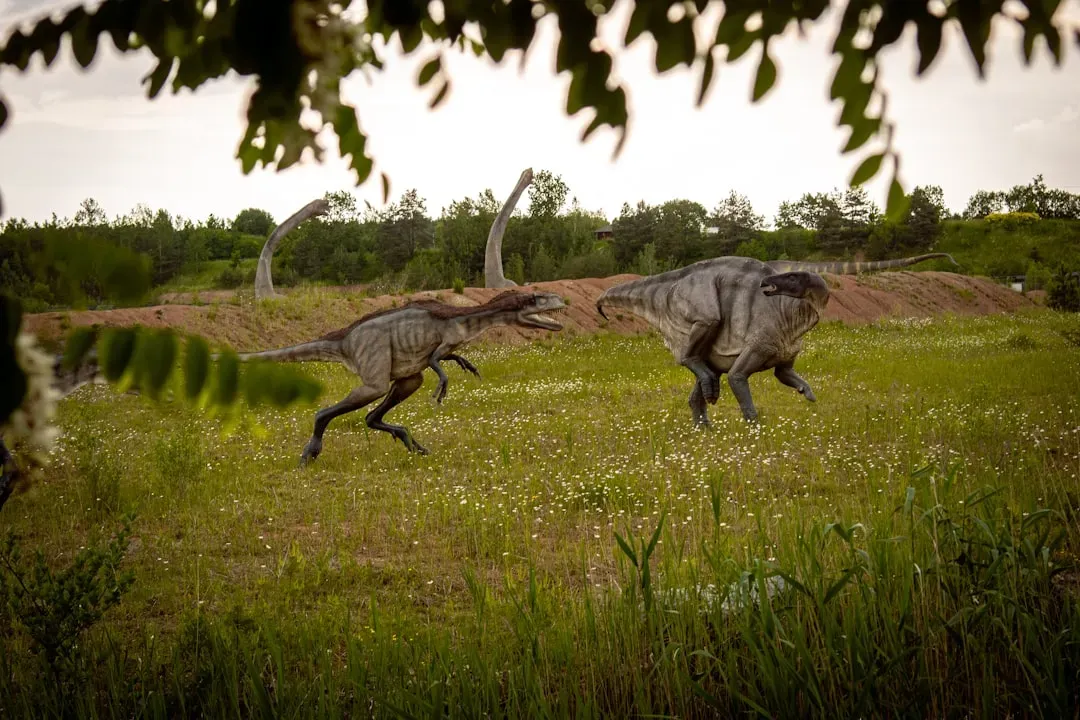
Speed is not just an interesting trivia number. It’s fundamentally linked to how these animals survived, hunted, competed for mates, and shaped entire ecosystems. If T. rex couldn’t sprint, its entire hunting strategy shifts in our understanding. Large prey such as duckbilled dinosaurs and Triceratops would have been limited by the same physical factors and probably couldn’t have run fast either. So the predator-prey speed arms race may never have been much of a race at all – more of a slow, powerful struggle between titans.
Fossil trackway evidence indicates that some dinosaurs were very agile, medium-sized, non-avian theropods, and the diversity of locomotion strategies across different species tells us that the dinosaur world was far more ecologically layered than old depictions suggested. Some hunted by speed and agility. Others used ambush. Others, apparently, used a combination of running and wing-assisted propulsion that we’re only beginning to understand.
Walking is the most common behavior inferred from dinosaur fossil trackways. Indeed, in one major study of nearly two thousand dinosaur strides, the vast majority were made by animals with a walking behavior, whereas just a small fraction were made by dinosaurs with a more energetic way of movement. Most dinosaurs, most of the time, were just walking. Survival didn’t demand a constant sprint – it demanded endurance, strategy, and intelligent use of energy.
There is potential support for a true running model that would align with selection pressure placed on adult T. rex and their need to catch prey. Future work could build upon these findings by examining how selection pressure and prey capture would force certain locomotor demands on T. rex to capture prey. The science is genuinely still being written, and that’s the most exciting part of all.
Conclusion: The Real Dinosaurs Were More Fascinating Than the Myths Ever Were
Here’s what strikes me most about all this new science: the real picture of dinosaur speed and agility is richer, stranger, and more compelling than any Hollywood blockbuster managed to capture. Yes, T. rex was slower than a jeep. Yes, Velociraptors were turkey-sized feathered birds. Yes, those confident speed figures in old textbooks were built on mammalian math applied to bird-like animals walking in mud. All of it is being revised, refined, and in some cases completely overturned.
Yet none of that diminishes these animals. If anything, it makes them more extraordinary. A predator that used bone-stress physics as its natural speed limit, a feathered sprinter using proto-wings to run faster than its legs alone could manage, a newly confirmed slender tyrannosaur built purely for pursuit – this is the real Mesozoic, and it’s astonishing.
The golden era of dinosaur science is far from over. The year 2025 alone saw the discovery of forty-four new dinosaur species, nearly one a week, and every new fossil is another piece of a locomotion puzzle that keeps growing. The science doesn’t need to make these animals faster or scarier than they were. The truth is already wild enough. So the next time someone tells you confidently how fast a T. rex ran, you can smile and say: it’s more complicated than that, and it always was.
What part of the new dinosaur science surprised you the most? Share your thoughts in the comments below.