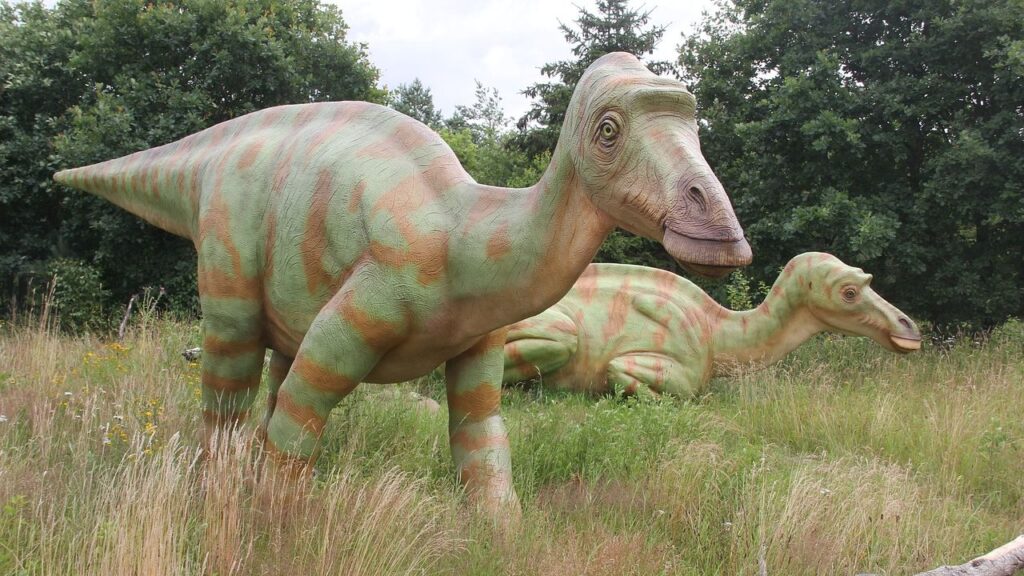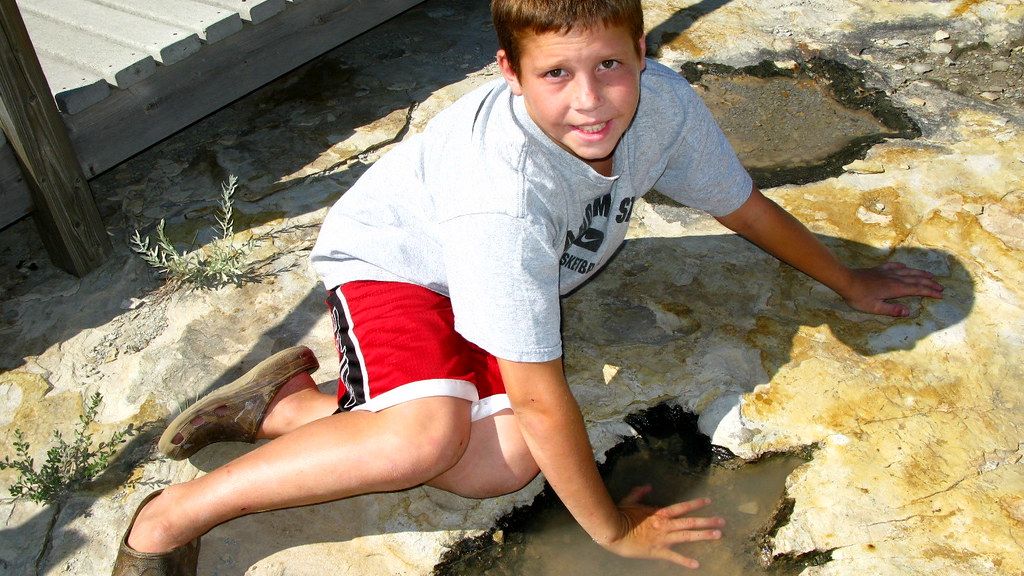
If you could walk beside a living dinosaur for just a few seconds, would you take that chance? When you stand in front of real fossil footprints, you get surprisingly close to that experience. You are looking at the exact places where an animal’s weight pressed into soft mud, paused, turned, even ran. The dinosaur is gone, but the movement is still there, frozen in stone.
What makes some of these places truly mind‑bending is not just the tracks themselves, but the geology that protected them for tens of millions of years. Shorelines have been tilted upright, riverbeds carved open, and ancient lake bottoms lifted into the sky. As you explore these seven sites, you are not just sight‑seeing – you are reading the Earth’s diary, written in dinosaur footprints.
1. Cal Orcko, Bolivia: A Vertical Dinosaur Highway
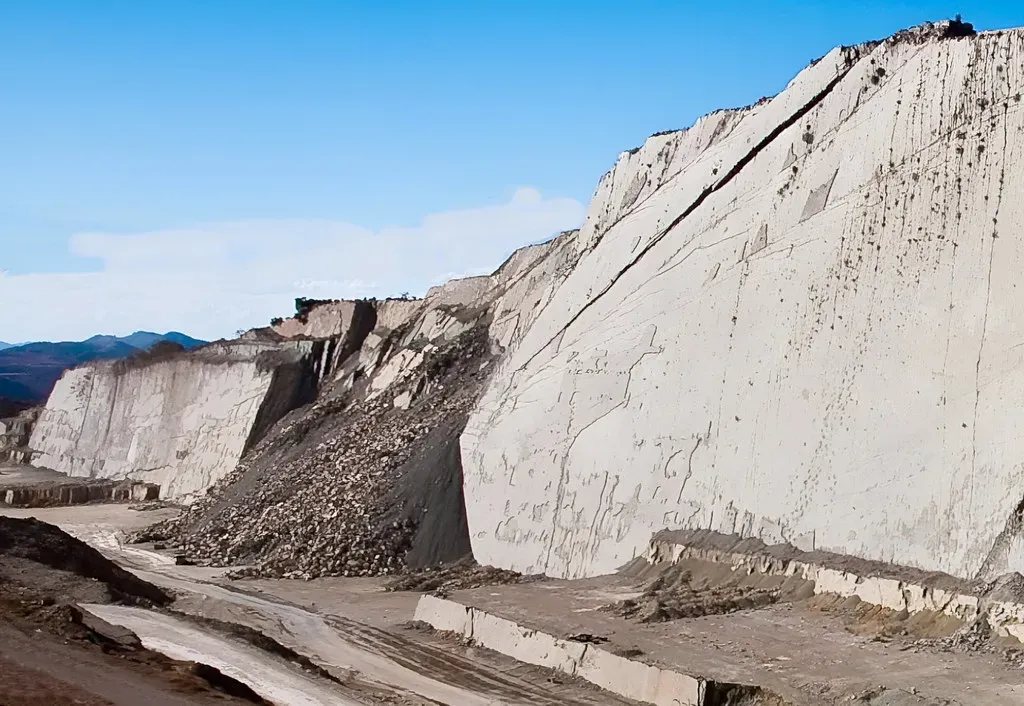
Imagine looking up at a towering, pale cliff almost as tall as a skyscraper and realizing you are staring at thousands of dinosaur footprints marching across it. At Cal Orcko, on the edge of the Bolivian city of Sucre, that is exactly what you see: a massive limestone wall, more than a thousand meters long and over a hundred meters high, crisscrossed with trackways from multiple dinosaur species. These footprints were originally made on a flat, muddy shoreline around the end of the Cretaceous period, then locked into sediment that later hardened into rock.
Over millions of years, tectonic forces pushed and tilted that ancient shore up into a nearly vertical slab, turning a once‑horizontal dinosaur path into a sheer rock face. When local quarrying exposed the wall, the scale of the tracksite stunned scientists and visitors alike, with thousands upon thousands of individual footprints identified. When you stand there, it almost feels like someone has taken a time‑lapse of dinosaur traffic and projected it onto a cliff. Instead of a single moment, you are seeing many journeys overlapping: herds moving along the coast, predators passing by, young animals stepping awkwardly beside adults – all now hanging above you like a stone tapestry.
2. Dinosaur Valley State Park, Texas: Footprints in a Living River
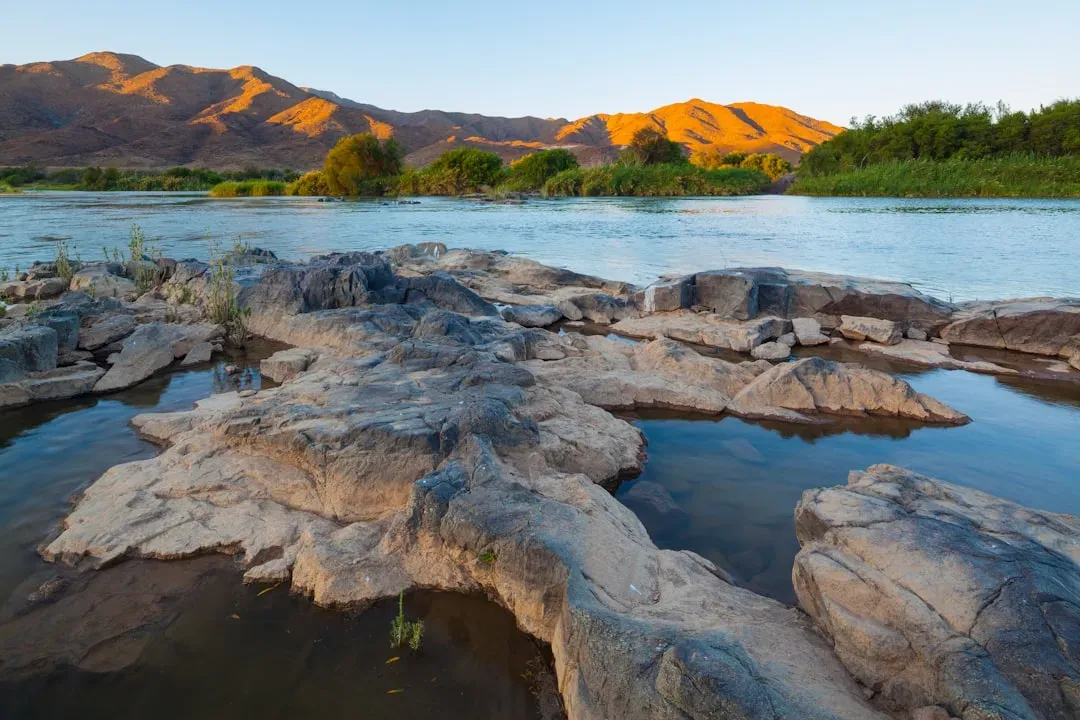
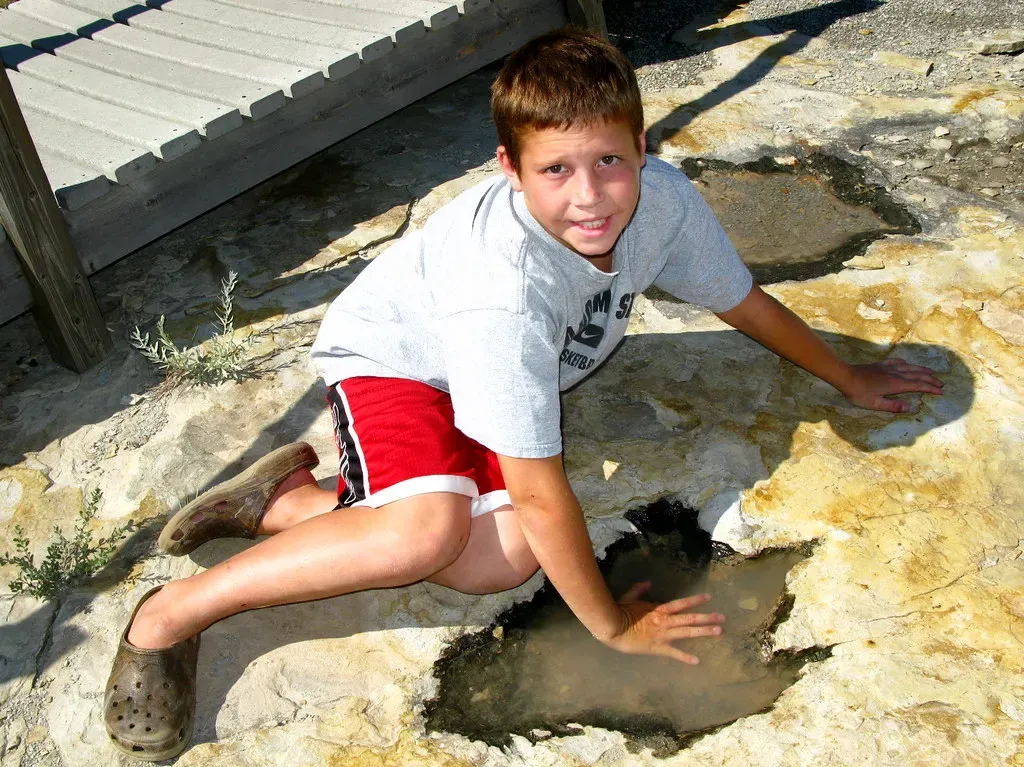
In north‑central Texas, you can wade into the shallow Paluxy River and place your feet right inside theropod and sauropod tracks that are roughly one hundred and fifteen million years old. At Dinosaur Valley State Park near Glen Rose, the river has cut through layers of the Glen Rose Formation, peeling back time and exposing long trackways of meat‑eating dinosaurs and massive plant‑eaters. During dry spells and droughts, more footprints emerge from the riverbed, sometimes revealing new track sequences that have been buried in sediment for decades.
These tracks were made along an ancient coastal plain, where dinosaurs walked across soft lime‑rich mud that later hardened into limestone. Today, seasonal floods, shifting sand, and ongoing erosion constantly change what you can see, so each visit feels slightly different. Park staff work to protect and sometimes rebury tracks to shield them from damage, but the river remains both friend and foe – it uncovers and slowly destroys at the same time. When you crouch beside a three‑toed theropod print deep in the channel, you are literally tracing the path of a dinosaur that once strode across a warm Cretaceous shoreline, while modern fish glide over its footsteps.
3. Lark Quarry, Australia: The Stampede Frozen in Stone
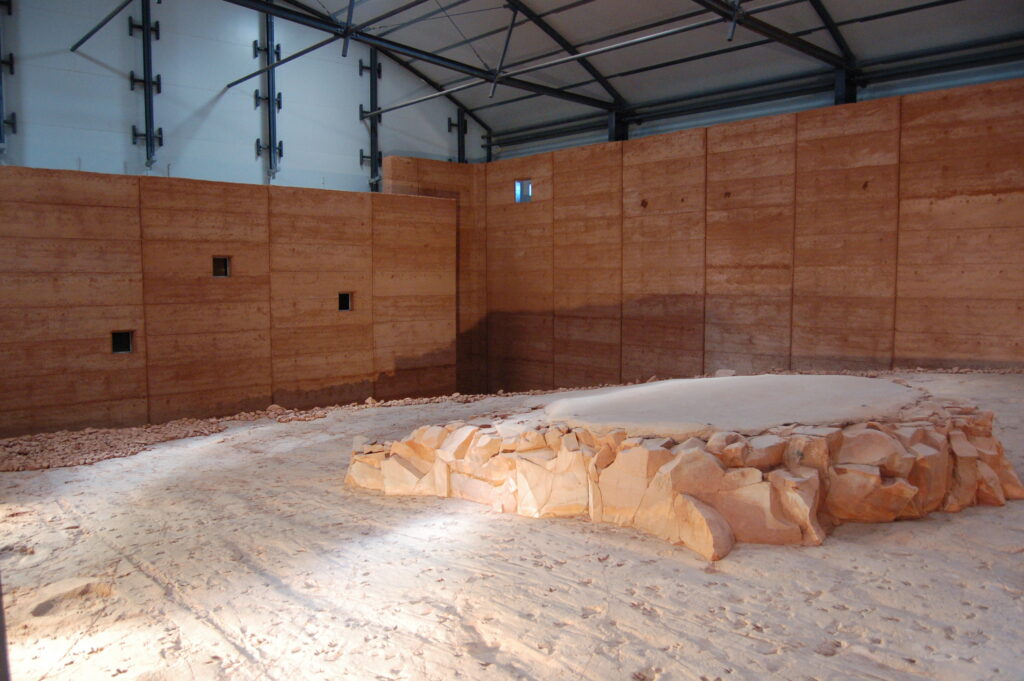
Out in Queensland’s remote outback, you can step into a low, climate‑controlled building and suddenly find yourself looking across what has been described as the world’s only known dinosaur “stampede” site. At Lark Quarry Conservation Park, a slab of rock about the size of a tennis court preserves hundreds of small dinosaur footprints clustered and overlapped in a way that suggests rapid, panicked movement. The traditional interpretation is that a group of smaller ornithopod dinosaurs were startled, perhaps by a larger predator, and bolted across a muddy lakeshore, churning up the ground as they ran.
Later studies have proposed more nuanced scenarios, and scientists continue to debate exactly what happened here, but you can clearly see that you are looking at a moment of intense activity captured in fine detail. The rock records different sizes of footprints moving in several directions, with tiny three‑toed tracks weaving among larger ones. The geology around Lark Quarry tells you this was once part of a broad floodplain in the Winton Formation, later buried, compressed, and gently lifted. When you stand above that protected slab, you are looking not just at footprints, but at behavior: hesitation, acceleration, sudden turns – all preserved in rock because the mud dried at just the right time and the sediments above sealed the story in place.
4. Dinosaur Ridge, Colorado: Tracks on a Tilted Shoreline
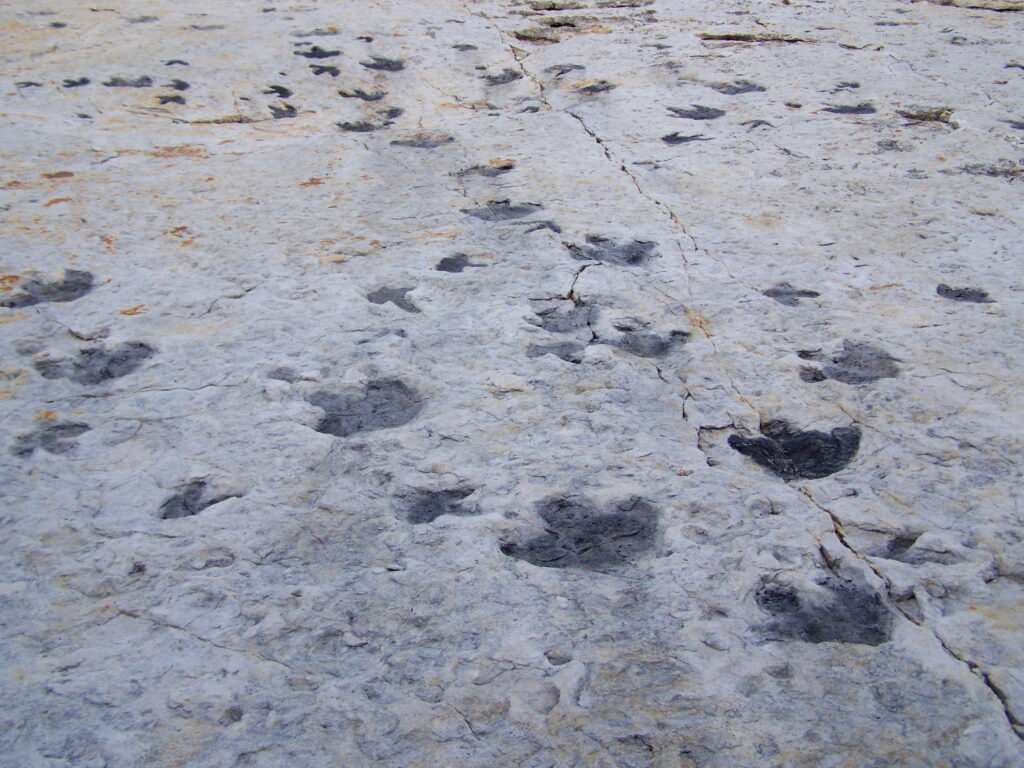
Just west of Denver, you can walk along a road cut on Dinosaur Ridge and see dinosaur footprints climbing diagonally across sloping rock layers. These tracks were made on a Cretaceous shoreline and later tilted as mountain‑building uplifted the Front Range. What you are seeing today is essentially the edge of an ancient sandy and muddy coast, rotated on its side by tectonic forces. The tracksites include three‑toed prints from carnivorous theropods and broad, plant‑eating ornithopod tracks, plus ripple marks and other sedimentary structures that remind you this used to be a shallow marine environment.
Recent research at Dinosaur Ridge has even identified unusual scrape marks that may represent display behaviors, where theropod dinosaurs dragged or scratched the ground in a kind of mating performance. That means you are not just looking at where dinosaurs walked, but possibly where they showed off to potential mates – a prehistoric stage etched into stone. As you stand on the trail, city traffic hums in the distance and the hogback ridge rises behind you, but your eyes keep coming back to those faint, three‑toed impressions angled across the rock. The geology here has effectively propped up an old shoreline like a tilted billboard, advertising dinosaur life to anyone willing to slow down and read it.
5. Purgatoire River Valley, Colorado: A Cretaceous Corridor of Tracks
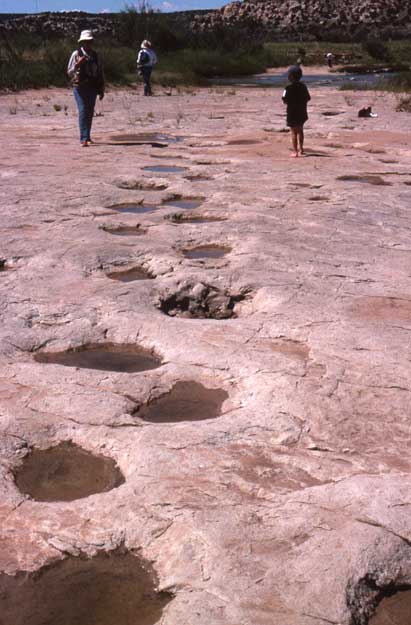
Farther south in Colorado, deep in the Purgatoire River Valley, you can find long sequences of dinosaur footprints that once lay hidden under soils and sparse vegetation. Along this river, extensive trackways record herds of large sauropods and other dinosaurs walking across a broad, low‑lying coastal plain more than a hundred million years ago. The footprints sit in beds that were once soft floodplain deposits and lagoonal muds, later preserved in place as the region slowly rose and rivers carved into the rock.
Today, some of these tracksites are remote and require guided access because they lie on or near protected lands, but the geology you encounter tells a clear story. Layered sediments, ripple marks, and mud cracks surround the tracks, showing you where water once pooled and retreated. You can follow multiple parallel sauropod trackways for surprising distances, almost like walking along a Cretaceous highway where family groups trudged together. In places, smaller three‑toed tracks intersect the heavier sauropod paths, hinting at a landscape shared by different kinds of dinosaurs in a complex ecosystem that has long since vanished, except for these stubbornly preserved steps.
6. Triceratops Trail, Colorado: Footprints in an Ancient Sand Dune Field
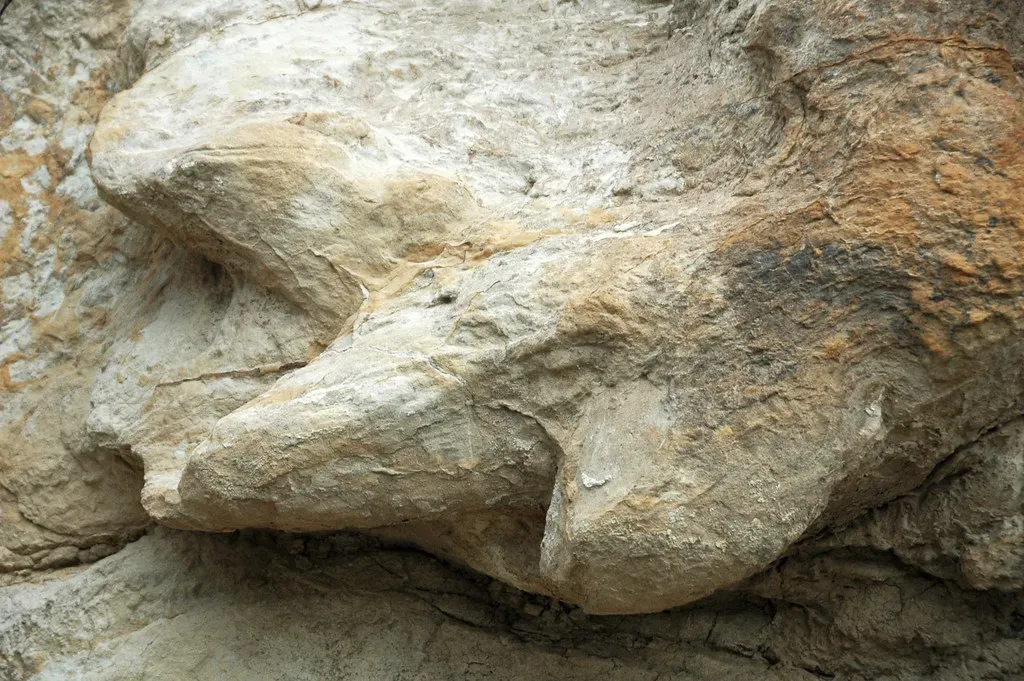
In the town of Golden, Colorado, you can stroll along a short path called Triceratops Trail and see dinosaur footprints preserved in what used to be sand dunes and muddy low areas between them. The trail winds through old clay pits and quarries where mining exposed steep rock faces covered with traces: three‑toed tracks from bipedal dinosaurs, impressions that may belong to horned dinosaurs, and patterns left by other ancient animals and plants. The layers are tilted and broken by past tectonic activity, so you often view the tracks on vertical or steeply slanted surfaces that were once horizontal ground.
What makes this site especially striking is the way industrial history and deep time intersect. You are walking through a landscape reshaped by human mining in order to glimpse features stamped into the mud of a Late Cretaceous world. The sandstones and mudstones around you represent dunes and wetlands along the edge of an inland seaway, a far cry from modern streets and bike paths just a few minutes away. It can feel slightly surreal: you stand in front of a weathered rock wall beside a suburban neighborhood, tracing the outline of a dinosaur foot that pressed into soft sediment long before there was a Rocky Mountain skyline, let alone a university campus down the road.
7. Toro Toro National Park, Bolivia: Footprints in a Mountainous Fossil Playground
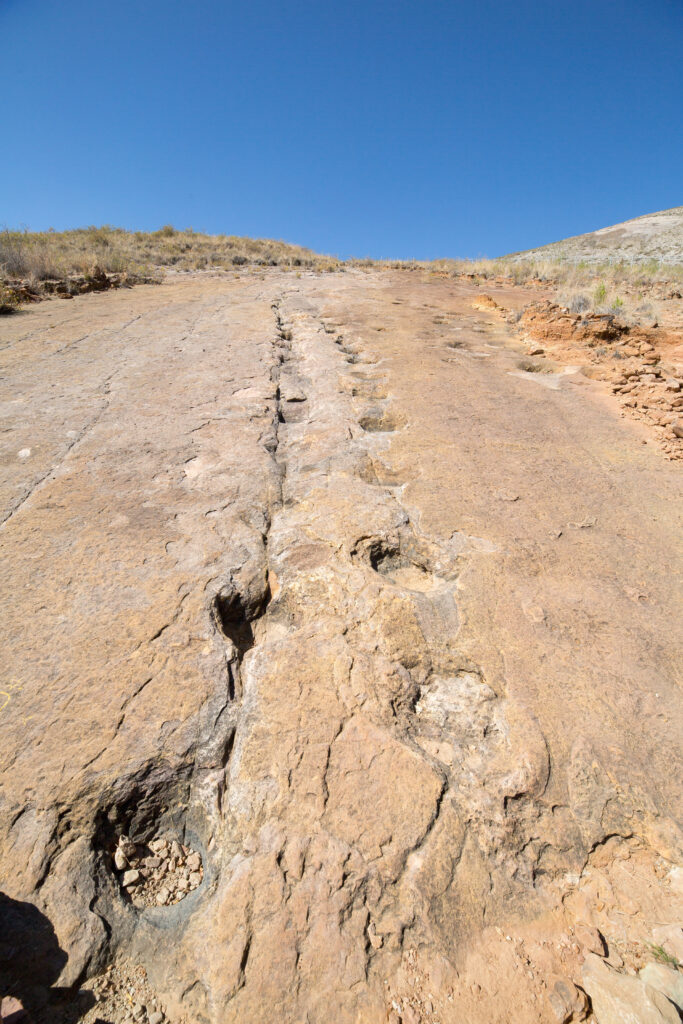
High in the Bolivian Andes, Toro Toro National Park offers you a very different kind of dinosaur footprint experience. Here, scattered across ravines, canyons, and folded rock layers, you find thousands of three‑toed theropod prints and other tracks preserved in what used to be river channels, lakeshores, and shallow wetlands. Researchers have documented tens of thousands of footprints in the park, making it one of the richest theropod tracksites known, with trackways running across tilted slabs that were once gentle valley floors.
When you hike here, you are often climbing over what used to be lowland terrain that has been lifted thousands of meters by Andean mountain building. The footprints tell you that these high, rugged valleys were once near sea level, part of an ancient watery landscape where dinosaurs splashed through channels and mudflats. You might follow a sequence of prints along a slab that now forms a hillside, or look down into a gorge where trackways stripe the walls. The combination of dramatic topography and abundant footprints makes Toro Toro feel like a natural open‑air museum, where geology has done the heavy lifting of excavation and display for you.
Conclusion: Reading a Dinosaur’s Last Steps in Stone
When you look across these seven sites, you start to realize you are not just visiting random tourist stops; you are reading a global story about how Earth saves and reshapes memories of life. At Cal Orcko and Toro Toro, tectonic forces have bent former shorelines and floodplains into soaring walls and high valleys. At Dinosaur Valley State Park, the Paluxy River constantly edits the rock record, exposing new tracks while slowly wearing others away. In Colorado and Australia, tilted strata, old quarries, and carefully protected slabs reveal not just footprints, but fragments of dinosaur behavior: stampedes, migrations, maybe even courtship displays scratched into the surface.
If you ever get the chance to stand in front of one of these formations, try this: ignore the modern noise for a moment, trace a single trackway with your eyes, and imagine the animal that made it – the weight shift, the pause, the next step. You are following a path that was never meant for you, yet somehow survived long enough for you to see it. That quiet, eerie connection across time is what makes these geological formations feel so remarkable. Which one of these ancient trackways would you want to stand beside first and listen for those long‑faded footsteps?