
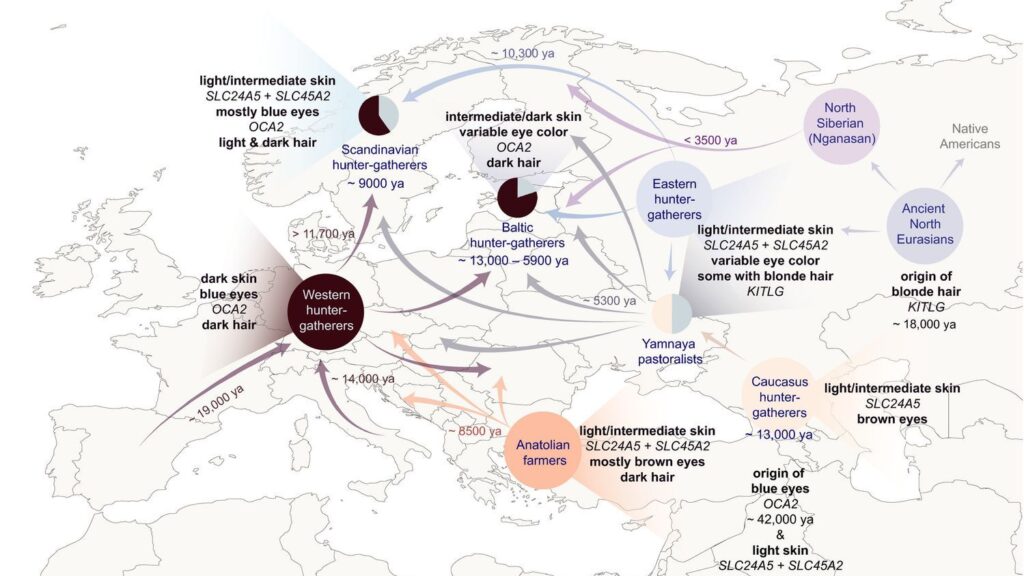
Imagine walking from one continent to another – not in a day, not in a year, but across thousands of generations. No maps. No compass. No safety net. Just raw instinct, breathtaking courage, and the will to survive in a world that was nothing like the one you knew. That is the story of early human migration, one of the greatest and most underappreciated epics in the history of life on Earth.
You might think of human migration as something modern, something tied to passports and borders. The truth is far older and far more extraordinary. Long before cities, long before written language, your ancient ancestors were crossing deserts, fording rivers, and pushing into lands no human had ever seen. Let’s dive in.
Africa: The Cradle That Could Not Contain Us
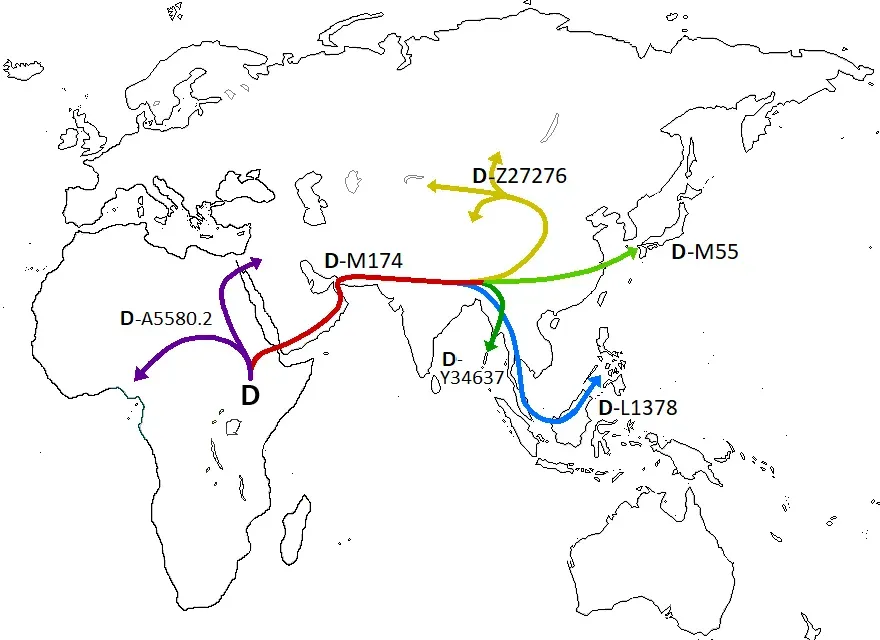
Africa is rightly called the cradle of humanity. It was here that Homo sapiens first evolved, and from this ancient land, your ancestors embarked on a journey that would eventually lead to the population of the entire globe. Think of it as the original launchpad for all of human civilization. Every single person alive today traces their deepest roots back to this one continent.
Early human migrations are believed to have begun approximately 2 million years ago with the early expansions out of Africa by Homo erectus, followed by other archaic humans including Homo heidelbergensis, which lived around 500,000 years ago and was the likely ancestor of Denisovans and Neanderthals as well as modern humans. Honestly, when you realize that the very first steps out of Africa were taken not by us but by entirely different human species, the scale of this story starts to feel almost unreal.
The First Great Departure: Homo Erectus Leads the Way
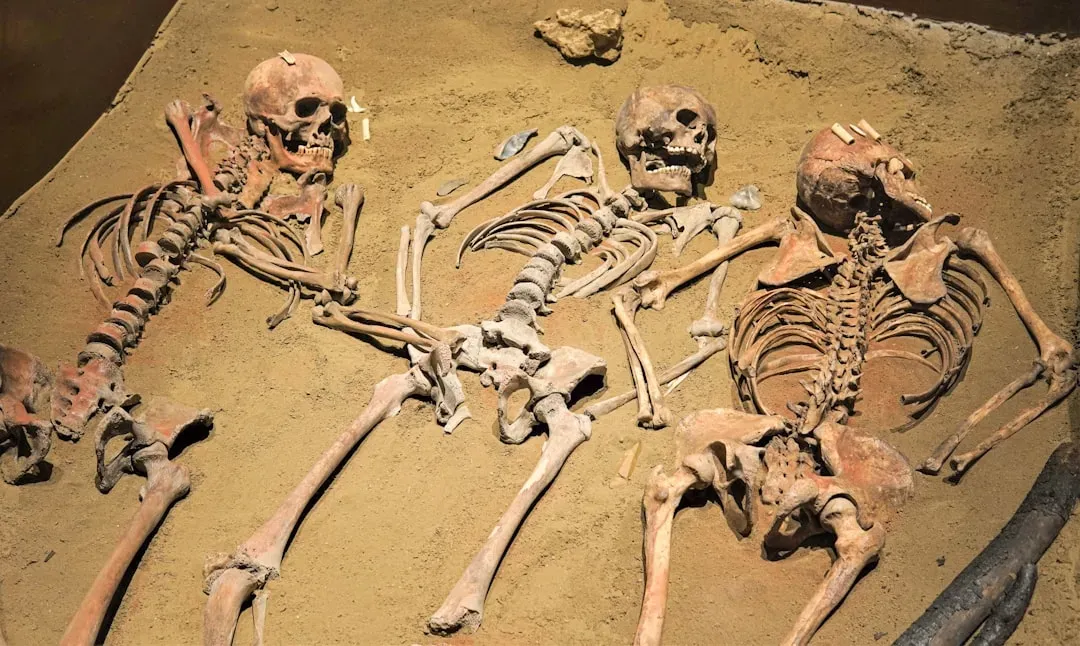
Homo ergaster, also known as African Homo erectus, may have been the first human species to leave Africa, with fossil remains showing this species had expanded its range into southern Eurasia by 1.75 million years ago. Their descendants, Asian Homo erectus, then spread eastward and were established in Southeast Asia by at least 1.6 million years ago. That is a jaw-dropping distance for a species that did not have wheels, boats, or any of the tools we take for granted today.
Migration was stressful and dangerous. Homo erectus, most likely, had no idea what they would find when they left Africa. Moving into a new environment required adequate technology to hunt and gather, or to protect against colder climates via clothing or fire, the latter of which has been known to humans since at least 1.8 million years ago but was not habitually used until probably between 500,000 and 400,000 years ago. Here’s the thing: your earliest ancestors were essentially improvising their way across entire continents, and somehow it worked.
The Routes Out of Africa: More Paths Than You Might Expect
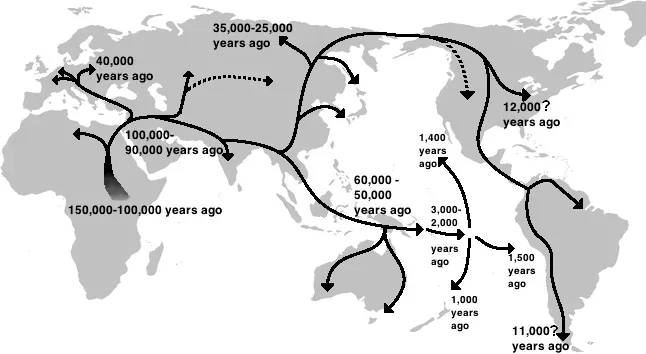
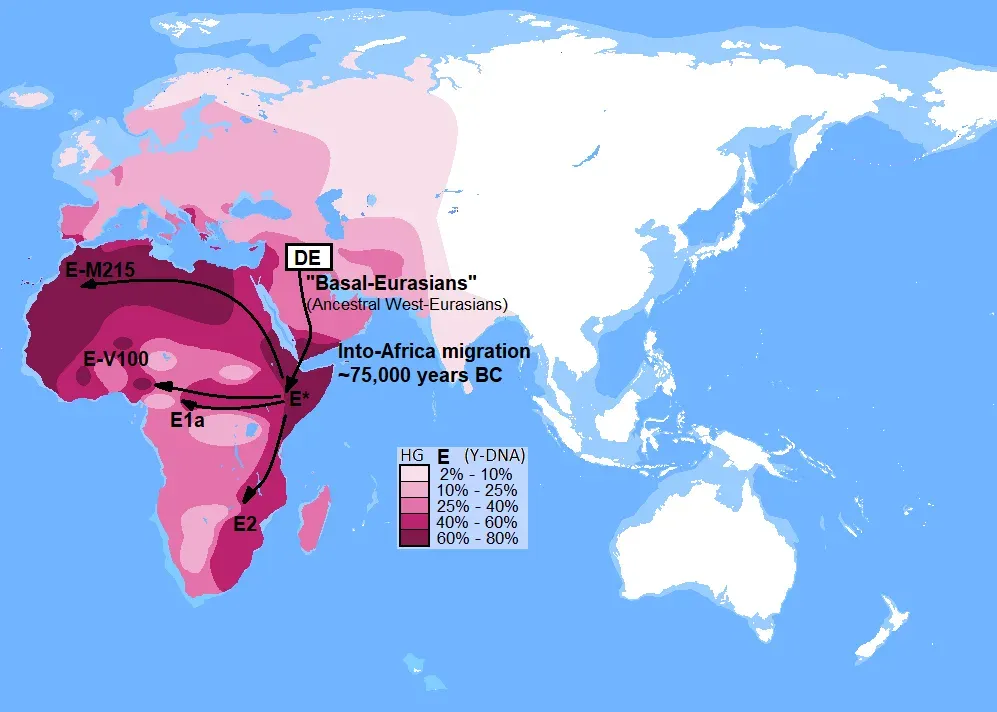
There is evidence that modern humans left Africa at least 125,000 years ago using two different routes: through the Nile Valley, the Sinai Peninsula and the Levant, and a second route through the present-day Bab-el-Mandeb Strait on the Red Sea, crossing to the Arabian Peninsula and settling in places like the present-day United Arab Emirates and Oman. It was not a single highway out of the continent but rather a web of possible exits, shaped by climate and opportunity.
At the Bab-el-Mandeb straits today, the Red Sea is about 20 kilometres wide, but 50,000 years ago sea levels were 70 metres lower owing to glaciation and the water channel was much narrower. Though the straits were never completely closed, they were narrow enough to have enabled crossing using simple rafts, and there may have been islands in between. Picture your ancestors launching crude rafts into a narrowed sea corridor, with nothing certain on the other side. Remarkable does not even begin to cover it.
Climate as the Invisible Hand Guiding Migration
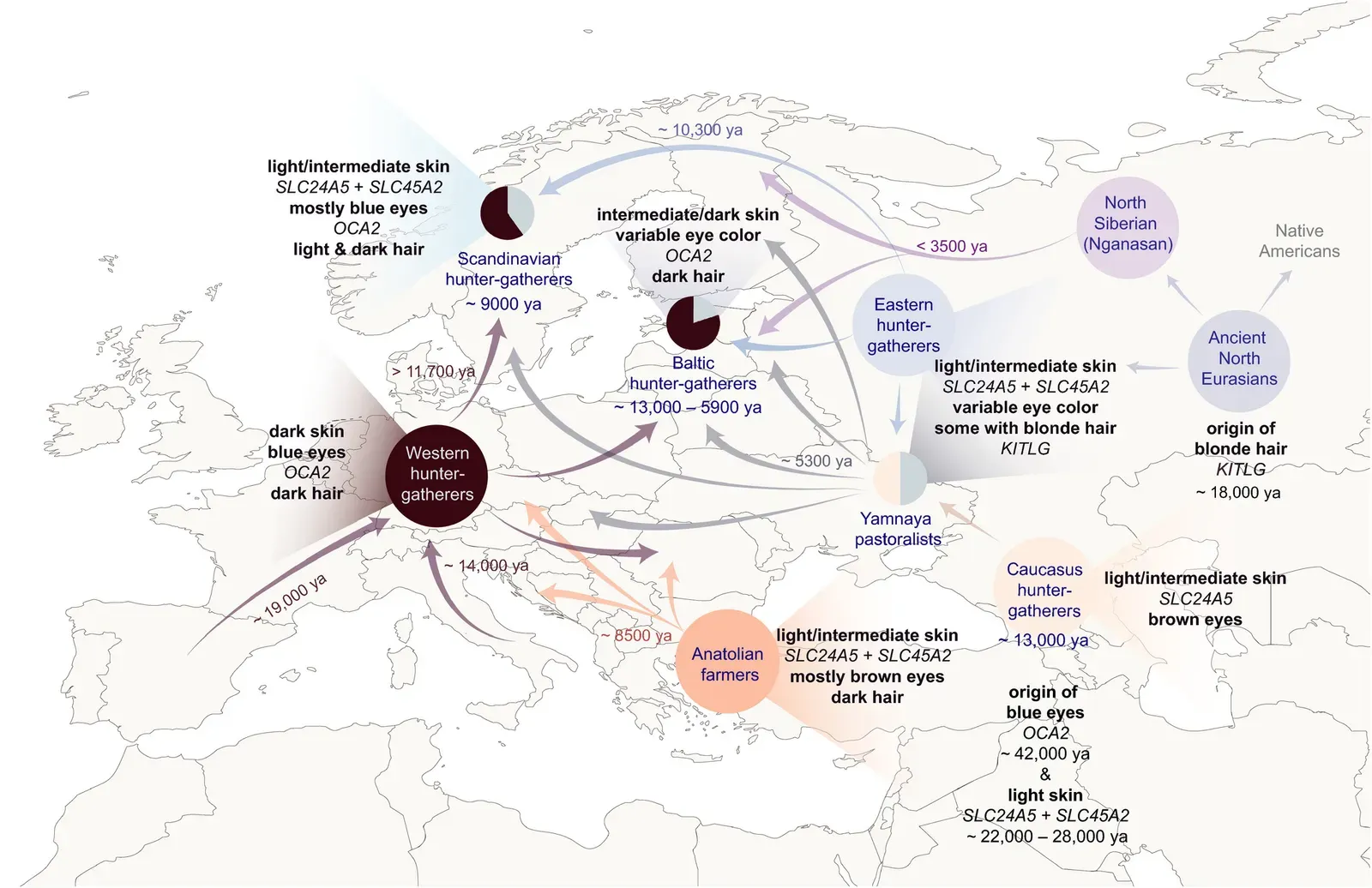
These waves of migrations occurred from about 104,000 to 92,000 BCE, 87,000 to 71,000 BCE, 57,000 to 45,000 BCE, and 43,000 to 27,000 BCE. The groups that were part of the earliest migrations faded out once they reached Eurasia and some lineages went completely extinct. The migration that occurred around 57,000 to 45,000 BCE likely led to the population of the rest of the world. So your personal genetic story likely traces to one specific wave among many, which is oddly humbling to think about.
Emerging research results show that your early ancestors chose to travel primarily through warm, humid areas with a mix of forest and grasslands near rivers, and scientists now have empirical support for how the environment influenced where the first explorers migrated. Climate fluctuations led to the appearance of so-called green corridors, or regions of warm, wet climate and lush vegetation, between Africa and the eastern Mediterranean and the Arabian Peninsula. Migration was not random wandering. It followed the land’s own rhythm.
Surviving the Unknown: Tools, Fire, and Social Bonds
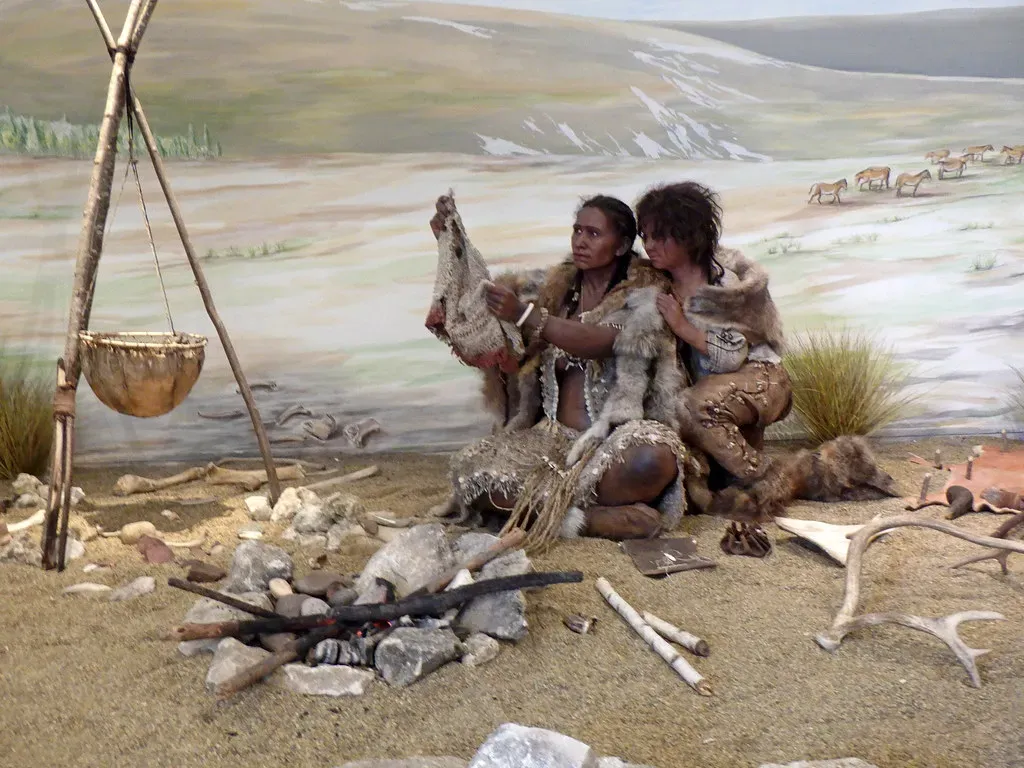
Modern humans were hunter-gatherers like their evolutionary ancestors, surviving by hunting animals and gathering wild plants rather than by planting crops and raising livestock. As hunter-gathering societies regularly foraged over large areas, any scarcity of resources in some places or abundance in others encouraged movement. In the lifetime of a single individual, a large-scale migration would have been barely perceptible, if at all. Over tens of thousands of years, however, human populations traversed an enormous portion of the globe.
Humans who colonized the environment west of the Urals faced winter temperatures averaging between minus 20 and minus 30 degrees Celsius with fuel and shelter scarce. They travelled on foot and relied on hunting highly mobile herds for food. These challenges were overcome through technological innovations including tailored clothing from the pelts of fur-bearing animals, construction of shelters with hearths using bones as fuel, and digging ice cellars into the permafrost to store meat and bones. That kind of problem-solving, under those conditions, is nothing short of genius.
Encountering Other Humans: Neanderthals, Denisovans, and More
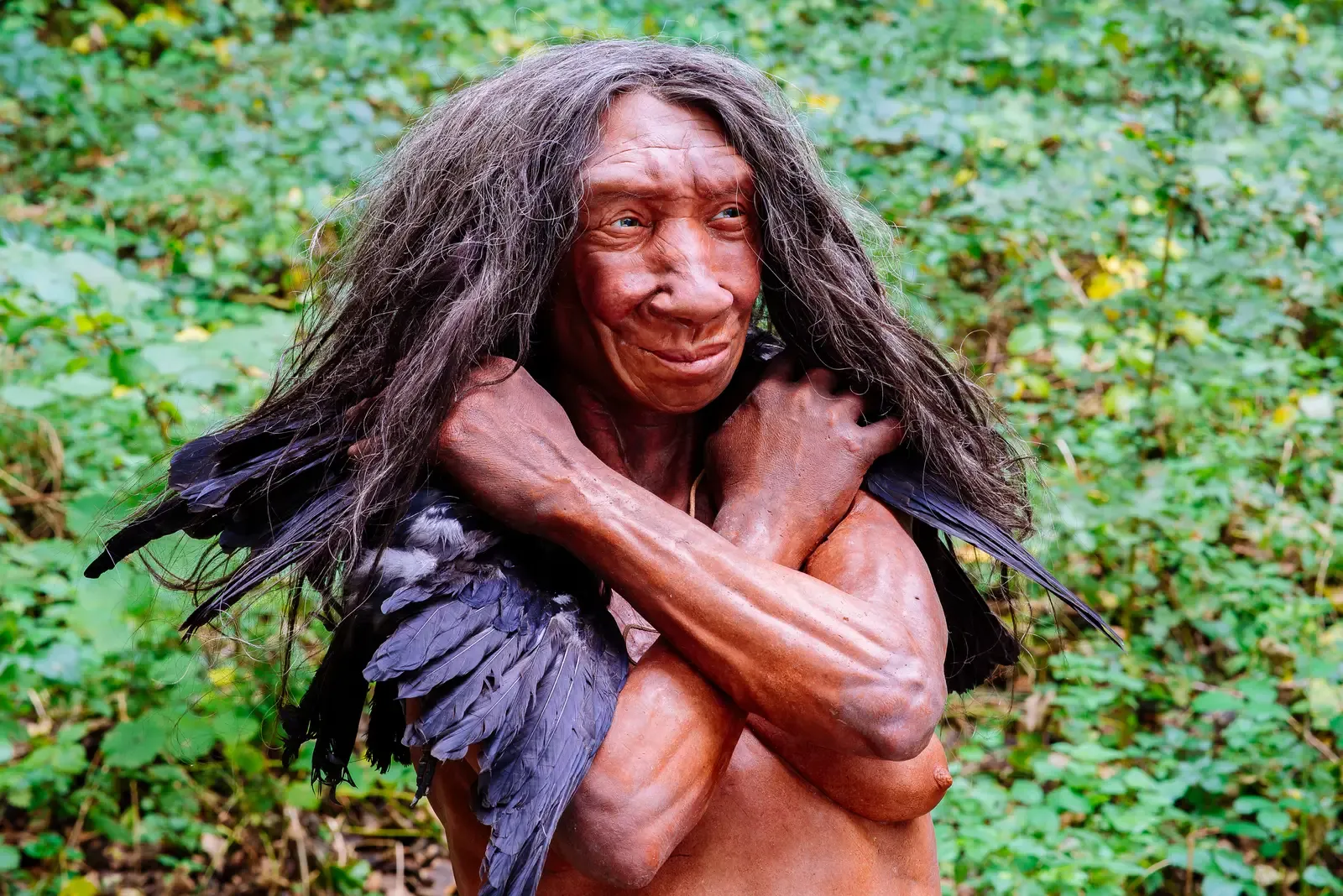
In the Near Eastern setting, humans met Neanderthals and interbred with them, and this was not even for the first time, as physical contact with them dates back to at least 100,000 years ago, after which an offshoot branched off and eventually migrated into Europe around 45,000 years ago. Let that sink in for a moment. When your ancestors pushed into new lands, they did not always find empty terrain. They found other people, other species of humans, and the encounters were complicated.
By 100,000 years ago, humans had dispersed and diversified into at least four species. Homo sapiens lived in Africa and the Middle East, Homo neanderthalensis lived in Europe, and Homo floresiensis in southern Asia. DNA from human remains in Denisova cave, Russia, indicates a fourth species was also still extant when Homo sapiens was migrating through southern Asia about 60,000 years ago, and modern Melanesians carry about 4% of this DNA. You are, in a very real sense, a product of all those ancient encounters.
Reaching the Americas: The Final Frontier of Prehistoric Migration
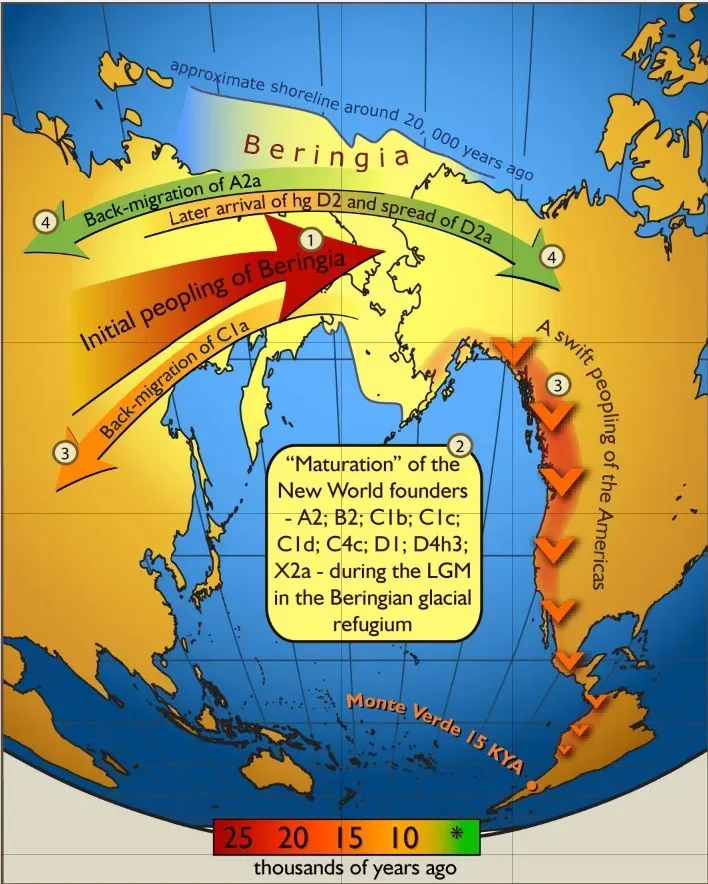
Paleo-Indians originated from Central Asia, crossing the Beringia land bridge between eastern Siberia and present-day Alaska. Humans lived throughout the Americas by the end of the last glacial period. In northern Asia, migration routes followed major rivers to cope with harsher climates, reaching Beringia, a now-submerged land bridge between Siberia and Alaska, around 34,700 years ago. It took tens of thousands of years of steady, incremental movement just to reach the doorstep of the New World.
From their beginnings in Africa, modern humans went first to Asia between 80,000 and 60,000 years ago. By 45,000 years ago, or possibly earlier, they had settled Indonesia, Papua New Guinea, and Australia. They entered Europe around 40,000 years ago, probably via two routes: from Turkey along the Danube corridor into eastern Europe, and along the Mediterranean coast. By 35,000 years ago, they were firmly established in most of the Old World. The scope of that expansion, in a world with no infrastructure, still staggers the imagination. Let’s be real: nothing in modern adventure travel even comes close.
Conclusion: Their Journey Is Your Story
When you trace it all back, the story of early human migration is not just a chapter in a history book. It is your story. Every border you have ever crossed, every new place you have ever moved to, carries an echo of those ancient footsteps across untamed grasslands and frozen tundras. Your capacity for adaptability, curiosity, and resilience was written into your DNA hundreds of thousands of years ago, by people who had nothing but their wits and each other.
Researchers have gleaned new insights into the great human migration, revealing how environmental conditions in northern Eurasia and the Americas shaped the journey of ancestors who left Africa tens of thousands of years ago, with the Out of Africa theory suggesting that more than 70,000 years ago, some groups left Africa to spread across Europe, Asia, Australia, and the Americas. Yet for all we have learned, the full picture is still being assembled, one fossil fragment and one strand of ancient DNA at a time.
The migrations were not a single grand event. They were a slow, relentless, unstoppable human tide, pushed by hunger, climate, curiosity, and pure survival instinct. Your ancestors did not know they were making history. They were just trying to make it to tomorrow. And because they did, you are here today. What would you have done, standing at the edge of an unknown continent with nothing but stone tools and the people beside you?