
Have you ever met someone who seems to just know things? They sense the tension in a room the moment they walk in, spot a lie before a single word is spoken, or predict outcomes that leave everyone else stunned. It’s not magic, and it’s not coincidence. There’s real science behind why some people seem to operate on a completely different perceptual frequency from the rest of us.
The truth is, this kind of perception is deeply rooted in primal instincts, emotional intelligence, and the brain’s remarkable ability to process invisible patterns. You might be one of these people yourself, or you likely know someone who is. Either way, what you’re about to discover might just change how you see human awareness entirely. Let’s dive in.
The Ancient Wiring Behind Modern Perception
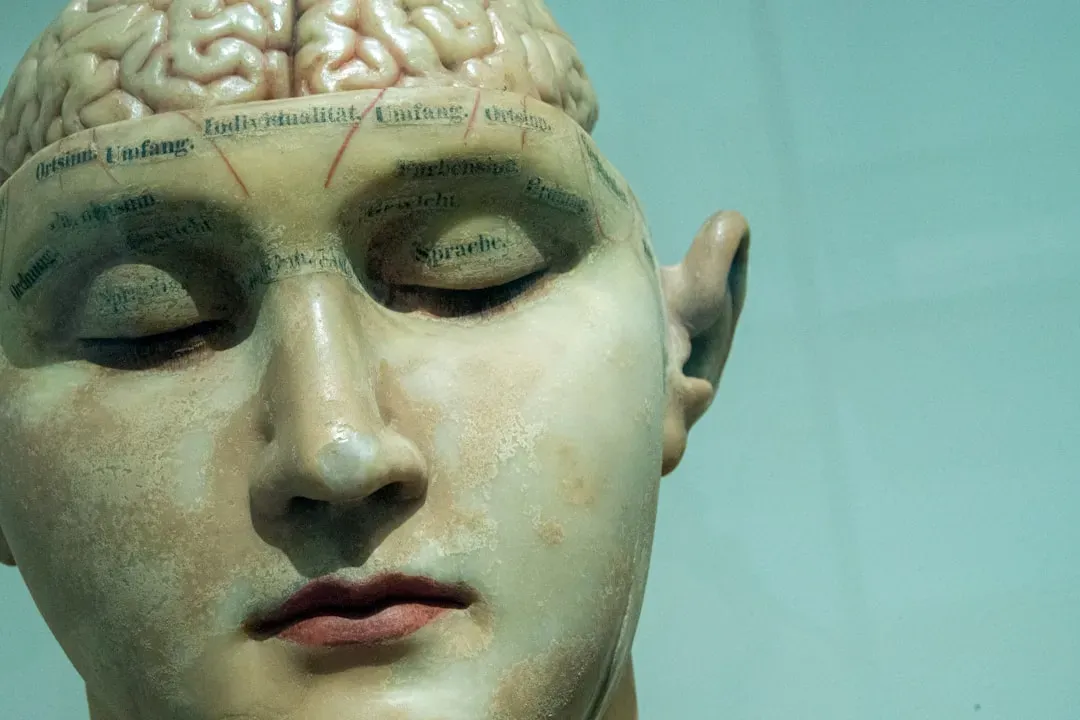
Here’s the thing most people overlook: your brain has been shaped by hundreds of thousands of years of survival pressure. Evolutionary psychology holds that although you today inhabit a thoroughly modern world of space exploration and virtual realities, you do so with the ingrained mentality of a Stone Age hunter-gatherer. Your ancestors emerged on the Savannah Plain some 200,000 years ago, and those survival instincts still live inside you.
Primal instinct is behind your innate ability to react to new, potentially dangerous situations in the interest of self-preservation. Think of it like an alarm system installed at birth, one that runs quietly in the background of your daily life. Most people ignore it completely. The uncannily perceptive ones? They’ve learned to listen to it.
These instincts aren’t merely relics of the past; they continue to shape contemporary behavior in ways you might not even realize. The people who seem almost psychic in their awareness are not gifted with some mystical power. They’re simply more tuned into what the human nervous system has been doing all along.
How Your Brain Reads the Room Without Your Permission
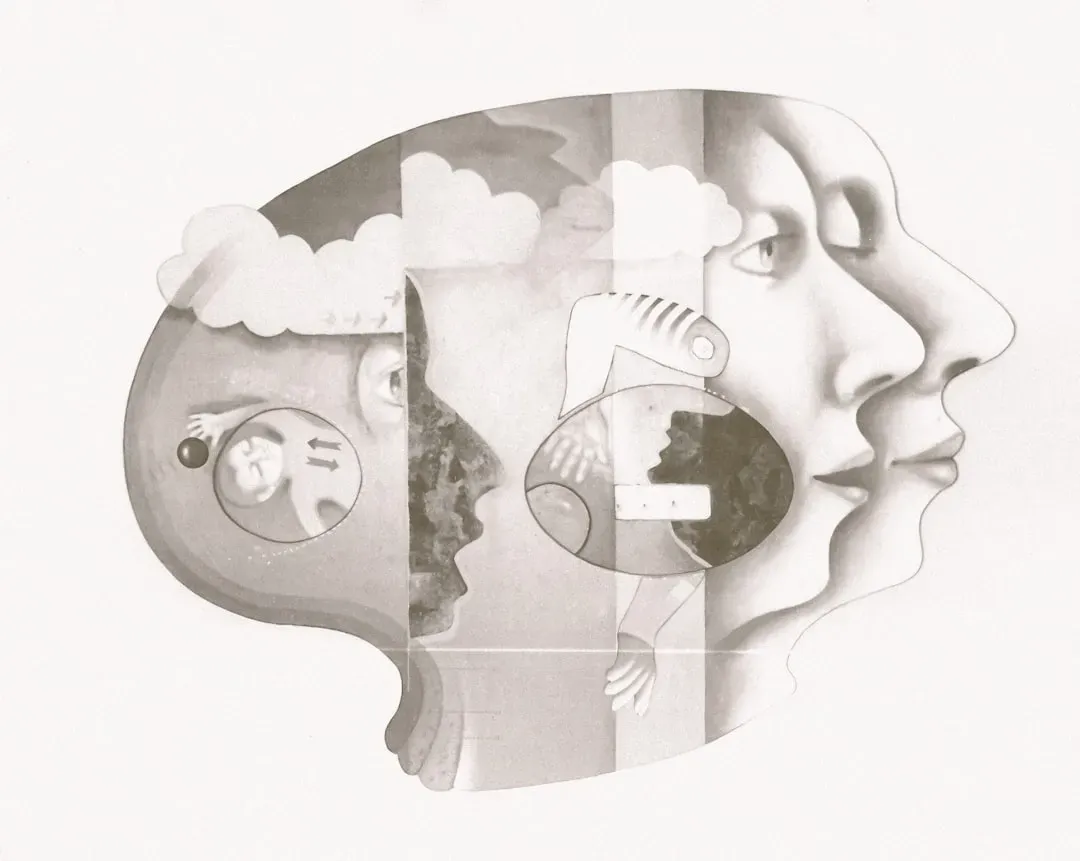
Intuition is a form of knowledge that appears in consciousness without obvious deliberation. It is not magical but rather a faculty in which hunches are generated by the unconscious mind rapidly sifting through past experience and cumulative knowledge. In other words, your brain is doing enormous detective work, and you don’t even know it’s happening.
It is proposed that you continuously, without conscious attention, recognize patterns in the stream of sensations that impinge upon you. What exactly is being recognized is not always clear, but you detect potential content based on only a few aspects of the input. The result is a vague perception of coherence that is not explicitly describable but instead embodied in a “gut feeling” or initial guess, which subsequently biases thought and inquiry.
This is not fluffy self-help territory. This is neuroscience. Highly perceptive people have simply developed a sharper sensitivity to those background signals the rest of us tune out like white noise.
The Two Systems Running Simultaneously Inside You
Psychologists have long described two competing mental operating modes. System one is your quick, instinct-based, and mostly subconscious way of operating, driven by the right brain hemisphere in conjunction with the older, reptilian and limbic parts of the brain. System two, on the other hand, is slower, analytical, and operates consciously; it is controlled by the left brain.
According to researchers, intuition is part of system one. This system knows the correct answer to everyday-life situations way before system two does. Honestly, this is one of the most fascinating things about human cognition. The slow, logical part of you is often playing catch-up to the fast, instinctive part that already figured out the answer.
The uncannily perceptive person is someone whose system one is both highly active and trusted. They don’t override the gut signal with excessive logic. They let both systems work together, like two instruments in harmony rather than one drowning out the other.
Reading People: The Extraordinary Skill of Nonverbal Detection

Highly perceptive individuals excel at interpreting nonverbal cues. You can read subtle body language, facial expressions, and gestures to gauge others’ emotions and intentions. This ability enables you to connect with people on a deeper level, often understanding what someone feels before they speak. It’s less like a superpower and more like an extremely well-trained eye.
Intuitive people often notice quick, involuntary facial cues called microexpressions, which flash across the face in as little as 1/25 to 1/2 of a second, revealing true emotions before a person has a chance to hide them. You might notice a flicker of fear, a brief look of surprise, or flared nostrils when someone is angry just before they regain control of their expression.
Imagine trying to hide a thought from someone who reads your face faster than you can construct a mask. That’s the reality of interacting with a highly perceptive person. It’s simultaneously impressive and, for those with something to hide, quite uncomfortable.
The Brain Regions That Power Uncanny Perception

Intuition is intimately linked to your emotions, arising from complex neural circuits dedicated to the information processing of your feelings. Key brain regions like the amygdala, insula, and ventromedial prefrontal cortex play crucial roles. The amygdala processes emotional stimuli, shaping instinctual reactions even before you become consciously aware. The insula integrates bodily sensations with environmental cues, further contributing to intuitive insights.
Together, these brain regions form a dynamic network that orchestrates an intricate dance between emotions and intuition. By integrating emotional cues from your surroundings with internal bodily sensations, this neural circuitry generates intuitive responses that shape your thoughts, actions, and decisions even before you are consciously aware.
Let’s be real, it’s remarkable. The brain is essentially running a live emotional analysis of every person in the room, comparing it to a vast database of past experiences, and then handing you a verdict before your conscious mind has had its morning coffee. Perceptive people are just more receptive to that verdict.
Pattern Recognition: The Secret Engine of Intuition

Psychologists believe that intuition relies on powers of pattern-matching, as the mind combs experience stored in long-term memory for similar situations and presents in-the-moment judgments based on them. Think of a chess grandmaster who sees a dangerous board position instantly, without calculating every possible move. That’s pattern recognition in its purest form.
The ability to intuit is acquired through experience and learning within a specific domain, and indeed appears to be particularly associated with perceptual pattern recognition processes. Highly skilled intuiters have been found capable of holding many sets of patterns pertaining to a domain of knowledge in their immediate memory, along with information about the emotional salience of each piece of information.
Highly perceptive individuals excel at recognizing patterns. You have a keen ability to detect repeating trends and sequences in various contexts, from social interactions to professional settings. When engaging in conversations, perceptive individuals can easily identify patterns in speech, behavior, and even nonverbal cues. This makes you adept at understanding underlying motivations and predicting future actions. It’s like having a mental fingerprint database for human behavior.
Emotional Intelligence: The Connector Between Instinct and Insight

Perceptiveness doesn’t live in a vacuum. It’s deeply connected to emotional intelligence, that fascinating combination of self-awareness, empathy, and social skill. A far better place to excel than pure IQ is in the area of EQ, which measures Emotional Intelligence. It’s best explained as the ability to perceive, control, evaluate, empathize, and express your emotions.
Emotionally intelligent individuals can truly step into someone else’s shoes, feeling their emotions as if they were their own. This deep sense of empathy is what allows them to connect with people on a profound level. They can sense when someone is upset, even if that person hasn’t said a word. They can also feel the joy and excitement of others, as if it were their own.
Intuition isn’t a mystical superpower. It’s your brain’s ability to synthesize patterns quickly, based on subtle cues and past experience. Emotionally intelligent people with strong intuition listen to this inner signal and act on it. When you combine both emotional intelligence and sharp instincts, you get someone who genuinely seems to know too much.
Can You Develop Uncanny Perception, or Are You Born With It?

This is the question everyone eventually arrives at. The good news is more interesting than you might expect. Emotional intelligence is not a pre-determined trait; it is something that can be learned and developed at any point in life. The same logic applies to sharpening your perceptive instincts.
Modern cognitive psychology acknowledges the importance of innate behaviors but also explores how they can be modified or overridden by learned experiences and conscious decision-making. In plain terms: yes, your starting point matters, but it is absolutely not your ending point. It is possible to hone your powers of intuition. To some degree, intuition stems from expertise, which relies on tacit knowledge.
With consistent practice, your brain begins to reshape itself, creating new neural pathways that support emotional intelligence. Over time, traits like self-awareness and empathy become second nature. Think of perception as a muscle. Neglect it and it weakens. Train it regularly, and you might just surprise yourself with what you start noticing.
Conclusion
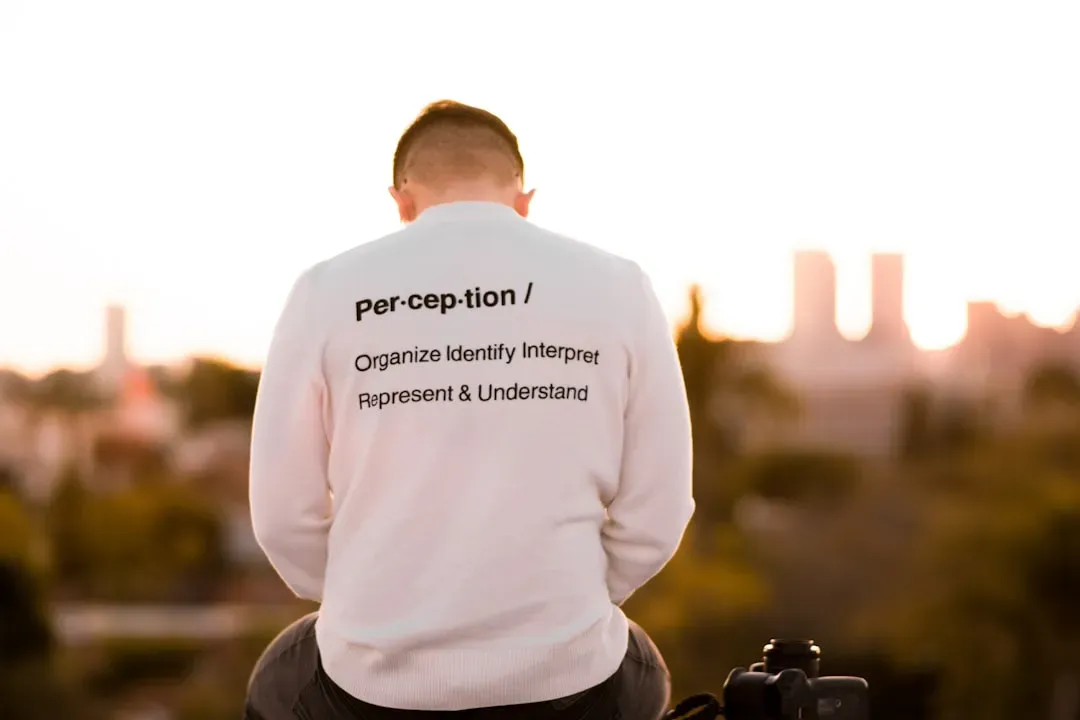
Uncanny perception is not a personality quirk reserved for a gifted few. It is the result of ancient primal wiring, practiced emotional awareness, sharp pattern recognition, and a brain that never truly stops analyzing the world around you. Some people are simply more attuned to the signals that have always been there.
The perceptive person in your life is not reading your mind. They are reading your microexpressions, your hesitations, the gaps in your sentences, and the way your body tells stories your words refuse to. The remarkable part is that you carry these same capabilities within you. It’s just a matter of learning to listen to what your brain has been quietly saying all along.
So here is the real question worth sitting with: if the tools for deeper perception are already built into you, what has been stopping you from using them? What would change if you started paying attention to what your gut has been trying to tell you all this time?