You live in a world shaped by quiet survivors. Long before humans, before saber-toothed cats and woolly mammoths, your mammal ancestors were tiny, nervous creatures darting through the shadows while giant dinosaurs thundered overhead. For tens of millions of years, they didn’t rule the planet. They just tried very, very hard not to get eaten.
It is easy to imagine dinosaurs as the main story and mammals as a boring side note, but if you look closely, the real drama is about how those small, warm-blooded animals learned to adapt, squeeze into overlooked corners of the ecosystem, and patiently wait for their moment. When you trace that story, you start to see how your own body, senses, and even sleep cycle carry the imprint of an age when staying hidden was the only way to stay alive.
Living in the Shadows: Why Mammals Stayed Small and Secretive
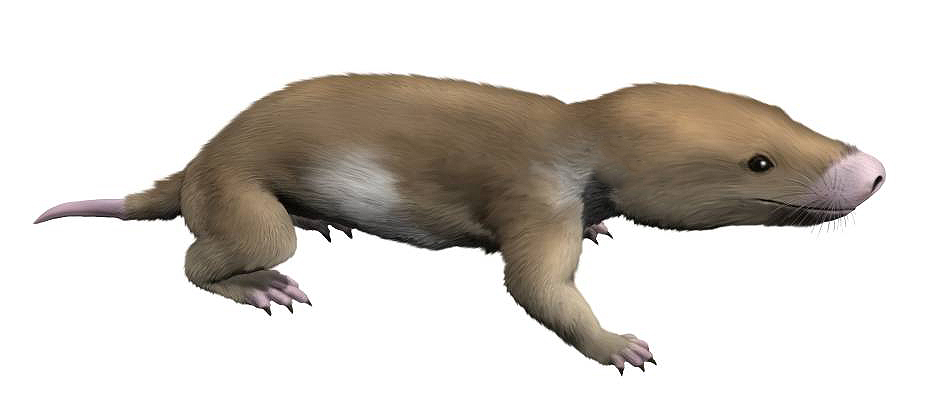
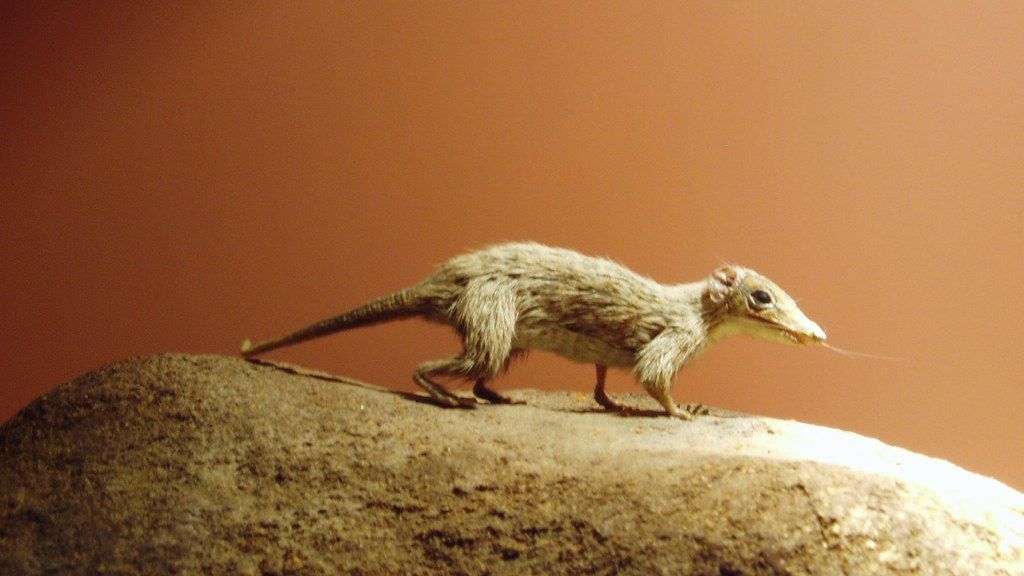
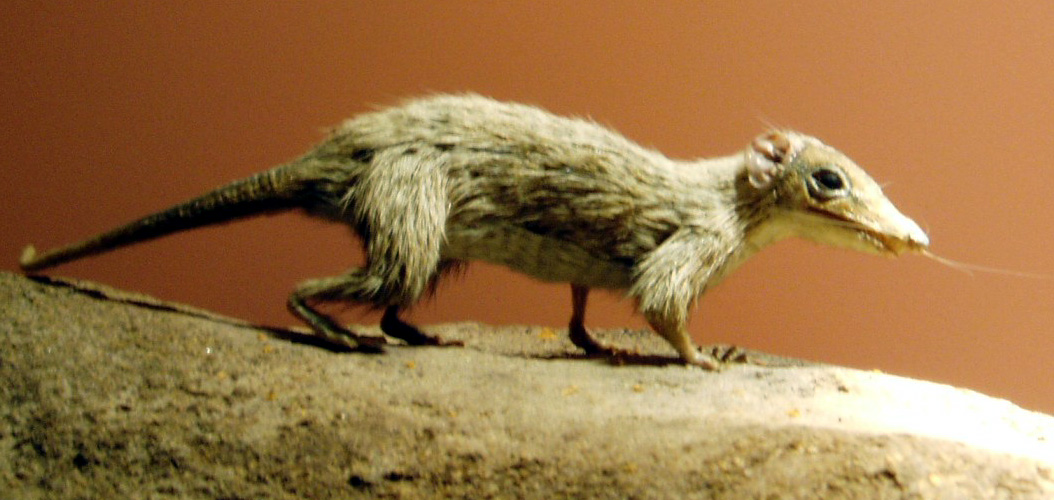
Picture yourself as a mouse-sized creature in a world of prowling predators the size of buses. If you want to survive, you don’t strut, you shrink. Early mammals stayed very small, often no bigger than a squirrel or mouse, because small bodies are easier to hide in burrows, under leaf litter, and in cracks in trees and rocks. Staying tiny also meant they needed fewer resources, so they could tuck themselves into narrow ecological spaces that giant dinosaurs simply could not use.
Being small came with trade-offs you would feel immediately if you were dropped into that world. You would be vulnerable to almost everything: hungry dinosaurs, crocodiles, early birds, and even other small predators. So your safest strategy would be to live fast, reproduce quickly, and stay hyper-alert. Over time, this pressure likely favored mammals that grew up quickly, had short lifespans, and invested heavily in having more offspring rather than trying to live long, leisurely lives like many big dinosaurs could.
Masters of the Night: How Nocturnal Life Became a Superpower
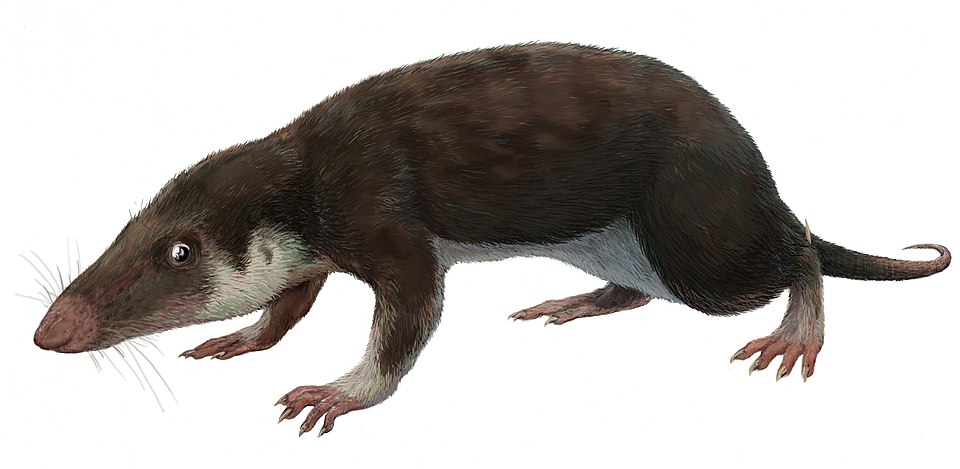
One of the most powerful hiding strategies your mammal ancestors evolved was simple: they learned to come out when the dinosaurs went to sleep. Many large plant-eating and meat-eating dinosaurs were probably most active during the day, so early mammals shifted into the night to avoid being spotted, chased, and swallowed whole. By becoming nocturnal, they stepped into a quieter world where the risk of running straight into a giant predator was dramatically lower.
Living in the dark forced your ancestors’ bodies to change in ways you still carry. To move and hunt at night, they pushed their senses of hearing, smell, and touch to new limits, while relying less on vision than many daytime reptiles and dinosaurs. You see echoes of that history in the way most mammals have excellent hearing, complex noses, and sensitive whiskers or facial hairs, even in humans to a lesser extent. When you think about it, your own tendency to notice sounds in the dark or feel uneasy in pitch black rooms is a faint psychological reminder of a time when nighttime awareness could be the difference between life and death.
Burrows, Nests, and Hideouts: Building Safe Spaces Underground
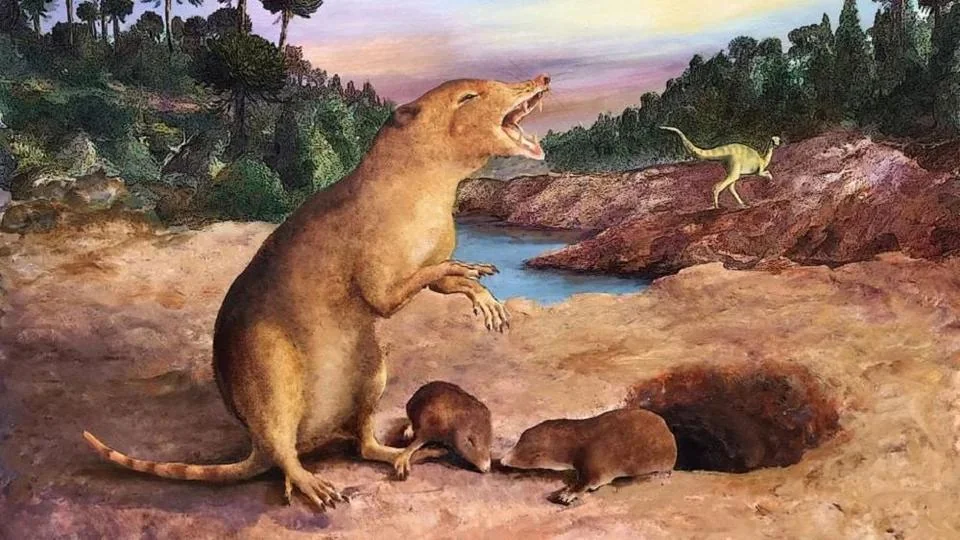
If you had lived alongside dinosaurs, you would have spent a lot of time undercover – literally. Early mammals dug burrows, nested in tree hollows, and squeezed into underground tunnels to create small fortresses where jaws and claws could not easily follow. A burrow is more than a hole in the ground; it is a temperature buffer, a hiding place, and a nursery all at once. Underground, the world is cooler in the heat, warmer in the cold, and far less visible to roaming predators.
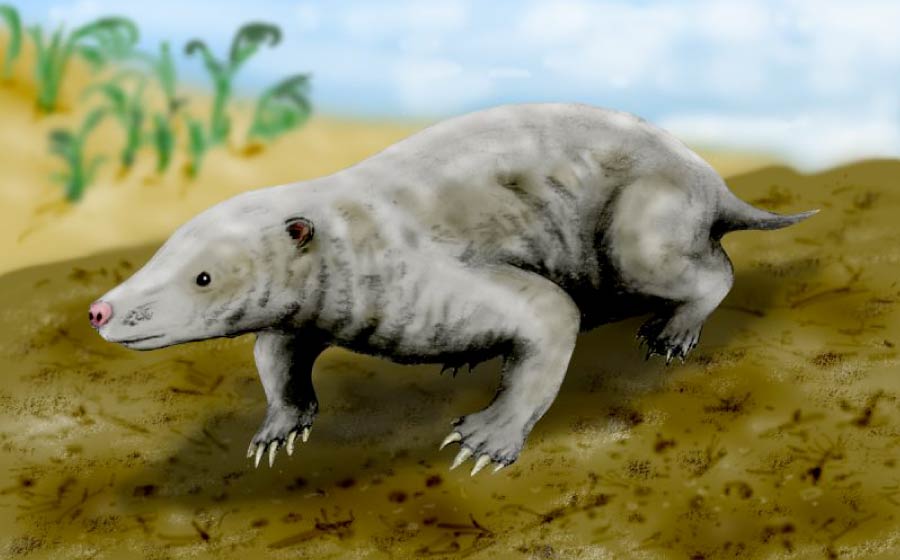
Inside that hidden space, you and your young could rest, store food, and raise the next generation with a little less fear of being found. Fossil evidence shows that some early mammal relatives were already specialized diggers, with strong forelimbs designed for moving soil. When you see modern mammals like prairie dogs, moles, or meerkats popping in and out of their burrows, you are getting a real-time preview of the kind of lifestyle that might have helped your ancestors survive an age ruled by reptiles on the surface.
Eating What Dinosaurs Ignored: Finding Overlooked Food Niches
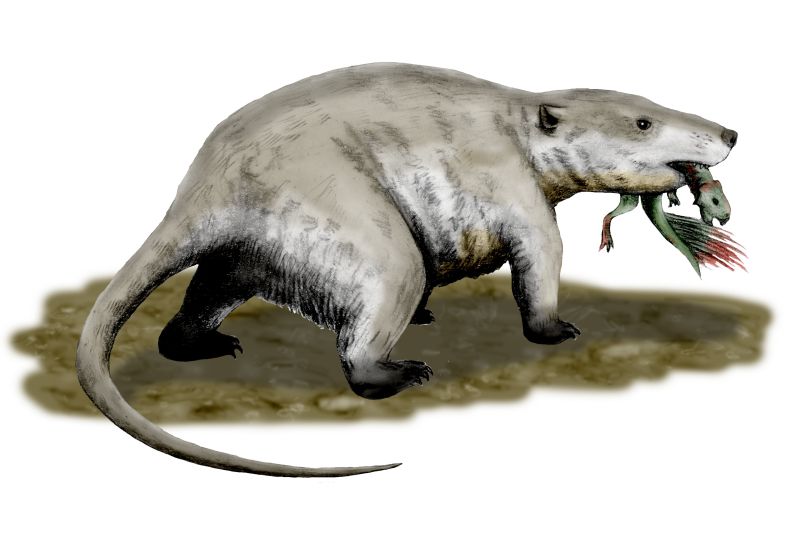
Survival during dinosaur times also meant staying out of direct competition with the giants. If you tried to eat the same food as large plant-eaters or fierce carnivores, you would lose almost every time. So your mammal ancestors focused on what the big predators and herbivores mostly ignored: insects, worms, seeds, small lizards, and other bite-sized resources. By specializing in tiny, scattered food sources, they could thrive in the cracks of the ecosystem instead of fighting for the spotlight.
To do that, you would have needed specialized teeth and jaws, and that is exactly what evolved. Mammals developed complex, interlocking teeth that could slice, crush, and grind a variety of foods very efficiently. That flexible diet became a quiet superpower. If one food source dwindled, a small mammal could often switch to another, while a dinosaur built to eat only plants or only meat might struggle. In your own mouth, the mix of incisors, canines, and molars is a direct inheritance from this time when versatility at the dinner table made you harder to wipe out.
Brains, Senses, and Warm Blood: Turning Vulnerability into an Edge
When you are tiny and surrounded by monsters, you cannot afford to be slow or dull. Early mammals evolved relatively larger brains compared to many reptiles of the time, especially in areas linked to hearing, smell, and complex behavior. Being able to quickly learn where predators lurked, what paths were safe, and when food was available could literally save your skin. Over generations, smarter, more flexible mammals had a better chance of surviving long enough to pass on their genes.
Mammals also relied on warm-blooded physiology to stay active when temperatures dropped or conditions changed. If you imagine yourself as a small, warm-bodied animal, you would be able to move, forage, and escape even when the environment cooled, while many cold-blooded creatures slowed down. Of course, being warm-blooded costs energy – you have to eat more to fuel that internal heater. But in the niche your ancestors occupied, the payoff was worth it: sharper senses, quicker reflexes, and the ability to function at night and in cooler microhabitats meant you could stay one step ahead of danger more often than not.
Riding Out Disaster: How Mammals Were Ready When Dinosaurs Fell
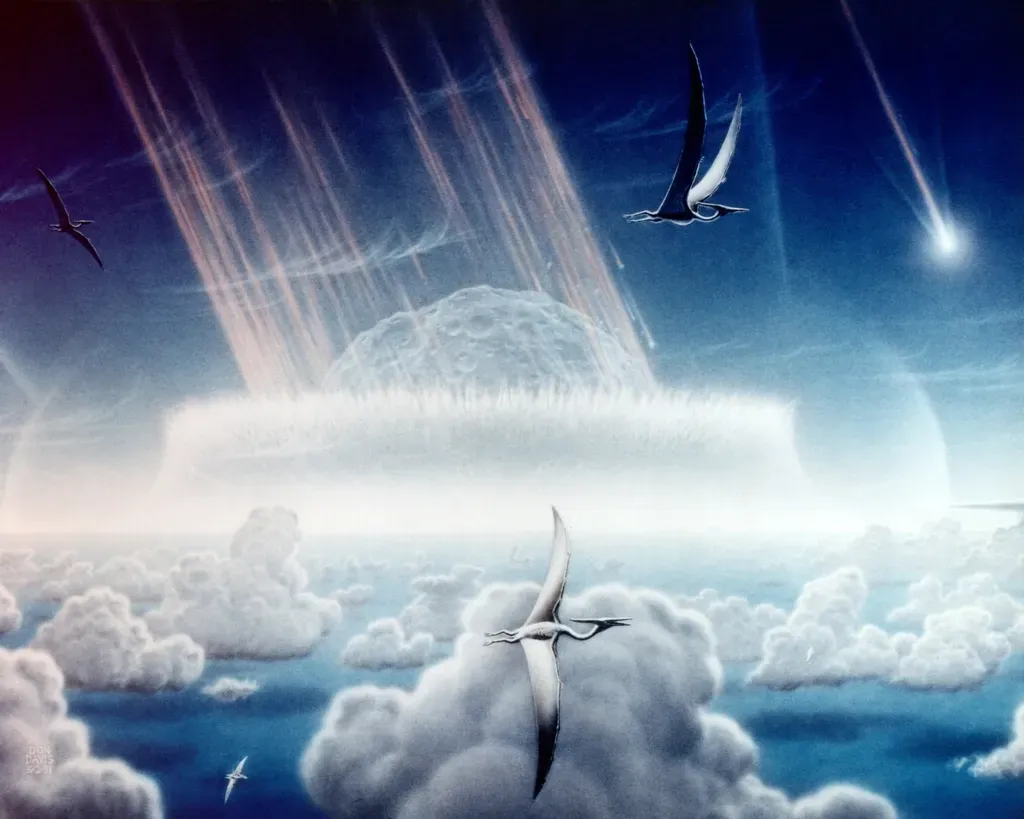
The most dramatic test of all this hidden living came when the non-bird dinosaurs were wiped out by a global catastrophe about sixty-six million years ago, likely involving a massive asteroid impact and huge environmental upheaval. If you had been an early mammal then, everything you had learned from millions of years of staying small, flexible, and cautious suddenly became a huge advantage. When food chains collapsed and climates swung wildly, a small animal with a broad diet, a burrow to hide in, and the ability to function in the dark had a better chance to make it through the chaos.
After the dust literally settled, those same traits that once kept you hidden now opened the door to opportunity. With the giant dinosaurs gone, new spaces and roles were suddenly empty. Mammals began to spread into them, gradually evolving into everything from whales to bats to primates – and eventually, to you. In a strange way, the quiet, nervous strategies that helped your ancestors avoid being eaten are the very reasons you live in a mammal-dominated world today.
From Hiding to Dominating: What This Story Means for You
When you think about your place in nature, it is tempting to see humans as inevitable rulers, but the story of mammals under dinosaurs tells you something different. Your entire lineage survived not through strength and size, but through humility, caution, and sheer adaptability. You come from creatures that knew how to keep their heads down, shift their schedule, and eat whatever they could find while the world around them was ruled by giants that seemed invincible. In the long run, it was the quiet strugglers, not the noisy titans, that wrote the next chapter.
This history also gives you a fresh way to look at vulnerability. Traits that feel like weaknesses in one moment – being small, anxious, or overlooked – can become unexpected strengths when conditions change. The mammals that hid in the shadows eventually became the dominant large animals on land, including you, precisely because they learned to survive without being seen. When you face your own challenges, there is a strange kind of comfort in knowing that your entire existence rests on the survival skills of tiny creatures that kept going, unseen, until their moment finally arrived.
In the end, the age of dinosaurs did not erase mammals; it trained them. It shaped their bodies, their senses, and their behavior in ways you still carry today, from your warm blood to your complex brain. The next time you hear about dinosaurs ruling the Earth, you can quietly remember that your ancestors were there too, patiently waiting in the dark. And maybe you will ask yourself: in a world full of giants, would you have had the patience and nerve to survive in the shadows until your time came?