
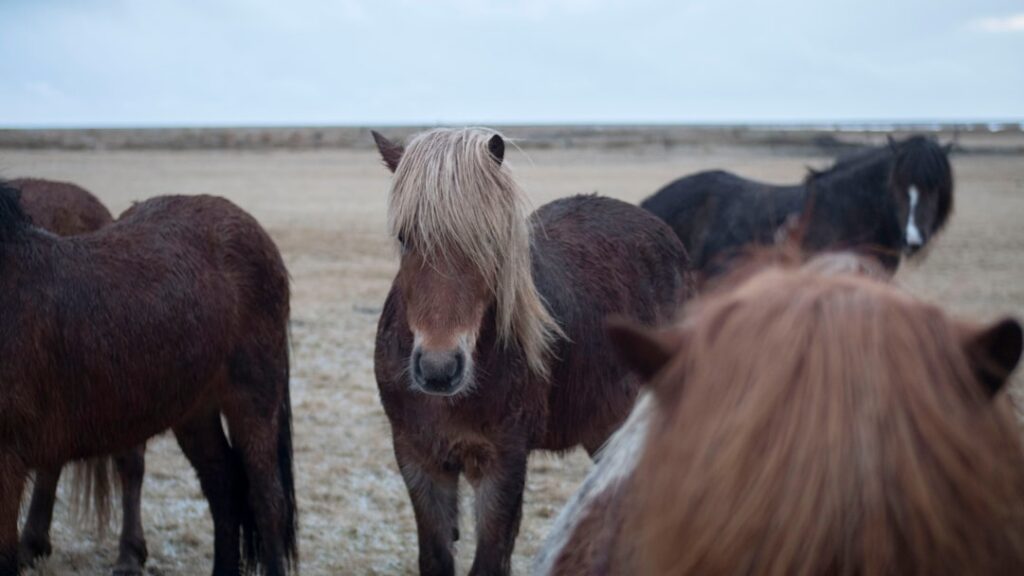
Iceland – Animal welfare organizations from across Europe delivered an open letter to government officials this week, pressing for the reclassification of horse blood collection practices to align with rigorous European Union standards.
Inside Iceland’s PMSG Production
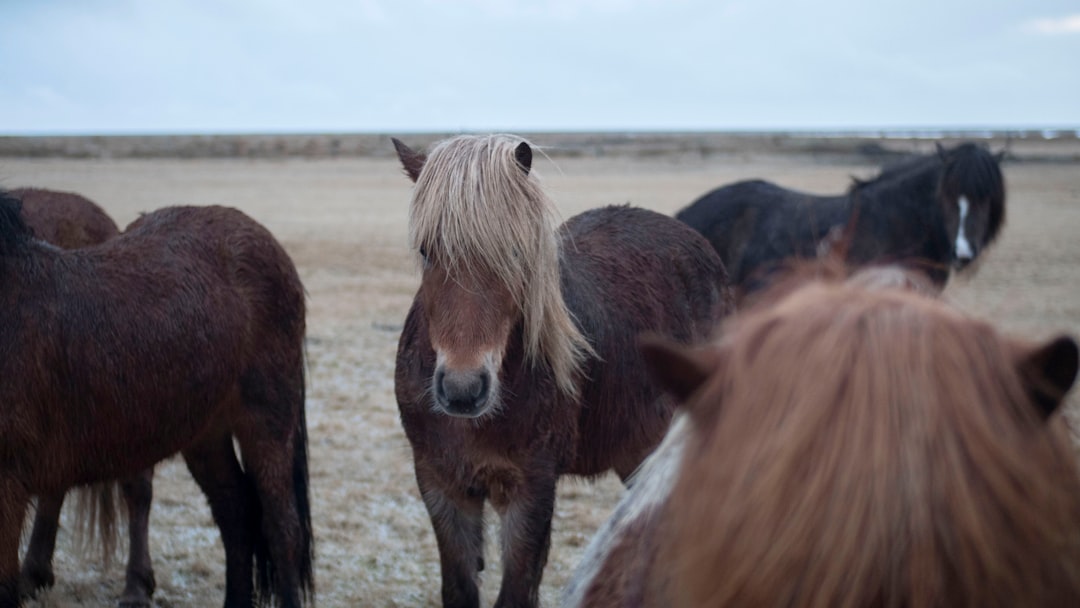
Inside Iceland’s PMSG Production (Image Credits: Unsplash)
Horses in Iceland supply a significant portion of pregnant mare serum gonadotropin, or PMSG, a hormone essential for fertility control in intensive livestock farming.
Farmers use PMSG to synchronize pregnancies in animals such as pigs and sheep, facilitating large-scale production. The hormone comes from blood drawn from pregnant mares, primarily semi-wild horses managed on specialized farms. This industry operates under Iceland’s agricultural framework, which imposes lighter welfare requirements compared to other sectors.
Collection occurs repeatedly during pregnancy, targeting large volumes for pharmaceutical processing. Iceland’s role grew prominent because much of Europe’s PMSG demand traces back to these operations.
Investigation Reveals Harsh Handling Methods
An inquiry by the Animal Welfare Foundation and Tierschutzbund Zürich exposed troubling conditions on six Icelandic blood farms last year.
Footage captured from September 2024 showed semi-wild mares subjected to rough handling and tight restraints. Workers positioned the horses with heads held unnaturally high, heightening risks of neck injuries and overall discomfort. Large blood draws took place without evident pain mitigation, amplifying stress for the pregnant animals.
Foals occasionally faced separation from their mothers, adding to the distress observed. These practices reignited debates over animal welfare in PMSG extraction, prompting renewed scrutiny.
Agriculture or Science: The Core Dispute
The central issue hinges on how Iceland categorizes blood collection – as routine agriculture or a scientific procedure.
Industry player Ísteka argued the process resembles traditional farming tasks, like milking cows or shearing sheep, which fall under minimal regulations. Welfare groups countered that the pharmaceutical end-use, potential for pain, and availability of alternatives demand stricter oversight. Iceland, though not in the EU, adheres to many of its rules through the European Economic Area agreement.
| Classification | Welfare Standards |
|---|---|
| Agriculture | Basic protections |
| Scientific Procedure | EU Directive 2010/63/EU: 3Rs (Replace, Reduce, Refine) |
Reclassification would invoke EU Directive 2010/63/EU, mandating the 3R principles to minimize suffering where feasible.
Coalition Mobilizes with Open Letter
Eurogroup for Animals, the Animal Welfare Foundation, and Iceland’s own Dýraverndarsamband Íslands united in the appeal.
The letter, addressed to Icelandic authorities, detailed observed welfare lapses and urged immediate regulatory shifts. Groups highlighted synthetic hormones and advanced breeding techniques as viable substitutes. The document remains accessible online for public review.
This collaborative effort underscores growing international pressure on Iceland to elevate horse protections.
Key Takeaways
- Blood extraction from pregnant Icelandic mares fuels Europe’s PMSG supply for livestock fertility.
- Recent footage documented stress, pain, and risky restraints on blood farms.
- Shifting to “scientific procedure” status would enforce EU’s 3R welfare principles.
As Iceland weighs these demands, the push signals broader momentum toward humane alternatives in animal-derived pharmaceuticals. The outcome could reshape welfare norms across the sector. What steps should Iceland take next? Share your views in the comments.