You probably picture the Sahara as an endless ocean of sand, scorching sun, and almost no life. But not that long ago in Earth’s history, if you had stood in the very same place, you might have seen grasslands, lakes full of hippos, and people fishing from the shore. This is not science fiction; it is one of the strangest and most fascinating climate transformations our planet has pulled off.
Once you understand how the Sahara flipped between desert and green savannah, you start to see climate as something alive and restless rather than fixed. You also realize how small changes in Earth’s orbit, atmosphere, and landscape can team up to rewrite a whole continent. Let’s walk through how a “Green Sahara” actually worked, why it happened, and why it disappeared again.
The Astonishing Truth: The Sahara Was Once Full of Lakes and Wildlife
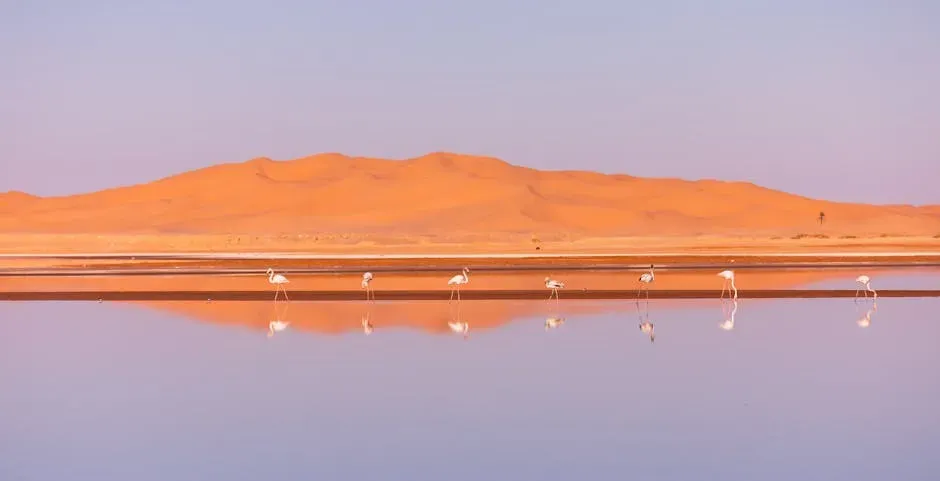
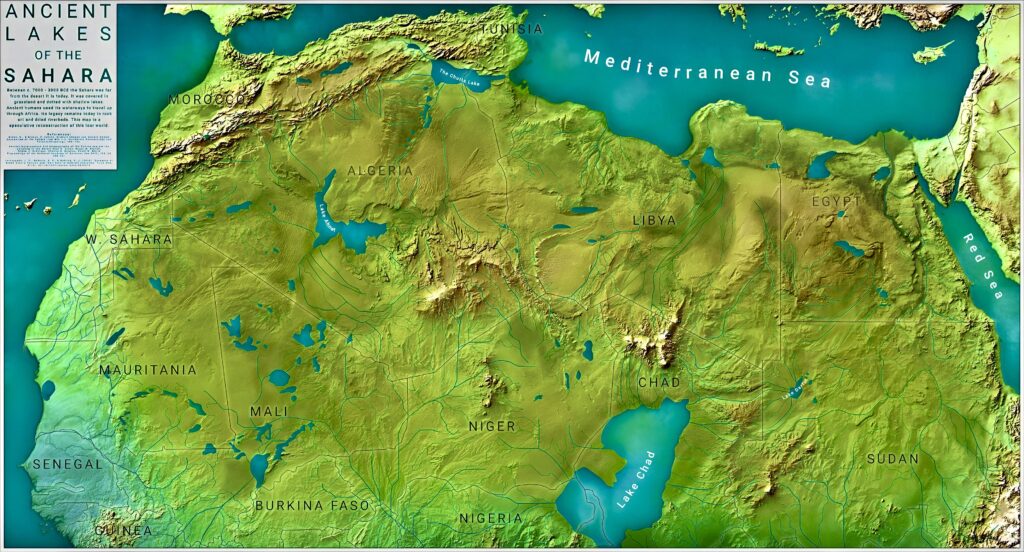
If you could time-travel back roughly between eleven thousand and six thousand years ago, you would not recognize the Sahara you think you know. Instead of one giant dry desert, you would see wide savannahs, scattered trees, and a patchwork of lakes and rivers stretching across what is now Libya, Chad, Niger, and Mali. In many places, the landscape would look more like parts of East Africa today than the hyper-arid Sahara of the present. You would find crocodiles, hippos, fish, and large herds of grazing animals where today there is almost nothing but stone and sand.
The proof for this is not just one odd clue; it comes from many lines of evidence that all tell the same story. You have fossilized bones of water-loving animals, ancient shorelines etched into rock, mud layers on former lake bottoms, and pollen preserved in sediments that show grasses, shrubs, and trees where now almost no plants survive. When you put all these pieces together, you see a clear picture: the Sahara has not always been a dead zone. During what scientists call African Humid Periods, it turned into a living, green corridor with no modern equivalent.
Earth’s Slow Wobble: How Tiny Orbital Shifts Invite the Rains North
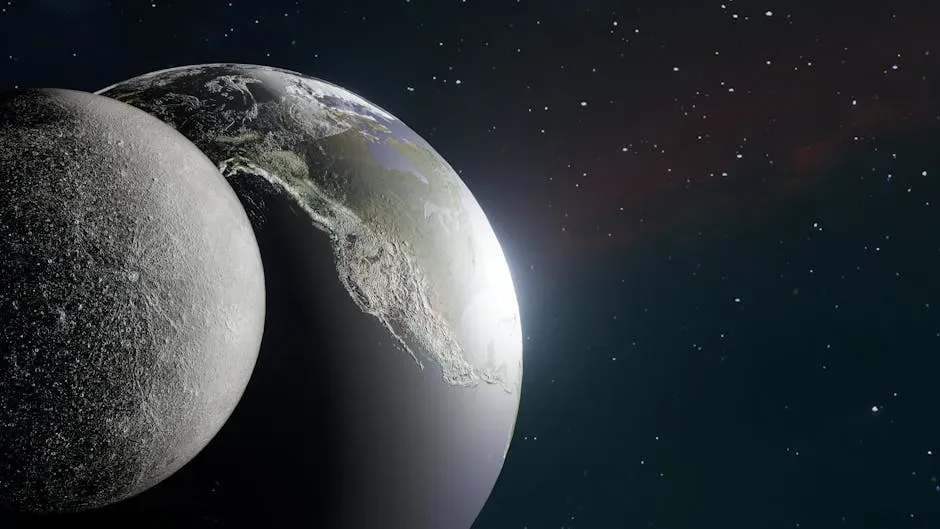
The real twist is that this greening was not caused by some sudden catastrophe or random fluke but by something so subtle you never notice it in your daily life: the way Earth slowly wobbles on its axis as it orbits the Sun. This slow wobble, called precession, changes which season is closest to the Sun over cycles of roughly about twenty-one thousand years. When Northern Hemisphere summers line up more directly with Earth’s closest approach to the Sun, North Africa gets stronger summer sunlight.
That extra energy does something very simple but very powerful: it supercharges the African monsoon. Warm land heats the air above it, rising air pulls in moist air from the Atlantic, and the seasonal rains get pulled farther north. During strong monsoon phases, those rains no longer stop over today’s Sahel; they push deep into what is now the Sahara. You can think of it like shifting a rainy belt northward so that the region that used to bake suddenly becomes wet enough for grasses, shrubs, and lakes to spread.
From Dust Bowl to Grassland: How Feedback Loops Lock In a Green Sahara
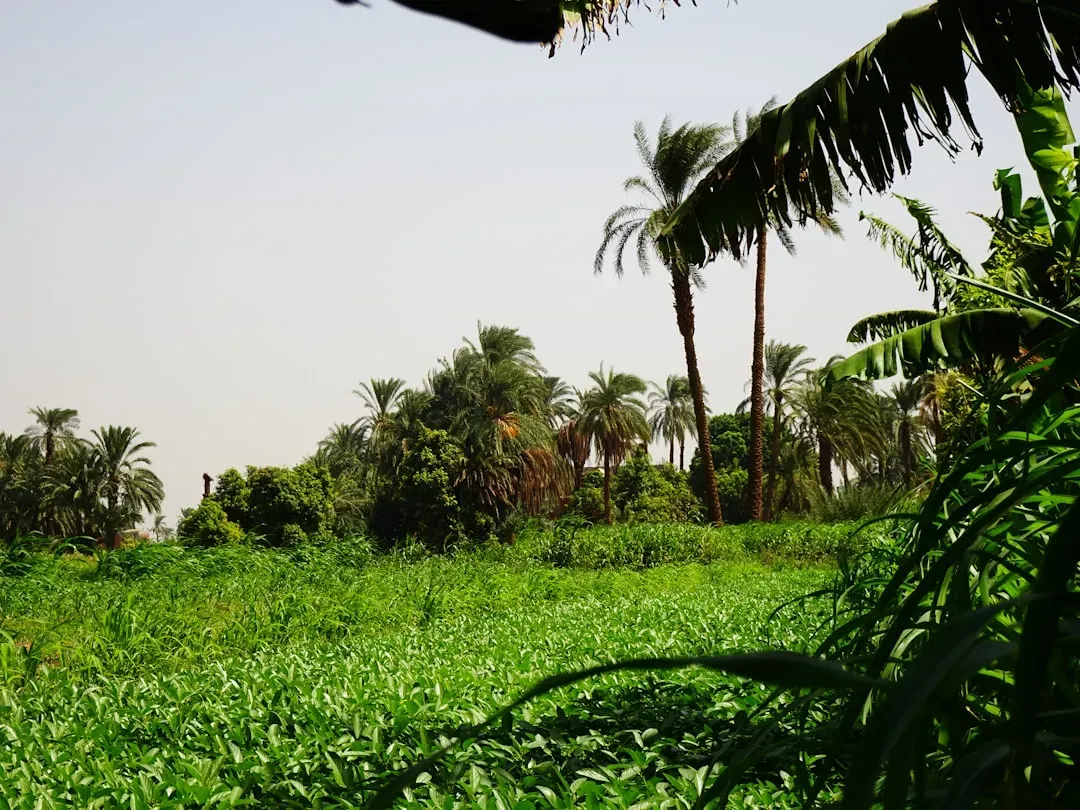
Once the rain starts to move in, the landscape itself begins to help. As the ground gets wetter, vegetation takes root. When plants cover the surface, they darken it and help it absorb more solar energy instead of reflecting it away like bright sand does. Vegetation also releases moisture through its leaves, which adds more water vapor to the air. All of this makes it easier for new storms to form and for the rain to continue.
At the same time, less bare ground means less dust is lifted into the atmosphere. Dust particles can cool regions and affect how much sunlight reaches the surface, and they can also influence cloud formation. When you reduce that dust, you change how the atmosphere behaves in ways that tend to support more warming and more rainfall over North Africa. Together, these feedbacks act like a positive loop: more rain grows more plants, which helps keep the region wetter and greener than it would be from orbital changes alone.
The Role of Giant Lakes and Rivers in Sustaining the Humid Phase
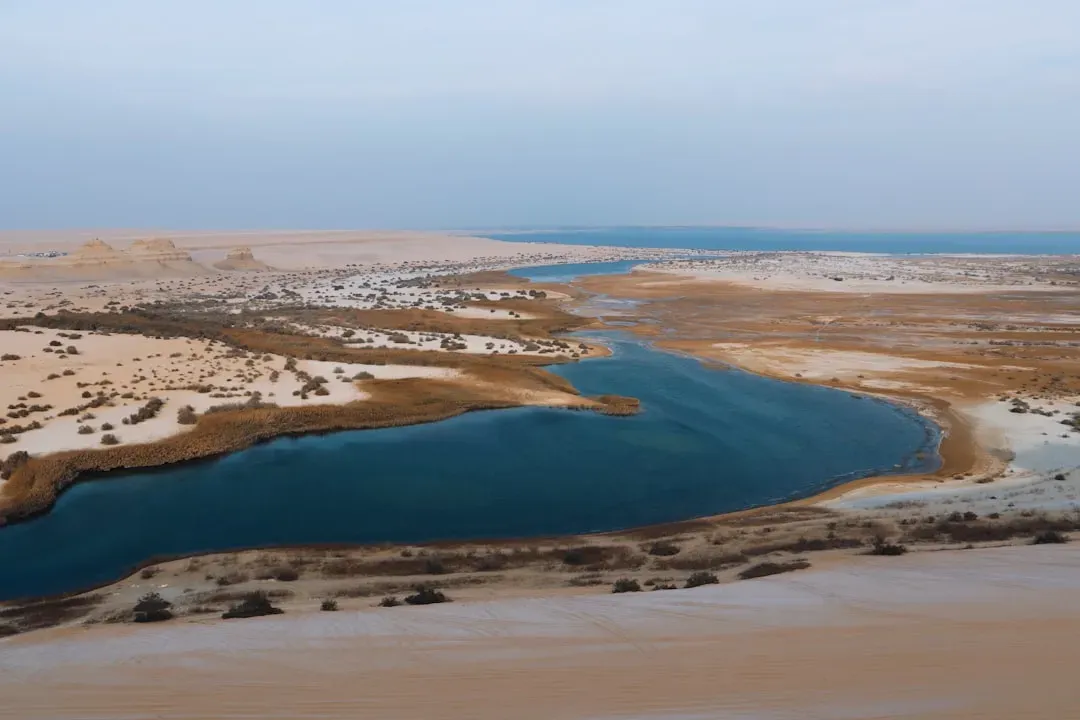
As the climate shifted into a humid phase, the Sahara did not just grow a few extra shrubs; it filled up with some truly impressive bodies of water. Ancient shorelines and sediment cores show that lakes on the scale of modern seas existed there, including a version of Lake Chad that was hundreds of thousands of square kilometers in area. You would also have seen networks of rivers and wetlands draining these lakes and connecting different regions across the desert. These waterways would have been lifelines for animals and people alike.
Those lakes and wetlands were not passive puddles. They evaporated huge amounts of water, which fed moisture back into the atmosphere and helped maintain local rainfall. They also changed local temperatures by storing heat and releasing it slowly, nudging the timing and strength of storms. You can think of them as giant, natural climate machines scattered across the landscape, subtly pushing the region toward staying wet and green once it had already tipped in that direction.
People of the Green Sahara: How Humans Lived in a Now-Forbidden Land
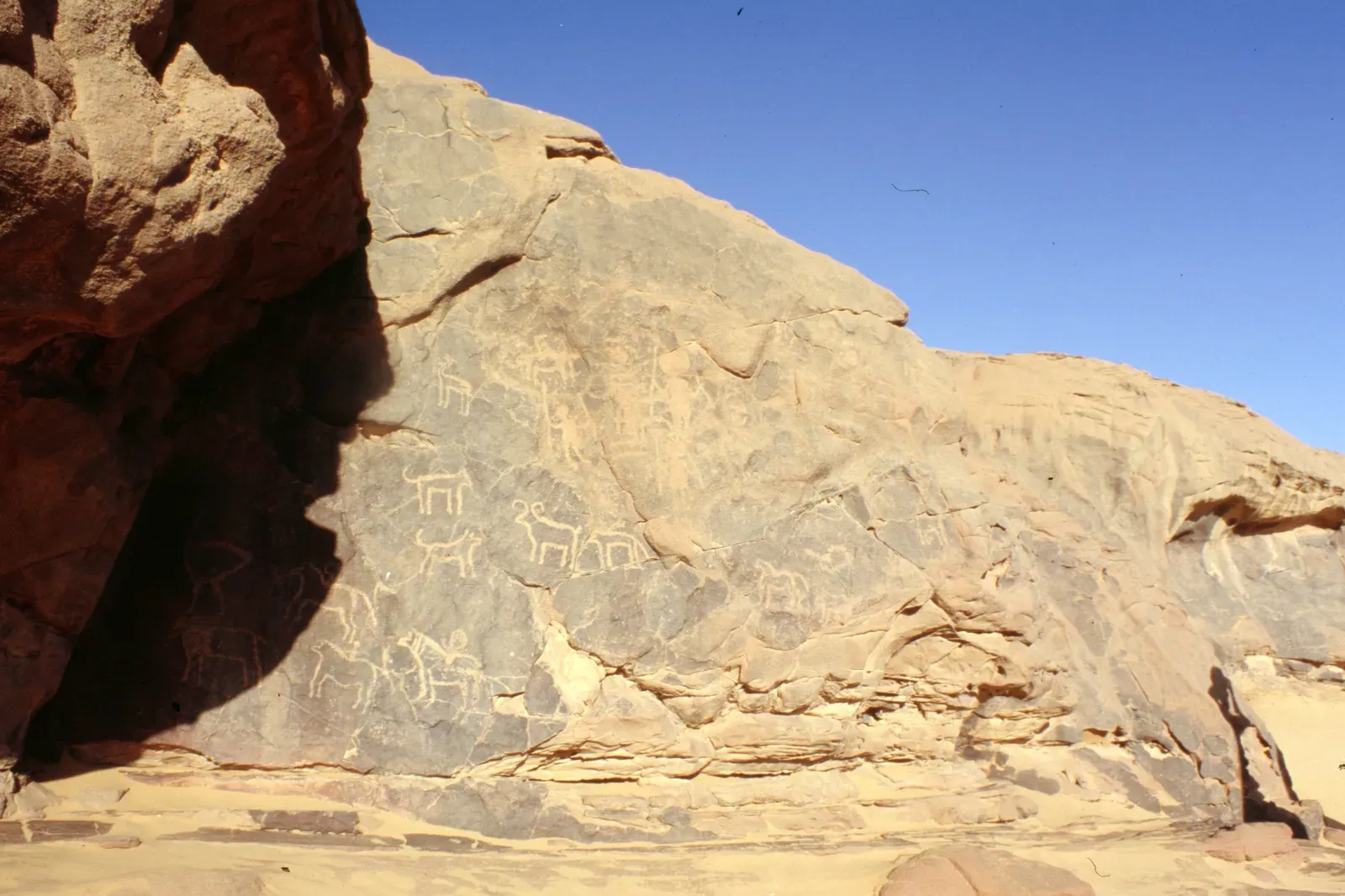
When you picture humans and the Sahara, you might imagine caravans crossing harsh dunes, but during the Green Sahara you would see something much more familiar: communities living around lakes, hunting, herding, and eventually herding cattle and growing simple crops. Rock art carved and painted on stone shelters shows cattle, antelopes, and even swimming humans, hinting at the everyday life of people who treated this now-hostile region as home. To you, it would feel almost eerie to realize that the same empty basins and dunes once echoed with voices and footsteps.
Those greener phases likely acted as highways rather than barriers. Instead of blocking movement, the Sahara would have allowed people, animals, and ideas to move between sub-Saharan Africa and the Mediterranean world. When the desert later dried out again, those routes closed or became extremely risky, and cultures had to retreat to more reliable water sources like the Nile Valley or coastal zones. In that sense, the waxing and waning of the Green Sahara helped shape where people could live, travel, and exchange technology over tens of thousands of years.
Why the Green Sahara Disappeared and the Desert Returned
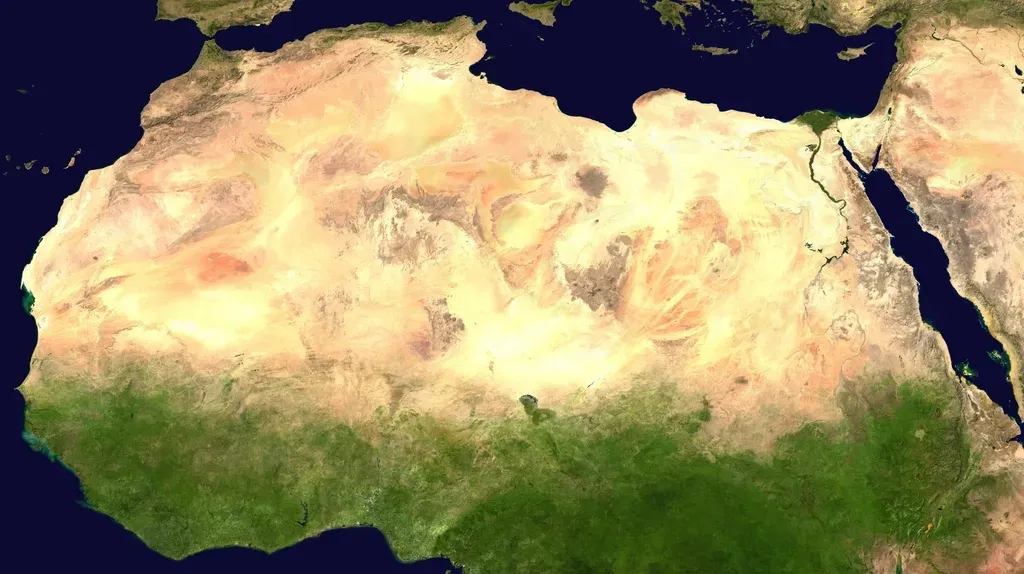
The same celestial clock that turned the Sahara green also turned it back to desert. As Earth’s slow wobble shifted and Northern Hemisphere summers received less intense sunlight, the African monsoon weakened and began to retreat south. Rainfall that had once reached deep into the Sahara could no longer push as far north. Over time, lakes shrank, rivers dried, and vegetation retreated, leaving behind expanding patches of bare ground and sand. The positive feedbacks flipped sign: less vegetation meant more dust and more reflection of sunlight, helping to lock in a drier state.
What makes this transition particularly striking is that in some places it seems to have happened relatively quickly in geological terms. Sediment records show sharp changes from wet to dry conditions, suggesting you could go from a landscape of lakes and savannahs to an arid desert within a few centuries or even less in some areas. From a human perspective, that is fast enough to matter within a handful of generations. You can imagine communities watching familiar lakes recede, grazing land fail, and being forced to migrate or reinvent how they survived.
Could the Sahara Turn Green Again in the Future?
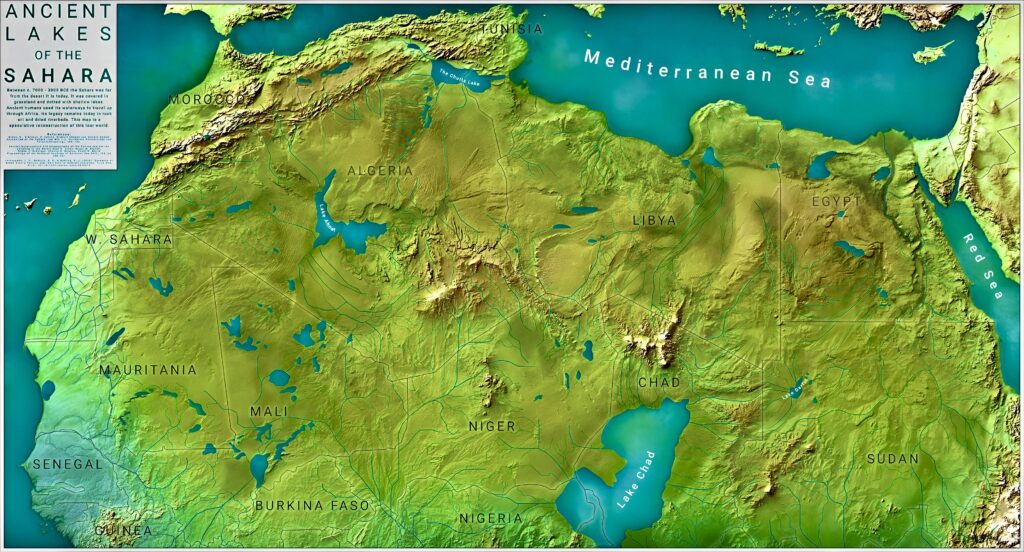
Because the Green Sahara is tied to long, slow orbital cycles, you might wonder if you are simply waiting for the next humid phase to roll around. In theory, as Earth’s precession continues, there will be future periods when Northern Hemisphere summers again align more directly with Earth’s closest approach to the Sun, and the monsoon would naturally be nudged northward. Climate models suggest that such orbital setups could once again favor a greener Sahara under the right conditions, with more rainfall and vegetation moving into today’s desert zone.
However, you live in a very different world than the one that existed during earlier humid periods. Human-driven greenhouse gas emissions have changed the baseline climate, warming the atmosphere and oceans, and that can either amplify or disrupt the natural orbital signal. Some simulations hint that higher greenhouse gas levels could make it easier for a future humid phase to take hold, while others point out that land use changes and other feedbacks could complicate the picture. What you can say confidently is that the Sahara is not eternally fixed as a desert, but exactly how and when it might green again now depends on both natural cycles and human choices.
When you step back, the story of the Green Sahara is really a story about how dramatically Earth can change when small nudges are amplified by feedbacks in air, water, and life. You see a region that has swung from savannah and lakes to one of the driest places on the planet, and you realize that climate “normal” is only temporary. The same physics that once invited hippos into the Sahara is still operating; it is just playing out on timescales much longer than a human life. Knowing that, you might look at today’s deserts, forests, and coastlines a little differently and ask yourself: if a whole desert can turn green and then dry out again, what else on this planet is less permanent than it looks?