Dinosaurs have captured human imagination for nearly two centuries, mostly for their sheer size and ferocity. Yet while we obsess over their teeth and claws, one of the most fascinating parts of these ancient creatures quietly sits overlooked – their brains. Honestly, what was actually happening inside those skulls is far stranger, more complex, and more contested than you might expect.
From a debate that divided the scientific world to a mythological “second brain” that never actually existed, the story of dinosaur cognition is full of jaw-dropping twists. So buckle up, because what you’re about to discover might completely change the way you think about these prehistoric giants. Let’s dive in.
Dinosaur Brains Were Never Actually Fossilized – Scientists Work With Impressions
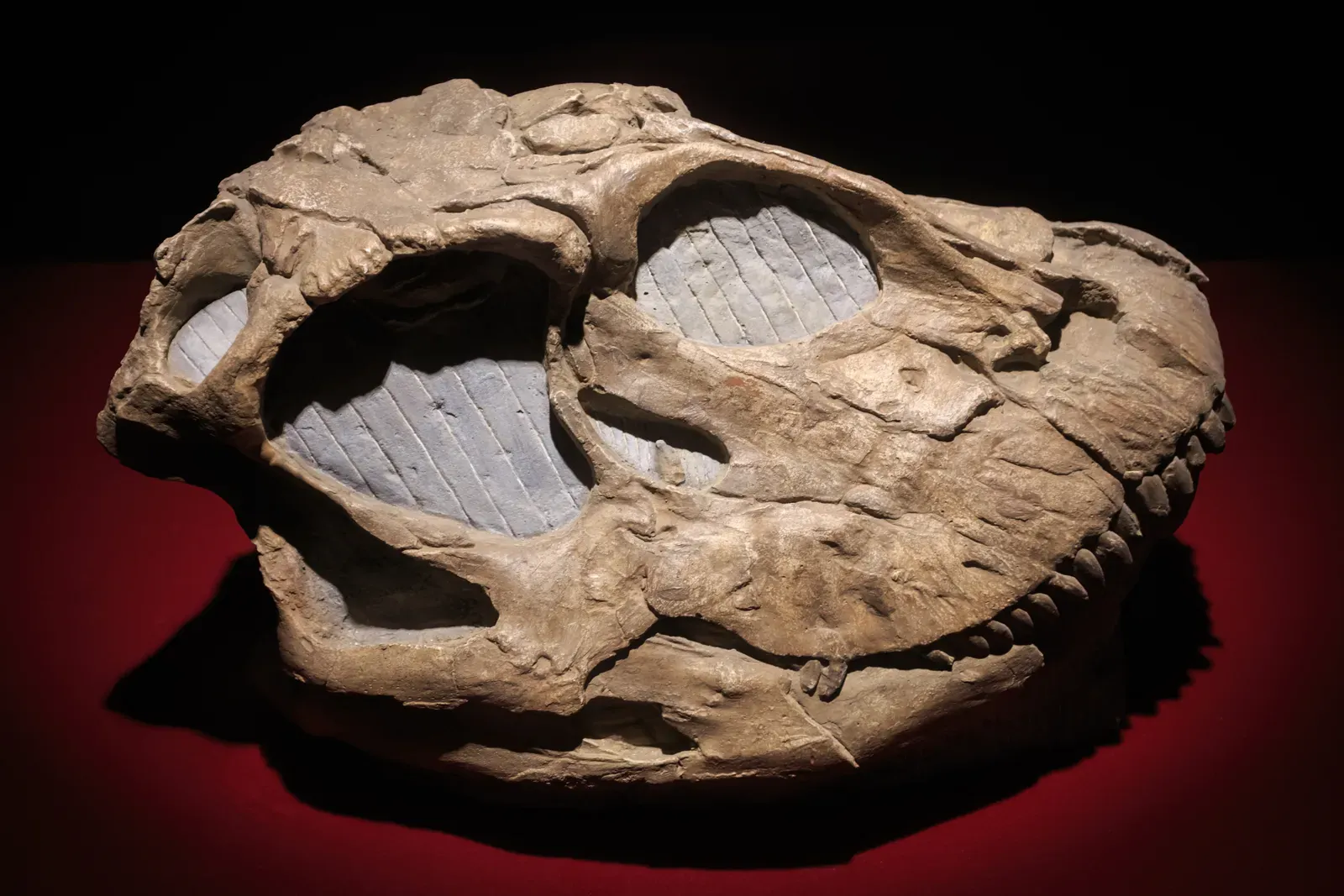
Here’s something that stops most people in their tracks: you have never, and will never, see a real dinosaur brain sitting in a museum display case. That’s because soft tissue like brain matter almost never survives the fossilization process. Information on dinosaur brains comes from mineral infillings of the brain cavity, termed endocasts, as well as the shapes of the cavities themselves.
Think of an endocast as nature’s own plaster mold. Over millions of years, sediment fills the skull cavity, hardens, and preserves an impression of the brain’s outer surface. A dinosaur’s “brain” is actually a cast molded by the cranial cavity, and most fossil endocasts are plaster casts made in the laboratory from well-preserved skulls that are carefully prepared and cleaned. It’s a brilliant, if imperfect, window into a world we can never truly visit.
CT Scans Have Completely Revolutionized What We Know About Dinosaur Brains
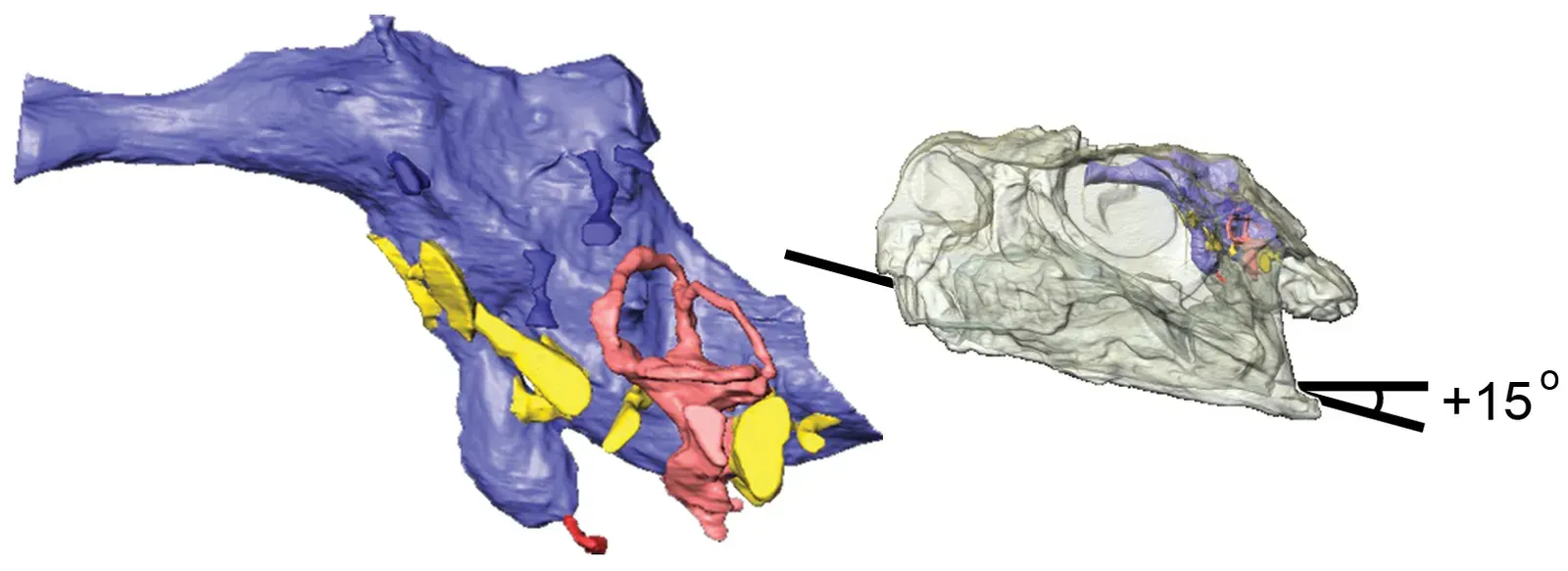
Forget picks and brushes. The real revolution in understanding dinosaur neurology came from the same technology used in modern hospitals. Modern computer technology lets us reconstruct what the brains of dinosaurs looked like and what they were possibly able to hear and see. It’s remarkable to think that the same machine scanning human lungs in a clinic is also unlocking secrets from the Mesozoic Era.
Computed tomography (CT) imaging has greatly facilitated paleoneurological research by allowing endocranial reconstructions through non-invasive means. Before CT scanning, researchers had to rely on physical molds or, in some cases, actually cut through precious fossil material. With the application of non-destructive 3D imaging techniques, like CT scan and synchrotron radiation scanning, paleontologists can observe and interact with previously hidden structures without making damage. It’s a game changer, plain and simple.
T. Rex Was Probably Not as Smart as Scientists Once Sensationally Claimed
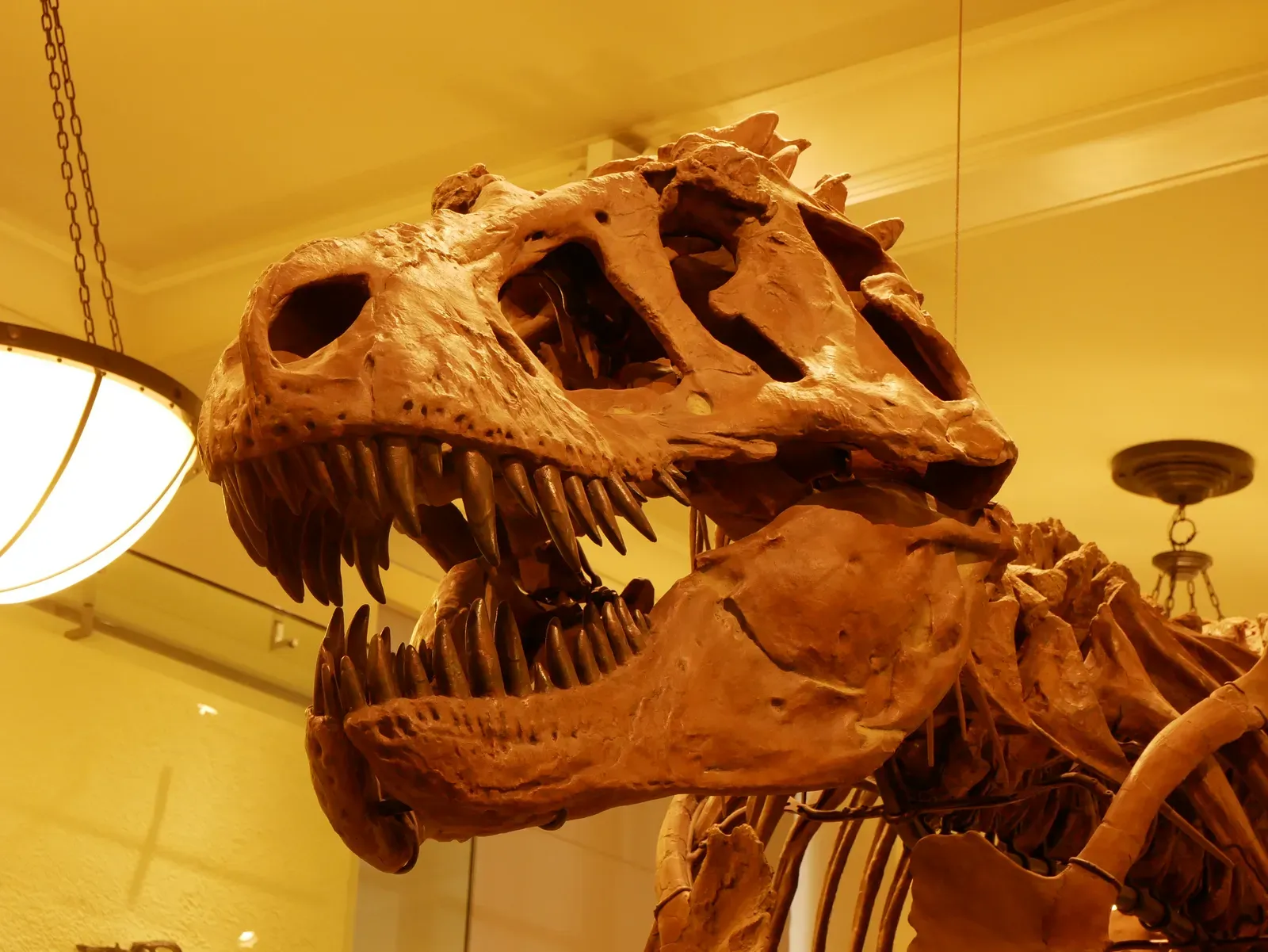
If you caught headlines a few years back claiming that Tyrannosaurus rex was as brainy as a baboon, you’d be forgiven for raising an eyebrow. A study published in 2023 calculated that T. rex had billions of neurons in its forebrain, sparking massive scientific debate. A neuroscientist at Vanderbilt University calculated that the predator had 3.3 billion neurons in one part of the forebrain alone, putting T. rex’s forebrain on par with modern baboons.
However, a major follow-up study threw cold water on that claim. Dinosaurs were as smart as reptiles but not as intelligent as monkeys, as former research suggests, and an international team of palaeontologists, behavioural scientists and neurologists re-examined brain size and structure in dinosaurs and concluded they behaved more like crocodiles and lizards. The researchers found that their brain size had been overestimated, especially that of the forebrain, and thus neuron counts as well, and neuron count estimates are not a reliable guide to intelligence. I think the bigger lesson here is that measuring intelligence across millions of years of extinction is genuinely one of science’s hardest problems.
The Encephalization Quotient Changed How Scientists Measure Dinosaur Intelligence
Before the 1970s, paleontologists mostly shrugged and said dinosaurs were dumb. Then a new tool changed everything. Paleontologists made little progress in understanding dinosaur cognition until the 1970s, when scientists developed a new system for estimating intelligence based on relative brain size, called the encephalization quotient (EQ).
The EQ essentially works like a ratio – it measures how large a brain is compared to what you’d expect for an animal of that body size. The EQ essentially measures the extent to which a brain exceeds the size needed to operate the sensory and motor functions of a body of a given size, with that extra brain matter then presumptively related to higher order perception, cognition, and motor planning. Using this scale, a T. rex had an EQ of about 2.4, compared with 3.1 for a German shepherd dog and 7.8 for a human. That’s not exactly Einstein territory, but it tells a much richer story than “small brain equals dumb dinosaur.”
Stegosaurus and the Great “Second Brain” Myth That Was Never True
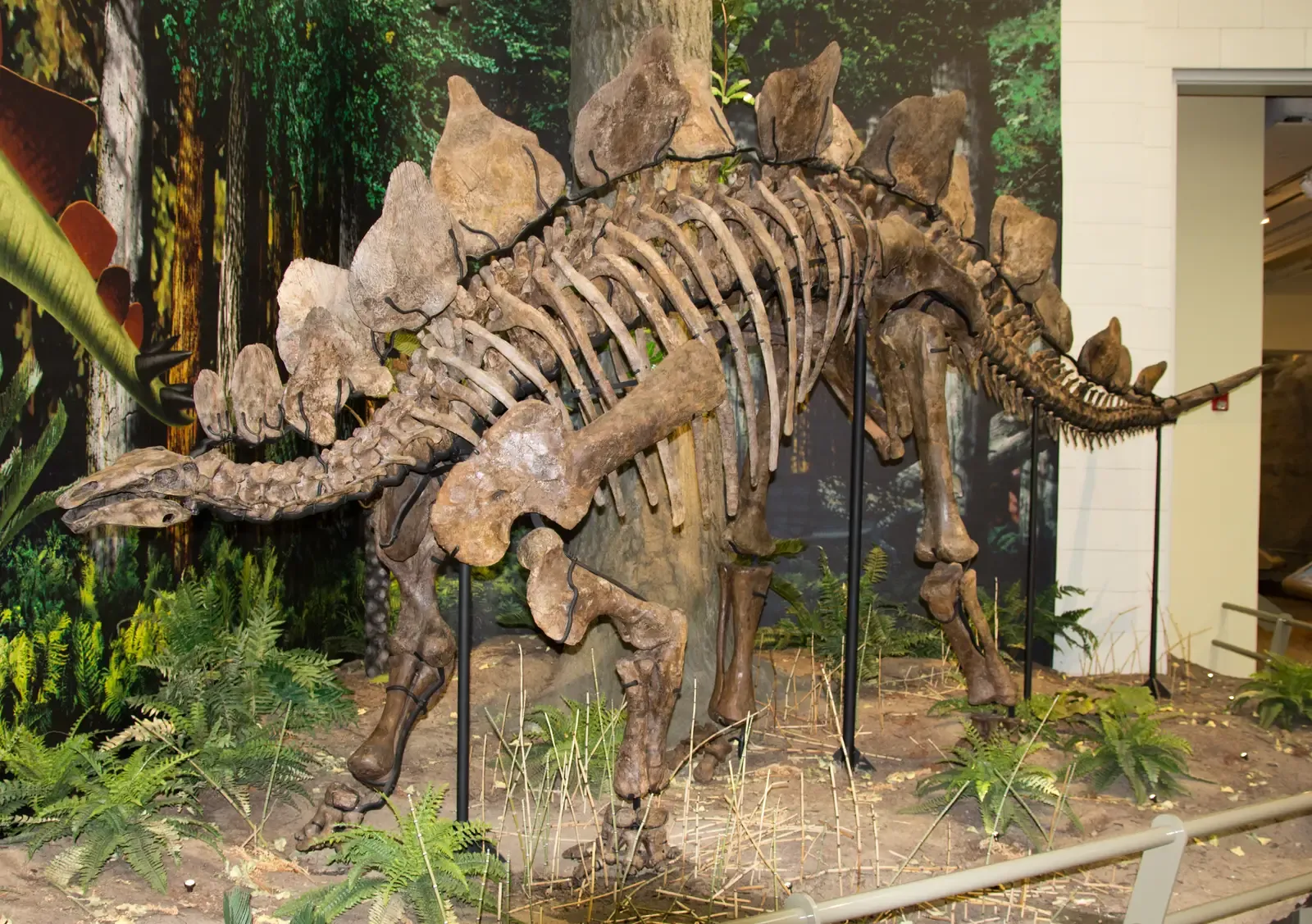
Perhaps no dinosaur misconception has proven harder to kill than this one. For over a century, popular books and articles confidently declared that the armored Stegosaurus had a second brain located in its rump to help manage its enormous body. For decades, popular articles and books claimed that the armor-plated Stegosaurus and the biggest of the sauropod dinosaurs had second brains in their rumps. The idea is undeniably fun. It’s also completely wrong.
As paleontologists now know, no dinosaur had a second brain. What existed was a large cavity in the hip region of the vertebrae, but what filled it remains genuinely mysterious. The scientific consensus now points to this enlargement housing a structure called the glycogen body – an organ, also present in modern birds and some reptiles, that is a mass of tissue storing glycogen, a form of energy readily available to supply the nervous system. This large energy store was likely necessary to power the substantial muscles of the hind legs and tail. Not a brain. Just a very efficient fuel tank. Still pretty cool, honestly.
Some Dinosaur Brains Were Barely the Size of a Tennis Ball Relative to Their Bodies
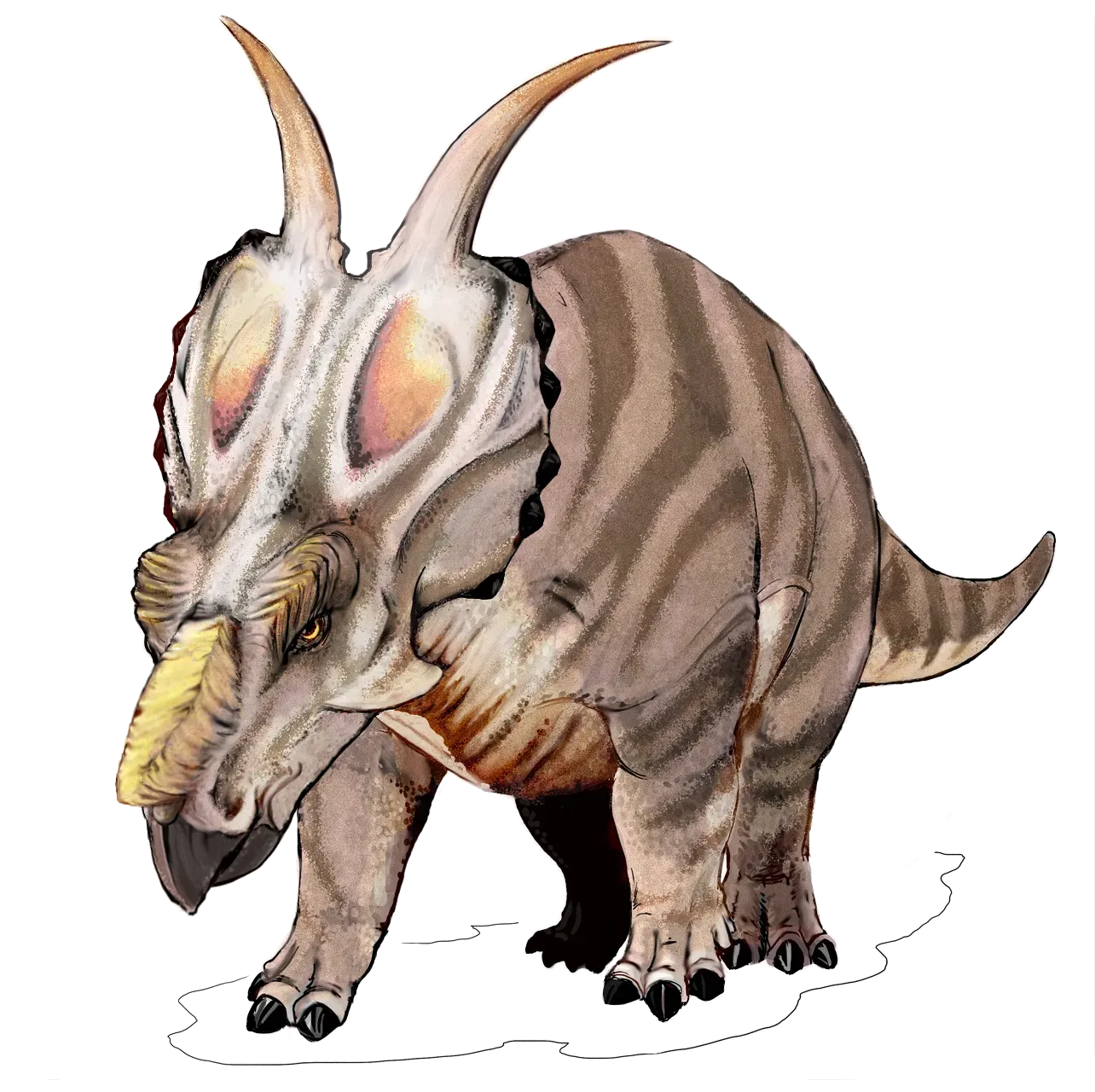
Let’s be real – some of these creatures were running on spectacularly little brainpower for their body size. The fact that an animal weighing over 4.5 metric tons could have a brain of no more than 80 grams contributed to the popular old idea that all dinosaurs were unintelligent, an idea now largely rejected. To put that in perspective, that’s roughly the weight of a small chocolate bar inside an animal the size of a large bus.
Yet here’s the thing – brain size relative to body size doesn’t tell the whole story. Having a large brain does not necessarily indicate intelligence; how that organ is configured, and its complexity can provide neuroscientists with an insight into the intelligence of organisms. Pigeons, for example, would perhaps not be regarded by many people as being particularly smart, but these avian dinosaurs are capable of remarkable feats of navigation. Many birds demonstrate advanced cognitive abilities such as corvids (crows and their relatives) using tools. Crows have much smaller brains than most monkeys and far fewer cerebral neurons, but they can outperform some primates when it comes to cognitive assessment tasks. Size, it turns out, isn’t everything.
Birds Are Living Dinosaurs – and Their Brains Reveal How Dinosaur Cognition Evolved

This is the fact that genuinely blew my mind when I first learned it. You don’t need a time machine to study dinosaur brains. You just need to look up at a crow sitting on a fence. The realization that dinosaurs were closely related to birds came about in the late 1970s, urging many paleontologists to reexamine their concepts of dinosaur behavior.
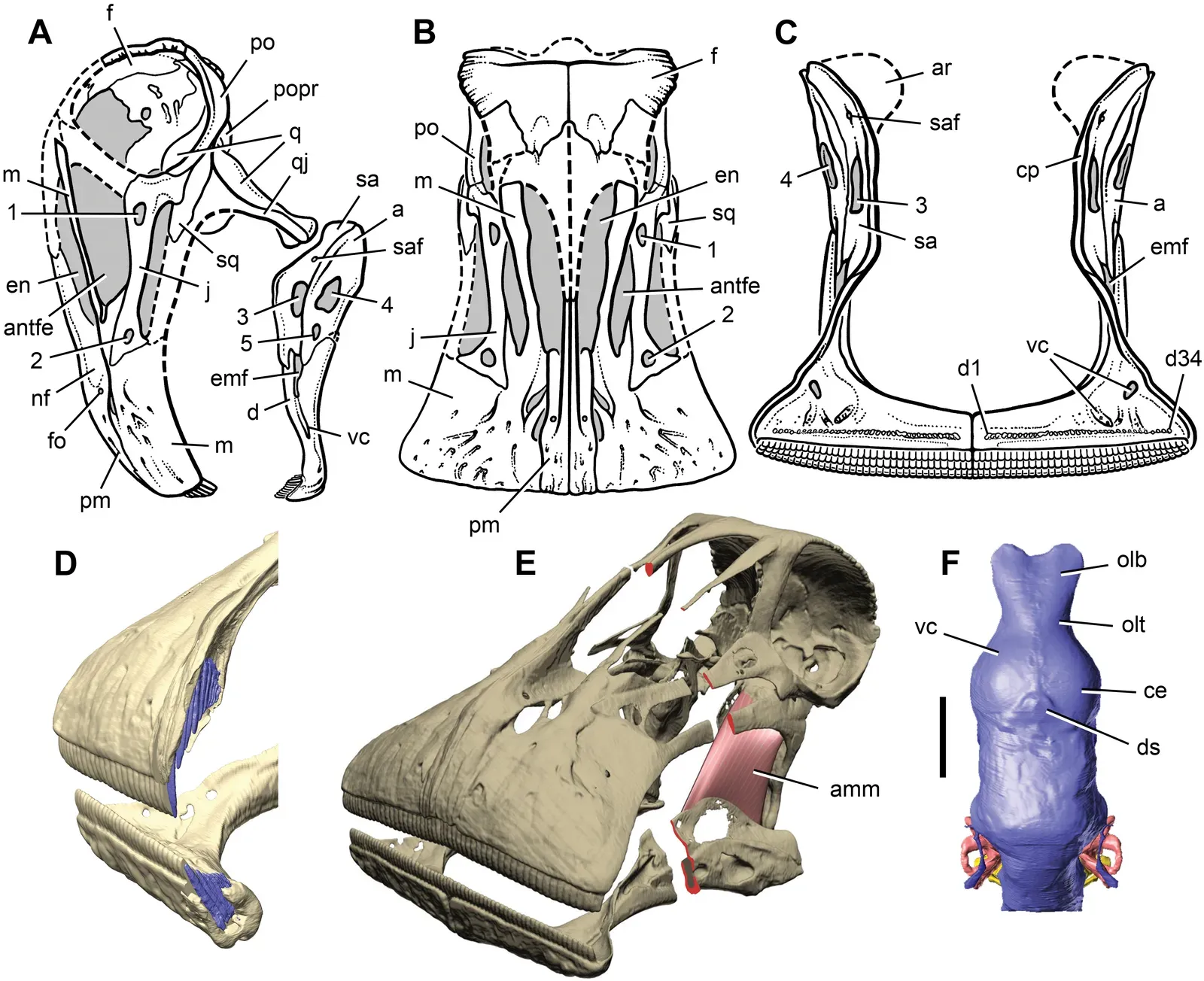
The evolutionary connection is direct and scientifically confirmed. Many modifications to the skull and brain anatomy occurred along the lineage encompassing non-avialan theropod dinosaurs and modern birds. Anatomical changes to the endocranium include an enlarged endocranial cavity, relatively larger optic lobes that imply elevated visual acuity, and proportionately smaller olfactory bulbs that suggest reduced olfactory capacity. In other words, as dinosaurs evolved toward becoming birds over millions of years, their brains were literally restructuring themselves. A major anatomical transformation along the transition from non-avialan to avialan dinosaurs also occurs in their brain morphology. Every time you watch a raven solve a puzzle or a parrot mimic speech, you’re watching the cognitive legacy of an ancient lineage that was already being shaped 200 million years ago.
Conclusion
The story of dinosaur brains is, at its core, a story about how much we still don’t know – and how incredibly exciting that is. From endocasts shaped by minerals over millions of years, to CT scanners humming in modern labs, to the birds that watch us from telephone wires every morning, the trail of evidence is astonishing. To reliably reconstruct the biology of long-extinct species, researchers should look at multiple lines of evidence, including skeletal anatomy, bone histology, the behavior of living relatives, and trace fossils.
Science has dismantled old myths like the two-brained Stegosaurus and the baboon-smart T. rex, replacing them with something arguably more wondrous – nuance, complexity, and mystery. These were not mindless beasts. They were animals shaped by hundreds of millions of years of evolution, with brains perfectly suited to their world, even if that world is now forever gone. The next time someone tells you dinosaurs were dumb, you’ll know exactly what to say. What part of this surprised you the most?