When you think about the most successful animals to ever walk this planet, dinosaurs stand in a class completely their own. They weren’t just survivors. They were conquerors. For well over 160 million years, they shaped every ecosystem they touched, filled every possible niche, and outlasted catastrophic climate events that would have wiped most life off the face of the Earth. That’s a track record no other group of land animals has ever come close to matching.
You might assume their dominance came down to size, or scary teeth, or sheer aggression. Honestly, that’s what most people think. The real story is far more nuanced and, once you know it, far more fascinating. The adaptations that made dinosaurs unstoppable were clever, layered, and sometimes downright surprising. Let’s dive in.
The Revolutionary Way Dinosaurs Walked and Ran
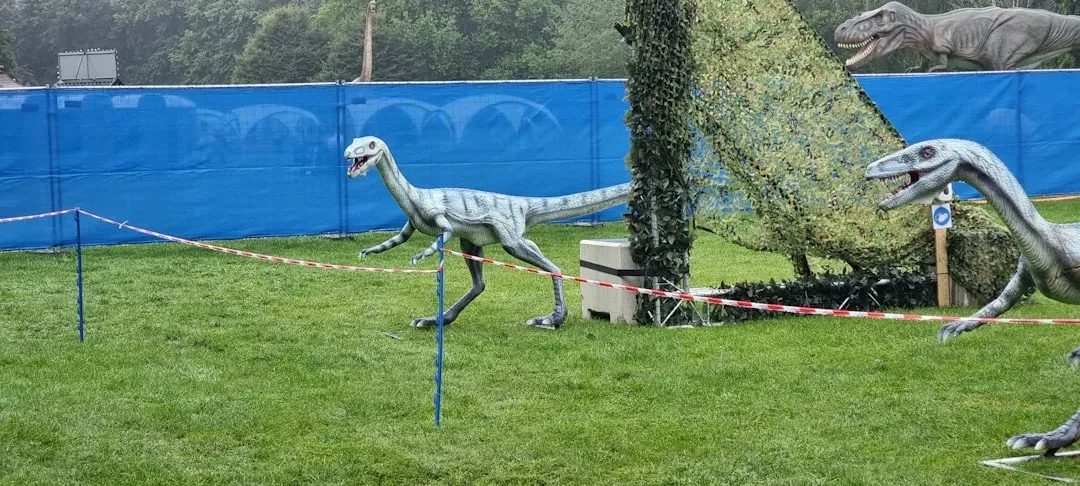
Here’s the thing most people completely overlook: it was the legs that started everything. Dinosaurs may have taken over the planet and ruled for over 160 million years thanks to the way they walked. That might sound almost too simple, but locomotion turned out to be the single most powerful tool in their evolutionary toolkit.
Researchers identified which ancient creatures were quadrupedal or bipedal and measured their running ability. They found that, from the very beginning, dinosaurs and their close relatives were bipedal and built for running, and they also showed a much wider range of running styles than their close competitors. Think of it like this: while other reptiles were lumbering around on sprawling legs like an awkward push-up, dinosaurs were upright, fast, and nimble. A cheetah versus a tortoise. No contest.
After the end-Triassic mass extinction, truly huge dinosaurs emerged, some over ten meters long, many quadrupedal, but many still bipedal like their ancestors. The diversity of their posture and gait meant they were immensely adaptable, and this ensured strong success on Earth for so long. You almost have to admire the elegance of it. One structural advantage, multiplied across millions of years, became the foundation for an entire dynasty.
Hollow Bones Filled With Air Sacs
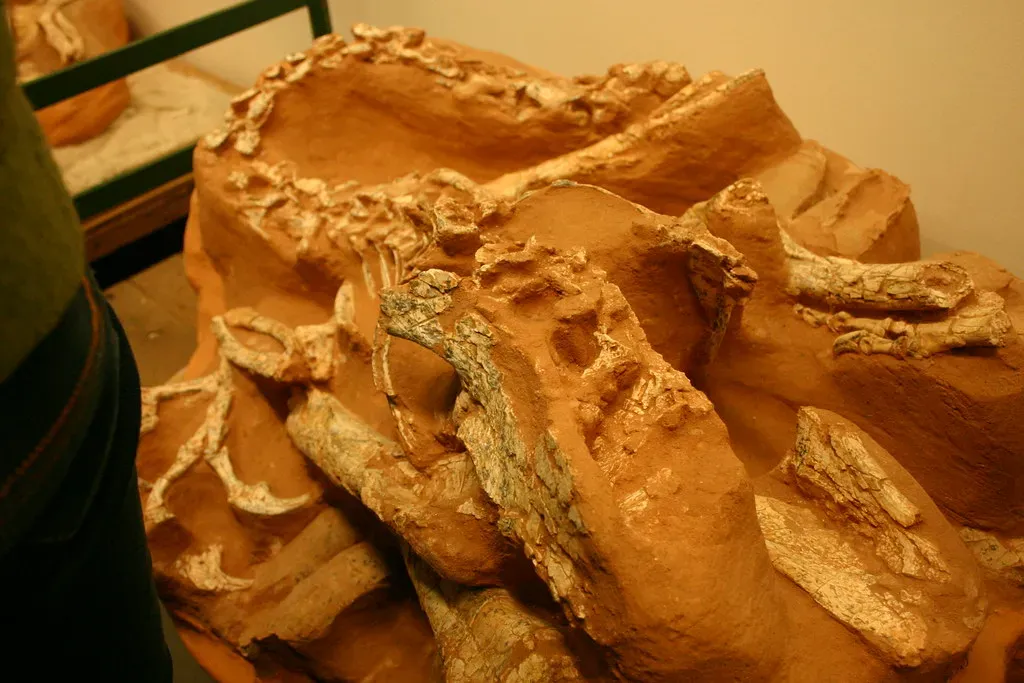
You might think that being enormous would automatically mean being slow and heavy. Dinosaurs solved that problem in a way that is, honestly, borderline genius. Brazilian paleontologist Tito Aureliano found that hollow bones filled with little air sacs were so important to dinosaur survival that they evolved independently several times in different lineages. When nature keeps reinventing the same solution, you know it’s a winning one.
The air sacs reinforced the internal structure of the dinosaurs’ bones while creating a greater surface area for attachments for large, powerful muscles. This enabled the bones to grow to a far larger size without weighing the animal down. Imagine building a skyscraper from hollow steel beams instead of solid iron rods. You get the same structural strength at a fraction of the weight. That’s exactly what these air sacs achieved. More oxygen circulating in the dinosaurs’ blood helped the beasts cool their bodies more efficiently and allowed them to move faster. Speed and size in the same package. Remarkable.
Cold-Weather Adaptations That Gave Them a Crucial Edge
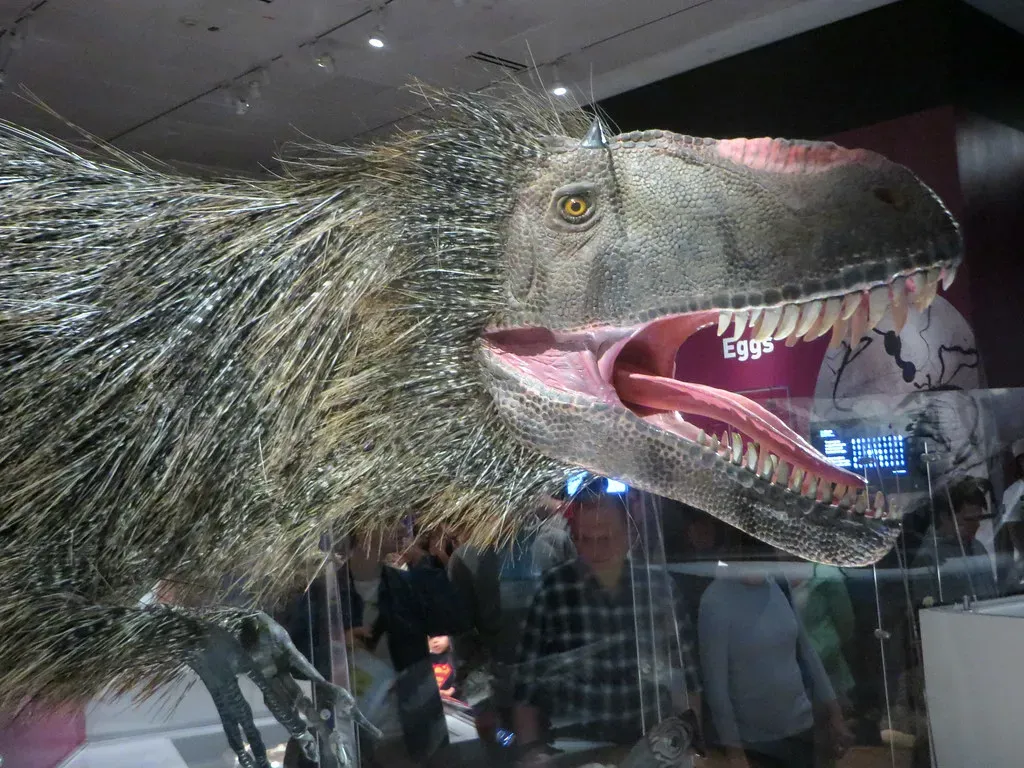
This one surprises almost everyone. You picture dinosaurs basking in tropical heat, lounging in steamy jungles. A research team that went to the Junggar basin in northwest China discovered something remarkable: dinosaurs were not originally adapted for warm, tropical environments as had previously been thought. Rather, in the beginning they were primarily adapted for the cold, being insulated like birds with feather-like structures called protofeathers. That changes the whole picture, doesn’t it?
About 202 million years ago, in an episode called the Triassic-Jurassic extinction event, a chain of massive volcanic eruptions cooled the planet dramatically, killing more than three quarters of species on land and in the oceans, and paving the way for the cold-adapted dinosaurs to emerge from the Triassic period and dominate the Jurassic. Dinosaurs could also temporarily stop growing in harsh winters, enabling them to conserve energy while food was scarce. Fossilized bones found at the Junggar basin showed bone rings that indicate this growth pattern. They didn’t just tolerate the cold. They were built for it.
Feathers: Nature’s Multitool
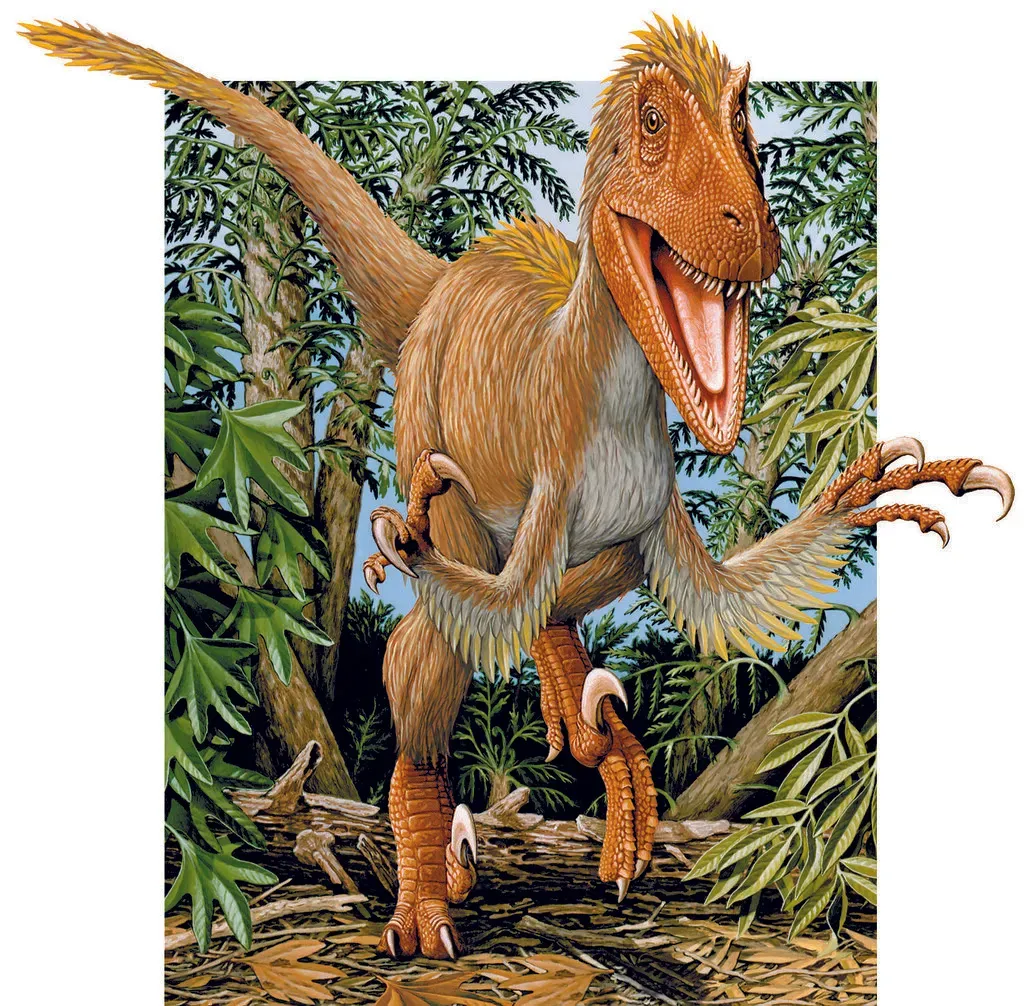
Feathers weren’t invented by birds. That’s a fact that still catches people off guard. Feathers evolved before flight and may have functioned as insulation to keep dinosaurs warm, or for display as a way to attract mates. So before feathers ever lifted a single creature into the sky, they were already doing important work on the ground.
Feathers in certain species not only helped dinosaurs stay warm but also played a role in courtship displays and communication. Think of feathers as a Swiss Army knife of biological tools. One structure, multiple purposes: thermal regulation, social signaling, camouflage, and eventually, in some lineages, flight. The discovery of fuzzy feathers on dinosaur specimens, similar to insulation found in modern birds, provides crucial insight into their ability to cope with the cold and expand into new territories when other animals couldn’t. That territorial expansion was everything. It meant more food, more habitats, more survival.
Specialized Feeding Strategies for Every Environment
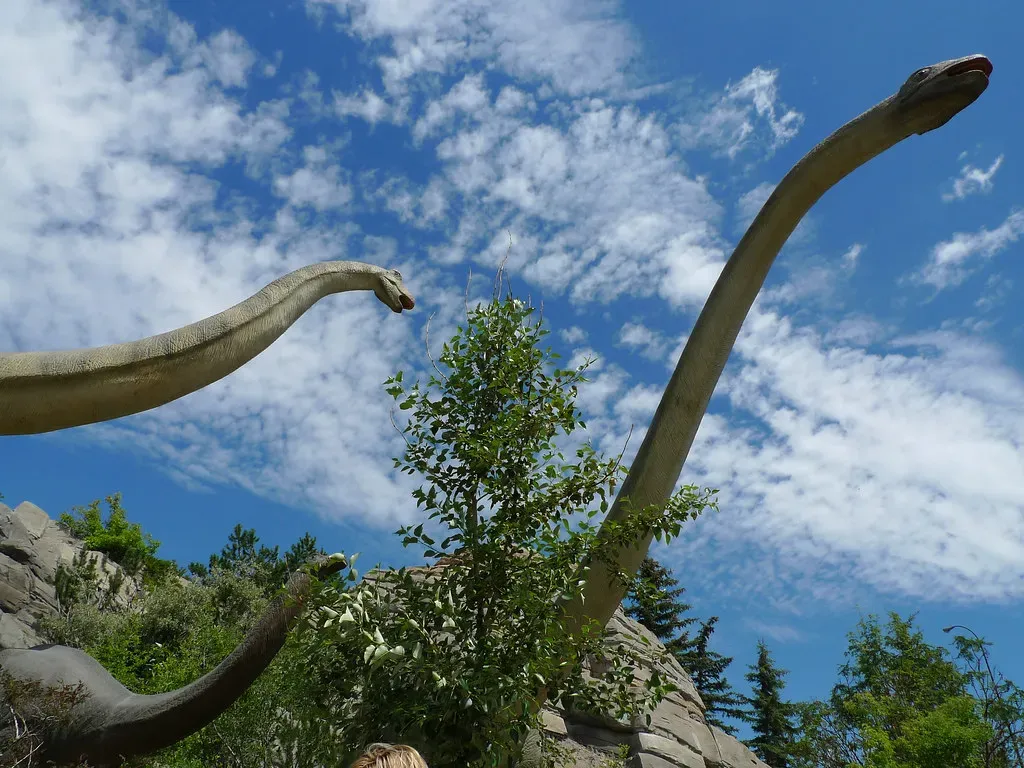
Let’s be real: if you can’t eat, you can’t survive. Dinosaurs mastered the art of feeding in ways that were astonishingly varied and effective. One of the most fascinating examples of feeding adaptations can be found in the sauropods, the largest land animals to have ever existed. These massive, long-necked herbivores, such as Brachiosaurus and Diplodocus, developed a unique strategy for consuming large quantities of vegetation. Their elongated necks allowed them to reach high into the canopy, accessing a wide range of plant matter otherwise inaccessible to smaller herbivores.
The most important innovation for sauropods was probably the very long neck. Compared to other herbivores, the long neck allowed more efficient food uptake by covering a much larger feeding envelope and making food accessible that was out of the reach of other herbivores. Sauropods were thus able to take up more energy from their environment than other herbivores. On the predator side, these carnivores possessed powerful jaws, serrated teeth, and keen senses that allowed them to track, pursue, and overpower their targets with deadly efficiency. The development of advanced hunting strategies, including pack-hunting behaviors in some species, further enhanced the theropods’ success as apex predators. You had master hunters above and master grazers below. Dinosaurs owned the entire food chain.
Extraordinary Diversity in Body Shape and Size
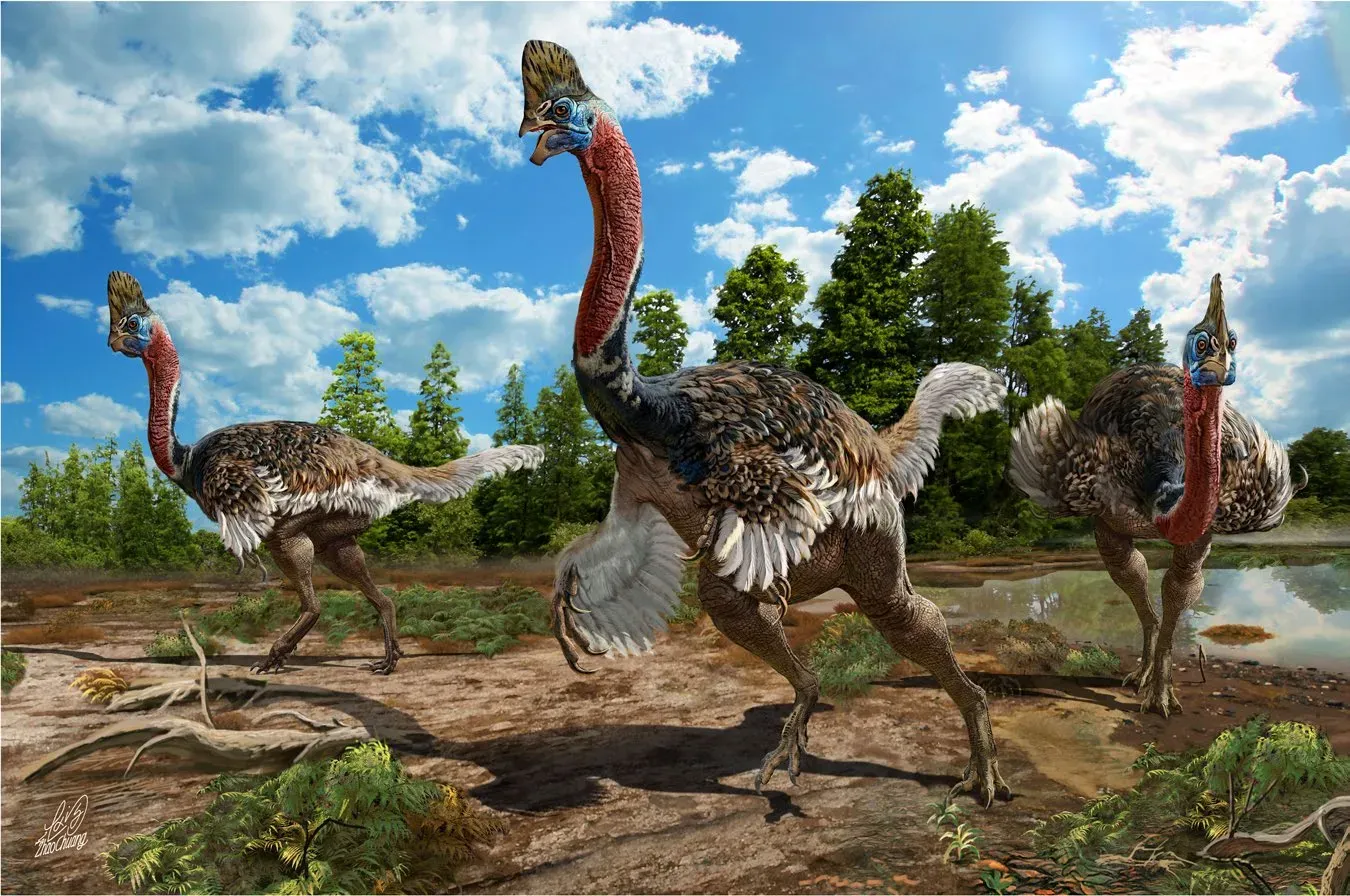
Here’s where it gets even more impressive. Dinosaurs didn’t just adapt to one environment. They adapted to all of them. Diversity in the body shapes and sizes of dinosaurs was foundational to their widespread success during the Mesozoic era. While other animal groups occupied narrow ecological lanes, dinosaurs were filling them all simultaneously.
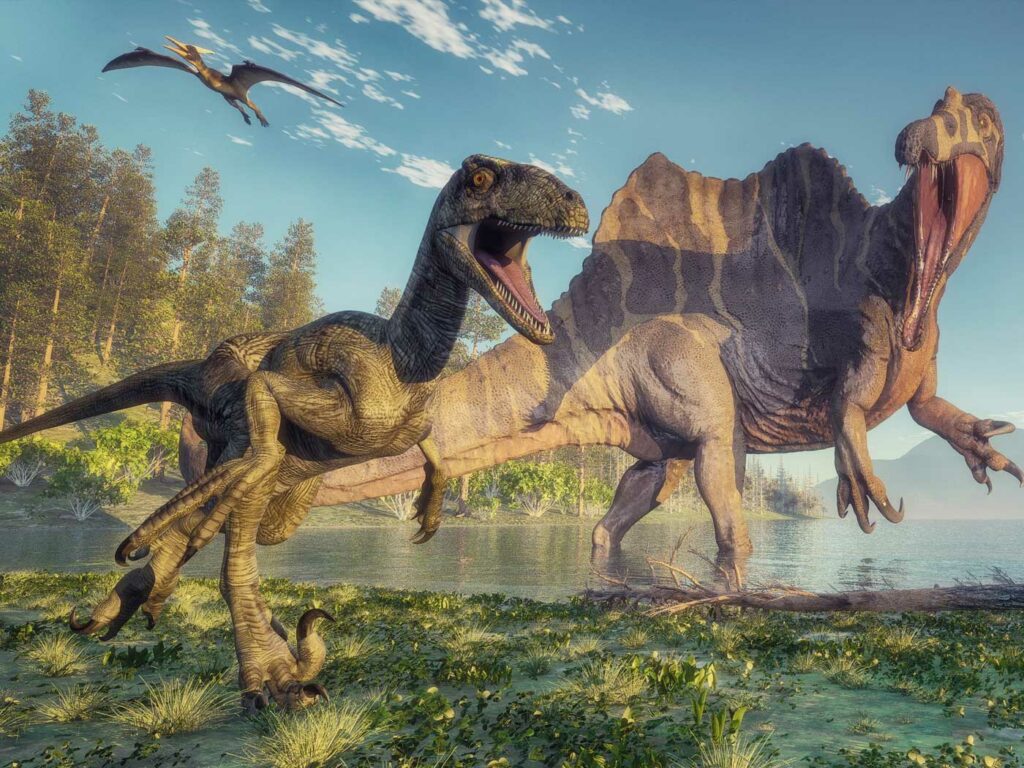
The diversification of the dinosaurs during the Mesozoic era was a complex process that involved many factors, including environmental changes, evolutionary innovation, competition, and geographic isolation. These factors combined to create one of the most diverse and successful groups of animals to ever exist. From the chicken-sized Compsognathus to the skyscraper-tall Argentinosaurus, from armored tanks like Ankylosaurus to fleet-footed sprinters like Velociraptor, their physical range was staggering. It’s hard to think of another group with that kind of spread. Spinosaurus, for example, lived in the tidal flats of North Africa and evolved an impressive sail on its back to support its semi-aquatic lifestyle. Stegosaurus developed large plates on its back, while Anchiornis had four wings and curved claws that may have been used for tree climbing. Every habitat had its own dinosaur solution.
Ecological Resilience: Bouncing Back From Extinction Events
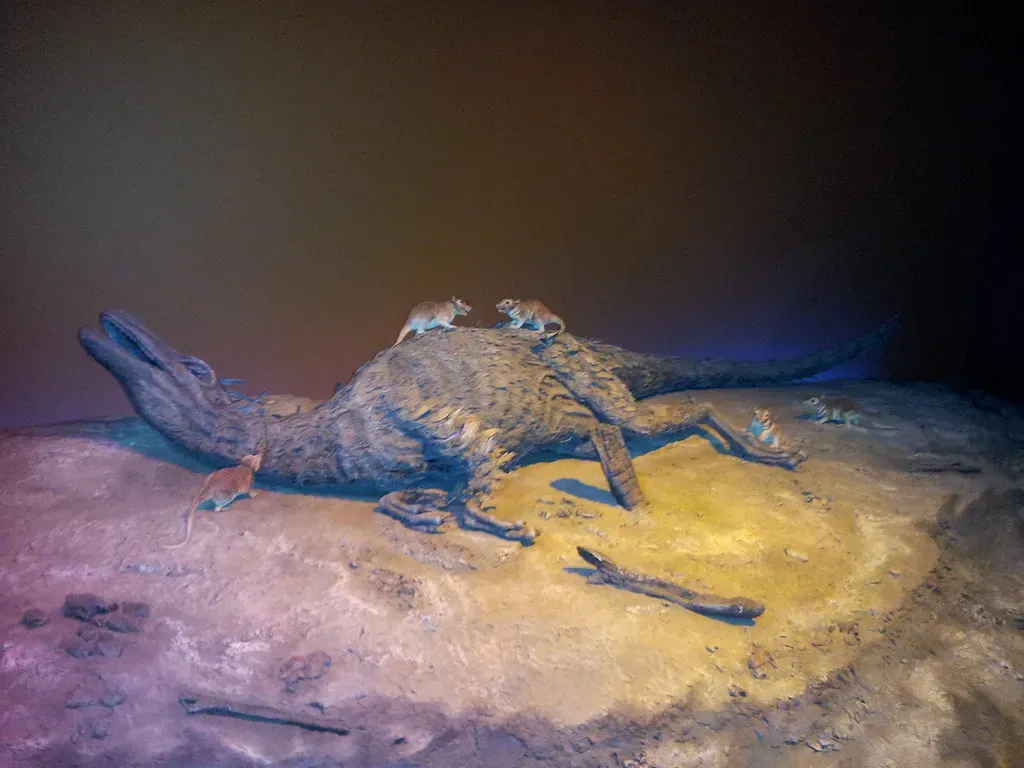
Perhaps the most mind-blowing adaptation wasn’t physical at all. It was ecological. Dinosaurs had an almost supernatural ability to survive catastrophe and come back stronger. After the end of the Triassic mass extinction, dinosaurs expanded again. Most of the pseudosuchians were wiped out by the mass extinction, except for the ancestors of crocodiles, and the surviving dinosaurs expanded their range of locomotion, taking over many of the empty niches. When their competitors vanished, dinosaurs moved in and filled the gaps.
The locomotion style of dinosaurs was advantageous to them, but it was not an engine of intense evolutionary selection. In other words, when crises happened, they were well placed to take advantage of opportunities after the crisis. It’s a bit like having a company that’s not the flashiest during good times, but is perfectly positioned to dominate every time a market crash wipes out its competition. Extreme environmental change allowed dinosaurs to showcase their resilience and adaptability. Their ability to withstand harsh conditions further contributed to their rise to dominance. As other species struggled to survive, dinosaurs’ cold adaptations granted them a competitive advantage. Crisis after crisis, they came out on top. That’s not luck. That’s biological engineering at its finest.
Conclusion
You now know that dinosaur dominance wasn’t built on one lucky break or one terrifying feature. It was a layered, interlocking system of biological innovations. Their revolutionary gait gave them speed. Their air-filled bones gave them size without sacrifice. Their cold-weather endurance outlasted global catastrophe. Their feathers were tools before they were wings. Their feeding strategies left no food source untouched. Their diversity made them impossible to erase. Their ecological resilience turned every disaster into an opportunity.
It’s humbling, really. In 2026, we live in a world shaped by animals that walked the Earth over 66 million years ago. Every bird you see is a living dinosaur, carrying echoes of those ancient adaptations in its hollow bones and feathered coat. The next time you hear a sparrow outside your window, consider that you’re looking at the end result of one of evolution’s greatest success stories.
What do you think is the most impressive of these adaptations? Could any modern animal ever rival the dinosaurs’ era of dominance? Tell us your thoughts in the comments below.