
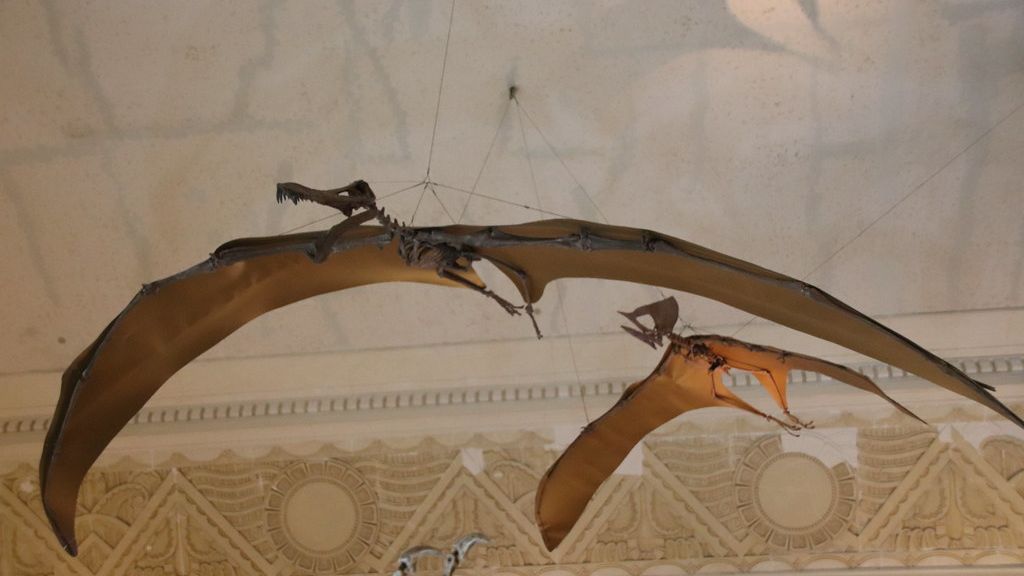
Imagine a creature with a wingspan wider than a small aircraft, soaring silently over ancient seas without a single feather to its name. No bird. No bat. Something else entirely. Pterosaurs were the undisputed rulers of Mesozoic skies for over 160 million years, and yet for most of scientific history, how exactly they flew has remained one of paleontology’s most tantalizing puzzles.
The more researchers dig into the fossil record, the stranger and more brilliant these creatures become. From microscopic bone canals that could reshape the aviation industry, to muscular wing joints unlike anything seen in modern animals, pterosaurs were biological engineers of extraordinary sophistication. Buckle up – what science is uncovering about these ancient masters of the sky is far more astonishing than you might expect. Let’s dive in.
The First Vertebrates to Conquer the Air
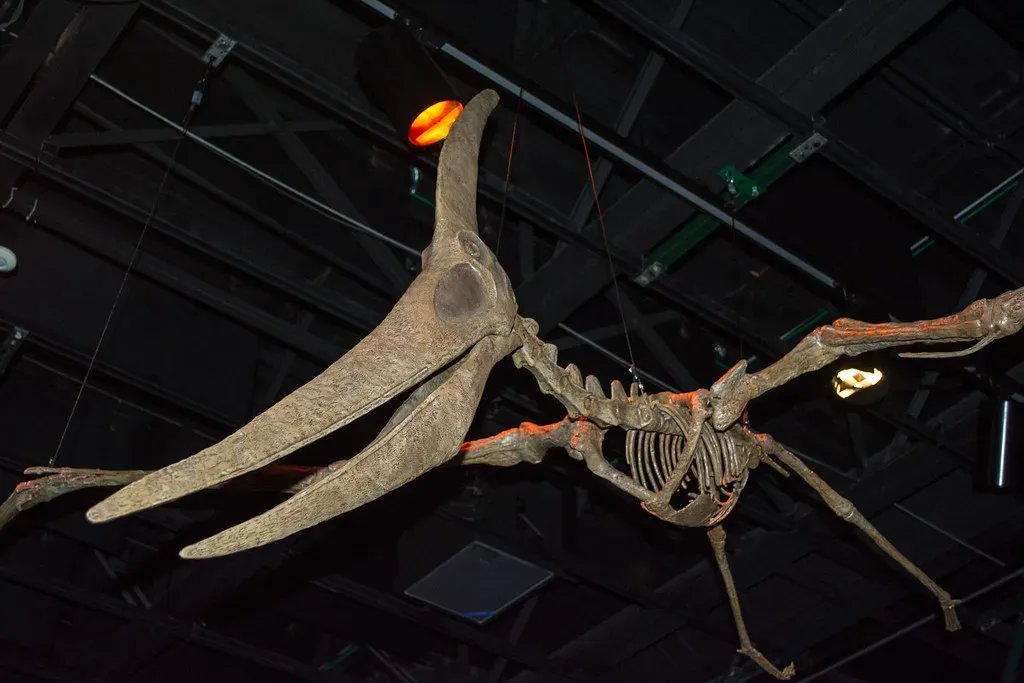
Pterosaurs were the first vertebrate group to achieve powered flight and were successful in the aerial realm for over 160 million years. That is not a typo. One hundred and sixty million years. For context, modern birds have only been around for a fraction of that time. The sheer longevity of pterosaurs as aerial creatures speaks volumes about just how perfectly engineered their bodies truly were.
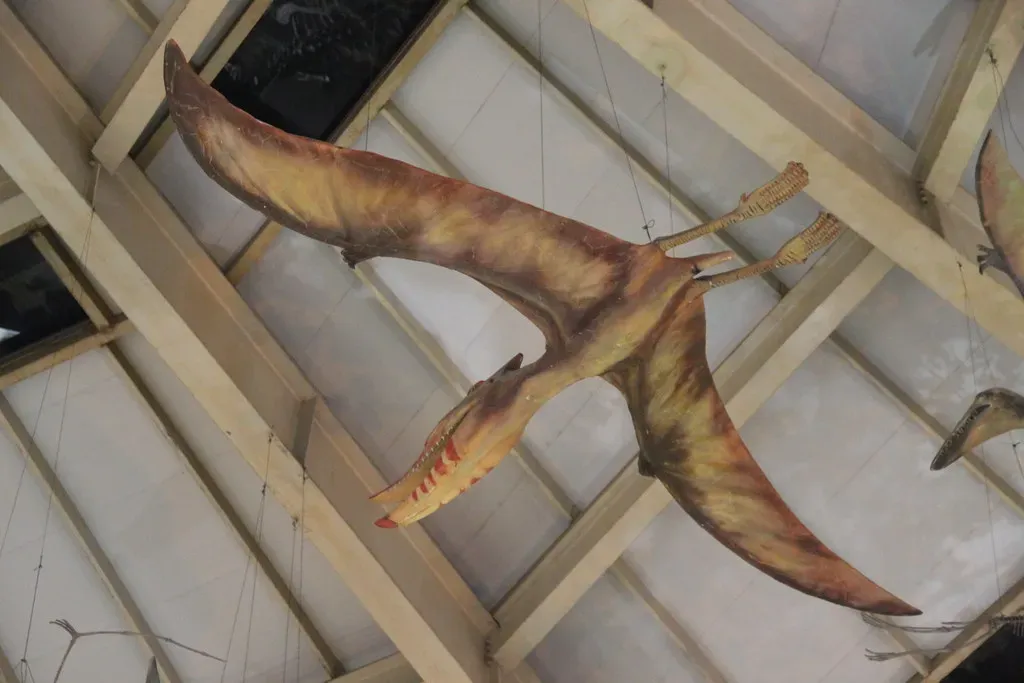
The exhibition organized by the American Museum of Natural History showcases how pterosaurs evolved to become the first vertebrates capable of powered flight, long before birds and bats. From sparrow-sized flyers to giants with wingspans larger than many small aircraft, pterosaurs displayed an astonishing variety of shapes, sizes, and features. Honestly, the sheer scale of that diversity is staggering. It’s a bit like comparing a hummingbird to a hang glider – and calling them cousins.
A Wing Unlike Anything Else in Nature
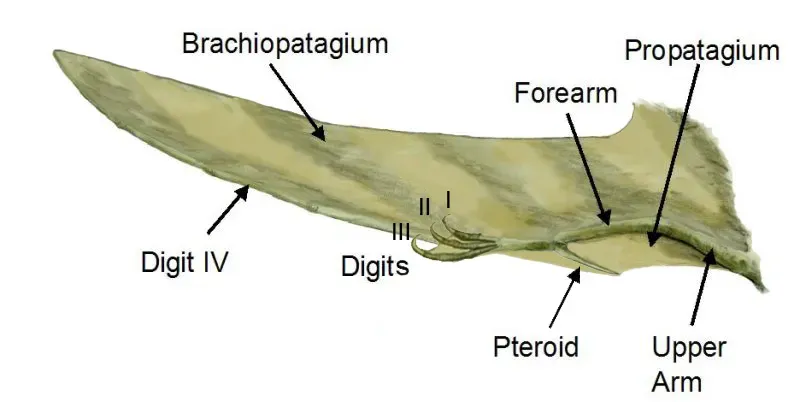
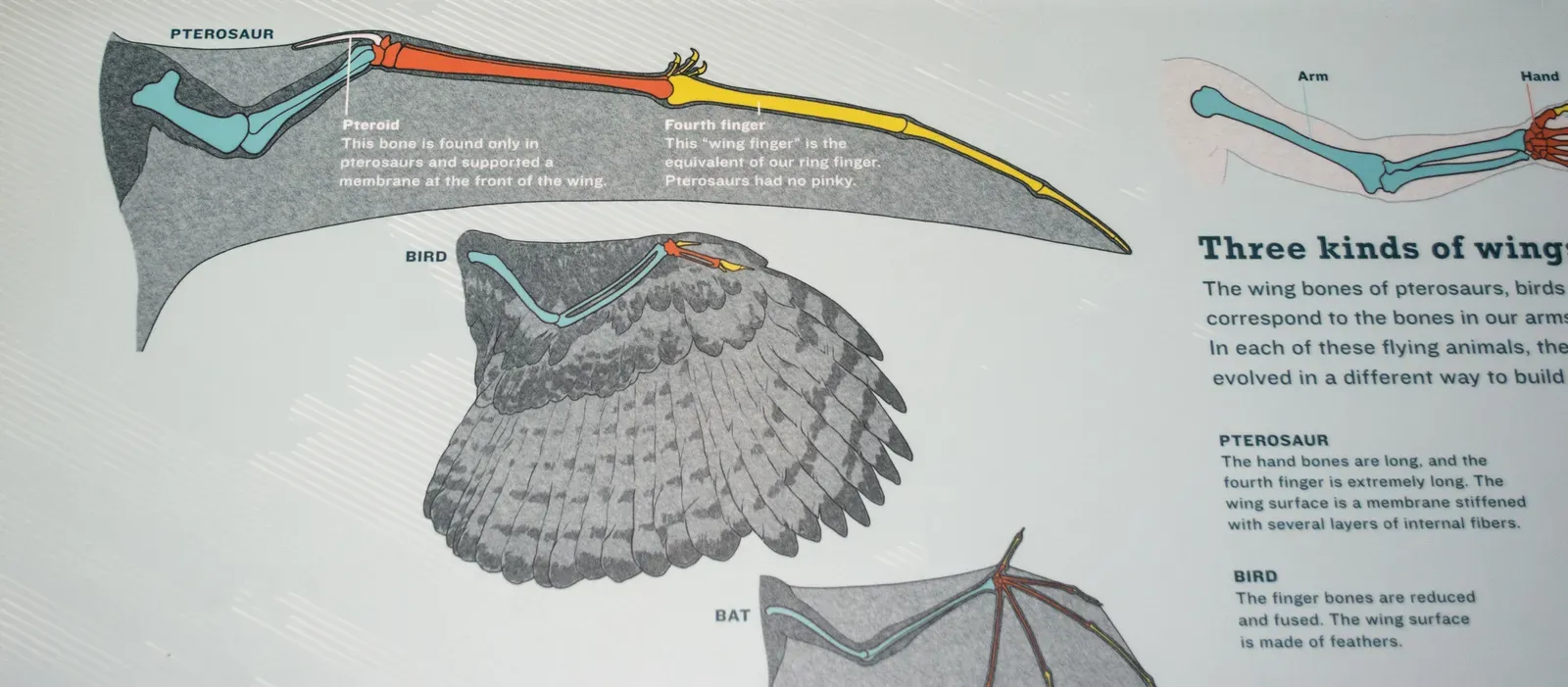
Pterosaurs operated uniquely with a membrane wing held in tension by a hyperelongated fourth finger. Think about that for a moment. Your ring finger, but stretched to be longer than your entire arm, holding up a vast leathery sail. Unlike their living functional counterparts, birds and bats, pterosaurs possessed a flexible, membranous wing that was supported by a single, super-elongate wing finger. As far as is known, no other flying vertebrates have ever adopted this gross morphology, and there are no direct analogues in mechanical aerodynamics, the closest being the mainsail of a sailboat.
Although we know from fossils with preserved soft tissues that the pterosaur wing membrane was thin, with internal reinforcing fibres and possibly pneumatized in the regions closest to the wing bones, it remains difficult to determine the nature of the membrane attachment to the bony skeleton. This is where things get genuinely complicated for researchers. You are dealing with a biological structure that has no living equivalent, which means every reconstruction involves a degree of educated, if well-reasoned, guesswork.
Flapping vs. Soaring: Not a One-Size-Fits-All Answer
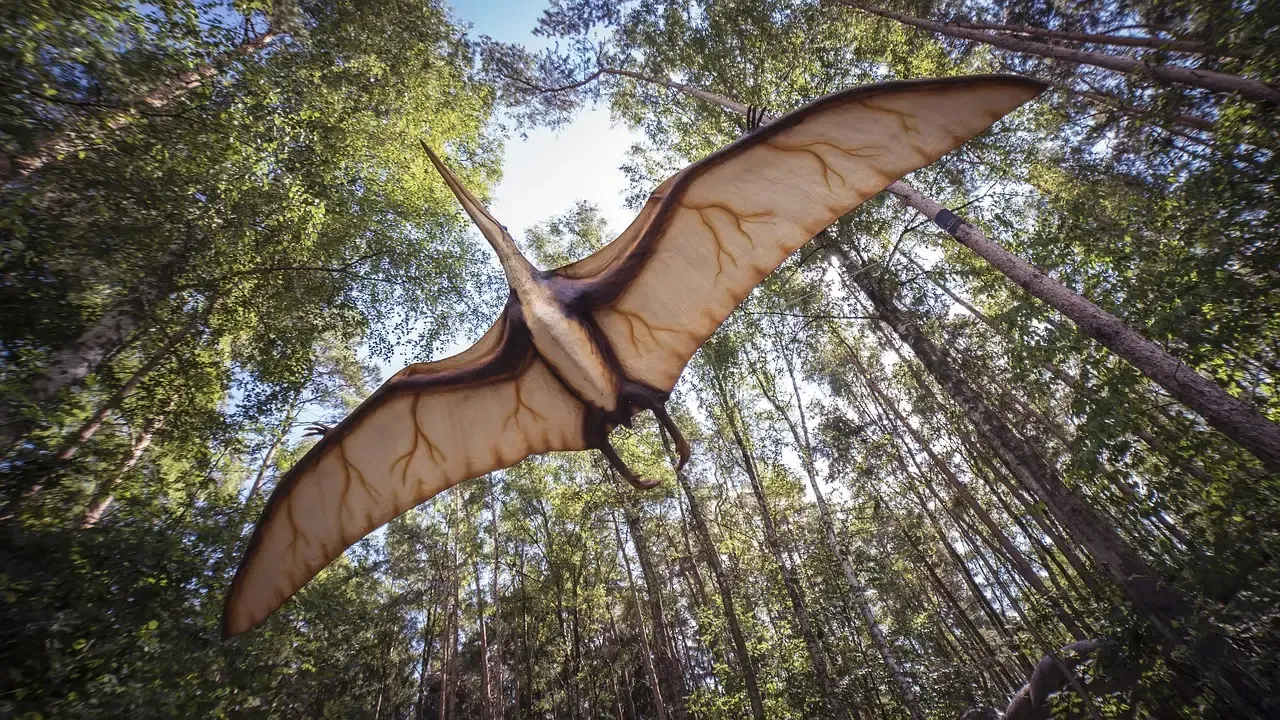
Some species of pterosaurs flew by flapping their wings while others soared like vultures, demonstrates a new study published in the peer-reviewed Journal of Vertebrate Paleontology. This 2024 finding was a genuine turning point in how scientists think about pterosaur diversity. The idea that a single, unified flight style applied to all pterosaurs has been thoroughly dismantled. Remarkable and rare three-dimensional fossils of two different large-bodied azhdarchoid pterosaur species have enabled scientists to hypothesize that not only could the largest pterosaurs take to the air, but their flight styles could differ too.
Inabtanin is one of the most complete pterosaurs ever recovered from Afro-Arabia, and the CT scans revealed the structure of its flight bones was completely different from that of Arambourgiania. The interior of the flight bones were crisscrossed by an arrangement with struts that match those found in the wing bones of modern flapping birds. This indicates it was adapted to resist bending loads associated with flapping flight, and so it is likely that Inabtanin flew this way. Meanwhile, Arambourgiania showed a completely different internal architecture, one associated with soaring. Same era, same region, radically different flight styles.
CT Scans and the Secrets Hidden Inside the Bone
CT images revealed that the interior of its humerus, which is hollow, contains a series of ridges that spiral up and down the bone. This resembles structures in the interior of wing bones of vultures. The spiral ridges are hypothesized to resist the torsional loadings associated with soaring. You know that feeling when you discover something has been hiding in plain sight all along? That’s exactly the sensation these CT results produced. A 10-meter-wingspan giant, carrying a vulture’s engineering blueprint inside its bones.
Since pterosaur bones are hollow, they are very fragile and are more likely to be found flattened like a pancake, if they are preserved at all. With 3D preservation being so rare, we do not have a lot of information about what pterosaur bones look like on the inside. This scarcity of quality specimens makes every three-dimensionally preserved fossil almost priceless to science. Each new discovery can rewrite what researchers thought they knew about how these animals moved through the sky.
The Muscular Wing Root: An Aerodynamic Trick No One Expected
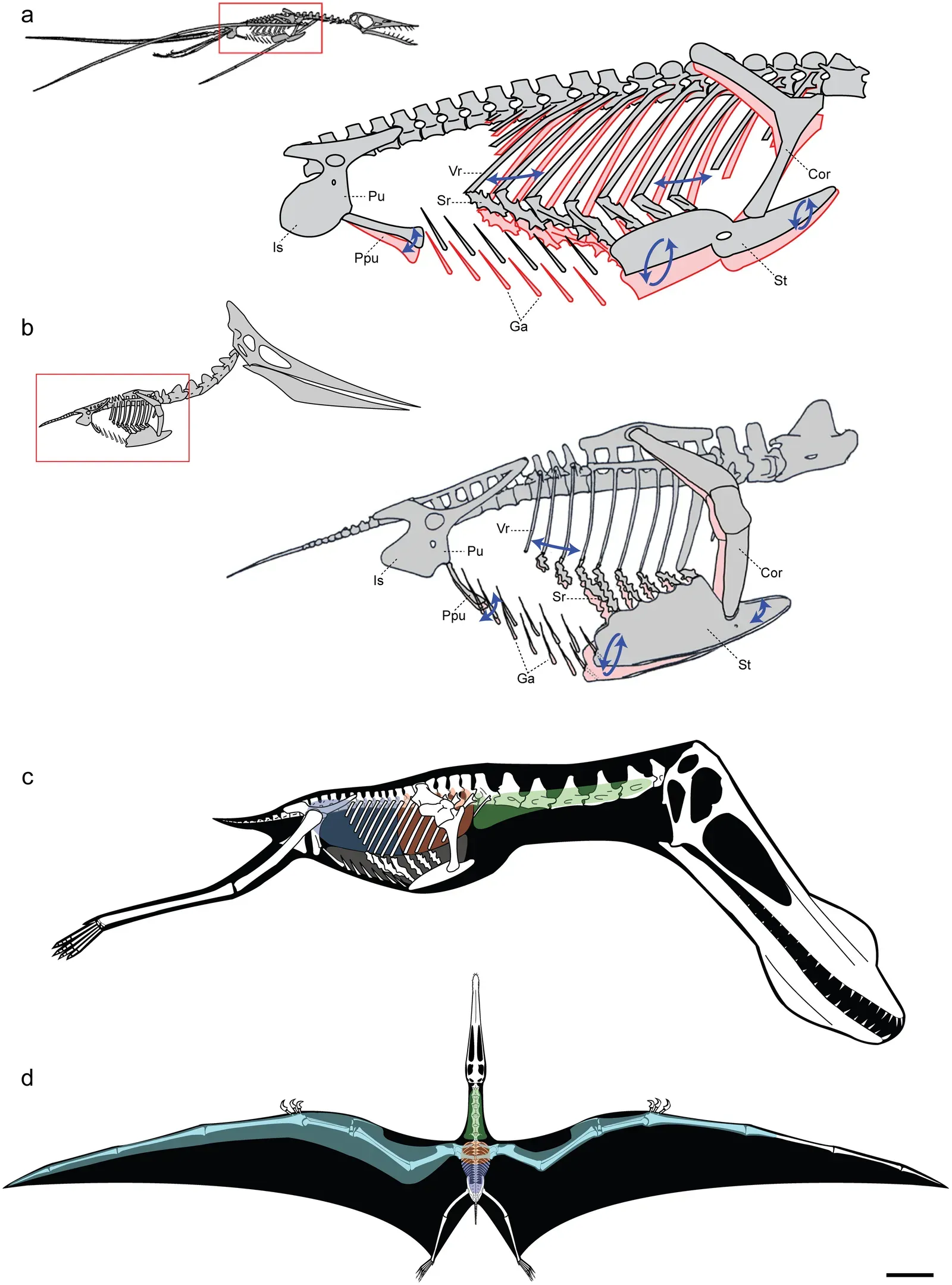
Using laser-stimulated fluorescence, researchers observed direct soft tissue evidence of a wing root fairing in a pterosaur, a feature that smooths out the wing-body junction, reducing associated drag, as in modern aircraft and flying animals. Unlike bats and birds, the pterosaur wing root fairing was unique in being primarily made of muscle rather than fur or feathers. Let’s be real – this is a jaw-dropping find. Modern aircraft engineers install aerodynamic fairings specifically to reduce drag at wing junctions. Pterosaurs evolved an equivalent solution, except theirs was living muscle.
As a muscular feature, pterosaurs appear to have used their fairing to access further flight performance benefits through sophisticated control of their wing root and contributions to wing elevation and anterior wing motion during the flight stroke. This means the fairing wasn’t just a passive drag reducer. It was an active, controllable structure – more like a flight control surface than a simple fillet of tissue. The complexity here is honestly breathtaking.
Slow but Masterful: Rethinking Pterosaur Flight Speeds
Past reconstructions of flight capability were handicapped by the available aerodynamic data, which was unrepresentative of possible pterosaur wing profiles. Wind tunnel tests on a range of possible pterosaur wing sections quantified the likely performance for the first time. These sections have substantially higher profile drag and maximum lift coefficients than those assumed before, suggesting that large pterosaurs were aerodynamically less efficient and could fly more slowly than previously estimated. Slower flight doesn’t mean inferior flight, though. Think of it as trading top speed for extraordinary control.
Because their thin-walled bones were susceptible to impact damage, slow flight would have helped to avoid injury and may have contributed to their attaining much larger sizes than fossil or extant birds. The trade-off would have been an extreme vulnerability to strong or turbulent winds both in flight and on the ground, akin to modern-day paragliders. Picture a paraglider on a gusty day – thrilling but perilous. For pterosaurs, calm atmospheric conditions were probably not just preferred but essential for safe operation at the largest sizes.
The Wing Shape Debate: What Kept the Membrane Taut?
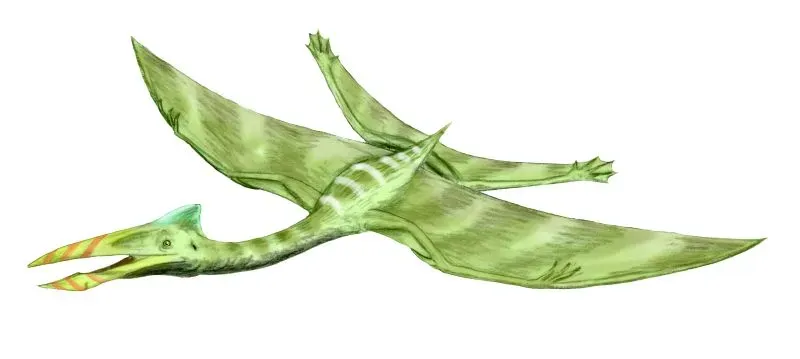
A combination of anterior sweep and a reflexed proximal wing section provides an aerodynamically balanced and efficient theoretical pterosaur wing shape, with clear benefits for their flight stability. Achieving that balance was no small feat when you consider the raw challenge involved. Without in-plane battens, the membrane would have flapped uncontrollably, greatly increasing the drag and destroying the shape required for flight. It’s a bit like trying to fly a kite with a bag instead of a rigid frame – without some stabilizing structure, the whole thing collapses chaotically.
The shape and extent of the membranous brachiopatagium in pterosaurs remains a controversial topic for those attempting to determine the aerodynamic performance of the first vertebrate fliers. Various arguments in favour of the trailing edge terminating against either the torso or hip, the femur, the ankle, or different locations for various taxa, has resulted in several published reconstructions. It’s hard to say for sure exactly how far the wing membrane extended in every species, but evidence from well-preserved fossils leans toward an ankle attachment in many cases, giving these wings a dramatically wider surface area than earlier models assumed.
The Quadrupedal Launch: How Did They Even Get Off the Ground?
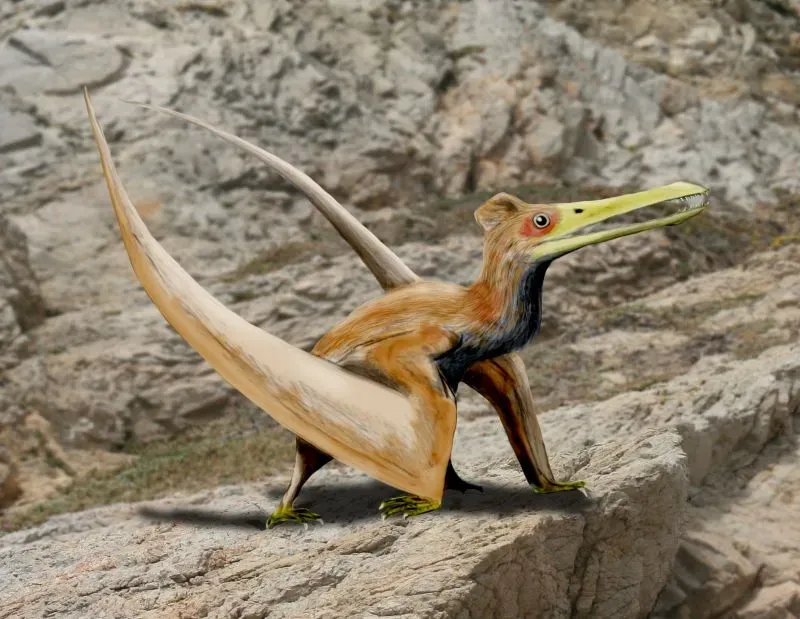
This is one of my favorite chapters in pterosaur research because the answer is so wonderfully counterintuitive. All known footprints and trackways made by pterosaurs show that they were quadrupedal animals, awkwardly shambling around on all fours while on the ground. A pterosaur walking on all fours, wings folded, wouldn’t have been able to move fast enough to achieve takeoff speed. So forget the image of a dinosaur-era albatross sprinting down a beach. That scenario simply doesn’t work.
The quadrupedal launch hypothesis described for pterosaurs is split into three main steps starting from a quadrupedal stance. The first is a crouching counter movement. When the deepest part of the crouch was reached, the pterosaur began extending its hindlimbs providing an initial forward impulse and pushing the pterosaur onto its forelimbs. When the hindlimbs left the ground, the vault phase began. During this phase, the hindlimbs assumed the pose utilised in flight, and the weight of the animal shifted to be entirely supported by the forelimbs. The launch phase then started as the forelimbs began to extend, pushing the pterosaur upwards and forwards until the forelimbs lost contact with the ground. Think of it like a gymnastic vault, but the gymnast weighs up to 250 kilograms and has a ten-meter wingspan.
Pterosaur Bones and the Future of Aerospace Engineering
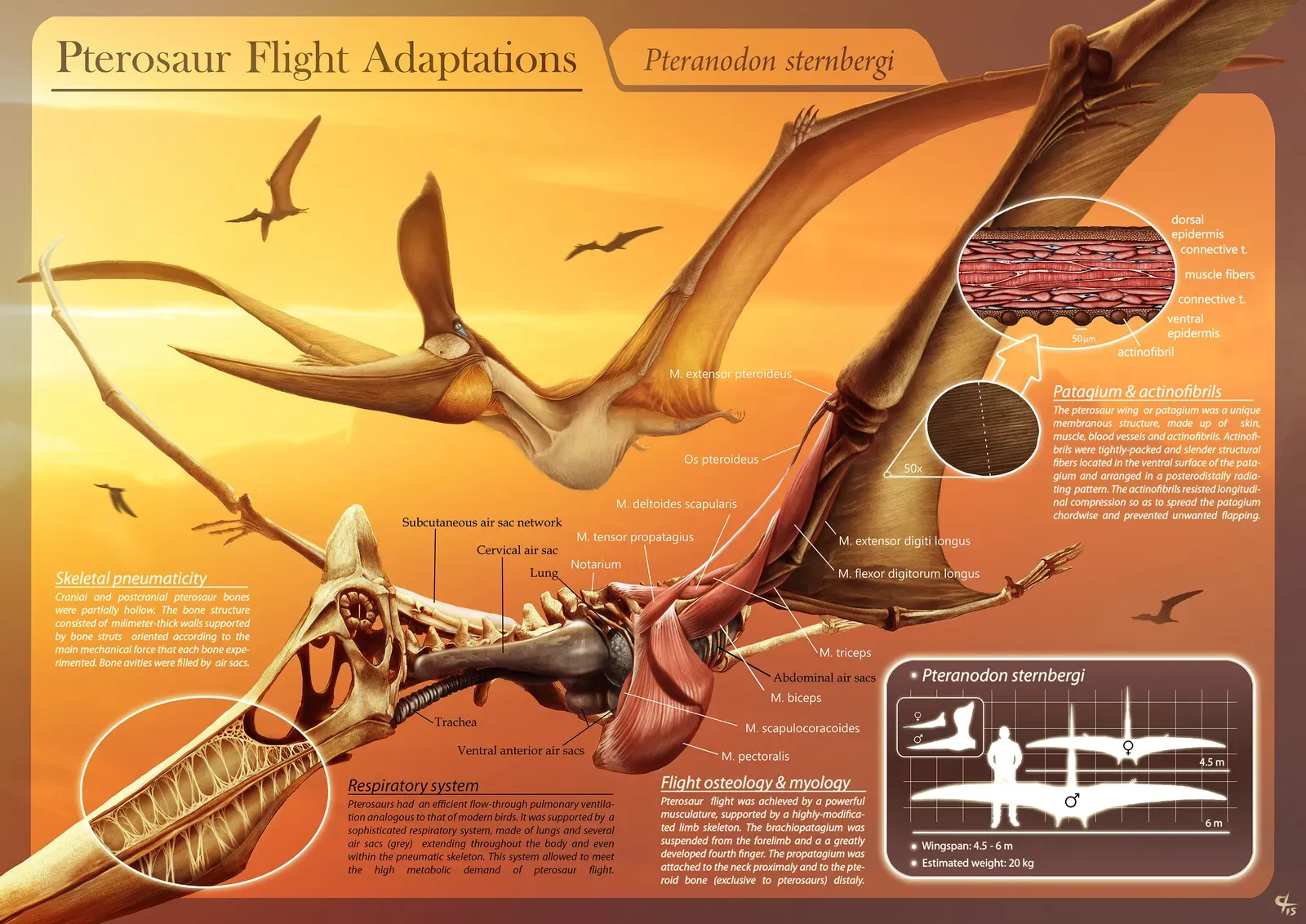
The microarchitecture of fossil pterosaur bones could hold the key to lighter, stronger materials for the next generation of aircraft. Scientists from The University of Manchester used advanced X-ray imaging techniques to examine fossilized bones of the prehistoric flying reptile at the smallest scale. They discovered that pterosaur bones contained a complex network of tiny canals, making them both lightweight and incredibly strong – details of its structure that have never been seen before. Published in Scientific Reports in early 2025, this research opens a door that scientists didn’t even know existed just a few years ago.
The unique network of tiny canals and pores within pterosaur bones, once used for nutrient transfer, growth, and maintenance, also help protect against microfractures by deflecting cracks, serving both biological and mechanical functions. By replicating these natural designs, engineers could not only create lightweight, strong components but could also incorporate sensors and self-healing materials, opening up new possibilities for more complex and efficient aircraft designs. The team suggests that advancements in metal 3D printing could turn these ideas into reality. The idea that a creature extinct for 66 million years might directly inform the design of next-generation aircraft is almost poetic. Nature got there first – again.
Flight Evolved in a Burst, Not a Crawl
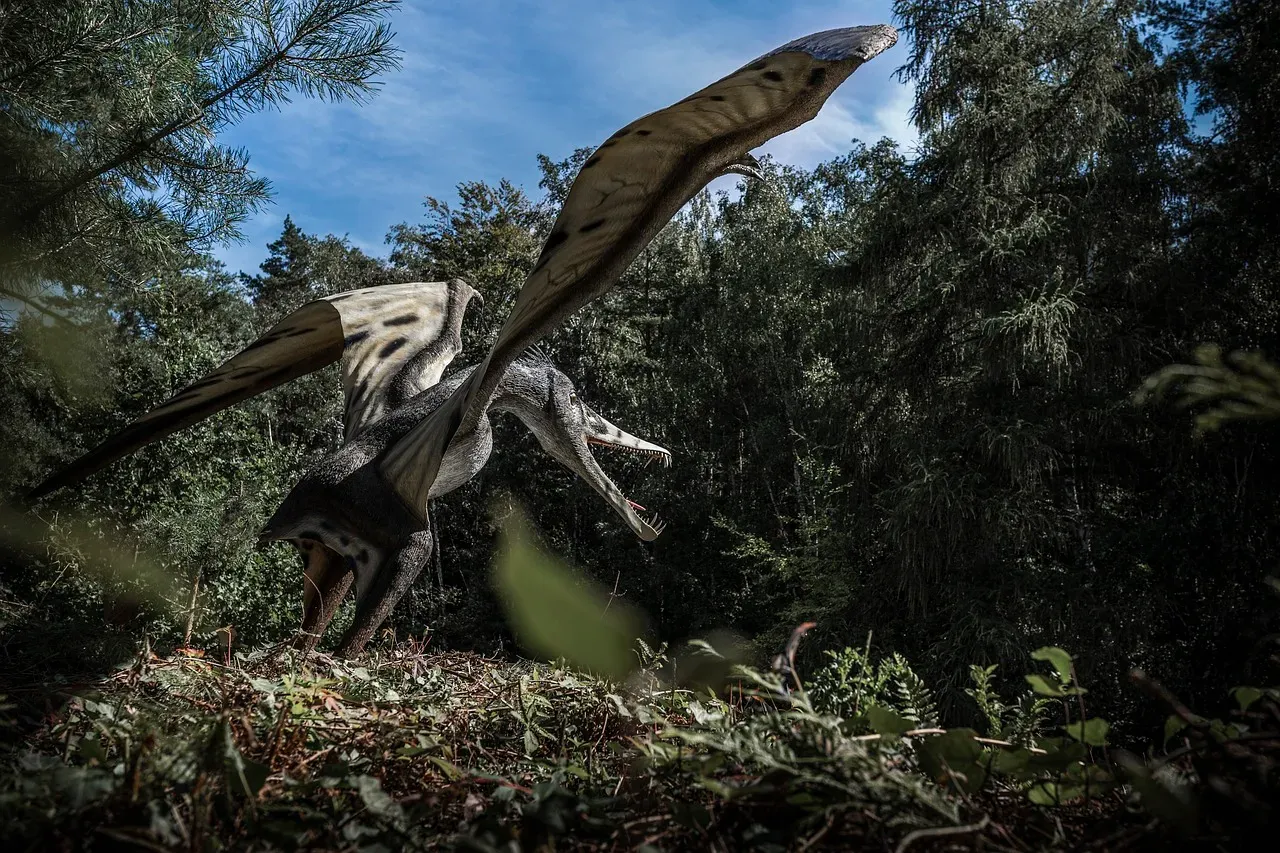
A research team led by evolutionary biologist and Johns Hopkins Medicine assistant professor Matteo Fabbri suggests that a group of giant reptiles alive up to 220 million years ago may have acquired the ability to fly when the animal first appeared, in contrast to prehistoric ancestors of modern birds that developed flight more gradually and with a bigger brain. This conclusion, published in Current Biology in late 2025, fundamentally challenges long-held assumptions about the evolutionary pathway to powered flight. It turns out there may be more than one road to the sky.
Ancient pterosaurs may have taken to the skies far earlier and more explosively than birds, evolving flight at their very origin despite having relatively small brains. Using advanced CT imaging, scientists reconstructed the brain cavities of pterosaur fossils and their close relatives, uncovering surprising clues – such as enlarged optic lobes – that hint at a rapid leap into powered flight. Their findings contrast sharply with the slow, stepwise evolution seen in birds, whose brains expanded over time to support flying. So while birds essentially went through a long aviation school, pterosaurs seem to have hatched already knowing how to fly. What an extraordinary shortcut through evolutionary time.
Conclusion
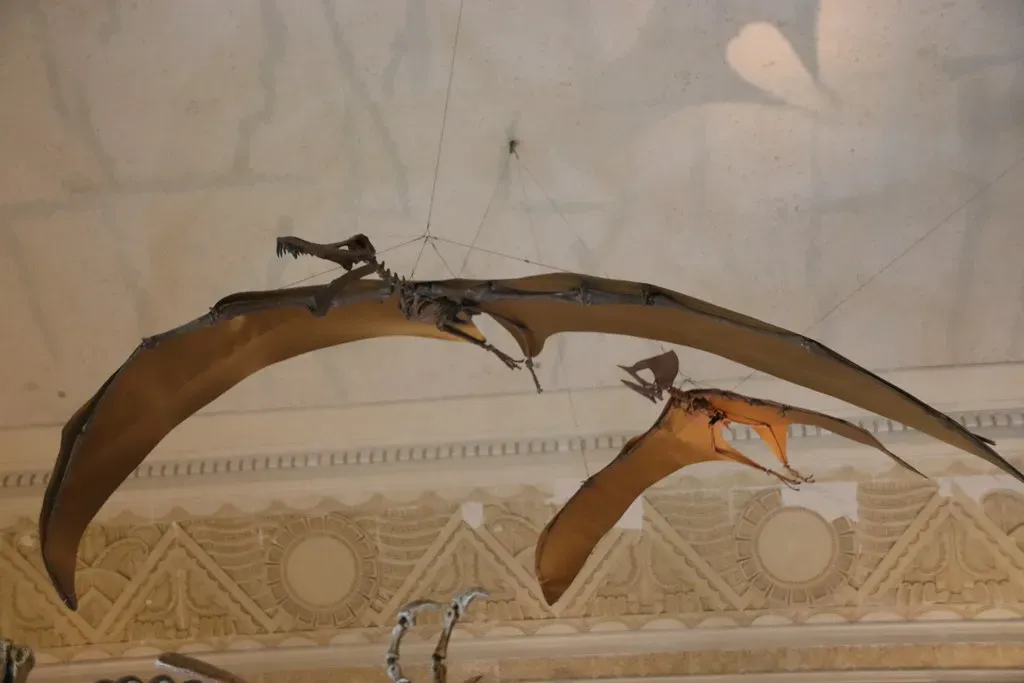
What makes pterosaur research so electrifying right now is how rapidly the picture is changing. Every new fossil, every CT scan, every wind tunnel model pulls back another curtain. You go from thinking these were oversized, lumbering reptiles with glorified skin-kites to realizing they were aerodynamic masterpieces with muscular control fairings, biomechanically tuned bones, diverse flight strategies, and a level of physical complexity that still has modern engineers paying attention.
The fact that a creature extinct for tens of millions of years could hold practical clues for building better, lighter, safer aircraft in the 21st century says something profound about the deep ingenuity of natural selection. These ancient adaptations could have the potential to start a “palaeo-biomimetics” revolution – using the biological designs of prehistoric creatures to develop new materials for the modern world. Perhaps the most honest takeaway is this: we have only just begun to understand these animals. The skies above the Mesozoic were far more sophisticated than anyone imagined. What other secrets do you think are still locked inside those ancient bones?