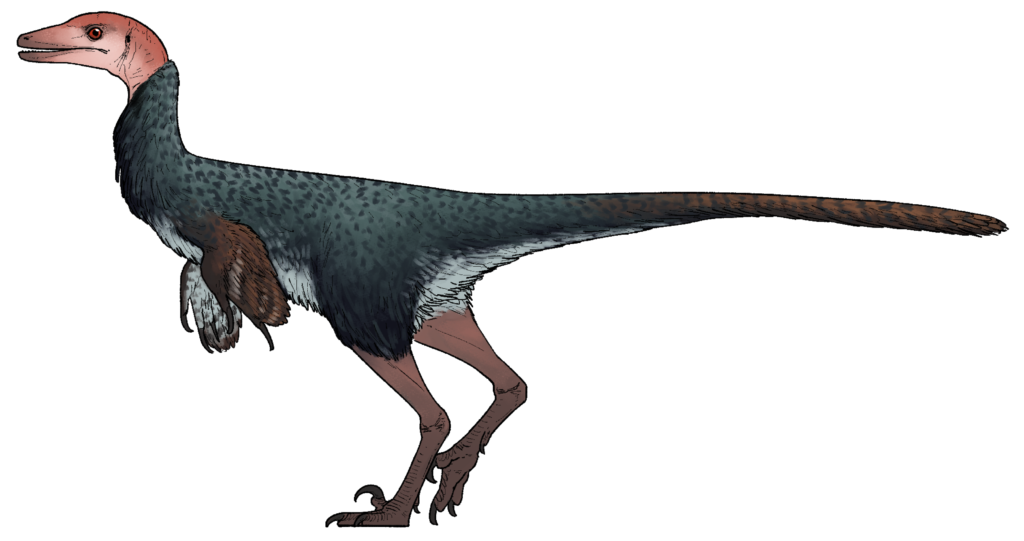
Coahuila, Mexico – Paleontologists unveiled Xenovenator espinosai, a troodontid theropod from the Late Cretaceous Cerro del Pueblo Formation, revealing a skull unlike any in its bird-like relatives. This predator, which roamed about 73 million years ago, boasted a thickened dome that hints at aggressive behaviors long thought absent in advanced theropods. The discovery expands knowledge of dinosaur diversity across Laramidia, the ancient landmass of western North America.
A Braincase That Defied Expectations
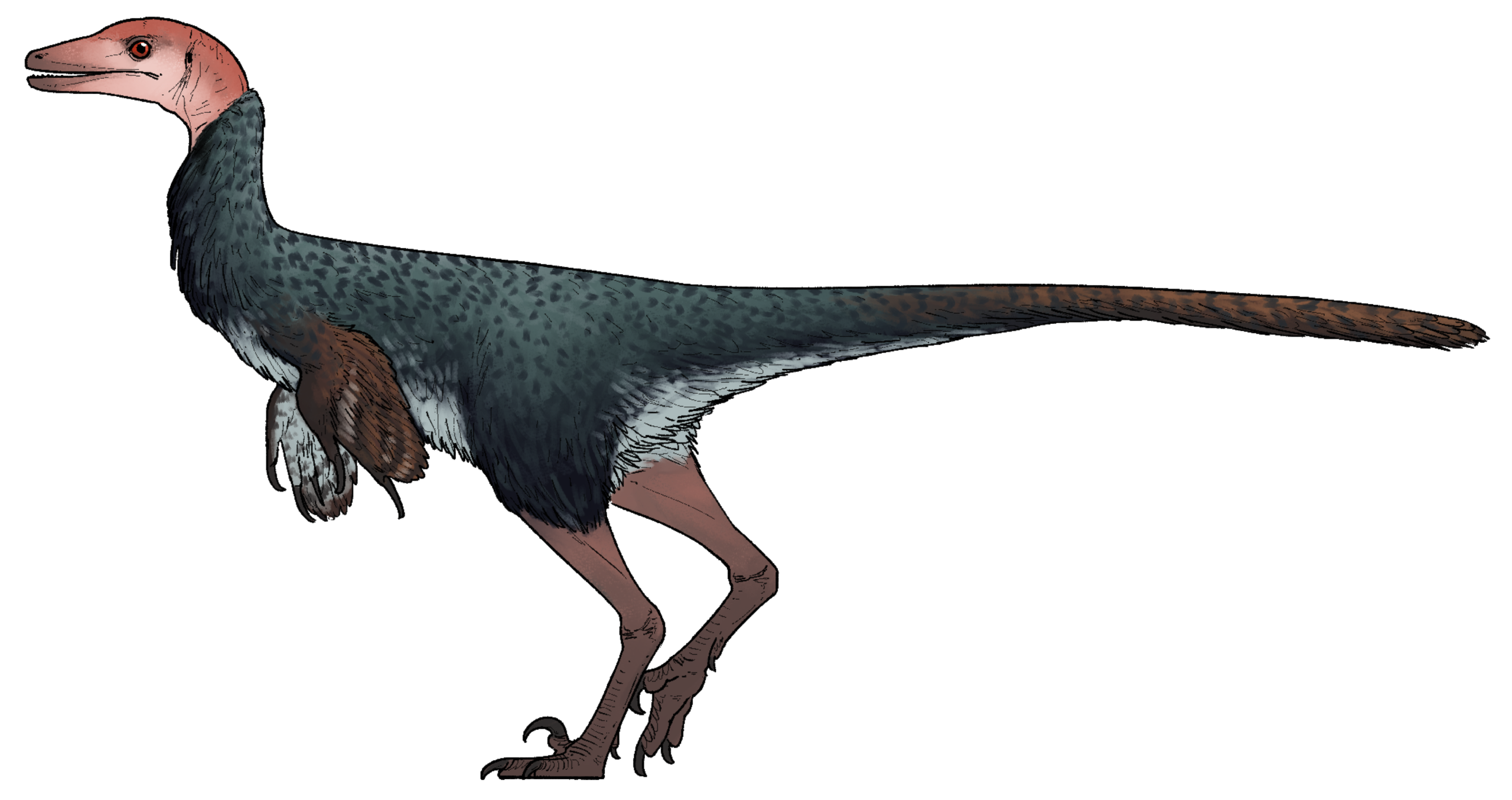
A Braincase That Defied Expectations (Image Credits: Upload.wikimedia.org)
Paleontologists first spotted the holotype specimen, cataloged as CPC 2973, during surface collecting at La Parrita locality in 2000. Additional frontals from nearby sites, including CPC 2976 and CPC 3112, bolstered the description published in 2026. Collected from the uppermost Campanian layers of the Cerro del Pueblo Formation, these fossils endured harsh desert weathering, complete with desert varnish. CT scans unlocked hidden details, exposing internal structures that set this find apart.
Lead author Hector E. Rivera-Sylva of the Museo del Desierto and colleagues recognized the troodontid traits immediately, but the skull’s modifications demanded further study. The team from Mexico and the University of Bath formalized the name Xenovenator espinosai, blending “strange hunter” with a nod to pioneer Luis Espinosa. This marked the first named troodontid from Mexico, building on earlier indeterminate reports.
Unpacking the Thickened Dome
The skull roof stood out with frontals and parietals up to 12 millimeters thick, forming a low dome above the orbits. Bones featured densely packed cortices, cancellous interiors with vertical trabeculae, and rugose outer textures marked by striae and pustules. Sutures interlocked in elaborate zig-zag patterns, fusing tightly for structural reinforcement. Referred specimens displayed milder versions, suggesting variation possibly tied to age or sex.
Key anatomical traits included:
- Strongly domed frontals broader than long, with a transverse arch and midline ridge.
- Narrow triangular parietal table inserting between frontals.
- Broad nasal processes and separated orbital fossae.
- Anteroventral expansions of braincase walls enclosing the endocranium.
- Rugose surfaces extending to maxillae and nasals in related forms.
These features diverged sharply from the slender crania of typical troodontids like Troodon or Stenonychosaurus.
Adaptations for Combat?
Researchers proposed the dome served in intraspecific combat, akin to pachycephalosaur rams despite distant relations. “The thick, modified cranium of Xenovenator espinosai is unique among maniraptorans,” Rivera-Sylva noted. Parallels emerged with modern head-butters like cape buffalo or helmeted hornbills, where thickened bosses absorb impacts. Rugosity likely dissipated stress, while sutures prevented shearing.
The hypothesis aligned with Late Cretaceous trends toward ornate cranial weapons in ceratopsids, hadrosaurs, and abelisaurids. Pathologies in other groups supported combat roles, and Xenovenator’s traits suggested sexual selection drove this evolution in troodontines. Paratype differences hinted at dimorphism, with robust domes perhaps adorning mature males.
Position in Troodontid Evolution
Phylogenetic analyses placed Xenovenator within Troodontinae, sister to tentative Xenovenator? robustus from New Mexico’s Kirtland Formation. Together, they formed a clade with Albertavenator curriei, nested among large North American troodontids like Latenivenatrix and Troodon. This southwestern endemicity highlighted regional faunal distinctions.
The Cerro del Pueblo Formation teemed with unique dinosaurs, including tyrannosaur Labocania aguillonae and hadrosaur Tlatolophus, boasting diversity rivaling northern sites. Xenovenator underscored rapid turnover and endemism across Laramidia, fueled by geographic barriers.
Key Takeaways
- Xenovenator espinosai represents the first combat-adapted skull in non-avian paravians, converging on pachycephalosaurs.
- Fossils from Coahuila reveal high dinosaur diversity in southern Laramidia, with endemic thick-skulled troodontids.
- Thick domes, rugose textures, and interlocking sutures point to head-butting for mating rivalry 73 million years ago.
This thick-skulled hunter not only enriched Mexico’s fossil record but also illuminated behavioral complexity in dinosaurs nearing their end. As evidence mounts for social displays and rivalries, Xenovenator invites reevaluation of troodontid lives. What do you think drove such extreme skull evolution? Tell us in the comments.