
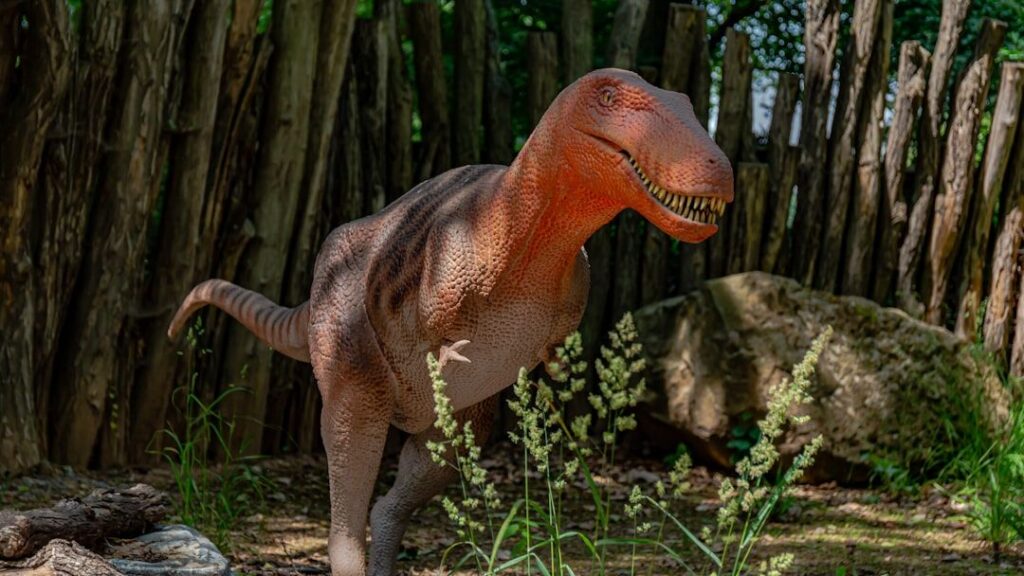
Everyone knows T-Rex. You’ve seen it in movies, on lunch boxes, in museum halls where its skeleton towers over school children with jaws wide open. It’s the king, the icon, the mascot of an entire era. But here’s the thing – the Cretaceous period was far more complex and chaotic than any single predator could represent, and the roster of killers that ruled during those roughly 79 million years would genuinely make your jaw drop.
The truth is, while T-Rex got all the fame, it only dominated for the last few million years before the mass extinction. For the rest of that enormous stretch of prehistoric time, entirely different predators – some larger, some faster, some stranger – were calling the shots. Let’s dive into their stories.
A World Before T-Rex: The Ecosystem That Came First
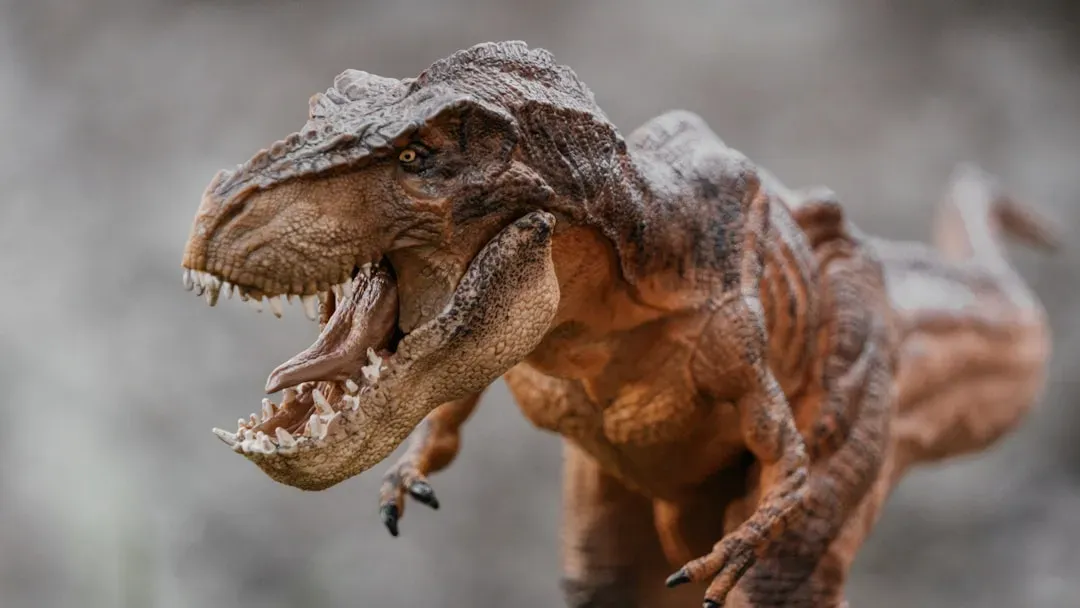
It might surprise you to learn that even though tyrannosaurs have a very long history – with the first of their storied family evolving about 170 million years ago – these carnivores stayed small for tens of millions of years. With few exceptions, it was only about 80 million years ago that a tyrannosaur subset began to achieve giant sizes. That means for most of the Cretaceous, T-Rex wasn’t even in the picture.
Although iconic, T-Rex was only one species of many large, meat-eating dinosaurs that dominated various ecosystems at different times over 130 million years of dinosaur reign. During the Cretaceous period, most species of top predator that evolved in North America and Asia were either carcharodontosaurs or tyrannosaurs. So if you think of the Cretaceous as a one-predator show, you’re only seeing a tiny sliver of the full picture.
Giganotosaurus: The Southern Giant That Rivaled Everything
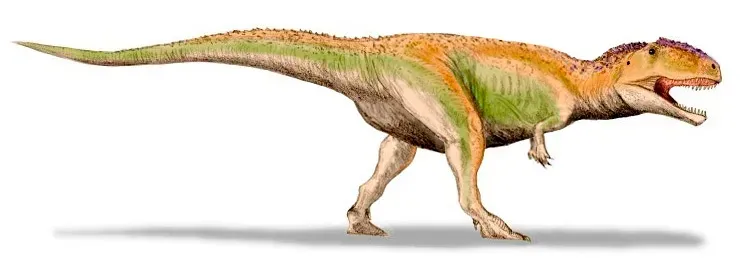
Venturing into the ancient world of Cretaceous South America, you encounter Giganotosaurus, a truly immense carnivorous dinosaur that once dominated the prehistoric landscapes of Patagonia. This apex predator, a prominent member of the Carcharodontosauridae family, challenged the notion that Tyrannosaurus Rex was the largest terrestrial carnivore, establishing itself as a formidable contender for that title. Honestly, this is one of the most underrated dinosaurs in popular culture.
Giganotosaurus is a genus of large theropod dinosaur that lived in what is now Argentina, during the early Cenomanian age of the Late Cretaceous period, approximately 99.6 to 95 million years ago. The holotype specimen was discovered in the Candeleros Formation of Patagonia in 1993 and is almost 70% complete. The animal was named Giganotosaurus carolinii in 1995; the genus name translates to “giant southern lizard.” It is thought to have hunted the giant South American titanosaurs, such as Argentinosaurus, by slicing through their flesh with its razor-sharp teeth and waiting for blood loss and infection to finish off the mammoth creature.
Spinosaurus: The River Monster That Rewrote Dinosaur History
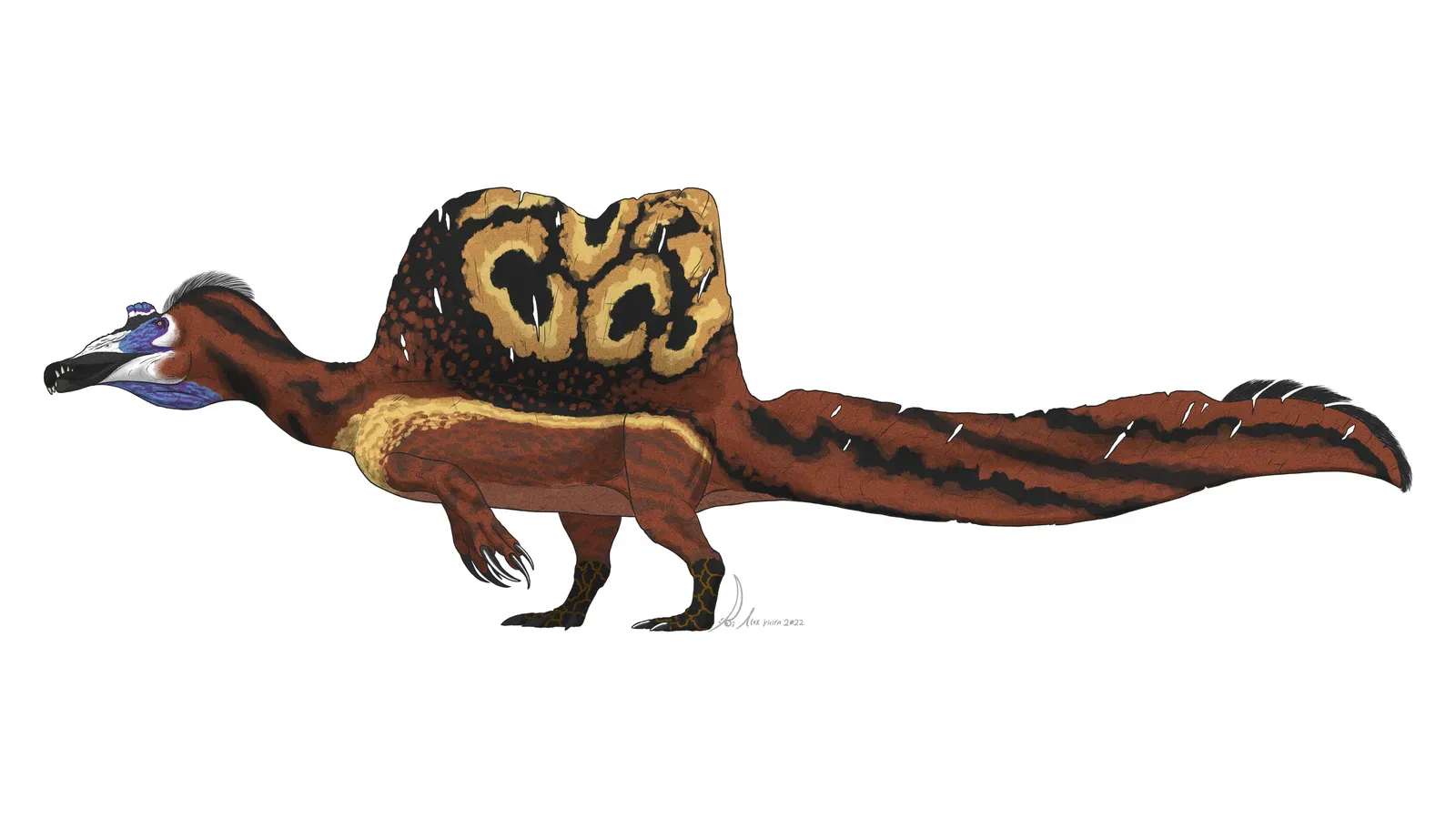
Spinosaurus is a genus of large spinosaurid theropod dinosaurs that lived in what is now North Africa during the Cenomanian stage of the Late Cretaceous period, about 100 to 94 million years ago. What makes Spinosaurus truly extraordinary is not just its size but the entire lifestyle it pioneered. Rather than evolving in direct competition with massive land predators such as Carcharodontosaurus, Spinosaurus likely avoided ecological overlap by exploiting a different niche altogether. Abundant fish and aquatic prey within Cretaceous river systems provided an opportunity for spinosaurids to specialize, and Spinosaurus ultimately became the dominant predator within that realm.
Compared to its relatives, it showed dramatic modifications: shortened hind limbs, unusually dense bones, a tall and laterally compressed swimming tail, and the iconic dorsal sail. These traits suggest that natural selection favored individuals better adapted for stability, maneuverability, and feeding within aquatic environments rather than speed or endurance on land. Spinosaurus was likely to have been a generalized and opportunistic predator, possibly a Cretaceous equivalent of large grizzly bears, being biased toward fishing, though it undoubtedly scavenged and took many kinds of small or medium-sized prey. Think of it as a crocodile crossed with a sail and supercharged to enormous scale.
Carcharodontosaurus: Africa’s Shark-Toothed Executioner
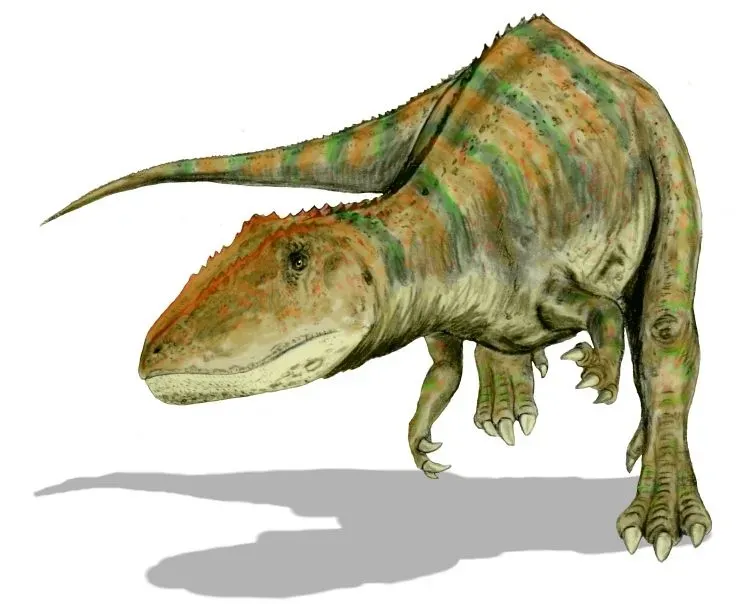
Two massive species of Carcharodontosaurus are currently recognized, both ranking among the largest predatory dinosaurs ever discovered – immense hunters comparable in scale to Tyrannosaurus rex and Giganotosaurus, though still smaller than Spinosaurus. With spinosaurids occupying semi-aquatic lifestyles, carcharodontosaurids were easily the largest terrestrial predators in the early and middle Cretaceous. Its very name means “shark-toothed lizard,” and the name is well earned.
Despite their enormity, Carcharodontosaurus was believed to be an extremely fast runner, reaching a top speed of about 20 miles per hour. The basis of these calculations were obtained using fossilized footprints from mid-Cretaceous formations found near the location of its remains that coincide with its estimated size. Upon deep analysis of Carcharodontosaurus bone, paleontologists discovered preserved lung tissue that contained air sacs. These air sacs were remarkably similar to that of modern birds and allowed for a constant flow of oxygen into the lungs – an extremely efficient breathing technique that would aid Carcharodontosaurus in running faster and for longer stretches of time while pursuing prey.
Acrocanthosaurus: North America’s High-Spined Titan
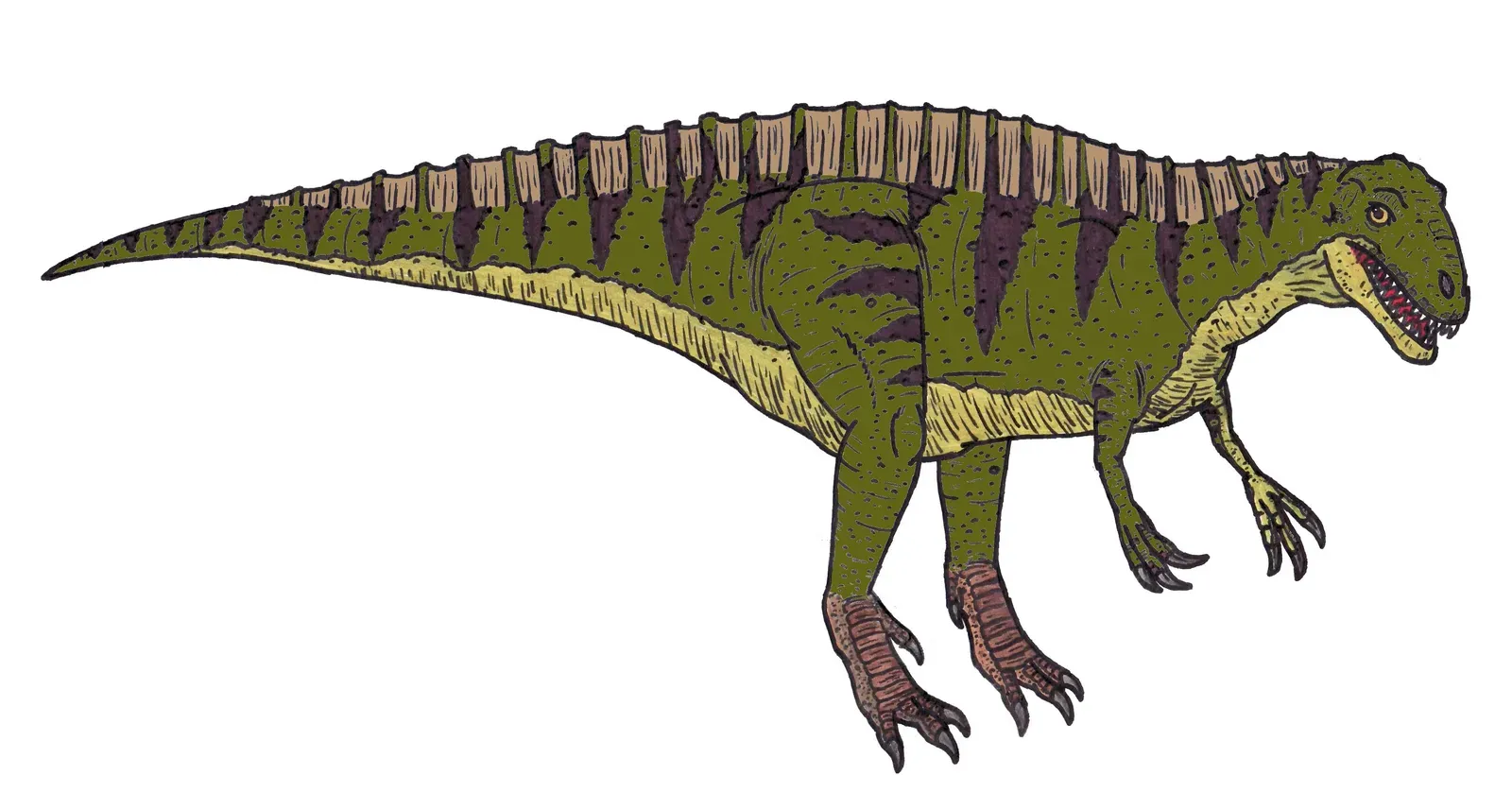
Prowling the forests of Early Cretaceous North America, Acrocanthosaurus atokensis stood out among predators with its distinctive sail-like ridge running along its back. This massive theropod, measuring up to 38 feet in length, combined the size of the largest predators with unique adaptations that set it apart from its contemporaries. The elongated neural spines that formed its distinctive back ridge may have supported either a sail or a muscular hump.
The arms of Acrocanthosaurus were particularly well-developed compared to other large theropods, suggesting they played an important role in hunting behavior. Unlike the reduced arms of T-Rex or the vestigial limbs of Carnotaurus, Acrocanthosaurus possessed powerful forelimbs with large, curved claws that could have been used to grapple with prey or deliver devastating slashing attacks. This large size suggests that Acrocanthosaurus was the apex predator of North America, after Allosaurus and before the tyrannosaurs, and with most of the other predatory dinosaurs such as Deinonychus being much smaller, Acrocanthosaurus would have dominated the landscape.
Siats meekerorum: The Forgotten Giant That Kept T-Rex Small
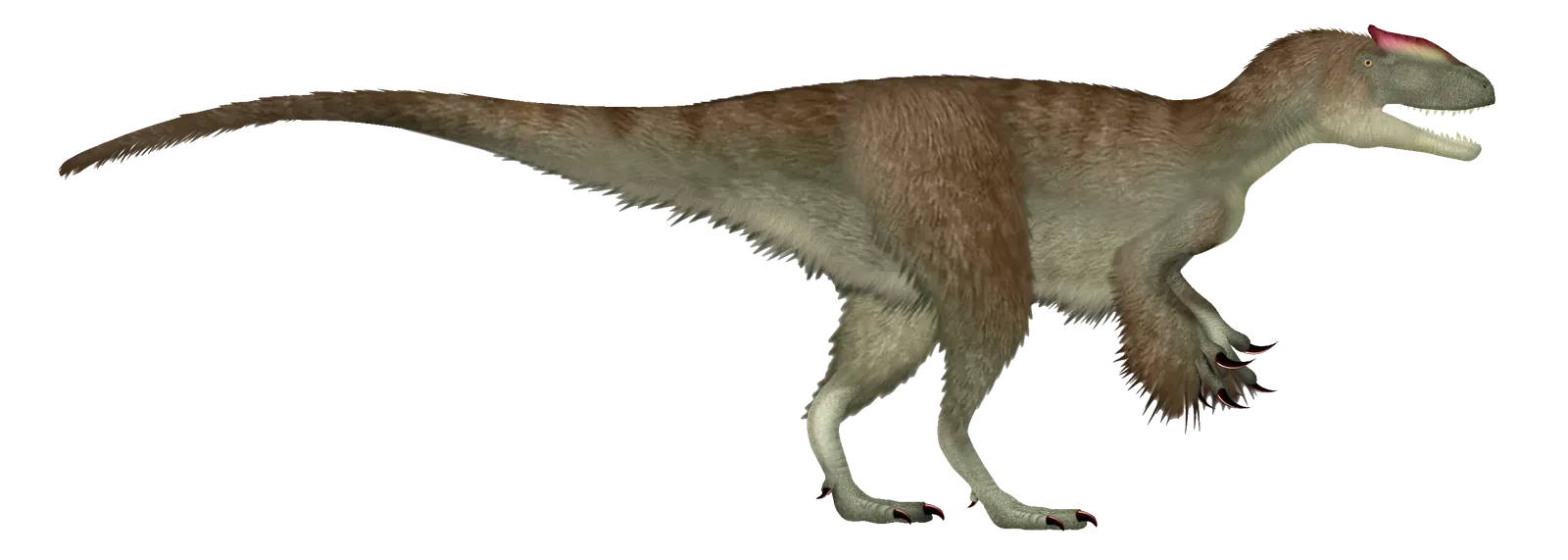
I know it sounds crazy, but there was once a predator so dominant that it actually prevented T-Rex’s ancestors from growing large. Named Siats meekerorum, the dinosaur discovered in eastern Utah by paleontologists was a previously unknown apex predator that ruled long before North America’s tyrannosaurs came to power. Siats meekerorum ruled what is now western North America about 98.5 million years ago.
Early tyrannosaurs lived in the shadow of gigantic allosaurid carnivores like Siats. It was only after dinosaurs such as Siats disappeared that tyrannosaurs were free to evolve into the giant predators we know and love today. The discovery provides new evidence for ecological sympatry of large allosauroids and small-bodied tyrannosauroids. These data support the hypothesis that extinction of Allosauroidea in terrestrial ecosystems of North America permitted ecological release of tyrannosauroids, which went on to dominate end-Cretaceous food webs. Without Siats dying out, there may never have been a T-Rex at all.
Deinonychus: The Feathered Killer That Changed Everything
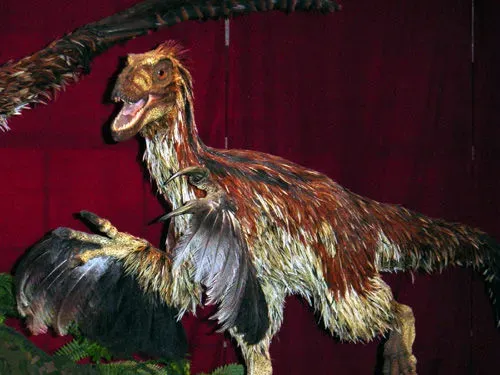
Paleontologist John Ostrom’s study of Deinonychus in the late 1960s revolutionized the way scientists thought about dinosaurs, leading to the “dinosaur renaissance” and igniting the debate on whether dinosaurs were warm-blooded or cold-blooded. Before this, the popular conception of dinosaurs had been one of plodding, reptilian giants. Ostrom noted the small body, sleek, horizontal posture, ratite-like spine, and especially the enlarged raptorial claws on the feet, which suggested an active, agile predator.
Deinonychus measured approximately 3.4 meters in length, stood about 0.9 meters tall at the hips, and weighed around 70 kilograms. This Cretaceous predator had a relatively large skull equipped with around 70 sharp teeth, and like most other theropod dinosaurs, its forelimbs were adorned with three-fingered hands capable of grasping. Because of its extremely bird-like anatomy and close relationship to other dromaeosaurids, paleontologists hypothesize that Deinonychus was probably covered in feathers. Clear fossil evidence of modern avian-style feathers exists for several related dromaeosaurids, including Velociraptor and Microraptor, though no direct evidence is yet known for Deinonychus itself.
Velociraptor: Hollywood’s Favorite Liar
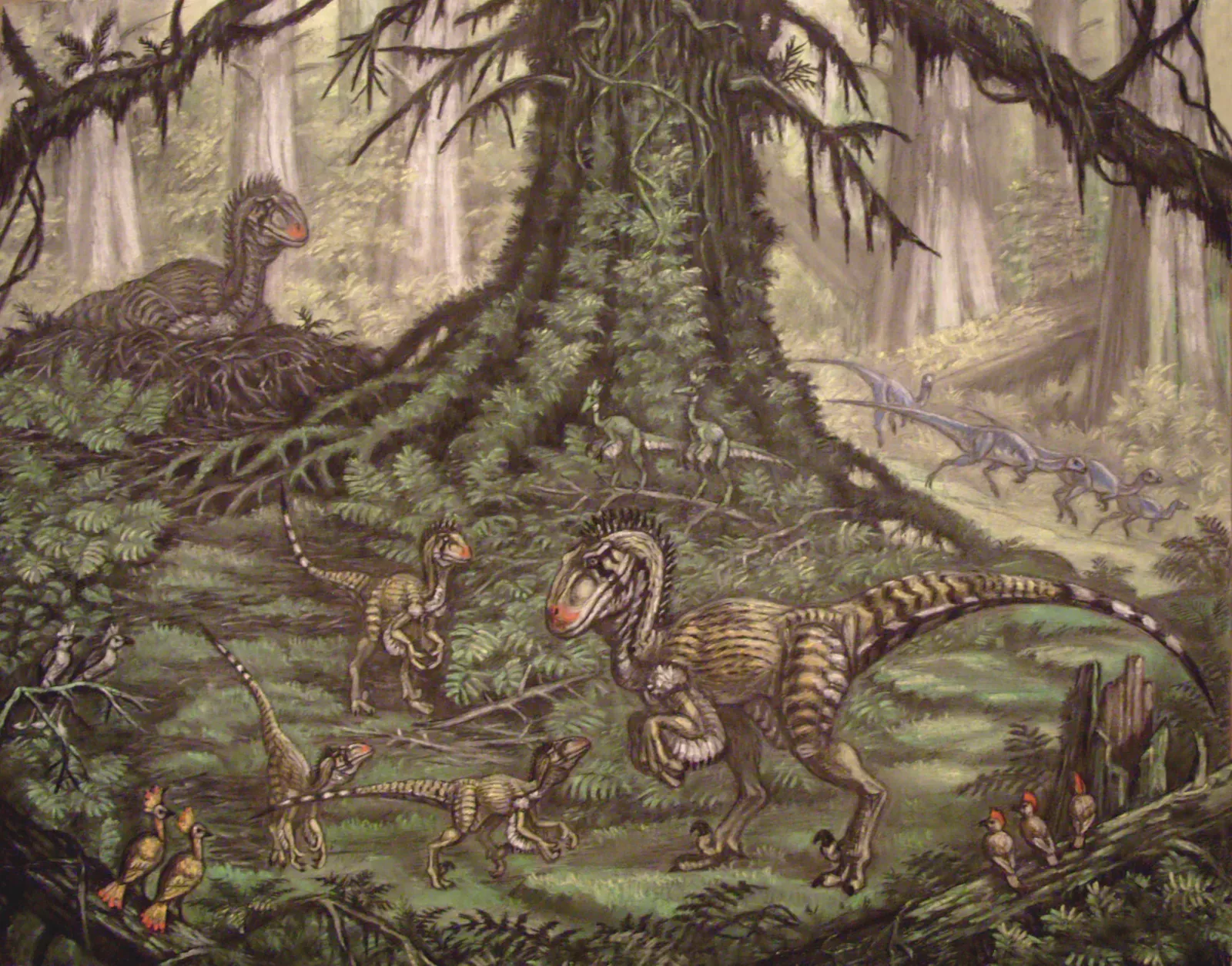
Let’s be real – Velociraptor deserves its own section, if only to correct the record. Velociraptor is one of the dinosaur genera most familiar to the general public due to its prominent role in the Jurassic Park films. In reality, however, Velociraptor was roughly the size of a turkey, considerably smaller than the approximately 2-meter-tall and 90-kilogram reptiles seen in the novels and films, which were based on members of the related genus Deinonychus.
Despite the famous fossilization of a battle to the death between a Velociraptor and a much-larger Protoceratops, paleontologists believe that Velociraptors mainly preyed on small mammals and reptiles. In 2011, scientists also theorized that these predators were nocturnal, as their scleral ring – a bony disc that reinforces the eye – was wide and would have let in enough light to see at night. The “Fighting Dinosaurs” specimen, found in 1971, preserves a Velociraptor mongoliensis and Protoceratops andrewsi in combat and provides direct evidence of predatory behavior. That fossil alone is one of the most dramatic preserved moments in natural history.
Mapusaurus: When Dinosaurs May Have Hunted in Packs
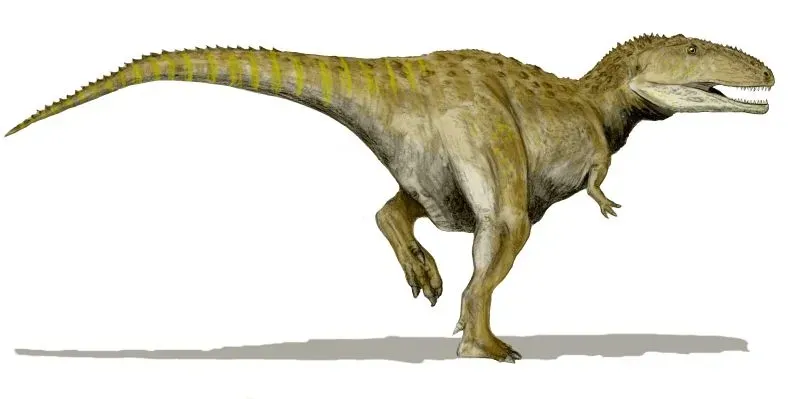
Our journey through the prehistoric world of South America continues as we uncover another magnificent carcharodontosaurid: Mapusaurus. This massive carnivorous dinosaur from the Late Cretaceous period presents compelling evidence that not all apex predators were solitary hunters, challenging previous assumptions about the social structures of these ancient giants. Its unique fossil record paints a vivid picture of potential group dynamics. The most striking evidence for the social nature of Mapusaurus comes from the discovery of multiple fossil bonebeds in Argentina.
Another species related to Giganotosaurus, also bigger than T-Rex, called Mapusaurus, was thought to have hunted in packs to bring down its titanosaur prey. Think about that for a moment. If the theory holds up, you’re looking at coordinated predators the size of buses working together to take down something even larger. That’s the kind of prehistoric horror that makes a lion pride seem like a minor inconvenience. It’s hard to say for sure whether the bonebed evidence confirms true cooperative hunting or just group scavenging, but either way, the implications are wild.
Tyrannosaurs and the Vanishing of Middle Predators
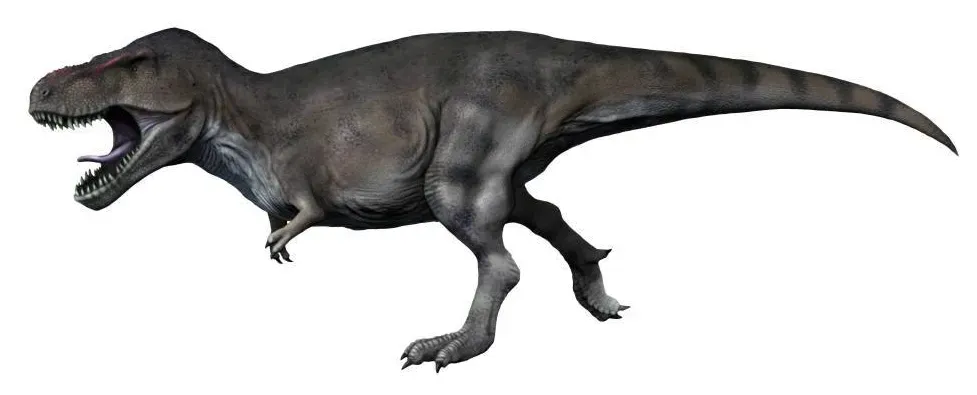
A study shows that medium-sized predators all but disappeared late in dinosaur history wherever Tyrannosaurus rex and its close relatives rose to dominance. In those areas – lands that eventually became central Asia and Western North America – juvenile tyrannosaurs stepped in to fill the missing ecological niche previously held by other carnivores. This is one of the most fascinating and frankly unexpected findings in Cretaceous ecology.
The differences between adult and adolescent tyrannosaurs were so great that the animals almost lived like different species, pushing out mid-sized carnivores in a prehistoric takeover. That’s part of the key findings of a study published in the Canadian Journal of Earth Sciences, in which Royal Tyrrell Museum of Paleontology researcher François Therrien and colleagues found that young tyrannosaurs behaved – and bit their prey – in a different way than adults. It is possible that as tyrannosaurs evolved and grew to dominance, their juveniles outcompeted other carnivorous dinosaurs in the middle-size range. It is also possible that something else eliminated the other carnivores and tyrannosaurs simply stepped in to fill the gap. The shift to tyrannosaur dominance and the disappearance of middle-sized predators happened during a long gap in the fossil record, so scientists can’t say exactly what occurred.
Conclusion: The Cretaceous Was a World Far Stranger Than You Imagined
If you came away from this article seeing the Cretaceous in a different light, then good. That was the whole point. The period spanning roughly 145 to 66 million years ago was not the domain of one famous predator – it was a rotating gallery of extraordinary killers, each shaped by different continents, different ecosystems, and different evolutionary pressures. From the river-wading Spinosaurus to the pack-hunting Mapusaurus, from the empire-building Siats to the feathered intelligence of Deinonychus, the story of Cretaceous carnivores is almost impossibly rich.
T-Rex deserves its fame. But so does every predator that came before it, lived beside it in other continents, and helped shape the world it eventually inherited. The fossil record is still incomplete, and with every new discovery, the picture grows stranger and more spectacular. It makes you wonder: what extraordinary creature might still be waiting in the rocks, undiscovered, ready to rewrite the story all over again?