
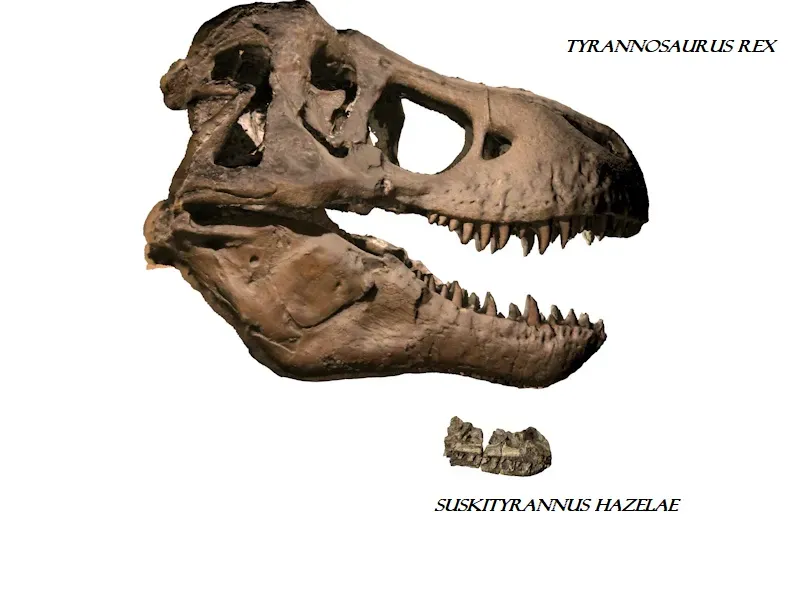
For decades, the image most of us carry of dinosaurs is something close to a giant, lumbering reptile – reactive, slow-witted, operating almost entirely on instinct. You probably picture a creature barely capable of the cognitive effort needed to find its next meal. Honestly, that picture couldn’t be more wrong, and the science of the last few years has been doing a spectacular job of dismantling it piece by piece.
What researchers are uncovering about dinosaur cognition is turning paleontology upside down. From brain architecture to social behavior, from parenting instincts to sensory complexity, the story of dinosaur intelligence is far richer and far stranger than anyone imagined. So let’s dive in, because some of what you’re about to read is genuinely jaw-dropping.
The Old Myth of the “Pea-Brained” Dinosaur Is Finally Crumbling
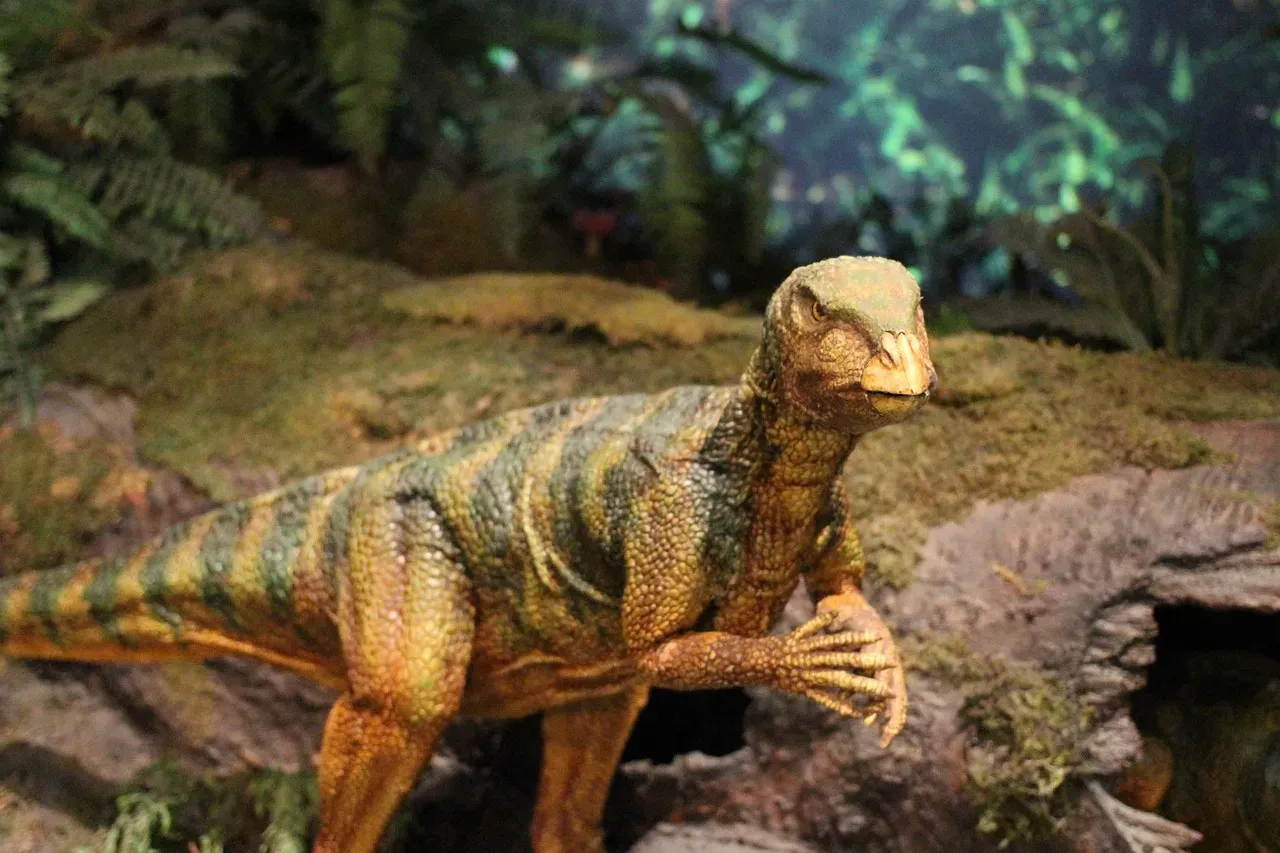
Here’s the thing – the idea that dinosaurs were universally dimwitted is one of paleontology’s most stubborn misconceptions, and it stuck around for an embarrassingly long time. Early assumptions pegged dinosaurs as unintelligent due to their relatively small brain sizes compared to their bodies, aligning them with reptiles. That comparison to reptiles did a lot of damage to the dinosaurs’ reputation.
The fact that an animal weighing over 4.5 metric tonnes could have a brain of no more than 80 grams led to the idea that dinosaurs were unintelligent, an idea now largely rejected. The famous walnut-brain myth about Stegosaurus is a perfect example of how one fossil measurement spiraled into a decades-long cultural assumption.
Advancements in paleontology, particularly the development of the encephalization quotient (EQ) in the 1970s, shifted these views. The EQ measures brain size relative to body mass, suggesting that some dinosaurs, particularly theropods, might have had intelligence levels comparable to modern birds. That was the first real crack in the old narrative.
What is clear from research is that dinosaurs were among the most complex and intelligent animals in the Mesozoic, and their ancestors, the birds, have evolved into some of the most intelligent animals in the modern world. When you put it that way, the evolutionary thread becomes impossible to ignore.
CT Scanning Has Revolutionized How You Can Peek Inside a Dinosaur’s Skull
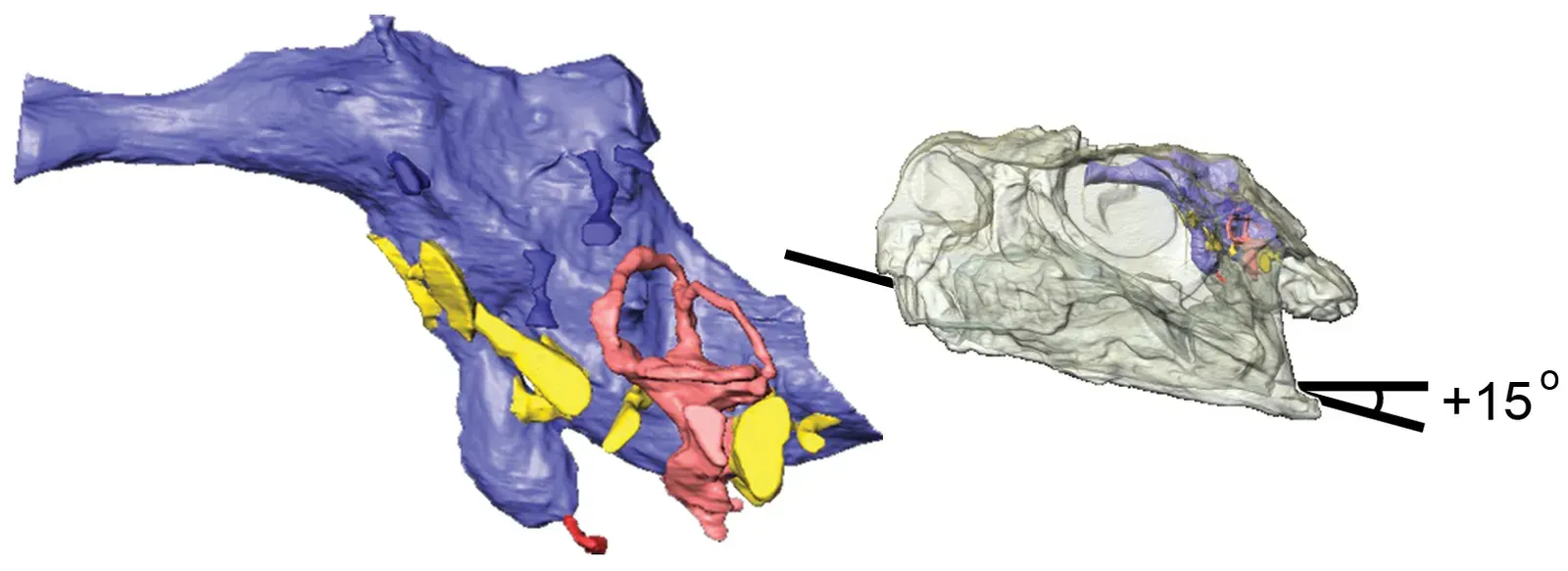
Imagine being able to reconstruct the brain of an animal that died 70 million years ago without ever holding the actual organ in your hands. That’s essentially what modern CT scanning technology allows scientists to do today. Recent research utilizing computed tomography (CT) has enabled scientists to create accurate models of dinosaur brains, allowing for more comprehensive analyses of their cognitive capacities.
Information on dinosaur brains comes from mineral infillings of the brain cavity, termed endocasts, as well as the shapes of the cavities themselves. Think of it like a plaster cast made from the inside of a skull – crude in some ways, but remarkably informative when paired with modern imaging tools.
CAT scans of theropod skulls have enabled paleontologists to trace nerve pathways and build up a picture of what some dinosaur brains might have looked like. The Tyrannosaurus rex fossil material known as Stan has provided researchers with a detailed understanding of T. rex brain function. For example, roughly half of the brain volume was dedicated to analyzing smells, hence the assertion that the sense of smell was extremely important to this carnivore.
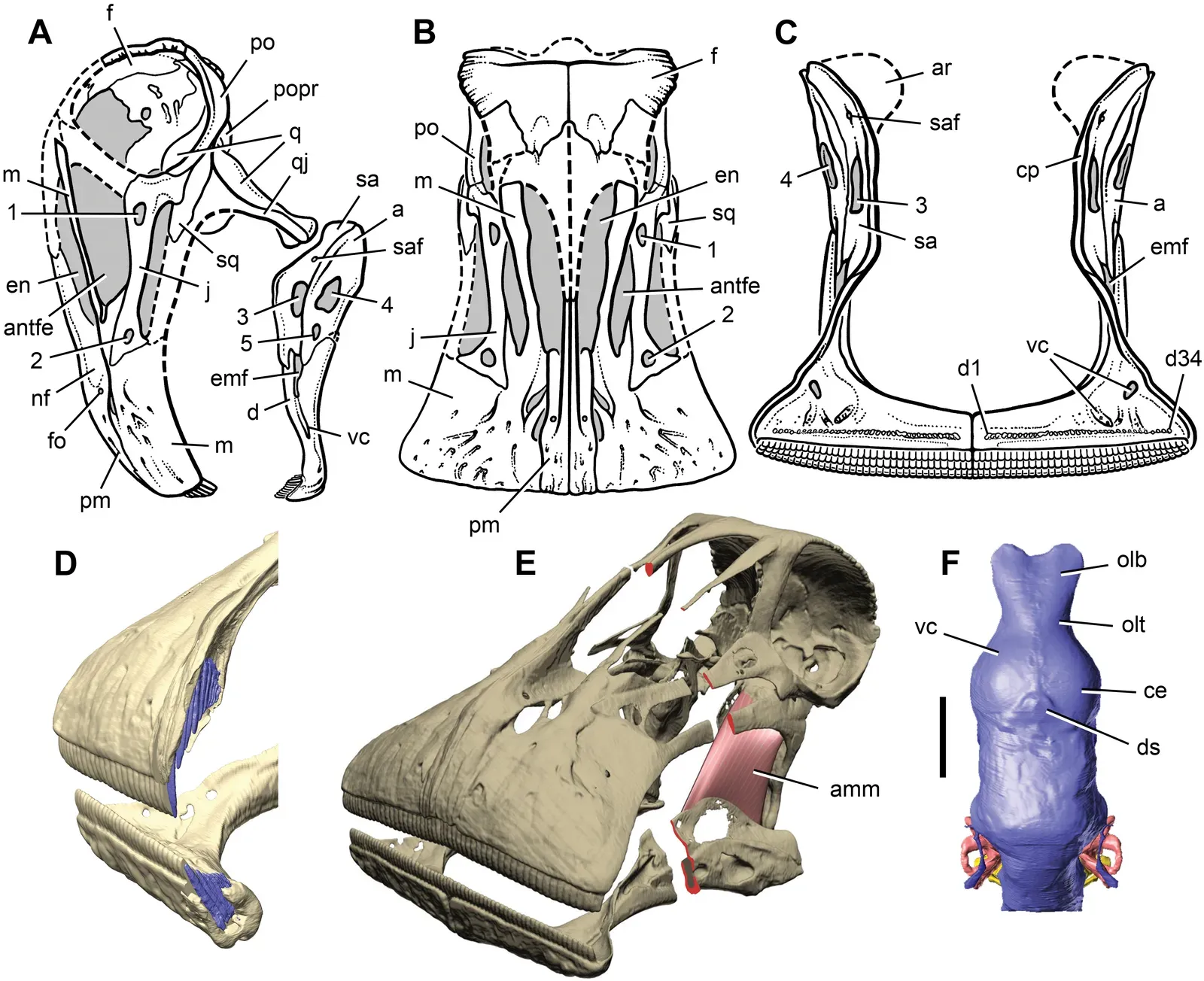
CT scans revealed what the brain of Ceratosuchops would have contained, including the brain cavity, cranial nerves, inner ear, and blood vessels. That level of anatomical detail was simply unthinkable to paleontologists working just a generation ago. The technology has genuinely opened a new era in dinosaur neuroscience.
The Great T. Rex Intelligence Debate That Divided Scientists
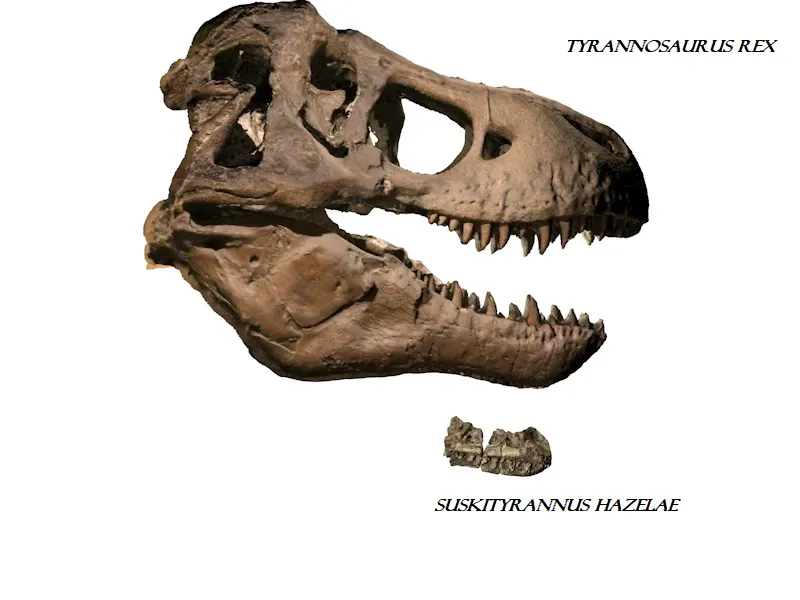
Few scientific controversies in recent memory have generated as much heat as the debate over just how smart T. rex actually was. In a study published a few years ago, it was claimed that dinosaurs like T. rex had an exceptionally high number of neurons and were substantially more intelligent than assumed. It was claimed that these high neuron counts could directly inform intelligence, metabolism, and life history, and that T. rex was rather monkey-like in some of its habits. Cultural transmission of knowledge as well as tool use were cited as examples of cognitive traits it might have possessed.
A T. rex, for example, had an EQ of about 2.4, compared with 3.1 for a German shepherd dog and 7.8 for a human, leading some to assume it was at least somewhat smart. Those numbers put the king of the Cretaceous in an interesting middle ground.
However, a large team of researchers pushed back firmly against the monkey-brain hypothesis. Dinosaurs were as smart as reptiles but not as intelligent as monkeys, as former research suggested. An international team of paleontologists, behavioral scientists, and neurologists re-examined brain size and structure in dinosaurs and concluded they behaved more like crocodiles and lizards.
The authors found that their brain size had been overestimated, especially that of the forebrain, and thus neuron counts as well. In addition, they showed that neuron count estimates are not a reliable guide to intelligence. The lesson here? Counting neurons in a fossil is not the same as measuring the mind of a living creature.
Meet Troodon – The Dinosaur That Could Have Changed Everything
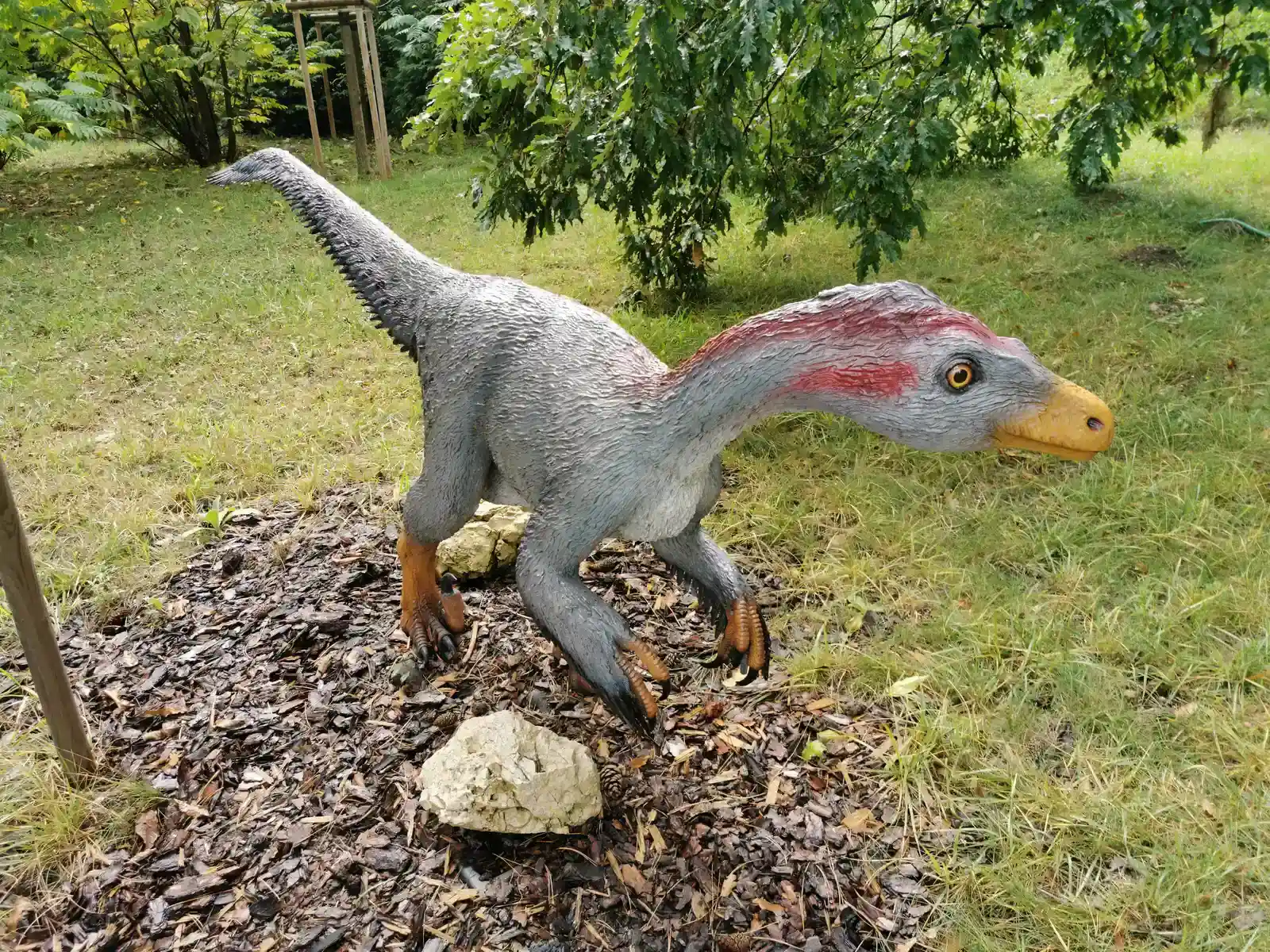
If you want to talk about genuinely impressive dinosaur brains, you need to talk about Troodon. Small, swift, and birdlike, Troodon wasn’t the largest or most fearsome predator of the Late Cretaceous, but it may have been one of the most intelligent dinosaurs ever to walk the Earth. I think that contrast is part of what makes it so fascinating.
Troodon is often cited as the smartest dinosaur due to its exceptionally large brain relative to its body size. Paleontologists believe that Troodon had a brain-to-body ratio comparable to modern birds, suggesting advanced cognitive abilities. Its EQ scores were dramatically higher than virtually any other non-avian dinosaur.
Fossil evidence shows that the dinosaur had exceptionally large eye sockets, implying oversized eyes and excellent low-light vision. The eyes were also set somewhat forward on the skull, providing binocular vision – the ability to judge depth and distance – crucial for a predator that needed to strike accurately at moving prey. That’s the same visual setup you see in owls and other sharp-eyed nocturnal hunters today.
Fossils from Montana’s Two Medicine Formation reveal carefully arranged clutches of Troodon eggs, half-buried in sediment and likely attended by an adult. Studies have shown that Troodon incubated its eggs much like modern birds, suggesting complex reproductive behavior. Such attention to nesting and parental care points to a degree of behavioral intelligence uncommon in reptiles, but characteristic of avian species. That’s not random instinct. That’s something considerably more deliberate.
Social Lives, Herding, and the Hidden Complexity of Dinosaur Groups
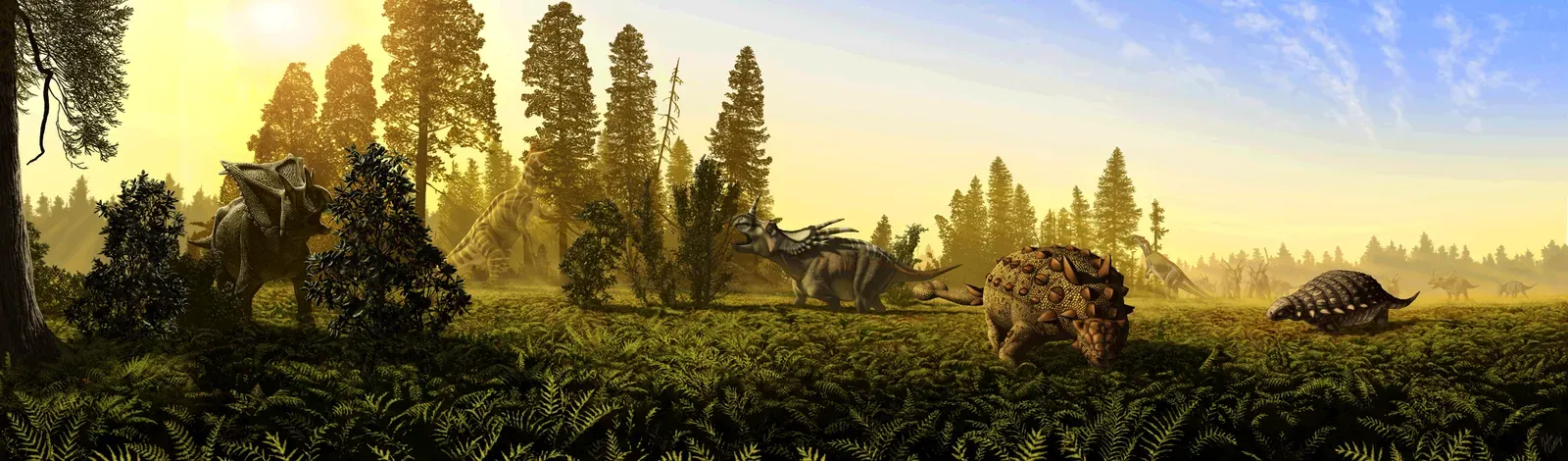
One of the most compelling arguments for dinosaur intelligence isn’t about brain size at all – it’s about behavior. You can’t maintain a herd, coordinate group movement across landscapes, or engage in age-segregated social structures without some meaningful level of cognition. Trackways of hundreds or even thousands of herbivores indicate that duck-billed dinosaurs may have moved in great herds, like the American bison or the African springbok.
Researchers dated ancient sediments among fossils and determined that a dinosaur herd dates back to around 193 million years ago, during the early Jurassic period. The team’s results represent the earliest evidence of social herding among dinosaurs. Social life that ancient is genuinely staggering to contemplate.
The discovery and study of dinosaur nesting sites indicated that theropod, sauropod, and ornithopod dinosaur species nested in groups and engaged in maternal care of hatchling dinosaurs, with some evidence suggesting bi-parental care. Bi-parental care is not a behavior you associate with unintelligent creatures. It requires memory, planning, and sustained attention.
Herbivorous dinosaurs consistently show stronger evidence for herding, with numerous examples of mass death assemblages, colonial nesting, and parallel trackways. This pattern makes ecological sense, as herding provides safety in numbers against predators, much as we see in modern herbivores like wildebeest or buffalo. The parallels to modern ecosystems are striking.
The Senses That Made Dinosaurs Surprisingly Sophisticated Hunters
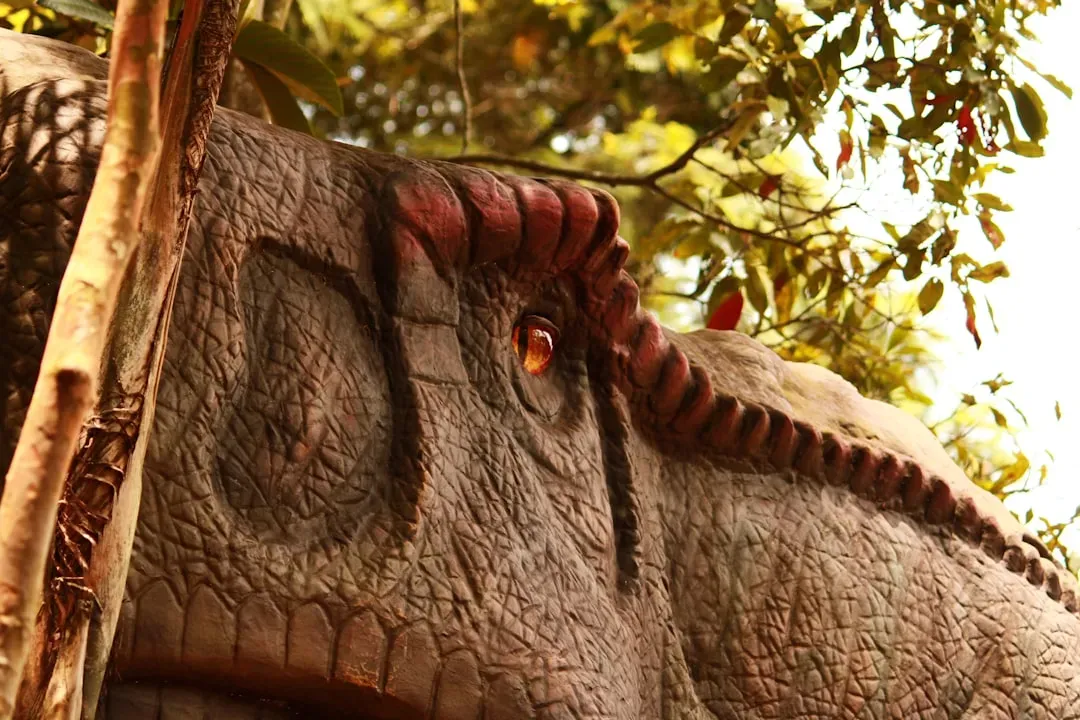
Intelligence isn’t just measured by what’s inside the skull. The quality and range of an animal’s senses feed directly into how it processes its world and makes decisions. Large, forward-facing eyes provided excellent binocular vision in certain species, enhancing depth perception crucial for hunting and navigating complex environments. The intricate structure of some dinosaur teeth indicates a varied diet, implying the ability to adapt hunting and foraging strategies to different prey and conditions. Additionally, the presence of semi-circular canals in the inner ear points to advanced balance and agility.
The spinosaur Irritator appears to have had larger floccular lobes, a region of the brain that helps to keep the eyes steady. This could have allowed it to stabilize its vision to snatch fish out of the water from above, whereas Baryonyx may have used a different way of catching prey, perhaps even in the water itself. Different species, different sensory strategies – that’s a level of ecological specialization that demands cognitive flexibility.
Maiasaura had a brain capable of complex social behavior, which suggests intelligence beyond simple survival instincts. Even herbivores like Maiasaura were navigating social structures that required more than just raw instinct to sustain.
It’s hard to say for sure just how rich the inner lives of these animals were, but the more scientists look, the more they find a world of sensory sophistication that simply doesn’t fit the old stereotype of the lumbering, oblivious dinosaur.
What Modern Science Still Gets Wrong About Measuring Dinosaur Minds
Here’s where things get genuinely philosophically interesting. Even with all these advances, you and every paleontologist on Earth are still facing the same fundamental limitation: you cannot run behavioral tests on an extinct animal. Ultimately, estimating intelligence is problematic even in living species, but is far more difficult in extinct animals. Without the ability to conduct behavioral studies, theories on dinosaur intelligence can never be well corroborated.
To reliably reconstruct the biology of long-extinct species, researchers should look at multiple lines of evidence, including skeletal anatomy, bone histology, the behavior of living relatives, and trace fossils. That’s the current scientific consensus – and it’s a sound approach, even if the answers it produces are never quite as dramatic as a single headline-grabbing neuron count.
Reviewing the suitability of neurological variables such as neuron numbers and relative brain size to predict cognitive complexity and metabolic rate in dinosaurs has led to the conclusion that they are flawed proxies for these biological phenomena. Instead of relying on such neurological estimates when reconstructing Mesozoic dinosaur biology, researchers argue that integrative studies are needed.
The application of remote sensing and drone imaging to help narrow down the best areas to prospect, three-dimensional scanning to record fossils in the field and in the laboratory, and artificial intelligence and machine learning applied to help identify problematic fossils could revolutionize the field in the future. The tools are getting better, fast. You may live to see the most definitive answers yet.
Conclusion: The Dinosaur Intelligence Story Is Still Being Written
If there’s one takeaway from everything science has revealed about dinosaur cognition, it’s this: the animals that ruled Earth for more than 160 million years were far more interesting, far more capable, and far more socially complex than a century of casual assumptions ever gave them credit for. From Troodon’s bird-like brain to Maiasaura’s nurturing colonies, from the sophisticated senses of spinosaurs to the heated scientific battles over T. rex’s neurons, the picture is layered, contested, and endlessly surprising.
You don’t need to imagine dinosaurs as primate-level geniuses to find them deeply impressive. The real story – a world of animals with specialized senses, social bonds, parental instincts, and behavioral adaptability spread across 160 million years of evolution – is already extraordinary enough. As new fossils are unearthed at nearly one new species per week, and as AI tools reshape how researchers analyze ancient bone and rock, the understanding of dinosaur intelligence will keep evolving. The question worth sitting with is this: what else have you been underestimating about the ancient world?