You already know the classic story: a giant space rock slams into Earth, fire rains from the sky, and the dinosaurs vanish. But once you dig into the science, you realize the ending of the Age of Dinosaurs was not a single, clean blow. It was messy, drawn out, and shaped by forces that went far beyond just one asteroid impact.
When you look at the clues locked in rocks, fossils, and even ancient lava fields, you start to see a different picture. The asteroid was likely the final trigger, but the world the dinosaurs lived in was already under serious stress. Think less movie-style instant extinction and more like a planet pushed to the edge, then shoved over the cliff.
The World Was Already Changing Before the Impact
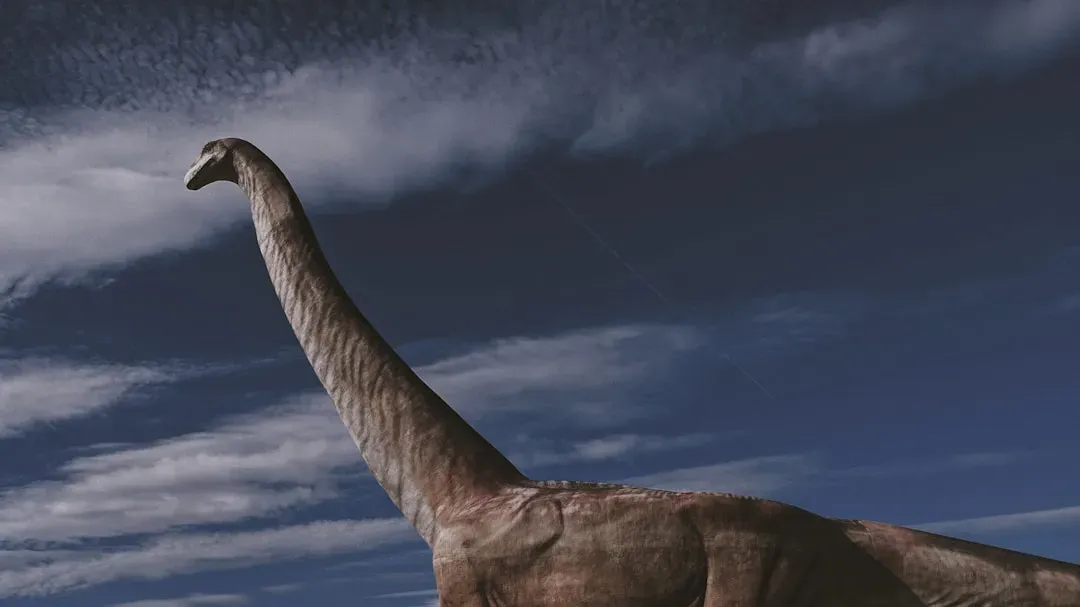
If you could step into Earth about a million years before the asteroid hit, you would not find a perfectly stable dinosaur paradise. You would walk into a world already shifting under their feet. Sea levels were changing, some regions were getting cooler, and ecosystems were rearranging in ways that would have forced many species to adapt or fall behind.
When you follow the fossil record leading up to the end of the Cretaceous, you see hints that some dinosaur groups were declining in diversity, especially the big plant-eaters that shaped entire landscapes. That does not mean dinosaurs were doomed no matter what, but it does suggest they were living in a world that was becoming more challenging. In a sense, the asteroid did not strike a calm, healthy planet; it struck one that might already have been wobbling.
Volcanoes and the Hellscape of the Deccan Traps
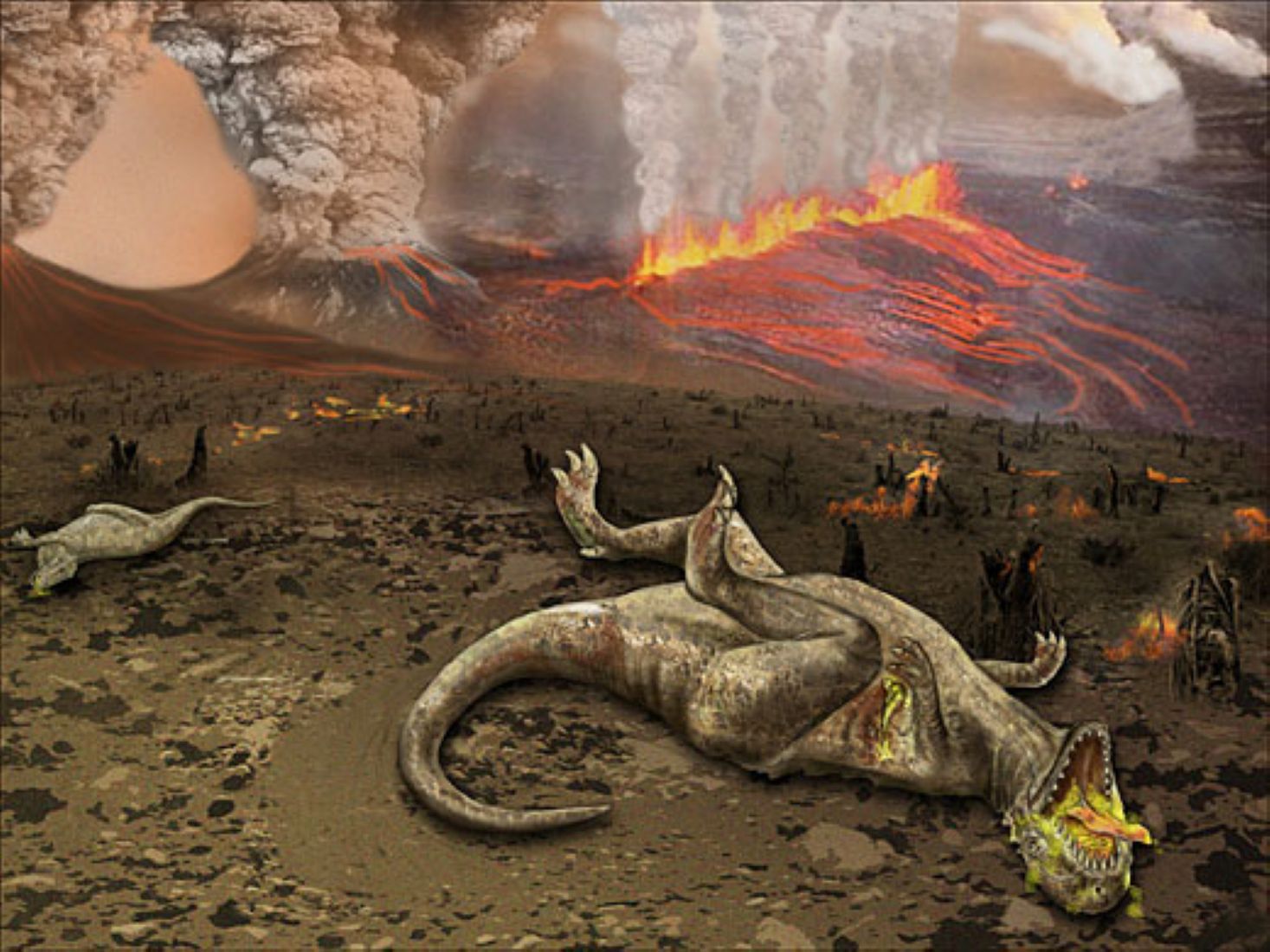
Now imagine entire regions of Earth turning into volcanic infernos for hundreds of thousands of years. That is what you get with the Deccan Traps in what is now India: colossal volcanic eruptions that poured out layer upon layer of lava shortly before and around the time of the asteroid impact. You are not just talking about a single eruption you could watch from a safe distance; you are looking at repeated outbursts on a continental scale.
These eruptions would have pumped huge amounts of gases into the atmosphere, including carbon dioxide and sulfur compounds. For you, that would mean a climate rollercoaster: periods of warming as greenhouse gases built up, followed by possible cooling when volcanic aerosols reflected sunlight. For dinosaurs, it meant living in a world where the rules kept changing. If you rely on stable seasons, predictable food sources, and consistent temperatures, a volcanic climate swing can slowly squeeze you toward the edge of survival.
Climate Whiplash: From Greenhouse World to Chaos
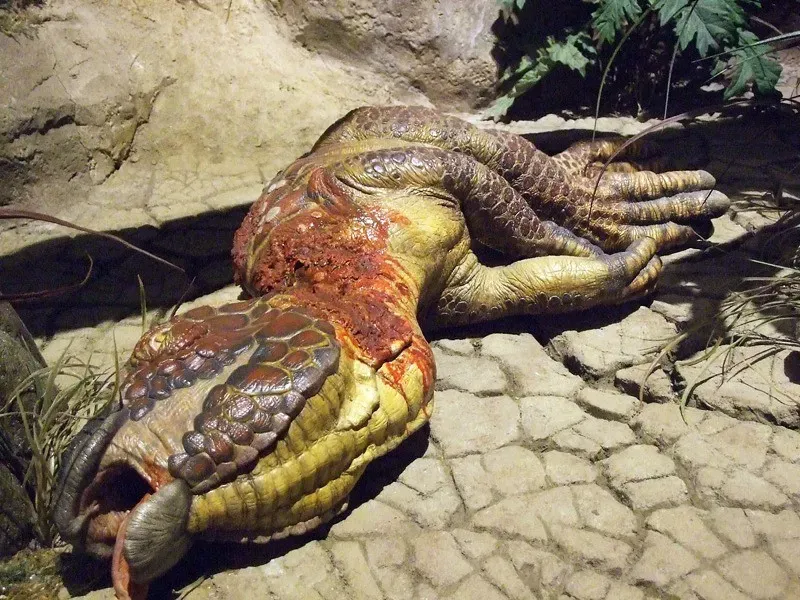
For most of the dinosaurs’ reign, you would have lived on a warm, greenhouse Earth, with lush forests even near the poles. But as the Cretaceous drew to a close, that warmth became less predictable. With volcanism, shifting oceans, and continental movements all in play, the climate system began to flicker and wobble. You would feel this as weird seasons, changing rainfall, and gradual shifts in where plants could grow.
When the asteroid hit, it crashed into a climate system already under strain. The dust, soot, and sulfur it blasted into the atmosphere likely triggered a sharp and sudden cooling, sometimes called an impact winter. If you were a dinosaur, you would first face burning heat and wildfires, then a long, dim, cold spell that choked off plant growth. Taken by itself, that shock might have been survivable for some groups, but when you stack it on top of pre-existing climate stress, it becomes far more deadly.
Food Webs Unraveling from the Bottom Up
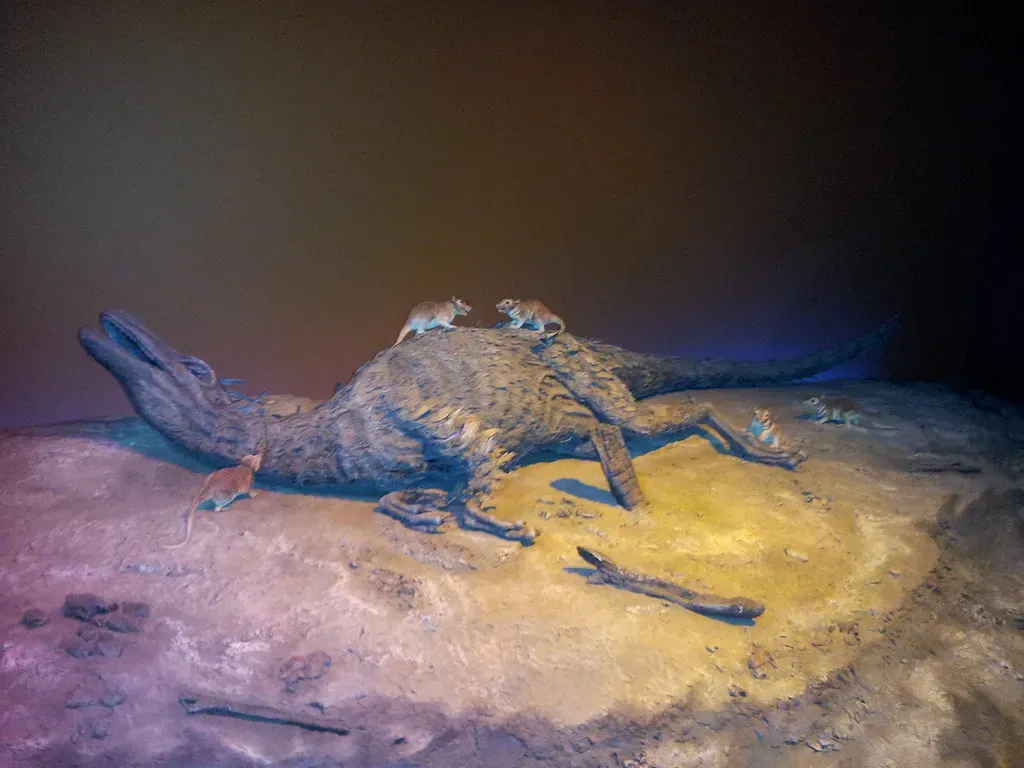
To really understand why dinosaurs disappeared while some other animals survived, you have to follow the food. Imagine your entire life depends on a chain that starts with plants or tiny photosynthetic organisms in the ocean. Once the asteroid impact filled the sky with dust and aerosols, sunlight reaching Earth’s surface likely dropped dramatically for months or even years. If you were a plant or a plankton cell, that was a direct hit to your basic ability to live.
Now picture what that does to you if you are a dinosaur. Herbivores lose their food first as plants die back, and then the carnivores that eat those herbivores run out of prey. Larger animals with high energy needs and slow reproduction are especially vulnerable when the food web collapses. Smaller animals that can eat seeds, roots, insects, or even just go dormant in burrows stood a much better chance. So while the asteroid was the match, the fragile food webs were the dry tinder that let the fire spread through the dinosaur world.
Why Some Creatures Survived When Dinosaurs Did Not
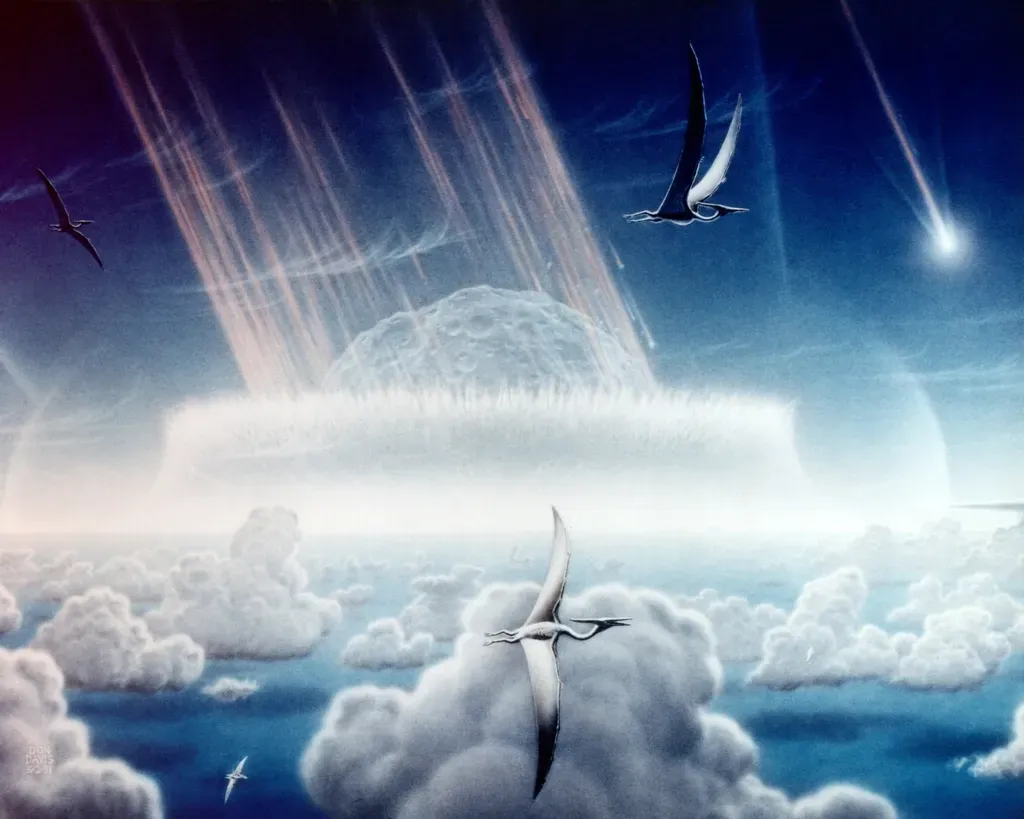
One of the strangest parts of this story, when you really think about it, is that not everything huge or impressive died. Crocodiles made it. Turtles made it. Birds, the only surviving dinosaurs, made it. You might look at that and wonder why these groups pulled through while towering giants like Triceratops and Tyrannosaurus did not. The answer lies in lifestyle, size, and flexibility rather than just toughness.
If you were a small bird-like dinosaur that could eat seeds, insects, or carrion, and maybe hide in sheltered areas, you had a survival toolkit that worked in a wrecked world. If you were a crocodile that could hunker down in water, slow your metabolism, and wait out the worst, you had an advantage too. In contrast, if you were a giant dinosaur that needed enormous amounts of fresh plants or large prey, and you reproduced slowly, the impact winter and ecosystem collapse hit you much harder. The asteroid helped rewrite the rules, but it was each creature’s biology that decided who stayed in the game.
A Perfect Storm: How Multiple Disasters Combined
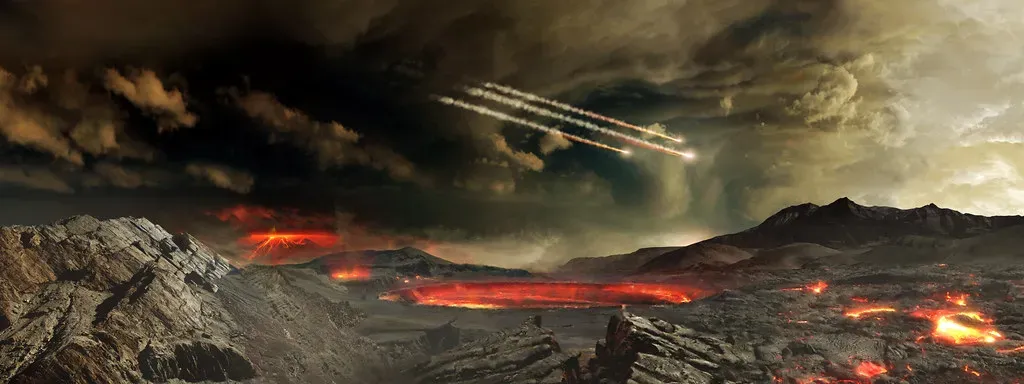
When you put all these pieces together, you do not see a single villain; you see a perfect storm. If the asteroid had struck a totally stable world, maybe more dinosaur groups would have weathered the disaster. If the Deccan Traps had erupted in a different era, maybe ecosystems could have slowly adapted to the changes. Instead, you get overlapping stresses: long-term volcanism, climate instability, vulnerable food webs, and finally, an enormous impact at the worst possible time.
From your perspective, that is the key lesson: big extinctions rarely have just one cause. You are looking at a chain of events where each new blow landed on a system already weakened by the last. The dinosaurs did not simply lose a sudden coin toss with a space rock; they faced a stacked deck of geological and climatic bad luck. In a way, their extinction is less a single tragic event and more a cautionary tale about what happens when too many planetary systems are pushed too far, all at once.
When you step back and look at the end of the dinosaurs with this wider lens, the story becomes less about a freak accident and more about vulnerability. The asteroid was real, the devastation was immense, but the groundwork for disaster had been laid over hundreds of thousands of years by volcanoes, climate swings, and fragile ecosystems. You live on the same planet, driven by the same kinds of forces, just at a different point in its long, unpredictable journey.
So as you picture that final age of dinosaurs, try not to imagine a single bad day but a long, drawn-out crisis that ended in catastrophe. A world of giants was undone by a combination of slow-burn changes and one violent shock from space. In a universe where chance and change never stop, you have to ask yourself: if an asteroid is never just an asteroid, what hidden stresses might be shaping your own world right now?