You grow up picturing dinosaurs as giant scaly reptiles stomping through steamy jungles, roaring at anything that moves. Then you start digging into modern discoveries and realize that picture is being ripped up and redrawn almost every year. Feathers where you expected scales, social herds where you imagined lone killers, and even warm‑blooded metabolisms in animals you were taught were basically oversized lizards.
Over the last few decades, and especially in the last few years, a wave of new fossils, high‑tech scans, and clever analyses has quietly rewritten huge chunks of prehistoric history. If you still think of dinosaurs as static museum skeletons, you’re missing the wildest part of the story: you are living in a golden age of dinosaur discovery, and the creatures you thought you knew are turning out to be stranger, fluffier, and more dynamic than you ever guessed.
Feathered Plant‑Eaters: The Discovery That Shook the Dinosaur Family Tree
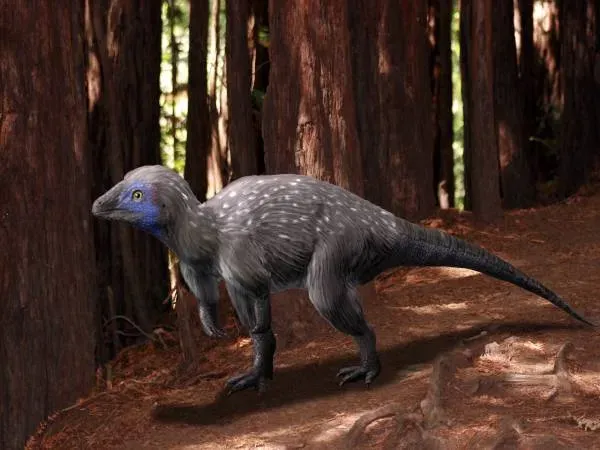
Imagine carefully brushing dirt away from a small plant‑eating dinosaur and realizing you’re not just uncovering bones, but hints of delicate fuzz and filament‑like structures along the body. That is essentially what happened with Kulindadromeus, a Jurassic dinosaur from Siberia that stunned scientists by preserving both scales and feather‑like coverings. For you, this matters because it cuts right across the old rule of thumb that only bird‑like predators had feathers.
When you hear that a humble, two‑legged herbivore shows complex skin with simple filaments and more elaborate feather‑like tufts, you are being told something radical: feathers were probably not a quirky add‑on for a few special lineages. Instead, you are looking at strong evidence that feather‑like structures were widespread, reaching deep into the dinosaur family tree. That means the common ancestor of many dinosaur groups may have already been fuzzy, and the scaly hide you picture on giants like sauropods or horned dinosaurs could be the exception, not the rule.
Scales, Feathers, or Both? Why Your Mental Image of Dinosaurs Is Outdated
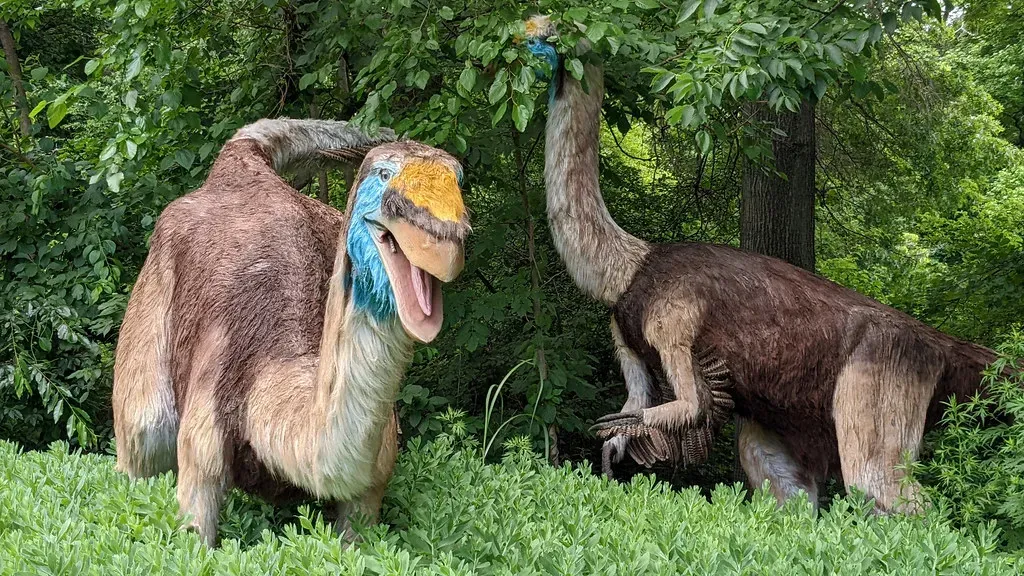
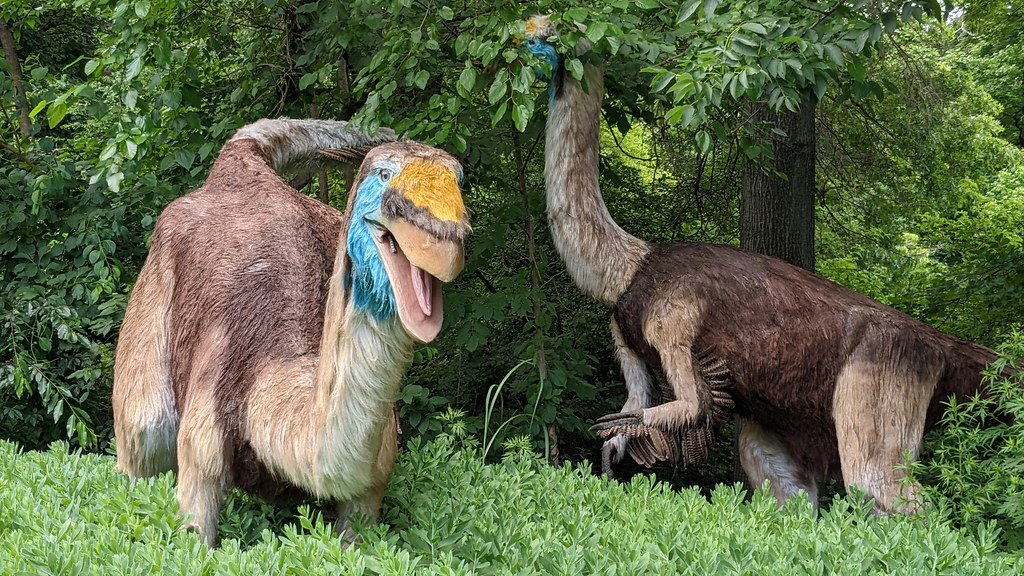
Once you accept that one plant‑eater has feathers, you might be tempted to swing to the opposite extreme and picture absolutely every dinosaur covered head to toe in fluff. But when you look at the broader fossil record, you see something messier and far more interesting: many dinosaurs still show classic scales, some show clear feathers, and a handful preserve both in different parts of the body. You are dealing with a spectrum of skin types, not a simple either‑or choice.
Researchers who carefully catalogued skin impressions from well‑preserved specimens found that the majority of known dinosaurs still seem to have been predominantly scaly, at least in the parts of the body that fossilized well. For you, the takeaway is balance: feathers and fuzz were likely common, especially in smaller and more bird‑like groups, but big, heavily built dinosaurs may have relied more on scales or thicker skin. Instead of flipping from “all scales” to “all feathers,” you have to picture a patchwork world of textures, with evolution constantly tweaking insulation, display, and protection in different lineages and climates.
Warm‑Blooded Giants: How Climate Clues Reveal Dinosaur Metabolism
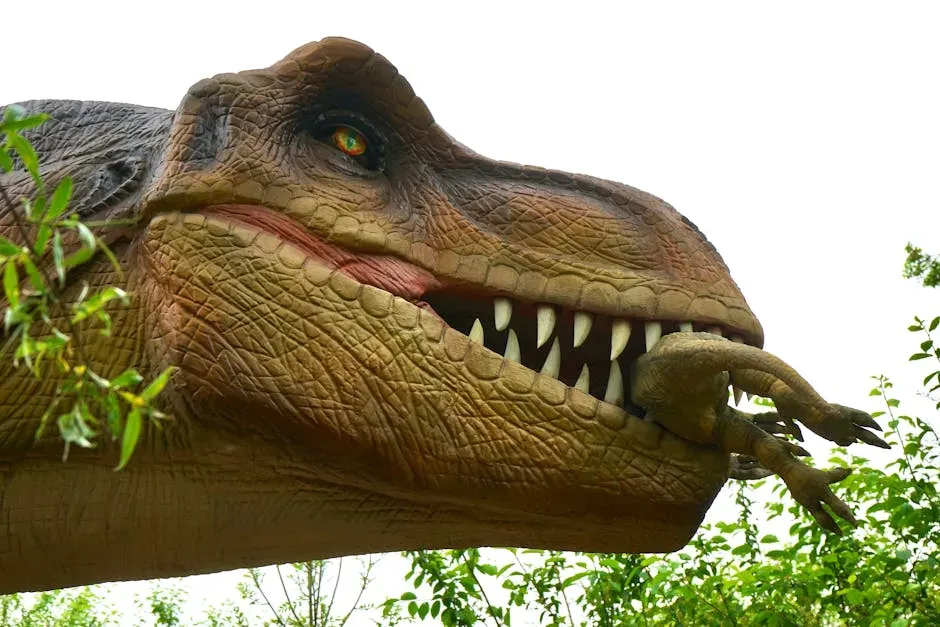
You have probably heard the old classroom line that dinosaurs were cold‑blooded like modern reptiles, sluggish unless the sun warmed them up. Then you bump into newer work that uses fossil distributions, climate models, and evolutionary trees to ask a bold question: when did some dinosaurs begin generating and regulating body heat more like birds and mammals? It turns out that when you follow where different groups lived as climates shifted during the Jurassic, a pattern emerges that changes how you think about them.
Some researchers have argued that certain groups, especially predatory theropods and bird‑like dinosaurs, started thriving in cooler regions earlier than you would expect for purely cold‑blooded animals. When you combine that with evidence from feathers and specialized body structures that help manage heat, you get a picture where at least some dinosaurs were edging toward warm‑blooded or near warm‑blooded lifestyles. For you, this means you should not imagine a world of lumbering, sun‑soaked monsters, but one where many dinosaurs were active, fast‑moving, and physiologically sophisticated enough to chase prey or migrate across varied climates.
Trackways and “Dinosaur Coliseums”: Fossil Footprints Expose Social Lives
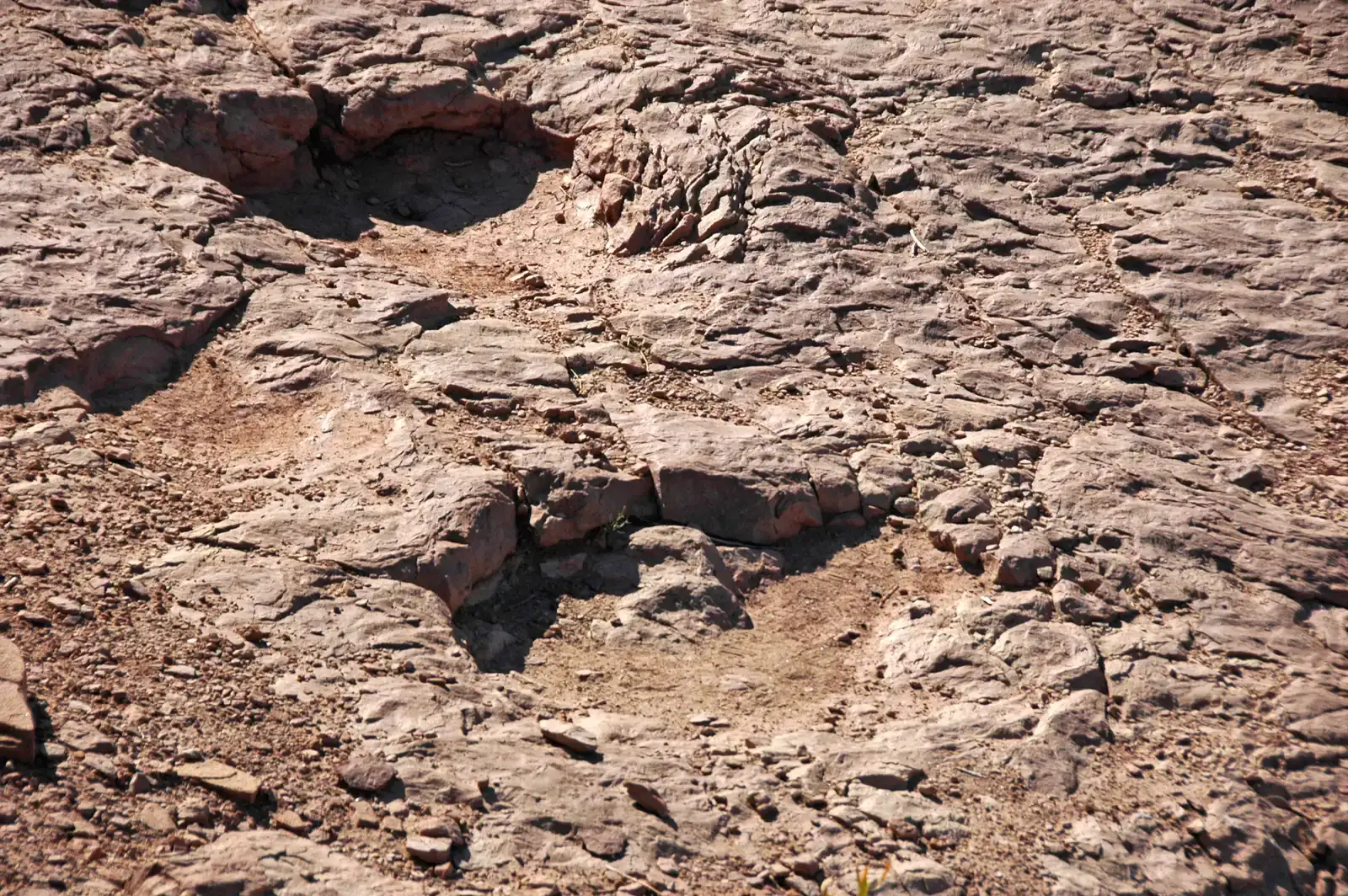
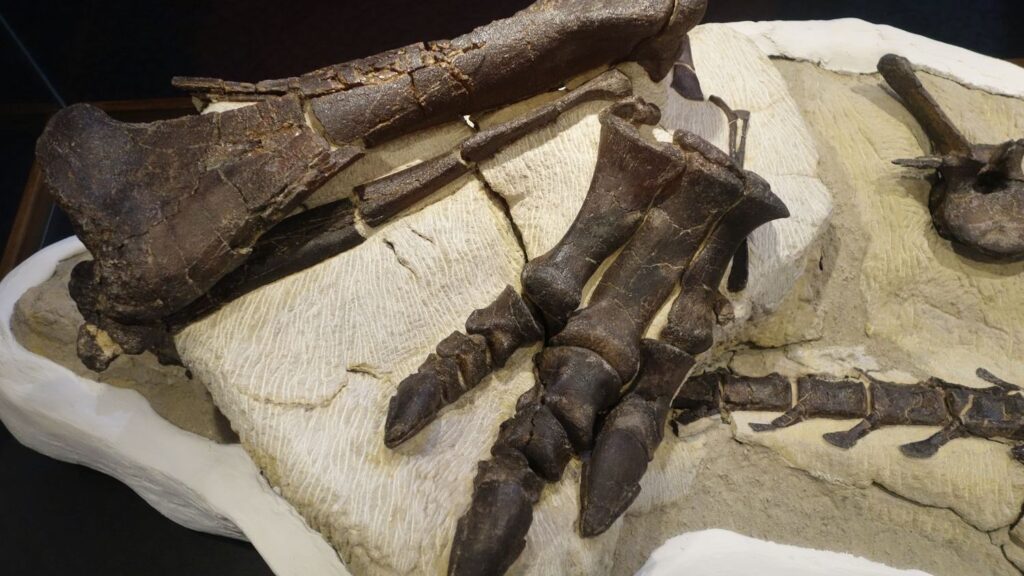
If bones tell you what a dinosaur looked like, footprints tell you what it was doing when it was alive, and this is where your understanding of dinosaur behavior really starts to shift. In some remote sites, you now have sprawling surfaces packed with overlapping trackways from multiple individuals, sometimes described as natural coliseums or arenas of activity. When you stand back and trace those prints, you are not seeing random lonely wanderers; you are seeing patterns that look a lot like groups moving together.
In places where multiple sauropod tracks run side by side in the same direction, with similar spacing and stride length, it becomes hard for you to avoid the conclusion that these animals traveled in herds or family groups. Other track sites bundle predator and prey footprints with plant impressions and invertebrate traces, giving you an entire ecosystem frozen in place. Instead of picturing a single skeleton in a museum hall, you can imagine yourself watching a busy floodplain: juveniles pacing alongside larger adults, multiple species crossing the same ground, and real social behavior playing out millions of years ago.
New Species in the Spotlight: From Desert “Hell Herons” to Tiny Runners
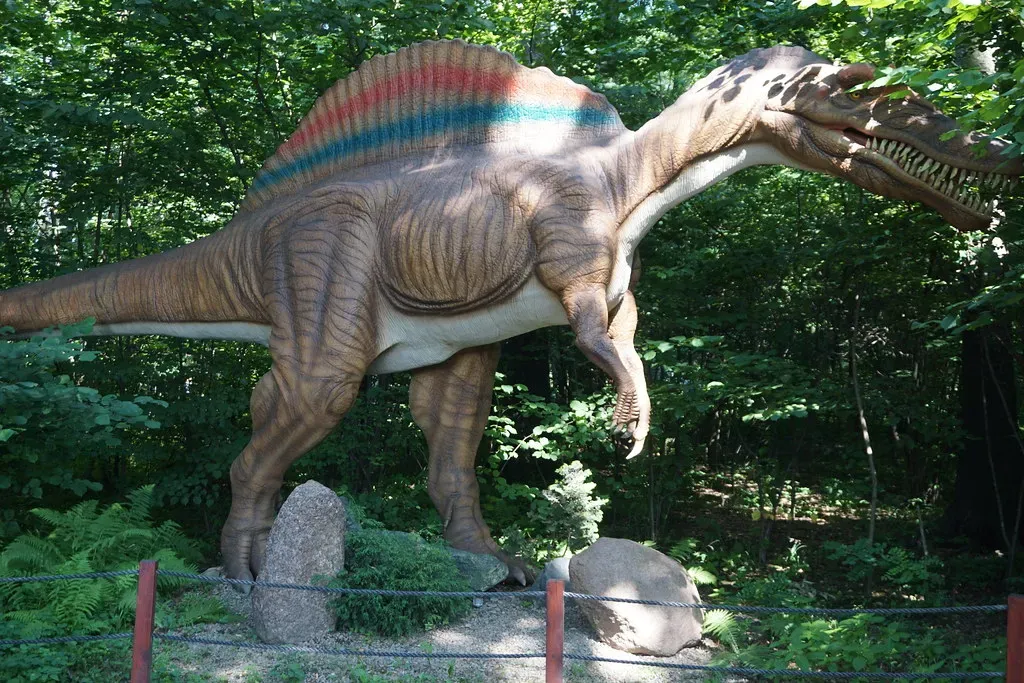
One of the most exciting parts for you, as someone following this story from the present, is that brand‑new dinosaur species are still being named and described every year. Some of them are small, fast runners that fill in gaps in family trees; others are spectacular predators discovered in places like the Sahara, where ancient riverbeds once flowed. When scientists announce a new spinosaurid predator with a blade‑like crest and evidence of a semi‑aquatic lifestyle, you are watching our mental picture of that entire group shift.
New finds like these hint that some big predators behaved more like giant fishing birds or crocodile‑analogues than the land‑stalking hunters you grew up imagining. Meanwhile, other recent discoveries from Asia, Africa, and South America continue to add medium‑sized plant‑eaters, early bird relatives, and oddball forms with unusual teeth or limb proportions. For you, the key point is this: the dinosaur roster is far from final. Every fresh skeleton that comes out of the ground has the potential to redraw migration routes, food webs, and even how you think iconic species lived alongside each other.
Birds as Living Dinosaurs: New Fossils Tighten the Evolutionary Link
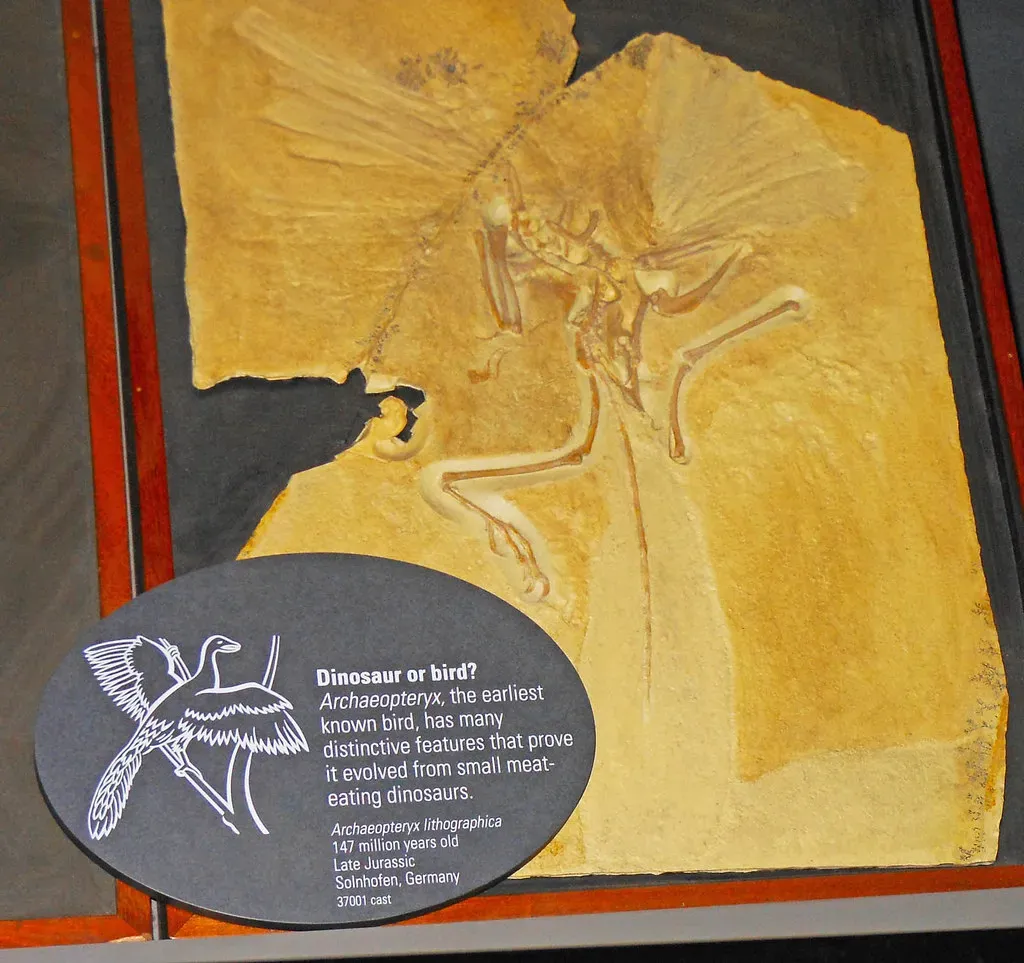
It’s one thing to hear that birds are technically dinosaurs; it is another to see fossil after fossil that narrows the gap between small theropods and early birds until you almost cannot tell where one ends and the other begins. You now have exquisitely preserved specimens of bird‑like dinosaurs and early birds with advanced flight feathers, complex wings, and subtle skeletal features that you also notice in modern birds. Each new specimen fine‑tunes when powered flight evolved, how feathers changed over time, and which lineages experimented with gliding, flapping, or something in between.
Recent analyses of new Archaeopteryx material, for example, highlight just how bird‑like some Late Jurassic dinosaurs already were, not only in feather arrangement but in the structure of the wings. When you add in other feathered theropods from China, Europe, and beyond, you see a branching bush of experiments in flight and feather use, not a simple ladder leading straight to sparrows and eagles. For you, the everyday implication is huge: when you look at a pigeon in a city street or a hawk circling overhead, you are not looking at distant relatives of dinosaurs; you are looking at dinosaurs that survived and reinvented themselves as modern birds.
Cutting‑Edge Tools: How Technology Lets You Read Ancient Bones Anew
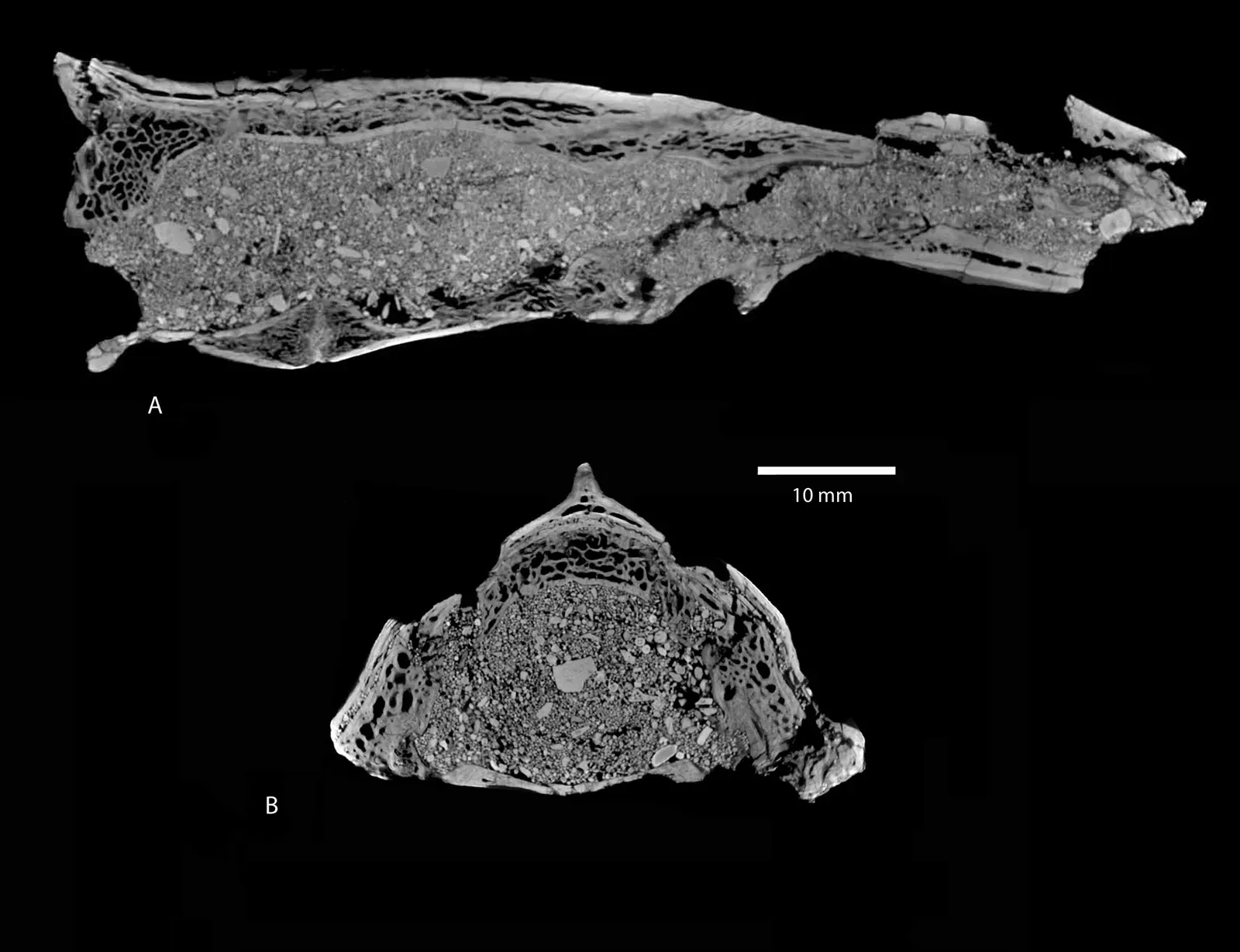
You might think that once a fossil is dug up and cleaned, the story it can tell is basically fixed. In reality, the tools you can apply today – CT scans, chemical analyses, ultra‑detailed 3D models, and computer simulations – turn those old bones into living data sources. High‑resolution scanning can reveal blood vessel channels, growth rings, and internal structures hidden inside skulls and limb bones, helping you interpret everything from head crests to bite forces and brain size.
Geochemical tests let you probe traces of pigments in fossilized feathers or skin impressions, hinting at original color patterns that dinosaurs might have used for camouflage, display, or species recognition. Climate models tied to fossil locations help you place dinosaurs in their real environmental context, rather than in generic jungles. For you, that means even fossils found decades ago can suddenly spring back into scientific relevance, fueling new debates about behavior, physiology, and appearance without a single new bone being dug up.
Why This Flood of Discoveries Changes How You See the Past (and the Present)
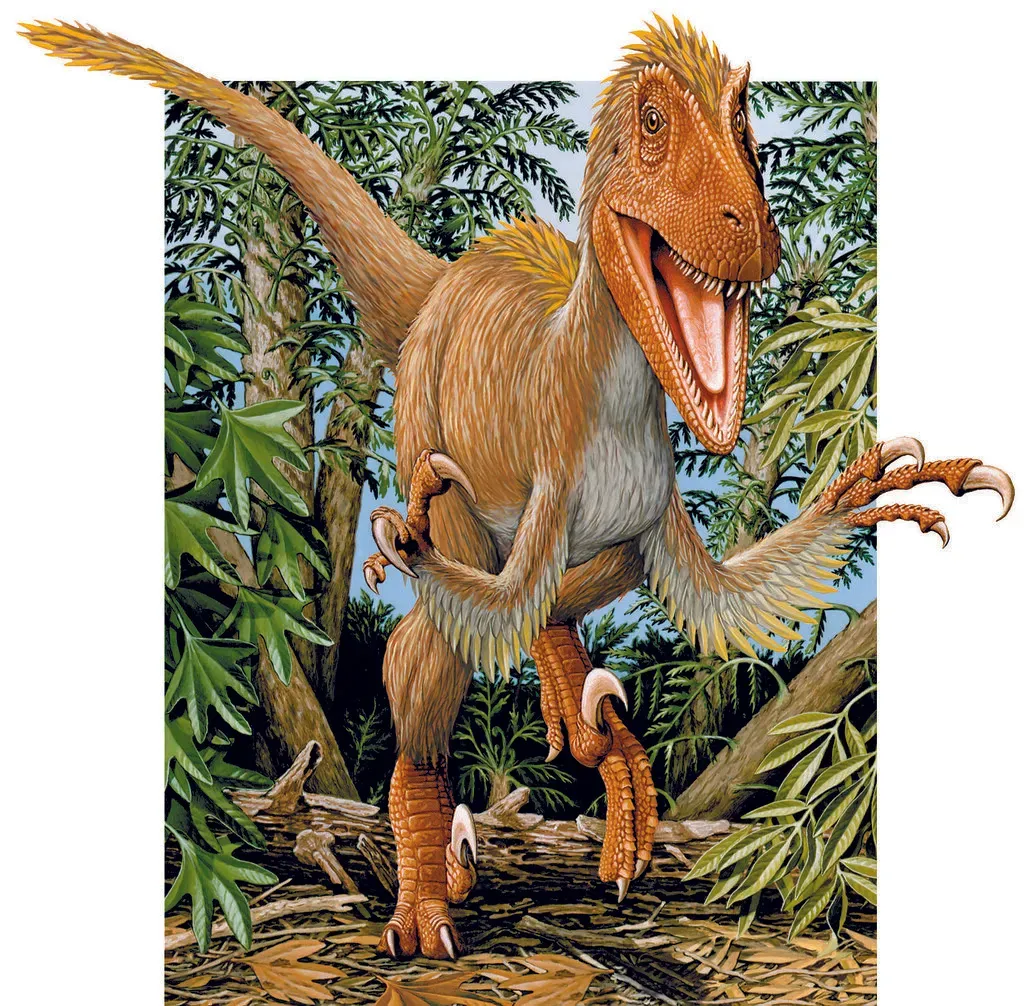
As you zoom out from individual finds, you start to notice a deeper pattern: each new dinosaur, trackway, or feather impression chips away at the simple stories you were told as a kid. Dinosaurs stop being static icons and turn into a diverse, evolving cast of animals adapting to shifting climates, continents, and ecosystems. You see them experimenting with warm‑bloodedness, social living, complex plumage, and even semi‑aquatic lifestyles, just as mammals and birds do today.
That realization does something powerful for you in the present. It reminds you that scientific knowledge is not a fixed textbook, but a living, self‑correcting process that gets richer as new tools and data come online. The next time you walk past a museum mount or glance at a news headline about a new fossil from some windswept desert, you can recognize it as part of an ongoing detective story. You are not just learning about creatures that vanished; you are watching in real time as your species rewrites its best guess at how life on Earth used to work.
In the end, all these discoveries push you to trade in the old image of dinosaurs as oversized reptiles for a far stranger and more fascinating reality: warm‑blooded hunters bristling with feathers, cautious herd animals crossing ancient floodplains, and early birds testing the limits of flight. The prehistoric world becomes less like a static mural and more like a vivid, shifting movie in your mind. When you picture that world now – with all its color, noise, and complexity – does it look anything like what you once imagined?