There is something deeply humbling about the idea that the answers to some of our most urgent 21st-century problems might be buried in rocks that are hundreds of millions of years old. You’ve probably heard scientists talk about ice cores, carbon models, and feedback loops until your eyes glaze over – but here’s the thing. Long before any of that existed, Earth was already running its own high-stakes climate experiment. The Mesozoic Era was the laboratory, and it ran for nearly 186 million years.
Dinosaurs were just the headliners. The real story was playing out in the atmosphere, the oceans, and the shifting crust beneath. What happened back then and why it matters now is a question worth sitting with. The parallels are more unsettling than most people realize. Let’s dive in.
The Mesozoic World: A Planet Almost Unrecognizable
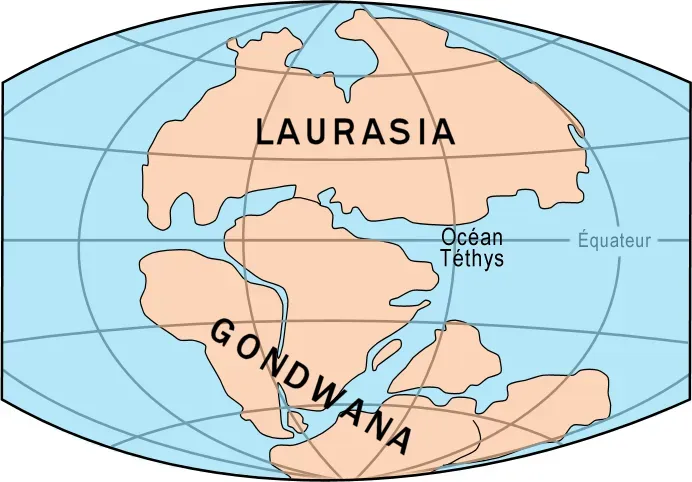
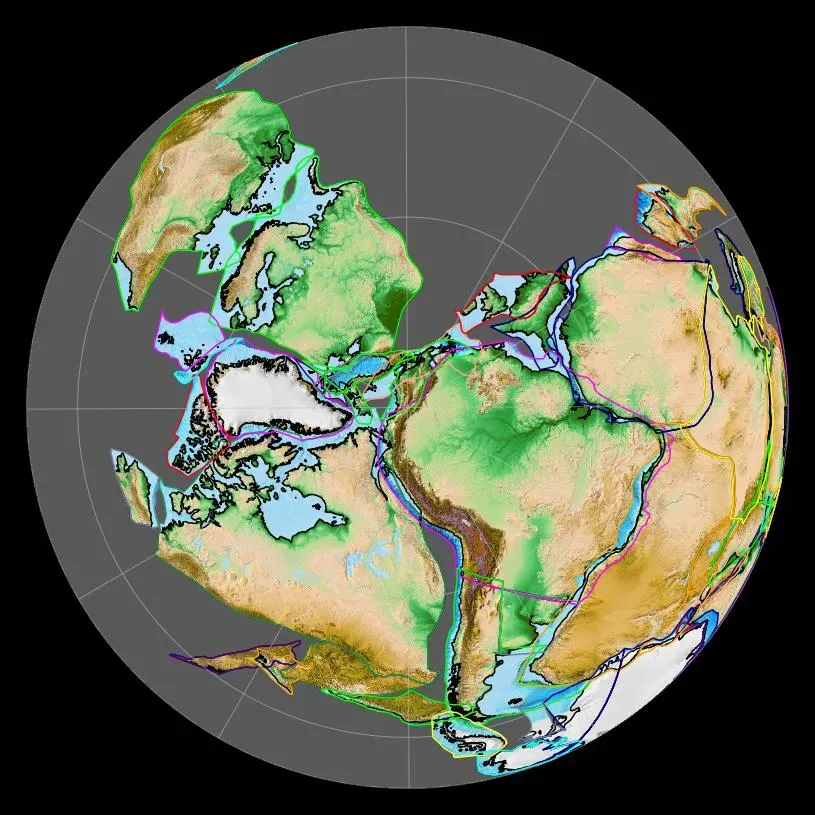
The Mesozoic, which stretched from about 252 million to 66 million years ago, was a pivotal period in Earth’s history. In addition to being the age of the dinosaurs, it was when the supercontinent Pangaea began to separate into the fragmented continents we’re familiar with today. Think of it like a puzzle board slowly pulled apart at the seams, reshaping coastlines, ocean currents, and weather systems all at once.
The climate of the Mesozoic was varied, alternating between warming and cooling periods. Overall, however, the Earth was hotter than it is today. Honestly, when you picture the world of the dinosaurs, you’d do well to imagine something closer to a global rainforest than anything you’d recognize from a weekend hike. There were no ice caps at the poles. The Arctic was forested. It was a fundamentally different Earth.
CO2 Levels Then and Now: A Startling Mirror
Records indicate that atmospheric CO2 rose from approximately 420 parts per million in the Triassic period, about 200 million years ago, to a peak of approximately 1,130 parts per million in the Middle Cretaceous, about 100 million years ago. Atmospheric CO2 levels then declined to approximately 680 parts per million by 60 million years ago. To put that in perspective, today’s CO2 levels sit just above 420 parts per million – eerily close to where the Mesozoic story actually began.
More accurate estimates of ancient CO2 levels indicate that large fluctuations in atmospheric CO2 did not characterize ancient climates, and that past greenhouse climates were accompanied by concentrations similar to those projected for later this century. That is not a comforting thought. It means the world we are potentially building toward is not some unprecedented fictional scenario – it’s something Earth has actually lived through before, with all the consequences that came with it.
Tectonics as the Original Climate Engine
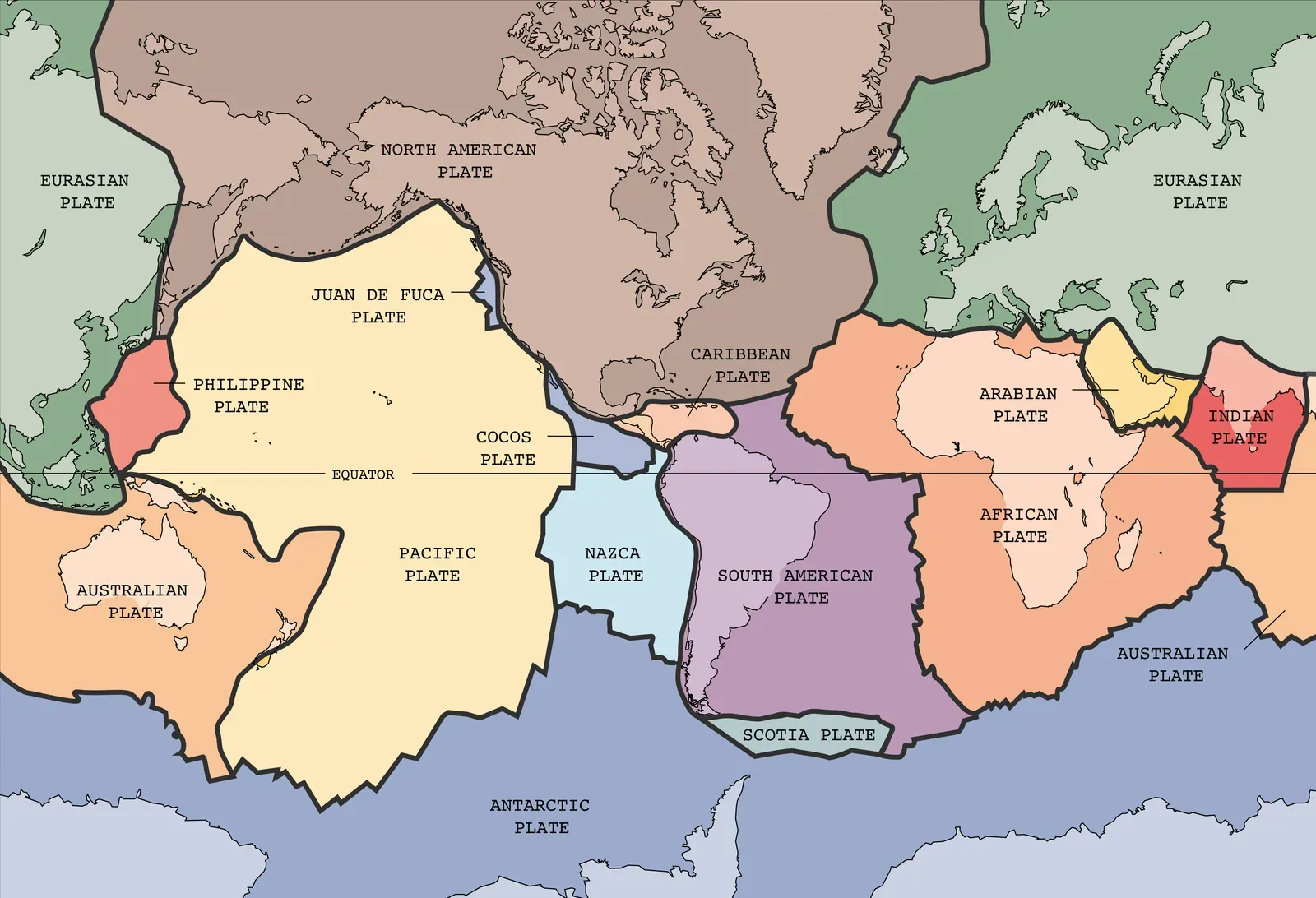
The Cretaceous hothouse climate was caused by very fast-moving tectonic plates, which dramatically increased CO2 emissions from mid-ocean ridges. In the transition to the Cenozoic icehouse climate, tectonic plate movement slowed down and volcanic CO2 emissions began to fall. It’s almost poetic, isn’t it? The planet’s own bones were the original greenhouse gas pumps. You could say the Earth was burning its own fossil fuels – just very, very slowly.
Mid-ocean ridges and continental rifts, locations where the tectonic plates spread apart, played a much more significant role in driving Earth’s carbon cycles throughout geological time. This is because the world’s oceans sequester vast quantities of carbon dioxide from the atmosphere, storing most of it within carbon-rich rocks on the seafloor. Over thousands of years, this process can produce hundreds of metres of carbon-rich sediment at the bottom of the ocean. The contrast with today is stark. Natural geological processes operate over millions of years. Human emissions are compressing all of that into a matter of decades.
When the Oceans Turned Hostile: Ancient Acidification
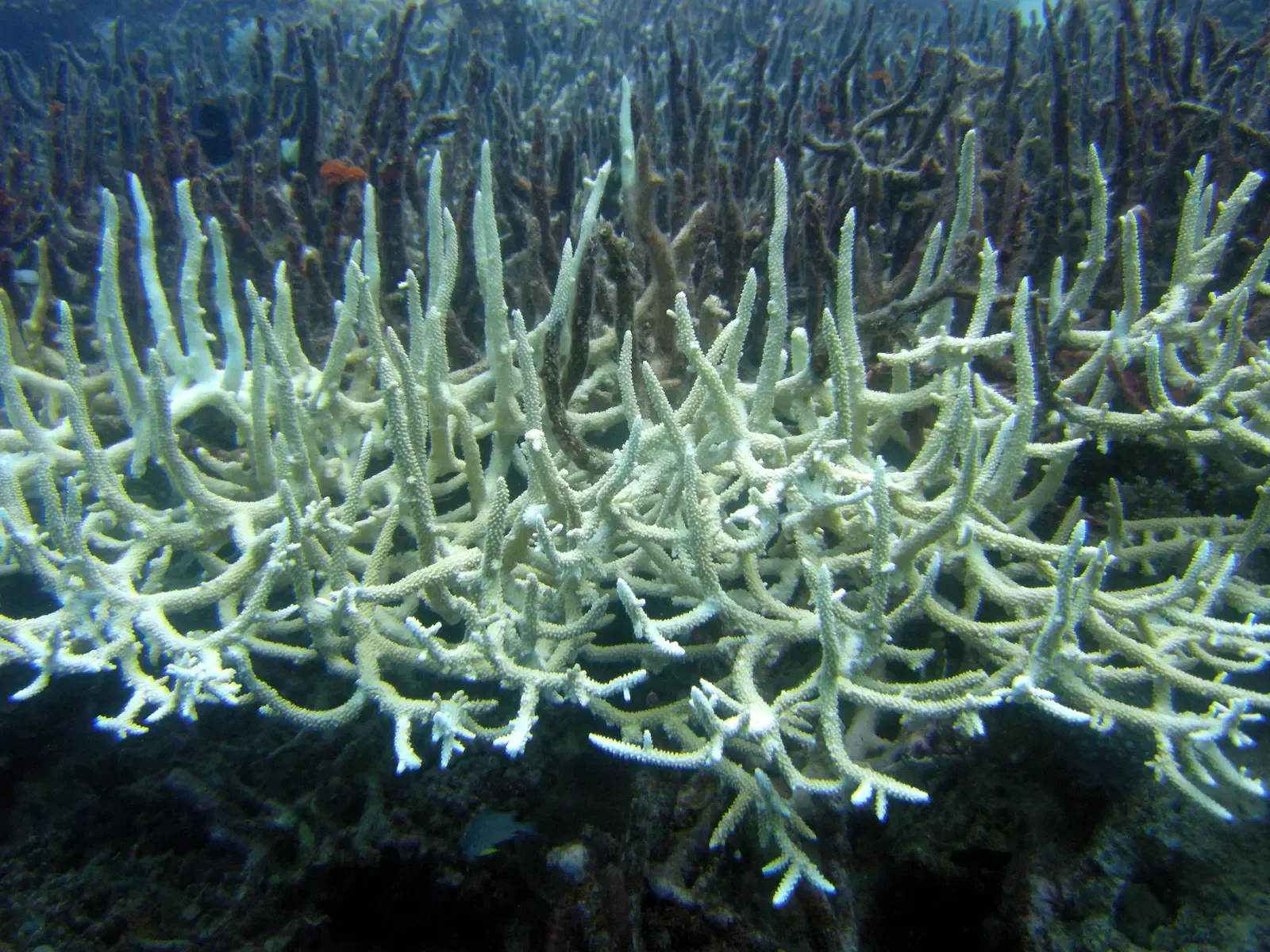
One of the most dramatic changes in Triassic marine fauna was the disappearance of reef limestones made by recently evolved modern corals on a vast scale in the earlier Triassic – a so-called reef gap in the geological record. That suggests a possible analogue to the waning of today’s coral reefs that is thought to be a result of increased dissolution of CO2 in seawater and acidification, related to global greenhouse warming. Here’s the thing – we don’t need to speculate about what ocean acidification does to reef systems. The Mesozoic already showed us. The reefs disappeared. It took millions of years for them to recover.
The geological record suggests that the current acidification is potentially unparalleled in at least the last 300 million years of Earth history, and raises the possibility that we are entering an unknown territory of marine ecosystem change. That phrase – “unknown territory” – should give everyone pause. A more acidic ocean won’t destroy all marine life in the sea, but the rise in seawater acidity of 30 percent that we have already seen is already affecting some ocean organisms. The Mesozoic offers a benchmark. What it doesn’t offer is comfort.
The Speed Problem: Why Ancient Warming Isn’t a Perfect Comfort
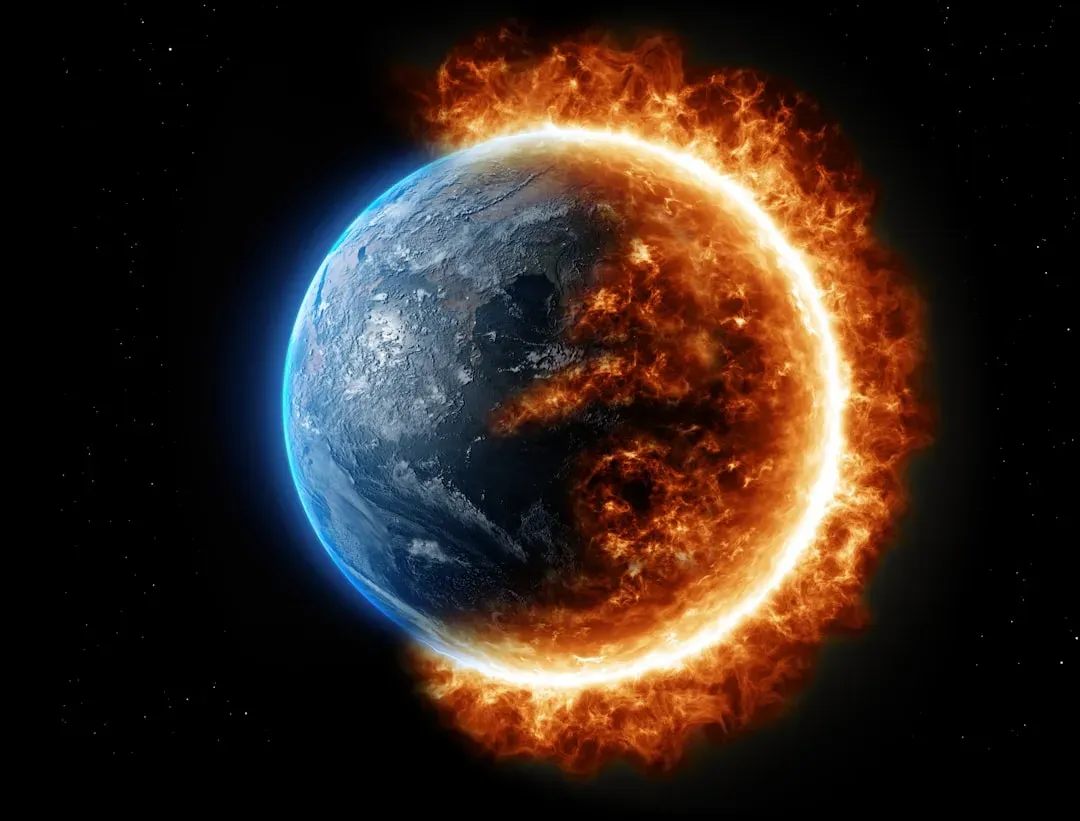
Although carbon dioxide levels have been much higher in the past, they generally increased slowly, giving plants and animals time to adapt. When the rate of climate change was staggeringly fast, like today, there were big problems. This is, I think, the most important distinction people miss when they argue that life survived high CO2 before. Survival over millions of years is a completely different proposition from survival over a century. Evolution doesn’t move at the speed of an Instagram scroll.
Modern climate change is happening much faster than changes in Earth’s history. Climate scientists warn that over the next century, the rate of change will be 10 times faster than any climate pattern that unfolded in the last 65 million years. That is the core lesson from the Mesozoic archive. Nature can handle dramatic change – if you give it enough time. Right now, we are not giving it nearly enough.
Mass Extinction, Biodiversity Collapse, and What Rebounds Look Like
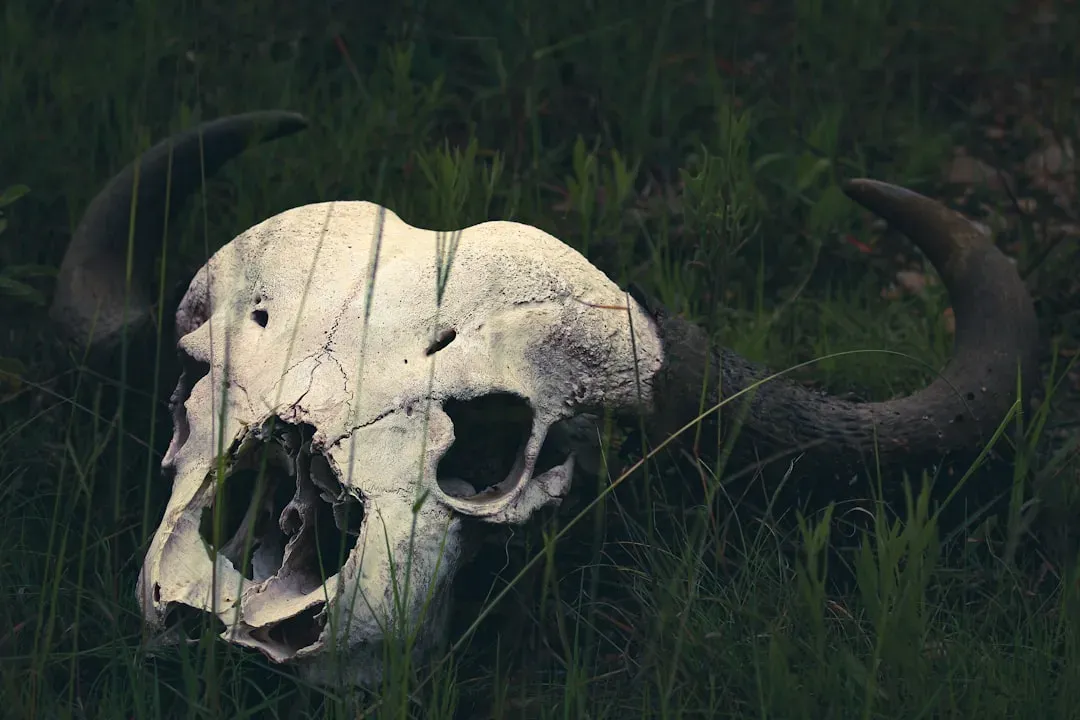
In contrast to background extinction, mass extinctions are significant events where a large number of species across various lineages go extinct simultaneously, often due to catastrophic environmental changes. These events can eliminate the vast majority of all species, drastically altering the course of evolution and biodiversity. Following a mass extinction, it can take millions of years for ecosystems to recover and reach similar levels of diversity. Millions of years. Not decades. Not centuries. That’s the timescale of ecological grief that a warming, acidifying planet produces.
Many scientists believe the current biodiversity crisis may cascade into a sixth mass extinction, this one driven by human activities that are changing ecosystems and the global climate. Corals, whose reefs are home to nearly a quarter of known marine species, have faced mass bleaching events as warming ocean water puts their future at risk. Acidification as the oceans absorb more carbon dioxide can also weaken the shells of organisms crucial to the ocean food web. The Mesozoic story doesn’t end with the dinosaurs. It ends with a reminder that ecosystems don’t simply bounce back. They transform into something entirely different – and not necessarily something hospitable to us.
What the Mesozoic Teaches Climate Science Today
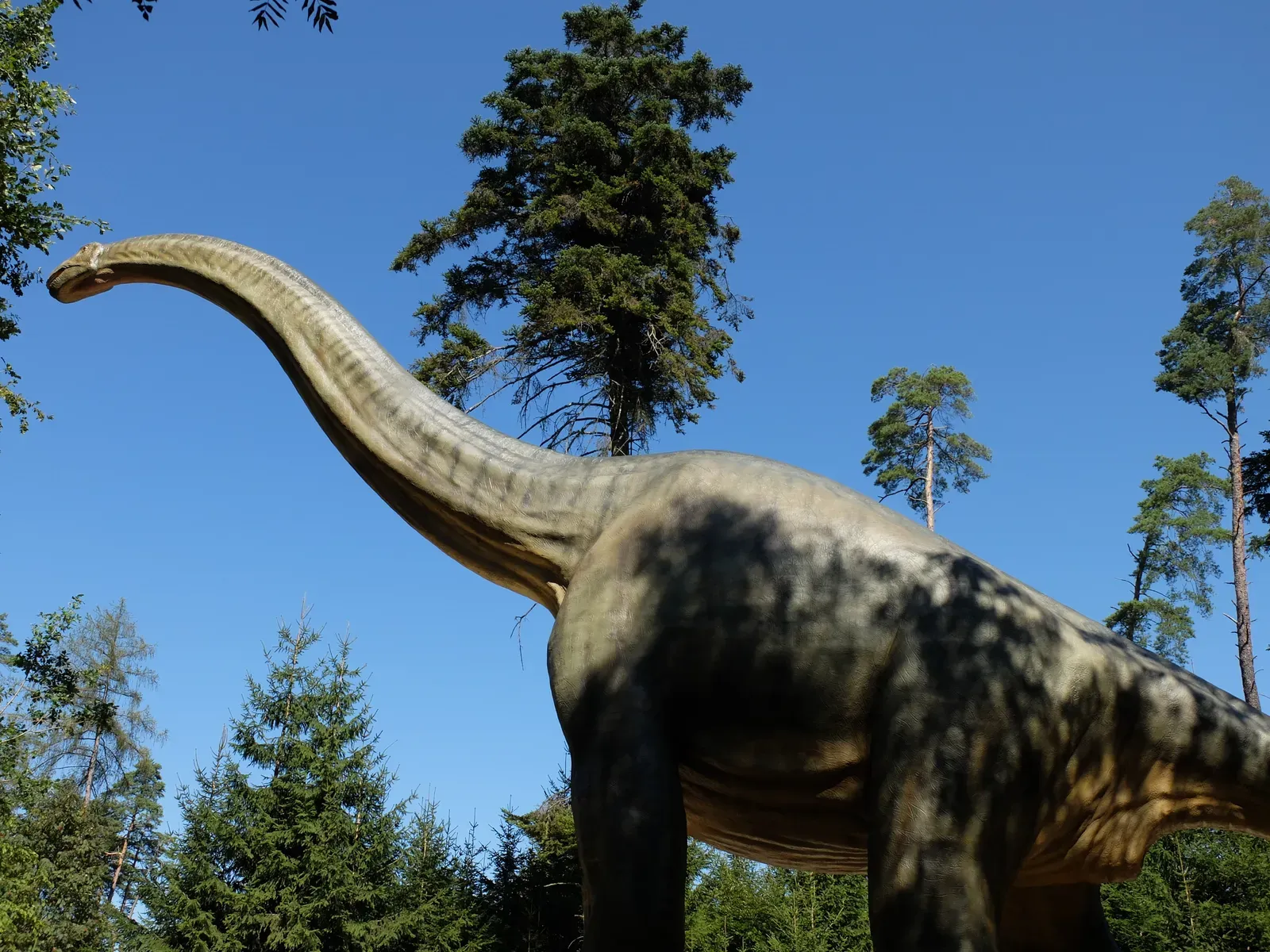
A detailed understanding of the factors that drove Mesozoic climate trends will not only provide insight into Earth’s history but also help scientists study the consequences of human-caused warming of our planet. The ancient past is not just history – it’s a laboratory. Studying past warm climate states is not only important to improve our understanding of Earth’s history, but also becomes increasingly relevant in the light of anthropogenic global warming. Scientists are essentially reverse-engineering the climate system by reading the geological record, and what they’re finding is instructive in ways that no computer model alone can replicate.
Although the Mesozoic is not a direct analogue for future greenhouse warming, such warm intervals in Earth history provide important insights into processes operating in the climate system. That caveat matters. The Mesozoic had different continents, different biology, and different oceanic chemistry. You can’t simply copy-paste 100 million years ago onto today. The current speed of human-induced warming is so rapid that geological processes alone, even if engineered as negative emissions technologies, cannot work fast enough to retain a stable climate. The Earth’s own built-in repair systems are simply too slow for the problem we have created. That may be the most important lesson of all.
Conclusion
The Mesozoic Era was not a cautionary tale written for our benefit. It was simply Earth doing what Earth does – shifting, warming, cooling, thriving, and collapsing across timescales that dwarf human civilization. Yet buried in those ancient rocks and fossilized shells is something genuinely useful: a detailed record of what happens when greenhouse gases surge, when oceans acidify, and when life is forced to adapt faster than it can manage.
The honest takeaway isn’t that the planet survived the Mesozoic, so we’ll be fine. The takeaway is that the planet survived, but most of what was living on it did not. Life always finds a way, as the saying goes – but it may not be our way. The Mesozoic doesn’t promise us a happy ending. It simply shows us what happens when the rules of the climate system are pushed beyond their comfort zone, slowly or suddenly.
What surprises you most – that Earth has been here before, or that we already knew, and are still choosing the same path? What do you think about it? Share your thoughts in the comments below.