You might imagine dinosaurs as giant, scaly loners stomping through a hostile world, each one just trying to survive long enough to become a fossil. But when you look closer at the evidence scientists have dug up over the last few decades, a very different picture starts to appear. You begin to see nests, tiny footprints clustered around larger ones, and even fossils that suggest adults stayed near babies long after the eggs hatched. Suddenly, dinosaur life feels less like a monster movie and more like a strange, ancient neighborhood full of families.
As you explore what paleontologists have pieced together, you realize you are not just learning about dinosaurs; you are learning about parenting itself, stretched back tens of millions of years. You see behaviors you might recognize from birds, reptiles, and even yourself: guarding, feeding, protecting, and sometimes walking away when the job is done. The science is still evolving, and many details are fuzzy, but you already have enough clues to say this: dinosaur family life was far more complex and surprising than the old stereotypes ever allowed.
You Start with Eggs: Nests, Clutches, and Prehistoric Nurseries
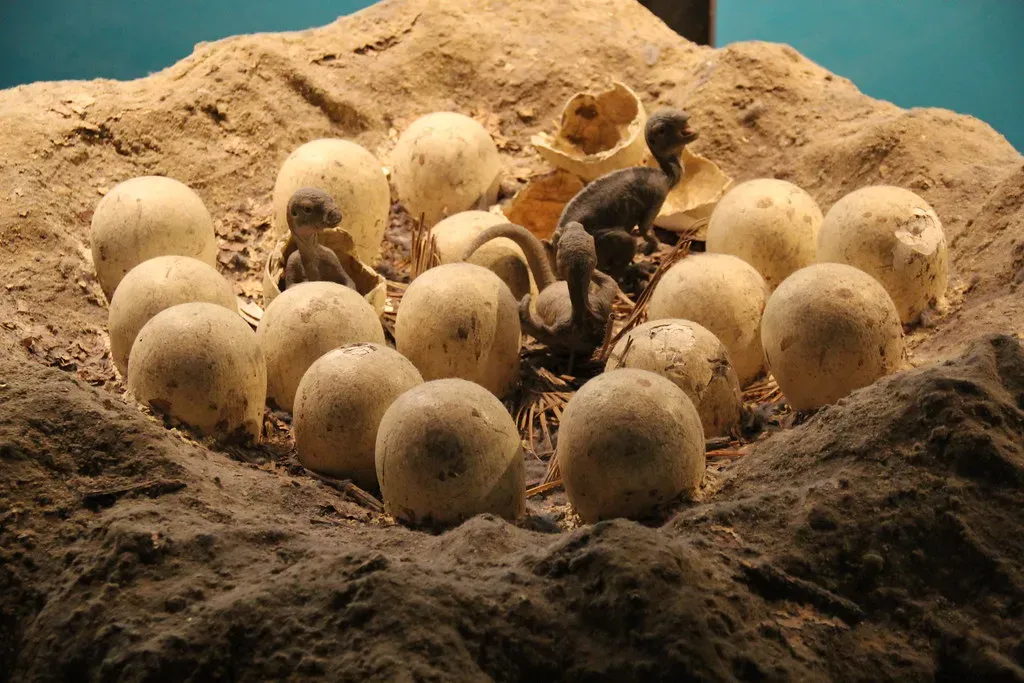
When you picture dinosaur parenting, you can start right at the beginning – with the eggs. You see that many species laid eggs in carefully arranged nests, sometimes in big clusters that look almost like ancient nurseries. In some fossil sites, you find layer upon layer of nests stacked through the rock, telling you that certain dinosaurs came back to the same nesting grounds year after year, much like seabirds do today. That alone hints that these animals were not just scattering eggs randomly and hoping for the best.
As you look closer, you notice how egg shells, nest shapes, and nest locations vary from place to place. Some dinosaurs buried their eggs in soil or vegetation, letting heat from the ground or rotting plants incubate them. Others seem to have built more open nests on the surface, which might have required more active attention from adults. When you think about it, you realize you are already seeing a spectrum of parenting strategies: from “set it and forget it” to something much more involved and hands-on.
You Find Adults on the Nest: Evidence for Brooding and Guarding
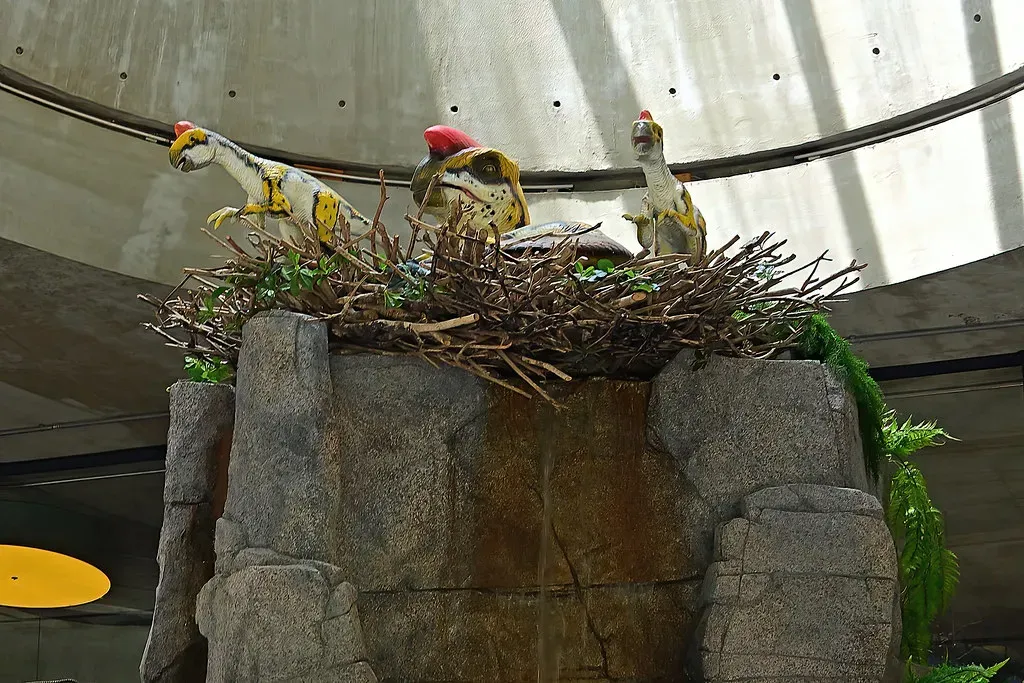
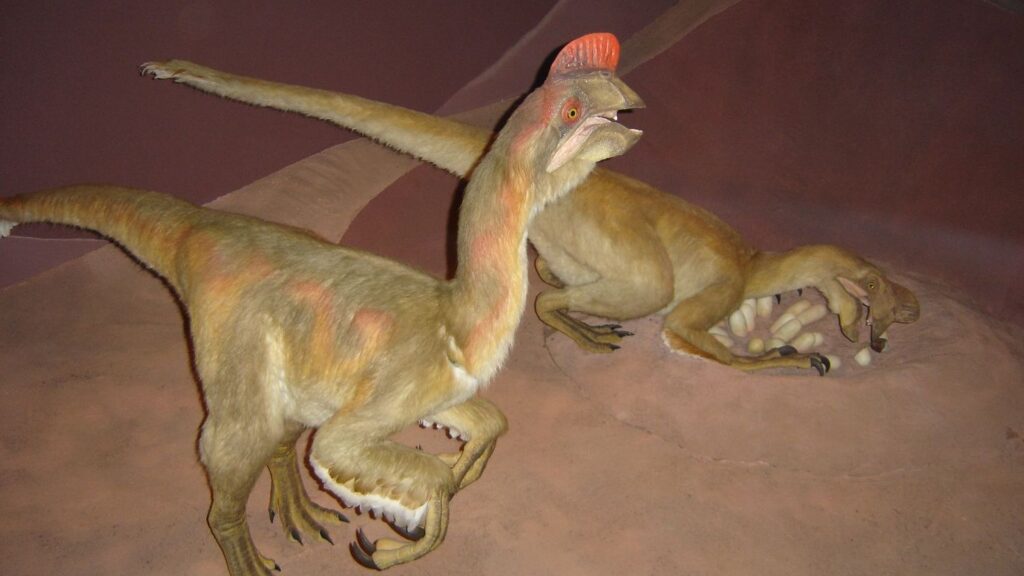
One of the most striking moments in dinosaur research comes when you see adult fossils discovered right on top of nests of eggs. In some famous examples, you can tell the dinosaur died while crouched over the clutch, arms and body spread in a posture that looks almost like a bird brooding its eggs today. When you see that, it becomes hard to believe these animals were indifferent parents. Instead, you are staring at what looks like a snapshot of protective, maybe even sacrificial, behavior.
When you imagine that scene, you start to think differently about the emotional weight of parenting, even in the deep past. You do not know exactly what a dinosaur felt, of course, but you can recognize the basic pattern: staying put, risking your own life to shield the next generation from predators or harsh weather. It makes you see a continuity between the animal world you know and the one that vanished millions of years before you were born. You are watching a parent do what parents so often do – stay, cover, protect, and hope the effort is enough.
You See Tiny Footprints Beside Big Ones: Herds, Creches, and Safety in Numbers

Another powerful clue about dinosaur parenting appears in fossilized trackways – those lines of footprints frozen in stone. When you see smaller tracks consistently walking alongside much larger ones, it is easy to picture young dinosaurs traveling with adults. In some sites, you find trackways that look like entire groups moving together: many sizes, many individuals, all going in the same direction. You might think of a herd of elephants with calves in the middle or a flock of geese flying with juveniles tucked among experienced adults.
Some paleontologists think certain plant-eating dinosaurs formed herds or mixed-age groups where youngsters gained safety from predators simply by being surrounded. You can imagine the youngest ones kept closer to the center, shielded by larger bodies at the edges. When you picture this, parenting becomes a shared project, almost like a community effort rather than a solo mission. You end up with a picture of dinosaur society that feels organized and social, not just a random crowd of animals bumping into each other on a prehistoric plain.
You Watch Them Grow: Rapid Growth and the Challenge of Raising Fast-Developing Young
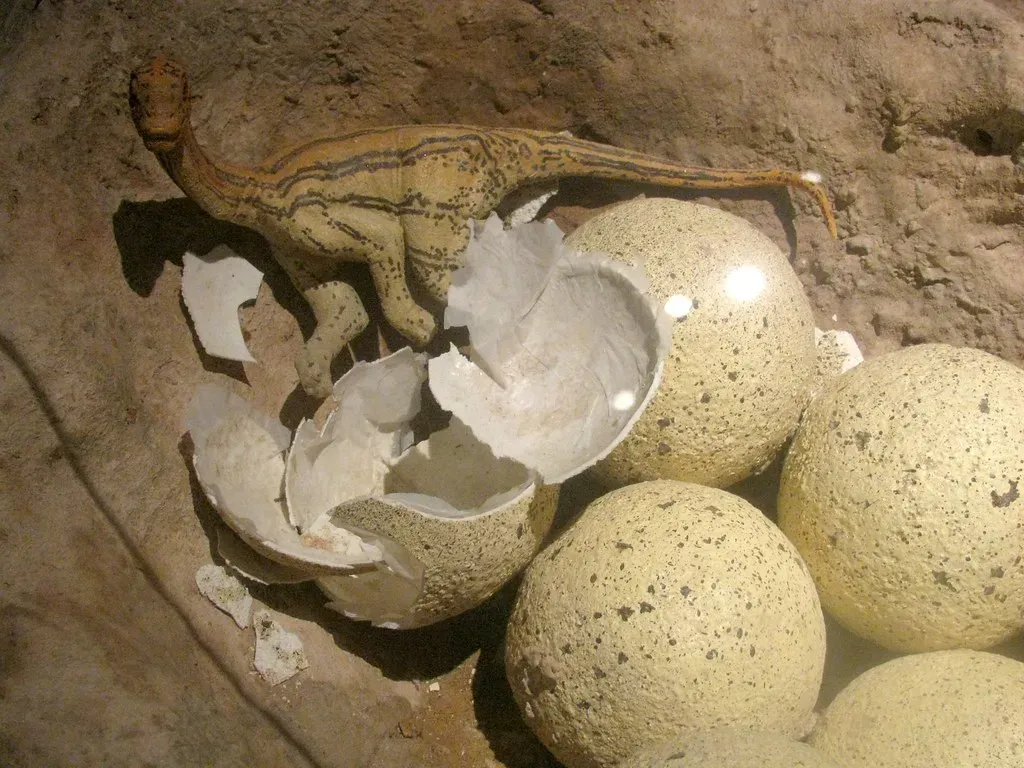
When you look at dinosaur bones under the microscope, you see growth rings and tissue patterns that tell you how fast these animals grew. Many dinosaurs, especially the big ones, seem to have grown from hatchling to impressive size at a remarkable pace. As you think about that, you realize that rapid growth changes the parenting equation. A baby that grows quickly may need a lot of food, at least at certain stages, and may move out of the most vulnerable size range sooner than a slow-growing animal.
You can imagine young dinosaurs starting life as fragile, egg-sized hatchlings, then rapidly gaining strength and independence over a few short years. This might mean that intensive parental care did not have to last very long, or that the most demanding period for parents was brief but intense, like a compressed version of what you see in many birds. For you, this underlines how parenting strategies are tied tightly to biology: how fast a child grows, what it eats, and how quickly it can defend itself all shape how much care is needed and for how long.
You Notice Differences Between Species: From Attentive Caregivers to Minimal Involvement
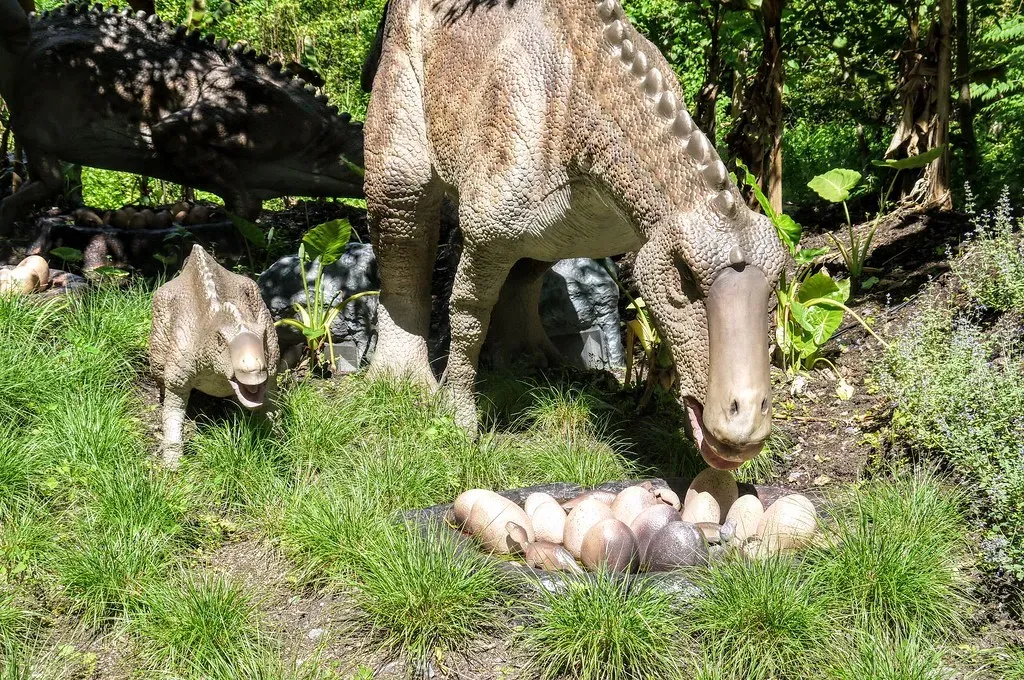
As you compare different dinosaur groups, you can see that there probably was not a single “dinosaur parenting style.” Some species left strong hints of elaborate care: organized nesting colonies, adults associated with eggs, or mixed-age trackways suggesting long-term group living. Others left only scattered eggs or nests that look more like those of modern reptiles that lay and leave. When you put these pieces together, you get the sense that dinosaur parenting ranged from very attentive to almost hands-off, depending on the species.
That variation is what really connects dinosaur life to the broader animal world you know. You can line it up next to crocodiles, turtles, birds, and mammals and see similar patterns repeating: some parents invest heavily in a few young, while others produce many offspring and offer little direct care. You might even find yourself quietly comparing this to human approaches you have seen – helicopter parents on one end, and very independent, free-range styles on the other. It reminds you that nature rarely settles on just one answer to the question of how to raise the next generation.
You Recognize Bird Connections: How Modern Birds Help You Decode Dinosaur Families
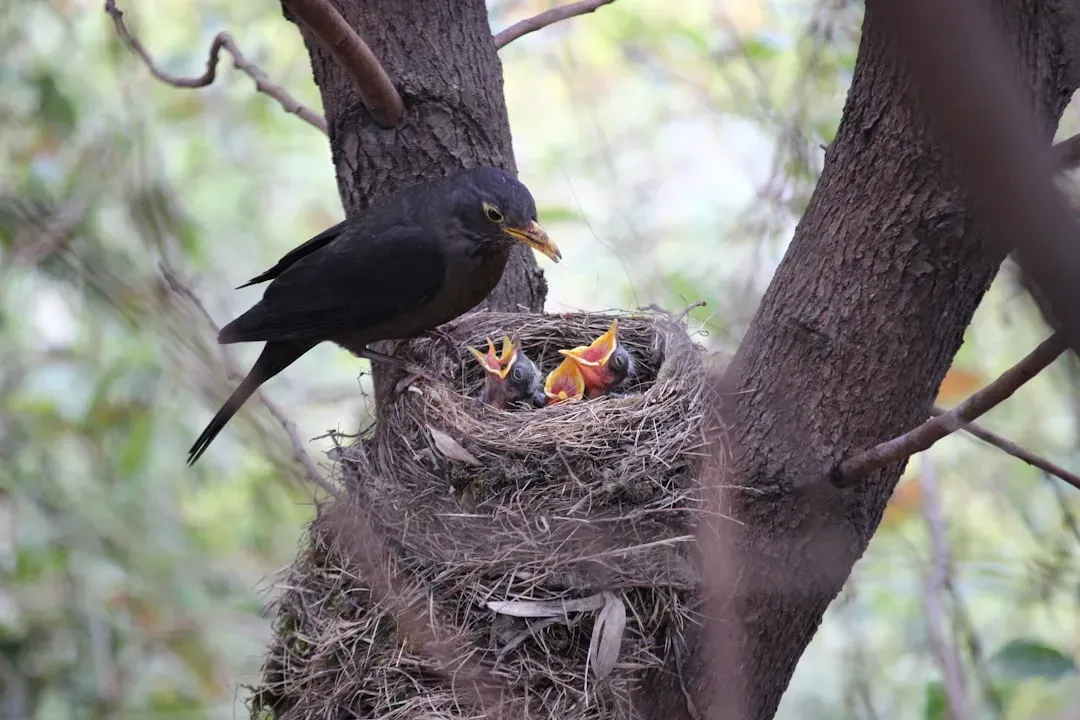
Because birds are living descendants of certain dinosaur groups, you can use them like a window into the past. When you see a bird building a nest, brooding eggs, defending chicks, or teaching fledglings where to find food, you are probably watching behavior that has deep evolutionary roots. You are not claiming that every dinosaur acted exactly like a modern bird, but you are using these living examples to imagine what might have been possible in the age of dinosaurs. This comparison becomes even more convincing when you see fossilized dinosaurs with feathers or bird-like skeletons.
When you let that sink in, dinosaur parenting stops feeling remote and alien and starts feeling strangely familiar. You might notice a robin in your backyard and think about a small, feathered dinosaur crouched over a nest somewhere in the Cretaceous. You see a penguin huddling with its chick and imagine a similar determination in long-extinct species. It gives you a sense that caring for young is not just a modern invention but a long-running theme in life on Earth, one that you are still part of today whether you have children or not.
Conclusion: You See Yourself in the Shadows of Giants
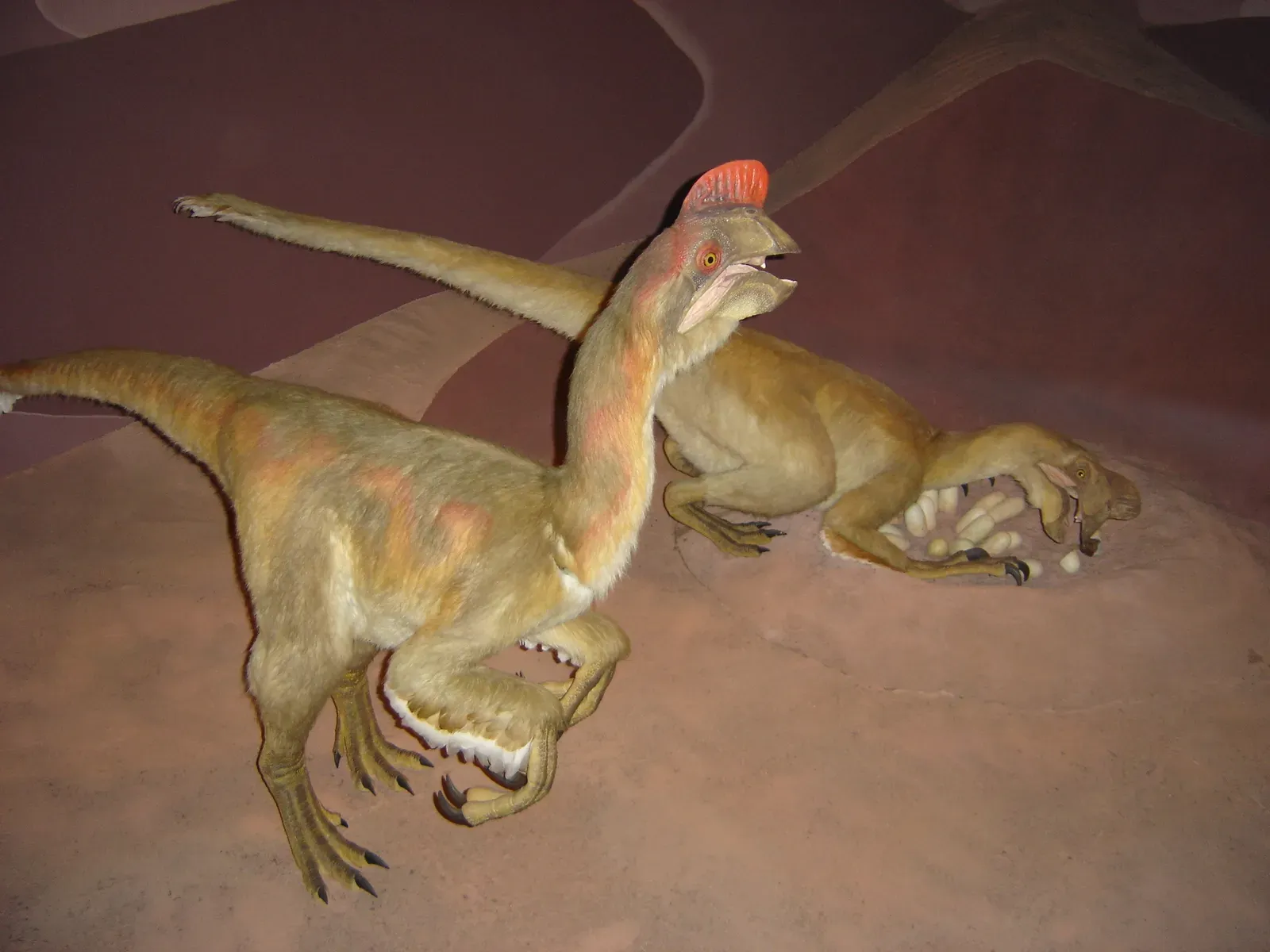
By the time you step back from all this evidence – nests, brooding adults, mixed-age trackways, rapid growth, and bird connections – you realize that dinosaur parenting was not a simple story of monsters and mayhem. You see a patchwork of strategies, from careful guardianship to more distant approaches, all shaped by size, environment, and survival pressures. Even with many open questions, you can confidently say that at least some dinosaurs invested real effort into getting their young through those most vulnerable early stages of life.
In a way, looking at dinosaur families holds up a strange, ancient mirror and lets you notice what has and has not changed in millions of years. Parents still balance risk and protection, energy and time, independence and support, whether they are reptiles on a riverbank, birds in city trees, or humans trying to figure out the right amount of guidance and freedom. When you think about that, you might feel a little less distant from the creatures that once ruled the planet and a little more connected to the long, messy, determined story of life raising life – does that surprise you as much as it did me?