Nature has a remarkable memory. Long after the last non-avian dinosaur vanished roughly 66 million years ago, the survival playbooks they perfected – ambush hunting, pack coordination, territorial dominance, and relentless endurance – did not disappear with them. They were quietly inherited, reinvented, and refined by animals you can encounter in the wild today.
What’s genuinely surprising is how closely some of these modern creatures echo the ancient predatory logic of creatures like Velociraptor, Allosaurus, or Spinosaurus. It’s less about physical resemblance and more about behavioral DNA – the deep survival intelligence that connects the prehistoric past to the breathing, hunting, surviving present. Buckle up, because some of these comparisons are going to rearrange everything you thought you knew. Let’s dive in.
The Crocodile: A Living Time Capsule of Dinosaur Ambush Tactics
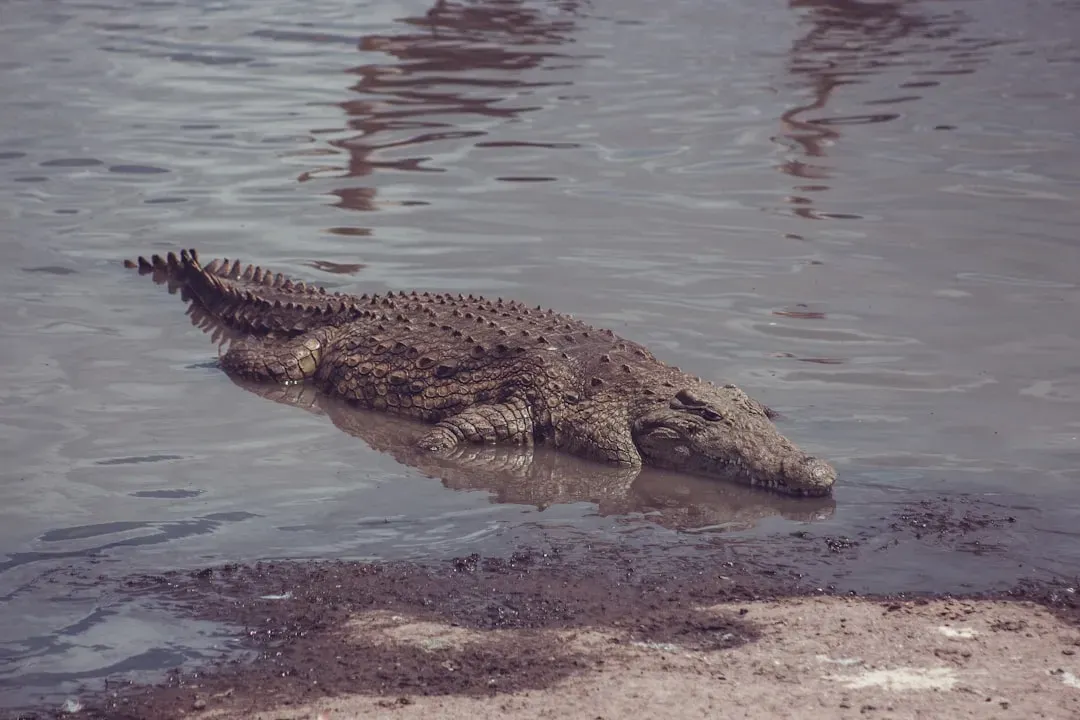
Here’s the thing about crocodiles – they didn’t need to change much because they got it right the first time. Crocodiles are the ultimate survivors, having outlasted the dinosaurs for more than 80 million years, with armored skin and an attitude built for survival. You simply don’t fix what isn’t broken, and the crocodile is a masterclass in that philosophy.
Crocodiles rely primarily on ambush and physical strength, with enormous bite pressure and huge teeth – a hunting style that mirrors the patient, terrain-exploiting strategies used by large Mesozoic theropods. Today’s big cats, crocodiles, and snakes use similar methods to those dinosaurs employed – lying in wait by waterholes, game trails, or dense vegetation. When you watch a Nile crocodile motionless at the water’s edge, you’re essentially watching a survival tactic that ruled the Mesozoic Era.
The Komodo Dragon: Ambush, Venom, and the Art of Patient Predation
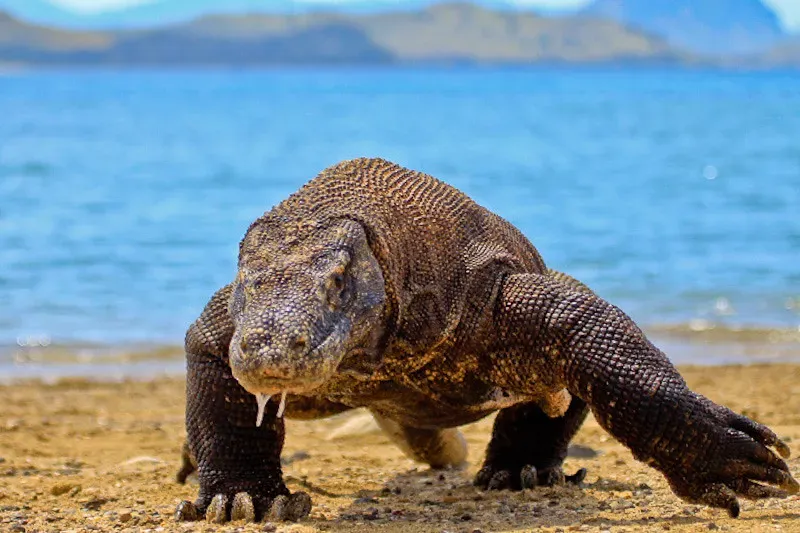
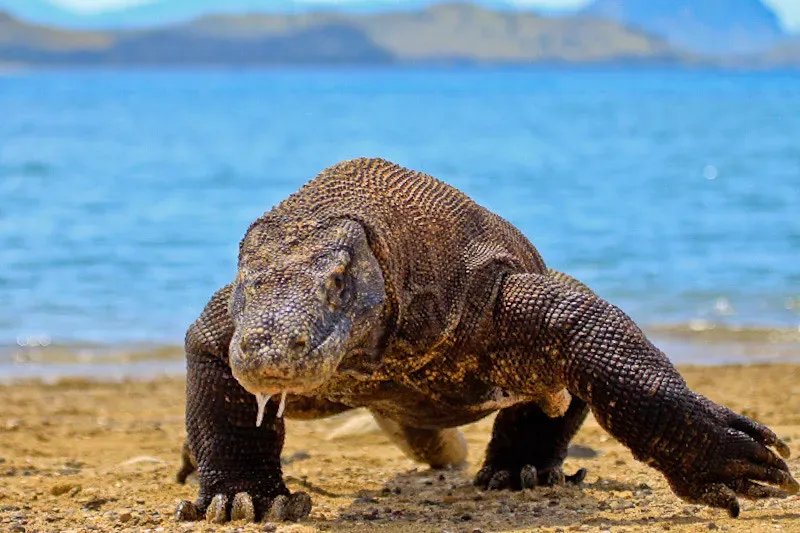
The Komodo dragon has fascinated scientists and wildlife enthusiasts for generations with its formidable hunting capabilities. These prehistoric-looking reptiles, native to Indonesia’s Lesser Sunda Islands, have evolved into apex predators with hunting methods that combine patience, power, and biological weaponry unlike any other reptile on Earth. Honestly, if you scaled one of these things up to 30 feet, you’d be looking at something deeply familiar from the Cretaceous.
What makes the comparison to dinosaurs particularly compelling is the tooth structure. Komodo dragons have ziphodont teeth, which are laterally flattened, recurved, and with serrated tooth crowns – and this is the same type of dentition observed in many extinct theropod dinosaurs. Komodo dragons employ a strategy that combines acute smell detection with remarkable endurance – they bite prey with venom-laced saliva and track the animal until it succumbs to the combination of venom and blood loss, sometimes following wounded prey for days. Slow, inevitable, and devastatingly effective.
Wolves: The Pack Hunters Echoing Coordinated Dinosaur Strategies
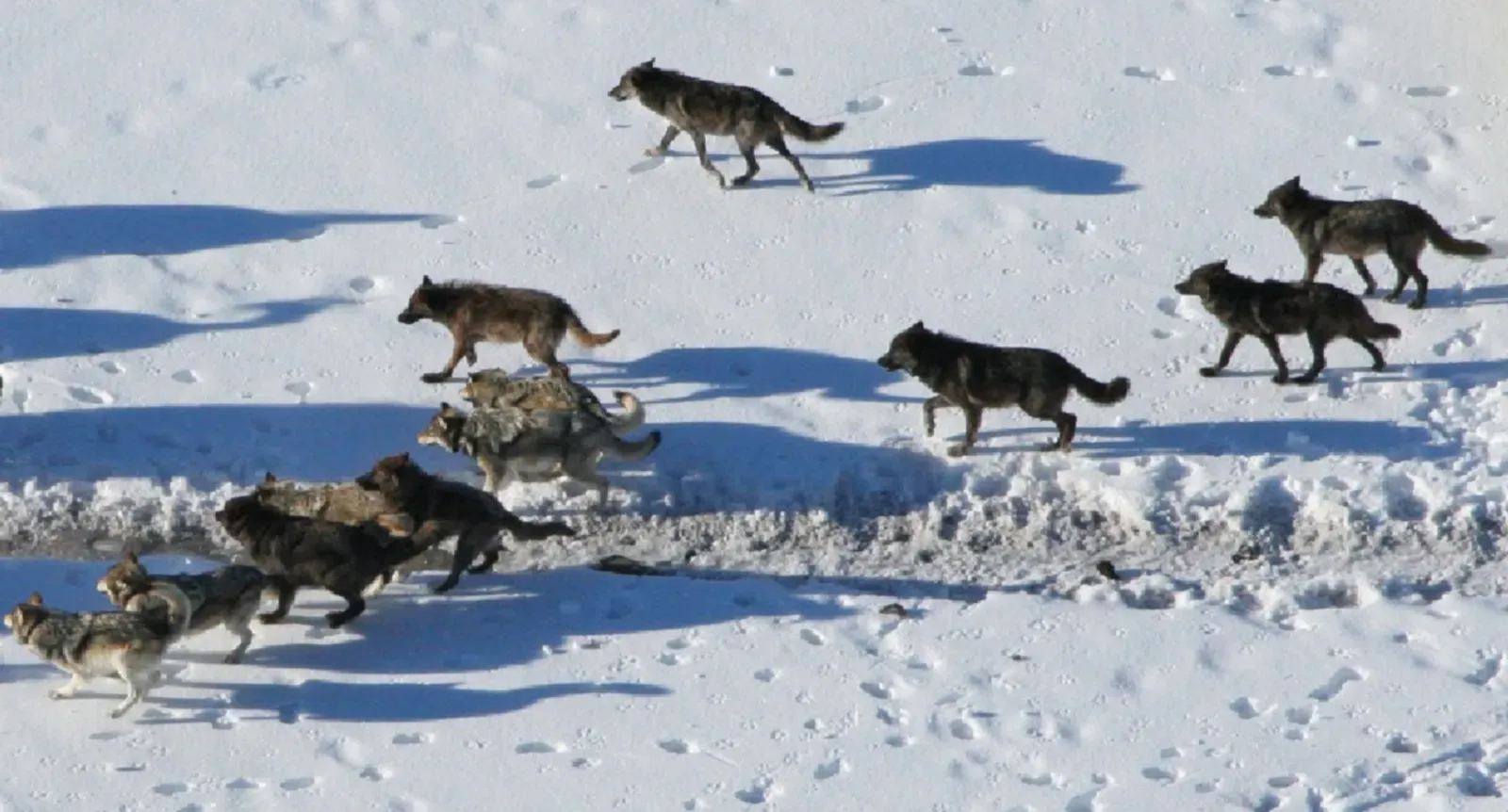
Advanced pack behavior includes cooperative hunting and social structure within the pack, which could mean a dominant individual or pair within the group with the other members being subordinate to them. It could also mean hunting strategy, perhaps with younger pack members breaking up a herd and driving an individual toward an older and larger pack member that was better equipped to make a kill. This behavior is seen today in packs of wolves or prides of lions. Sound familiar? It should.
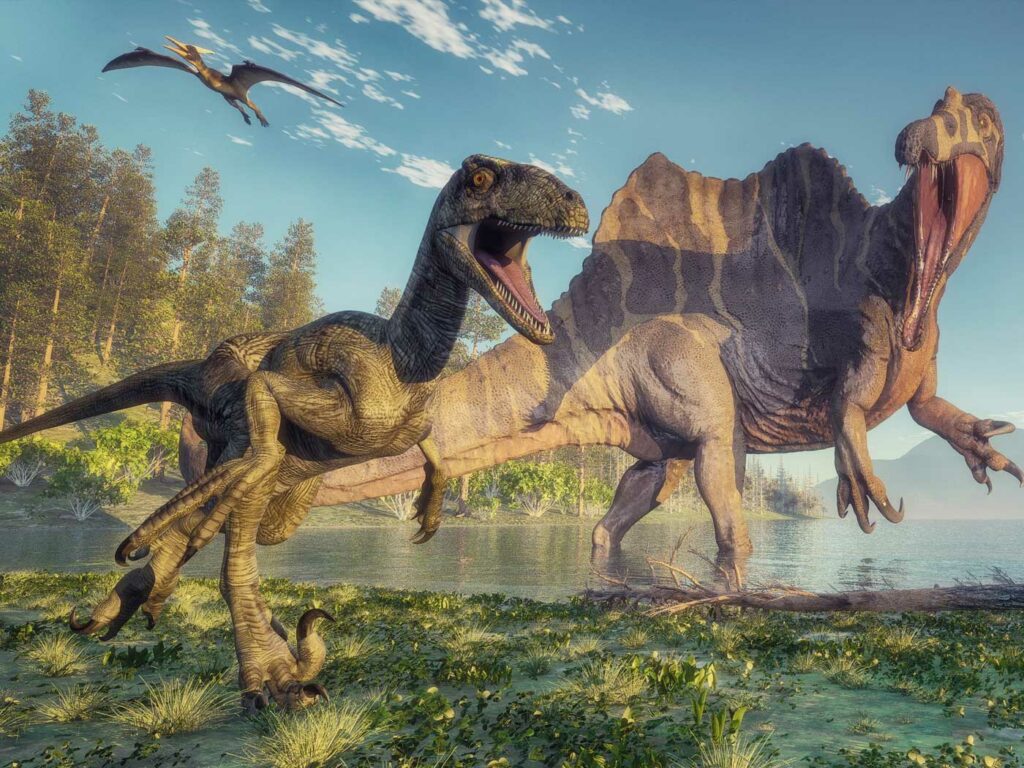
Some of the most compelling dinosaur fossil evidence points to exactly this kind of coordinated group predation. The pack hunting behavior of wolves closely resembles what we see in the fossil record of Deinonychus, while the ambush tactics of big cats mirror the stealth strategies of theropods like Carnotaurus. Even massive predators would have struggled to take down a full-grown Argentinosaurus individually. Cooperative hunting would have provided an evolutionary advantage, allowing carnivores to tackle prey that would otherwise be too dangerous or difficult for a solitary hunter. Wolves cracked that same code millions of years later.
Lions: Stalking, Surprise, and the Power of the Group Kill
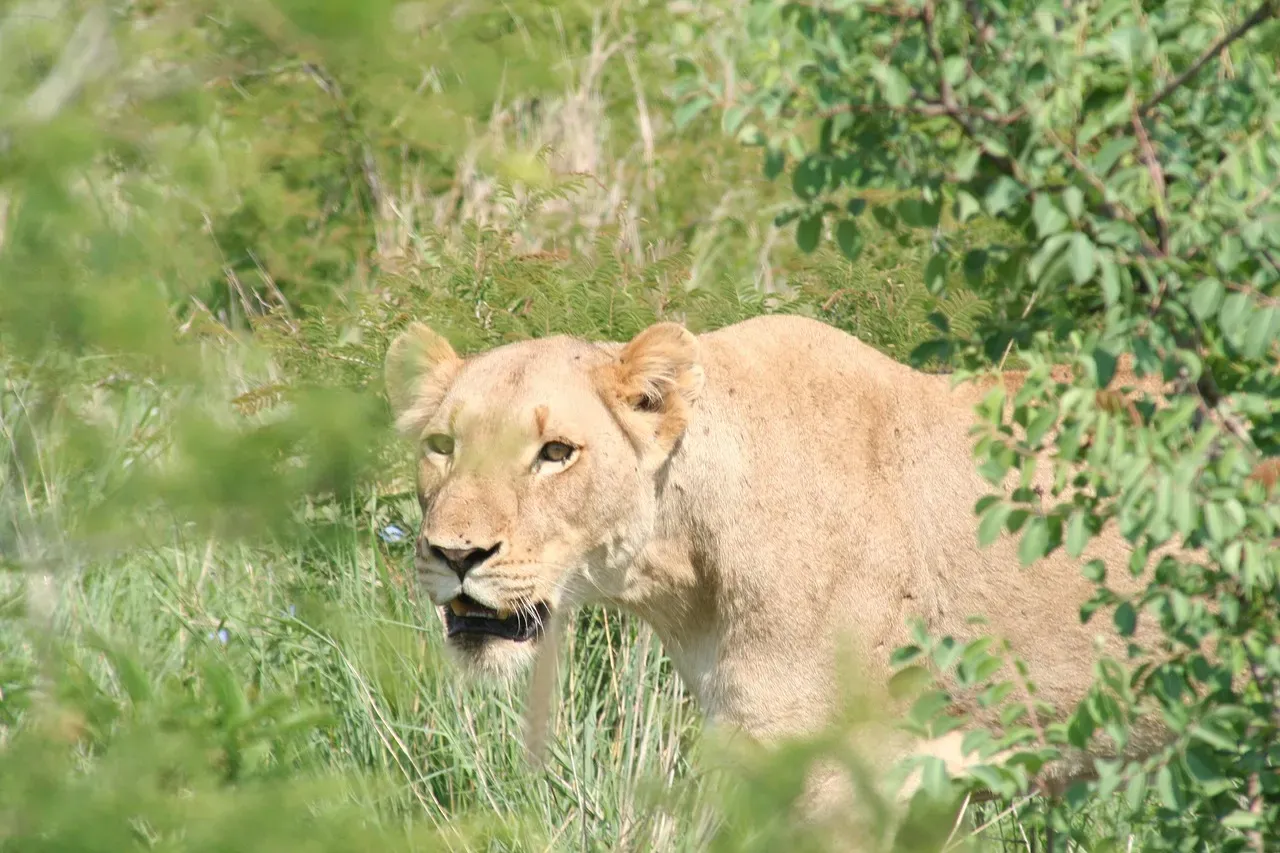
It’s hard to watch a lion pride coordinate a hunt across the open savanna without thinking – this looks ancient. Lions hunt in packs using stalking tactics and the element of surprise, before using speed and strength – a formula that paleontologists believe certain large theropods had already worked out long before mammals dominated the landscape. In the world of terrestrial carnivores, there are three major predatory tactics: grapple-and-slash, grapple-and-bite, and pursuit-and-bite – and lions freely switch between all three depending on their prey.
It’s important to remember that most living carnivores prefer to hunt the old, sick, or young, as these make the easiest and safest prey options. This suggests that big theropods were probably not hunting large healthy adult herbivores. Fossil evidence supports this as remains of juveniles have been found with bite marks or as preserved meals inside the guts of larger theropods. Lions follow this exact logic today, targeting the most vulnerable members of a herd with calculated precision.
Eagles: Aerial Precision That Echoes Feathered Dinosaur Predators
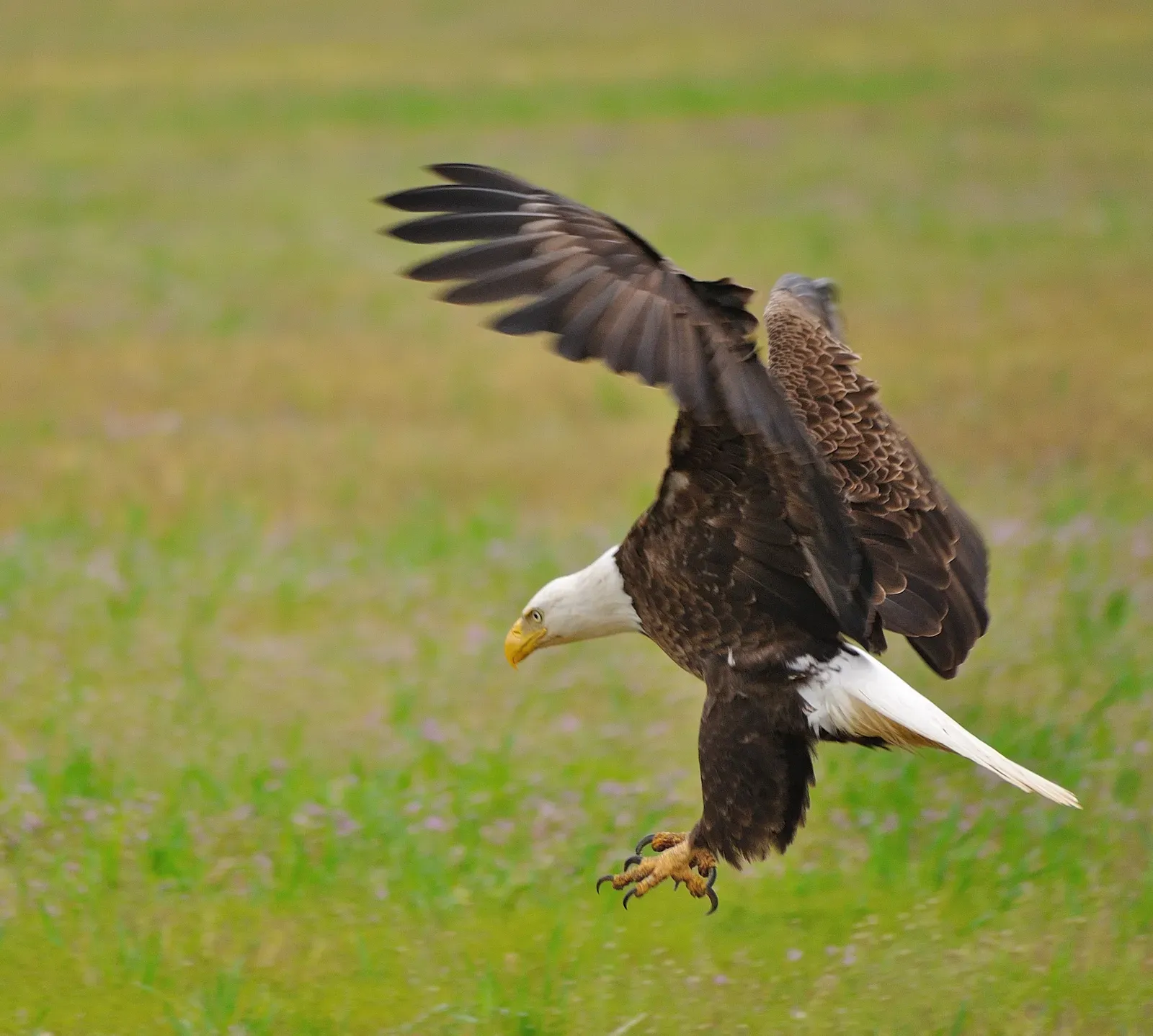
The discovery that many theropod dinosaurs possessed feathers revolutionized our understanding of dinosaur hunting strategies. Predators like Microraptor didn’t just hunt on the ground – they took to the trees and skies, opening up entirely new hunting opportunities. These early flying hunters were like prehistoric hawks, using their aerial abilities to spot prey from above and launch surprise attacks from angles that ground-based prey couldn’t anticipate. Eagles are the living embodiment of this evolutionary experiment.
Hawks, eagles, ospreys, and other birds of prey sweep from the sky at incredible speeds to catch smaller animals unawares. They have sharp eyesight that allows them to see from way up in the air, and they possess strong and sharp talons which they use to grab their food. Velociraptors’ sickle-shaped toe claws were likely used to grip and hold prey, creating an opportunity to deliver fatal bites. This grappling method is seen today in eagles, hawks, and big cats, who pin prey before finishing the kill. The advantage of locking a target in place and preventing escape remains as relevant today as it was 100 million years ago.
Harris’s Hawk: The Raptor That Proved Dinosaur-Style Coordination Lives On
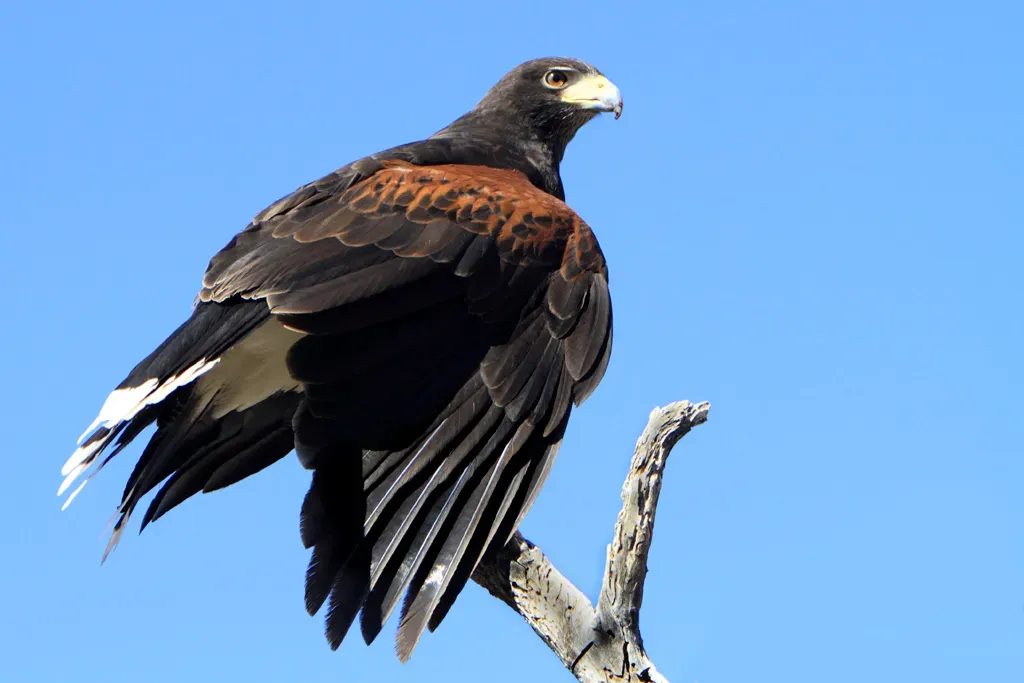
Most people don’t know this bird, but paleontologists love it. Modern birds like Harris’s hawks use a group hunting strategy, coordinating in tight units to flush out and ambush prey. This type of tactical deception requires intelligence and communication – and dinosaurs, particularly maniraptorans, showed signs of both. In a world where cooperative hunting among reptiles is considered rare, the Harris’s hawk stands out as a striking modern example of what dinosaurs may have achieved.
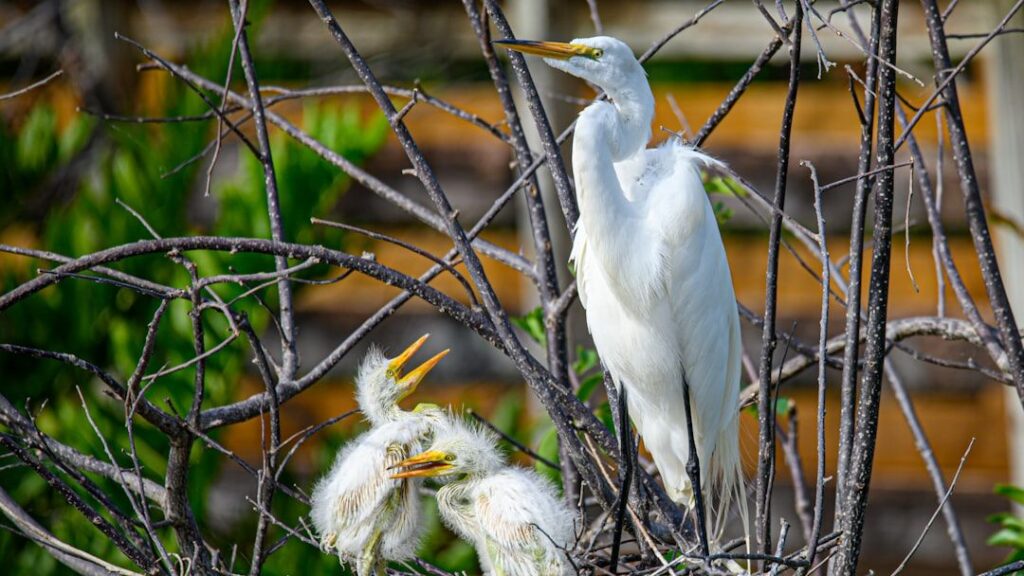
Birds, the living descendants of theropod dinosaurs, exhibit a wide range of social behaviors, including cooperative hunting in some species, like Harris’s hawks. This evolutionary connection suggests that the neurological and behavioral foundations for complex social interactions might have deep roots in theropod dinosaur lineages. Think about that the next time you see a bird. You’re not just watching a bird. You’re watching 230 million years of survival strategy in feathered form.
The Saltwater Crocodile: Territorial Domination and Dinosaur-Level Raw Power
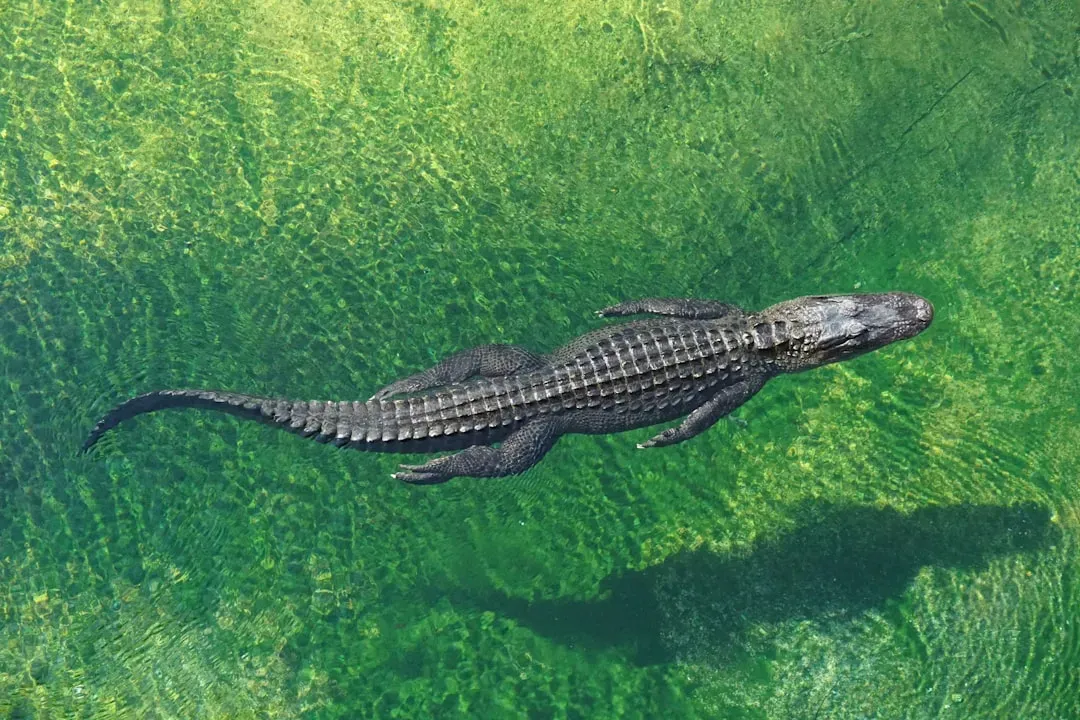
Crocodiles have remained virtually unchanged for hundreds of millions of years. Their robust bodies, predatory skills, and survival strategies have cemented their place as one of our planet’s top apex predators. The saltwater crocodile takes this to another level entirely. Large theropods like Tyrannosaurus rex likely used their immense size to intimidate and scatter prey before striking. A massive body, crushing bite force, and thunderous presence could cause panic in herds, making it easier to single out and kill a straggler. It’s not always about stealth – sometimes raw power and presence do the job.
The saltwater crocodile applies this exact principle in every waterway it inhabits. With a streamlined body and a formidable jaw that can exert a bite force of over 3,700 pounds per square inch, the crocodile possesses the most potent bite of any living animal, facilitating its ability to hunt and consume large prey. Crocodilians, having changed relatively little since the Mesozoic, would essentially be returning to ecosystems they were already adapted to navigate. That’s not coincidence. That’s perfection preserved in scales and silence.
Conclusion: The Past Is Still Hunting
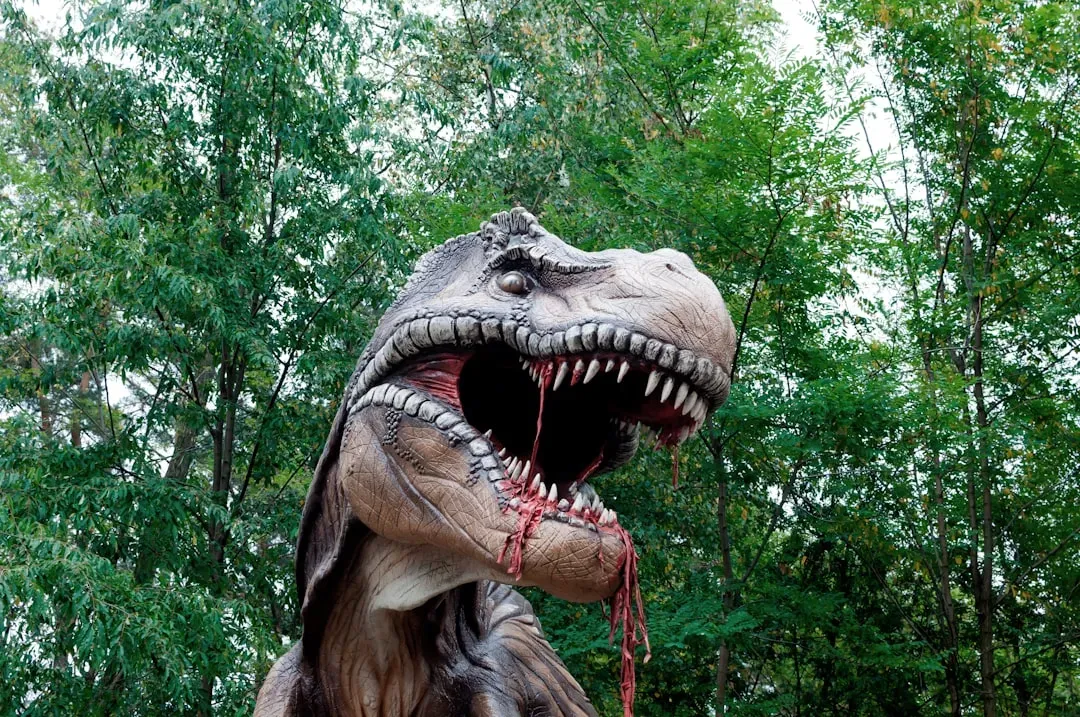
What strikes you most, when you put all of this together, is how the fundamental logic of survival never really expired. The dinosaurs figured out ambush, pack coordination, territorial power, aerial precision, and patient predation. Then they handed those blueprints forward across deep time – and the animals alive today are still running those same programs.
It’s humbling, honestly. We tend to think of dinosaurs as extinct failures, wiped out by a rock from space. Yet their survival strategies are still roaming forests, circling in the sky, and lurking beneath river surfaces all over the world. They were the result of countless generations of evolution and natural selection. What’s fascinating is how many of these tactics remain virtually unchanged today, used by some of the world’s most successful predators.
The next time you watch a crocodile vanish beneath still water, or a wolf pack scatter a caribou herd, or an eagle pin prey with mechanical precision, ask yourself: how much of what you’re watching is truly new – and how much of it is something much, much older? What do you think? Tell us in the comments.