Most people think paleontology is just about digging up dinosaur bones in a hot desert somewhere. Point a camera at a T. rex skull, and suddenly everyone’s an expert. But the real work is so much richer, stranger, and more demanding than any Hollywood film has ever dared to show. It’s a science that blends biology, geology, chemistry, and sheer detective instinct into one of the most uniquely human pursuits imaginable.
So maybe you’ve felt a quiet pull toward ancient life ever since you were a kid. Maybe you linger a little too long at museum fossil exhibits. Maybe you find yourself Googling extinct species at midnight just for fun. Whatever it is, there’s a chance the signs have been there all along. Let’s dive in.
You Have an Insatiable Curiosity About the Natural World
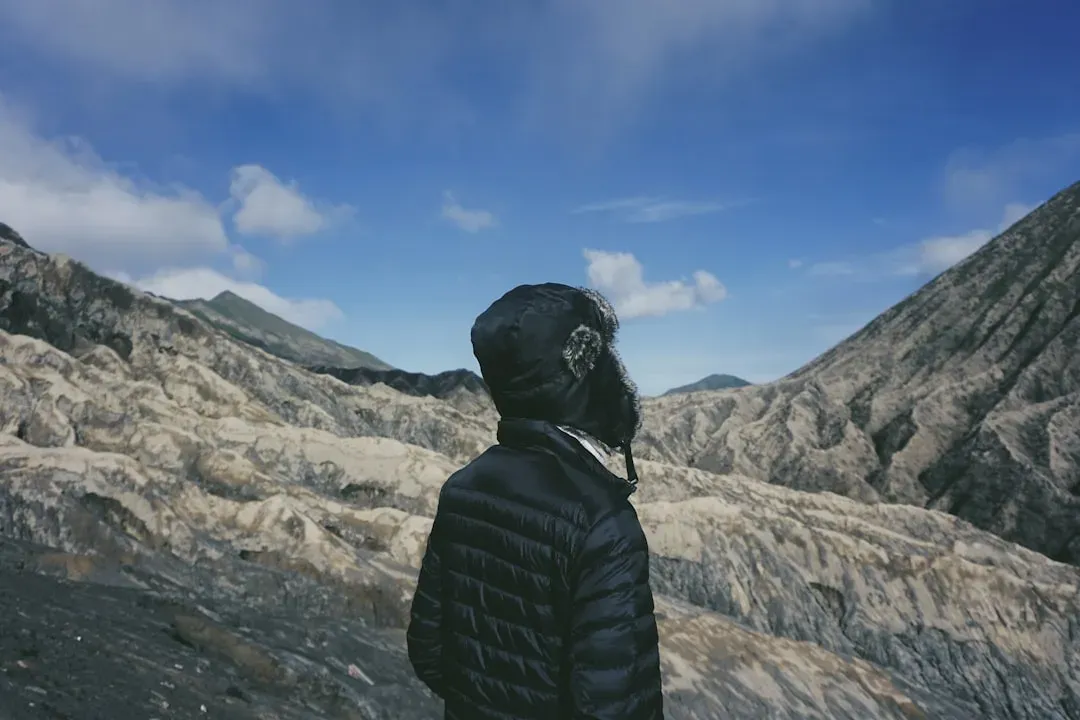
If you’re the kind of person who is inquisitive, with a natural curiosity about the world and its history, that’s one of the most powerful indicators that paleontology could be your calling. Curiosity isn’t just a personality quirk here. It’s essentially the engine that drives every discovery in the field. You don’t stumble across a 70-million-year-old fossil and shrug. You need to desperately want to know what it means.
Paleontologists tend to be investigative individuals, which means they’re intellectual, introspective, and inquisitive. They are curious, methodical, rational, analytical, and logical. If you find yourself constantly asking “why” and “how” about the living world around you, as though every rock layer has a secret it’s dying to tell, you’re already thinking like a paleontologist. That instinct to investigate is something no textbook can fully teach.
You’re Genuinely Comfortable With Uncertainty and Fragmented Information
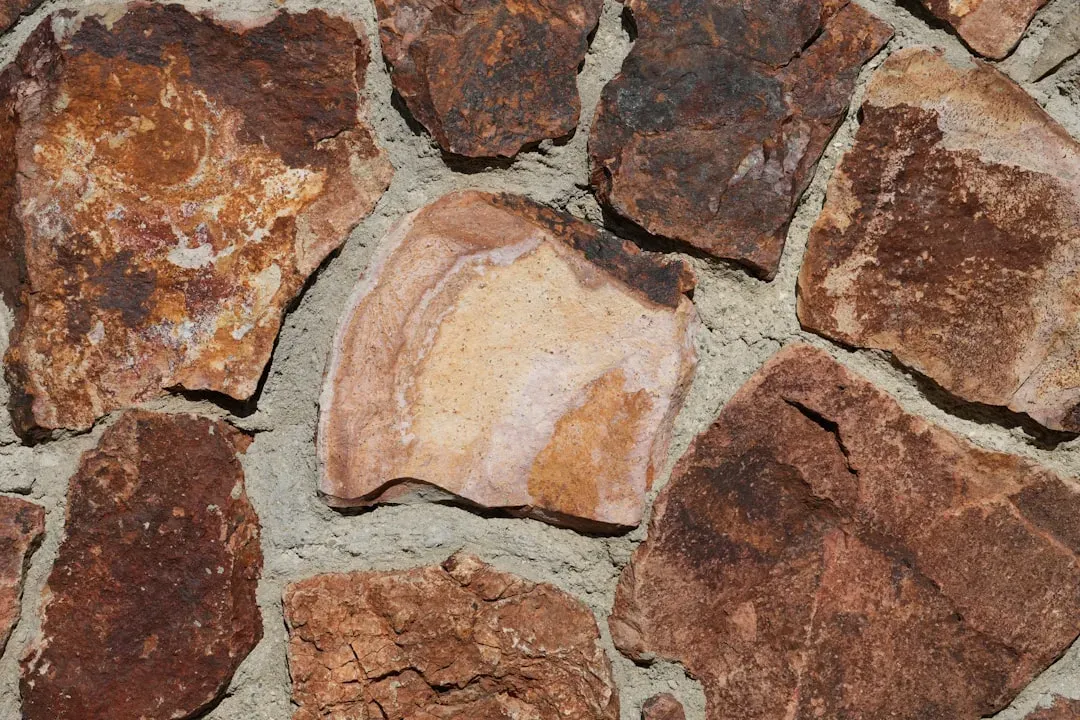
Analytical thinking and problem-solving skills are fundamental. Fossils rarely tell their story directly. You interpret fragmentary evidence, compare specimens across collections, and build arguments about ancient organisms’ biology and ecology. Think of it like doing a jigsaw puzzle where you’re missing roughly ninety-five percent of the pieces and someone forgot to include the picture on the box. You still have to figure out what the image is.
It takes a special kind of person with a unique combination of hard and soft skills, as well as personal qualities, to not only enter but also thrive in the field of paleontology. If uncertainty makes you anxious and you need complete, tidy answers before moving forward, this field will test you constantly. On the other hand, if you find something almost thrilling about working with incomplete data, building solid arguments from scattered clues, and living inside open-ended questions, that’s a remarkable and rare quality for this science.
You Have the Patience of Someone Who Enjoys the Journey, Not Just the Destination
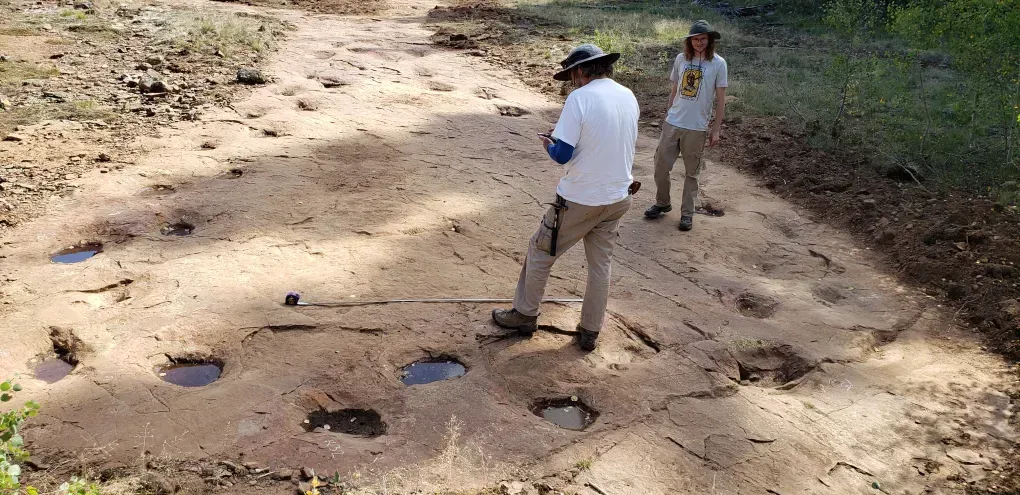
Here’s the thing: paleontology is not a field for the impatient. Not even slightly. It can take months, sometimes even years, to find any new fossils, as remains are often destroyed or consumed soon after death. A lot of patience and perseverance will go a long way. Imagine spending an entire field season in blazing heat without a single meaningful find. That’s not failure. That’s just Tuesday in the Badlands.
Research projects can span years or even decades. You might work on a single fossil site for your entire career. Patience helps when you spend weeks in the field without finding anything significant, or when grant proposals get rejected despite months of preparation. If you’re someone who genuinely enjoys the slow, methodical process of an investigation and doesn’t need instant gratification to stay motivated, you possess one of the rarest and most necessary traits in all of paleontology. Honestly, it’s underrated.
You’re Drawn to the Outdoors and Don’t Mind Rough Conditions
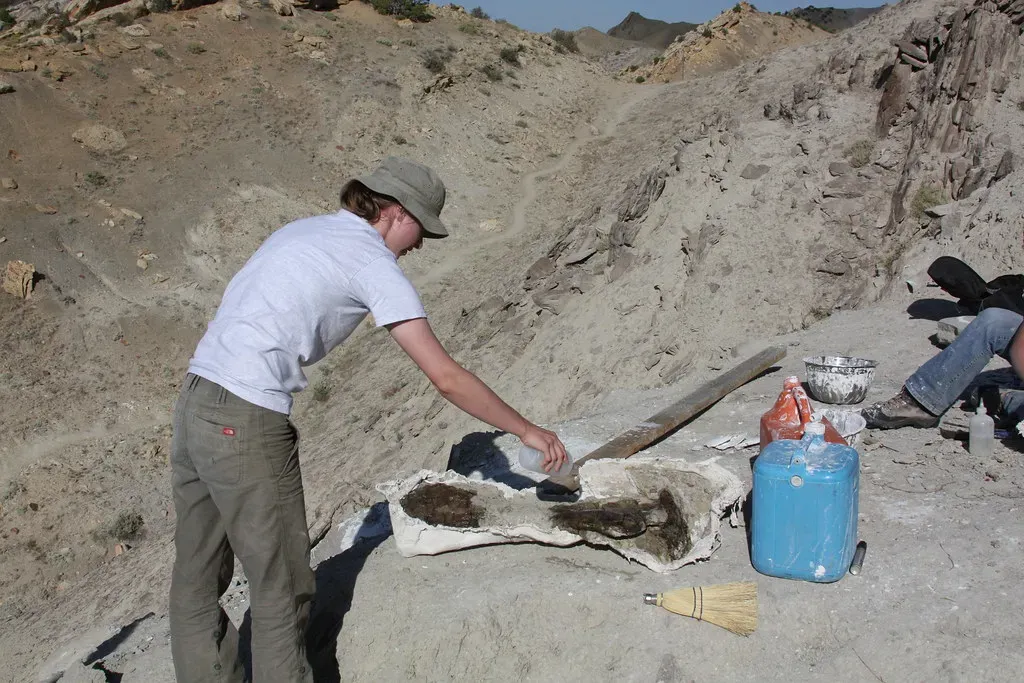
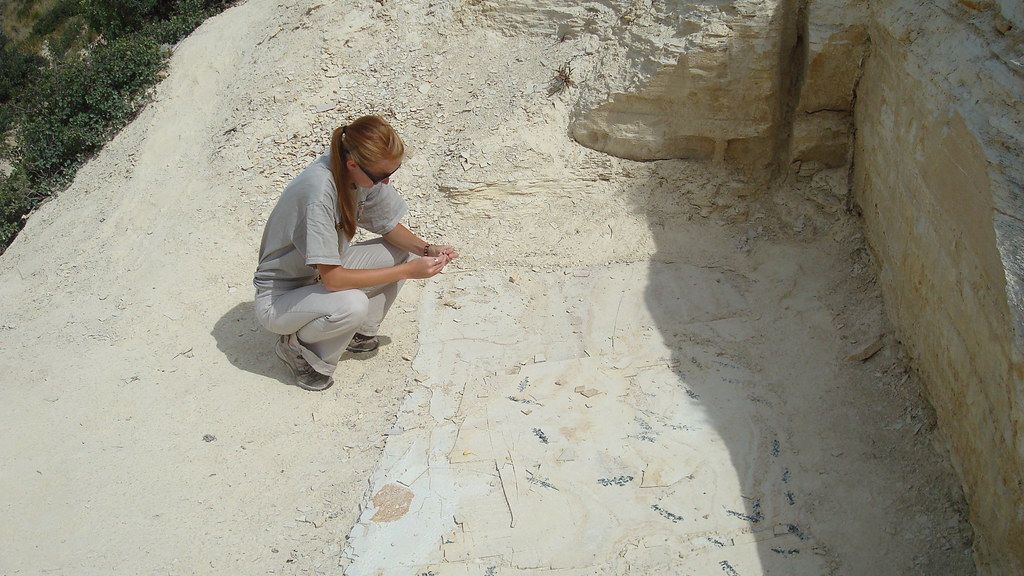
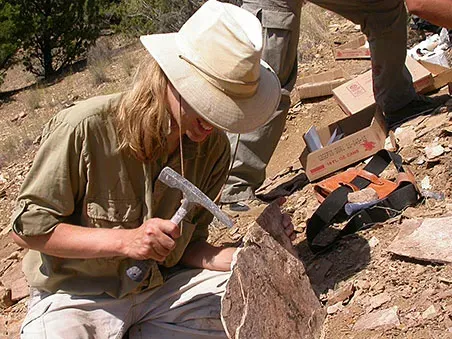
To be a palaeontologist, you have to really love the outdoors and enjoy being outside a lot, particularly if you want to study geology as an undergraduate degree. This isn’t about casual weekend hiking, either. We’re talking about weeks at remote sites, camping in unpredictable weather, hauling gear across rocky terrain, and sometimes working in conditions that would make a camping enthusiast reconsider their life choices.
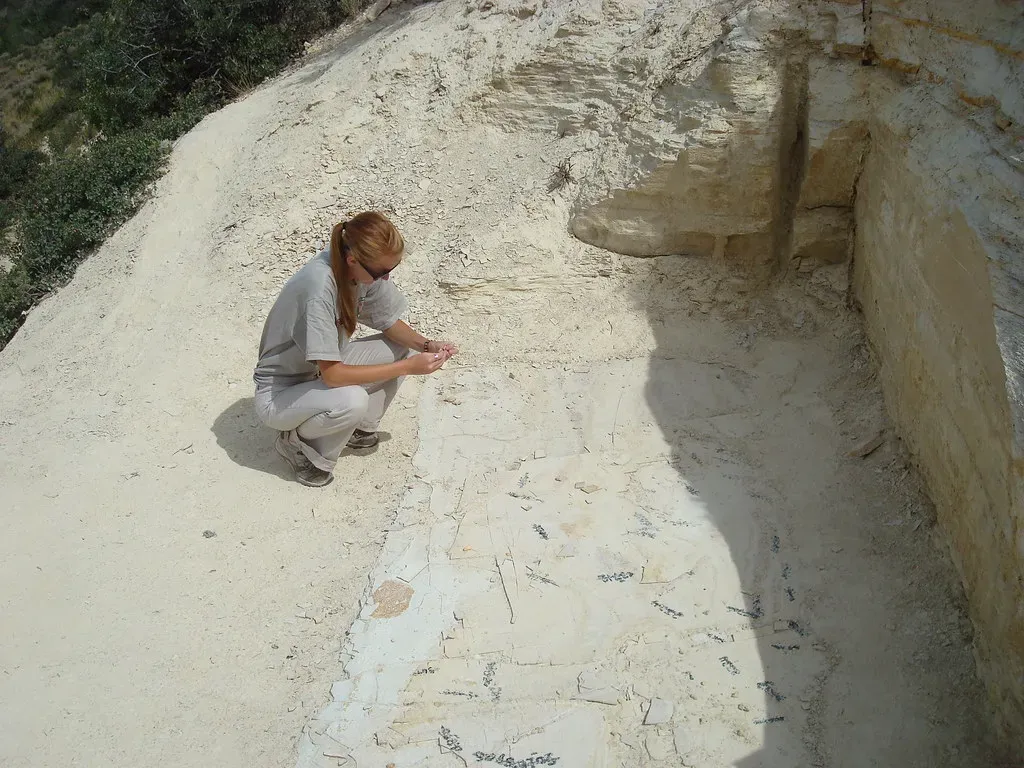
Fieldwork takes you outdoors to remote locations, such as desert badlands, arctic tundra, and tropical forests, wherever fossils might be preserved in exposed rock layers. You’ll work in all weather conditions, often camping for weeks at a time. You’ll need physical stamina for fieldwork, including hiking long distances over rough terrain, working in uncomfortable positions, lifting heavy equipment, and tolerating extreme weather conditions. If your idea of a great day off already involves being somewhere wild and away from a screen, paleontology might just feel like home.
You Have Strong Analytical and Problem-Solving Instincts
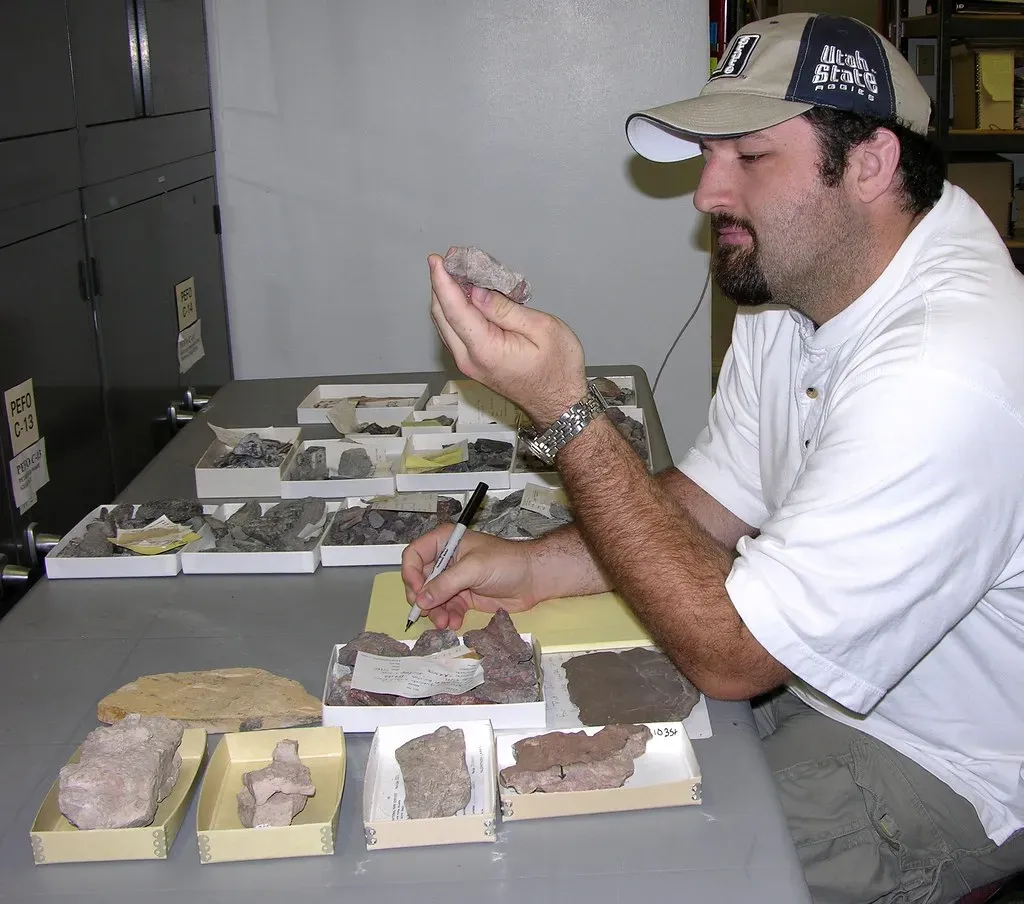
Critical thinking and the ability to analyze data also play a significant role in the day-to-day work of a paleontologist. They should be adept at hard skills like record-keeping, observation, research, organization, data collection, and analysis. These aren’t just “nice to have” qualities. They’re the core toolkit of someone who’s going to spend a career reconstructing ancient ecosystems from bone fragments and rock strata. It’s like being a detective, but your crime scenes are hundreds of millions of years old.
A career in paleontology requires solving complex problems, such as figuring out how to extract fossils from the ground and troubleshooting preservation techniques. Every site is different. Every specimen presents new logistical challenges. Paleontologists must be accomplished analysts, detail-oriented individuals with a strong aptitude for the natural sciences. They are logical thinkers capable of organizing the various facets of their work into cohesive arguments presented to their peers, employers and the public. If you love untangling complicated problems, you’ll thrive here.
You Have a Genuine Passion for Science Across Multiple Disciplines
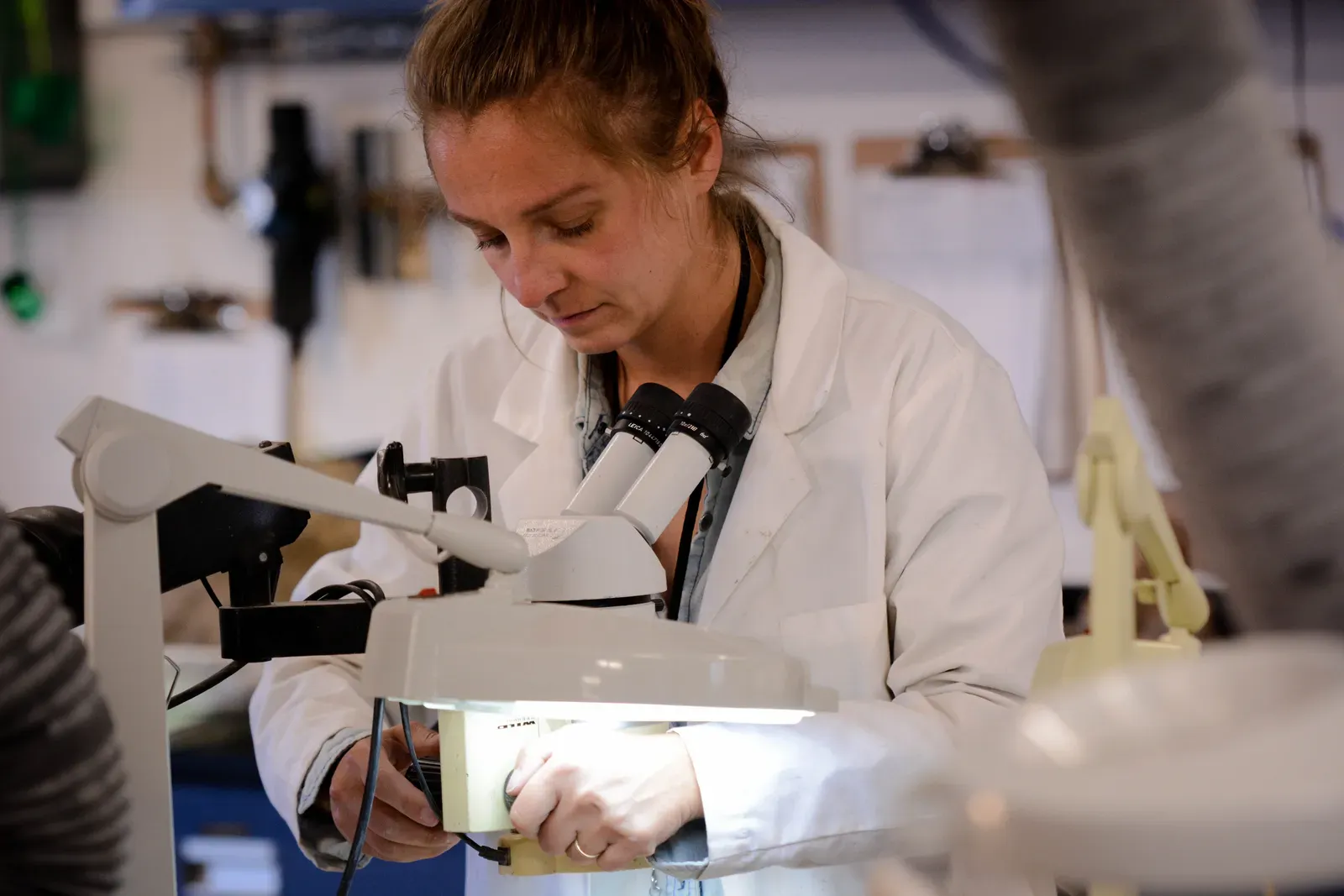
Paleontologists need to know about many fields of science, from rocks to genetics. Because of this, paleontology is among the broadest of sciences. Think of it like being a scientific polymath. doesn’t just know fossils. They understand stratigraphy, evolutionary biology, comparative anatomy, chemistry, and increasingly, data science. It’s a lot to carry, but for the right person, it’s endlessly exciting rather than exhausting.
Successful paleontologists need expertise across multiple disciplines, including geology, biology, chemistry, and statistics. Modern research increasingly requires computational and quantitative skills. Geographic Information Systems, or GIS, help you map fossil sites and analyze spatial patterns. CT scanning and 3D modeling let you examine specimens non-destructively. If you’re the person who voluntarily reads about geology on a Friday evening and genuinely enjoys understanding how different scientific fields connect, you’re already wired for this work.
You Communicate Well and Enjoy Sharing Knowledge With Others
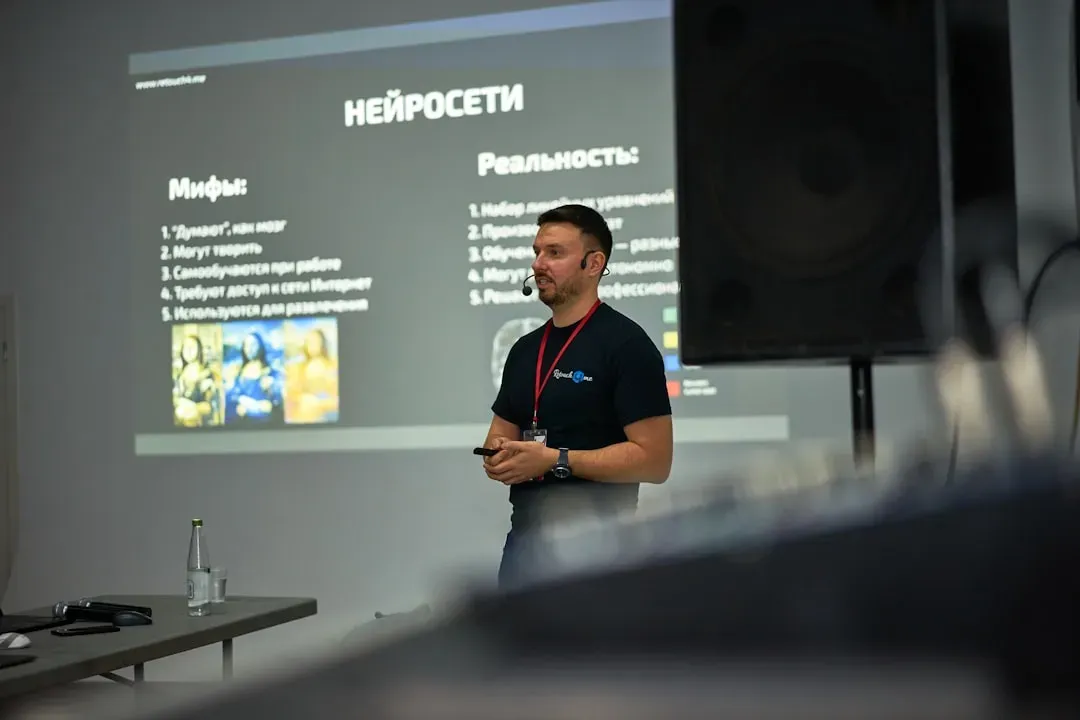
A large part of the job involves interacting with people, such as supervising other paleontologists on excavations, giving talks, and educating the general public. Good writing skills are also necessary for authoring research papers. This surprises a lot of people. You might imagine a lone scientist hunched over a microscope somewhere dusty and quiet. The reality is far more social than that. Your discoveries mean nothing if you can’t share them compellingly.
Learning to communicate well is an essential skill that will serve you well no matter what you do in the future. Whether it’s publishing in peer-reviewed journals, curating museum exhibits, or teaching an undergraduate lecture hall full of students, paleontologists should have a strong understanding of scientific research methods, as well as strong communication skills to effectively present their findings to the scientific community and the public. If explaining complex ideas in clear, engaging ways comes naturally to you, that’s a significant asset in this career. Not everyone with a PhD can do it well.
You Possess a Quiet Creative Vision and an Eye for Detail
In the process of recreating the look and historical context of the fossil, paleontologists must possess some measure of creative vision. This is one of the most underappreciated aspects of the job. You’re not just digging things up. You’re essentially reconstructing an entire living creature, its habits, its ecosystem, its behavior, from tiny fragments of preserved bone or shell. That requires genuine imaginative thinking alongside rigorous scientific method. It’s a rare combination.
Good organizational skills will help you in your work with fossils and museum collections. Manual dexterity helps when extracting delicate fossils or preparing tiny specimens under a microscope. Detail-orientation isn’t just about being careful with fragile specimens in a lab. It’s about noticing that a particular rock formation tells a story about ancient sea levels, or that a subtle structural feature in a jaw bone suggests a completely different diet than previously assumed. If you naturally notice things others overlook, and if you take deep satisfaction in doing meticulous, careful work, that instinct is pure paleontological gold.
Conclusion
Paleontology isn’t a career for everyone, and that’s completely fine. It demands patience, physical resilience, cross-disciplinary brilliance, and a tolerance for both remote wilderness and the humbling vastness of deep time. It’s a field where you might spend years chasing a question that yields no tidy answer. But for the right person, it is one of the most profoundly meaningful ways to spend a scientific life.
If you recognized yourself in most of the signs above, perhaps it’s worth looking more seriously at where that curiosity has always been pointing. The fossil record is enormous, the questions are endless, and as there are many different ways to be a paleontologist, including teaching, research, taking care of collections, designing exhibits, or even writing and art. So the real question isn’t whether you’re smart enough. It’s whether you’re curious enough to never stop asking what ancient life has left behind for us to find. What do you think, would you have the patience to wait years for a single discovery?