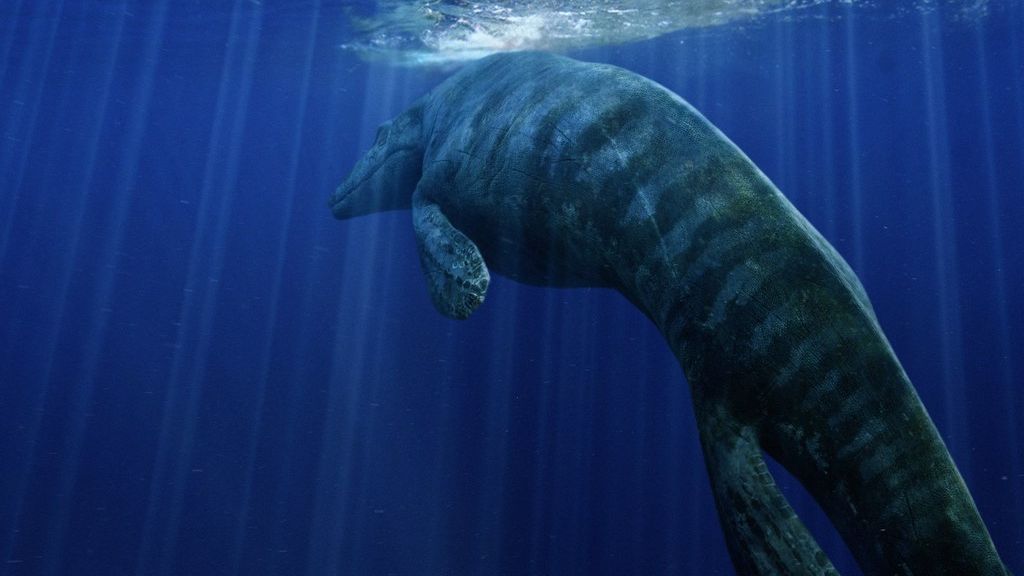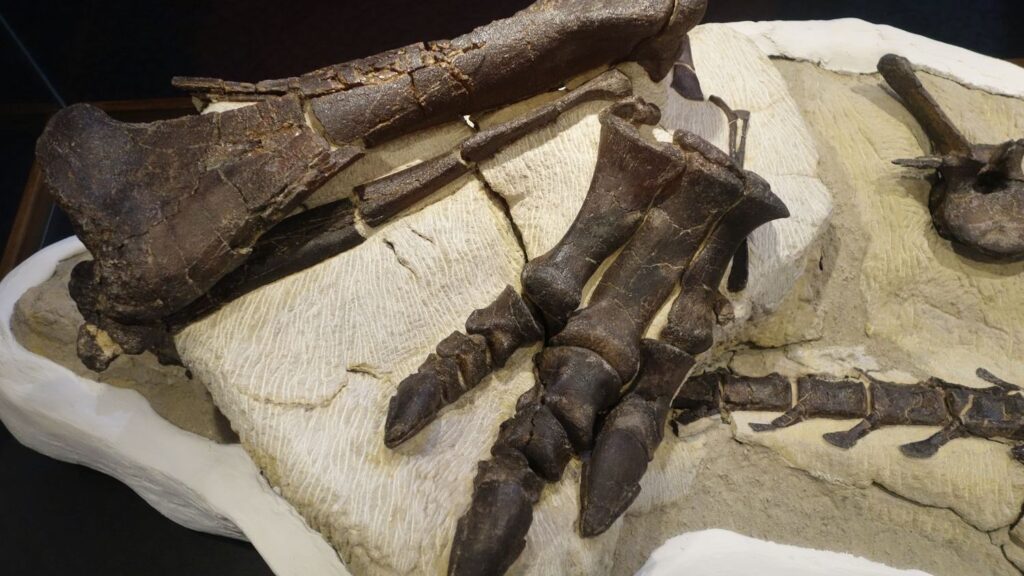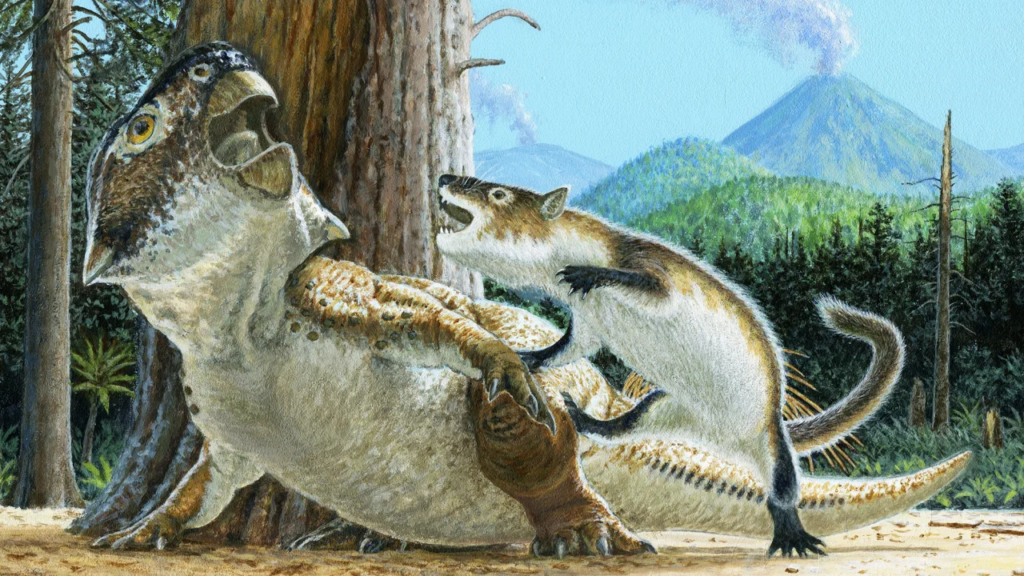
You grow up seeing dinosaurs portrayed as the ultimate rulers of Earth: gigantic jaws, tank-like bodies, claws like knives. Mammals, in comparison, looked like anxious little night-shadows hiding in the underbrush. So it feels almost unfair that these small, shivering creatures ended up inheriting the planet while the reptilian titans vanished. If strength decided who wins, you probably would not be here to wonder about it.
But evolution is not a bodybuilding contest. You are about to see how being massive, armored, and terrifying was not enough when the world itself changed. When you look closely, you realize something surprising: mammals did not beat dinosaurs by overpowering them. They survived by being smaller, more flexible, more adaptable, and, in a weird way, more humble. The story of how mammals inherited the Earth is less about muscles and more about timing, luck, and the kind of strengths you only notice when everything falls apart.
The Myth of “Strongest Wins” in Evolution
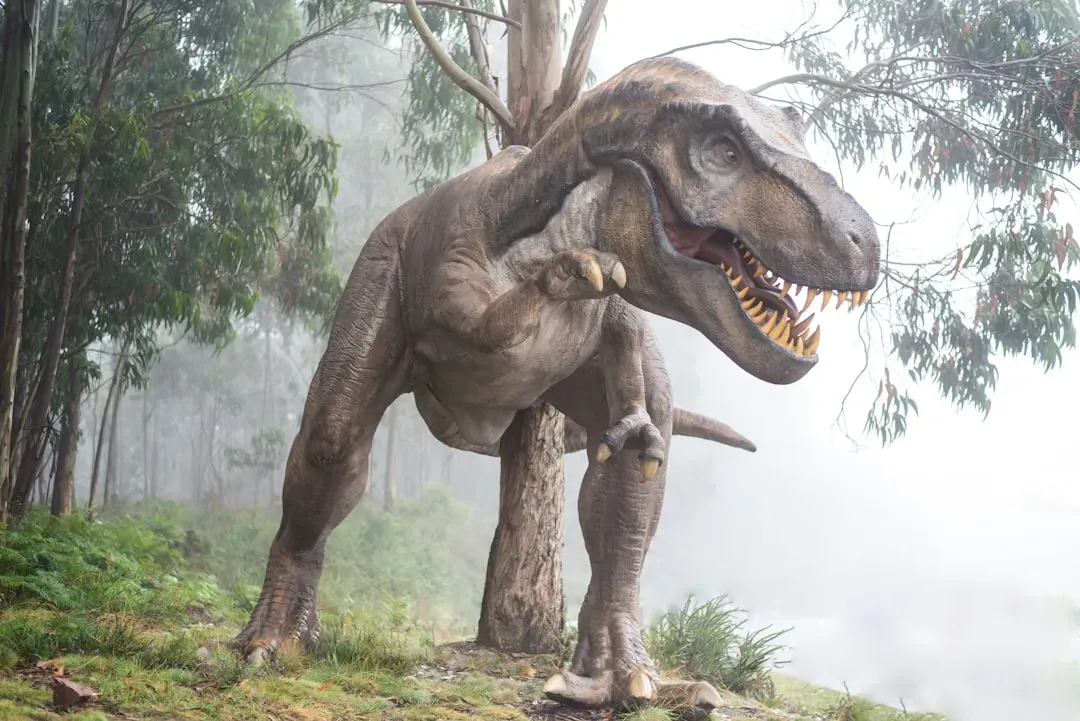
You have probably heard that only the strongest survive, but that idea quietly messes up how you understand evolution. In nature, it is not the heaviest, sharpest, or loudest animals that always win; it is the ones that fit their world best at any given moment. Dinosaurs dominated for well over one hundred million years because they fit their environments incredibly well, not just because they were big and scary. Their strength worked perfectly, right up until the day the rules of the game changed.
If you think of evolution like a long, unpredictable game, physical power is just one card in the deck. You also need flexibility, speed of reproduction, diet options, and a bit of luck with the climate. When conditions are stable, large, specialized animals can sit comfortably at the top. But when disaster hits and everything flips, those same specializations can suddenly become traps, while smaller, less impressive creatures quietly slip through the cracks and keep going.
How the Dinosaurs Ruled – And Why That Was Not Enough
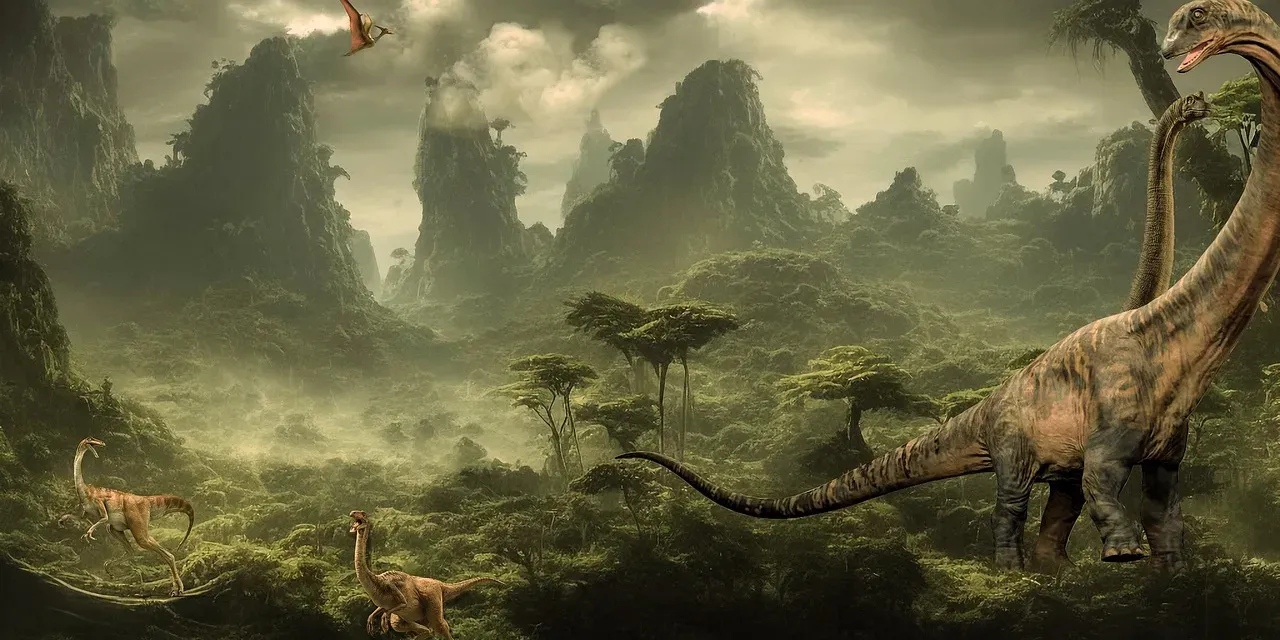
For a huge chunk of Earth’s history, if you were alive and looking around, you would have sworn dinosaurs were unbeatable. You would have seen giant herbivores moving like living bulldozers, and predators towering multiple stories high, powerful enough to tear into almost anything that crossed their path. Their bones show you sophisticated air-filled skeletons, fast growth, and in many cases high activity levels that made them more like monstrous land birds than lumbering lizards. They really were the apex rulers of their ecosystems.
But their rule came with a hidden cost: many dinosaurs were highly specialized for their roles, whether it was long-necked plant eating or fast, large-scale predation. That specialization locked them tightly into specific food webs and climates. When you are huge, you need enormous amounts of food, and you cannot hide from big shifts in the environment. Their dominance works as long as the system stays stable. Once the environment tips over the edge, being gigantic and demanding is the evolutionary equivalent of living paycheck to paycheck.
The Asteroid That Changed the Rules Overnight
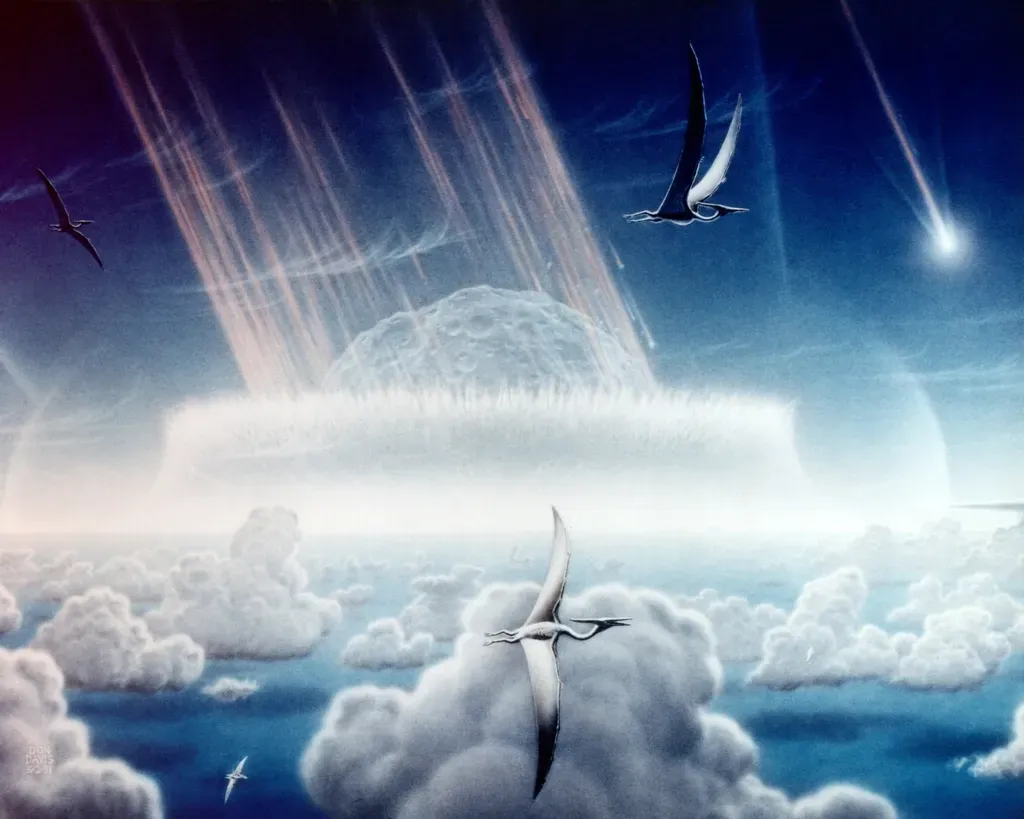
About sixty six million years ago, a roughly city-sized asteroid slammed into what is now Mexico, and your planet became a different world almost instantly on a geological timescale. You can imagine firestorms, shock waves, mega-tsunamis, and then a long, terrifying twilight as dust and aerosols filled the atmosphere and sunlight dropped dramatically. Many scientists think that global temperatures swung sharply, plant growth crashed, and food chains collapsed from the bottom up. If you relied on enormous amounts of fresh vegetation or large prey, your options started evaporating fast.
In that kind of chaos, raw strength offered almost no protection. You could be as powerful as a tyrannosaur and still starve if the big herbivores disappeared. Large bodies lose heat slowly, need lots of calories, and cannot easily hunker down or change diets overnight. This is where smaller creatures, including early mammals, had a quiet advantage: they needed fewer resources, some could burrow or hide, and many already lived flexible, low-profile lives. The asteroid did not choose mammals on purpose; it simply wrecked the world in a way that favored small, adaptable survivors more than giant specialists.
Why Being Small, Flexible, and “Unimpressive” Saved Mammals
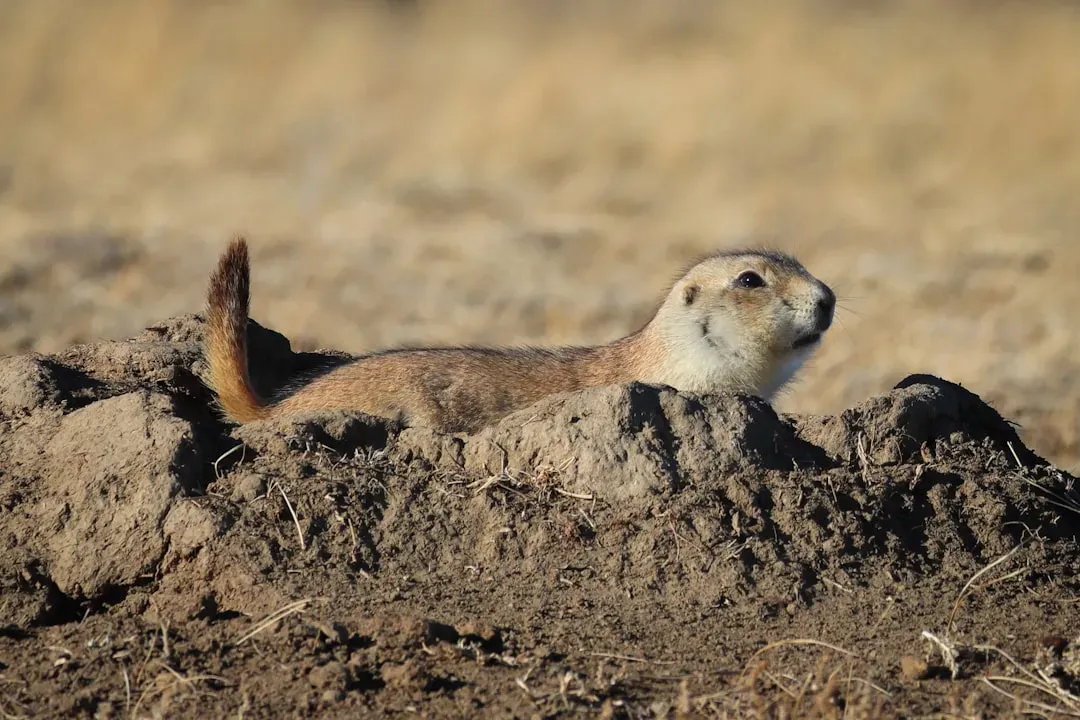
If you were a small mammal back then, your life would not have looked glamorous. You probably lived in burrows or crevices, rushed out at night to scavenge or hunt insects, and avoided anything with huge teeth. That lifestyle, which seems pathetic at first, turned out to be a survival superpower. Burrows could shield you from heat, cold, fire, and debris. Eating insects, seeds, or small bits of almost anything let you ride out sudden drops in plant productivity much better than a multi-ton herbivore could.
On top of that, as a small mammal you could reproduce faster, meaning your population could bounce back more quickly after a disaster. A species that produces many young in a short time can adapt and recover through sheer numbers and rapid genetic turnover. So while the dinosaur world was collapsing, mammals did not have to be stronger; they just had to be good enough at surviving lean, ugly conditions. It is a little like the difference between owning a giant sports car and having a tiny, fuel-efficient hatchback when a sudden, long gas shortage hits.
Warm-Blooded Bodies and the Power of Night
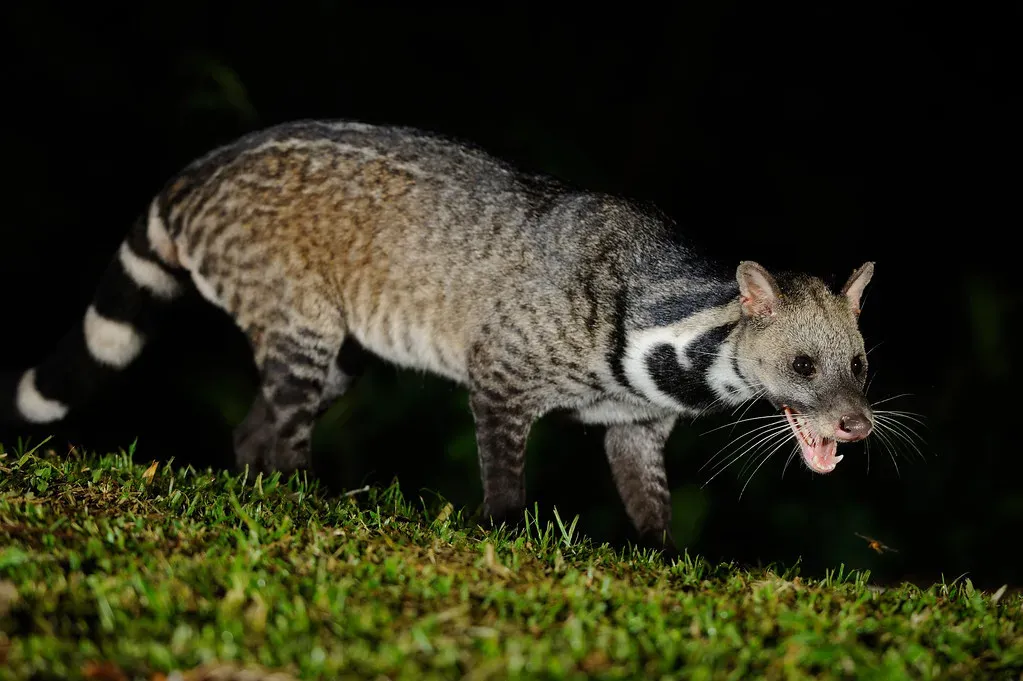
One of your mammalian super-traits is being warm-blooded, meaning you generate your own body heat instead of relying on external warmth. That costs you a lot of energy, but it buys you flexibility. Early mammals appear to have used this to live active lives at night, when temperatures dropped and big reptilian predators slowed down or disappeared. If you were a small, warm-blooded mammal scurrying around in the dark, you held a tiny but critical edge in a dangerous world.
After the asteroid impact, when sunlight dropped and climates lurched between extremes, the ability to regulate your own temperature helped you keep functioning in conditions that might have paralyzed or killed more temperature-dependent animals. Of course, many dinosaurs were also active and possibly warm-blooded or at least warm-blooded-like, especially the bird-line species, so this was not a simple mammal versus dinosaur feature. But as a surviving mammal, your combination of small body, warm-blooded metabolism, and flexible lifestyle helped you stay active and breeding when other lineages were crashing.
Diverse Diets: How Eating Almost Anything Became a Superpower
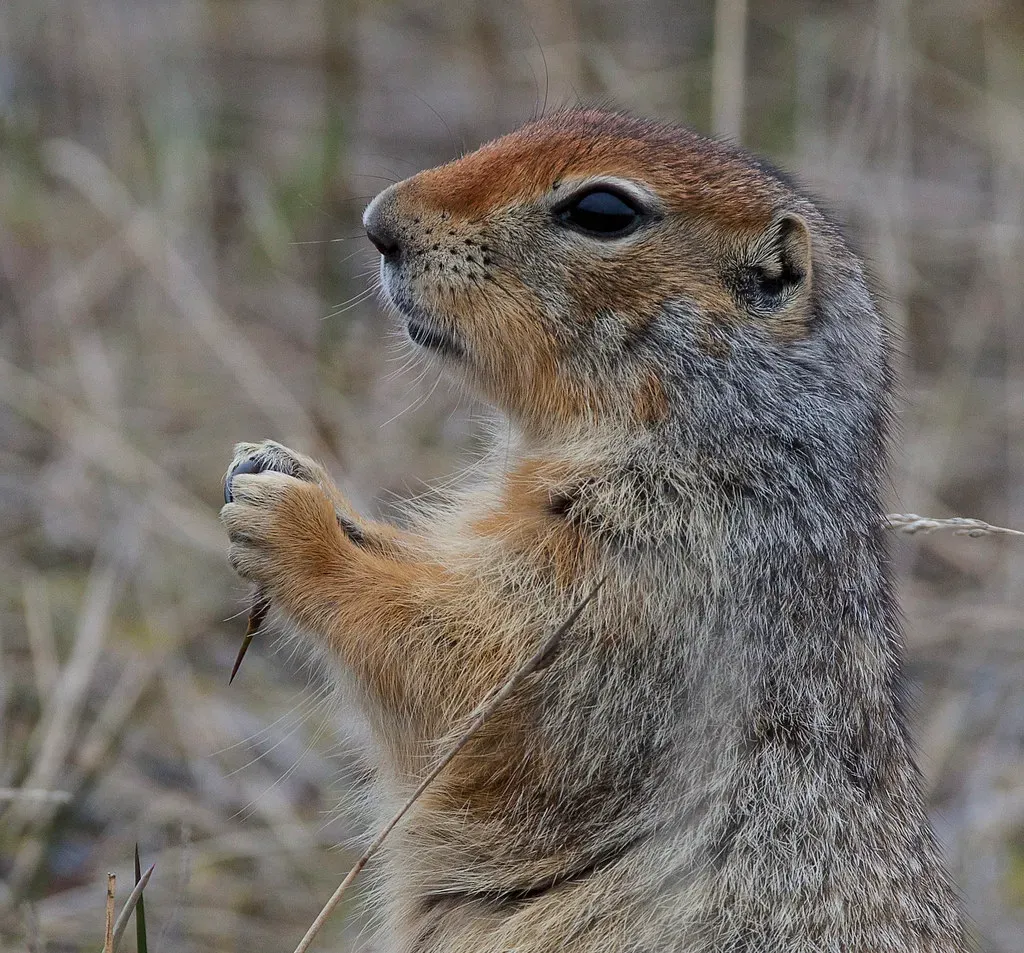
Imagine a world where forests burn, clouds dim the sky, and whole landscapes go quiet because plants stop growing well. In that setting, being picky about food is almost a death sentence. Early mammals seem to have explored a wide range of diets: insects, seeds, small vertebrates, carrion, and later on, fruits and leaves. If you are willing to eat beetles, roots, or whatever you can dig up, you can hang on in places where a giant plant-eater or specialized predator simply cannot support its bulk anymore.
This dietary flexibility is still one of your biggest strengths today as a mammal. You have everything from tiny shrews that hunt constantly to grazing antelope, omnivorous primates, and whales that filter vast swarms of small sea creatures. After the mass extinction, this flexibility let mammal species move into open niches left empty by vanished reptiles. As ecosystems slowly recovered, you and your relatives were already there, trying out new roles, while the big non-bird dinosaurs were gone and could not come back to reclaim their old jobs.
Speed of Change: Reproduction and Evolution in Overdrive
Another quiet advantage you would have had as an early mammal was the speed at which your kind could change over generations. When you have relatively short lifespans and produce multiple offspring, you roll the evolutionary dice more often. That means helpful traits, even small ones, can spread through populations more quickly. In a post-disaster world where environments are unstable, that speed really matters. You are not waiting millions of years for slow giants to adjust; you are spinning through generations at a much faster pace.
Over time, this quick turnover allowed mammals to diversify into an astonishing variety of shapes and lifestyles. You got tree climbers, burrowers, runners, swimmers, and eventually fliers, all branching out as new opportunities appeared. Think of it like a startup being able to pivot every few months in response to market shocks, while a giant old company needs years to adjust. After the extinction event, mammals were the nimble players that could shift, experiment, and expand fast enough to fill the gaps before any competitors could catch up.
How Mammals Quietly Took Over the Vacant Niches
Once the dust literally started to settle, your planet was full of empty ecological jobs. Huge plant-eaters were gone, large land predators had mostly vanished, and whole food webs were broken. Standing in that vacuum, mammals did not march in with fanfare; they crept, scurried, climbed, and swam their way into those roles bit by bit. Over millions of years, some lineages grew larger, some specialized in new diets, and others took to the trees or the oceans. What had once been a world dominated by massive reptiles turned into one where mammalian experiments slowly set the tone.
You can see the echoes of that takeover all around you now. Large grazing mammals replaced many of the old giant reptilian herbivores, big cats and wolves became apex predators on land, and whales grew into ocean giants far larger than almost any dinosaur. Paradoxically, mammals became the new rulers by first surviving as nobodies. The planet was not simply handed to them; it was an inheritance they could claim only because they outlived the previous owners and then patiently rebuilt the house from the ground up.
What This Story Really Says About Survival and “Strength”
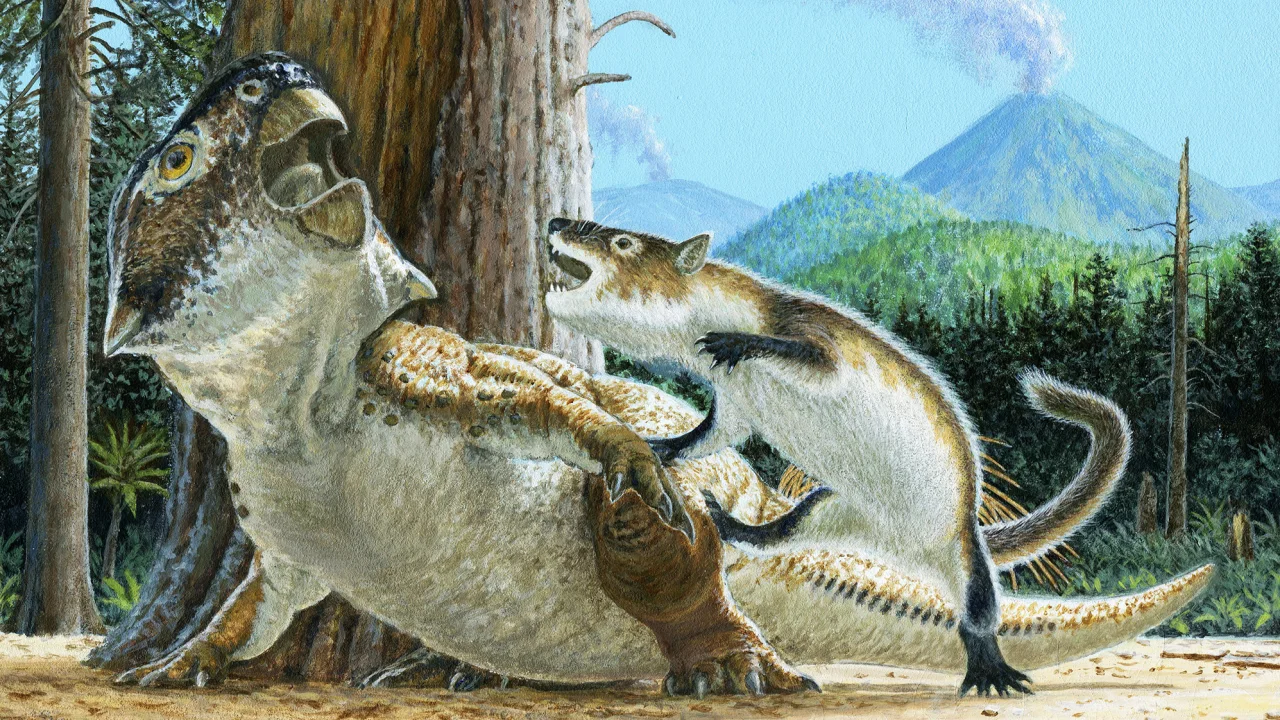
When you step back, the story of dinosaurs and mammals is a reminder that your instincts about strength can mislead you. The animals that looked invincible were undone by forces they could not adapt to quickly enough. The ones that looked timid and forgettable were tough in ways that did not show on the surface. Strength, in evolutionary terms, is not about having the most muscle or the thickest armor; it is about fitting the moment, weathering change, and staying flexible when the world tilts.
So when you think about why mammals inherited the planet, you are really asking why adaptability, resilience, and a bit of luck beat raw power in the long run. You live in a world shaped by creatures that could bend instead of break, that could hide, wait, shift, and try again after disaster. That is the kind of strength you carry in your own body as a mammal. It makes you wonder: if the rules of the game changed again tomorrow, which traits would actually matter most – and would you have guessed that answer before you knew this story?