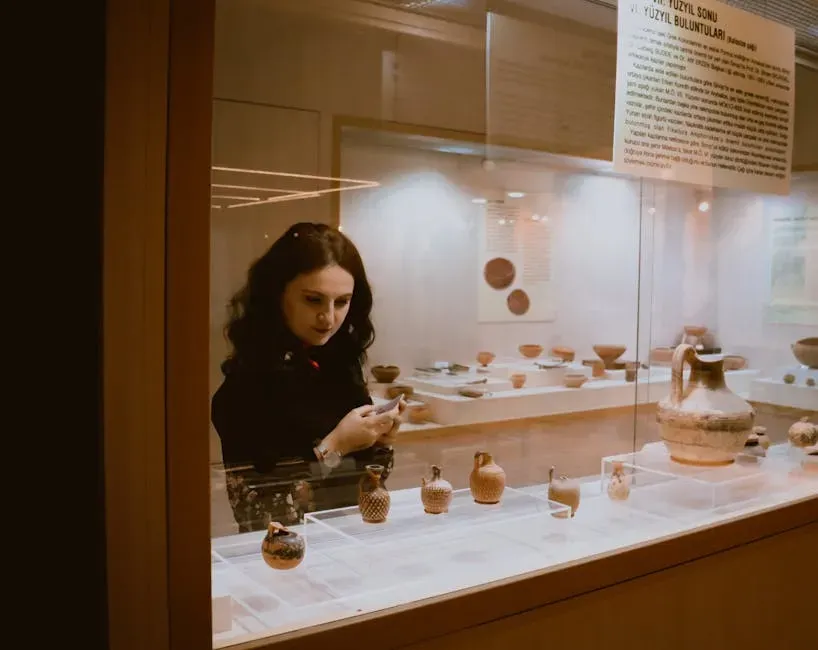
Have you ever stood in a museum, nose practically pressed against a glass case housing a 3,000-year-old artifact, feeling something stir inside you that you can’t quite explain? Maybe you grew up turning over rocks in your backyard, convinced there was a story buried just beneath the surface. Most people walk past a broken piece of pottery without a second thought. You, on the other hand, probably stopped and wondered who made it, who touched it, and why it ended up exactly there.
Archaeology is one of those rare careers that calls to certain people almost like a whisper from the past. It’s not just a job. It’s a personality, a mindset, a quiet obsession. So if you’ve ever wondered whether you were cut out for this life of dust, discovery, and deep human history, keep reading. The signs might surprise you.
1. You Have an Insatiable Curiosity About the Past
Archaeologists tend to be predominantly investigative individuals who are quite inquisitive and curious, people who often like to spend time alone with their thoughts. If that sounds uncomfortably familiar, you’re in good company. You’re the kind of person who goes down a three-hour rabbit hole reading about ancient Rome when you were only supposed to be checking the weather.
Humans are a curious species, and we are especially curious about ourselves. We are interested in our own past, how we came to be who we are, and how things were for those who lived before us. If that curiosity runs deep in you, almost like a low hum that never switches off, that’s not just a hobby. That’s a calling.
2. You’re Deeply Patient and Don’t Mind Slow Progress
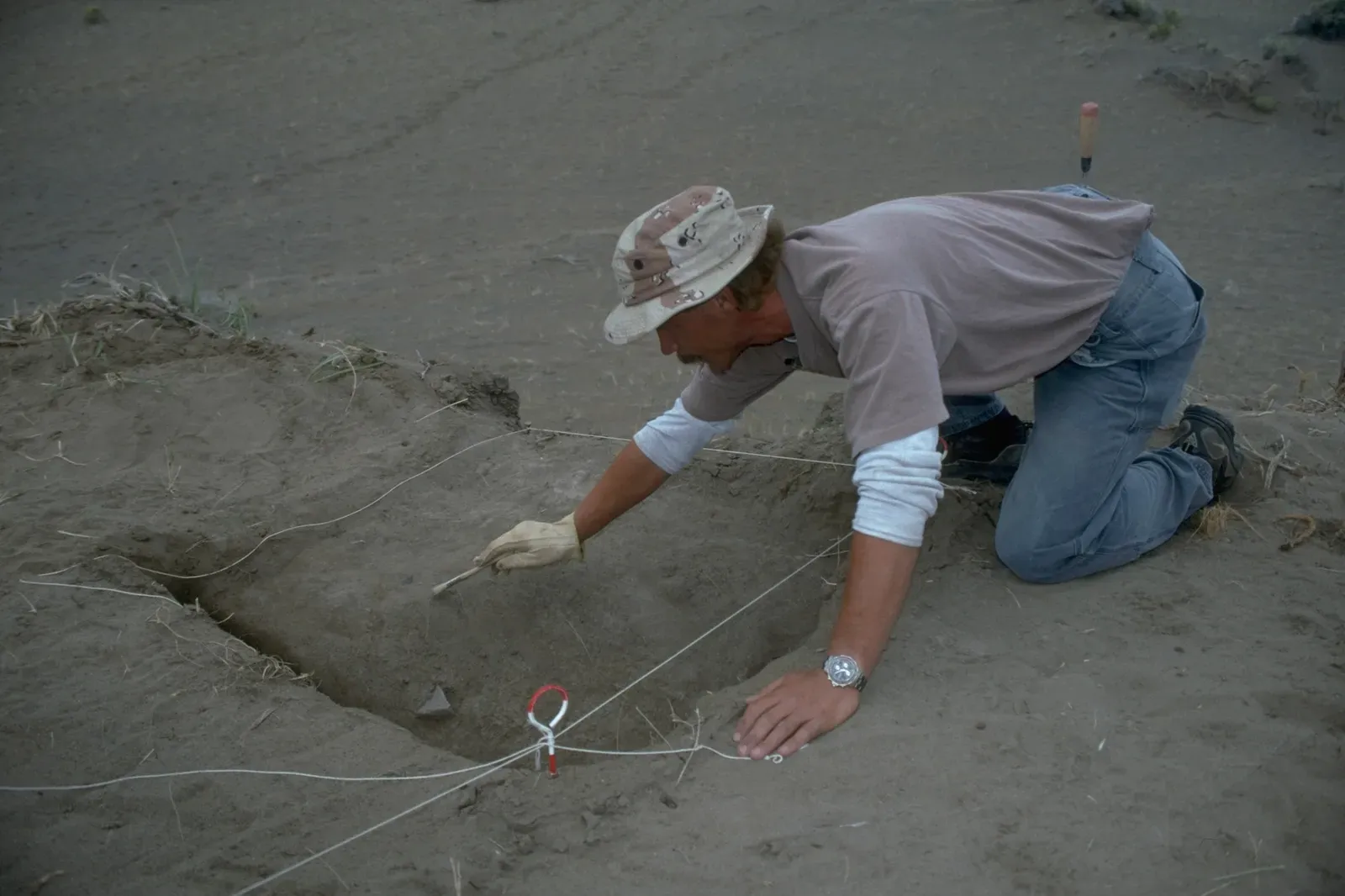
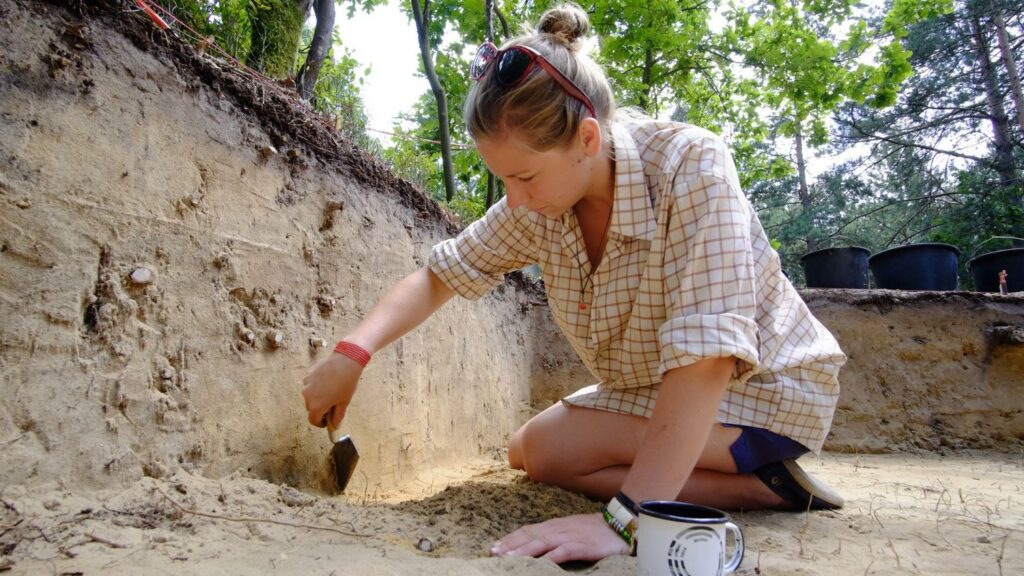
It takes persistence because a lot of the work in archaeology is very slow. You might be out excavating ancient houses or temples. It sounds very glamorous, but you are digging up thousands of little pieces of pottery, stone, bone, and other objects. You have to record and draw everything, and then study each artifact carefully. If that description doesn’t terrify you, congratulations. You might be built for this.
It is incredibly important for an archaeologist to be patient when excavating or when shaking excavated dirt through window screens, searching for tiny artifacts. Think of it like this: most people want the treasure. You’re someone who genuinely enjoys the digging. That difference is everything in this field.
3. You Thrive in the Outdoors, Even When It’s Uncomfortable
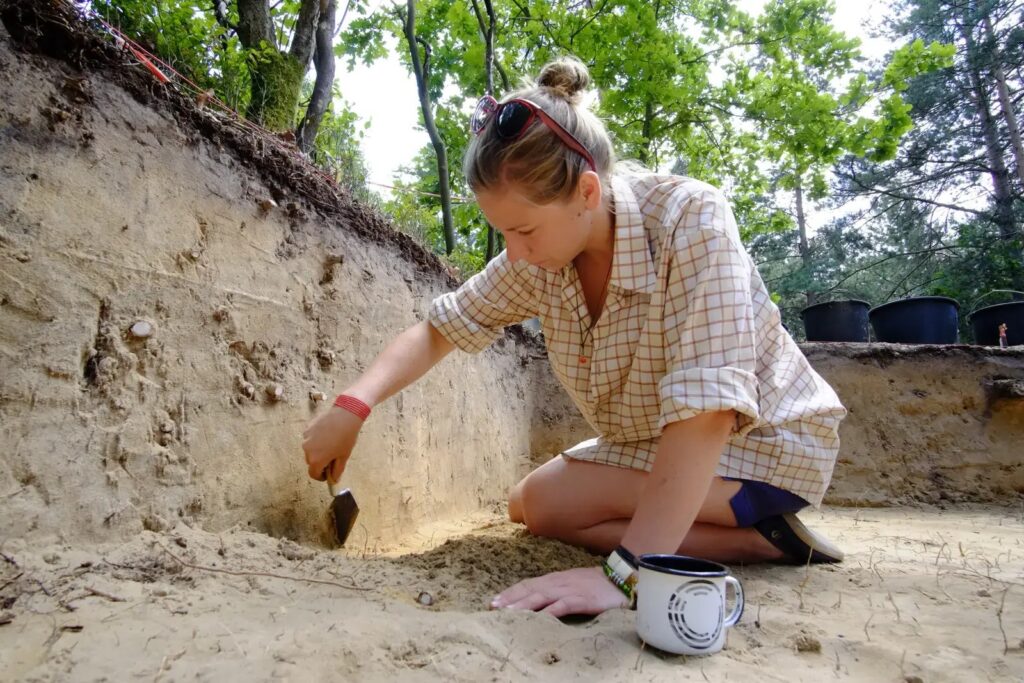
Unless you are one of the few archaeologists who become college professors, you are going to spend a majority of your time outdoors, walking for miles on field surveys, digging for hours into the earth, and generally getting completely filthy every day. Here’s the thing: that description is a dream for some people, and a nightmare for others. Which camp do you fall into?
Fieldwork usually requires travel for extended periods, sometimes to remote areas that involve rugged living conditions and strenuous physical exertion. An archaeologist should be in good physical condition, have stamina, and be able to move and bend easily. Of course you must also not mind getting dirty and hot, and should enjoy being outside. If your idea of a perfect weekend involves hiking somewhere wild and sleeping under stars, you’re already halfway there.
4. You Have a Naturally Analytical Mind

Archaeologists tend to be investigative individuals, which means they’re intellectual, introspective, and inquisitive. They are curious, methodical, rational, analytical, and logical. Does that sound like how your friends describe you? The person who always wants to know the “why” behind everything, not just the what?
You should have an analytical and detail-oriented mind, be a strong critical thinker who can evaluate a wealth of information, be able to communicate clearly even under high-stress situations, and have the physical stamina for fieldwork. It’s a rare combination, honestly. Most people are one or the other: physical or intellectual. True archaeologists are wired to be both at once.
5. You Love the Idea of Piecing Together a Puzzle
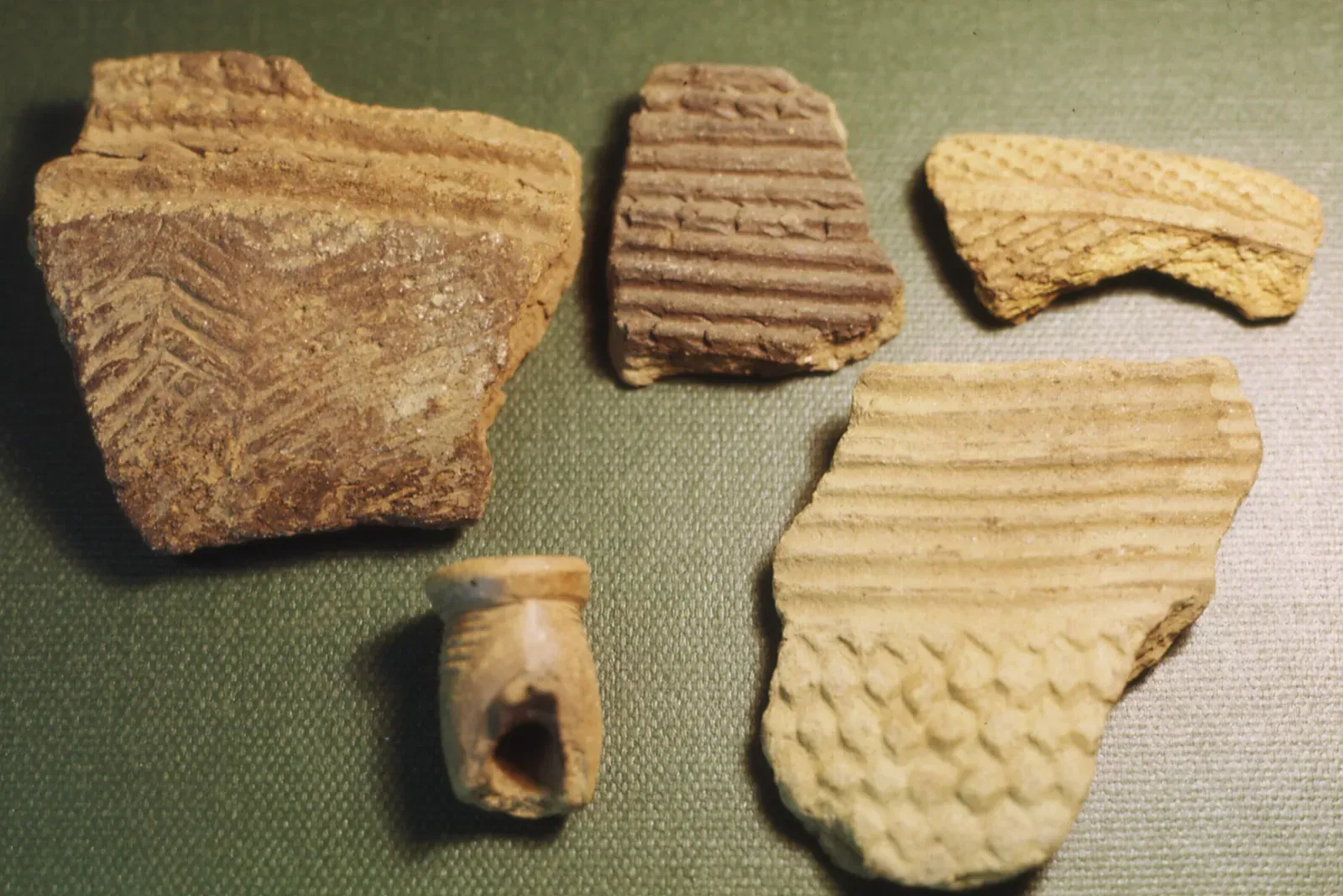
It also takes imagination. You have to try to put yourself in the position of people who lived long ago, to project yourself back in time. You almost have to come up with a movie in your head of what could have happened to leave behind the remains you are excavating. I think this is one of the most underrated qualities in the field. It’s not just science; it’s creative problem-solving at a massive scale.
Solving the puzzles presented by sites and collections is both challenging and fun. By carefully excavating, documenting, and analyzing artifacts, architecture, and ecofacts, archaeologists seek to understand various aspects of human culture, such as social structures, technology, economy, and beliefs. If that process makes your pulse quicken just a little, you already think like an archaeologist.
6. You’re a Natural Team Player
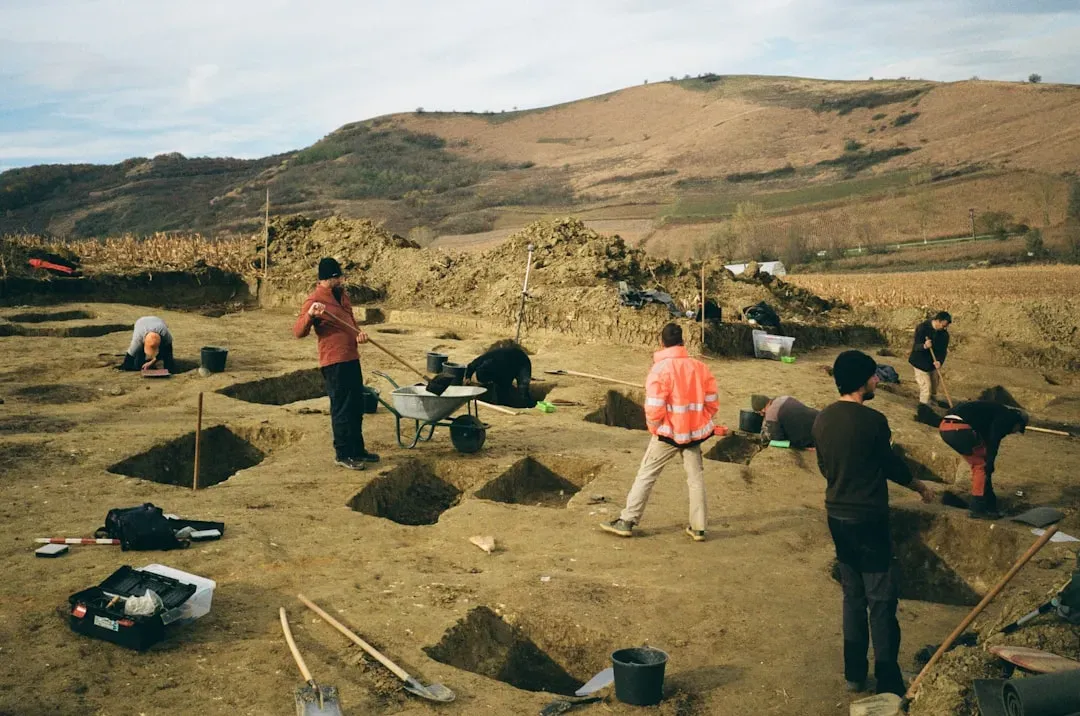
Archaeology is not an individual effort – you have to be a team player. If only one person were excavating a unit at one time, it would take forever to go through the many steps of excavation: digging, screening, mapping, paperwork, and many more. A team setting allows individuals to collaborate and put together a comprehensive understanding of a site as individuals apply their specialties to different aspects of a problem.
If you envision archaeology as the solitary pursuit of an elusive artifact or site, you don’t have the picture quite right. Think instead of archaeological fieldwork involving groups of scientists working together to discover and carefully record many different bits of evidence about what the world used to be like and what people did in it. Let’s be real: if you’re energized by collaboration, shared discovery, and the electricity of a group finding something extraordinary together, you were made for fieldwork.
7. You’ve Always Been Drawn to History, Culture, and Ancient Civilizations
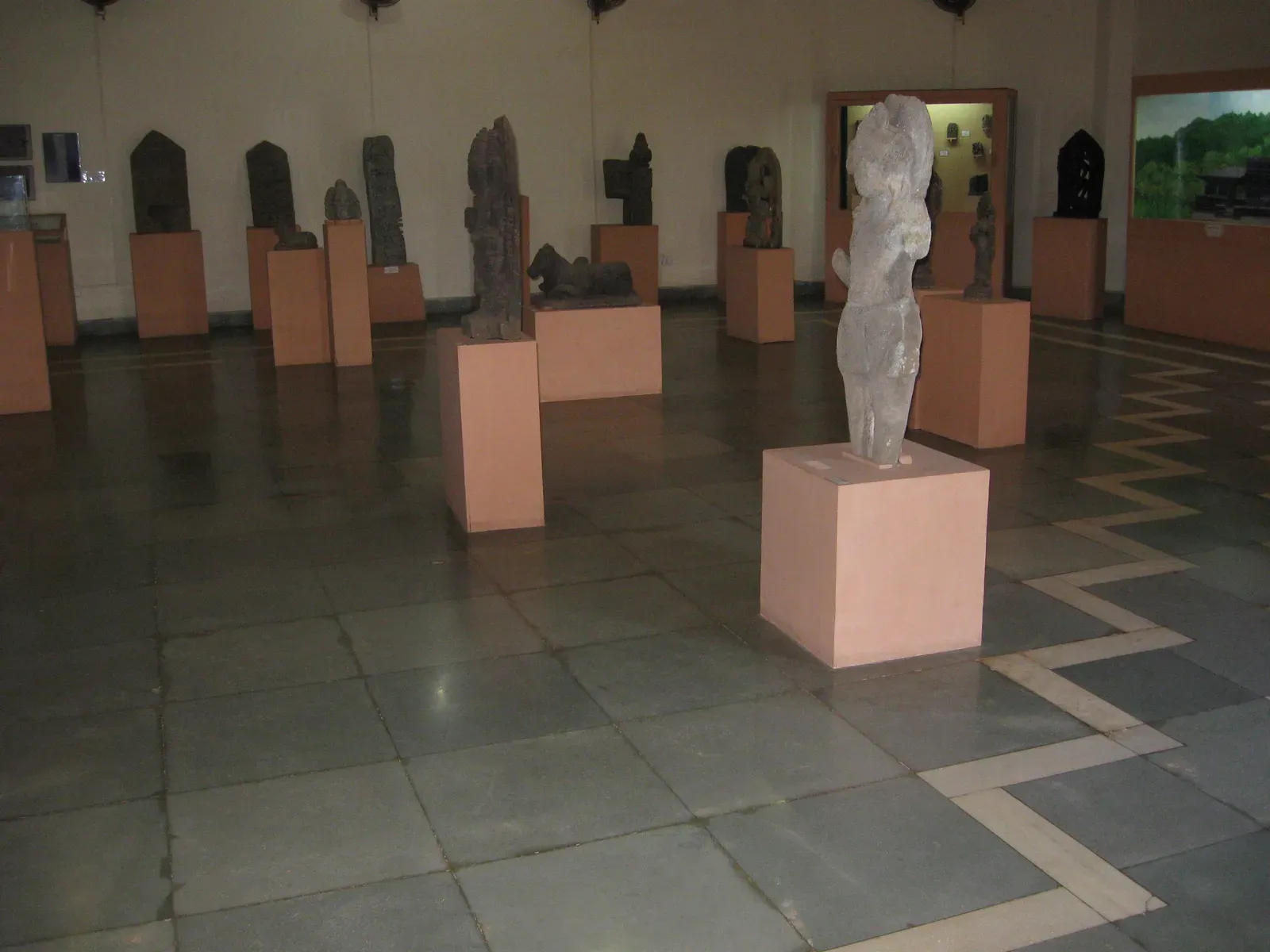
People are generally fascinated by objects and places from the past. Even though we can’t go back in time, we can get close to the past by visiting an old place or holding an ancient object. When we walk into a house in Pompeii, or a Pharaoh’s tomb in Egypt, or hold a little pot from the time of Aristotle, we get a feel for the texture and shape of the past, and we can see it as something real and personal.
The most meaningful experience is the sensation of standing inside somebody’s house, picking up a pot they used to cook dinner in, holding the dishes they ate from, and feeling, at least a little, as though you were inside a life lived long ago. It’s a kind of time travel: magical, humbling, mysterious, and exciting. It makes the past feel real and alive, and it reminds you that it was filled with regular people going about their daily lives, just like today. If that imagery gave you chills, take note.
8. You Have a High Openness to New Experiences
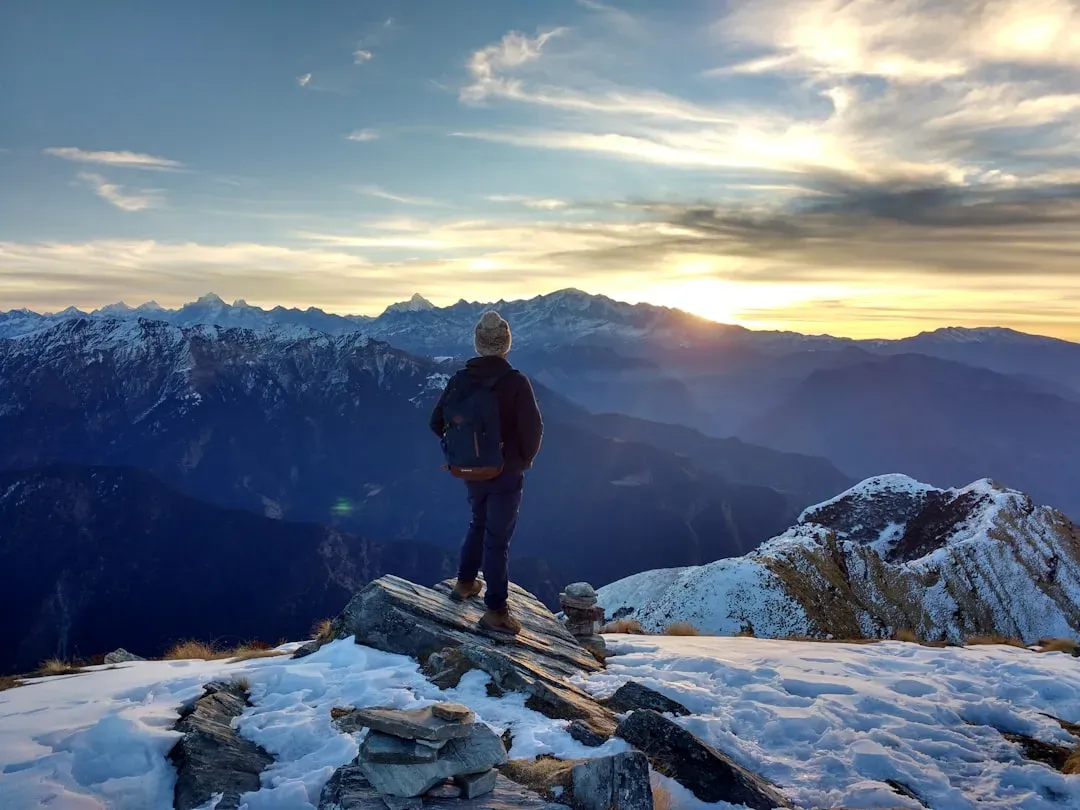
One of the most prominent traits among archaeologists is a high level of openness to experience, a Big Five personality dimension characterized by curiosity, imagination, and a preference for novelty. In plain terms: you don’t just tolerate the unfamiliar, you actively seek it out. New cultures, new places, new ways of thinking – they energize you rather than exhaust you.
A high level of openness to experience fuels the desire to explore unknown sites, interpret artifacts, and understand complex historical contexts. Archaeological sites can be found around the world, and evidence of an archaeologist’s passion can be found in their passport. Every archaeologist seems to have been dosed with wanderlust and curiosity about people in the past. If your passport is your most prized possession, that says something powerful about you.
9. You Have a Genuine Passion for Storytelling Through Evidence
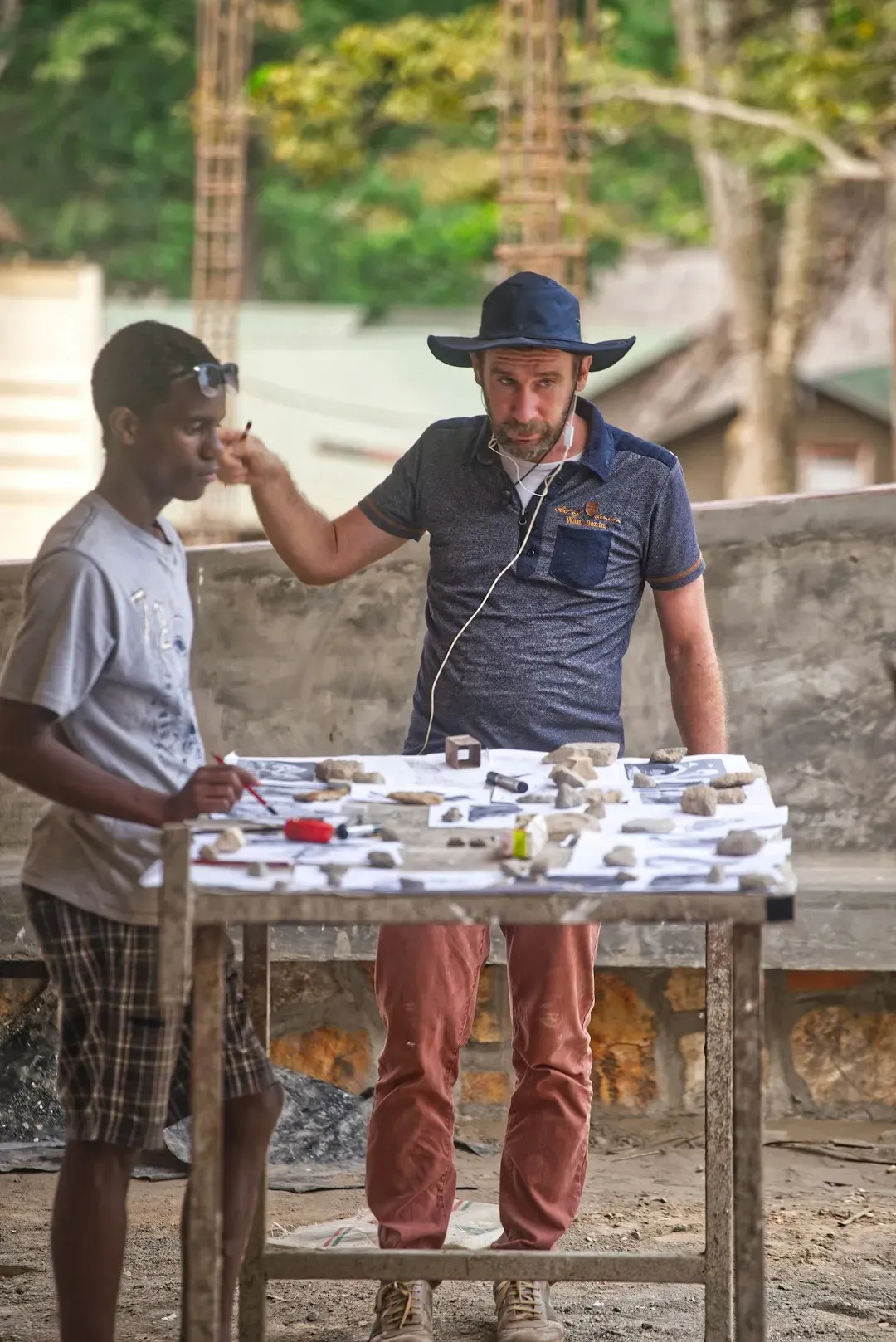
Because there are so many aspects of archaeology, people come into it from all sorts of backgrounds and because of all sorts of interests. It is important to remember that it really is about understanding people and telling their stories through the artifacts and other evidence we find. Archaeology, at its heart, is not just excavation. It’s narration. You’re the translator between the ancient world and the modern one.
The purpose of archaeology is to learn more about past societies and the development of the human race. Over 99 percent of the development of humanity has occurred within prehistoric cultures who did not make use of writing, thereby no written records exist for study purposes. Without such written sources, the only way to understand prehistoric societies is through archaeology. That’s a staggering responsibility. It’s also an extraordinary privilege. If you feel the weight of that and find it exciting rather than overwhelming, you might just be one of the rare people born to carry it.
Conclusion: The Dirt Chooses Its People
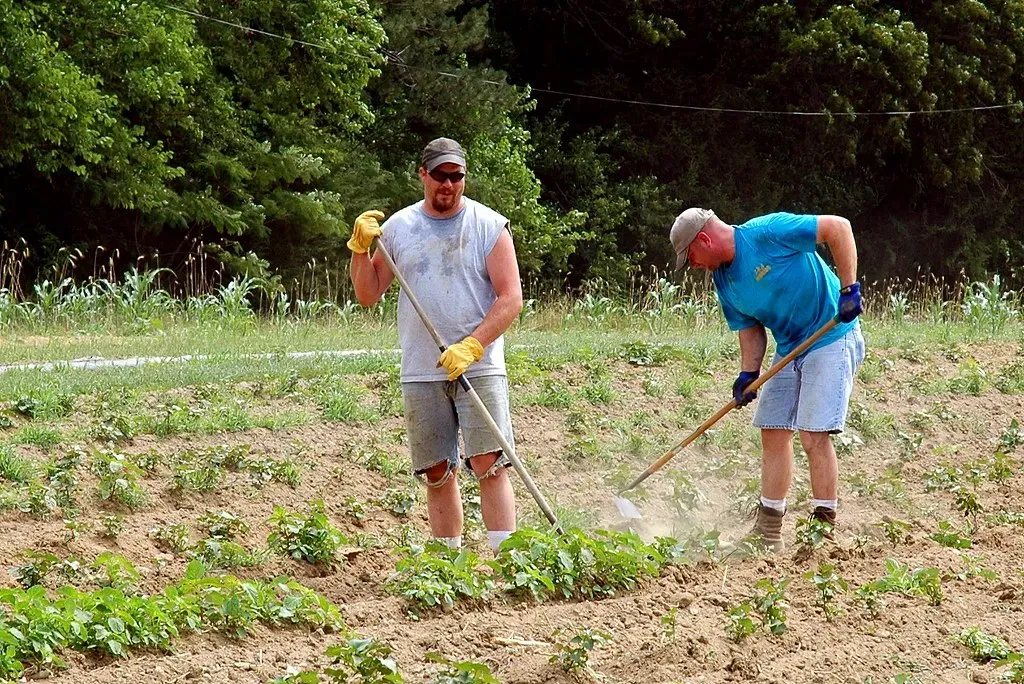
Archaeology doesn’t really feel like a career choice for the people truly built for it. It feels more like a recognition, a slow dawning realization that the questions you’ve always been asking, the things you’ve always been drawn to, actually have a name and a field of study attached to them.
Not everyone is wired to spend hours sifting through soil in blistering heat, decoding the silent language of broken pottery and buried walls. Archaeology, for most who pursue it, is a passion, maybe even a kind of obsession, one they are happy to give most of their time to. The dust, the discomfort, the painstaking slowness of it all – for the right person, that’s not a sacrifice. That’s the whole point.
So, how many of these nine signs resonated with you? If the answer is most of them, maybe it’s time to stop wondering and start digging. What would you have guessed about yourself before reading this?