

You don’t have to travel to a foreign country or join a university expedition to find yourself face-to-face with a genuine dinosaur fossil. Surprisingly, some of the most significant prehistoric discoveries in the entire world have been made right here in the United States, scattered across rugged canyons, sun-baked badlands, and windswept plains that seem almost prehistoric themselves. The United States is truly one of the best places in the world for dinosaur discoveries, with a variety of landscapes that have proven ideal for fossil preservation.
So where exactly do you go if you want to walk in the footsteps of a T. rex or stumble upon the rib of an Apatosaurus? Most finds come from a rectangular area stretching from Montana and North Dakota south to Arizona and Texas. The six states you’re about to read about are in a league of their own – and a couple of them might genuinely surprise you. Let’s dive in.
1. Montana – America’s Premier Dinosaur State
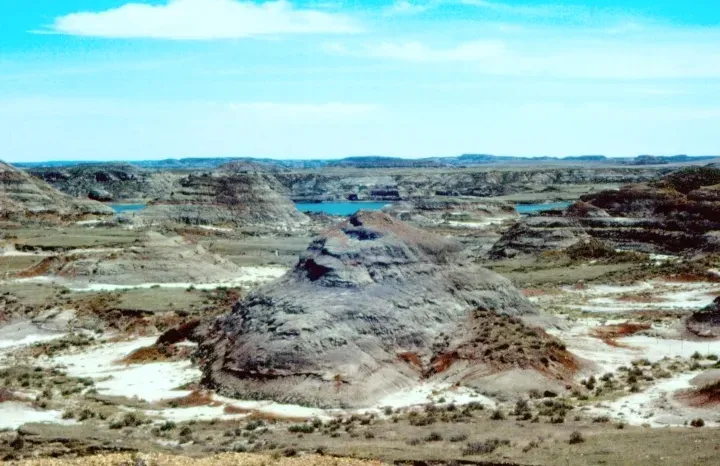
Honestly, if you had to pick one state that screams “dinosaur country,” Montana would win without a contest. Montana is a hotspot for dinosaur bones, especially in locations such as Yellowstone National Park, where paleontologists have dug up bones belonging to at least 75 dinosaur species and scientists have found over 909 fossils. That is a staggering number, and it only scratches the surface of what likely still lies buried beneath the soil.
The Hell Creek Formation, named for exposures studied along Hell Creek near Jordan, Montana, stretches over portions of Montana, North Dakota, South Dakota, and Wyoming. The rich dinosaur fauna here includes theropods such as Tyrannosaurus, pachycephalosaurs, ornithopods, ankylosaurs, and ceratopsians such as Triceratops. Think about that for a second – this one geological formation contains nearly all of the most iconic dinosaur names you know. Montana is not just a good place to find fossils. It is the place.
The largest Triceratops skull ever discovered, nicknamed “Dragon King,” was found in Glendive, Montana, which is in the Hell Creek Formation. If you visit, Makoshika State Park is another stop where some of the world’s best-preserved dinosaur fossils have been found on its 11,000 acres. For those who want to get their hands dirty, you can purchase tickets to the Fossil Field Expedition to excavate fossils alongside professionals from one of the museum’s active dig sites – and these expedition tickets sell out every year, so plan early.
2. Wyoming – The Bone Bed Capital of the West
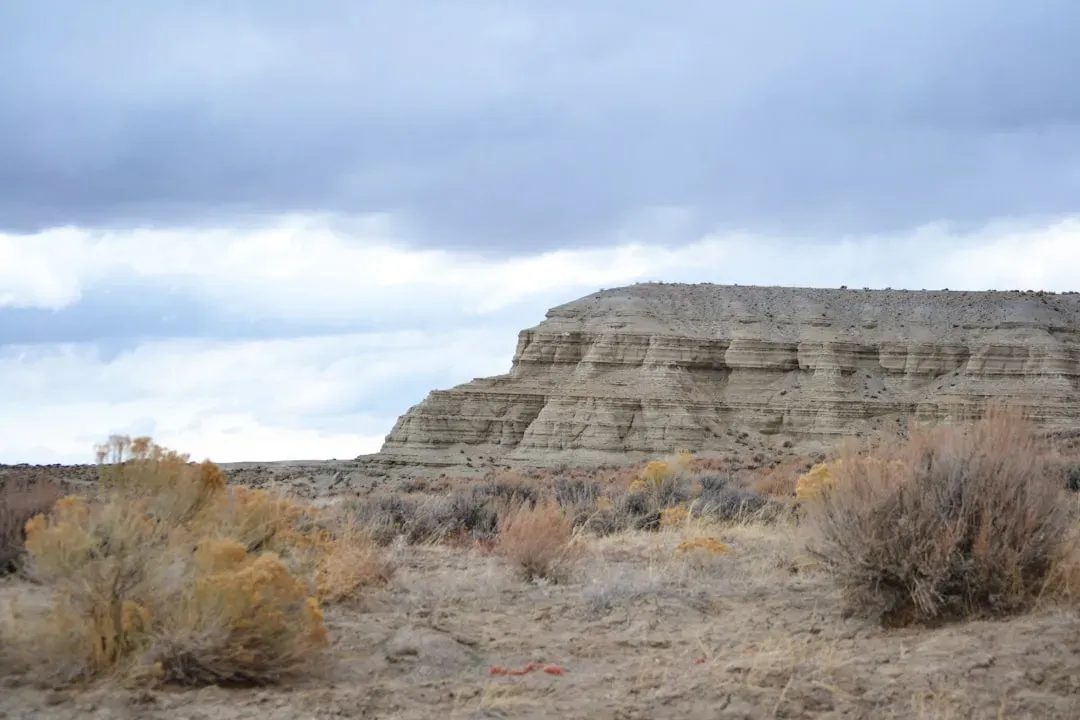
Wyoming may be best known for Yellowstone’s geysers, but let’s be real – this state has an equally remarkable claim to fame under its soil. In Wyoming, scientists have unearthed over 1,000 fossilized remains, making it the second most popular spot in the United States for finding dinosaurs. That is an extraordinary concentration of prehistoric life locked into one state’s geography.
A geological formation known as the Morrison Formation is one of the most productive places, yielding numerous exceptionally well-preserved dinosaur remains from Stegosaurus to Diplodocus; it is made up of limestone, mudstone, sandstone and siltstone, and extends through much of the Western United States, reaching from Montana to New Mexico. Wyoming sits right at the heart of this prehistoric treasure chest. Visitors to Wyoming can marvel at ancient fossils at locations like the Wyoming Dinosaur Center in Thermopolis, where guests can not only enjoy assembled skeletons of famous dinosaurs like Tyrannosaurus Rex and Triceratops, but they can also try their hand at digging in an actual quarry through the Dig for a Day program. Few experiences compare to pulling a real dinosaur tooth from the earth with your own hands.
3. Utah – A Living Dinosaur Museum Hiding in Plain Sight
Utah might be the most jaw-dropping state on this list for sheer density of prehistoric material. The states that produce the largest number of dinosaur fossils include Utah, and over 6,000 different fossils have been found at a single dig site in Emery County – specimens that researchers believe date back 100 million years. That is roughly the same number as the entire fossil output of many other states combined.
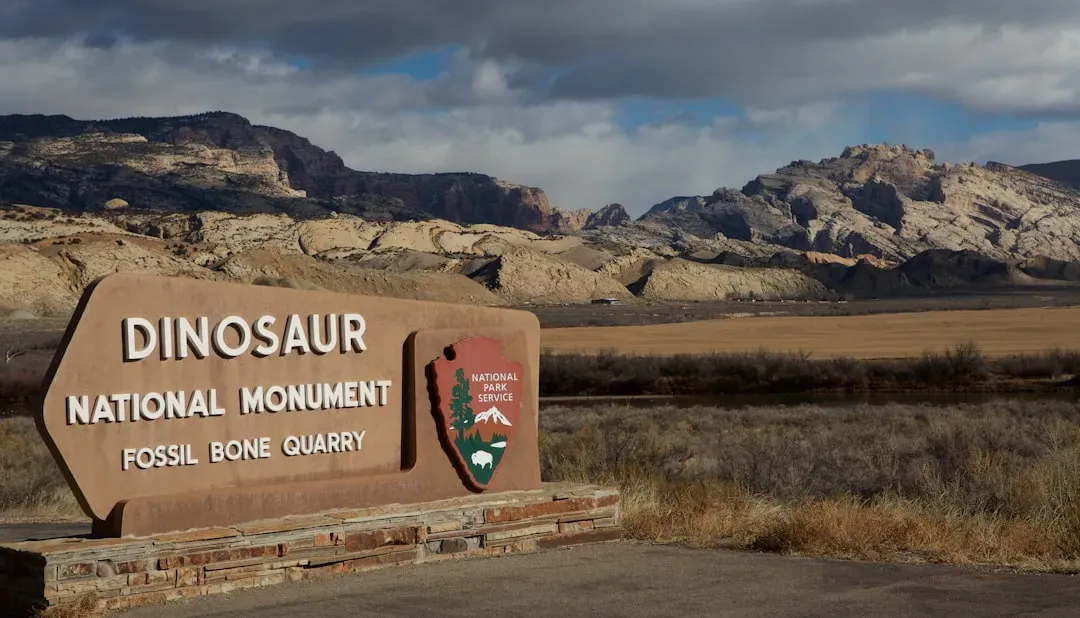
The Cleveland-Lloyd Dinosaur Quarry contains one of the densest concentrations of Jurassic-aged dinosaur bones ever found, with over 12,000 fossils representing at least 74 individual animals, and the site is notable for its unusually high number of carnivorous dinosaurs – more than three-quarters of the bones come from predators like Allosaurus fragilis, with over 46 individuals identified. Nobody is entirely sure why so many meat-eaters ended up in one spot, and that mystery alone makes a visit feel like stepping into an unsolved crime scene from 150 million years ago. Located in Utah’s Uinta Mountains, Dinosaur National Monument is considered one of the country’s most well-known fossil hot spots, where dinosaurs like the Stegosaurus, Allosaurus, and Apatosaurus are embedded in rock at the Carnegie Quarry. You can literally reach out and touch bones that are older than imagination.
4. Colorado – Where the First Stegosaurus Was Born
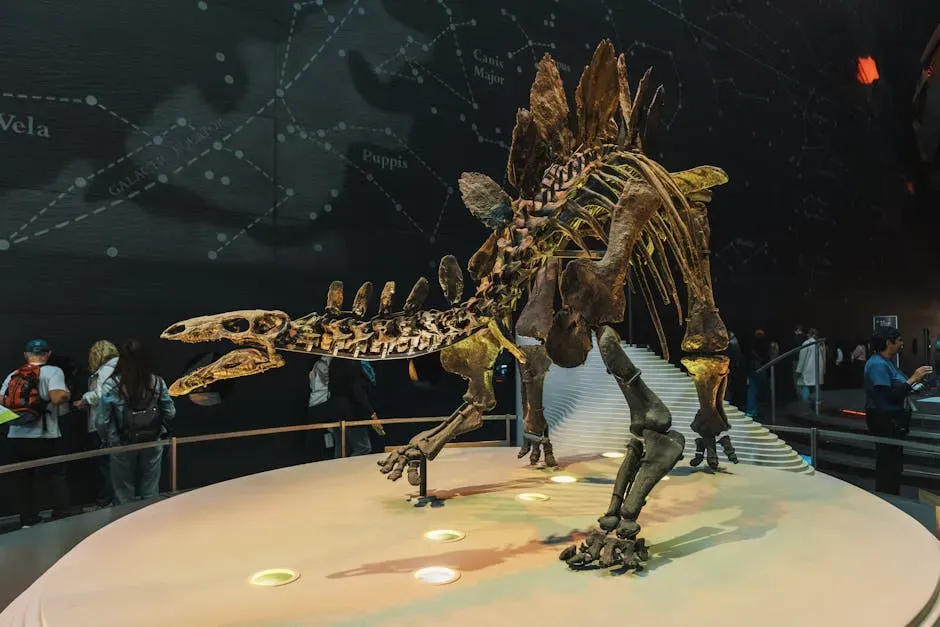
Here’s a fun fact that might blow your mind: Colorado is the birthplace of one of the most recognizable dinosaurs in history. The world’s first Stegosaurus fossil was discovered in Colorado in 1877 at Dinosaur Ridge, which is also one of the world’s best spots for dinosaur footprints, with 300 tracks across a two-mile hike. You can walk that same stretch today and count the footprints yourself – it is honestly a surreal experience.
So far, scientists have unearthed over 300 dinosaur tracks and 1,500 bones in Colorado, and some of the bones found here belong to well-known species including the first Stegosaurus fossil ever found, which also became the state dinosaur. Fossils have been found across the state of Colorado, including at quarries like Garden Park Fossil Area, which can be visited by the public, and for those hoping for an indoor dinosaur-viewing opportunity, the family-friendly Rocky Mountain Dinosaur Resource Center is one of the best places to see dinosaur fossils in Colorado today. Colorado is proof that history doesn’t only live in museums – sometimes it lives beneath your hiking boots.
5. New Mexico – The Underrated Giant of Fossil Country
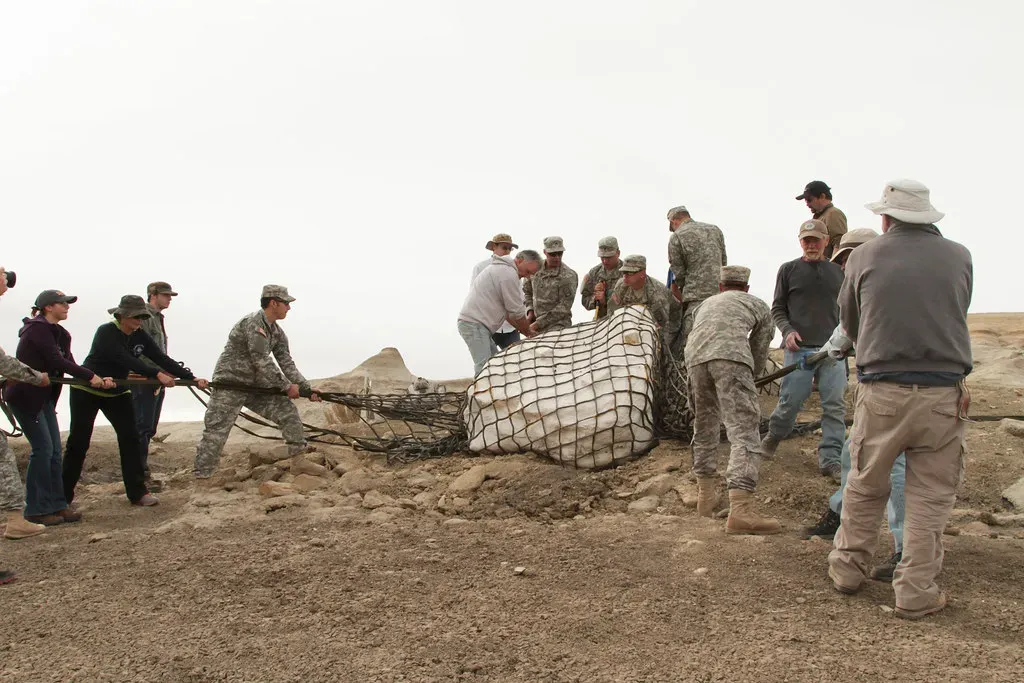
New Mexico often gets overlooked in the dinosaur conversation, which is honestly a shame. New Mexico is a destination that often goes unnoticed, bypassed in favor of the famous landmarks of neighboring states – yet for thousands of dinosaurs, this arid southwestern state was the perfect place to call home. The dry, eroded landscape has preserved fossils remarkably well over tens of millions of years.
Hayden Quarry, Whittaker Quarry, and the San Juan Basin have all proven to be hotspots for dinosaur fossil discoveries, revealing well-preserved bones from everything from the Tyrannosaurus Rex to the Coelophysis, a small raptor and the state fossil of New Mexico. You can follow in the footsteps of dinosaurs at Clayton Lake State Park and Dinosaur Trackways or at Prehistoric Trackways National Monument near Las Cruces, where intact footprints from dinosaurs and other prehistoric creatures remain visible. The trackways alone are worth the drive – seeing actual impressions left by living creatures who walked the Earth before humans ever existed puts things into a perspective that is hard to describe.
6. Texas – Big State, Bigger Fossils
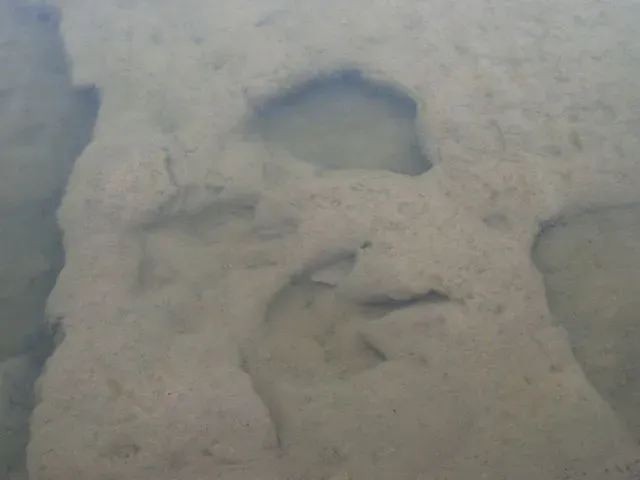
Everything’s bigger in Texas, and that apparently includes the dinosaurs. Not only is Texas one of the states with the most dinosaur discoveries in the US, but it is also one of the best states to find dinosaur tracks specifically, with Dinosaur Valley State Park being a popular place for locals and tourists alike to walk, camp, and picnic alongside dinosaur tracks left along the Paluxy River. I think finding giant three-toed footprints pressed into a riverbed is one of those experiences that turns even the most skeptical adult into a wide-eyed kid.
For a more fun take on the many discoveries of Texas, the free-to-visit Mineral Wells Fossil Park allows visitors to search for their own fossils in an actual Texas quarry. It’s not just a passive museum visit – you are actively digging, sifting, and searching. Back in 1938, paleontologist Roland T. Bird was sent to Texas in search of dinosaur trackways, and at the town of Glen Rose local residents guided him to carnivorous dinosaur tracks preserved along the Paluxy River – where, while cleaning mud from these footprints, he noticed another kind of footprint, apparently left by a long-necked sauropod dinosaur. That discovery changed paleontology forever, and Texas has been a treasure state ever since.
A Final Thought on Chasing Dinosaurs
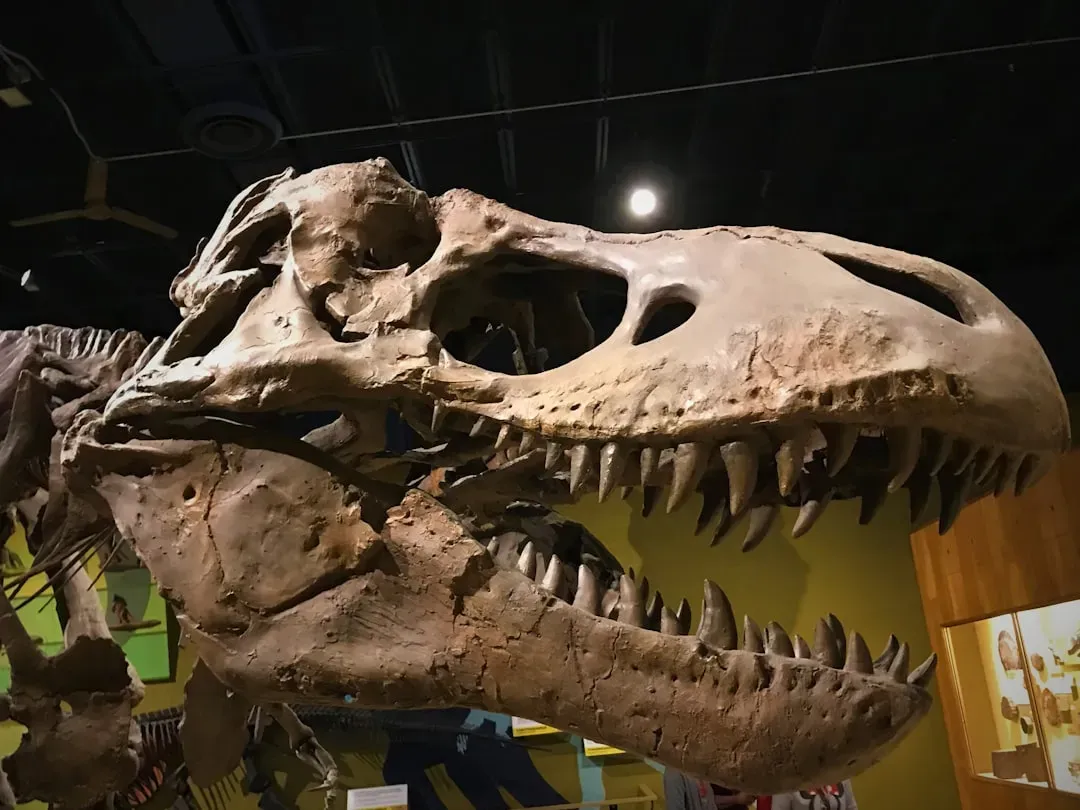
The sheer scale of what lies buried beneath American soil is, to put it mildly, mind-boggling. Within the US, dinosaur-era fossils, tracks, or imprints have been found in 45 of the 50 states, though these discoveries have been largely concentrated in certain regions. The six states covered here represent the very best of what the country has to offer for fossil hunters, curious travelers, and armchair paleontologists alike.
Whether you’re standing at the edge of a Montana quarry watching a T. rex skull emerge from the earth, or tracing your finger along a 150-million-year-old footprint in a Texas riverbed, these places offer something genuinely rare. They make deep time feel personal. Dinosaurs are rare in the eastern half of the country because that area was generally eroding instead of being a place of deposition when dinosaurs were around – which means the western states on this list are truly precious windows into a world long gone. So, which of these six states would you book a ticket to first?