Imagine a creature so extraordinarily well-equipped for survival that it ruled every major landmass on Earth for over 160 million years. That is not the plot of a science fiction movie – that is the real, jaw-dropping story of the dinosaurs. Most people think of them as just big, terrifying monsters, but honestly, that sells them spectacularly short.
The truth is, dinosaurs were evolutionary masterpieces. Each feature of their anatomy, each behavioral quirk, each physiological trick was fine-tuned over millions of years into something almost impossibly effective. What made them tick? What gave them that extraordinary edge? Let’s dive in.
The Revolutionary Upright Stance That Changed Everything
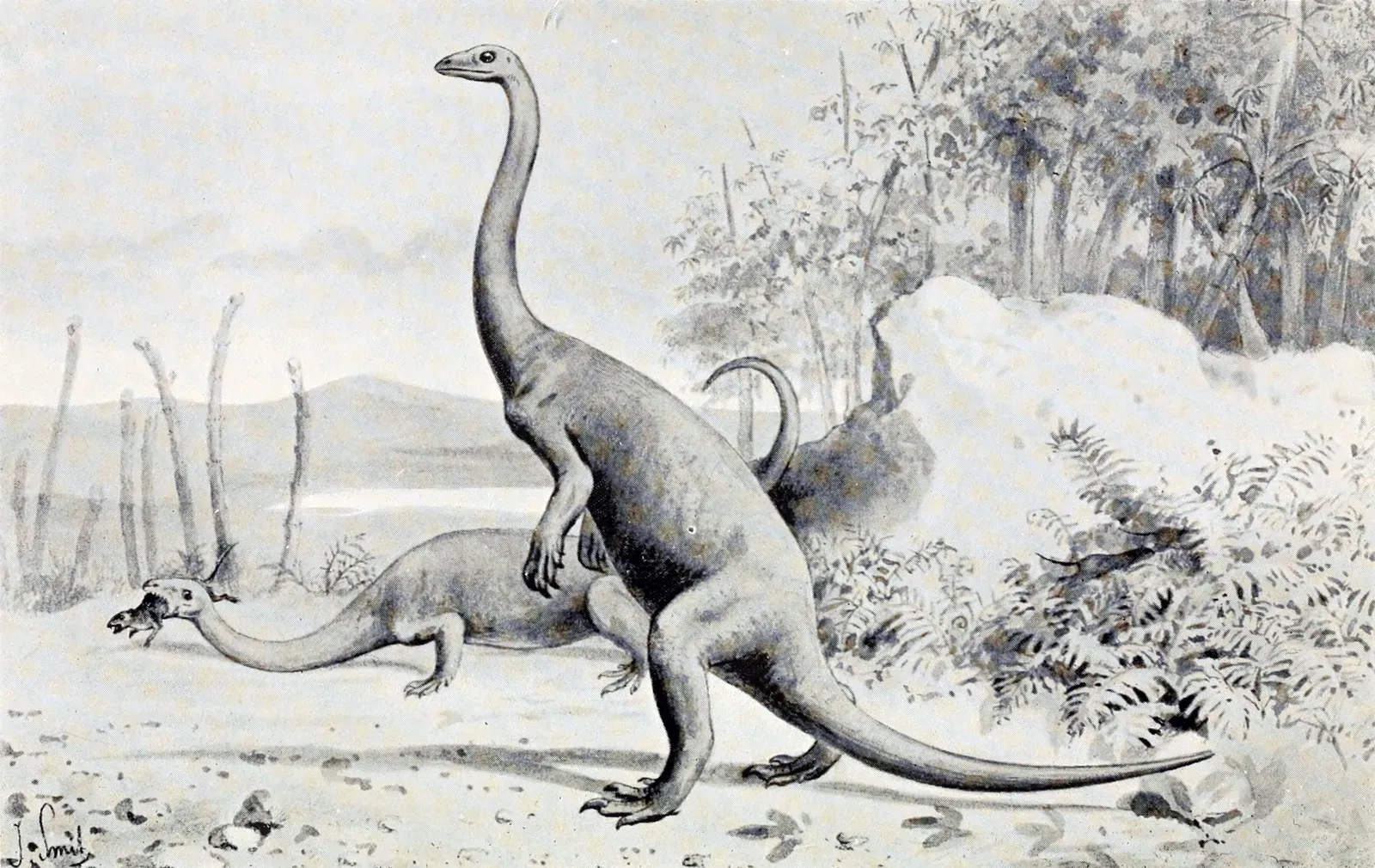
Here’s the thing about the way dinosaurs stood and walked – it sounds almost too simple to matter. Yet it may have been the single most important reason you are reading about them today. One of the key reasons for dinosaurs’ success is that they had straight back legs, perpendicular to their bodies, which allowed them to use less energy to move than other reptiles that had a sprawling stance like today’s lizards and crocodiles.
Their key evolutionary advantages included an upright stance with legs positioned directly beneath their bodies, which provided superior locomotion compared to the sprawling gait of other reptiles. Think of it like the difference between walking with your arms spread wide versus carrying them tucked at your sides – one burns out fast, the other is efficient for hours. Dinosaurs figured out the energy-saving version hundreds of millions of years before we did.
By adapting to walk on both two and four legs, they diversified and outcompeted other organisms to become the dominant terrestrial vertebrates from the end of the Triassic until their extinction around 66 million years ago during the Cretaceous period. That staggering timeline of dominance was not luck – it was locomotion, plain and simple.
Because dinosaurs walked on their hind legs, and later also on all fours, they had a distinct advantage during a period that saw massive environmental changes. When the world around them was shifting, crumbling, and heating up, their bodies were quietly solving the problem of movement in a way no other animal had managed before.
Hollow Bones: Nature’s Most Brilliant Engineering Trick
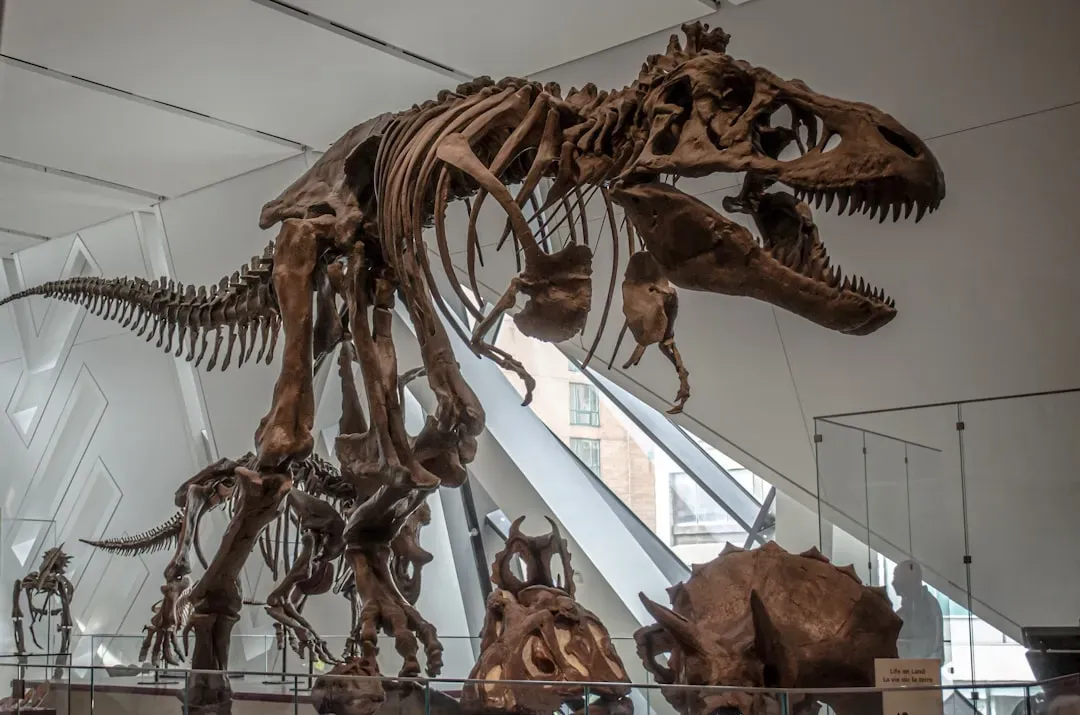
Brazilian paleontologist Tito Aureliano and his colleagues discovered that dinosaurs had hollow bones filled with little air sacs. I know it sounds counterintuitive – hollow bones in a creature that could weigh dozens of tons? But this is exactly what made the impossible possible. Think of corrugated cardboard: it’s light, yet remarkably strong under pressure.
The air sacs reinforced the internal structure of the dinosaurs’ bones while creating a greater surface area of attachments for large, powerful muscles, which would have enabled the bones to grow large without weighing down the animal. This is the kind of evolutionary ingenuity that engineers today are still trying to replicate in lightweight materials for aircraft and aerospace design.
A significant adaptation was their specialized skeletal structure, particularly pneumatic bones. These bones were hollow and filled with air sacs, providing strength without excessive weight, analogous to modern birds. This internal lightness was crucial for supporting massive bodies, allowing sauropods to grow to incredible lengths without collapsing under their own mass.
The researchers believed that the air sacs enhanced oxygen levels in their blood. They focused on the late Triassic period in south Brazil, roughly 233 million years ago. At the time, it had a scorching hot and dry climate, so more oxygen circulating the dinosaurs’ blood would help the beasts cool their bodies more efficiently and allow them to move faster. Lighter, faster, cooler, stronger. That is a winning combination by any measure.
A Respiratory System Ahead of Its Time
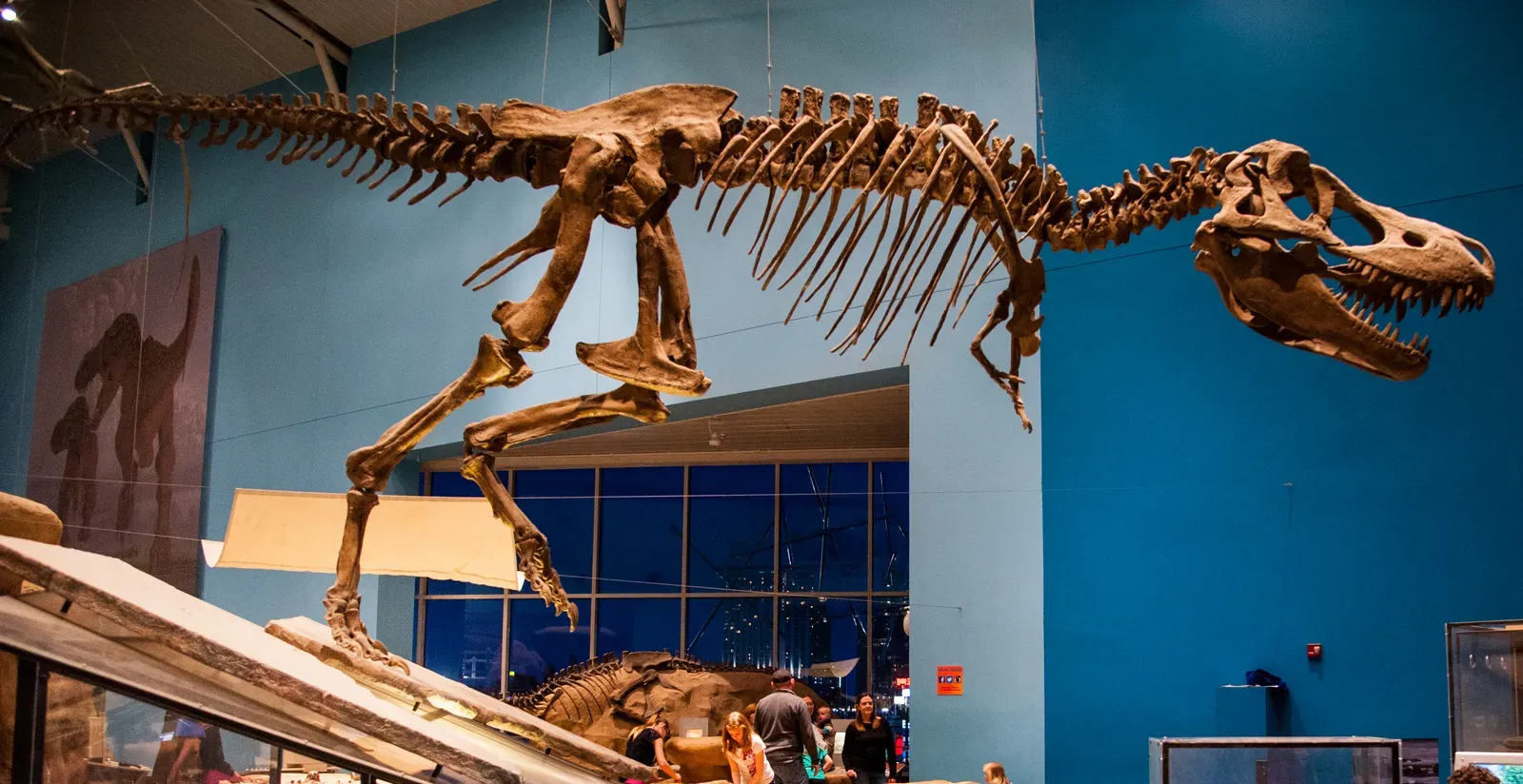
Dinosaurs developed highly efficient respiratory systems, similar to the avian system with unidirectional airflow and air sacs. These air sacs, extending into their bones, facilitated effective oxygen uptake and heat dissipation, necessary for supporting a large, active body. This efficient breathing mechanism allowed for sustained high activity levels, an advantage for large animals. No other land animal at the time breathed quite like this.
A series of air sacs used throughout the body was used in respiration, at least partially filling the empty spaces in bones. This mechanism, seen in their living descendants today – birds – also helped allow a high level of activity while releasing heat more efficiently. The fact that you can find this same biological feature in every bird that sings outside your window today is, honestly, one of the most mind-blowing connections in all of natural history.
Feathers: Not Just for Flying
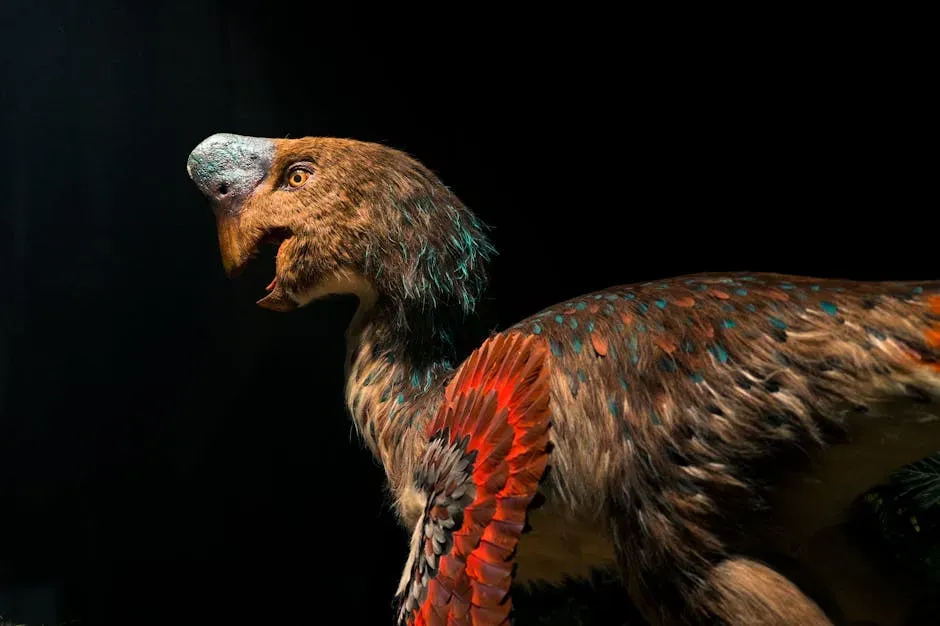
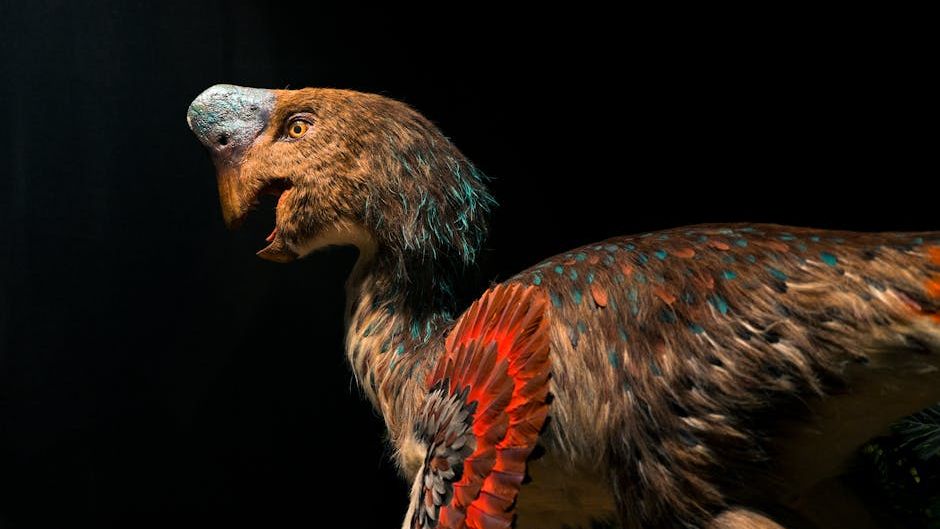
Most people picture feathers and immediately think of birds soaring through the sky. But feathers showed up in dinosaurs long before anything was taking flight. Feathers evolved before flight and may have functioned as insulation to keep dinosaurs warm, or for display as a way to attract mates. That is a remarkable thing to sit with – feathers as a survival tool, not a flight tool.
Early dinosaurs and their relatives evolved filamentous feathers long before they were capable of flight. These structures initially served to provide insulation. Winters in the Mesozoic could be brutal in higher latitudes, and a dinosaur with even primitive feathery insulation had a profound thermal advantage over its bare-scaled competition.
Recent research has shed light on the astonishing ability of dinosaurs to adapt to cold climates, challenging the traditional perception of them as inhabitants of warm, tropical jungles. Fossil evidence from northern regions, such as north-west China, suggests that dinosaurs not only survived but thrived in freezing conditions. The discovery of fuzzy feathers on dinosaur specimens, similar to insulation found in modern birds, provides crucial insight into their ability to cope with the cold and expand into new territories when other animals couldn’t.
Fossil studies that identify tiny pigment structures called melanosomes allowed scientists to reconstruct colors and patterns, revealing bands, spots, and countershading in some species. Camouflage. Display. Insulation. Feathers were not one adaptation – they were several packed into one extraordinary structure.
Specialized Teeth and Jaws: Eating the World Into Submission
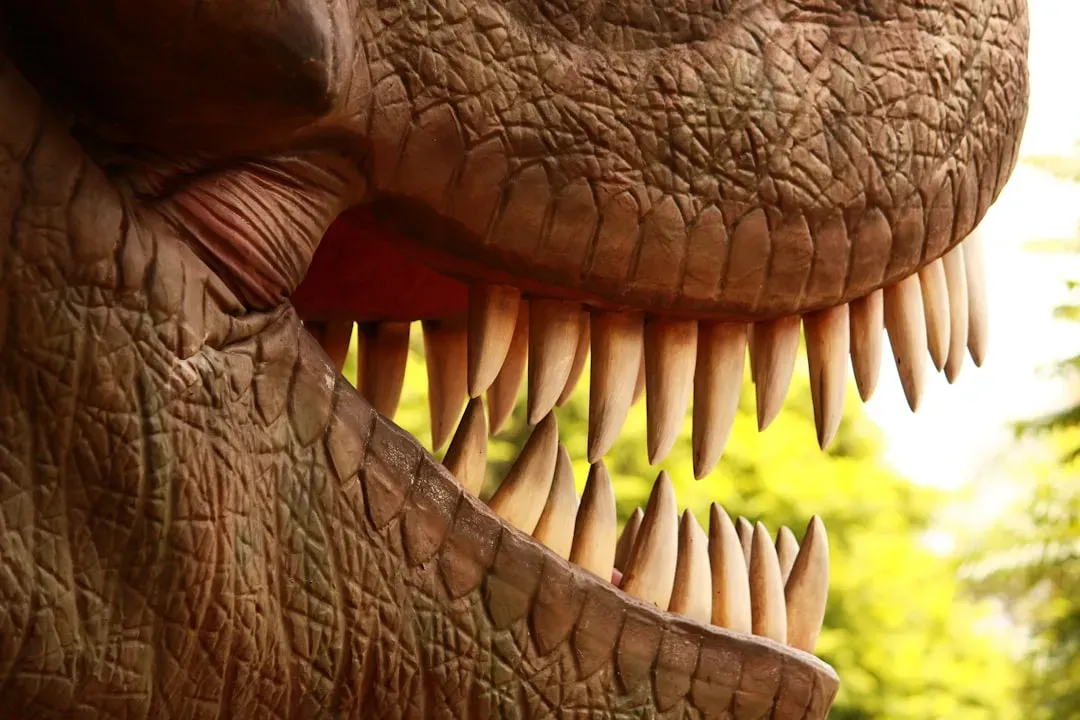
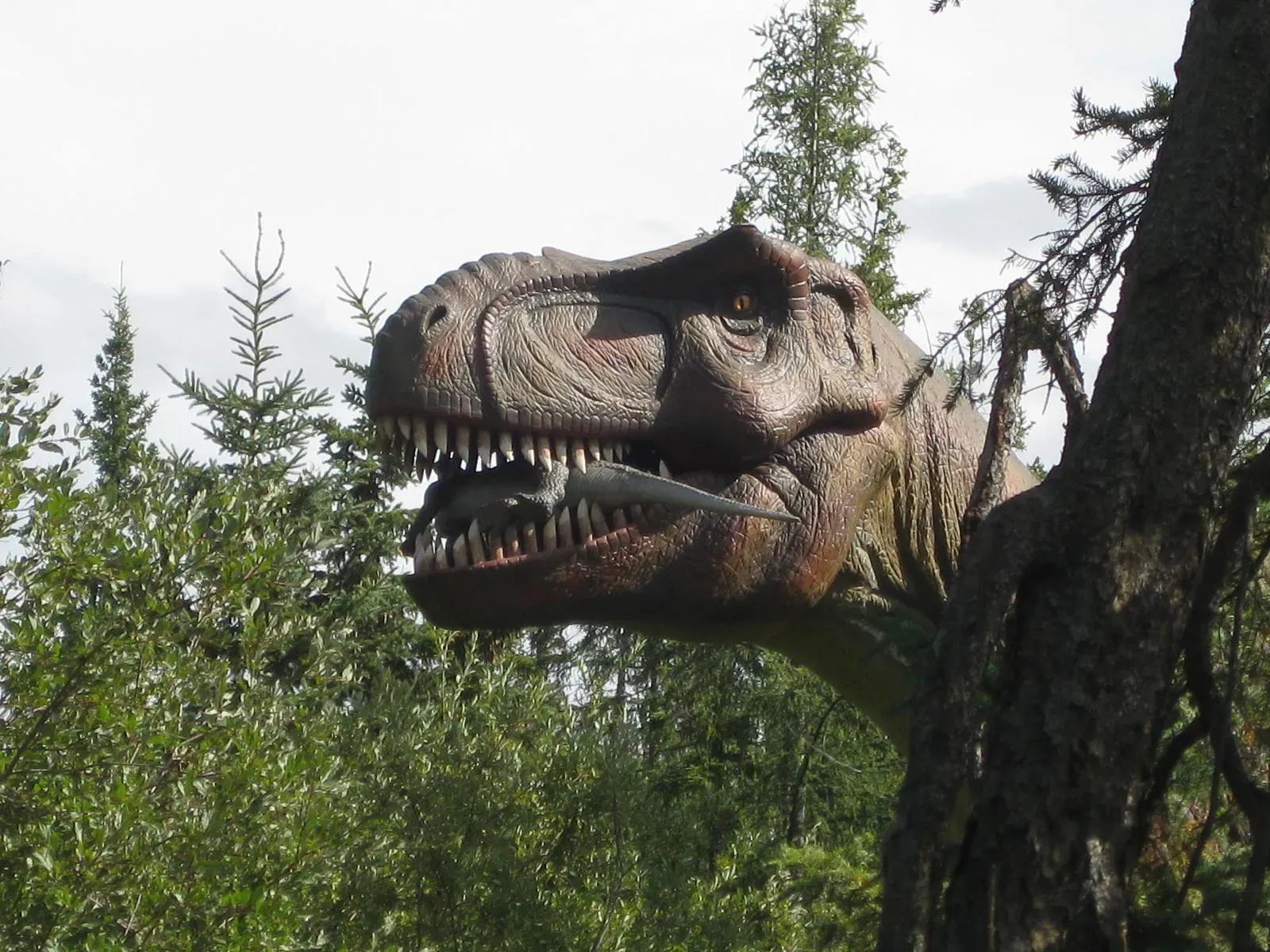
If you want to understand why dinosaurs could occupy almost every ecological role imaginable, look no further than their mouths. Dinosaurs had a wide range of feeding habits. They had modified teeth, jaws, and skull structure. Tyrannosaurus rex had a reinforced skull and left bite marks on bones, enabling it to crush the bones of large prey. The T. rex was not just biting – it was extracting every last calorie from a carcass.
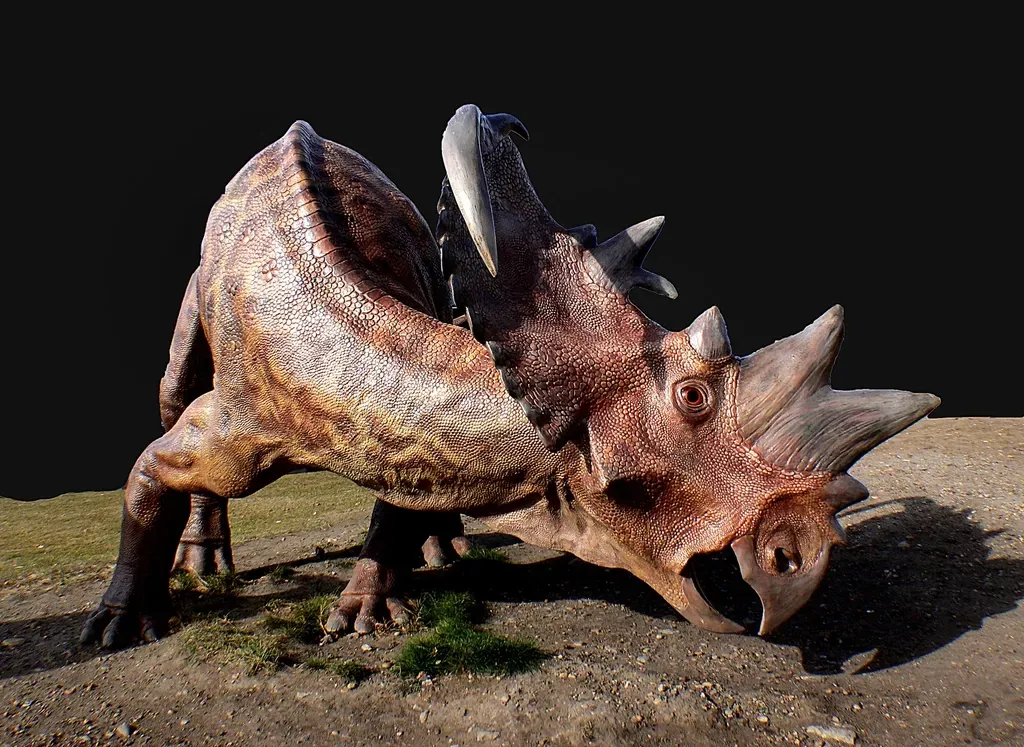
Triceratops possessed a curved beak and a dental battery for slicing and grinding tough plants like cycads or ferns. Herbivores developed varied tooth arrangements and jaw motions to process fibrous vegetation. Thus, many species could eat other plants without direct competition. This partitioning of diets must have also helped many dinosaurs coexist. In other words, different species were not fighting over the same food – they had evolved their own specialized menus.
Hadrosaurs evolved remarkably sophisticated feeding mechanisms, including complex dental batteries with hundreds of teeth arranged in tight columns that created continuous grinding surfaces for processing tough plant material. Unlike earlier herbivores, hadrosaurs could efficiently chew their food, extracting more nutrition from vegetation and allowing them to thrive on lower-quality plant matter than their predecessors. That ability to squeeze nutrition out of poor-quality food is the kind of edge that keeps a species alive through lean times.
Metabolic Flexibility: The Energy Secret Nobody Talks About
Here’s an angle on dinosaurs that rarely makes the headlines but might be the most fascinating of all. Many dinosaurs are believed to have been mesothermic, a middle ground between warm-blooded and cold-blooded, allowing higher metabolic rates than typical reptiles but lower energy demands than mammals. This intermediate metabolic strategy would have enabled efficient energy conversion for growth without the extreme caloric needs of fully warm-blooded animals of comparable size.
It’s hard to say for sure how every species managed its metabolism, but the mesothermic model is increasingly backed by solid fossil evidence. Think of it as the Goldilocks solution: not burning too hot, not running too cold, but operating at exactly the right temperature for the environment at hand. Dinosaurs lived through varying climatic conditions. They saw significant shifts in temperature, rainfall and plant life. This change forced them to diversify. Over time, cooling periods and seasonal droughts created new challenges. A flexible metabolism was exactly the tool needed to handle those swings.
Ecological Opportunism: Filling Every Niche Available
The diversification of the dinosaurs during the Mesozoic Era was a complex process that involved many factors, including environmental changes, evolutionary innovation, competition, and geographic isolation. These factors combined to create one of the most diverse and successful groups of animals to ever exist. Where another group of animals saw a hostile environment, dinosaurs saw an open invitation.
Dinosaurs took over the world by filling ecological niches that emerged following a series of ecological collapses. When mass extinctions cleared the field, they stepped in. When competitors were wiped out by volcanic catastrophe, they expanded. Freed from their main competitor, early theropods – a category including all meat-eating dinosaurs from velociraptors to Tyrannosaurus rex – became dominant.
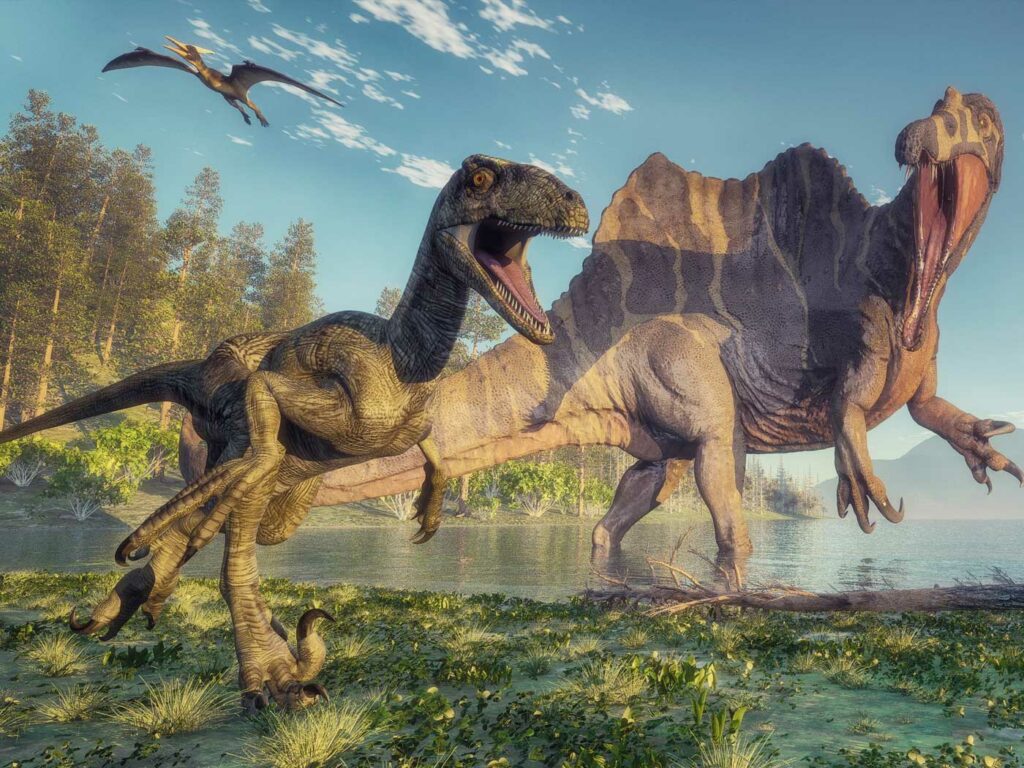
Dinosaurs are a group of reptiles that dominated the land for over 140 million years. They evolved diverse shapes and sizes, from the fearsome giant Spinosaurus to the chicken-sized Microraptor, and were able to survive in a variety of ecosystems. The sheer range of body plans and lifestyles achieved within a single evolutionary group is genuinely staggering – comparable to comparing a whale to a bat and realizing both are mammals.
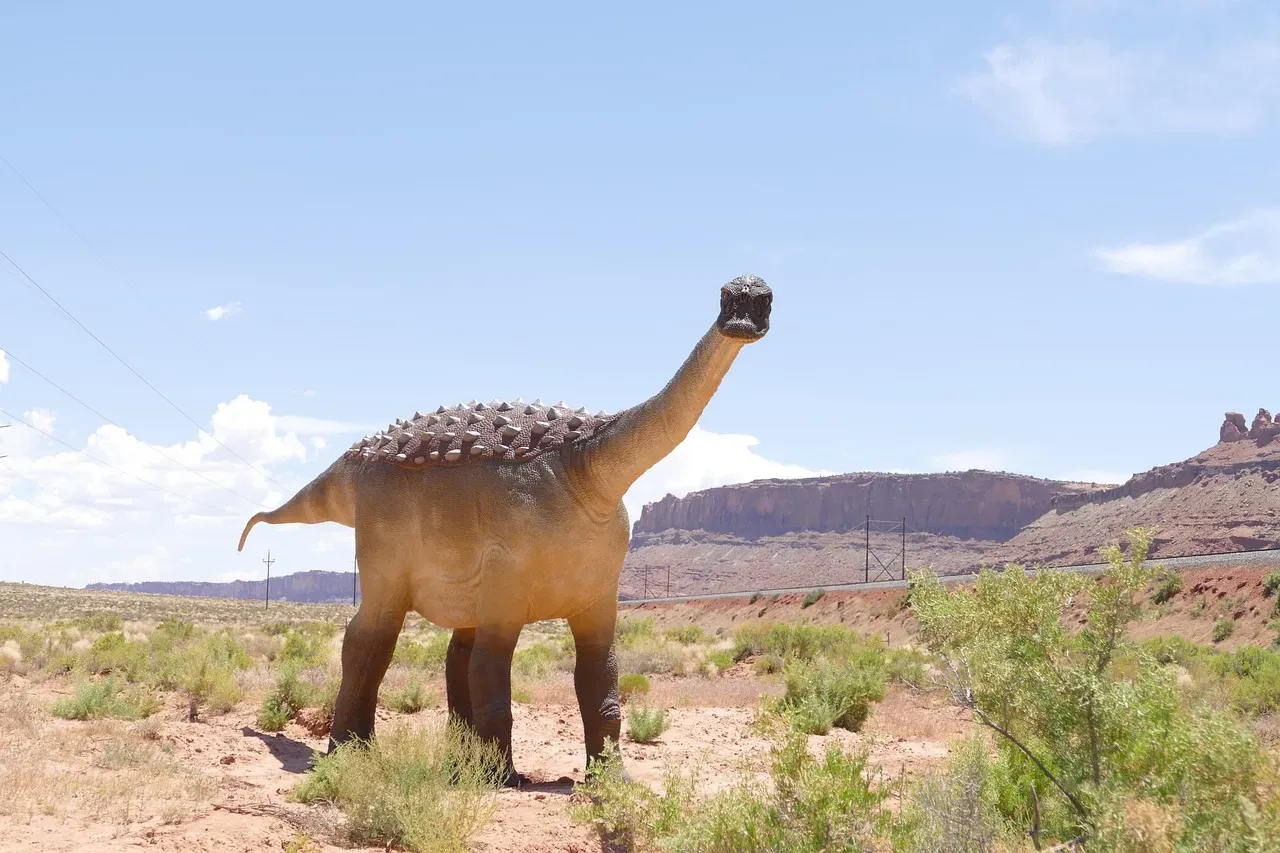
As Pangaea began fragmenting into separate continents, new environmental opportunities emerged, allowing for specialized adaptations. Iconic giants like Diplodocus, Brachiosaurus, and Apatosaurus evolved during this time, developing enormously long necks, small heads, and massive bodies. These adaptations allowed them to reach high vegetation that other herbivores couldn’t access. Literal height advantages – in the most straightforward sense imaginable.
Surviving Catastrophe: Built for the Worst-Case Scenario
Perhaps the most underrated adaptation dinosaurs possessed was not a physical feature at all – it was resilience at a species level. Why dinosaurs spectacularly endured the end-Triassic catastrophe and adapted so well to the rapidly changing ecosystems that ensued is a mystery, and palaeontologists are yet to find a concrete answer. Nevertheless, whatever the reason for their extraordinary resilience at this catastrophic time, the dinosaurs survived, paving the way for their rise to prominence.
Volcanic eruptions at the end of the Triassic period resulted in cold and dark conditions, commonly known as volcanic winters. This extreme environmental change allowed dinosaurs to showcase their resilience and adaptability. Their ability to withstand these harsh conditions further contributed to their rise to dominance during this period. While everything else around them was dying, dinosaurs were quietly adapting, surviving, and preparing to take over.
Despite the changing climate, dinosaurs were thriving prior to the asteroid impact which wiped out 75 per cent of life on Earth 66 million years ago. Let that sink in. They were not stumbling toward extinction – they were, by most evidence, still going strong right up until the moment something truly unsurvivable arrived from space. That is not a story of failure. That is an almost incomprehensible story of enduring success.
Conclusion
The dinosaurs were not lucky accidents of nature. They were the product of tens of millions of years of relentless evolutionary refinement – upright legs, hollow bones, advanced breathing systems, specialized teeth, insulating feathers, and a metabolic flexibility that let them thrive in deserts and near-polar tundra alike. Every major adaptation they developed served a precise purpose, and together those adaptations formed one of the most formidable survival packages the planet has ever seen.
What is perhaps most humbling is that the dinosaurs are not entirely gone. Every time a bird lands on your windowsill or a hawk circles overhead, you are watching a living dinosaur, shaped by the same extraordinary evolutionary journey. The age of the dinosaurs did not end – it simply transformed. Honestly, doesn’t that change how you look at the bird outside your window right now?