
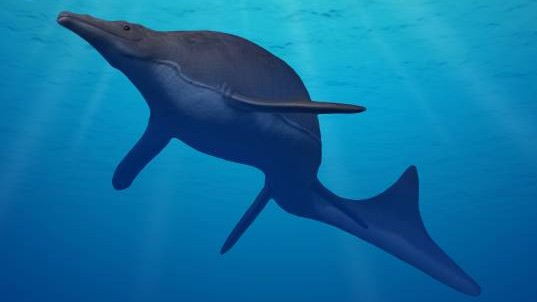
There is something deeply humbling about staring at the ocean and knowing that, roughly 200 million years ago, it was ruled by creatures so perfectly engineered for aquatic life that they make today’s marine predators look almost ordinary. These were not fish. They were not whales. They were reptiles, air-breathing descendants of land animals, who clawed their way back into the sea and became some of the most formidable predators Earth has ever known.
During the Mesozoic era, about ten clades of reptiles underwent a dramatic return to aquatic life, colonizing most marine environments and exhibiting great systematic diversity and astonishing ecological disparity. The story of how they pulled this off is a masterclass in evolutionary ingenuity. From engineering feats in the deep dark ocean to giving birth far from any shore, these animals rewrote the rulebook on what a reptile could do. Let’s dive in.
The Streamlined Body: Nature’s Most Elegant Engineering Solution
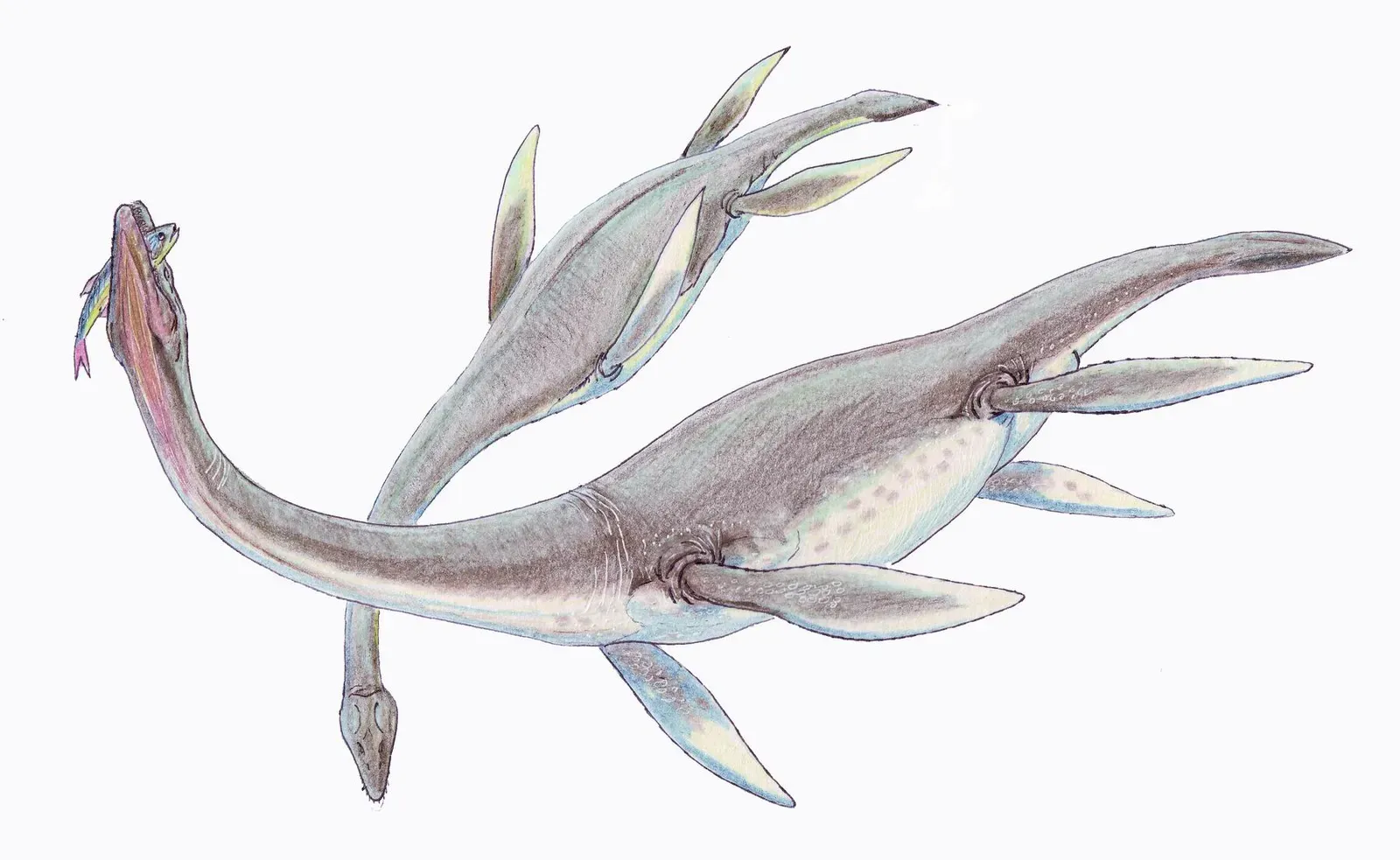
Honestly, you have to admire the efficiency. When you picture a dolphin slicing through the water, that beautiful torpedo-like form didn’t just appear out of nowhere. Ichthyosaurs were one of the most diverse and widely distributed groups of marine reptiles to inhabit the oceans during the Mesozoic, with some of the most striking adaptations to a pelagic lifestyle of any secondary aquatic tetrapod. The iconic tuna-shape they acquired by the Early Jurassic is regarded as an extraordinary textbook example of convergent evolution. In other words, nature solved the same problem twice, millions of years apart, with nearly identical blueprints.
A canonical example of predictable adaptive change is the fusiform body shape found across fish, plesiosaurs, ichthyosaurs, mosasaurs, marine mammals, and birds. Physical laws underpin this convergence: at high Reynolds numbers, fusiform shape minimizes drag and enables rapid, efficient movement through fluid. Think of it this way: evolution doesn’t take shortcuts, but when the ocean demands a certain shape, it will stumble upon it again and again. That’s not coincidence. That’s physics.
Massive Eyes Built for the Deep Dark
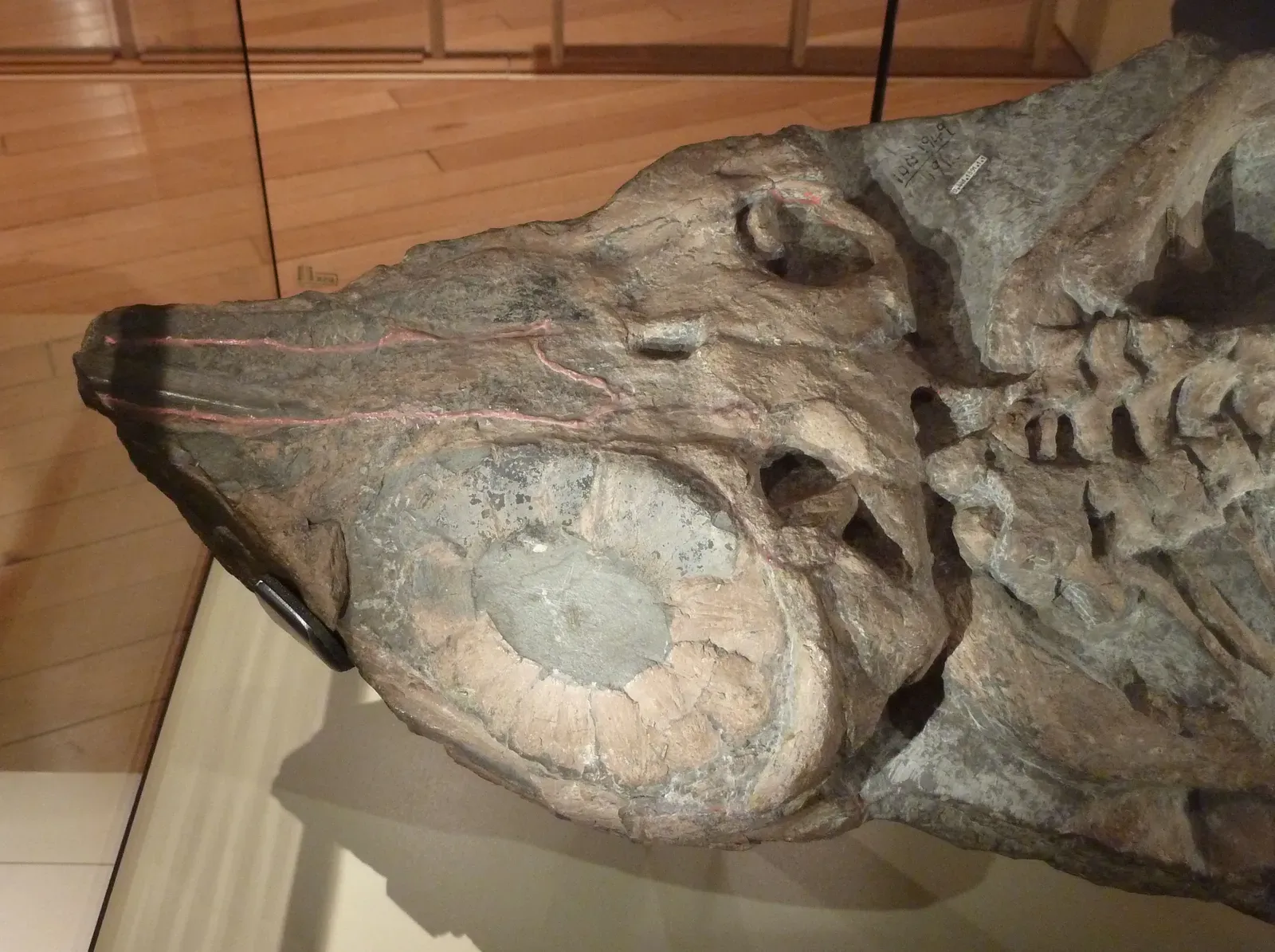
Here’s the thing about hunting in the ocean: light disappears fast. You go deep enough, and you are swimming in near-total darkness. Some marine reptiles solved this problem in a way that seems almost absurdly dramatic by modern standards. The big eyes of the ichthyosaur Ophthalmosaurus offer a clue that some marine reptiles dove into darker waters in search of food. Many ichthyosaur species had large eyes, supported inside by thin bones arranged in a ring. The eyes of Ophthalmosaurus, especially, were large both for its body size and in absolute terms, measuring more than nine inches across.
Given the relationship between the size and proportions of eyes and how they interact with light, paleontologists have established that Ophthalmosaurus was able to see in dim, low-light conditions. Estimates of how deep Ophthalmosaurus could dive exceed 2,000 feet, deep enough that low-light vision would have been incredibly useful in finding squid-like cephalopods and other prey. Nine-inch eyeballs. Protected by a bony ring. I think that officially qualifies as extraordinary.
The Four-Flipper Underwater Flight of Plesiosaurs
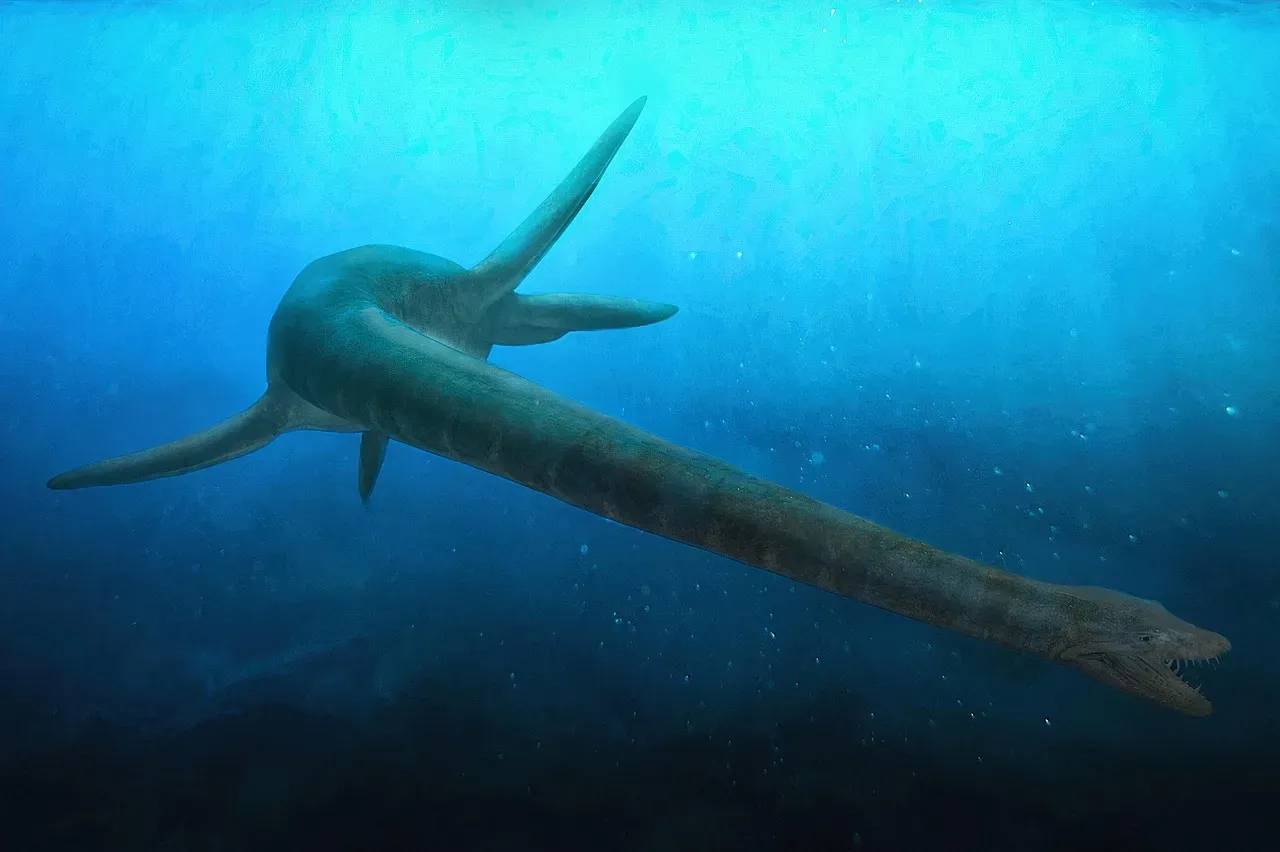
If you had to invent the strangest possible way to swim, you might come up with something close to what plesiosaurs actually did. The plesiosaur is the only known animal that swam with four nearly identical flippers. Not two. Four. And no creature before or since has replicated this approach. Scientists spent decades arguing about whether they rowed, flapped, or did something else entirely.
Research has shown that plesiosaur hind flippers generated up to 60 percent more thrust and 40 percent higher efficiency when operating in harmony with their forward counterparts, compared with operating alone, and the spacing and relative motion between the flippers was critical in governing these increases. It is now generally agreed that plesiosaurs used a form of underwater flight, their primary limb movements being dorso-ventral, their strongest movement being the downstroke, and their locomotion being mostly lift-based. Imagine four wings beating in coordinated harmony beneath the waves. That’s what you’d have witnessed. It’s unlike anything alive today.
The Crescent Tail: A Shark-Like Weapon Evolved Independently
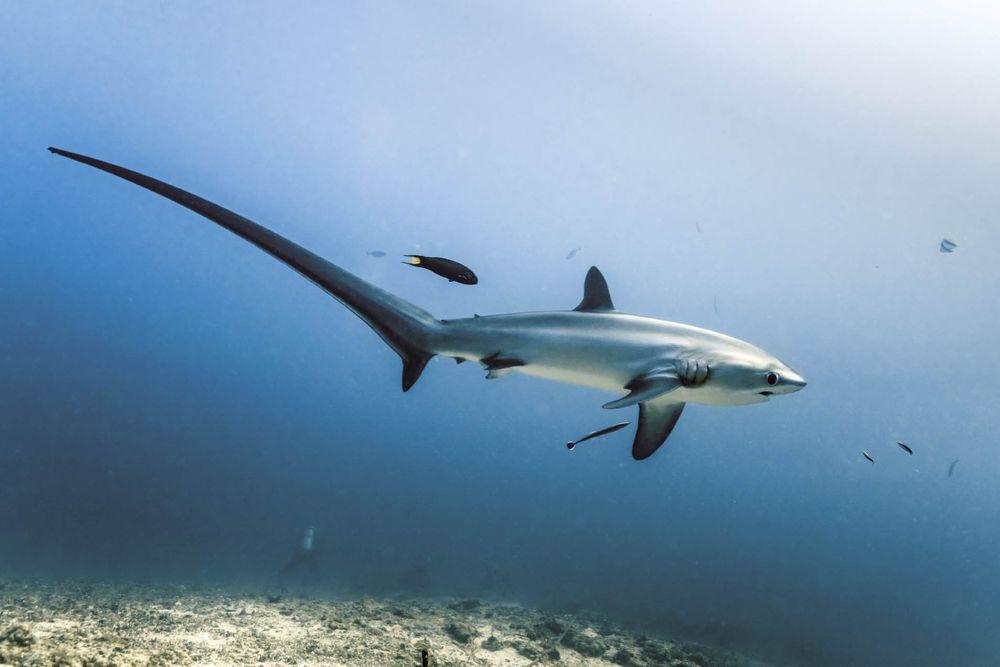
Evolution has a particular fondness for the crescent-shaped tail. Sharks developed it. Tuna developed it. And, quite separately, Mesozoic marine reptiles developed it too. A stunning fossil of the mosasaur Platecarpus embodies how the reptile’s tail vertebrae fit together when the lizard was alive and swimming. The bones lined up such that the end of the mosasaur’s tail turned downward. Experts have seen this change in tail angle before, in ichthyosaurs that had crescent-moon-shaped tail fins and in modern sharks.
Many of the early ichthyosaurs had a primitive, elongate tail, but as ichthyosaurs evolved to be more efficient swimmers their tails were integral to that transition. It wasn’t until the 1890s that a well-preserved skeleton of a more evolved ichthyosaur was found with a proper outline of its body. Bacteria had eaten away at the decomposing body, leaving behind a shadow of the lizard’s shape in the surrounding rock, which revealed a dorsal fin and a crescent moon tail. The ocean demanded speed, and the crescent tail delivered it. Reptiles, fish, and mammals all received the same memo.
Streamlined Scales and Skin Built for Speed
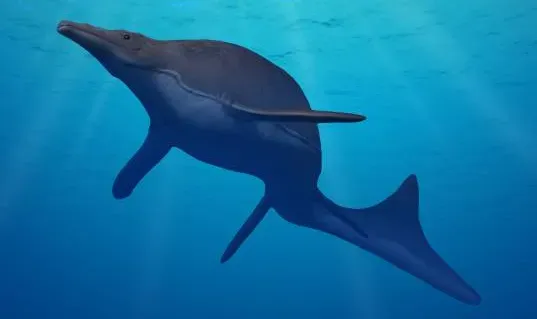
You might assume all marine reptiles had the same kind of skin. They didn’t. Not even close. The physical disparities among ichthyosaurs, plesiosaurs, mosasaurs and other marine reptiles underscore the fact that there was no single, optimal way to be a saurian in the water. Body coverings are one example. While ichthyosaurs slid through the water with slick skin, other marine reptiles evolved streamlined scales. Different bodies. Different solutions. Same ocean.
The scales of the mosasaur Plotosaurus were small and roughly similar to those of modern lizards, but they possessed an important specialization. These scales were keeled in such a way that they streamlined the lizard’s body and would have allowed it to swim with less effort, a critical adaptation for a predator thought to have cruised open waters. Plesiosaurs had more of a mix-and-match of smooth skin and scales. A 183-million-year-old plesiosaur fossil displayed smooth skin on the body and small scales on the flippers, which could have helped the appendages cut through the water. Nature, it seems, was willing to experiment.
Viviparity: Giving Birth in the Open Ocean
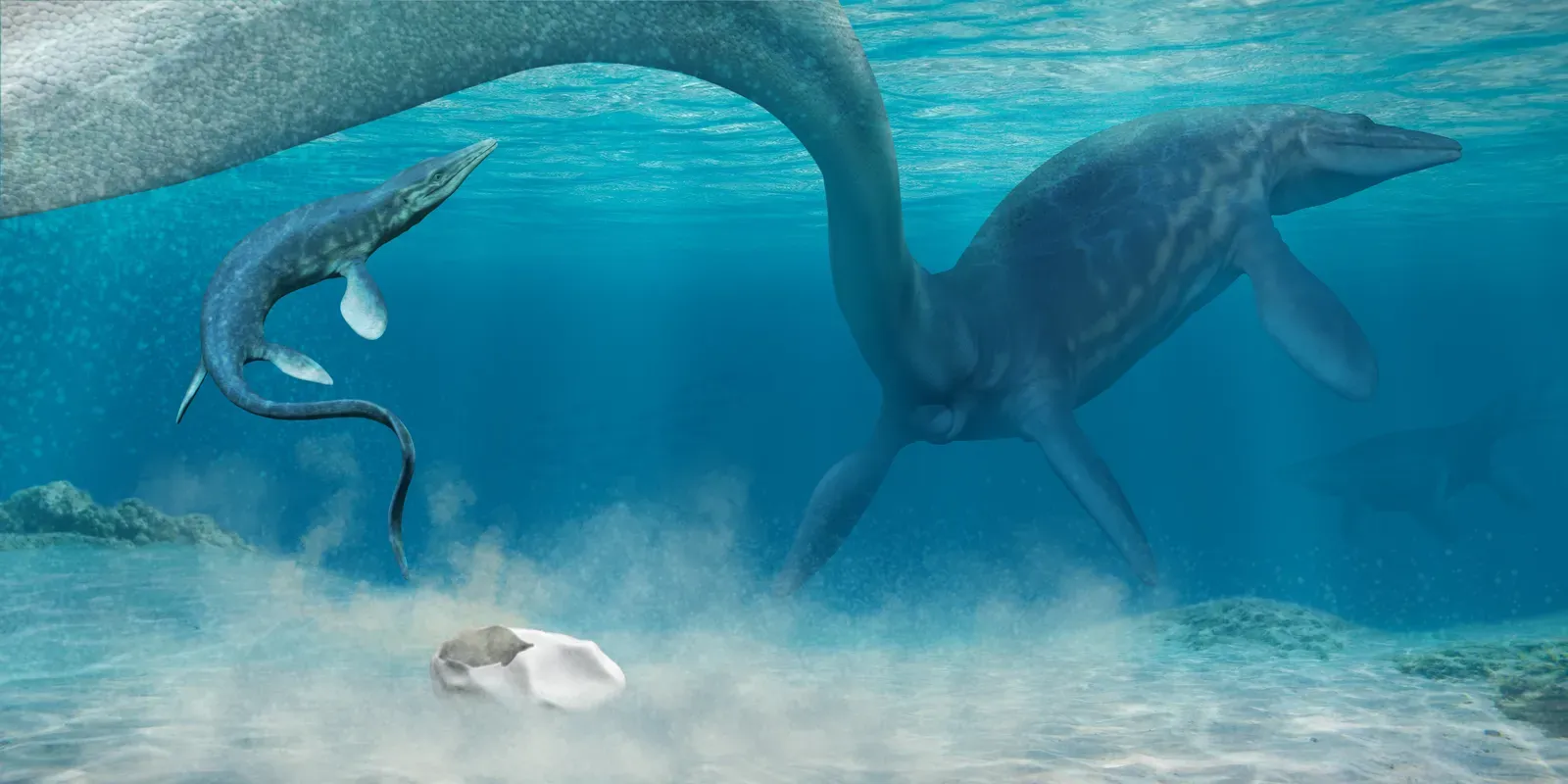
This is the one that genuinely surprises people. Reptiles lay eggs, right? That’s practically the defining feature of the group. So how do you manage that when you’ve evolved into a fully ocean-going predator that can’t haul yourself onto a beach? Some marine reptiles, including ichthyosaurs, plesiosaurs, metriorhynchid thalattosuchians, and mosasaurs, became so well adapted to a marine lifestyle that they were incapable of venturing onto land and gave birth in the water. They simply abandoned egg-laying entirely.
Reptilian eggs cannot be incubated underwater; amniote embryos in shelled eggs must exchange respiratory gases with the environment across the eggshell, and this exchange is much slower in water than in air. Therefore, viviparity would have been highly adaptive for fully marine reptiles to reproduce in the sea. Viviparity is a common reproductive mode in extinct aquatic reptiles, including eosauropterygians, ichthyosaurs, mosasauroids, and some choristoderans. They didn’t choose this path randomly. The ocean made egg-laying essentially impossible, and evolution responded with live birth. Problem solved. Remarkably.
Endothermy: The Warm-Blooded Secret of Cold-Water Hunters
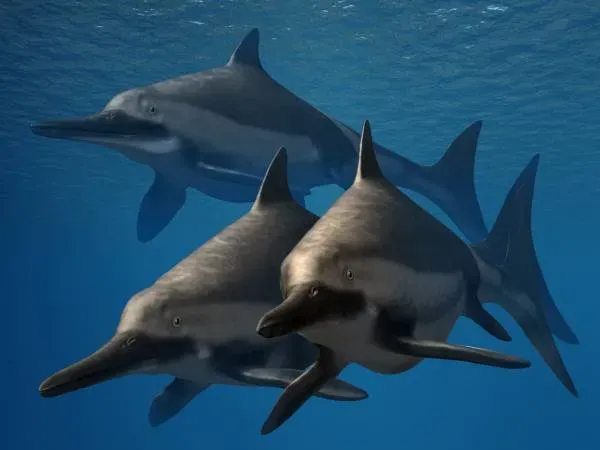
For a long time, scientists assumed Mesozoic marine reptiles were cold-blooded, like modern lizards, their body temperature rising and falling with the sea around them. That assumption has been thoroughly dismantled. A study settled the debate: some large marine reptiles were warm-blooded, giving them a considerable advantage to swim fast over long distances and to conquer cold regions. This changed everything about how we understand these animals.
Both ichthyosaurs and plesiosaurs were found to have a body temperature similar to that of today’s whales, between 95 to 102 degrees Fahrenheit. Some large marine reptiles were thus capable of maintaining a higher body temperature than that of their living environment, suggesting a high metabolism adapted to predation and fast swimming over long distances, even in cold water. The ancient reptiles’ higher body temperatures also suggest the animals may have possessed heat-conservation systems, such as blubber layers and specialized blood circulation. The image of a sluggish, sun-dependent lizard simply doesn’t apply here. These were warm, fast, powerful, globe-trotting apex predators.
Limb Transformation: From Walking Legs to Perfect Flippers
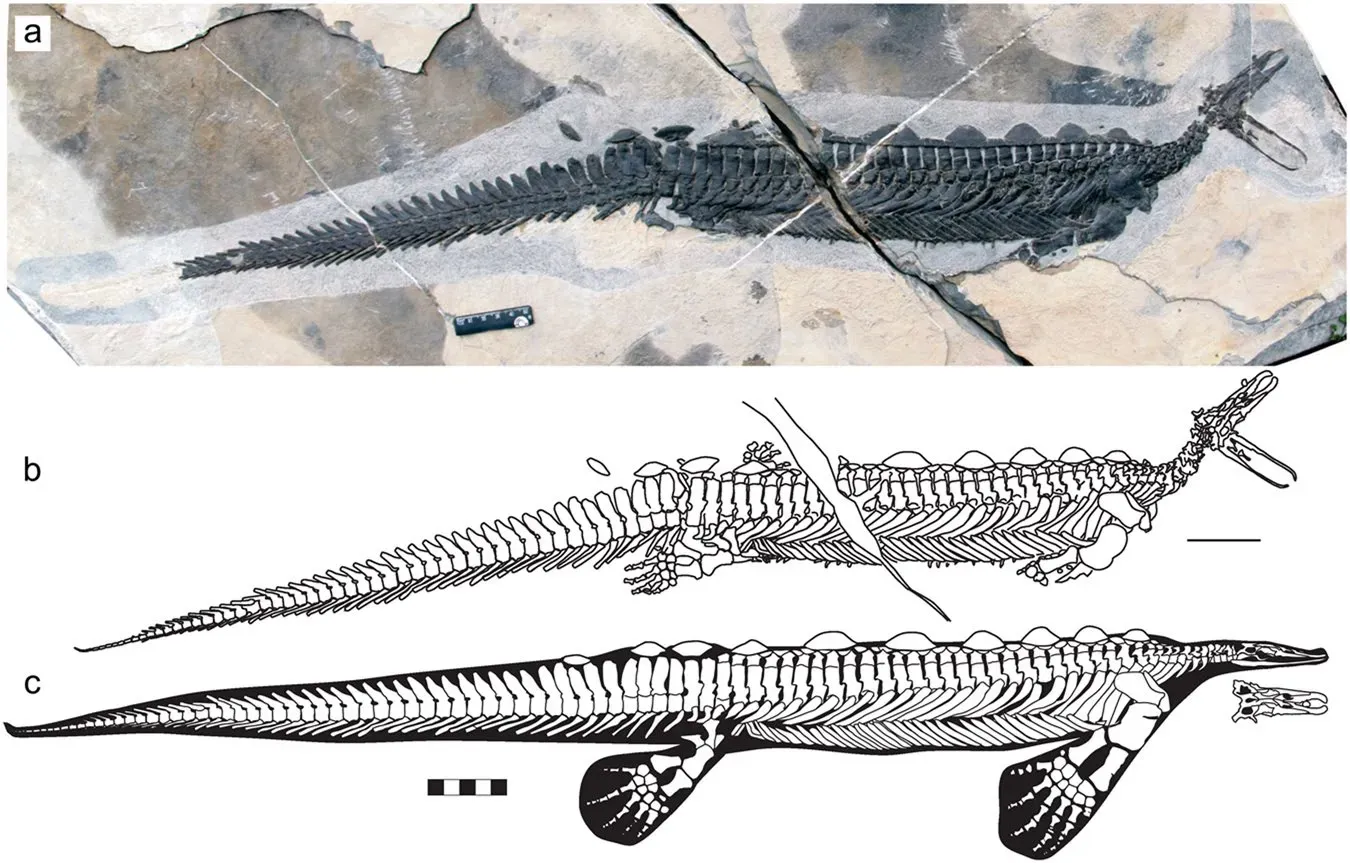
Perhaps the most visually dramatic adaptation of all is what happened to the limbs. Creatures that once walked on land gradually, over millions of years, transformed those legs into something almost unrecognizable. Some of the most extraordinary body transformations in evolution have occurred in animals that adapted to life in water from land-living ancestors. During the Mesozoic, from 252 to 66 million years ago, while the dinosaurs stomped about on land, many groups of reptiles took to the seas. The mechanics of that transformation are staggering when you think about them.
Clades such as ichthyosaurs, thalattosuchians, sauropterygians, mosasaurs, and turtles evolved a remarkable diversity of ecological niches and became important components of aquatic ecosystems. Fossils reveal the evolutionary adaptations that enabled these reptiles to conquer the marine realm, from limb modifications to streamlined bodies. Sea-going reptiles from the Mesozoic era evolved a great diversity of body forms and sizes, and changes in their body and limb anatomy throughout evolution are associated with swimming adaptations. What started as a leg capable of bearing body weight on land ended up as a hydrodynamic flipper capable of powering a predator through cold, open ocean water at impressive speeds. A few million years of relentless pressure from an unforgiving environment can do extraordinary things to a skeleton.
Conclusion
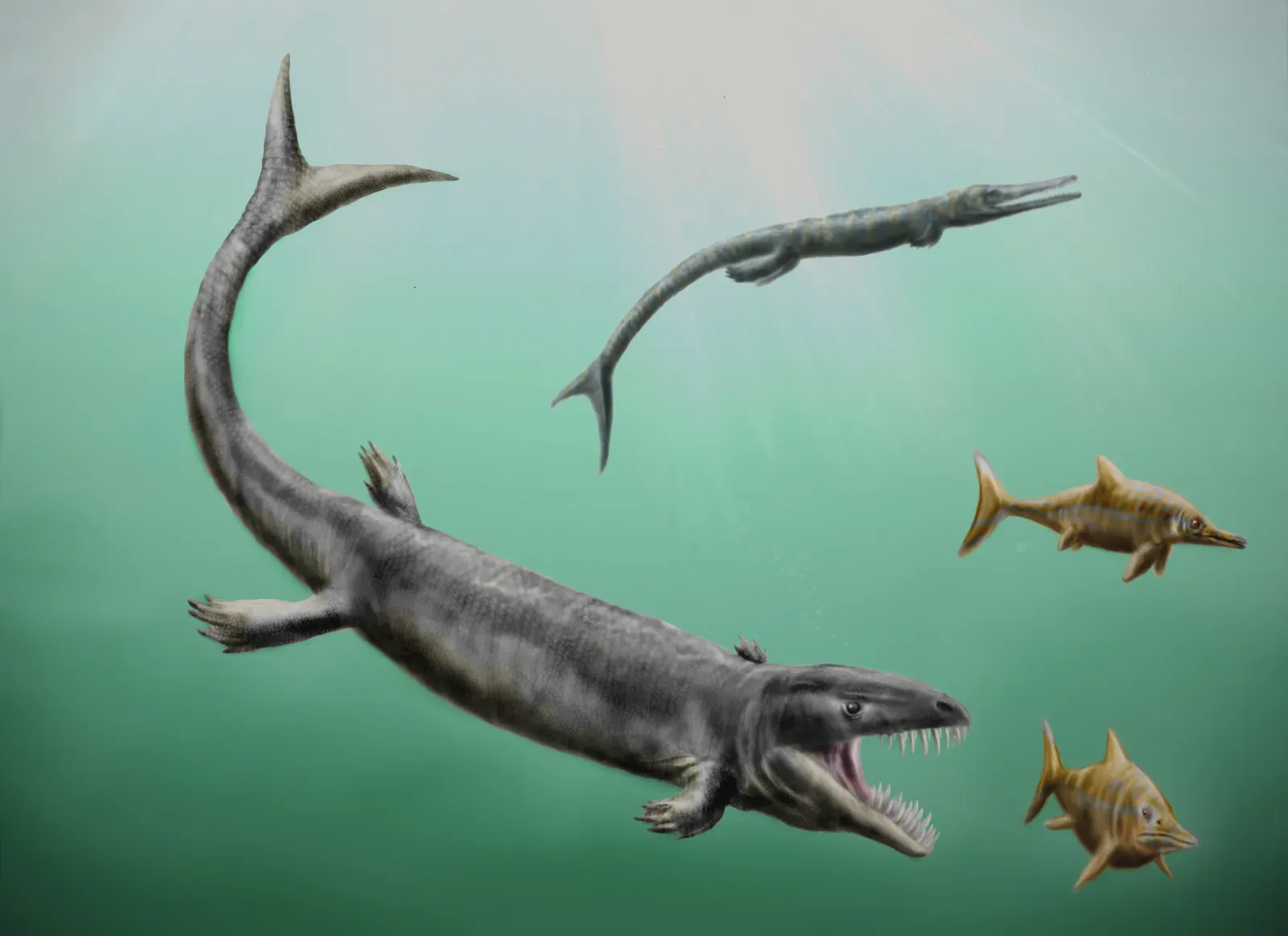
was not simply a chapter in prehistory. It was a proof of concept, a demonstration that life will find a way to conquer any environment when the pressure is intense enough and the time is sufficient. You look at these eight adaptations together, and you begin to see something profound: eyes that could pierce the darkness of the deep, tails that matched those of sharks, bodies that maintained warmth like whales, and limbs that became wings beneath the waves. All of it evolved in animals that started out breathing air and walking on land.
What makes this story so compelling in 2026 is how much of it is still being discovered. New fossils, new imaging technologies, and new studies using robotic reconstructions continue to reveal details that would have seemed like science fiction even a decade ago. The ancient ocean was not a quiet place. It was a churning, violent arena dominated by some of the most sophisticated creatures ever to evolve on this planet. So next time you stand at the ocean’s edge, spare a thought for what once ruled beneath it. What adaptation surprises you the most? Share your thoughts in the comments below.