
Imagine holding a piece of ancient rock in your hands, cracking it open, and staring at the face of a creature that roamed the Earth 150 million years ago. That is the kind of electric, spine-tingling moment paleontologists live for. It sounds almost too good to be true, but it happens. And when it does, science is never quite the same again.
Some fossil discoveries are not just interesting curiosities sitting in glass museum cases. They are world-shaking revelations that rewrite textbooks, ignite scientific revolutions, and make us rethink our very place in the story of life on this planet. From feathered dinosaurs to bizarre Cambrian creatures that look like they escaped from a sci-fi nightmare, the fossil record is packed with genuine jaw-droppers. Buckle up and let’s dive in.
Archaeopteryx: The Creature That Blurred Every Line Between Dinosaurs and Birds
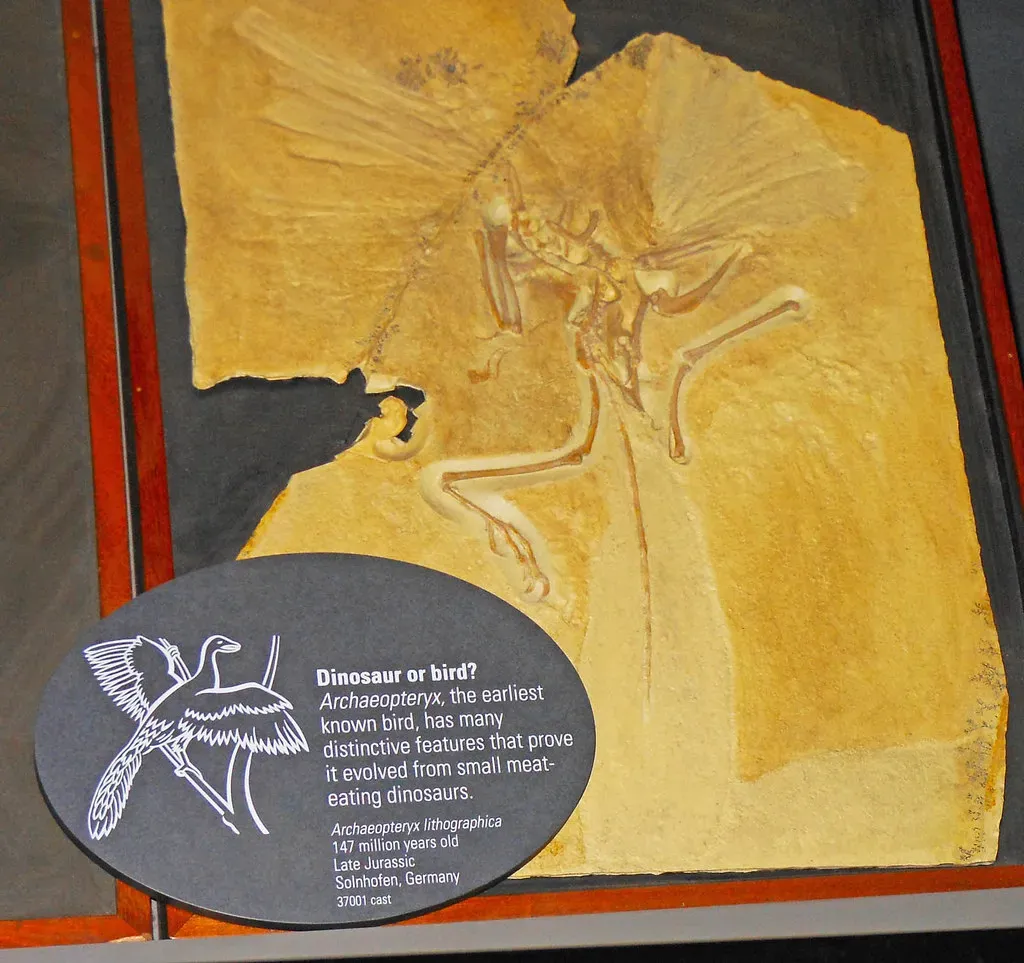
If you had to name one fossil that rocked the scientific world to its absolute core, Archaeopteryx would be a very serious contender. The first Archaeopteryx fossil, a single feather, was discovered in southern Germany in 1861. The timing could not have been more dramatic. That discovery came just two years after Charles Darwin published his book On the Origin of Species, which had already changed people’s perception of the natural world.
Archaeopteryx seemed to fit perfectly with Darwin’s theory because it showed features of both birds and reptiles. It was a primitive bird with feathers, but its fossilized skeleton looks more like that of a small dinosaur. Think of it as nature’s wildest mashup: unlike all living birds, Archaeopteryx had a full set of teeth, a rather flat sternum, a long bony tail, and three claws on the wing, yet its feathers, wings, and reduced fingers are all characteristics of modern birds. Honestly, nothing about this creature was supposed to exist, and yet there it was, locked in Jurassic limestone, waiting nearly 150 million years to blow everyone’s minds.
In a landmark paper, paleontologist John Ostrom made the case that birds are the descendants of dinosaurs, specifically a group called theropods, which includes large carnivores like T. rex. That paper was published in the journal Nature in 1973 and it spurred a revolution in our understanding of dinosaurs and birds. These features make Archaeopteryx a clear candidate for a transitional fossil between non-avian dinosaurs and avian dinosaurs, meaning it plays an important role not only in the study of bird origins, but in the study of dinosaurs themselves. Every time you watch a bird land on your windowsill, you are essentially looking at a living dinosaur. That is not poetry. That is paleontology.
The Burgess Shale: A Window Into Life’s Most Explosive Moment
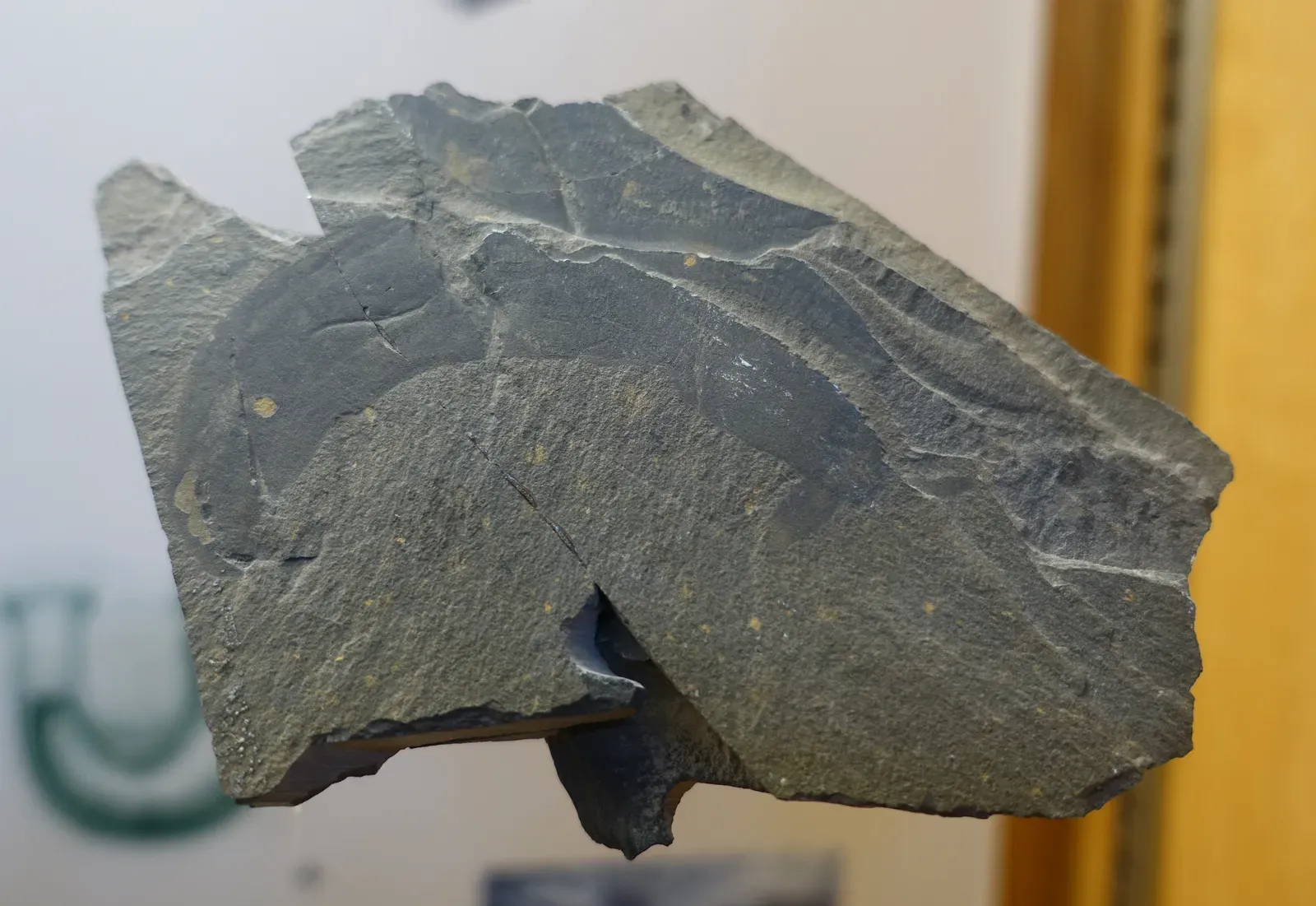
Here is the thing about the Burgess Shale. It was discovered almost by accident. The Burgess Shale was discovered by paleontologist Charles Walcott on 30 August 1909, towards the end of the season’s fieldwork. What he stumbled upon in the Canadian Rockies that late August day turned out to be, in the words of one paleontologist, among the most important animal fossils the world has ever seen. The Burgess fossils tell nothing less than the story of the Cambrian explosion, evolution’s Big Bang, when relatively simple organisms rapidly diversified into the sorts of animals that live today.
The Burgess Shale is famous for the exceptional preservation of the soft parts of its fossils. At around 508 million years old, it is one of the earliest fossil beds containing soft-part imprints. This is an almost unheard-of level of detail. Cambrian fossils are known from many sites, but usually only from remains of shells and other hard parts. Here, owing to some accident of geology, entire organisms were preserved with eyes, tissue, and other soft parts visible. It is like finding a perfectly preserved photograph of Earth when it was still in its wild, experimental youth.
Walcott’s findings were groundbreaking and challenged the prevailing views of his time. The prevalent belief was that the Cambrian period was dominated by simple, primitive life forms. However, the fossils from the Burgess Shale revealed an incredible diversity of complex organisms, some with intricate body structures and appendages. This discovery shed light on a previously unknown explosion of life forms during the Cambrian period, now known as the Cambrian Explosion. I think the sheer strangeness of these creatures, with names like Hallucigenia and Anomalocaris, is what makes this discovery so impossibly cool.
Maiasaura and the Dinosaur Nest Discovery That Proved They Were Caring Parents
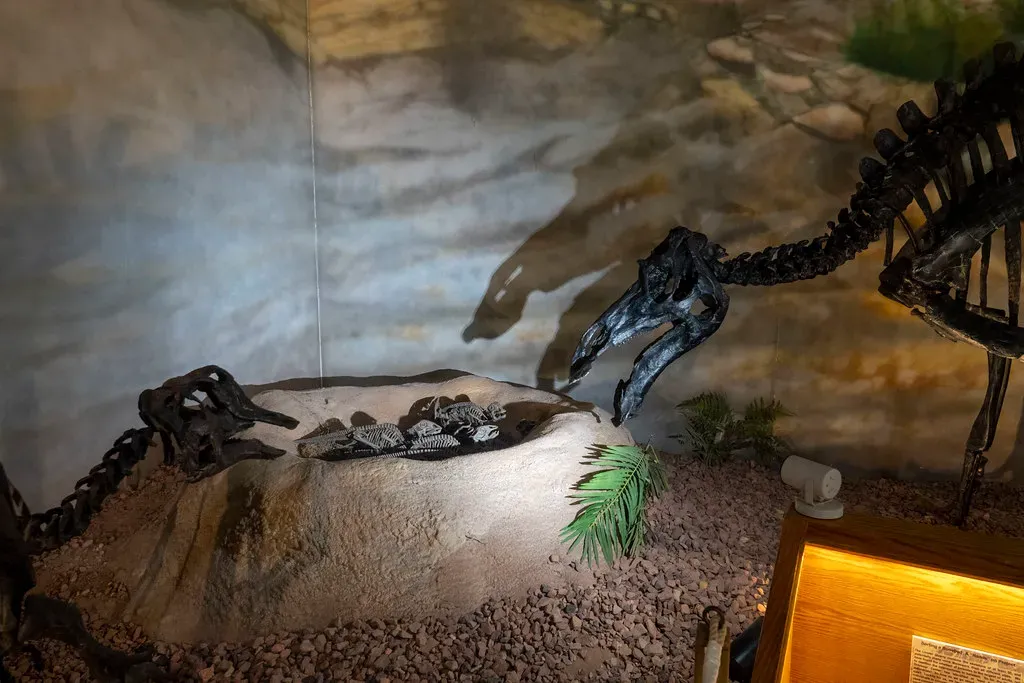
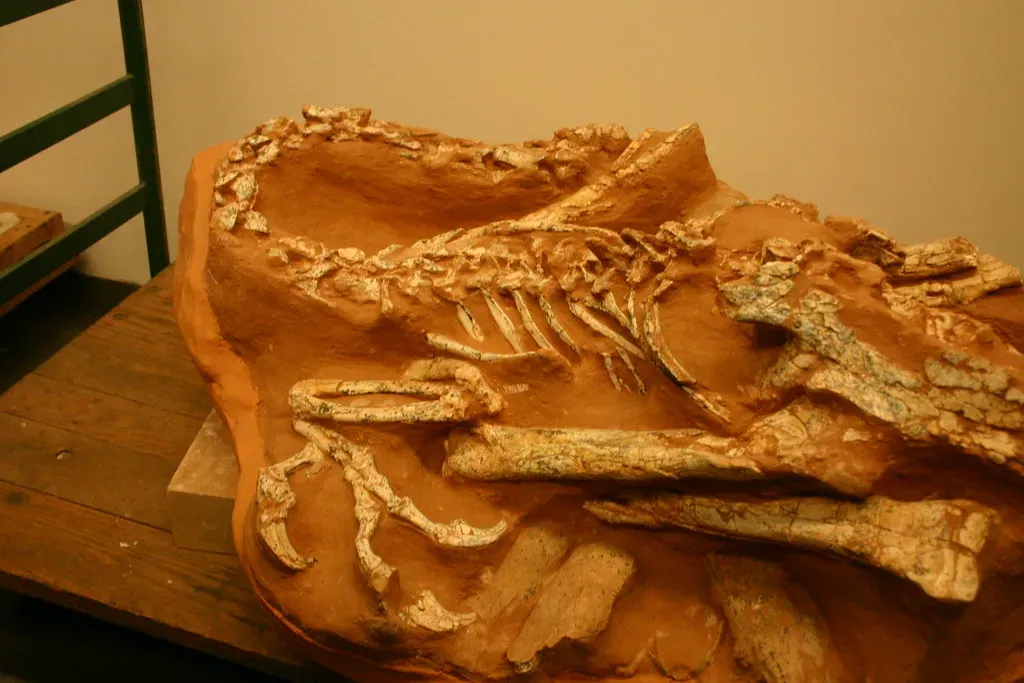
For a long time, dinosaurs were imagined as cold, lumbering, entirely instinct-driven reptiles that laid eggs and walked away without a second thought. Then came a discovery in Montana that shattered that image entirely. The Maiasaura fossils were found in a large nesting colony in Montana in 1978, with eggs, embryos, and young animals all discovered inside nests. This provided evidence for the first time that some giant dinosaurs raised and fed their young in the nest.
This behavior informed their very name, Maiasaura, which comes from the Greek goddess Maia, meaning “Good Mother.” It also rubbed off on the area in which they were found, which became known as “Egg Mountain.” Think about what that means for a moment. Before this find, nobody imagined a sauropod-era creature hovering over its babies, protecting and feeding them. It was a revelation that rewired our entire emotional understanding of these ancient animals. Suddenly, they were not monsters. They were parents. That is a genuinely moving thought.
The “Fighting Dinosaurs” Fossil: Evolution Frozen in a Single Savage Moment
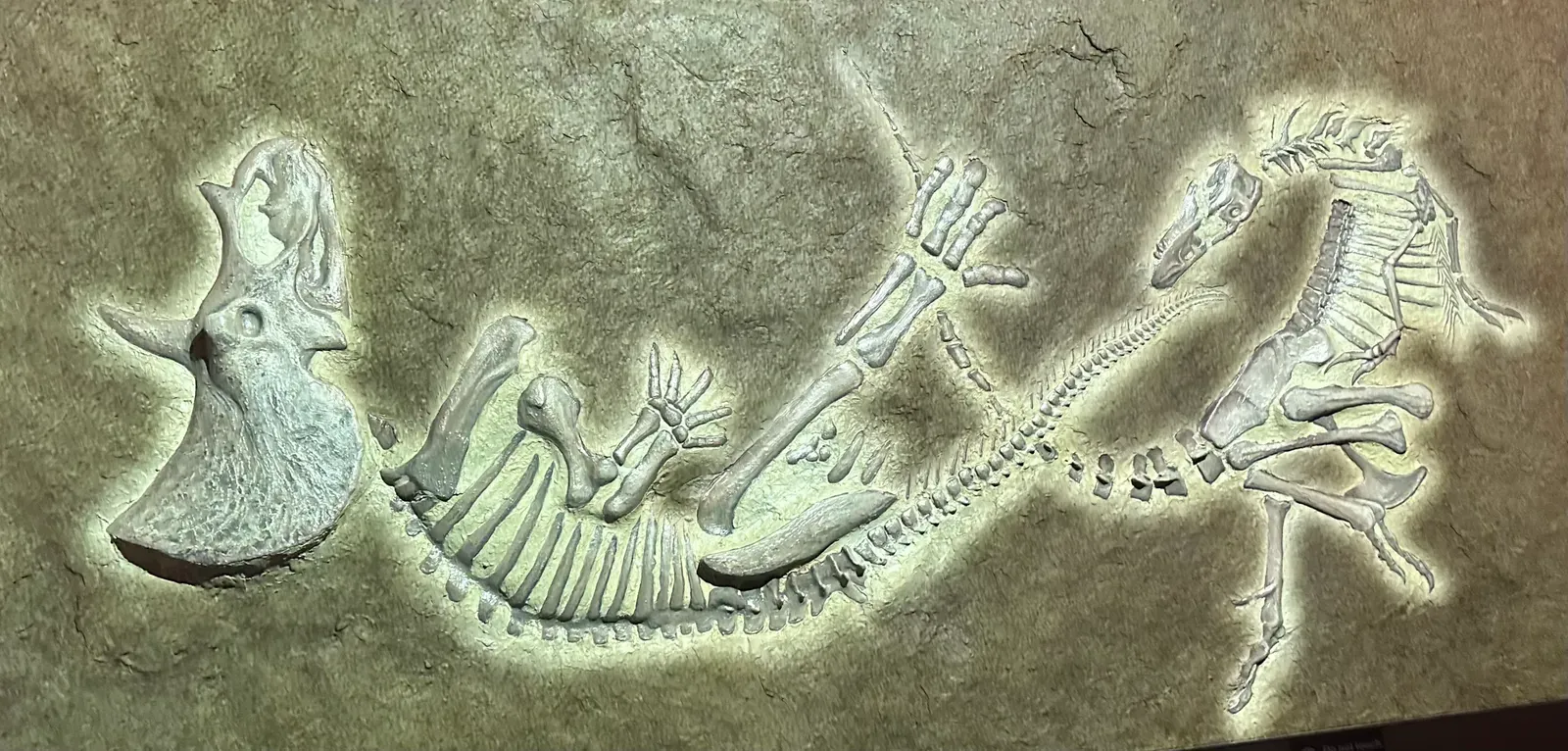
Few fossil discoveries carry the raw dramatic power of the so-called Fighting Dinosaurs from Mongolia. Found preserved in the Gobi Desert, this remarkable specimen shows a Velociraptor and a Protoceratops locked in combat at the moment of death, forever frozen mid-struggle. Paleontologists believe the leading hypothesis is that a sand dune fell on top of them, and they were crushed, frozen in time. It is the prehistoric equivalent of a security camera catching everything in extraordinary detail.
This find was more than just visually spectacular. It gave scientists direct behavioral evidence that had never been seen before, proof that Velociraptor actually used its famous sickle-shaped claw in an active hunting grip rather than slashing freely. It also showed that prey animals like Protoceratops were capable of fighting back fiercely, shifting our understanding of predator-prey dynamics. Whatever exactly happened, it is an incredible fossil, and you can see casts of it in different museums today. Honestly, it reads like the ultimate prehistoric action scene, and the fact that it is real makes it even more astonishing.
Tiktaalik: The Fish That Decided to Grow Legs
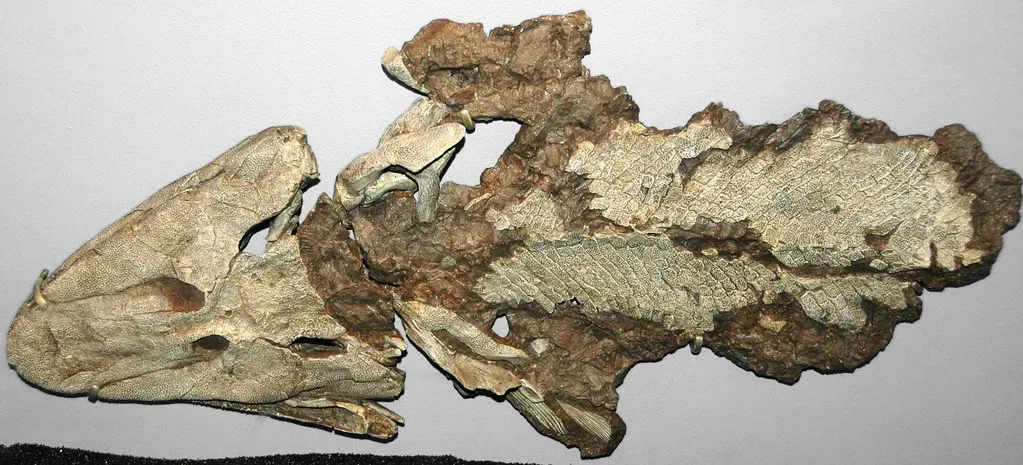
If you want to talk about a fossil that literally captures life changing in real time, Tiktaalik is the one. Discovered in the Canadian Arctic in 2004, this remarkable creature is often described as a “fishapod,” sitting perfectly between fish and the first four-limbed animals. Today, the fossilized remains of Tiktaalik are housed in museums around the world and continue to be studied by paleontologists interested in the evolution of vertebrates. Tiktaalik remains one of the most famous and significant fossil discoveries in recent history, and has helped shed light on the evolutionary history of life on Earth.
What makes Tiktaalik so thrilling is that it was actually predicted before it was found. Scientists worked out from evolutionary models that a transitional form between fish and land animals should exist in rocks of a certain age and type, and they went looking for it in exactly the right place. When they found it, it was like the universe confirming their hypothesis in the most spectacular way possible. Fossils provide direct evidence for the long history of life, allowing paleontologists to test hypotheses about evolution with data only they can provide. Tiktaalik is, perhaps better than any other find, the living proof of that principle at work.
Megalosaurus: The Fossil That Started It All and Invented the Very Concept of Dinosaurs
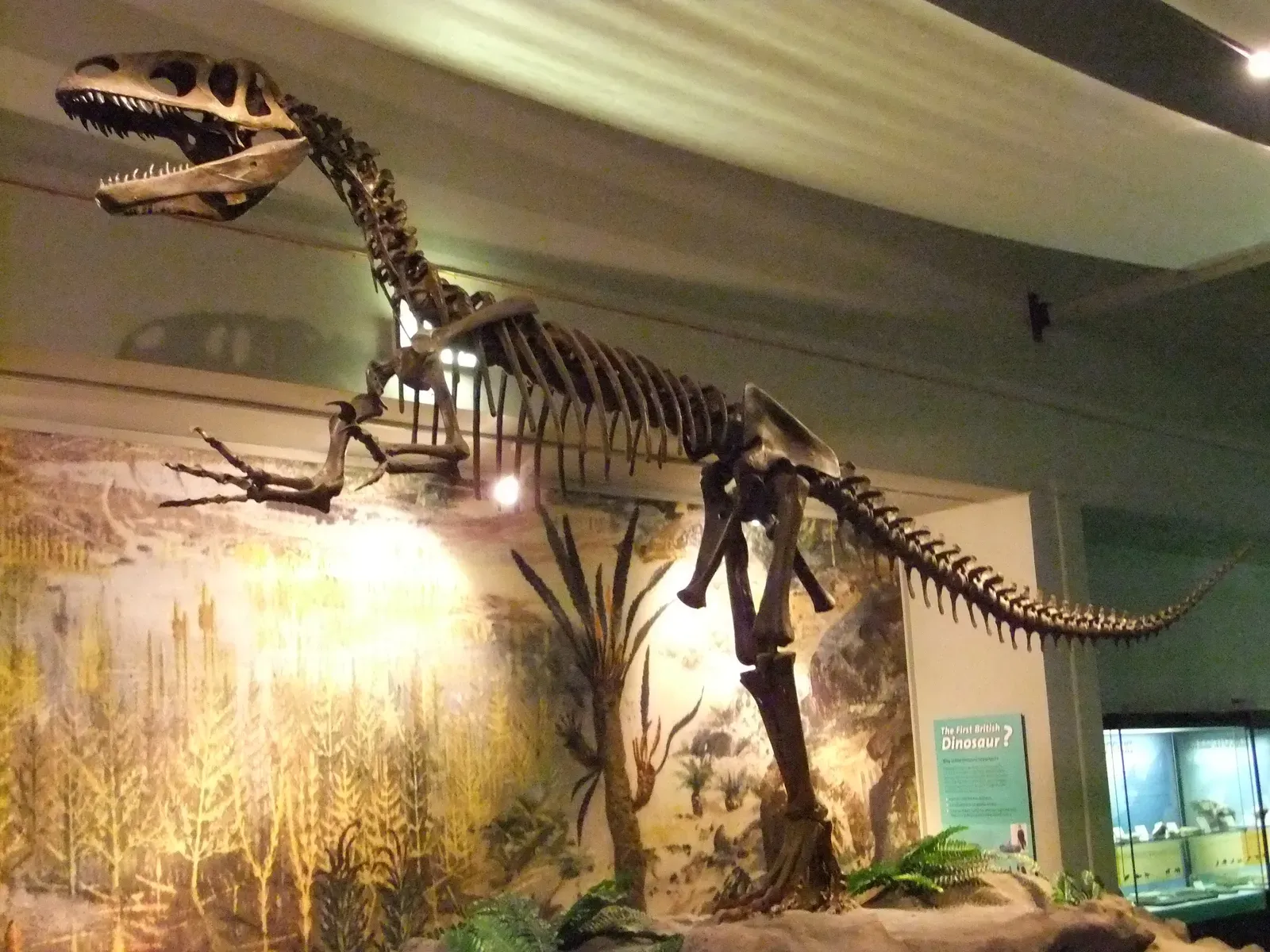
You cannot write a list like this without paying respect to the fossil that started everything. On 20 February 1824, during a meeting of the Geological Society of London, paleontologist William Buckland formally introduced Megalosaurus. Megalosaurus was the first dinosaur to be described by scientists. It would be another 18 years before Richard Owen coined the word “dinosaur.” Before that moment, nobody even had a framework for understanding what these enormous, ancient bones were. People had been finding them for centuries without knowing what they were looking at.
Dinosaur fossils were being unearthed long before the first species was described. As nobody knew what a dinosaur was at this point, people didn’t know what to make of them. Some bones were attributed to giants from mythology. Others were brushed aside as geological oddities. Fossils of other dinosaurs were initially attributed to Megalosaurus until further discoveries revealed the greater diversity of this group of reptiles. It is hard to imagine now, but there was a time when the entire category of “dinosaur” simply did not exist in human knowledge. One jaw fragment from an Oxford quarry changed everything, and the world of science has not been the same since.
Preserved Metabolic Molecules in Fossilized Bones: The Future Arrived Early
This one is so recent it still feels like science fiction. Researchers have uncovered thousands of preserved metabolic molecules inside fossilized bones millions of years old, offering a surprising new window into prehistoric life. The implications of this discovery are staggering. It means that the chemistry of ancient organisms, the molecular fingerprints of how they actually functioned, can survive across unimaginable stretches of geological time. Nobody expected the biochemistry of a prehistoric creature to still be readable in 2026.
This discovery dovetails with a broader shift in paleontology toward what you might call molecular time travel. Tooth enamel, for example, preserves endogenous amino acids for over 40 million years, representing a robust and underexplored archive for deep-time biomolecular research and enabling future studies of ancient ecologies and evolution. Think of it this way. Where earlier generations of paleontologists could only study the shape of bones, today’s scientists can potentially read the biological “code” left inside them. The real significance of such discoveries lies in how they illuminate the grand history of life on Earth, with fossils recording how life adapted or perished in the face of major environmental challenges from more than three billion years ago to the present day. That is not just history. That is a survival manual for the future.
Conclusion: The Ground Beneath Your Feet Is Still Full of Secrets
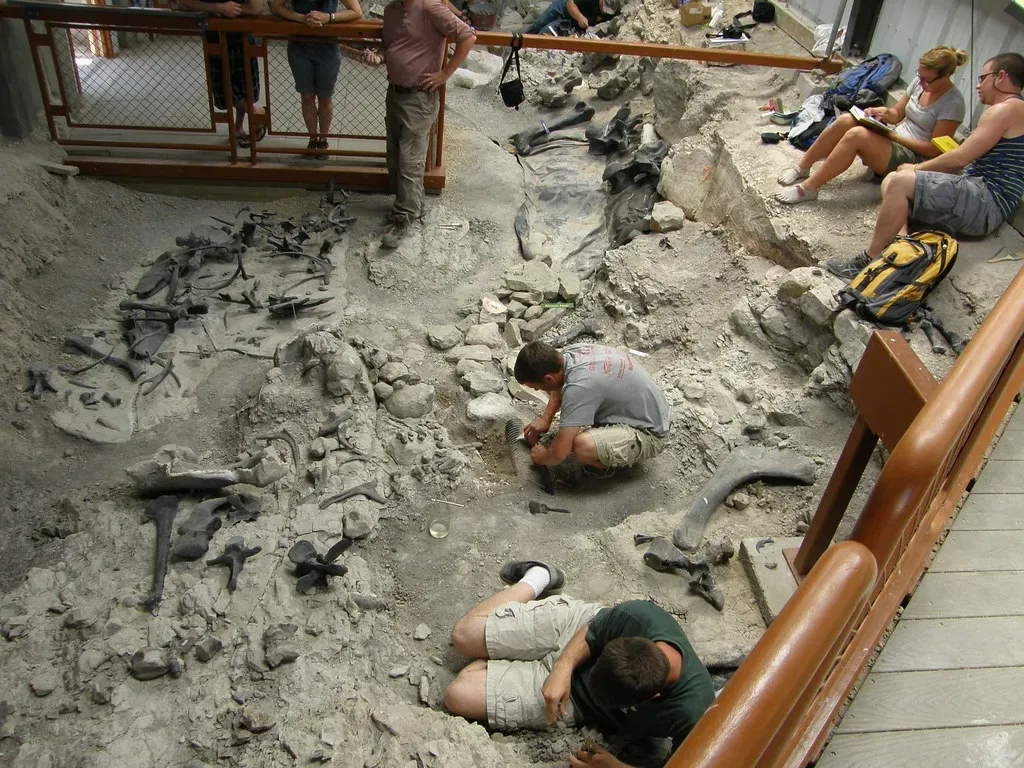
The seven discoveries in this article are not simply old news sealed away in dusty archives. They are living, breathing conversations between the ancient past and our present moment. Each cracked-open rock, each brushed-away grain of desert sand, each carefully lifted fossil has the potential to overturn everything we thought we understood about life on this planet.
What is so humbling, honestly, is that the vast majority of Earth’s prehistoric story remains untold. Great ebbs and flows of biological diversity, appearances of new life forms, and the extinctions of long-existing ones would go undiscovered without ongoing paleontological efforts. There are almost certainly creatures buried somewhere right now that would make Tiktaalik and Archaeopteryx look ordinary by comparison. The fossil record is nowhere near finished surprising us.
Every time a paleontologist kneels in a desert, a quarry, or a mountainside and taps gently at ancient stone, there is a chance they are about to change everything. Which of these seven discoveries surprised you the most?