
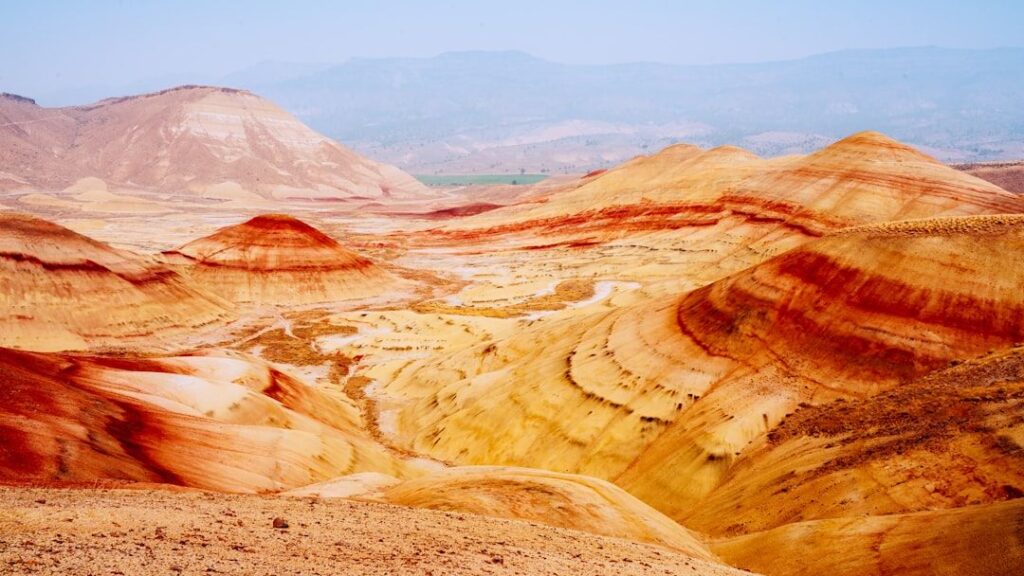
You’re standing in the middle of the American heartland, or maybe beside a desert canyon wall, and something stops you cold. A shell. In stone. Miles from any ocean. It sounds like a mistake, but it isn’t. Across the United States, the land holds incredible, often jaw-dropping evidence that vast seas once stretched where you now walk, drive, and hike.
Honestly, the idea that Maryland’s coastline once teemed with 50-foot sharks, or that Kansas was once a warm tropical sea, is the kind of thing that makes you rethink everything you thought you knew about this country’s past. These aren’t isolated quirks. They’re the fossilized fingerprints of ancient oceans that shaped an entire continent. Let’s dive in.
1. Calvert Cliffs, Maryland – Where Megalodon Hunted Whales
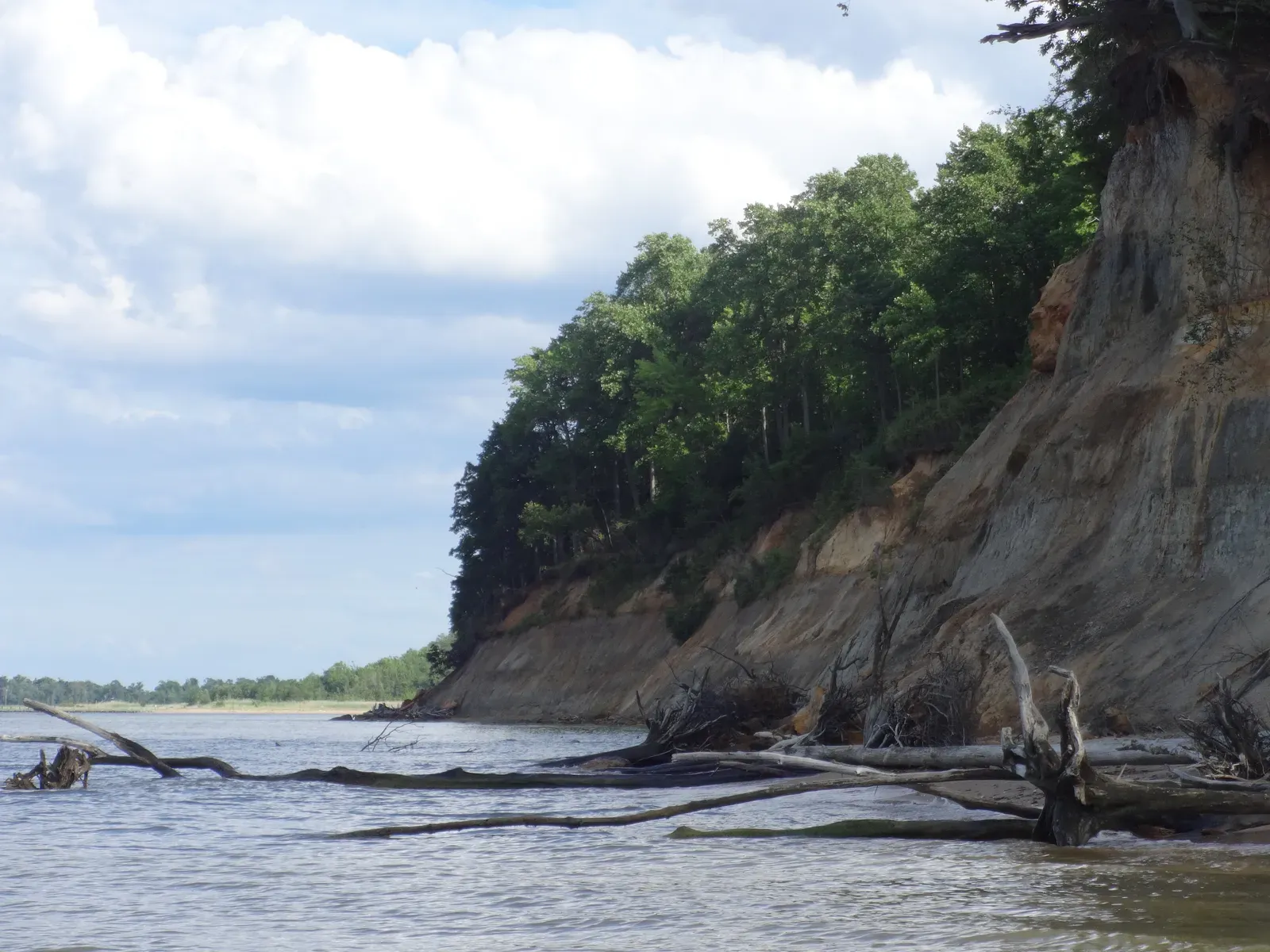
If you’re looking for one place in America that practically bleeds ancient ocean history, Calvert Cliffs is it. Along the western shore of the Chesapeake Bay, more than 30 miles of cliffs, some as high as 100 feet, have given generations of people the chance to find fossils, especially shark teeth that date back millions of years to the Miocene era. Think about that for a second. What is now peaceful Maryland shoreline was once prowled by one of the most terrifying predators the world has ever seen.
The cliffs stretch roughly 24 miles from Chesapeake Beach to Drum Point in Calvert County and preserve a remarkable Miocene fauna, with over 600 species of plants and animals documented, including marine mammals like dolphins, whales, seals, sea turtles, and sea cows. During the early to middle Miocene, the Salisbury Embayment was a warm, shallow sea and likely a calving ground for early dolphins and whales, which attracted large predatory sharks, including megalodon, that fed extensively in the area. In 2024, a remarkable discovery made headlines when 53 teeth from one individual megalodon were collected over a period of six years from one location along Calvert Cliffs, and when this shark died, it would have been close to 50 feet long.
2. The Grand Canyon, Arizona – A Billion-Year Book of Vanished Seas
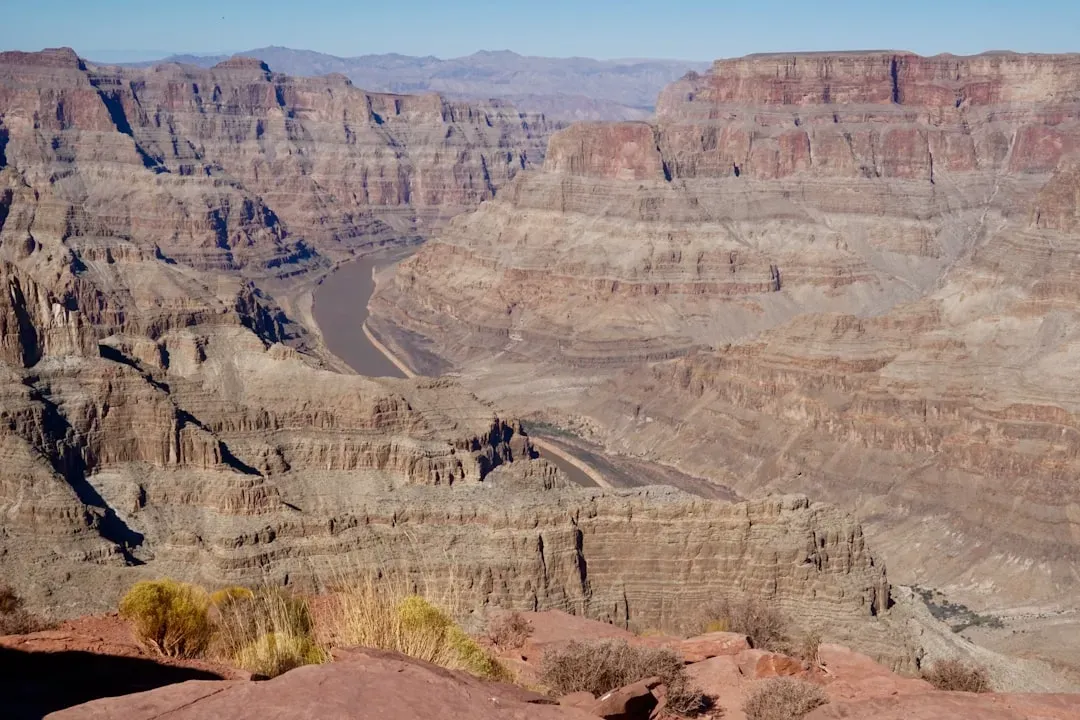
You might visit the Grand Canyon for the views, but stay for the fossils. Honestly, most tourists don’t realize that those gorgeous striped rock walls are essentially a library of ancient oceans stacked on top of each other. The Grand Canyon region’s geological history is defined by the repeated advance and retreat of ancient seas, and during the Paleozoic Era, roughly 540 to 250 million years ago, the area was closer to the equator and frequently submerged under shallow, warm oceans, with these periods of marine inundation depositing layers of sediment on the seafloor.
Trilobites are some of the oldest fossils to appear in the Grand Canyon’s fossil record, and these sea creatures, related to insects and crustaceans, roamed a shallow ocean between 525 to 505 million years ago, with their fossils found in the Tapeats Sandstone, Bright Angel Shale, and Muav Limestone rock layers. Higher up in the canyon, things get even more vivid. Many fossilized crinoids, brachiopods, bryozoans, horn corals, nautiloids, and sponges, along with other marine organisms such as large and complex trilobites, have been found in the Redwall limestone. It’s one of the most spectacular open-air fossil records on the planet, and you can walk right up to it.
3. The Niobrara Chalk Beds, Western Kansas – The Sea That Split a Continent
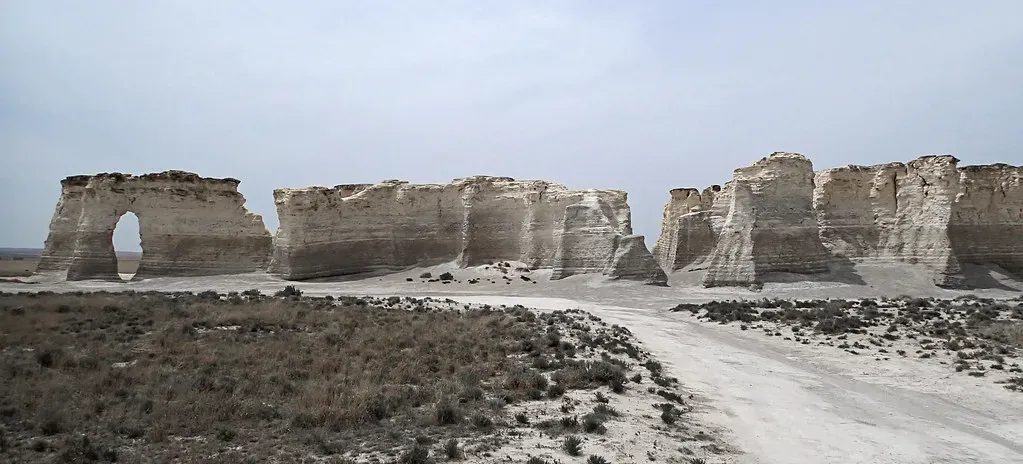
Here’s one that surprises almost everyone. Kansas, the poster child of landlocked America, was once the floor of a vast prehistoric ocean. The Cretaceous-aged rocks of the continental interior of the United States, from Texas to Montana, record a long geological history of this region being covered by a relatively shallow body of marine water called the Western Interior Seaway. The results of that ancient sea are extraordinary.
The waters of the Western Interior Seaway were warm, shallow, and inhabited by a plethora of marine animals, including bony fish, sharks, marine reptiles such as mosasaurs and plesiosaurs, birds, mollusks including ammonites, bivalves, and snails, and echinoderms including echinoids and crinoids. Even more remarkable, conditions on the ocean floor were periodically anoxic, with little or no oxygen, meaning that dead animals that sank to the bottom often decomposed slowly, favoring their preservation as fossils. A variety of marine-animal fossils have been found in Kansas, including corals, bryozoans, brachiopods, crinoids, clams, snails, squid, jellyfish, trilobites, eurypterids, turtles, fish, and sharks. That’s a menu that belongs in the ocean, not the Great Plains.
4. Big Bend National Park, Texas – Where Desert Meets the Deep
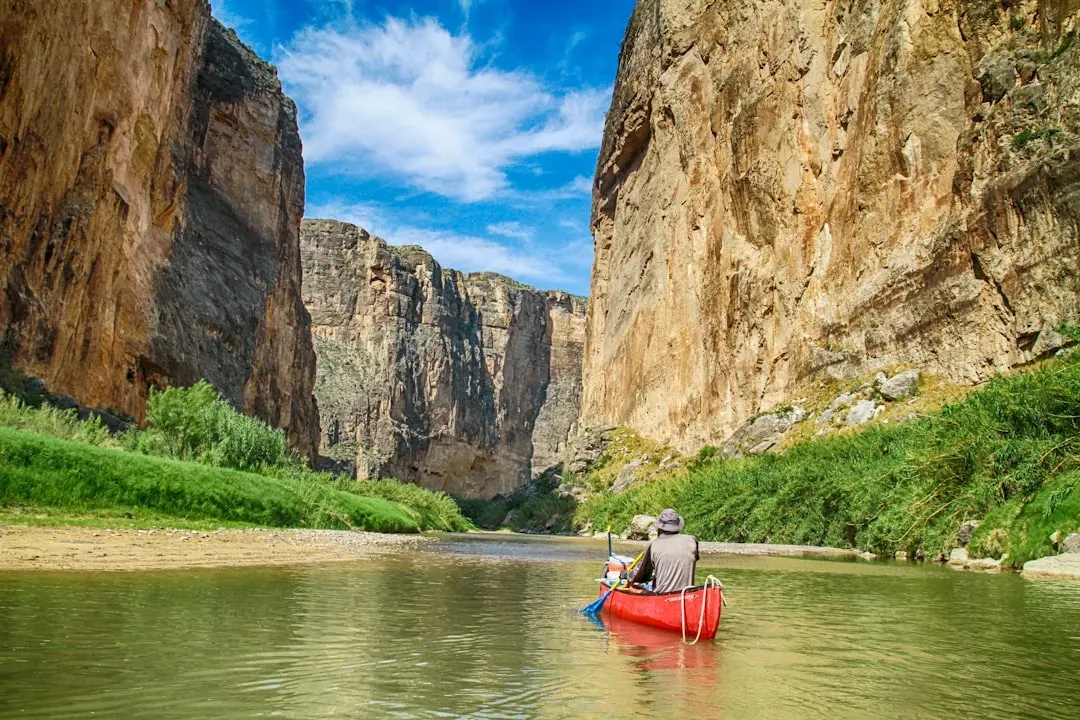
Big Bend is breathtaking even before you learn about its prehistoric past. But once you know what’s hidden in those desert limestone mountains, the whole landscape takes on a different meaning entirely. The warm, shallow sea that covered Big Bend and most of Texas is called the Western Interior Seaway, and this sea supported a magnificent assemblage of marine organisms including the mighty mosasaur and the monstrous fish Xiphactinus, alongside ammonites, turtles, sharks, sea urchins, oysters, and snails.
Mosasaurs were the top ocean predators 90 million years ago and are often called the “T. rex” of the sea, being air-breathing marine lizards that could grow up to 40 feet in length. What makes Big Bend truly special is that the oldest North American mosasaur was discovered in the limestones at Big Bend National Park. Faulting exposed a cross section of the ancient seafloor here, and scientists study the fossils in limestone to piece together the story of Big Bend’s climate and ancient marine life during the middle of the Cretaceous Period. You’re literally walking across an exposed ocean floor. That’s hard to beat.
5. The Oregon Coast – Miocene Seas Frozen in Cliffsides
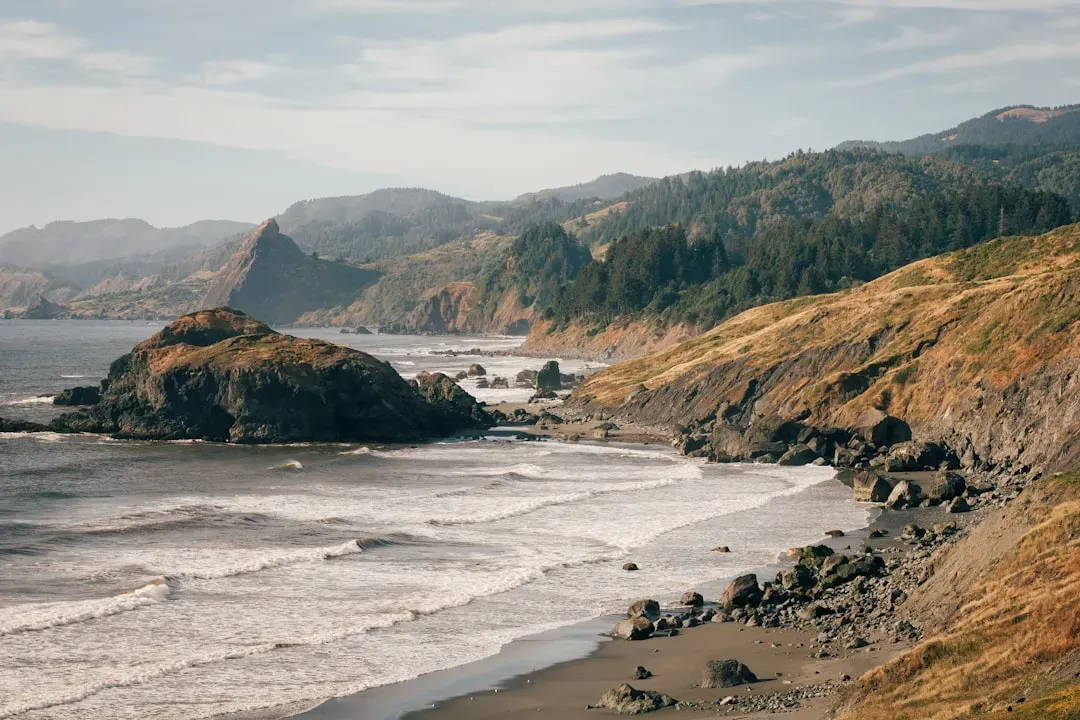
You might not think of the Oregon coast as a fossil destination, but that would be a mistake. The rugged sea cliffs and sandy beaches here hide something wonderful. Oregon’s sandy beaches are known for their shells, sand dollars, agates and jaspers, as well as for a wide variety of Miocene-era marine and mammal bone fossils. The geology here is endlessly interesting, with the Pacific’s ancient floor literally pushed up to where you can reach out and touch it.
Geologically, Oregon coast fossils are found in three formations, including the Astoria Formation at 15 to 20 million years old, and Coledo Formation specimens on the south coast beaches of dark ash and sand at 25 to 30 million years old, with these formations of compacted sand, volcanic ash, and river-borne silt uplifted from the Pacific Ocean floor by geo-plate movement. Erosion and uplift are always exposing new bones and fossils of various sea creatures and plants, many of which are now extinct, and researchers have found petrified wood, fossilized bivalve clams and gastropods, shark, sea lion, and seal teeth, and even a fossilized rib of a Steller’s Sea Cow. A sea cow rib on a public beach. You couldn’t make that up.
6. Coastal South Carolina – Sharks, Whales, and 65 Million Years of Ocean History
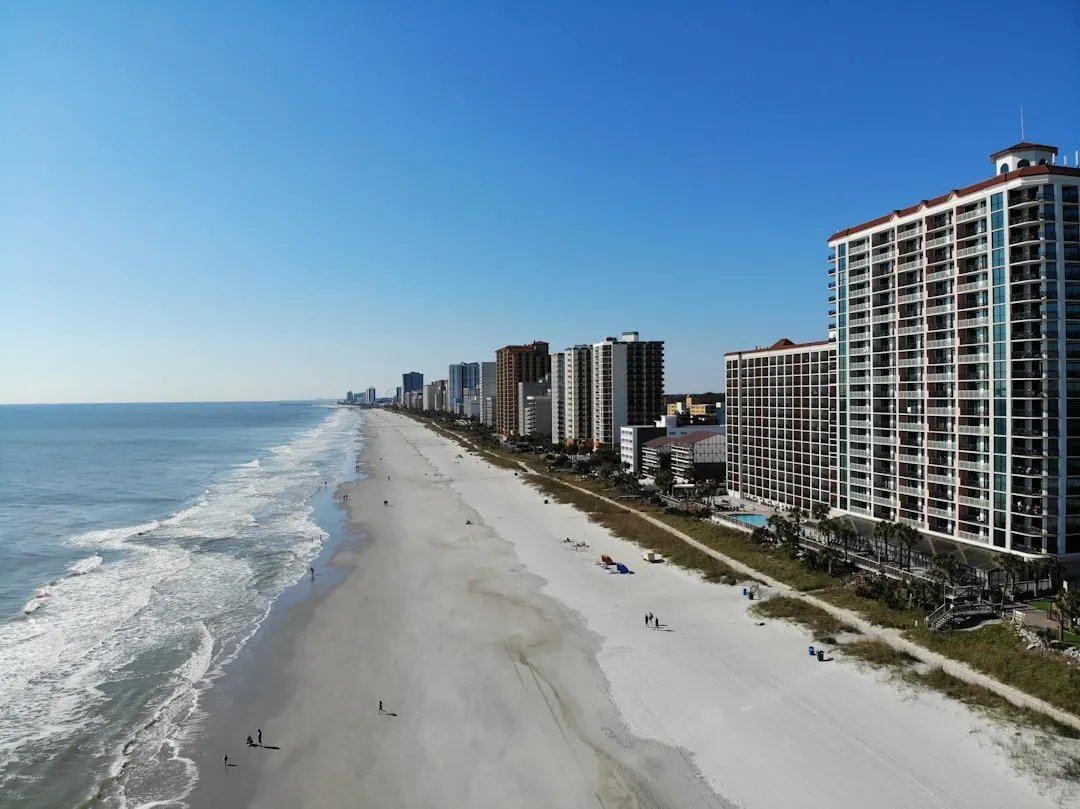
There’s something almost unreal about walking a South Carolina beach and picking up a tooth from a creature that died millions of years ago. Yet it happens all the time here. The South Carolina Coastal Plain roughly comprises the land from I-95 eastward to the ocean, and this area has been underwater for many millions of years, forming what is called the Charleston Embayment. The Charleston Embayment has a rich 65-million-year history throughout the Cenozoic, and this embayment was full of warm, nutrient-rich waters teeming with life.
Megalodon lived in the western Atlantic Ocean from approximately 16 to 2.6 million years ago, is regarded as one of the largest and most powerful ocean predators that ever lived, and the fossil record of megalodon consists almost entirely of teeth, which are common fossils in the Coastal Plain. You don’t need any special equipment or expert knowledge to get started here either. It’s best to fossil hunt at low tide when more fossils are exposed, and after a storm is an especially good time to collect, since the seafloor gets churned up and larger fossils will often wash up. Nature does half the work for you.
7. Northeast Michigan – Ancient Coral Reefs in Lake Country
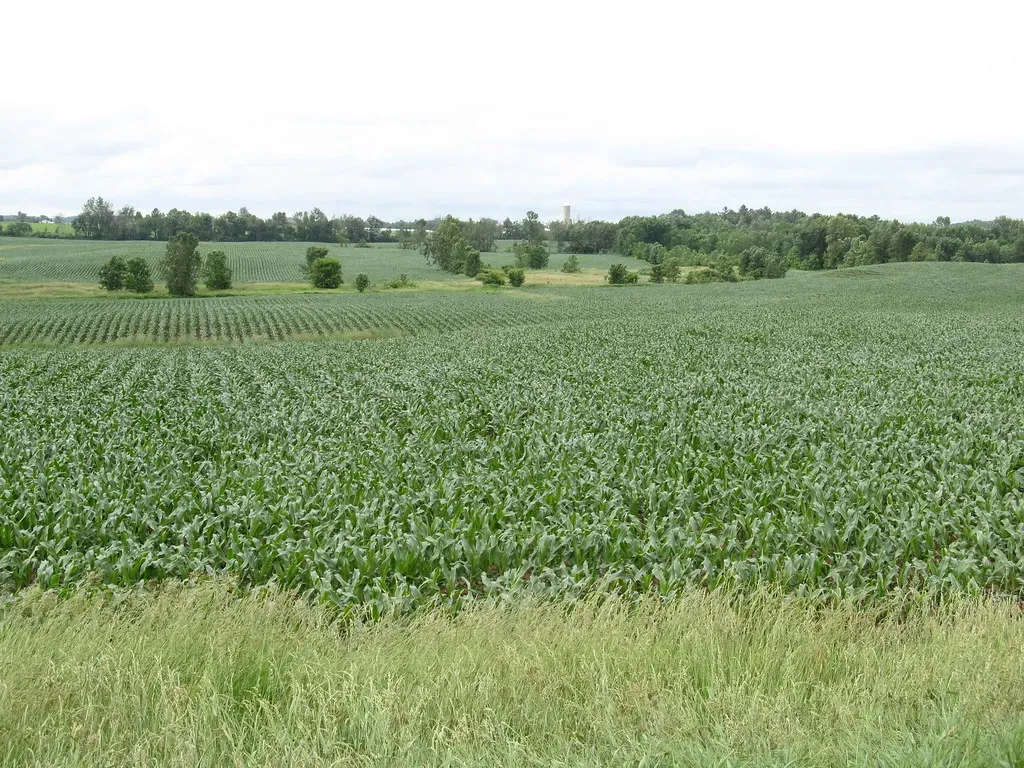
This one tends to genuinely shock people. The rolling forests and lakeshores of northeast Michigan don’t exactly scream “ancient tropical ocean,” yet that’s exactly what this region once was. From rock quarries to fossilized ocean life and sinkholes to limestone cobble shorelines, this region’s unique geology is prized as a local coastal tourism asset and opportunity. The limestone underlying the region is literally the compacted remains of an ancient sea floor, and pieces of it are everywhere.
Rogers City offers an amazing quarry view of one of the world’s largest operating limestone quarries, and in downtown Alpena, walking the limestone boulders lining the shoreline reveals an amazing array of fossils, including a wide diversity of brachiopods, and for lucky hunters, maybe even an elusive trilobite. What you’re looking at in these limestone formations is the record of a warm, shallow sea that covered this part of North America hundreds of millions of years ago during the Devonian and Silurian periods. Rockport State Recreation Area, managed by the Michigan Department of Natural Resources, is a great stop for those seeking to find fossils, sinkholes, and some great nature-based hiking. It’s an outdoor museum that most people drive right past without ever knowing it’s there.
Conclusion: The Ocean Is Everywhere – If You Know Where to Look
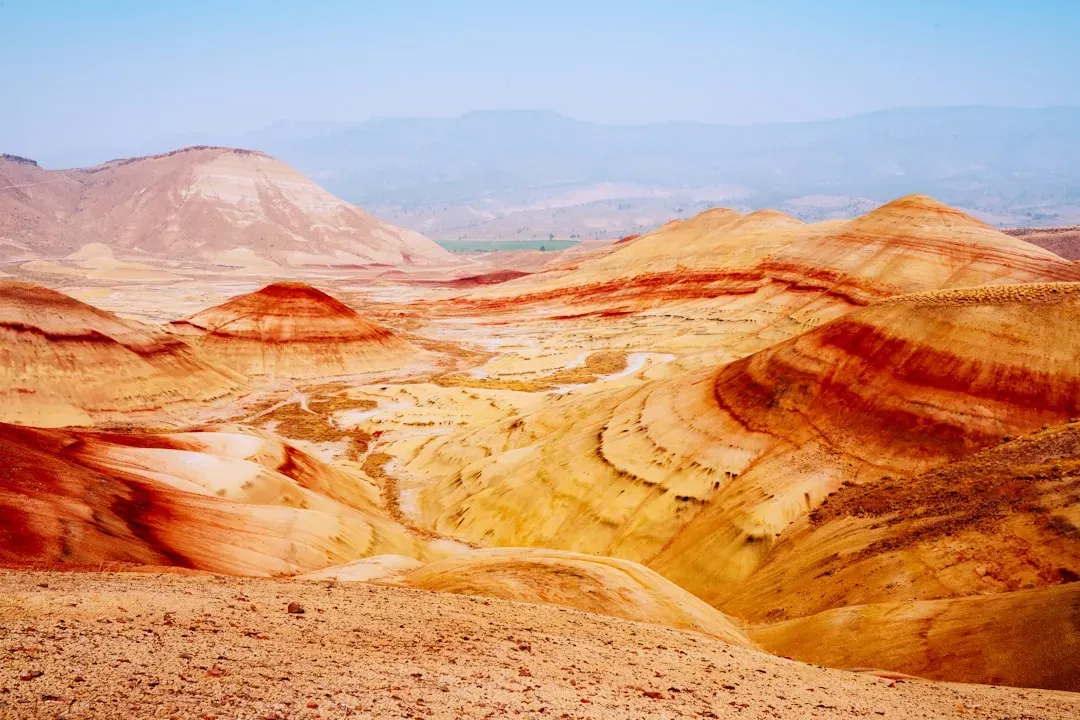
What’s genuinely stunning about all seven of these places is that none of them require a science degree to appreciate. You can stand on a Maryland beach, hike a Texas desert, or walk the rim of the Grand Canyon and hold, quite literally, a piece of the ancient ocean in your hands. The Earth keeps these records carefully, locked into stone, waiting to be noticed.
The story of ancient oceans isn’t just a geological curiosity. It’s a reminder that the planet we think we know is sitting on top of dozens of worlds that came before it. Shallow tropical seas where Kansas is. A monster shark hunting whale calves in Maryland. A mosasaur gliding through what is now Big Bend. All of it, frozen in rock, waiting for you to show up and pay attention.
So next time you’re out hiking or simply walking along a shoreline, look down. The ground beneath your feet may have more to say than you’d ever expect. Which of these seven places would you most want to visit? Let us know in the comments below.