There’s something deeply strange about the fact that civilizations which never traded goods, never shared written language, and never once crossed paths all ended up telling remarkably similar stories. Enormous serpents coiled beneath the earth. Giants who shaped the mountains. Colossal flying creatures that blotted out the sun. Floods that swallowed the world whole.
You’d expect isolated cultures to dream up wildly different monsters. Instead, you get patterns. Recurring shapes. The same terrifying silhouettes appearing from China to Peru, from ancient Egypt to the forests of Scandinavia. It raises one of the most electrifying questions in human history: where did these stories really come from? Get comfortable, because the answers may surprise you more than the creatures themselves.
The Dragon Across Every Civilization You’ve Ever Heard Of
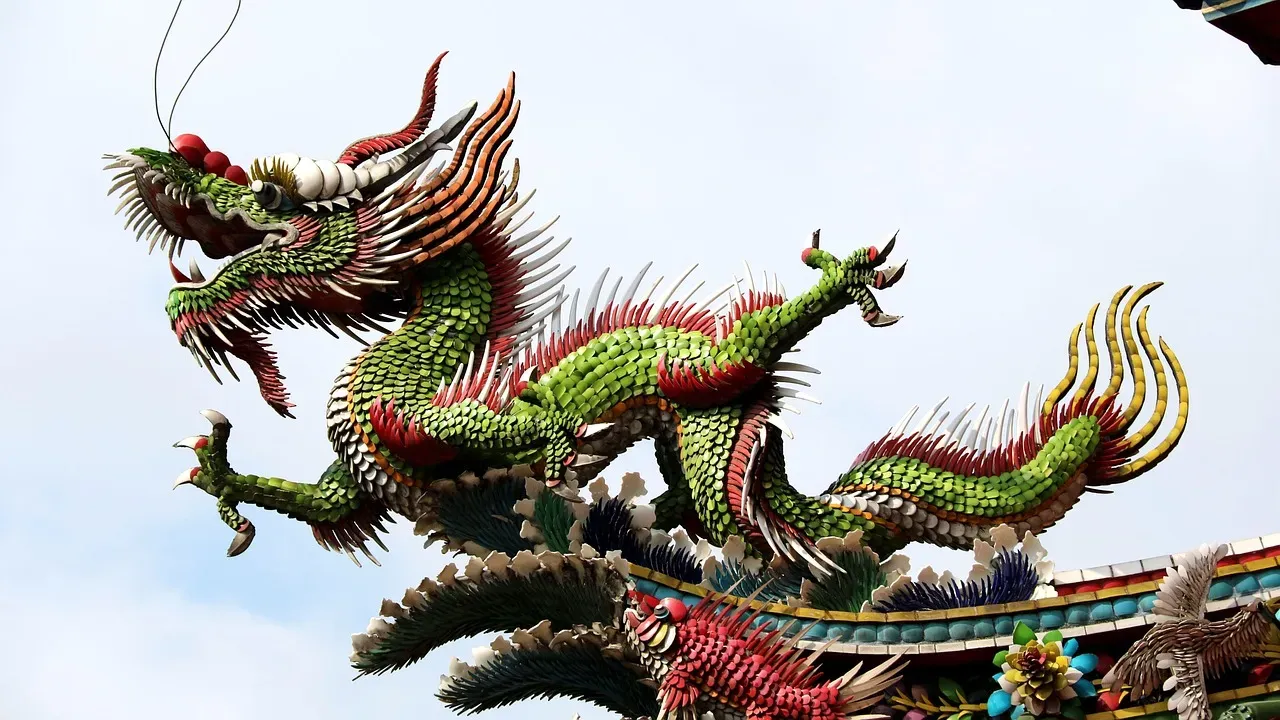
Let’s be real – if you had to pick one mythological creature that defines the sheer weirdness of cross-cultural myth-making, it’s the dragon. Dragons are likely the most traveled creature in all of mythology, and they have a habit of turning up in societies and cultures so far apart in time and space that it seems almost impossible. You find them etched into Sumerian clay tablets, roaring through Norse epic poetry, and revered as divine beings in the heart of Mesoamerica.
Famous draconic creatures span an astonishing range of cultures, including the mušḫuššu of ancient Mesopotamia, Apep in Egyptian mythology, the Leviathan in the Hebrew Bible, Quetzalcoatl in Aztec culture, Jörmungandr and Fafnir in Norse mythology, and aži in ancient Persian mythology. What makes this so fascinating is that beliefs about dragons vary by region, with Western dragons often depicted as winged, horned, and fire-breathing, whereas Eastern dragons are usually depicted as wingless, serpentine creatures with above-average intelligence. Same root concept. Wildly different cultural paint job. Think of it like two chefs working from the same base recipe but producing entirely different dishes on opposite sides of the world.
When Ancient Peoples Stumbled Over Fossilized Bones
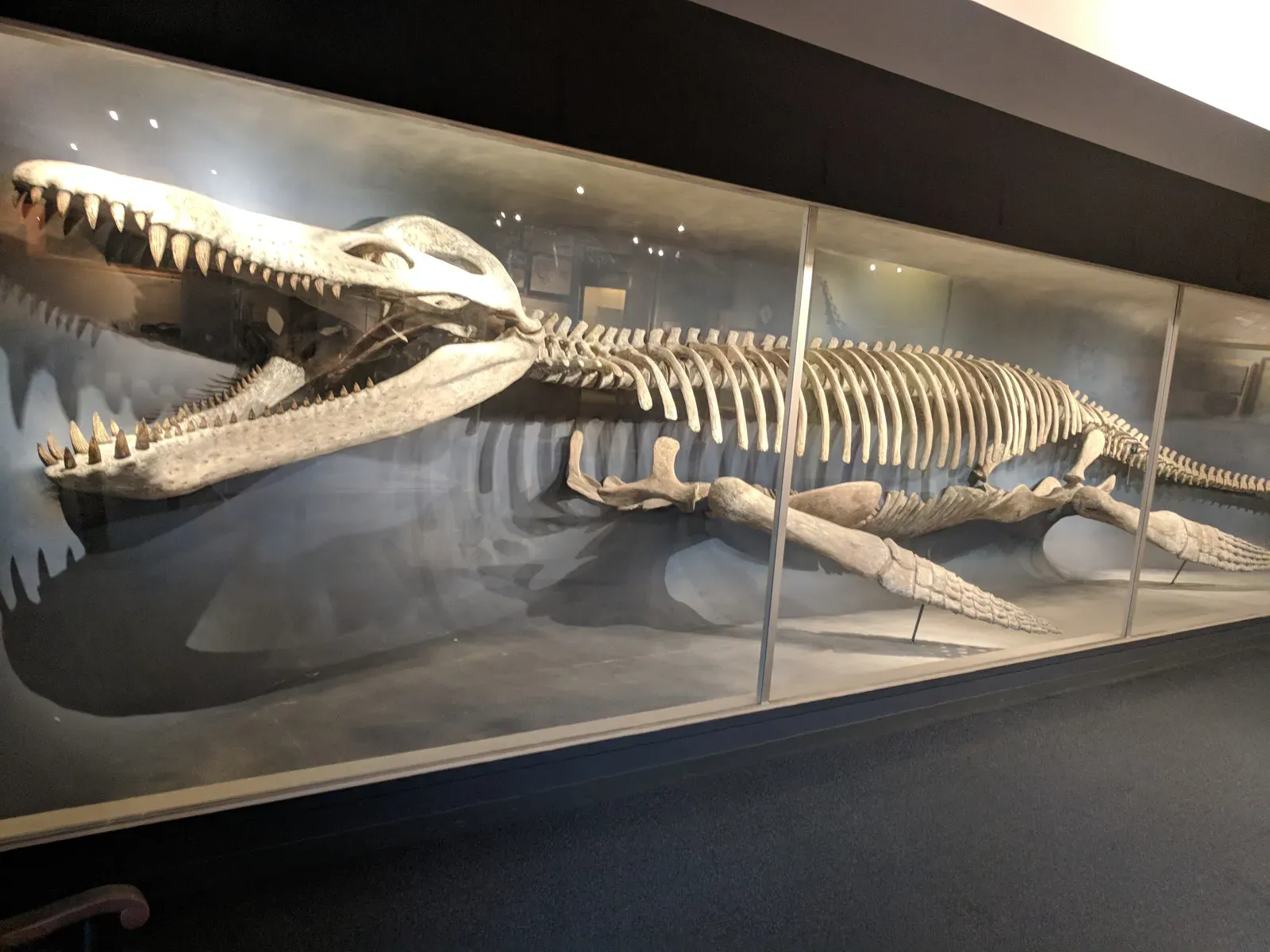
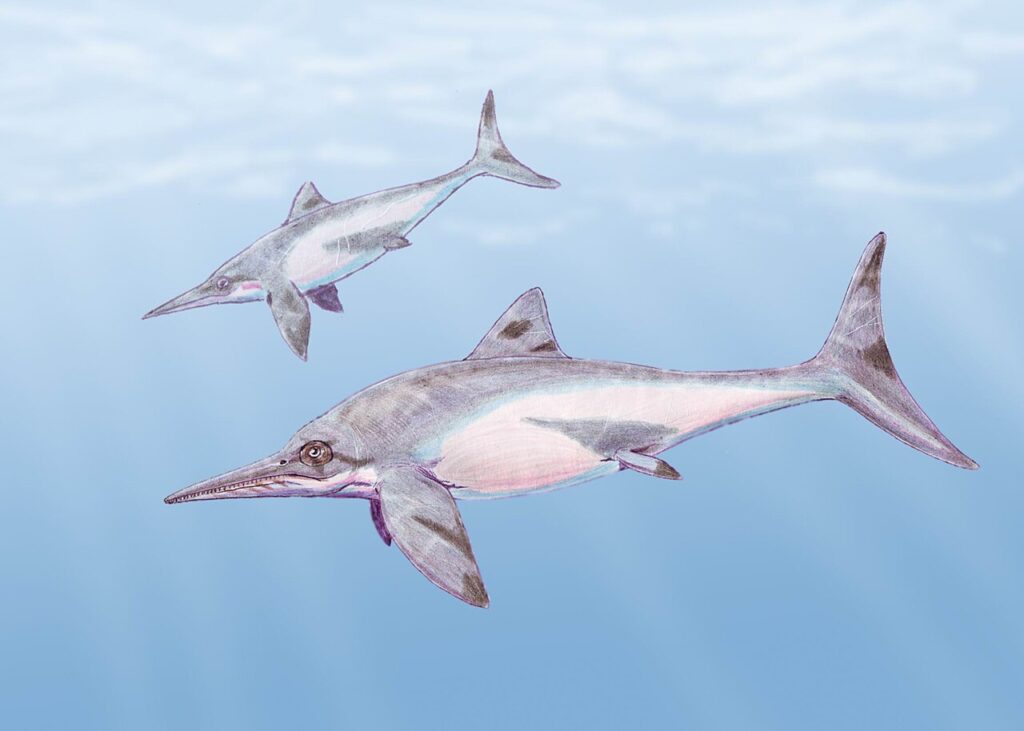
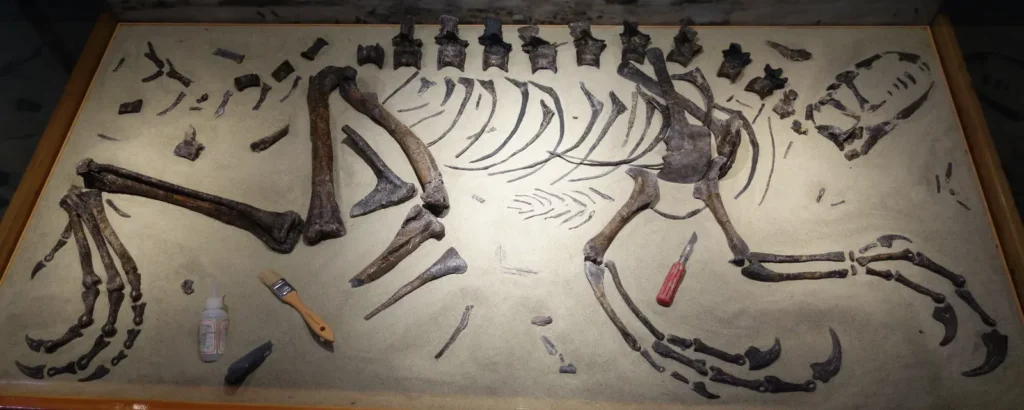
Here’s one of the most gripping theories in the whole study of ancient mythology: maybe your ancestors weren’t just making things up. The discovery of extinct animals isn’t a modern phenomenon – some of our ancestors were budding palaeontologists who regularly came across the traces and remains of animals from bygone eras. Unlike modern humans, they didn’t have science to guide their interpretations and instead relied heavily on their imaginations, reconstructing fossils based on the living animals they saw around them.
It is possible that ancient peoples, having discovered fossils and large animal bones and having no knowledge about prehistoric creatures, crafted imaginary tales of giants, dragons, and centaurs. A notable example is the theory that Protoceratops dinosaur fossils found in Central Asia could have influenced the legends of the griffins, whose skeletons resemble winged creatures. In 16th-century Austria, a monstrous-looking skull was found in a gravel pit near the town of Klagenfurt, identified as a dragon’s skull and soon prompting the building of a statue. It wasn’t until centuries later that a palaeontologist identified the skull as belonging to a woolly rhinoceros from the Ice Age. The line between a fossil and a monster was razor-thin for the people who found it.
The Great Flood That Wouldn’t Stop Appearing Everywhere
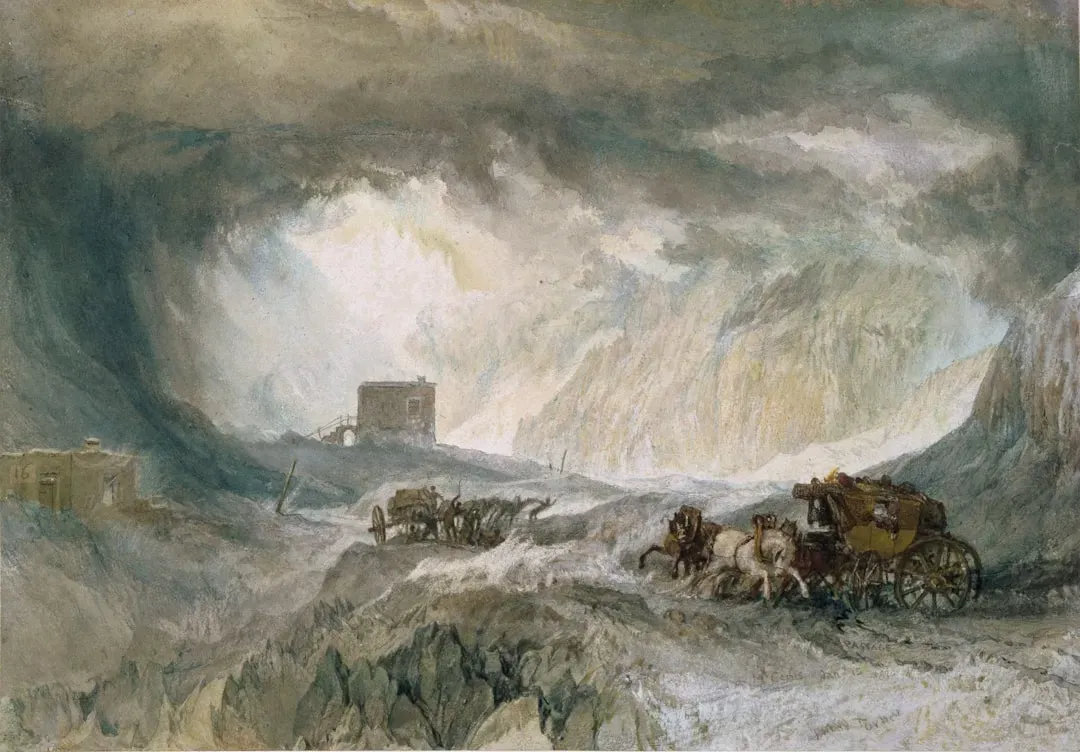
Especially common in world mythologies are stories about world-ending floods and the chosen individuals who managed to survive them, like the biblical Noah and Utnapishtim, the ark builder in the Epic of Gilgamesh, a text thought to be even older than the Abrahamic religions. It’s one of the most startling examples of cross-cultural myth convergence you’ll ever encounter. Not a vague similarity either – the structural bones of the story stay eerily intact across continents.
Legends of a flood can be found in the folklore of such diverse places as the Middle East, India, China, Australia, southern Asia, the islands of the Pacific, Europe, and the Americas. The Hindu deluge tale is unique from other religions. In Hindu teachings, Manu, the first man, was not visited by a God but rather by a fish. In some tellings, the fish is the deity Lord Vishnu. This fish told Manu that the world would be destroyed in a great flood, and Manu built a boat and tied it to the horn of the great fish, which guided him through the floods to the top of a mountain. A fish delivering a world-ending prophecy. Honestly, I find that detail more haunting than the flood itself.
Giants Who Shaped the Earth Before the Gods Did
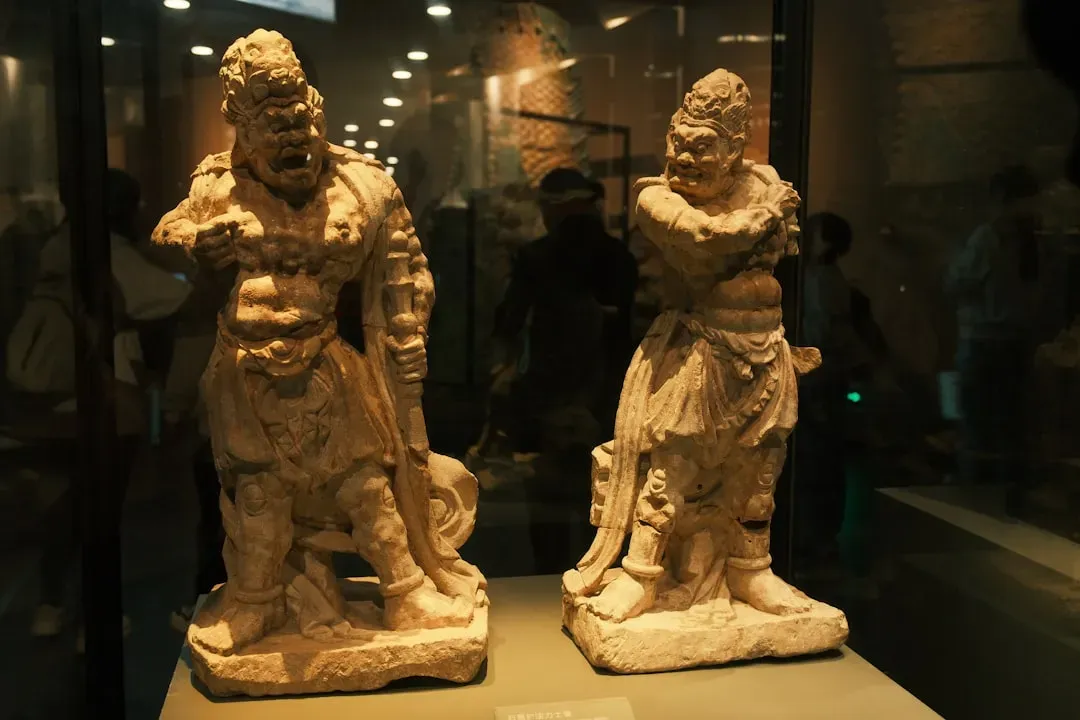
The concept of giants transcends cultural boundaries, finding a place in the folklore of nearly every civilization. You might assume giants are just a quirky Western idea – a medieval English embellishment. But you’d be wrong. The theme of giants is not confined to a single culture; it is a global motif. In famed Greek mythology, there existed the Titans, primordial giants who ruled the Earth before the arrival of the normal gods of Olympus. Norse mythology adds the Jötnar, and Hindu epics feature colossal beings who shape empires and landscapes alike.
Anthropologists claim that ancient stories of giants could be connected to large fossils. When ancient peoples would uncover bones of mammoths or prehistoric creatures, they would liken them to bones of humans – only much larger. The Norse myth of Ymir, a giant, is said to have created the world from his body. Similarly, in Greek mythology, the Titans were responsible for shaping the Earth before being overthrown by the gods. Across these wildly different cultures, giants always seem to exist in a “before time” – a primordial era just out of historical reach. It’s hard not to feel that thrill of wondering if those stories encoded something real.
Sea Monsters, Cosmic Serpents, and the Deep Unknown
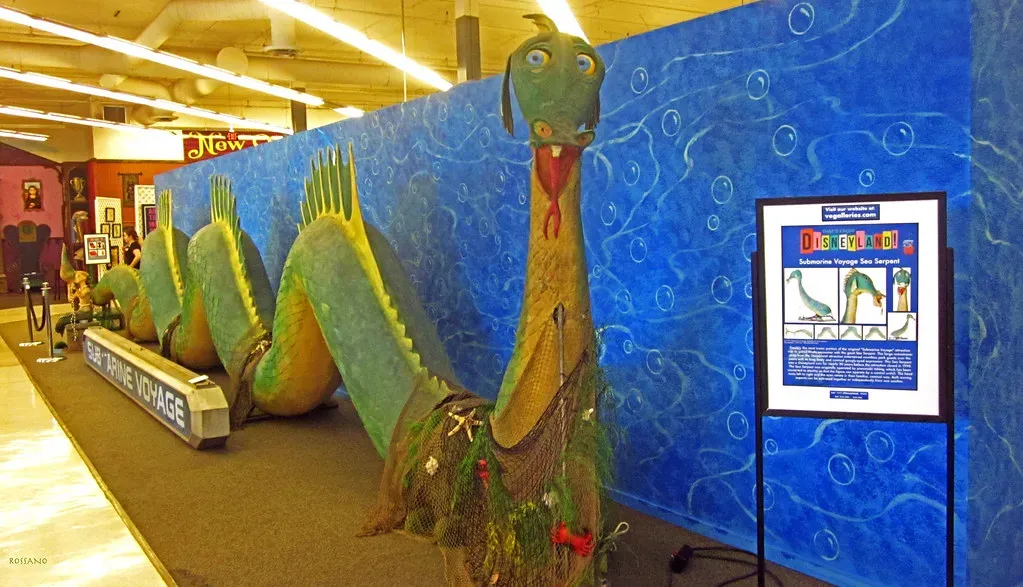
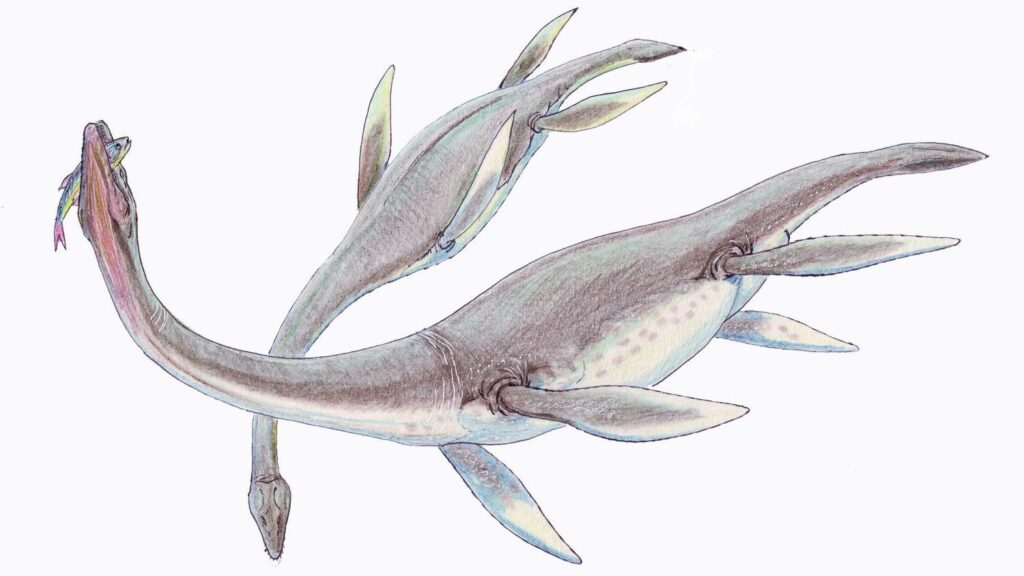
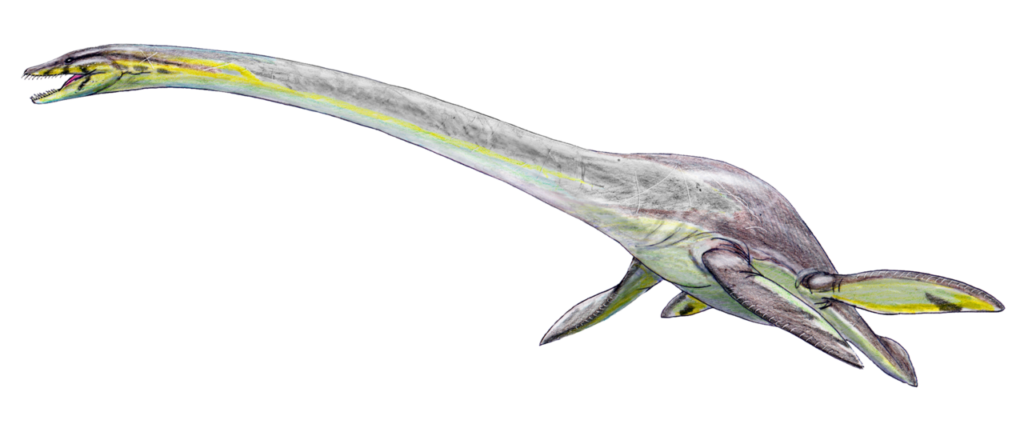
The ocean has always been the ultimate blank canvas for human fear. It’s enormous, unknowable, and in ancient times, it swallowed people whole with no explanation. So it’s no great surprise that nearly every coastal and seafaring culture invented massive creatures to explain what lurked below. The motif of Chaoskampf, meaning “struggle against chaos,” is ubiquitous in myth and legend, depicting a battle of a culture hero or deity with a chaos monster often in the shape of a sea serpent or dragon. Notable examples include Zeus versus Typhon, Thor versus Jörmungandr, Indra versus Vritra, and Ra versus Apep.
In Egyptian mythology, Apep or Apophis was a giant serpentine creature residing in the Egyptian underworld. Ancient tradition held that the setting of the sun was caused by Ra descending to battle Apep. In some accounts, Apep was as long as the height of eight men. Thunderstorms and earthquakes were thought to be caused by Apep’s roar, and solar eclipses were thought to result from Apep attacking Ra during the daytime. Think about that for a moment. Every time the sky went dark, ancient Egyptians believed a monster had briefly won. That’s not superstition so much as a remarkably human attempt to explain a terrifying, recurring natural event.
The Griffin, the Thunderbird, and Flying Creatures Across Continents
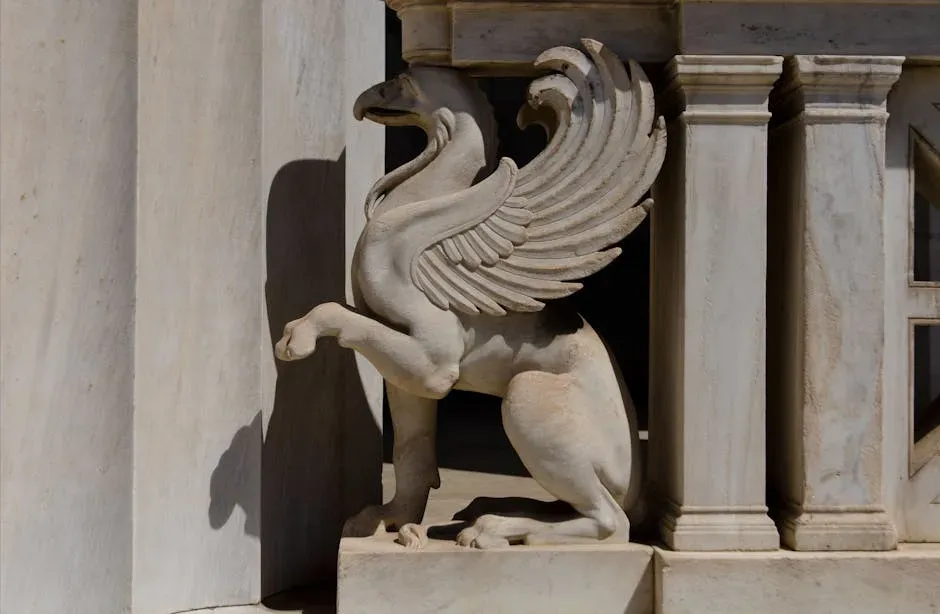
Stories of immense flying creatures appear in cultures so geographically separated that the similarity feels almost conspiratorial. Some have questioned whether mythical flying creatures could have been an ancient species of bird that actually existed. That so many cultures and groups of people separated by thousands of miles and years have similar tales of immense flying creatures is curious to say the least. The griffin of Central Asian legend, the thunderbird of Native American tradition, and the giant flying beasts carved into Buddhist cave walls in India all share a common dramatic silhouette: wings, talons, and an air of impossible power.
In 1922, American adventurer Roy Chapman Andrews followed caravan trails through China to the Gobi desert and found the fossilized remains of Protoceratops and Psittacosaurus – fossil bones that combine to form the image of the griffin as described by Scythian nomads and later the Greeks, Romans, and other cultures. From the feathered Quetzalcoatl of Aztec culture to the many-headed Mesopotamian deity Tiamat, supernatural serpents and flying beasts have been causing floods, kidnapping people, and making a general nuisance of themselves in the world’s favorite stories for as long as anyone can remember. It’s hard not to wonder whether travelers, trade routes, and shared fossil discoveries quietly stitched these stories together across the ancient world.
Why These Myths Still Matter and What They Reveal About Us
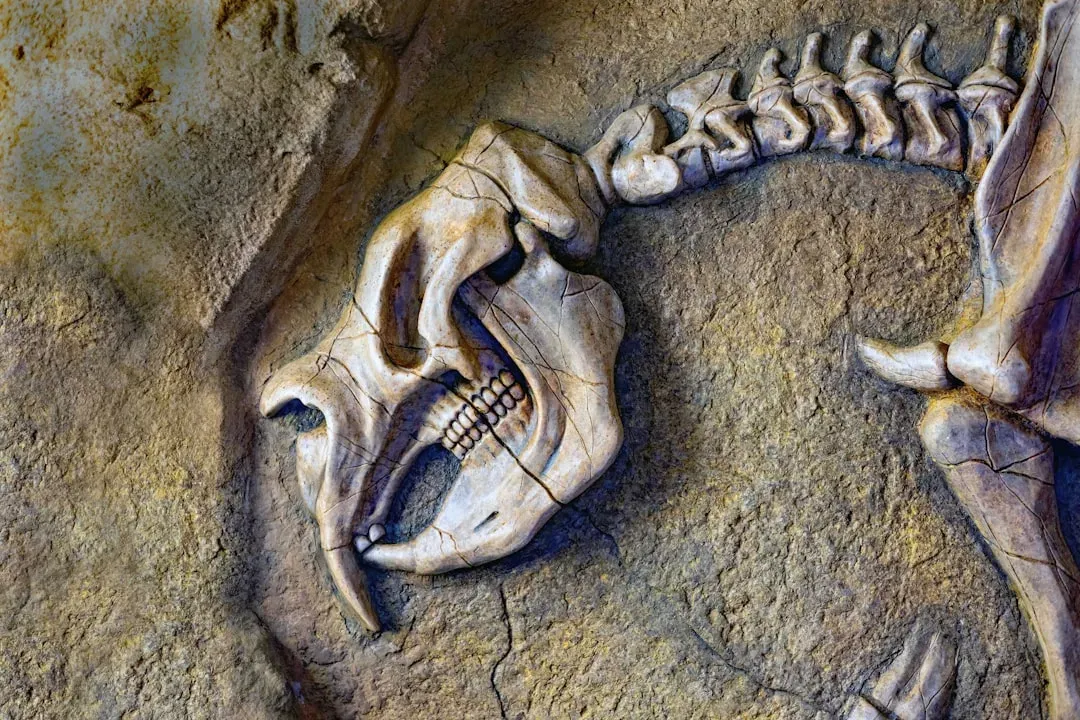
According to Campbell’s model, the mystical function of mythology fills an innate human need to acknowledge and experience the awe-inspiring power of the universe through stories that provoke a confrontation between humankind and the unknown. Similarly, the cosmological function of mythology uses legends to explain the origins of the world, especially useful in prehistoric times when science and religion were not yet part of the cultural lexicon. In other words, these creatures weren’t random. They were doing a job – helping entire societies process the terrifying, the enormous, and the inexplicable.
Researchers concluded that ancient cultures were very attuned to the natural world around them and made careful observations of the fossils in their environment. Based on their understanding of how the world works, they came up with imaginative explanations for the histories they saw in the bones and rocks they found. Their stories convincingly speak of fossilized creatures as real because they knew only real creatures leave bones behind. Understanding prehistoric myths offers valuable insights into the cultural heritage of ancient peoples. These narratives reflect the complexities of human thought and the diverse ways societies have sought to explain their existence. The myths were never just entertainment. They were the closest thing those civilizations had to a natural history museum, a science journal, and a theology textbook all rolled into one.
Conclusion
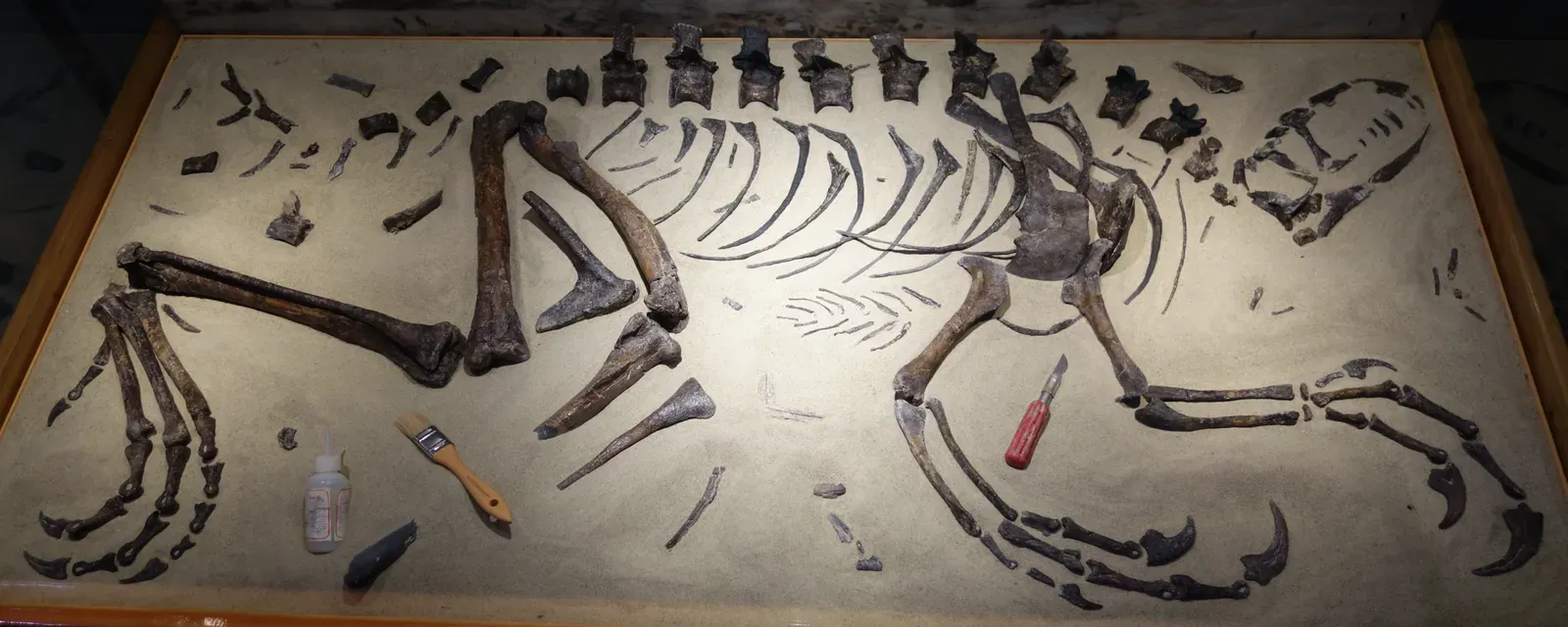
What you’re left with, after all of this, is something genuinely moving. Thousands of years before the internet, before written languages crossed oceans, before any of us knew the planet was round, human beings everywhere were finding the same giant bones, staring at the same terrifying sky, and arriving at eerily similar conclusions. The creatures were real enough in their bones and their meaning, even if the details got stretched along the way.
You don’t need to believe in dragons to find this extraordinary. The shared mythological record of humanity is, in its own way, a kind of ancient collective memory – one that speaks to a deep, primal instinct to name the unknown and give it a face, no matter where on earth you happen to be standing. Maybe the real question isn’t why so many cultures invented similar monsters. Maybe it’s why we never quite stopped believing in them. What do you think – coincidence, fossil evidence, or something older and stranger still? Drop your thoughts in the comments.