You live on a continent that was once ruled by giants with teeth longer than your fingers and footprints larger than your car. Long before highways, skyscrapers, and smartphones, North America was a patchwork of swamps, deserts, inland seas, and volcanic uplands where dinosaurs quietly evolved, thrived, and disappeared. When you picture dinosaurs, you might jump straight to famous names like Tyrannosaurus rex or Triceratops, but the very first dinosaurs here were smaller, stranger, and far easier to overlook.
As you trace their story, you are really following a detective trail left in bone fragments, fossilized footprints, and even ancient mud cracks. Every quarry and roadcut that exposes rock older than the Atlantic Ocean is a chance for you to peer into a world that barely resembles the map you know today. By the end of this journey, you will not only meet the earliest dinosaurs that walked North American ground, but you will also see how you can stand in the present and still reach backward more than two hundred million years with your own two feet.
Stepping Back Over 200 Million Years: Your Time-Travel Map
If you want to meet North America’s first dinosaurs, you have to mentally rebuild a world that no longer exists. When you roll the planet back to roughly a little more than two hundred million years ago, the land you now call North America is glued to other continents as part of the supercontinent Pangea. Instead of two coastlines and a recognizable outline, you are looking at a broad landmass stretching across the equator, with climates ranging from bone-dry interior deserts to lush river valleys that flood and dry in rhythm with the seasons.
You are also dropping into a dangerous moment in Earth history. Right before dinosaurs take off, a huge volcanic outburst linked to the breakup of Pangea unleashes massive lava flows and climate shocks. Many of the animals that dominated earlier in the Triassic, like large crocodile cousins, decline or vanish, and that ecological shakeup opens doors for small, lightly built dinosaurs. When you picture those first North American dinosaurs, you should not imagine towering monsters; you should imagine nimble, two-legged animals darting between tree ferns, trying not to become someone else’s lunch.
Early North American Dinosaur Hotspots You Can Still Visit
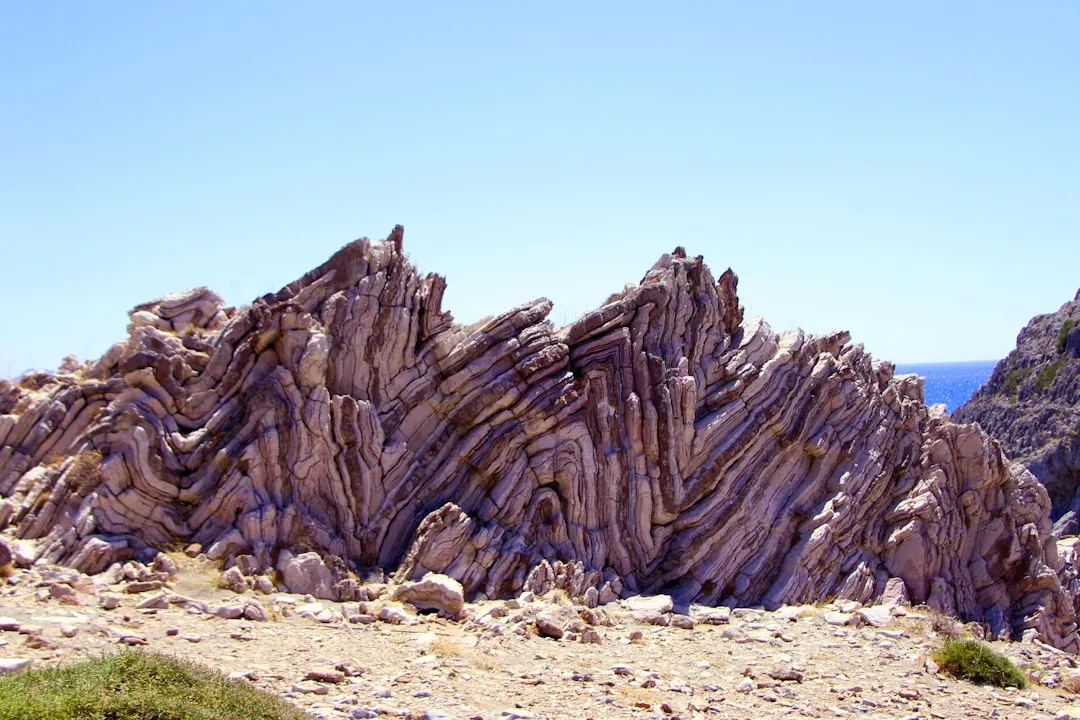
To trace those first dinosaurs, you do not need a time machine, but you do need to know where the right rocks are. Across the interior West and parts of the East Coast, bands of reddish, layered stone from the Triassic and earliest Jurassic make up what geologists call the Newark Supergroup and related formations. If you walk along canyon walls in places like Arizona, New Mexico, or Utah, you are literally strolling past stacked lake beds, river channels, and floodplains that once cradled the continent’s earliest dinosaur communities.
You can see this ancient world most vividly in national parks and protected sites. The Painted Desert in Petrified Forest National Park, the bold rock walls of places like Ghost Ranch in New Mexico, and the fossil-rich layers of Nova Scotia’s Bay of Fundy all put you face to face with rocks the first dinosaurs stepped on. As you stand there, you might only see stripes of red, purple, and tan stone, but if you know what to look for, those stripes become chapters in a story of repeated droughts, sudden floods, and rare, perfect moments when a dinosaur body or footprint was buried and saved for you to find millions of years later.
Meeting Coelophysis: One of Your Earliest North American Dinosaurs
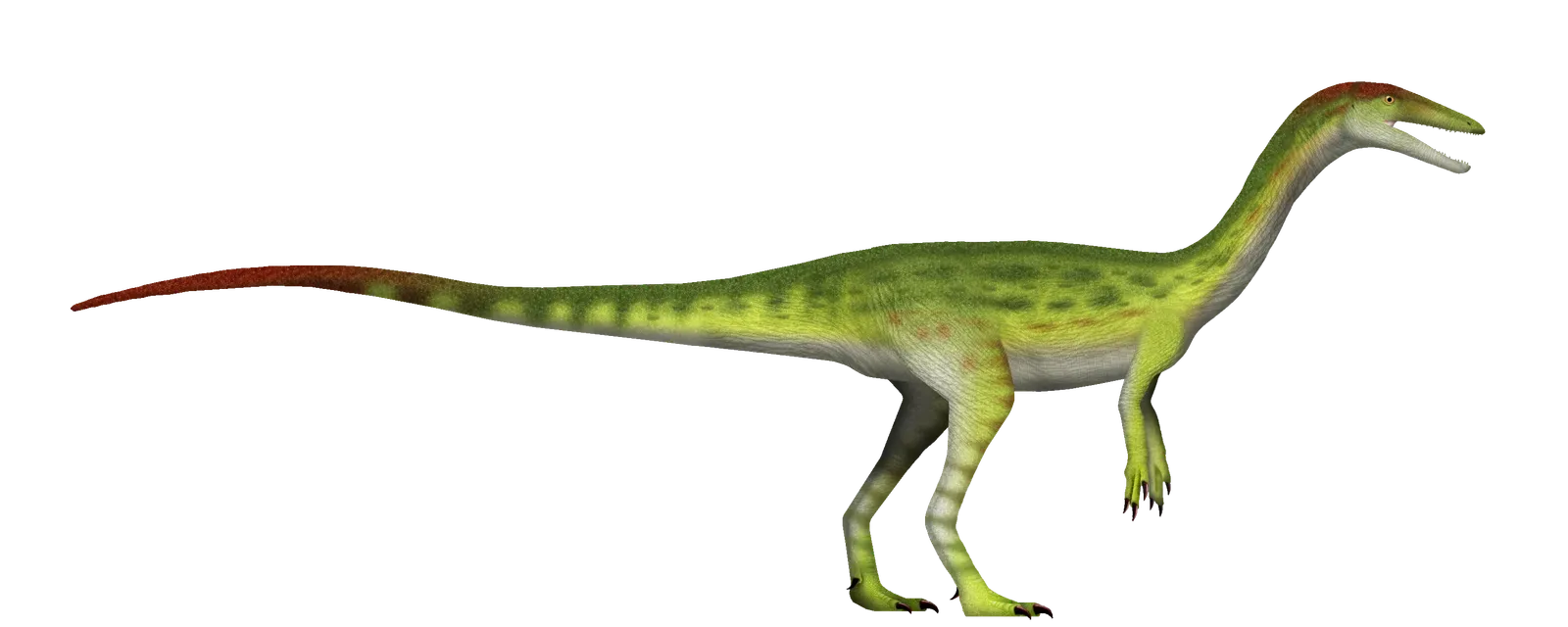
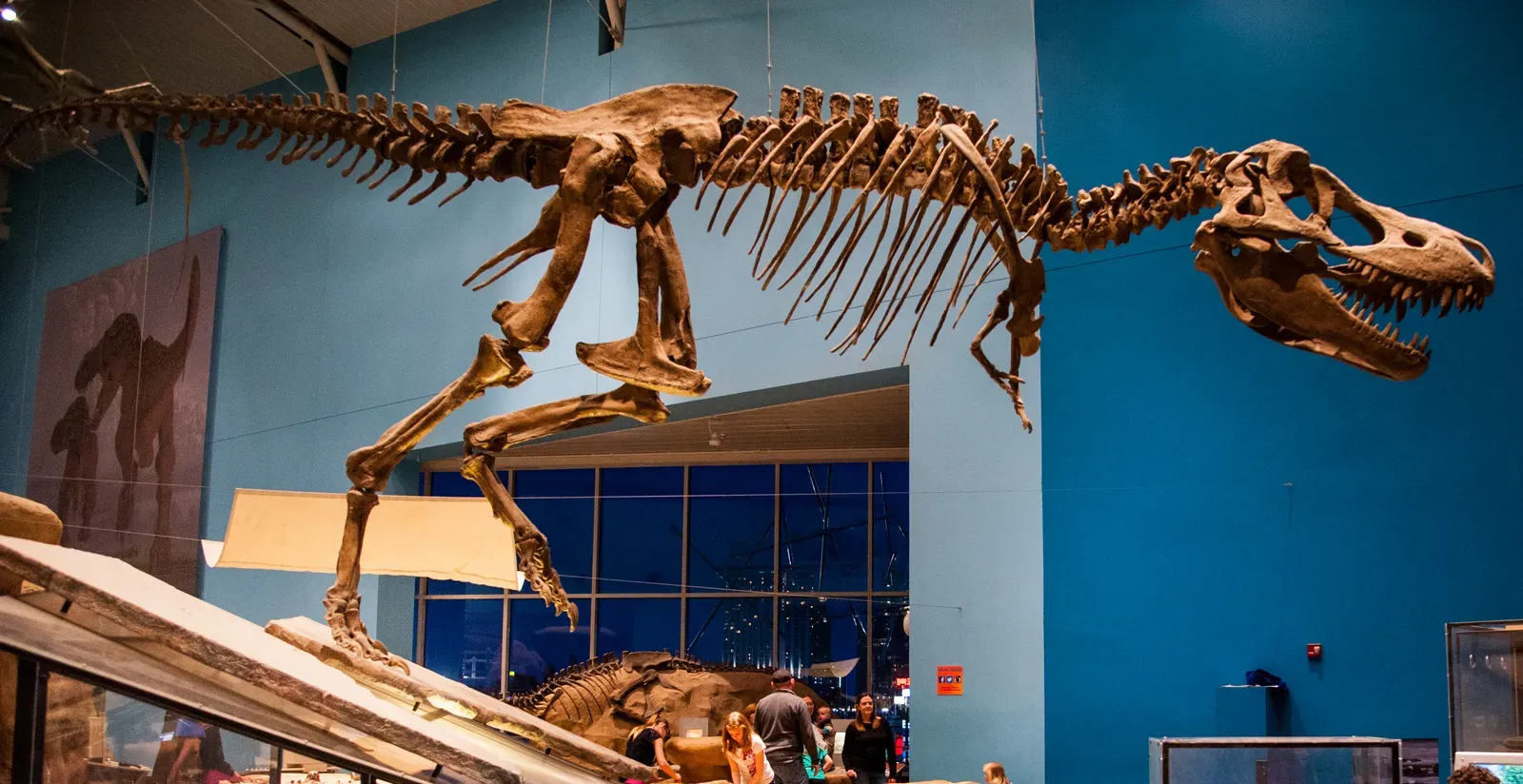
When you meet North America’s first dinosaurs, one name you bump into again and again is Coelophysis. You can think of this animal as a lean, long-tailed sprinter about as heavy as a medium-sized dog, balanced on two legs with a long neck and a narrow head full of sharp teeth. If you picture yourself walking across a Triassic riverbank at dusk, you might see a group of Coelophysis weaving through the undergrowth, quick and nervous, always testing the air for danger or opportunity.
Fossil beds in what is now New Mexico have turned up remarkable bonebeds where large numbers of these animals were buried together, giving you an unusually intimate look at their lives. From these finds, you can tell that Coelophysis was not a lumbering brute but a highly agile predator or opportunistic feeder that likely hunted small reptiles and mammals or scavenged when the chance arose. When you look at a modern heron or a roadrunner stalking quietly, then exploding into motion, you get a small taste of the energy that a Coelophysis might have brought to those early North American floodplains.
Tracking Dinosaurs by Their Footprints, Not Their Bones
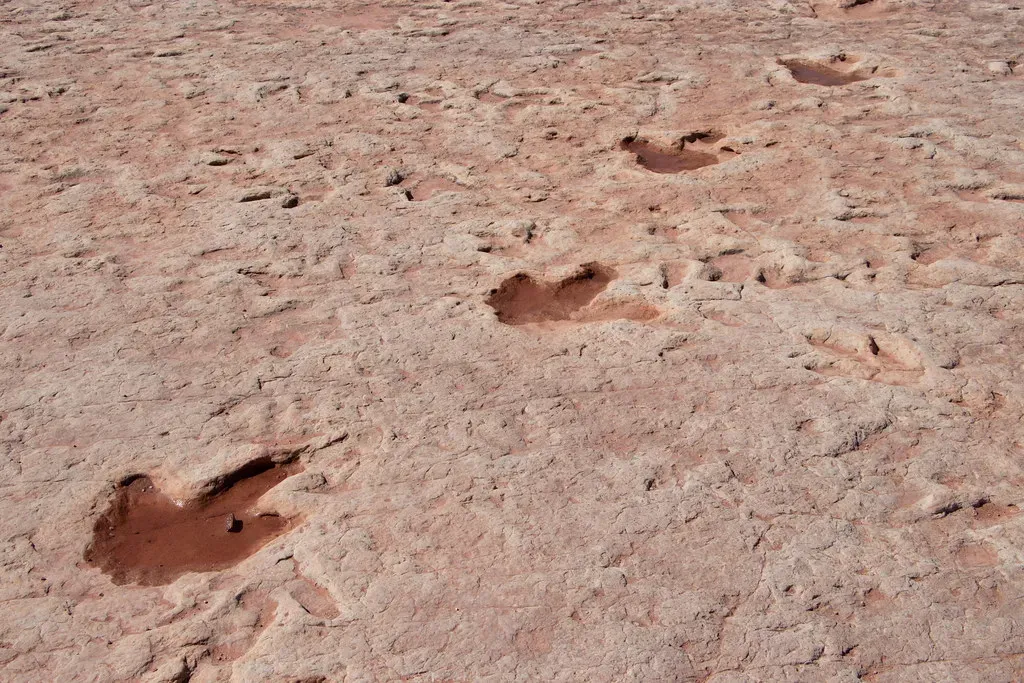
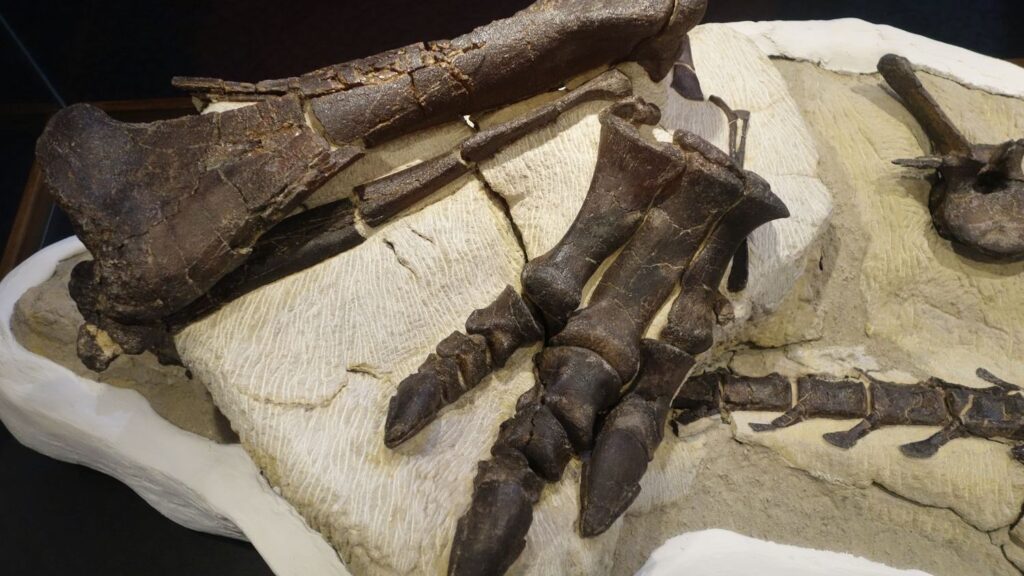
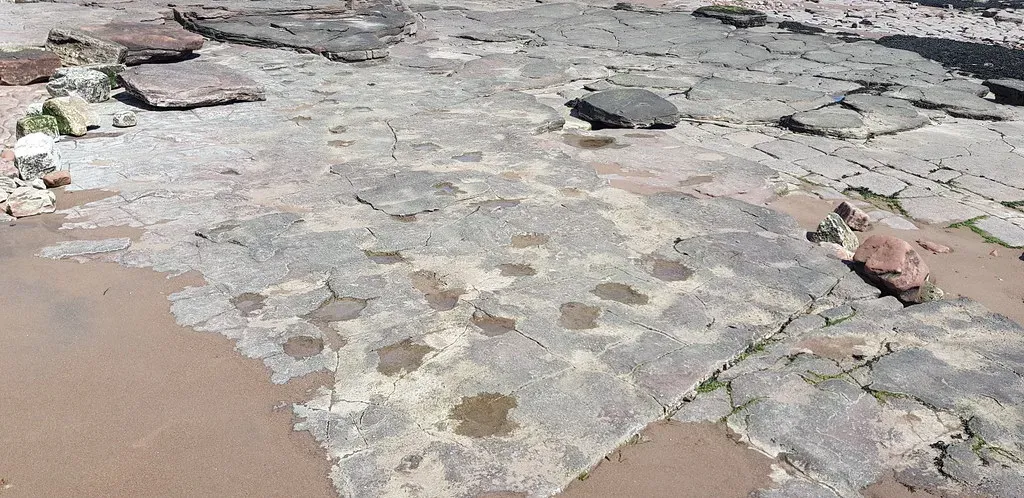
Sometimes, the first clear sign of dinosaurs in North America does not come from skeletons at all, but from the marks they left in soft mud as they walked. You can stand in places along the ancient rift valleys of the East Coast and see three-toed footprints stamped into the rock, arranged in repeating trails that record every step taken across a lake shore or wet sandbar. Those footprints, known as trackways, let you follow dinosaurs in motion even when their bones have long since vanished.
If you follow a set of tracks, you can often tell more than just the animal’s size. The spacing of the prints hints at walking speed, the depth shows you how much weight each foot carried, and the occasional change in direction suggests a sudden start, a pause, or a chase. When you realize that you can place your hand inside a footprint made by one of the earliest North American dinosaurs, you feel how thin the barrier between your world and theirs can be. You are not just learning about dinosaurs from diagrams; you are literally walking where they walked.
Why the Earliest Dinosaurs Stayed Small (And Why That Matters to You)
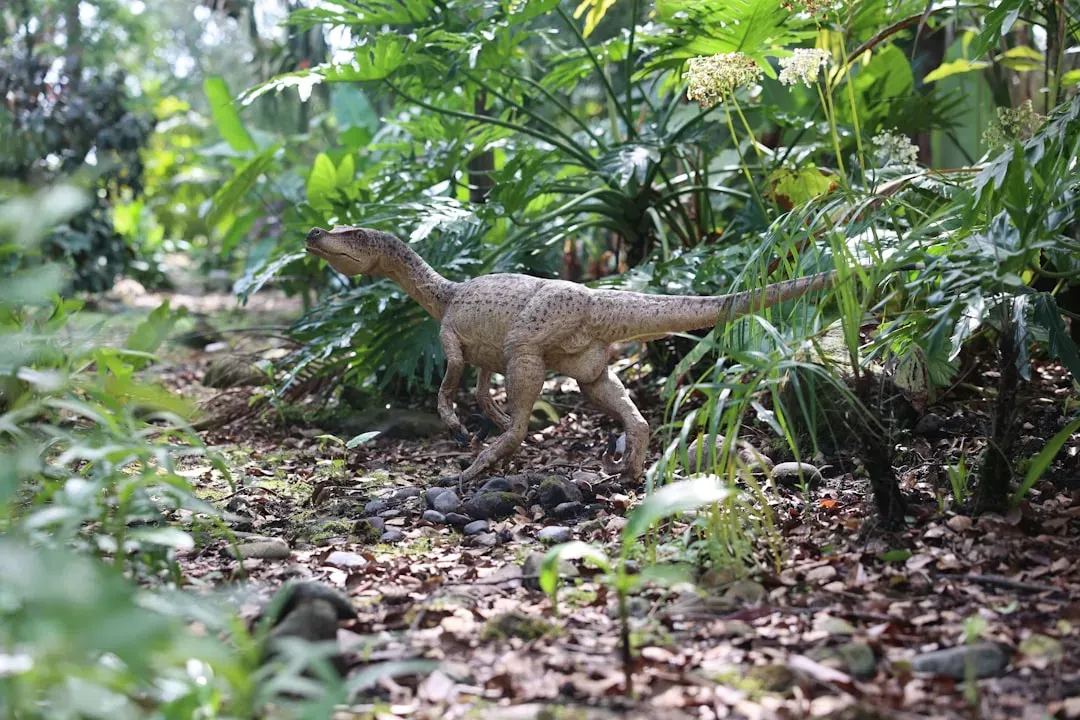
When you think of dinosaurs, your mind probably jumps to the giant ones, but the first North American dinosaurs almost certainly started out small and lightly built. In ecosystems dominated by bigger, more established reptile groups, being small can be an advantage, letting you squeeze into niches that the heavyweights ignore. You can imagine these early dinosaurs weaving through the shadows of larger crocodile relatives, feeding on insects, small vertebrates, or even plants, becoming adaptable generalists in a tough world.
This early phase of dinosaur history matters to you because it shows how big long-term success can grow from modest beginnings. Rather than arriving as instant rulers, North America’s first dinosaurs likely spread quietly, evolving traits that helped them cope with dry spells, shifting rivers, and changing climates. When conditions tipped in their favor after environmental upheavals, they were already in place, ready to diversify. If you have ever watched a small startup outlast a flashy giant, you already understand in human terms what these early dinosaurs pulled off in deep time.
How You Actually Know Any of This: Fossils, Dates, and Ancient Climates
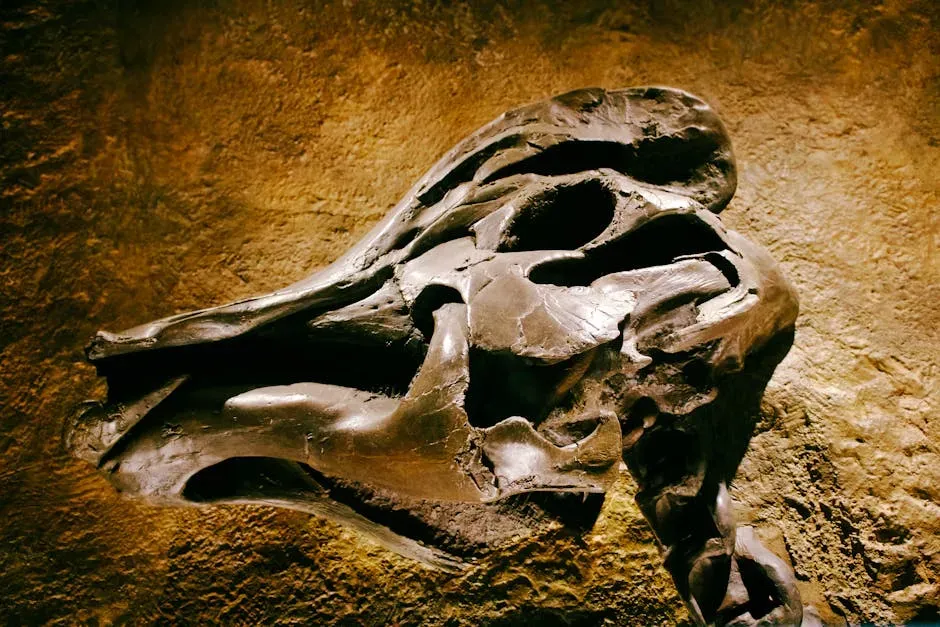
It is easy to forget that every detail you hear about early North American dinosaurs is built on painstaking work, not guesswork. If you want to understand how scientists place these animals in time, you have to picture them collecting rock samples for radiometric dating, comparing volcanic ash layers, and cross-checking fossil assemblages between distant sites. By measuring the decay of certain elements in minerals, researchers can give you age estimates that anchor a dinosaur fossil to a specific window in the Triassic or early Jurassic, rather than just saying “a long time ago.”
To picture the world those dinosaurs lived in, you also lean on clues locked in the rocks themselves. Ancient mud cracks tell you about repeated drying, while certain minerals hint at periods of intense heat or standing water. Pollen grains and plant fossils outline the kinds of vegetation those dinosaurs walked through, and even oxygen and carbon signals in the rocks help you sketch patterns of climate and atmosphere. When you put this toolkit together in your mind, you see that you are not just reading a skeleton; you are reconstructing an entire living landscape that once stretched across what is now your home continent.
Where You Can Stand in Their Footsteps Today
The story of North America’s first dinosaurs is not locked away in scientific papers; you can go out and stand where they once lived. When you visit certain national parks, museums, or designated fossil sites, you are invited to put your own body into the space those animals once occupied. You might find yourself following a boardwalk across a rocky hillside marked with interpretive signs, showing you where bones were found, how they were removed, and what kind of animal they came from, all while the wind and sun remind you that this is a real place, not just a display.
Some sites let you look directly at fossils preserved in the rock, protected but still embedded in the exact position they were found. Others invite you to hunt for small, weathered fragments in designated areas or join guided hikes that explain how to read the landscape like a map of ancient environments. When you take part in experiences like that, you realize that dinosaur discoveries are not some mysterious, unreachable process. With the right training and permissions, you could someday be the person who notices a bone weathering out of a hillside that no one else had spotted before.
What These First Dinosaurs Can Teach You About Survival and Change
When you step back and look at the big picture, the earliest dinosaurs of North America are not just curiosities from the past; they are case studies in how life responds to upheaval. These animals emerged and diversified in a world dealing with massive volcanic eruptions, shifting continents, and unstable climates. Instead of collapsing under those stresses, they adapted, spread, and eventually became some of the most successful land vertebrates in Earth’s history. If you are living through a century of rapid climate and environmental change, that pattern should catch your attention.
You can draw a quiet kind of courage from their story. The first North American dinosaurs did not survive because they were the biggest or the fiercest; they survived because they were flexible, opportunistic, and able to make use of niches others ignored. In your own life, that same combination of curiosity, adaptability, and willingness to try new paths can make the difference between simply enduring change and growing through it. When you think of those small, quick dinosaurs darting across a Triassic floodplain, you might see less of a monster and more of a mirror.
In the end, unearthing North America’s first dinosaurs is really about unearthing your own connection to deep time. Every footprint preserved in stone, every slender bone prepared in a museum lab, and every layered cliff of red rock gives you a direct line to a world that would otherwise be lost. The more closely you pay attention to those clues, the more you realize that your continent has been many different places and hosted many different faces of life long before you arrived.
Next time you drive past a roadcut of layered rock or wander through a canyon glowing red in the evening sun, you might look a little longer and wonder what is still hiding there, waiting to be found. After all, if a light-footed dinosaur could leave its mark in mud that hardened into stone, what kind of trace will you leave behind in the world you are walking through today?