
Somewhere deep in your own body, there is a story written in bone and muscle that stretches back nearly 400 million years. Your arms, your legs, even the way your ribcage expands when you breathe, all of these features trace their origins back to ancient fish that once navigated warm, shallow seas during a world that looked nothing like the one you live in today. It is one of the most staggering stories in the entire history of life on Earth, and the best part is that it is still being pieced together by scientists even now.
What drove a creature built for water to risk everything on dry land? What biological quirks and accidental innovations made such a transformation even possible? The answers involve prehistoric swamps, mysterious gaps in the fossil record, and some genuinely mind-bending genetic discoveries. Let’s dive in.
The Devonian World: A Planet Primed for Change
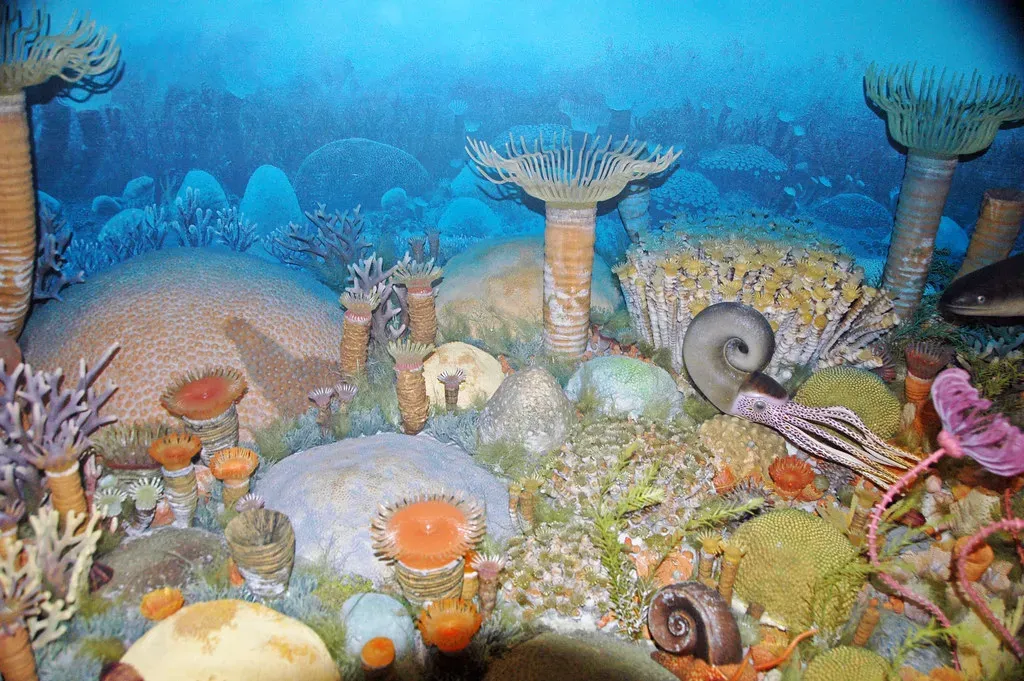
Picture a planet that would be almost unrecognizable to you. Geological sources indicate that during the Devonian period, Earth experienced average temperatures of around 30 to 33 degrees Celsius, with water levels correspondingly higher than during colder periods, encouraging rich fish diversity in shallow coastal waters. The land was not barren, either. Plants and arthropods had already built early land-based ecosystems, creating resources ready to be exploited by intrepid vertebrates.
The Devonian period is known as the “Age of Fishes,” marked by the dominance of the placoderms, the first appearances of ray-finned and lobe-finned fishes, and the proliferation of primitive shark species. This was the ultimate age of aquatic experimentation, with life in its most explosive and inventive phase. Honestly, if you had looked out over those ancient shallow seas, you would have witnessed an ecosystem teeming with creatures competing, adapting, and unknowingly setting the stage for everything that crawled, walked, or ran on land ever after.
Lobe-Finned Fish: The Unlikely Ancestors of All Land Vertebrates
User:Bruce A.S.Henderson
User:Mitch Ames
User:DiBgd, CC BY-SA 4.0)
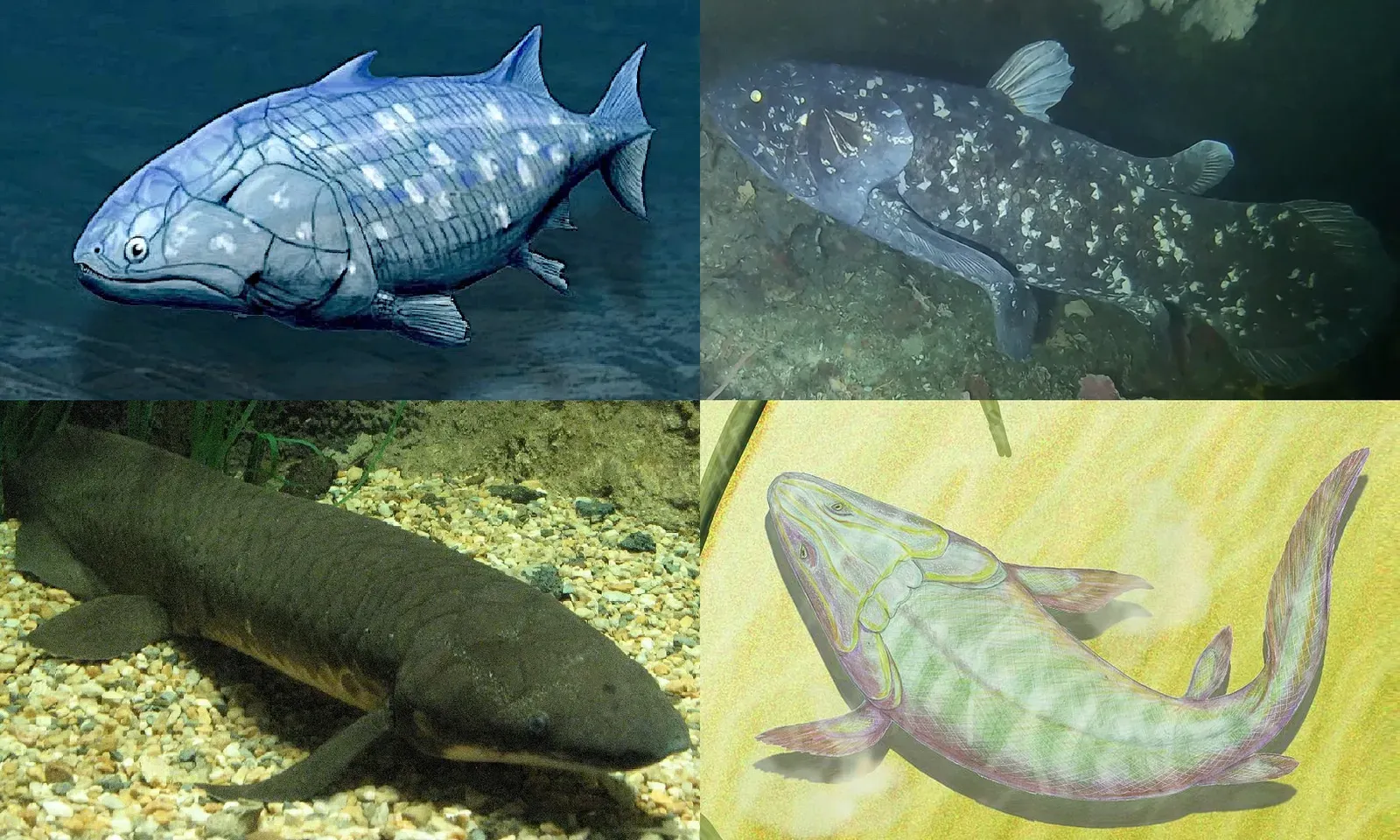
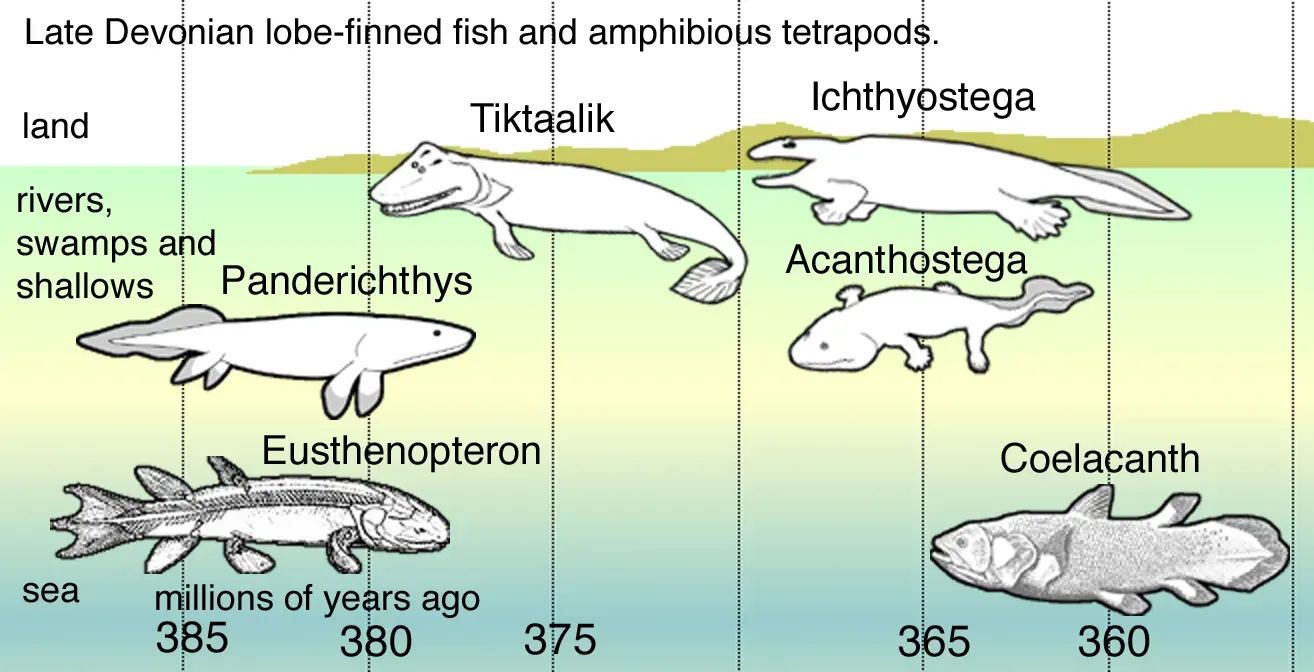
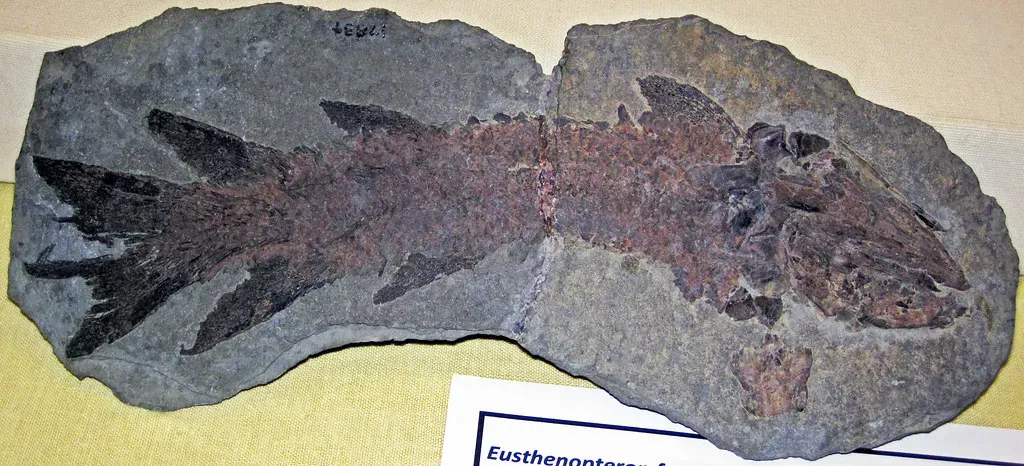
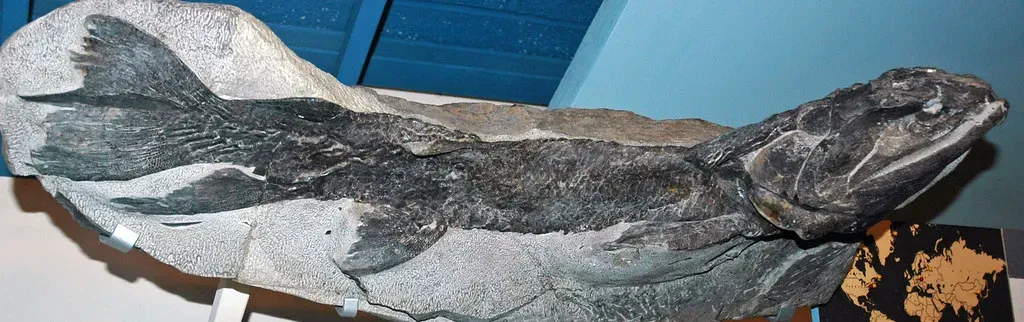
Tetrapods evolved from a group of semiaquatic animals within the tetrapodomorphs, which in turn evolved from ancient lobe-finned fish, known as sarcopterygians, around 390 million years ago in the Middle Devonian period. Here’s the thing that makes this so extraordinary: you are not descended from anything like a modern goldfish or tuna. Early lobe-finned fishes were bony fish with fleshy, lobed, paired fins joined to the body by a single bone, and their fins differed from all other fish groups in that each was borne on a fleshy, lobe-like, scaly stalk extending from the body that resembled a limb bud.
The tetrapods, a mostly terrestrial clade of vertebrates, are now recognized as having evolved from sarcopterygian ancestors and are most closely related to lungfishes, with their paired pectoral and pelvic fins evolving into limbs and their foregut diverticulum eventually evolving into air-breathing lungs. Think of those lobed fins as nature’s rough drafts, a first attempt at something that would eventually become your arms and legs. Paired fins with powerful muscles enabled lobe-finned fish in the Late Devonian not only to crawl along the bottom, but also to potentially move from one reservoir to another.
Tiktaalik: The Fishapod That Changed Everything
http://nsf.gov/news/mmg/mmg_disp.cfm?med_id=58310
http://nsf.gov/news/news_summ.jsp?cntn_id=106807
https://flickr.com/photos/nsf_beta/3705198718, Public domain)
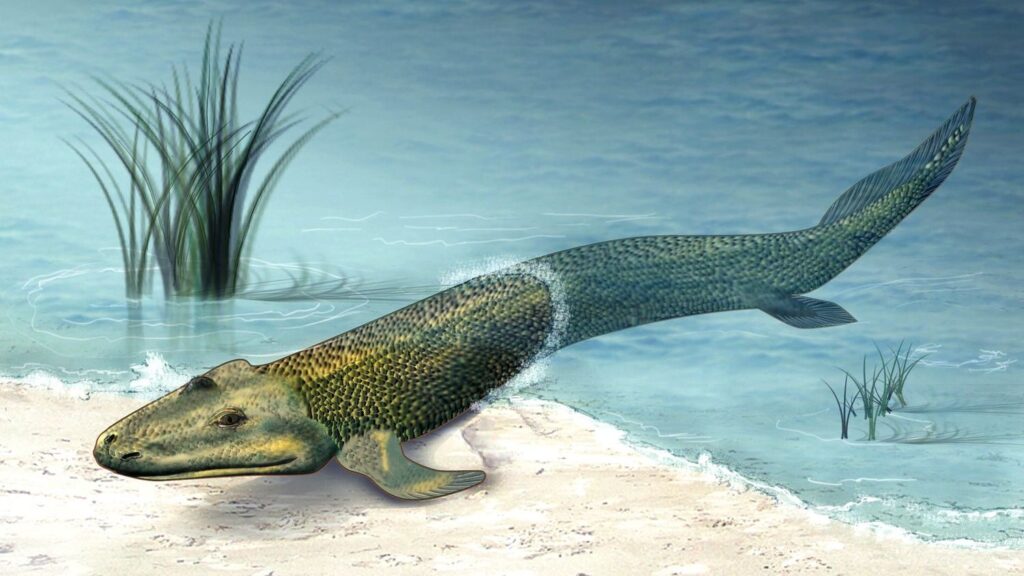
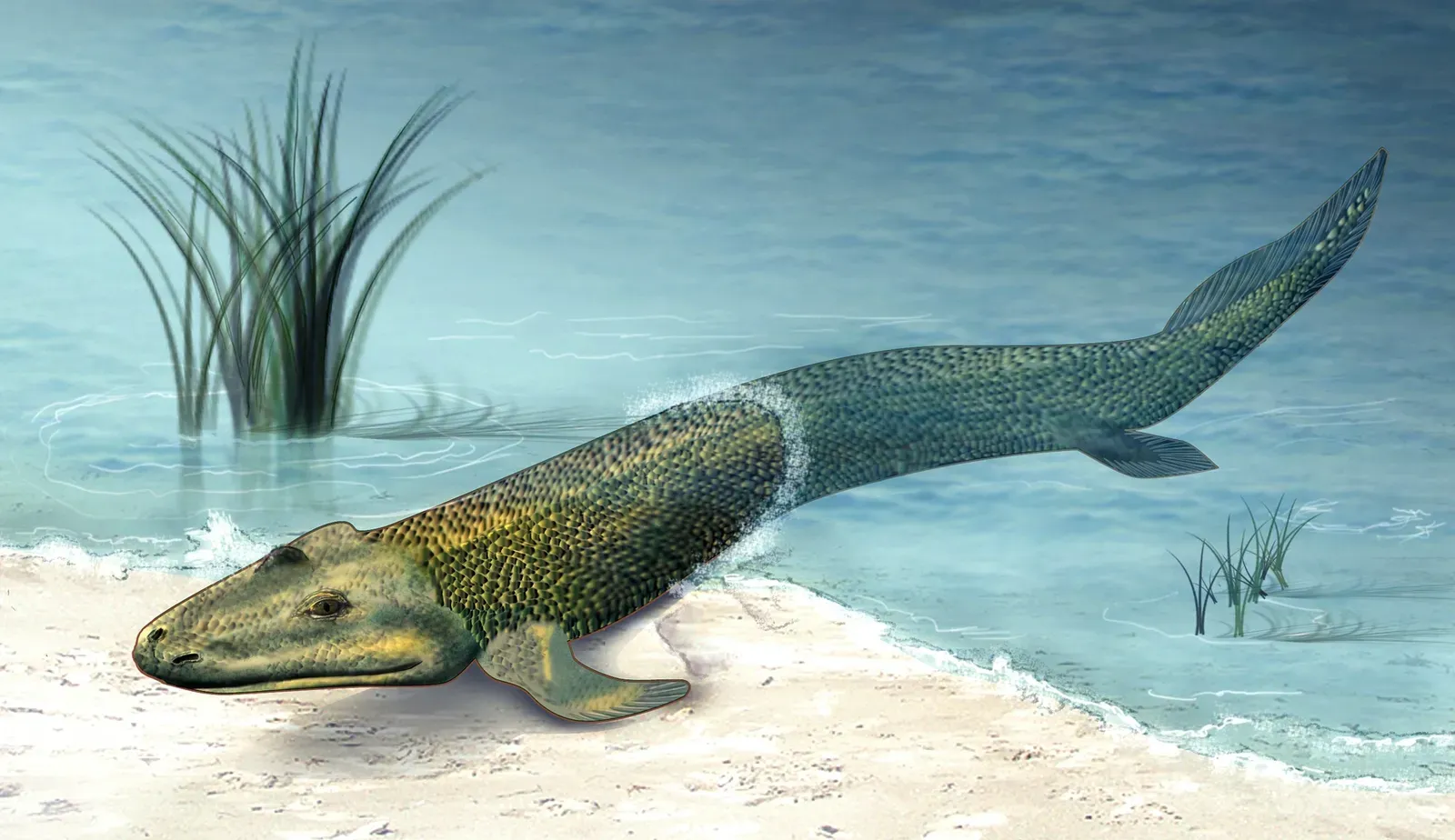
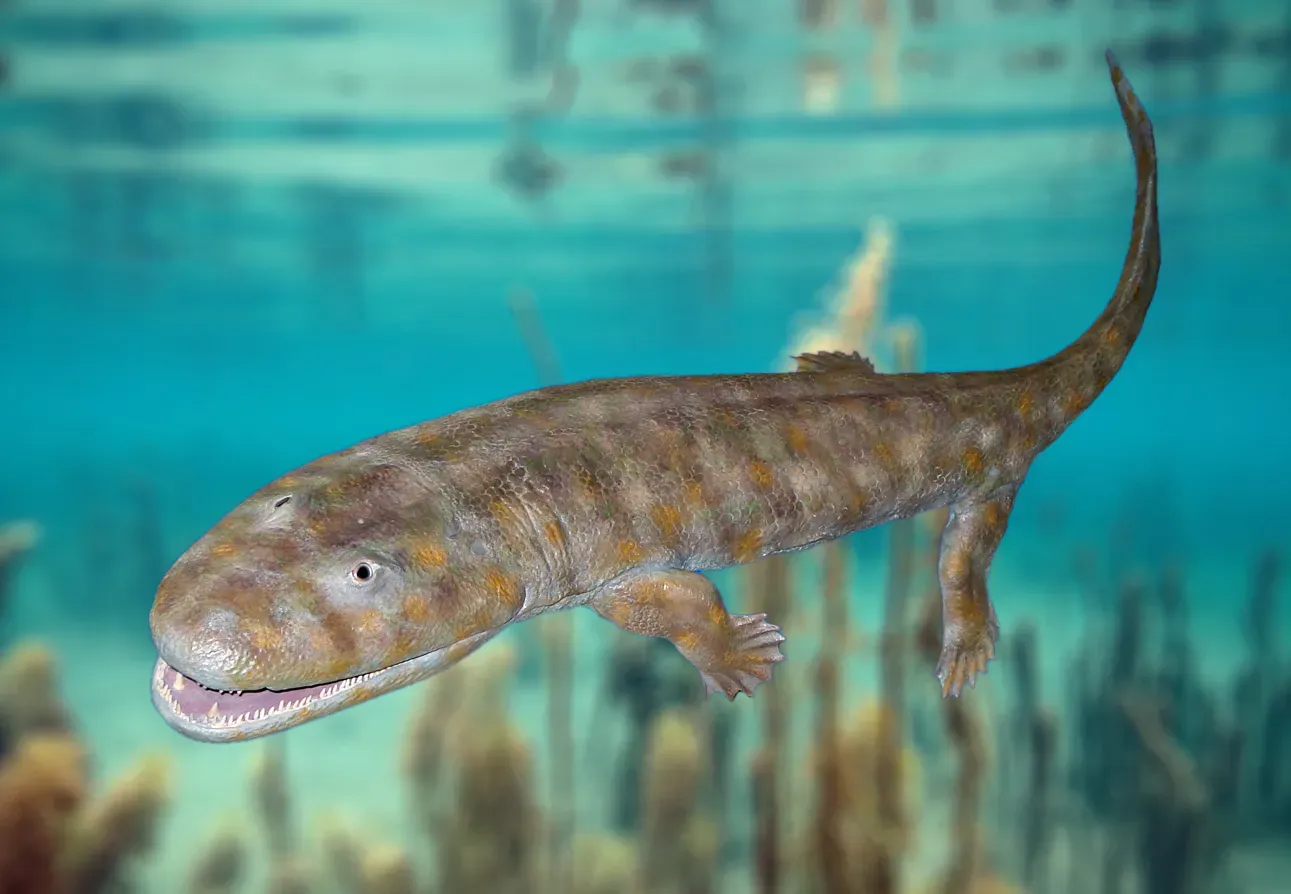
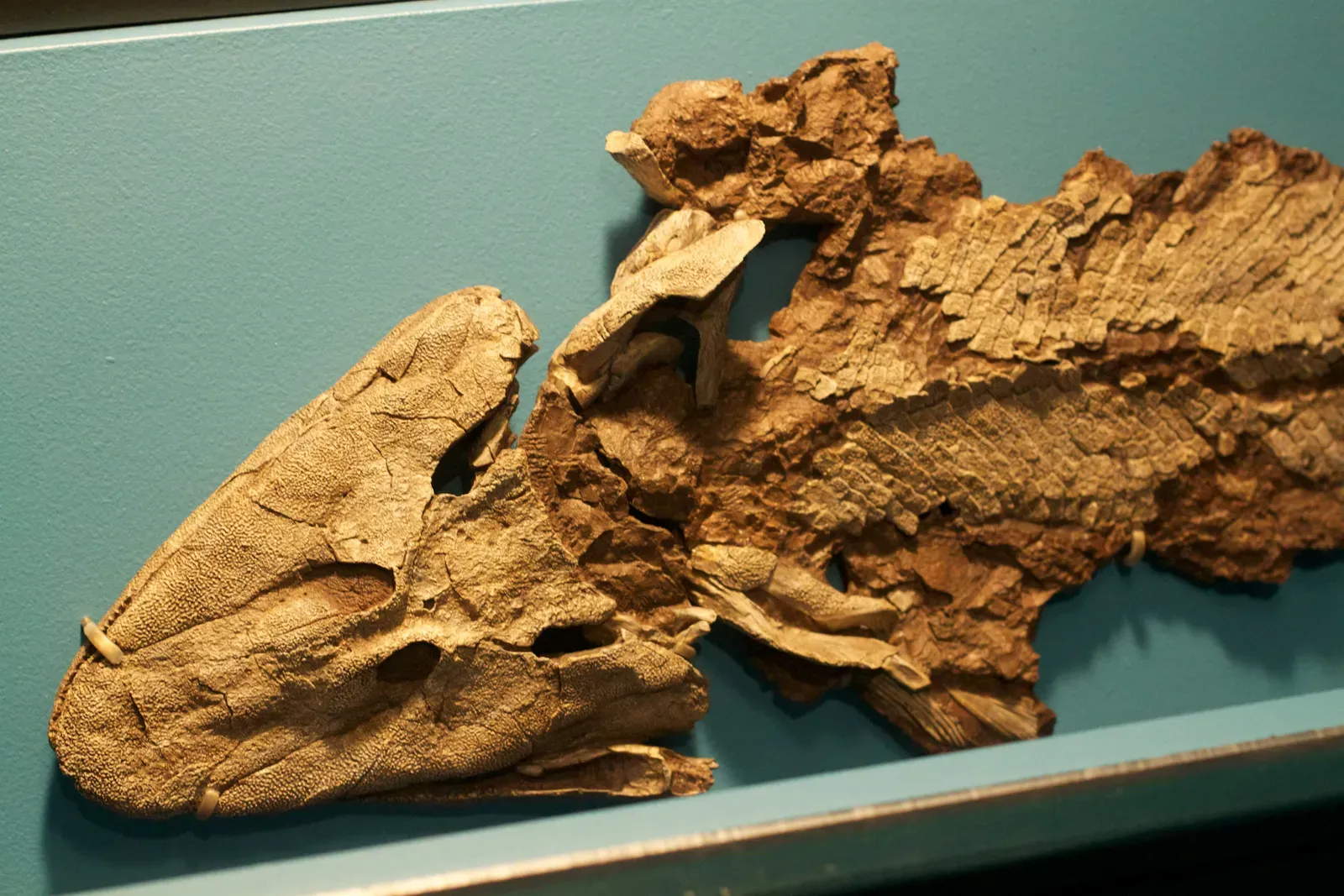
Tiktaalik is an extinct sarcopterygian, or lobe-finned fish, from the Late Devonian period, about 375 million years ago, having many features similar to those of tetrapods, or four-legged animals. Discovered in Arctic Canada, this creature was almost immediately nicknamed the “fishapod,” and honestly, that nickname is perfect. Tiktaalik was a non-tetrapod bony fish complete with scales and gills, but it had a triangular flattened head and unusual cleaver-shaped fins with thin ray bones for paddling, yet also sturdy interior bones that would have allowed it to prop itself up in shallow water.
Tiktaalik exhibited many characteristics of fish, including fins, scales, and gills, alongside several characteristics normally associated with tetrapods, such as a flattened head with top-mounted eyes, a functional neck, and supportive ribs. It is, in a very real sense, you can think of it as a biological crossroads frozen in time. Strong lungs, as supported by the plausible presence of a spiracle, may have led to the evolution of a more robust ribcage, a key evolutionary trait of land-living creatures, which would have helped support the animal’s body any time it ventured outside a fully aquatic habitat.
From Fins to Feet: The Anatomy of an Impossible Transformation
The transition from a body plan for gill-based aquatic respiration and tail-propelled aquatic locomotion to one that enables the animal to survive out of water and move around on land is one of the most profound evolutionary changes known. This is not a small tweak, this is a total reinvention of a body. As fleshy-finned organisms began to venture onto land, they evolved a series of interlocking articulations on each vertebra, which helped them overcome the problem of sag and hold the backbone straight with minimal muscular effort.
You may have noticed that fishes have no necks, but mobile necks allow land animals to look down to see things on the ground they might want to eat. In shallow water dwellers and land dwellers, the first neck vertebra evolved different shapes, allowing animals to move their heads up and down, and eventually the second neck vertebra evolved as well, allowing them to move their heads left and right. These changes included distinct head and neck structures for feeding and movement, appendicular skeletons for weight bearing and locomotion, more versatile eyes for seeing, middle ears for hearing, and more efficient hearts and lungs for oxygen circulation outside of water.
The Genetic Blueprint Already Hidden Inside Ancient Fish
This is where things get genuinely mind-blowing. Evolutionary biologists now suggest that the origin of tetrapods was “something waiting to happen,” and that genetically, everything necessary was already there before vertebrates came ashore nearly 400 million years ago. The genes for limb development were not invented from scratch on dry land. They were already lurking inside aquatic fish, waiting to be switched on.
Two mutated genes, vav2 and waslb, were found responsible for transformations in fish fin development, with both genes coding for proteins that are part of a pathway controlling the activity of Hox11 proteins, the very regulatory molecules that guide the formation of the two forearm bones in mammals. It has also been suggested that the evolution of the tetrapod limb from fins in lobe-finned fishes is related to expression of the HOXD13 gene or the loss of the proteins actinodin 1 and actinodin 2, which are involved in fish fin development. Nature, it seems, rarely builds from zero. It repurposes, recycles, and remixes what already exists.
Acanthostega and Ichthyostega: Life at the Edge of Two Worlds
The most famous of the early tetrapods are Acanthostega and Ichthyostega, both from Greenland, both having lived right at the end of the Devonian, both known from well-preserved fossils, and both with muscular limbs with many toes, seven per foot in Ichthyostega and eight in Acanthostega. I know it sounds crazy, but these creatures had more toes than you do. The number of digits on hands and feet only became standardized at five later, as lineages with more digits died out.
These early “stem-tetrapods” included animals such as Ichthyostega, with legs and lungs as well as gills, but they were still primarily aquatic and poorly adapted for life on land. The limbs of Acanthostega appear to have been paddle-like, while Ichthyostega had an inner ear specialized for underwater hearing, meaning that from their well-developed bony limbs to their salamander-like faces, these were true tetrapods, but they had not yet left the oceans behind. They were, in the most literal sense, creatures straddling two worlds and belonging fully to neither.
Romer’s Gap and the Mystery of the Missing Millions of Years
Uploaded by FunkMonk, CC BY-SA 2.0)
Here is something that very few people outside of paleontology know about: there is a maddening hole in the fossil record right at the moment you most want to see what was happening. Until the 1990s, there was a 30-million-year gap in the fossil record between the late Devonian tetrapods and the reappearance of tetrapod fossils in recognizable mid-Carboniferous amphibian lineages, referred to as “Romer’s Gap,” covering the period from about 360 to 345 million years ago.
During this “gap,” tetrapod backbones developed, as did limbs with digits and other adaptations for terrestrial life, while ears, skulls, and vertebral columns all underwent changes too, and the number of digits on hands and feet became standardized at five as lineages with more digits died out. It is hard to say for sure exactly why the fossil record goes so quiet right at this pivotal moment. When tetrapods reappear in the fossil record after the Devonian extinctions, the adult forms are all fully adapted to a terrestrial existence, with later species only secondarily adapted back to an aquatic lifestyle. The transformation had been completed, quietly and invisibly, in a chapter of history we can barely read.
Conclusion: Your Body Remembers What Ancient Fish Began
The next time you stretch your arms above your head or take a deep breath, you are doing something that required hundreds of millions of years of evolutionary trial and error to make possible. Over roughly 350 million years, these so-called tetrapods gradually evolved from their aquatic ancestry into walking terrestrial vertebrates, who have dominated the land ever since, and the tetrapods, with their limbs, fingers, and toes, include humans, making that distant Devonian event profoundly significant for our own species.
The story of ancient fish transitioning to land is not some dry chapter in a biology textbook. It is your origin story. The vertebrate water-to-land transition, initiated in the Devonian, was a key event in the history of life, and the ability to move in a variety of terrestrial and semiterrestrial environments opened up a range of new ecosystems for colonization, leading to the diversity of tetrapod clades we see today. Every amphibian, every reptile, every bird, every mammal, and every person reading these words, carries forward what those ancient fish began.
Science continues to rewrite and deepen this story every year. New fossils, new genetic tools, and new computational methods keep pushing the boundaries of what we understand. The fossil record is still speaking, and researchers are still listening. What surprises do you think the next big discovery might reveal? Tell us in the comments.