There is something almost unreal about standing over a massive impression pressed into ancient rock, knowing that the creature who made it last breathed air over a hundred million years ago. Dinosaur footprints are not just curiosities for paleontologists in lab coats. They are open-air time capsules, scattered across the globe in riverbeds, quarry walls, limestone cliffs, and mountain paths, waiting for you to find them.
What makes these sites so extraordinary is not just their age, but the sheer drama locked inside each impression. You can read speed, weight, behavior, and even ancient ecosystems just from the way a foot pressed into prehistoric mud. If you have ever wondered where on Earth you can still walk among these living fossils, this list is going to seriously impress you. Let’s dive in.
Dinosaur Valley State Park, Texas, USA: Where the River Reveals the Past
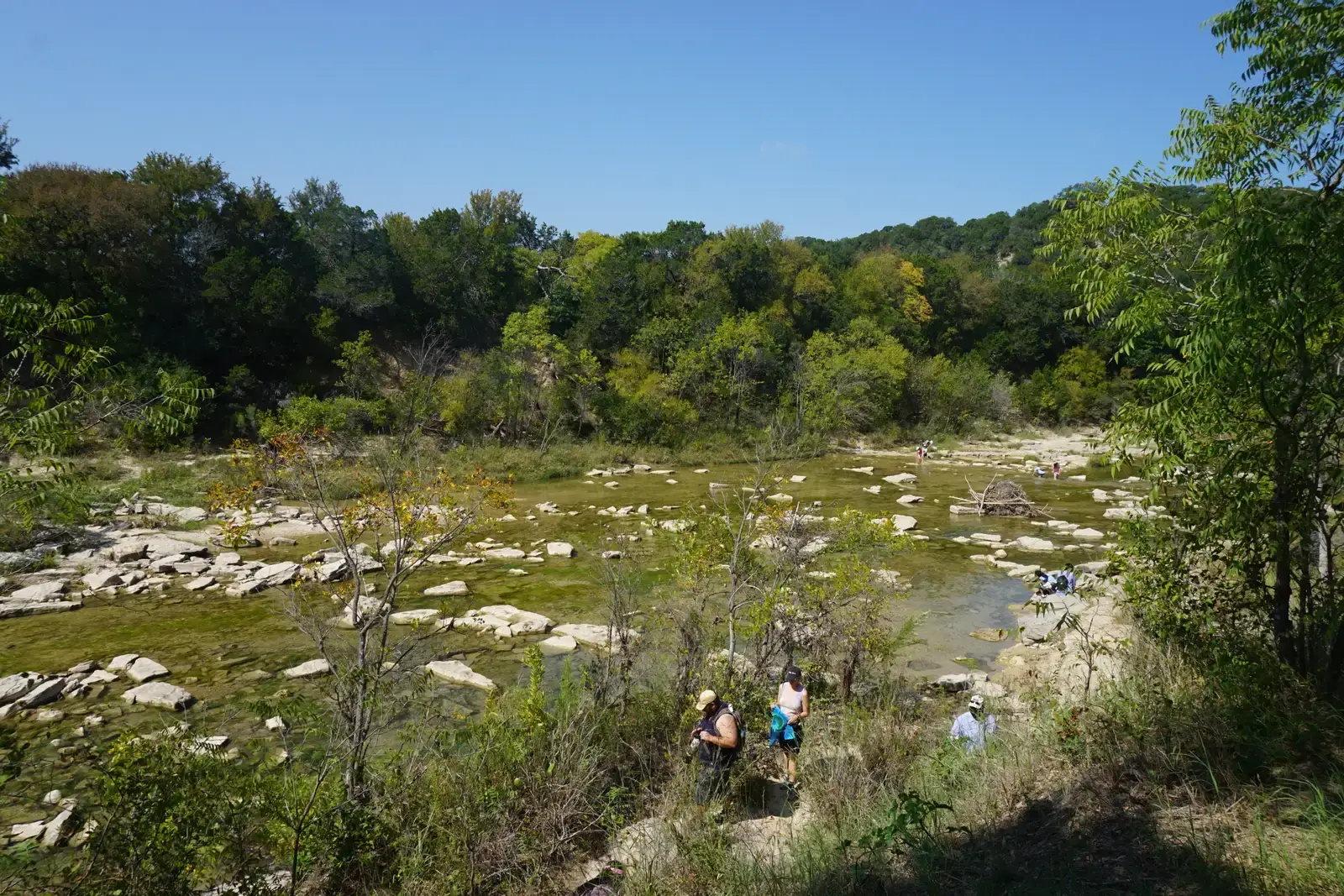
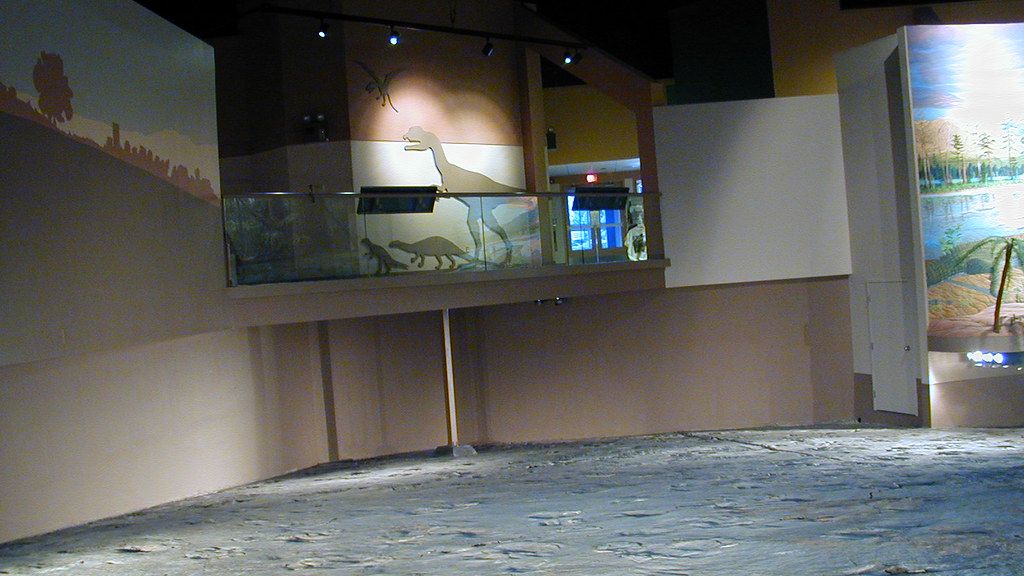
Here’s the thing about Dinosaur Valley State Park in Glen Rose, Texas: it is a 1,524-acre state park astride the Paluxy River known for having 113-million-year-old, well-preserved theropod and sauropod footprints across five main track areas throughout the park. That number, 113 million years, is genuinely hard to grasp. It was a different world, one covered in shallow inland seas and giant walking reptiles, and yet the evidence is right there in the riverbed, waiting for you.
Around 113 million years ago, this area sat at the edge of an advancing and retreating sea. Calcium carbonate deposits from the shells of sea creatures formed a limey mud that had the perfect consistency, not too wet and not too stiff, to preserve tracks. What truly stuns visitors is the discovery history. A complete sauropod trackway found here proved that massive herbivores were walking on solid ground, disproving the then-popular scientific belief that sauropods were too heavy for land and must have lived mostly in water. It was one of the most important paleontological finds of the 20th century.
Dinosaur Ridge, Colorado, USA: The Ridge That Changed Paleontology Forever
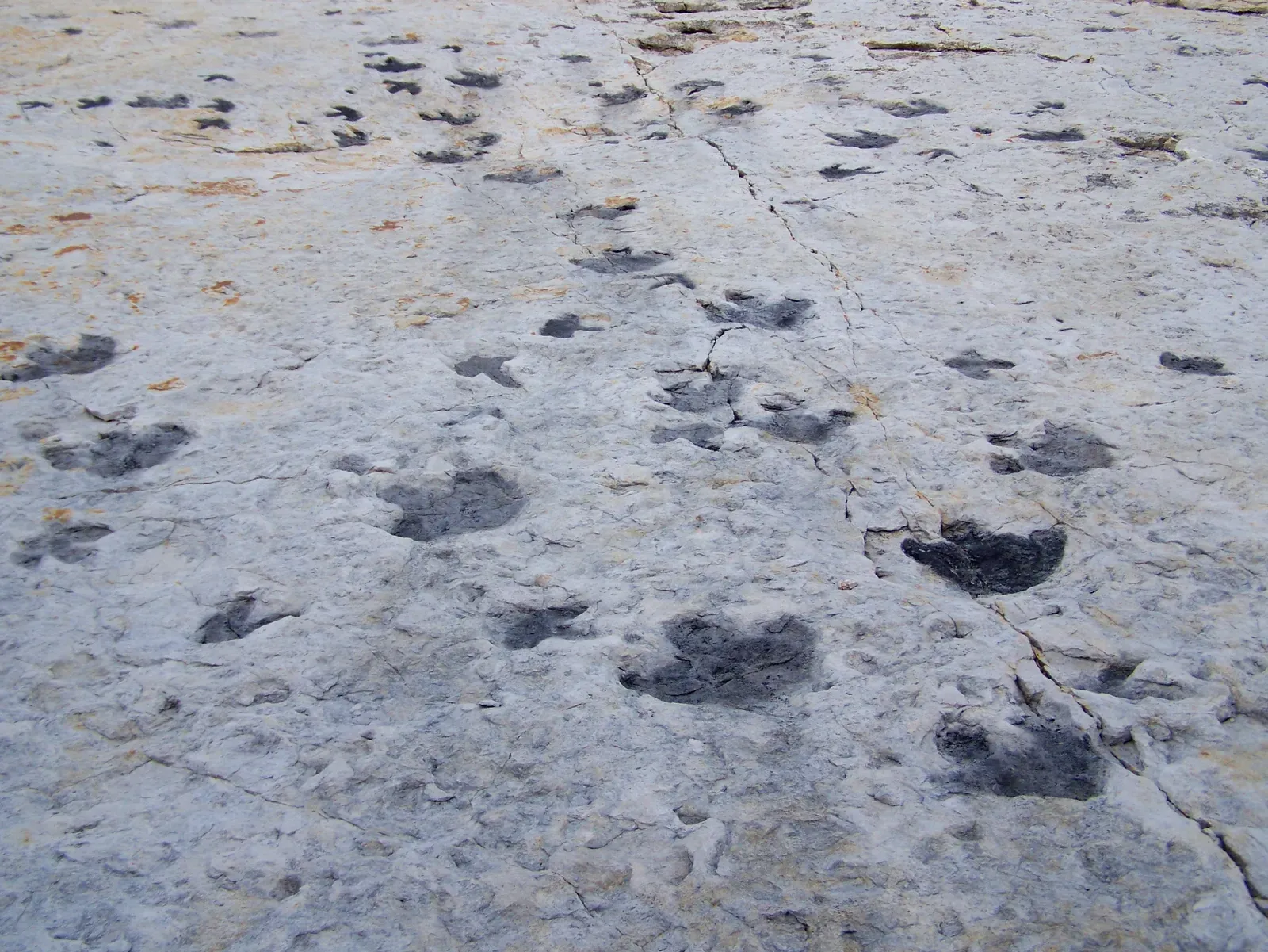
Dinosaur Ridge is a segment of the Dakota Hogback in the Morrison Fossil Area National Natural Landmark, located in Jefferson County, Colorado, near the town of Morrison and just west of Denver. If you are looking for a place that is both geologically jaw-dropping and surprisingly accessible, this is it. The first identified Stegosaurus fossils in the world were discovered here, and fossil bones found in the rock layers represent some of the most famous dinosaurs on Earth, including Apatosaurus, Camarasaurus, Diplodocus, and Allosaurus.
What makes Dinosaur Ridge especially compelling is the diversity of tracks you can encounter on a single walk. The footprints include mostly Iguanodon-like prints, perhaps from an ornithopod dinosaur called Eolambia, along with bird-like ornithomimid tracks, crocodilian tracks, and large carnivorous theropod tracks. Honestly, few places in North America pack this much prehistoric punch into such a small geographical area. Researchers also made a world-first discovery here in 2006: baby Stegosaurus tracks, the first of their kind ever found anywhere on the planet.
Cal Orck’o, Bolivia: The Vertical Dinosaur Wall That Defies Belief
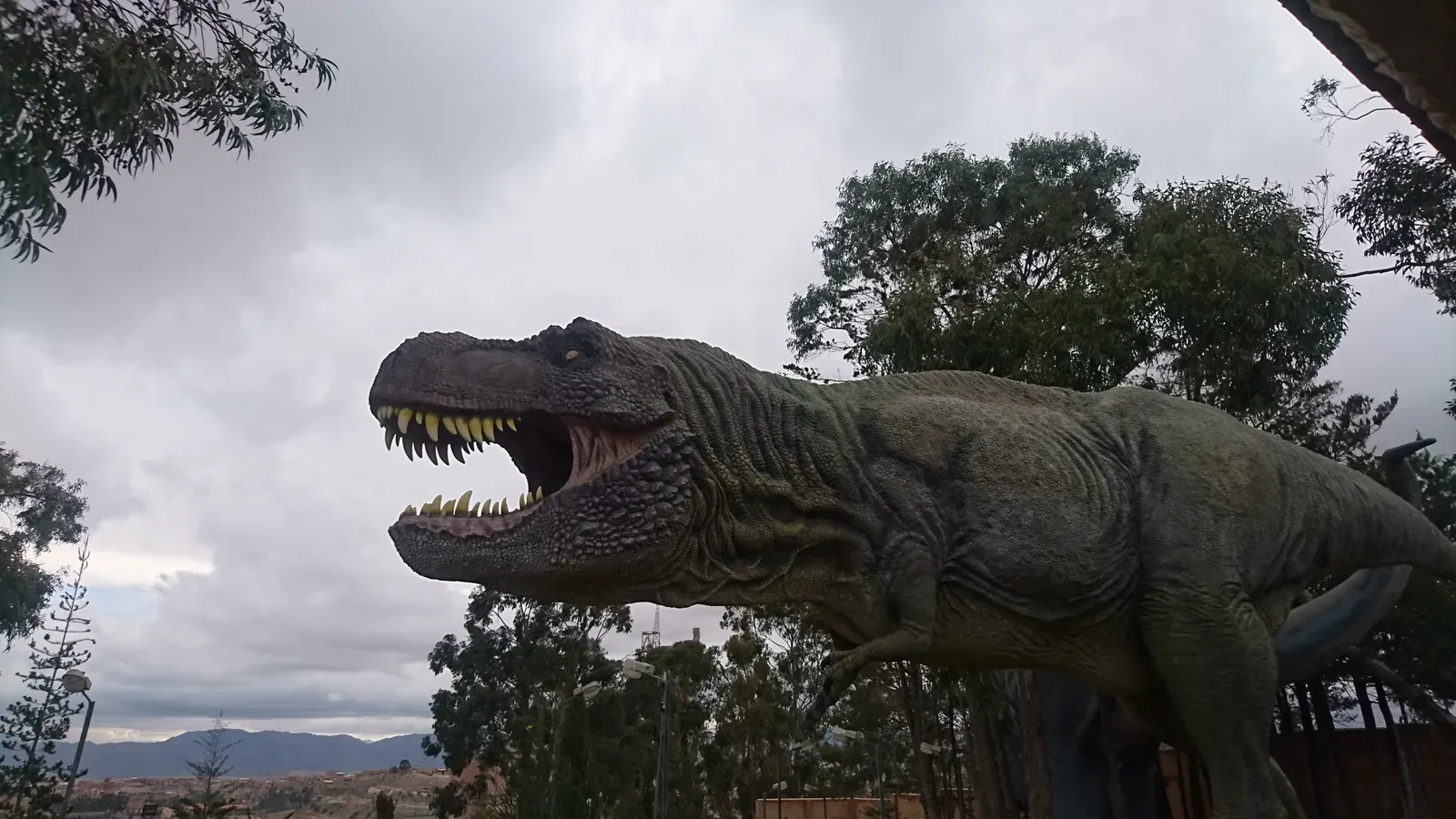
I know it sounds crazy, but imagine a wall of rock, nearly 100 meters high and over 1.5 kilometers long, covered in thousands of dinosaur footprints, all running almost vertically upward. Originally, this area was a flat shoreline of a lake that attracted both herbivorous and carnivorous dinosaurs. The soft, humid ground caused their feet to sink, leaving deep impressions. Alternating wet and dry weather patterns preserved these footprints by creating sediment layers, and tectonic movements eventually tilted the flat ground into the nearly vertical limestone wall you see today. It is one of the most visually surreal geological features on Earth.
Detailed mapping from 1998 to 2015 documented over 12,000 individual tracks across 465 trackways, confirming its status as the world’s largest dinosaur tracksite. Remarkably, the footprints include tracks made by a baby T-rex nicknamed “Johnny Walker,” whose trail stretches an astonishing 366 meters across the wall. Declared a National Monument in 1998, Cal Orck’o is part of the protected FANCESA Paleontological Reserve, with conservation efforts including limited public access via Parque Cretácico, a dedicated museum offering guided tours, educational exhibits, and close-up views of track segments.
Oxfordshire’s Dinosaur Highway, England: Europe’s Most Exciting Recent Discovery
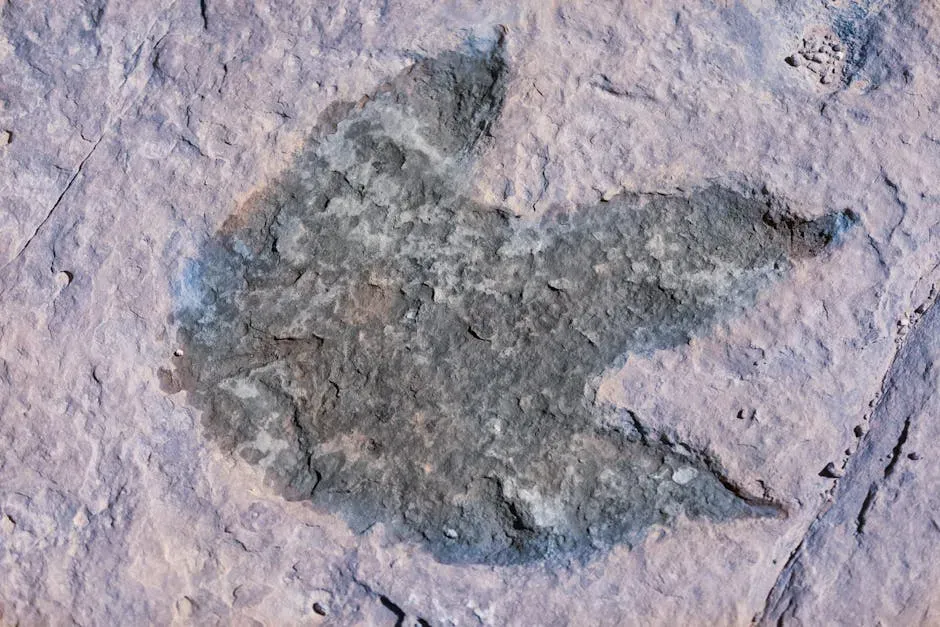
You might think all the great dinosaur track discoveries are ancient history, but Oxfordshire is proving that wrong, and in spectacular fashion. In a stunning find, researchers uncovered a huge expanse of quarry floor filled with hundreds of different dinosaur footprints. Dating back to the Middle Jurassic Period, around 166 million years ago, the trackways form part of a massive “dinosaur highway” and include footprints from the nine-metre ferocious predator Megalosaurus, and herbivorous dinosaurs up to twice that size. Science does not get more cinematic than that.
In 2024, researchers unearthed an enormous “dinosaur highway” in Oxfordshire, and in the summer of 2025 they returned to perform further excavations, revealing hundreds more dinosaur footprints. The new findings add to the five enormous trackways unearthed in 2024, each stretching between 50 and 150 meters in length. One of the most thrilling details from the 2024 dig is that the megalosaurus may have crossed paths with a cetiosaur, literally, as an overlap between two of the tracks led researchers to question whether and how these individuals might have interacted. That kind of behavioral clue, frozen in stone, is simply priceless.
Lark Quarry, Queensland, Australia: The Stampede Frozen in Stone
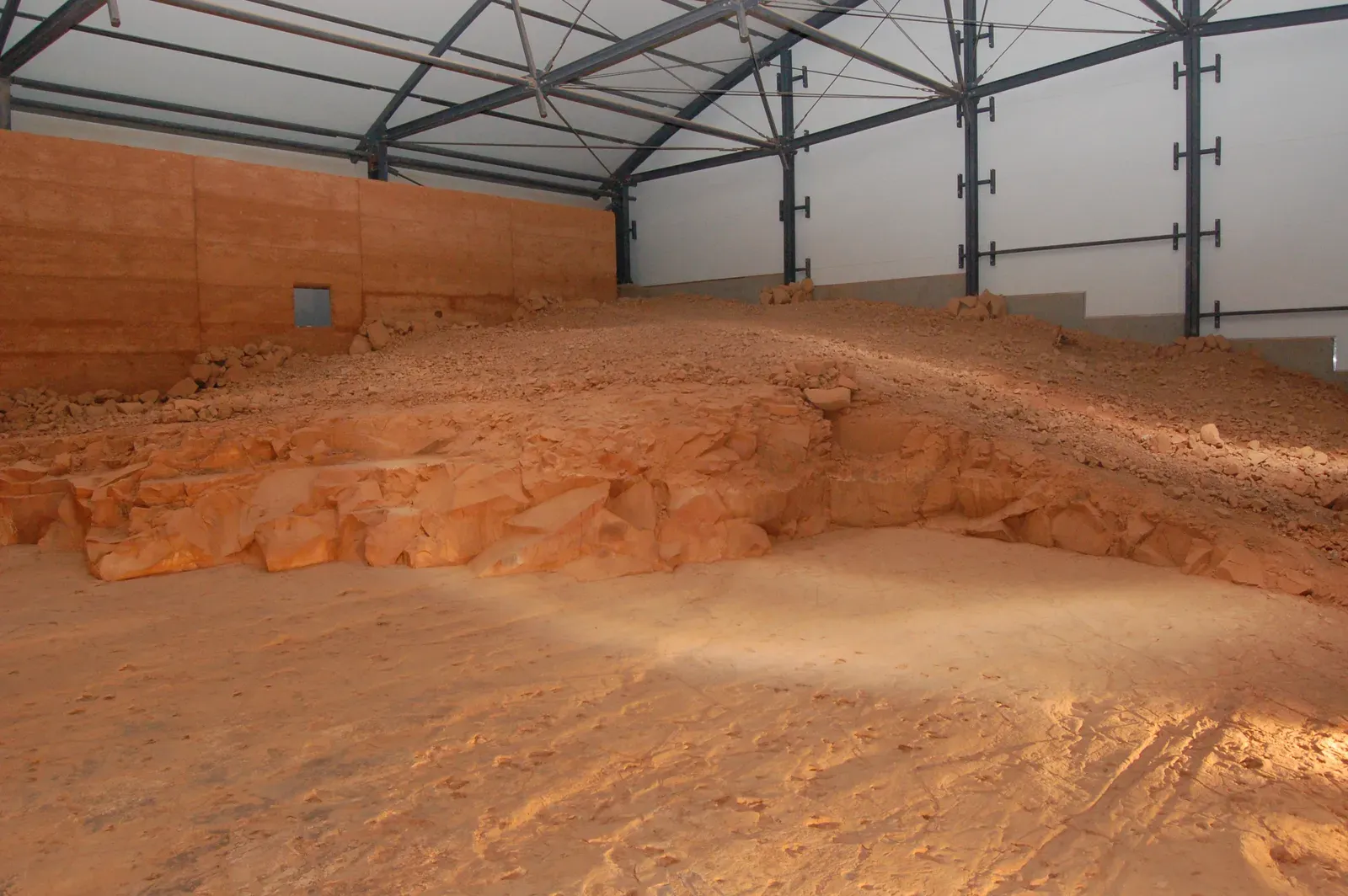
Let’s be real, a dinosaur stampede frozen in rock sounds like something out of a blockbuster film, and that is essentially what you get at Lark Quarry in outback Queensland. Dinosaur Stampede National Monument at Lark Quarry Conservation Park in Queensland, Australia is considered to be the site of the world’s only known record of a dinosaur stampede, with fossilized footprints interpreted as a predator stalking and causing a stampede of around 150 two-legged dinosaurs. Whether you are a casual visitor or a hardcore paleontology enthusiast, that context alone makes the place magnetic.
The footprints and their interpretation actually informed the famous stampede scenes in Steven Spielberg’s 1993 blockbuster Jurassic Park. The site shows a mixed group of between 170 and 200 small two-legged carnivorous and herbivorous dinosaurs that were disturbed by the arrival of one much larger carnivore, a 10-meter-long theropod with 50-centimeter feet named Tyrannosauropus. As they fled the site, they left thousands of footprints in the surrounding mudflat. The Dinosaur Stampede National Monument was included in the Australian National Heritage List in July 2004, recognized for its rarity and research value.
Jura Mountains, Switzerland: Where Thousands of Footprints Line an Ancient Ridge
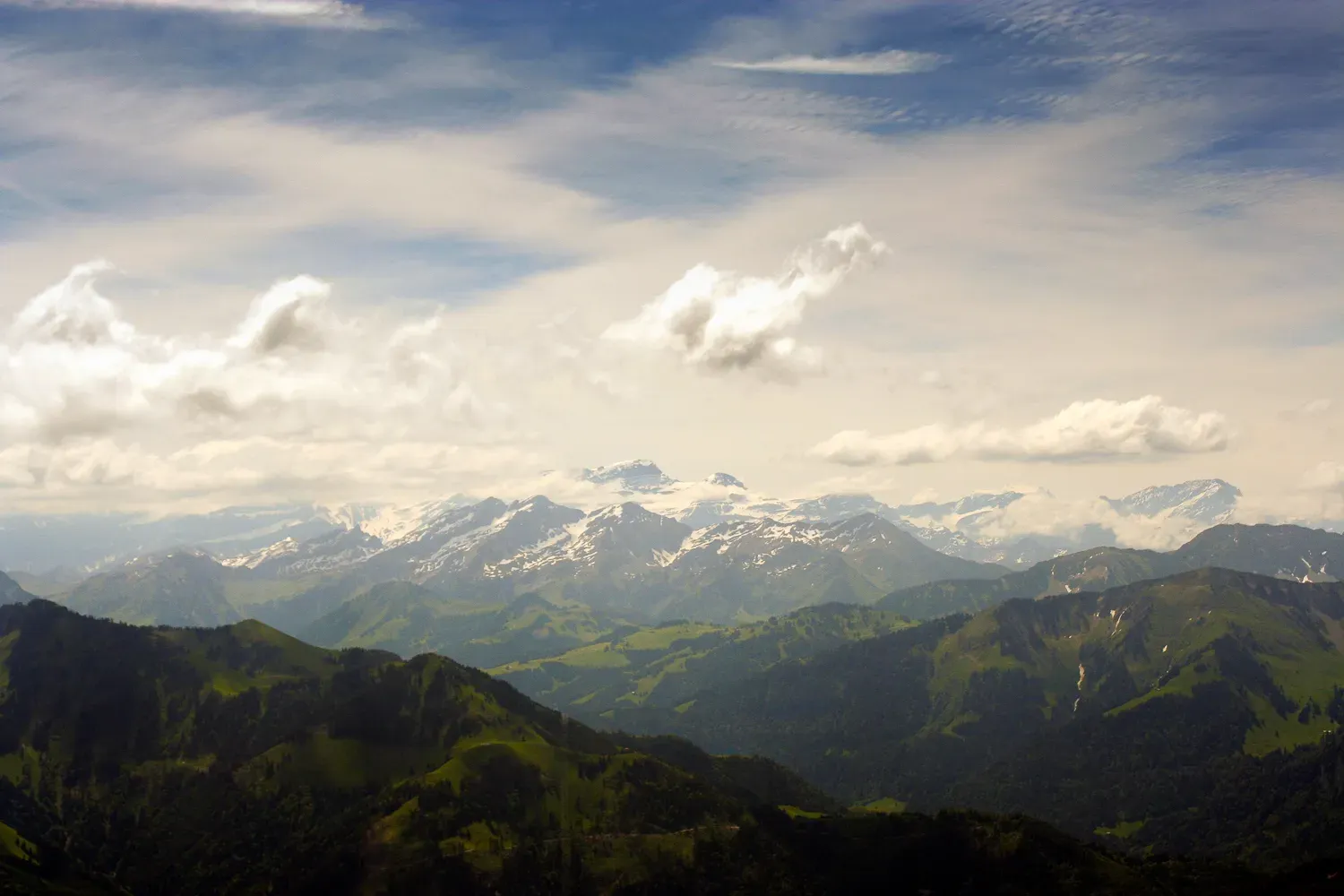
Switzerland is not the first country that springs to mind when you think of dinosaur footprints, but it absolutely should be. In Switzerland’s Jura Mountains, ancient limestone holds thousands of dinosaur footprints, and a gravel route traces their path across ridges, valleys, and 150 million years of history. The scenery alone would justify the trip. The fact that you are walking the same ground as Jurassic giants makes it genuinely unforgettable.
Road building near Porrentruy in Switzerland’s Jura Mountains in 2002, during the construction of the Transjurane Highway A16, was actually responsible for uncovering dinosaur footprints of Late Jurassic sauropod and theropod dinosaurs, much like how several other famous fossil sites around the world have come to light. It is a perfect example of how human infrastructure and deep geological history collide in the most spectacular ways. The region has since been carefully studied and developed into one of Europe’s most rewarding prehistoric walking routes, where you can follow ancient tracks through some of the most beautiful mountain terrain on the continent.
Toro Toro National Park, Bolivia: The World’s Newest Record-Breaking Footprint Find
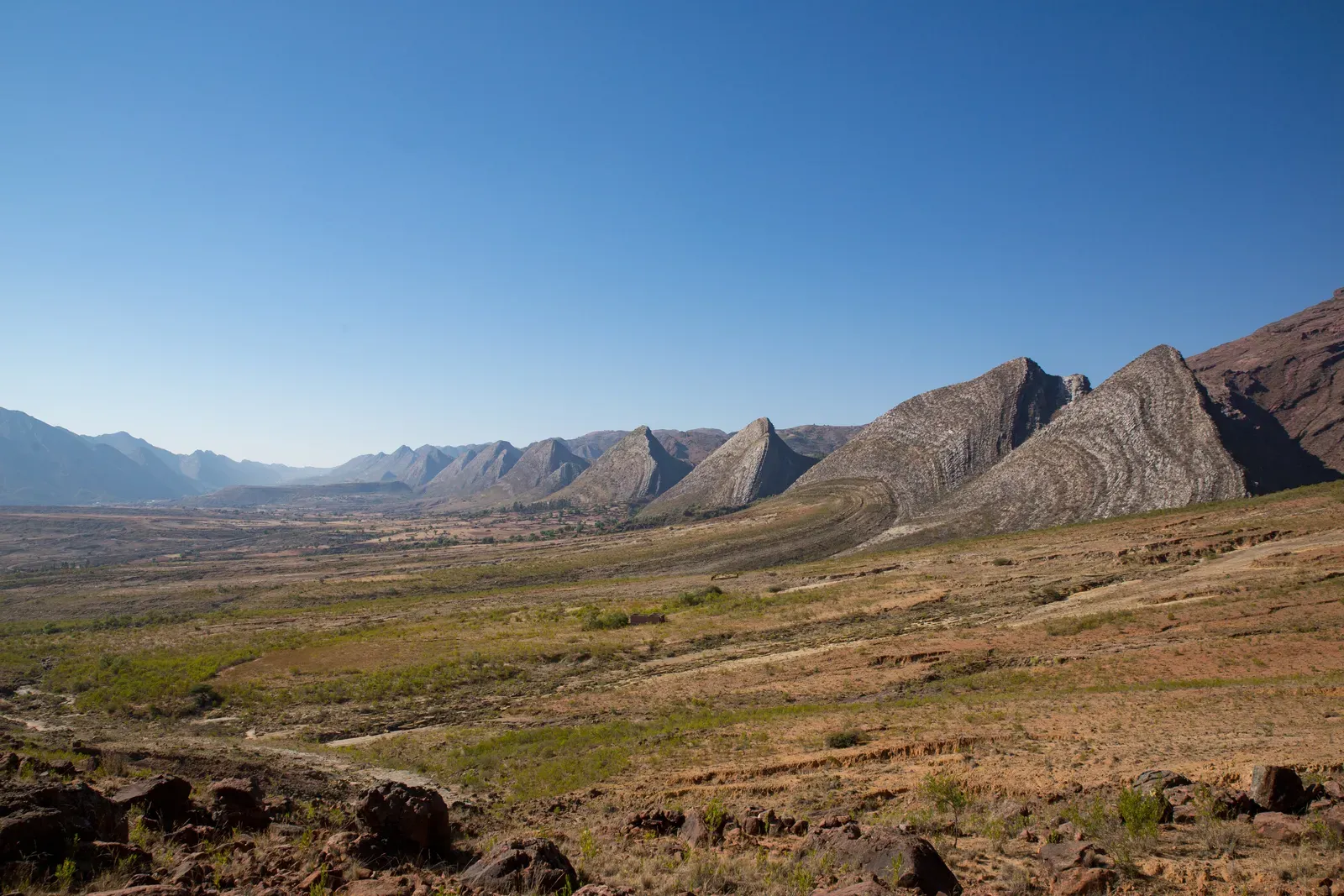
Bolivia is turning out to be one of the most extraordinary places on Earth for dinosaur trackways, and the latest news out of Toro Toro National Park is nothing short of astonishing. A new study has painted an enormous picture of almost 17,000 dinosaur footprints in a mountainous area of Bolivia, making it the world’s largest find of its kind, protected from centuries of erosion. That is not a typo. Nearly 17,000 individual prints, in one connected region.
A team of paleontologists, mostly from California’s Loma Linda University, discovered and carefully documented 16,600 footprints left by theropods, the dinosaur group which includes the Tyrannosaurus Rex. For six years, researchers explored nine different sites in central Bolivia until they found that all sites were connected, making it the largest prehistoric site in the world. The footprints could be 60 million years old and come from entire herds of dinosaurs. The dinosaurs that roamed this region also made awkward attempts to swim here, scratching at what was squishy lake-bottom sediment to leave another 1,378 swim traces. They pressed their claws into the mud just before water levels rose and sealed their tracks, protecting them from centuries of erosion. It is, without question, one of the most thrilling paleontological discoveries in living memory.
Conclusion: The Earth Is Still Speaking
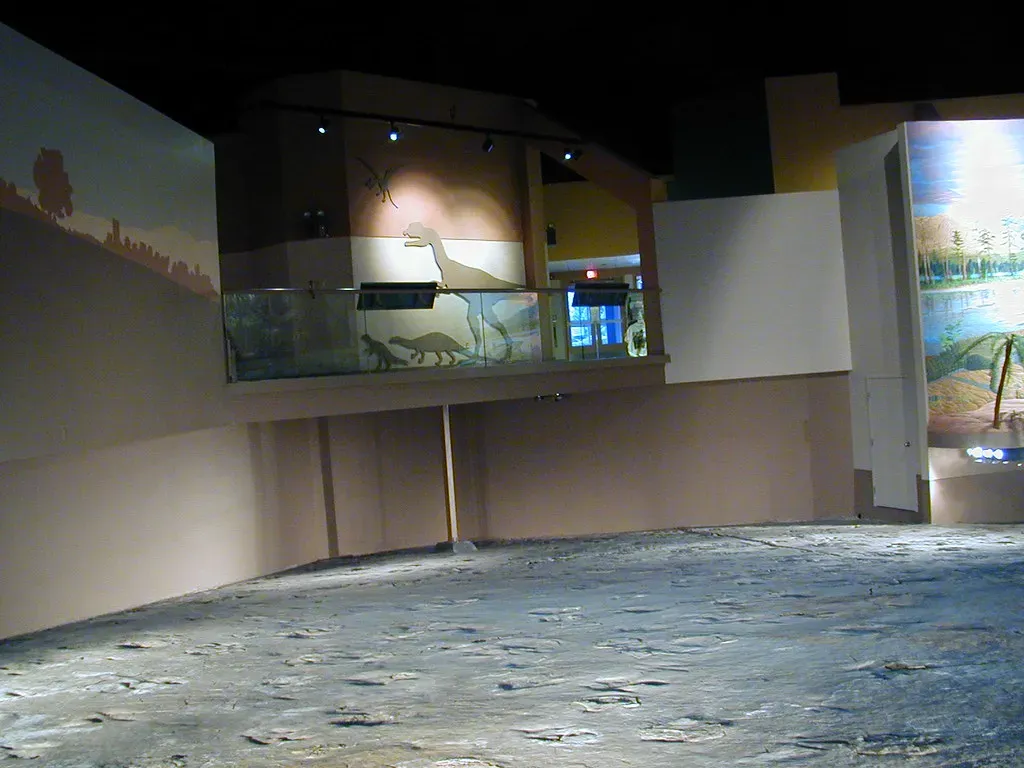
What strikes me most about all seven of these sites is the sheer improbability of it all. Soft mud, pressed by enormous feet, somehow surviving for tens of millions of years to end up beneath your feet. Geological forces, chemistry, ancient climate, and pure geological luck all conspired to give us these windows into a world that feels impossibly distant. Yet here these footprints are, waiting.
Whether you wade into the Paluxy River in Texas, hike the limestone ridges of Switzerland, or stare up in disbelief at Bolivia’s vertical dinosaur wall, you are not just looking at history. You are standing inside it. The planet has been keeping these secrets for a very long time, and it is still revealing new ones. Which of these incredible sites has just jumped to the top of your travel list?