Researchers documented a staggering global translocation of massive freshwater animals, revealing profound changes to aquatic ecosystems and human societies alike.
Astonishing Scale of Human-Driven Dispersal
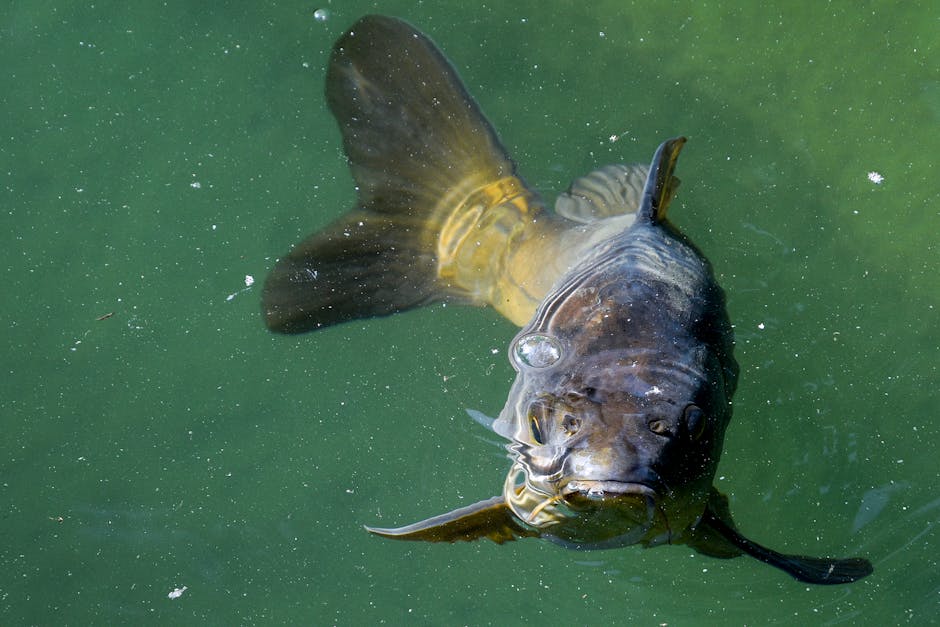
Astonishing Scale of Human-Driven Dispersal (Image Credits: Pexels)
Scientists identified 93 species of freshwater megafauna – large animals weighing at least 30 kilograms – that authorities or industries deliberately moved outside their native ranges. These introductions spanned 142 countries and regions on every continent except Antarctica.
The United States led with 52 such species, followed closely by others with significant numbers. Canada reported 23 introductions, while Russia, Belgium, and Germany each hosted at least 17. This widespread practice stemmed from pursuits like aquaculture and recreation, but researchers emphasized the need for caution.
| Country | Number of Introduced Species |
|---|---|
| United States | 52 |
| China | 28 |
| Canada | 23 |
| Russia | 19 |
| Belgium | 18 |
| Germany | 17 |
Primary Motivations: Profit and Pleasure
Introductions often targeted economic gains, particularly in fisheries and aquaculture, which accounted for 57 percent of documented benefits. Recreational pursuits like sport fishing and ecotourism made up 20 percent, while materials and companionship added another 12 percent.
Common culprits included carp varieties, salmonids, and catfishes. Silver and bighead carp arrived to curb phytoplankton blooms, while grass carp tackled aquatic weeds. Even spectacled caimans found new homes in the pet trade in the United States and for leather production in China, as noted by lead author Dr. Xing Chen, a former researcher at Germany’s Leibniz Institute of Freshwater Ecology and Inland Fisheries (IGB).
- Carp species boosted food security and aquaculture yields in over 100 countries.
- Salmonids fueled billion-dollar industries, such as Chile’s exports worth $5.2 billion annually.
- Beavers enhanced landscapes in places like Tierra del Fuego for cultural value.
The Downside: Biodiversity Loss and Human Hardship
While 59 species delivered positive contributions, 26 of them also inflicted harms. Native biodiversity suffered most, with alien megafauna outcompeting locals and altering habitats. Yet socio-economic fallout proved equally troubling, often hitting marginalized groups hardest.
Health and safety risks dominated negative effects at 63 percent, including attacks from aggressive species or envenomations. Property damage and reduced food access followed. Prof. Fengzhi He of the Chinese Academy of Sciences warned that such impacts on vulnerable communities remain under-monitored and potentially underestimated.
Real-World Lessons from Lake Victoria and Beyond
The Nile perch introduction in Lake Victoria exemplified the perils. Officials aimed to bolster fisheries, but the predator decimated native cichlids, crashing local fishers’ livelihoods and spiking child malnutrition rates to 40 percent in some areas. Social disruptions even correlated with higher HIV prevalence.
Hippopotamuses in Colombia and jumping Asian carp damaging boats in North America highlighted ongoing threats. Prof. Sonja Jähnig, IGB director and co-senior author, stressed the urgency of balancing development with conservation: “Balancing economic development with biodiversity conservation and human well-being requires a comprehensive understanding of both the benefits and risks associated with species introductions.”
Key Takeaways
- 43% of 216 megafauna species now thrive abroad, driven by economic incentives.
- Benefits enrich fisheries and recreation, but harms threaten food security and safety.
- Stricter risk assessments and monitoring are essential to protect ecosystems and communities.
As introductions persist amid growing demand for aquatic resources, policymakers face a clear imperative: weigh short-term gains against long-term consequences through rigorous evaluations and transparent communication. What steps should nations take next? Share your thoughts in the comments.