You probably picture early humans as small bands of people trudging across empty landscapes, chasing herds and hiding from predators. That image is partly true, but it seriously undersells how bold, inventive, and world-changing those journeys really were. When you look closely at the science, you start to realize that early human migration is less a slow shuffle across the map and more an epic, multi‑chapter adventure that still shapes your life today.
When you understand where your species came from and how your ancestors moved, you start to see modern borders, cultures, and even your own body in a totally different way. You are literally living inside the consequences of choices people made tens of thousands of years ago: where to walk, where to settle, who to meet, and who to avoid. So, as you read these eight facts, try to imagine not just the dusty bones in a museum, but real people standing at the edge of a shoreline or a mountain pass, deciding whether to step into the unknown.
1. You Carry the Story of a Global Journey That Began in Africa
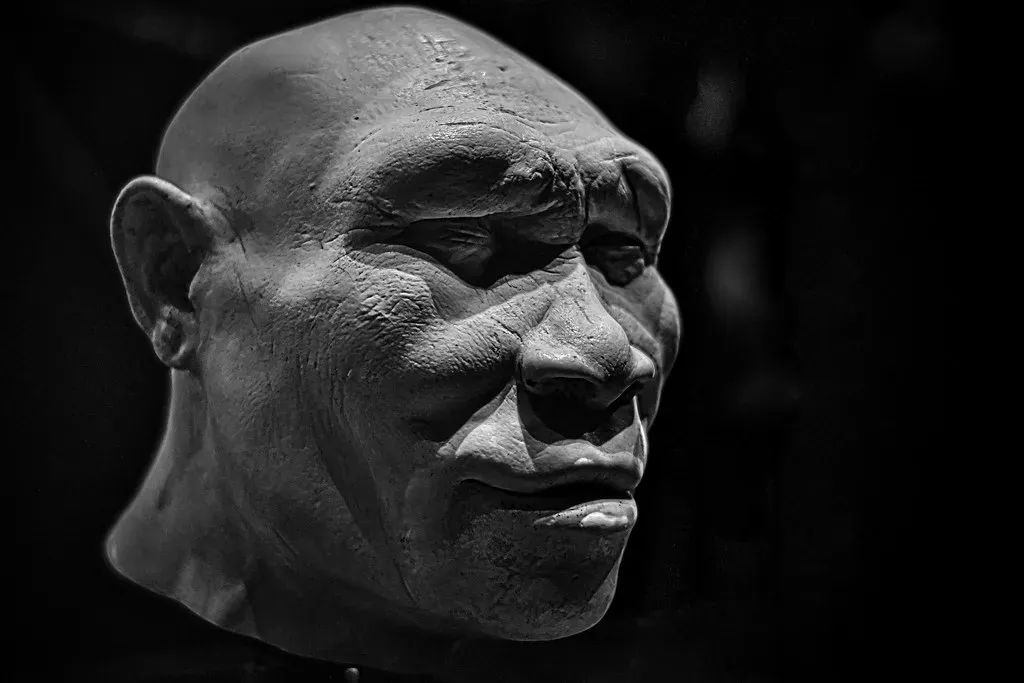
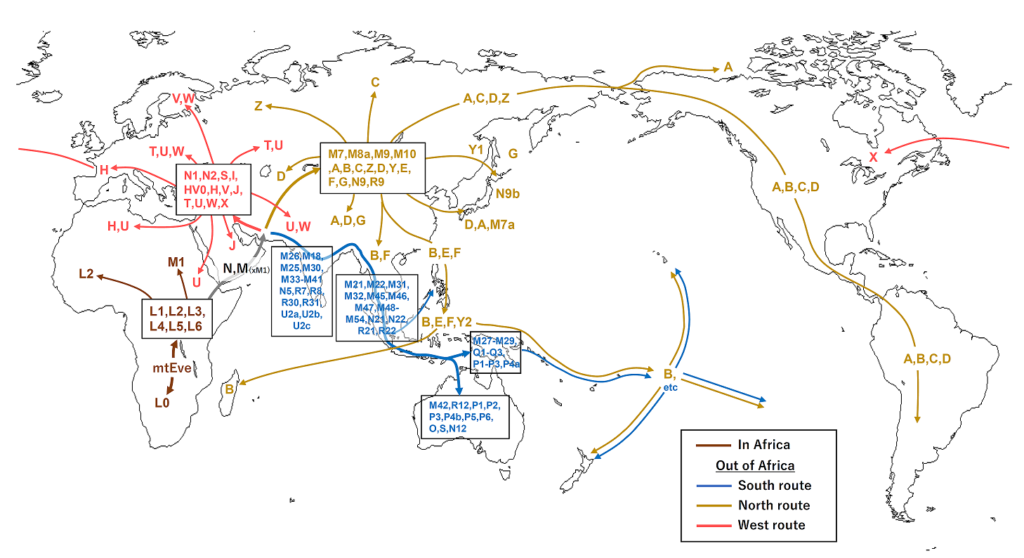
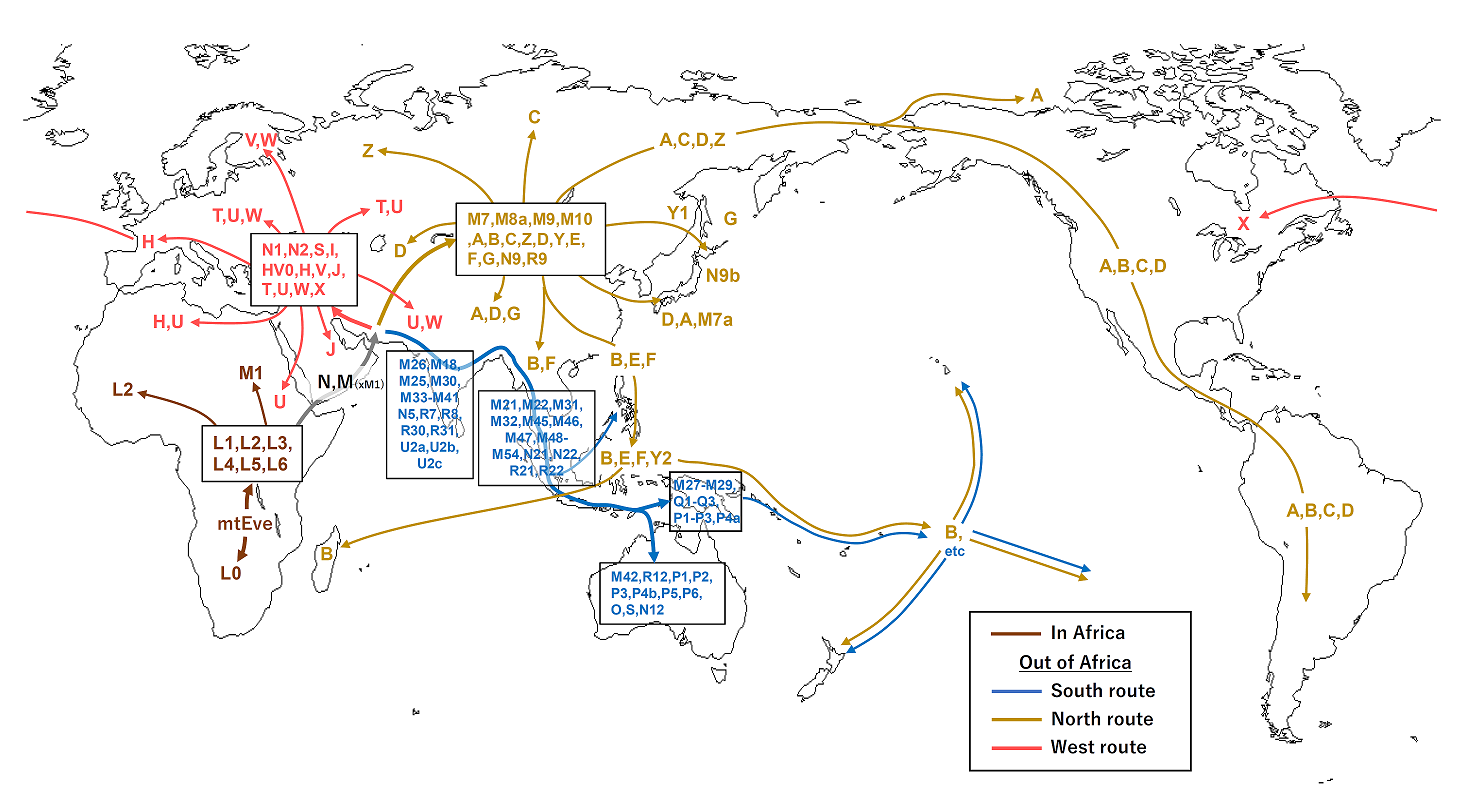
If you could trace your family line far enough back, you’d eventually end up in Africa, standing next to people who looked different from you in some ways but were already fully human. Genetic studies tell you that all living humans share ancestry in African populations that lived more than two hundred thousand years ago, long before there were cities, writing, or even agriculture. When you hear the phrase “Out of Africa,” it’s not just a slogan; it’s the scientific way of saying that your story starts on that continent, no matter where you were born.
From there, small groups of your distant relatives began leaving Africa in waves, spreading across the Middle East, Asia, and eventually the rest of the world. You might imagine this as a single heroic march, but in reality it was messy, staggered, and full of detours and dead ends. Some groups moved out and later disappeared; others mixed with neighbors and formed new lineages that still live on in you. The fact that your DNA can be traced back to those early African populations means that, at a deep level, you share a single, intertwined origin story with every other person alive.
2. Early Humans Used Coastlines Like Prehistoric Highways
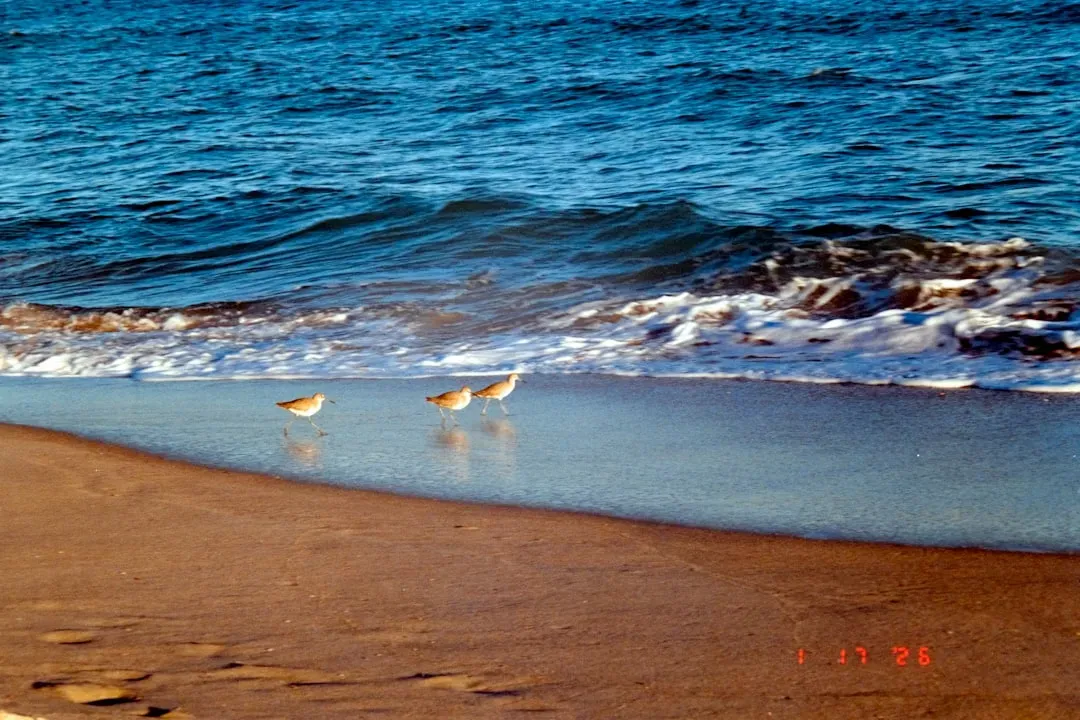
When you think about early migration, you might picture people walking through empty deserts or thick forests, but coastlines were often the real express routes. If you hugged the shore, you had water, food from the sea, and relatively easy navigation: as long as you kept the ocean on one side, you knew where you were. Evidence from archaeology suggests that some of the earliest expansions out of Africa and across southern Asia followed these coastal corridors, where shellfish, fish, and marine plants provided a reliable menu.
This coastal strategy mattered because it let your ancestors move surprisingly fast, at least on an evolutionary timescale. You can think of it like following a string of gas stations on a long road trip, except the “stations” were beaches, estuaries, and rocky shores full of life. As people stopped along the way, they left traces: tools, hearths, and bones that scientists now dig up to piece together the route. When you stand on a beach today, there’s a good chance that other humans paused in that same kind of place tens of thousands of years ago, weighing whether to keep moving along the shore or strike inland.
3. You Probably Have a Little Neanderthal (and Maybe Denisovan) in You
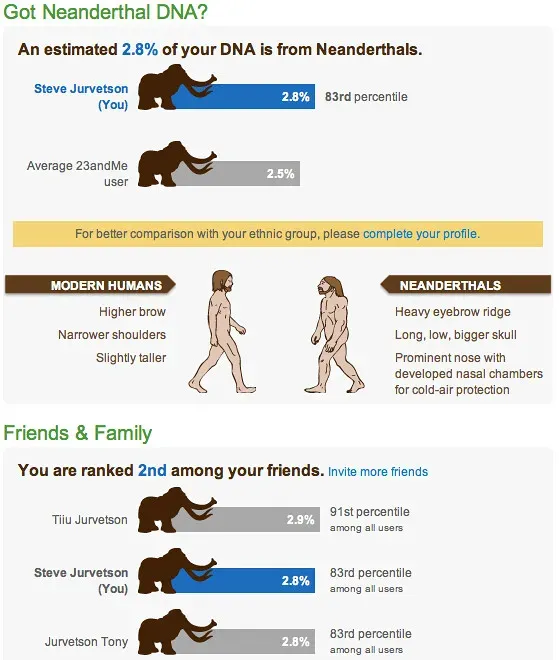
If you have ancestry from outside Africa, your genome most likely carries small fragments of DNA from other ancient humans who are now extinct, like Neanderthals and Denisovans. When your ancestors moved into Eurasia, they did not wander into an empty land; they met other human species who had been surviving there for hundreds of thousands of years. Instead of staying completely separate, they sometimes lived together closely enough to have children, and those children carried mixed DNA forward through time until it reached you.
Today, scientists can detect those traces as tiny percentages of your genetic code that look more like Neanderthals or Denisovans than like African populations. Those fragments are not just curiosities; some of them help your immune system, and others affect how your body handles things like sunlight or altitude. When you hear that you have a small share of Neanderthal or Denisovan heritage, what you are really hearing is that migration was not only about movement but also about encounters and relationships. Your very existence is partly the result of those ancient meetings between different kinds of humans deciding, in effect, to become one family.
4. Climate Swings Opened and Closed the Gates of the World
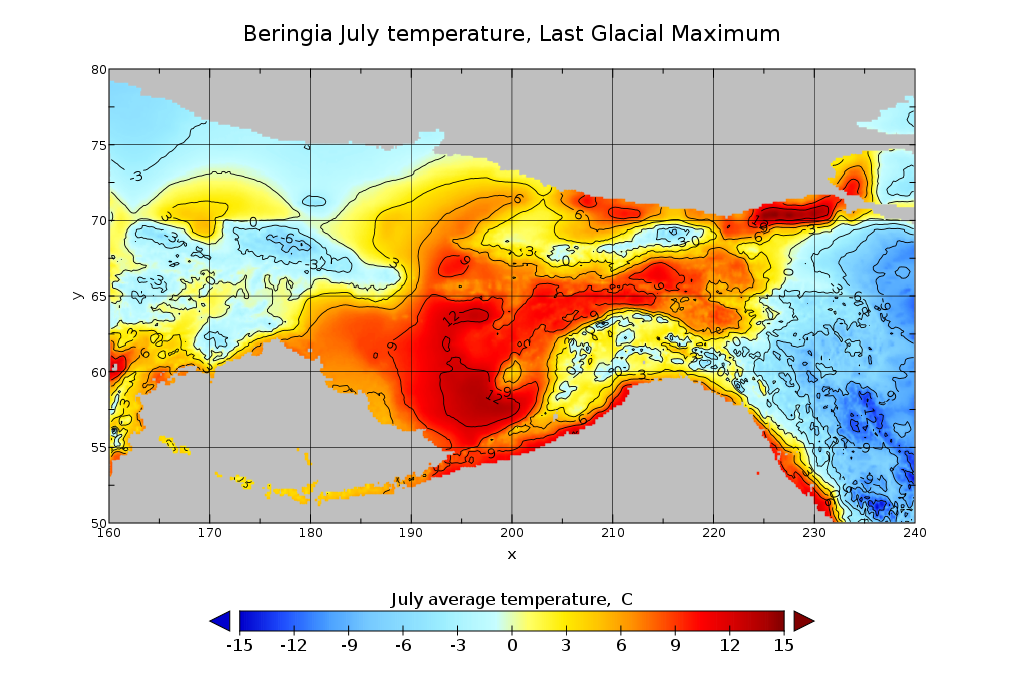
You might think of climate change as a modern problem, but for early humans it was a relentless backdrop that constantly opened and closed migration routes. During colder, drier times, huge areas turned into harsh deserts or icy plains that were difficult or impossible to cross. In warmer, wetter periods, those same regions could blossom into grasslands or woodlands, inviting people to explore and settle. When you look at where and when humans moved, you’re really seeing a long dance with shifting ice, rising and falling seas, and wandering rivers.
For example, when sea levels dropped during ice ages, land bridges emerged that turned previously separate areas into reachable neighbors. When sea levels rose again, those bridges vanished, trapping populations in new places and forcing them to adapt or disappear. If you ever feel like big changes in your environment are pushing you to move, imagine living in a world where coastlines swung back and forth by hundreds of kilometers over many generations. Your migrating ancestors were not just brave; they were also endlessly flexible, adjusting their routes as the planet itself kept rearranging the map.
5. Early Humans Crossed Water Barriers Long Before “Civilization”
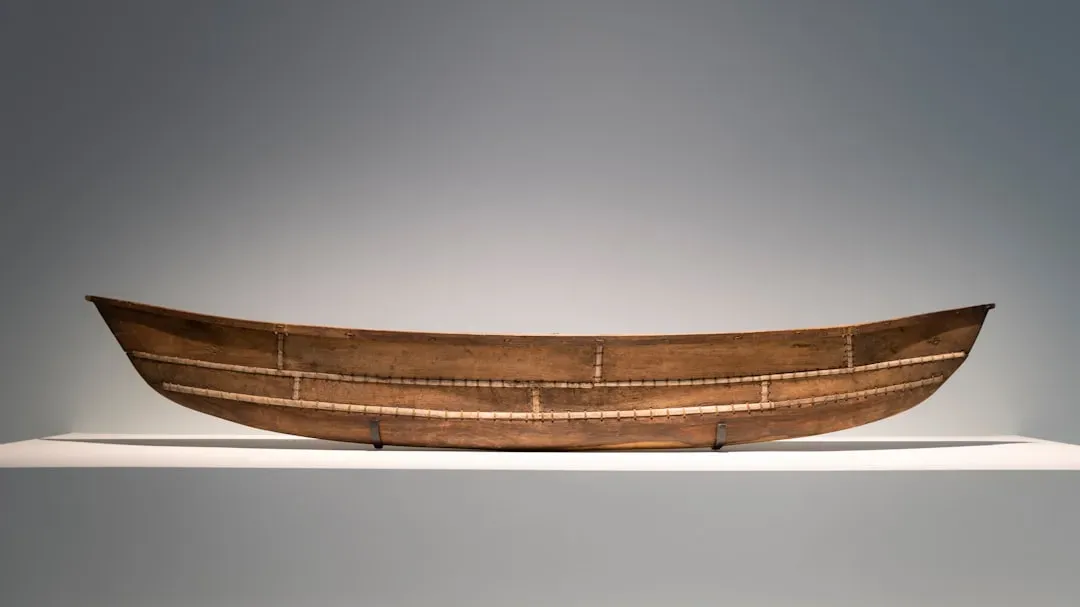
It’s easy to assume that serious seafaring only started with ancient sailors building impressive ships, but your distant relatives were crossing significant stretches of water long before there were cities or kingdoms. To reach places like Australia and many islands in Southeast Asia, early humans had to travel over open water where land was no longer in sight. That means they were building some form of watercraft, planning trips, and likely understanding winds, tides, and currents in ways you might not expect from so-called “primitive” people.
When you picture that first group pushing off from shore, you can almost feel the mix of fear and curiosity they carried. They could not know for sure that land lay ahead, yet they went anyway, guided by sharp observation and a willingness to risk what they knew for what they hoped to find. Those crossings changed everything, because once humans reached places like Australia, they evolved in partial isolation for tens of thousands of years. The fact that your species was willing to step onto rafts or boats and vanish over the horizon so early in history tells you something important: exploration is not a modern urge, it is built deep into who you are.
6. The Peopling of the Americas Was a Slow Epic, Not a Single March
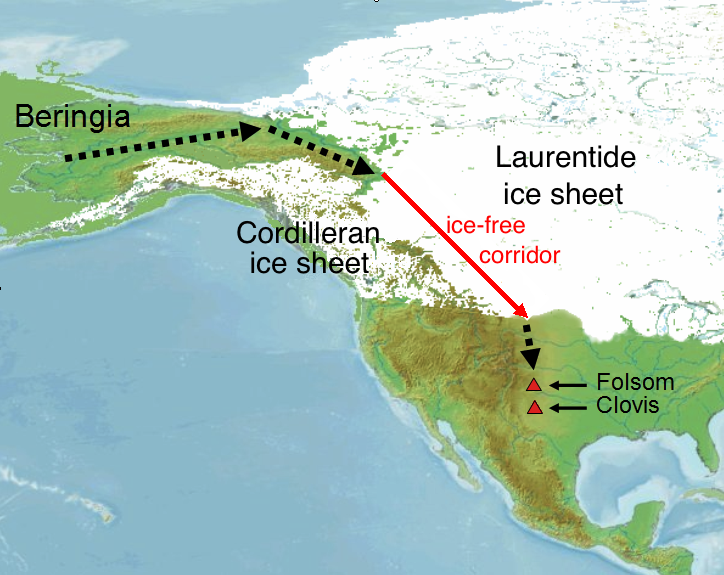
You might have heard the simplified version where humans walked into the Americas once, quickly spreading south as soon as an ice-free path opened. The real story looks far more complex and human when you consider the latest evidence. Ancient DNA and archaeology suggest that people could have paused in northern regions for long stretches, adapting to tough conditions before pushing deeper into the continents. Instead of a straightforward line on a map, you should imagine a branching, looping network of movements, stops, and returns.
As groups moved into new environments, from Arctic coasts to tropical forests and high mountains, they learned to hunt, fish, and farm in incredibly diverse ways. Over millennia, this gave rise to a huge range of languages, cultures, and technologies that were already ancient long before Europeans ever arrived. When you look at a modern map of the Americas, you are seeing the end result of those slow, patient migrations layered on top of one another. The point for you is this: your ancestors were not rushing to “fill in” a blank continent; they were testing, learning, and building lives every step of the way.
7. Your Body Still Bears the Marks of Ancient Environments
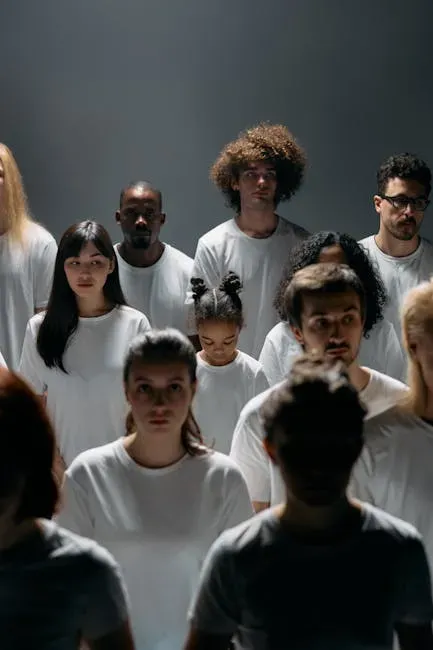
As humans spread into new regions, different groups faced radically different challenges: freezing winters, thin mountain air, strange new diseases, or intense tropical sun. Over long periods, natural selection favored traits that helped people cope in each setting. That is why, when you look around the world today, you see patterns in skin color, body shape, and even particular genetic variants that reflect the landscapes your distant ancestors once called home. Your own body carries some of those adaptations, whether you notice them or not.
For example, if your ancestry includes people from high mountains, you may carry genes that help your blood handle low oxygen more efficiently. If your roots trace back to far northern latitudes, you may have inherited traits that help with vitamin D production in low sunlight. These differences do not divide you from other humans; they highlight how your shared species flexed and stretched to survive almost everywhere on Earth. When you look in the mirror, you are not just seeing your parents and grandparents; you are seeing faint signatures of deserts, forests, coasts, and ice fields that once dictated who thrived and who struggled.
8. Language and Culture Migrated Just as Powerfully as Genes
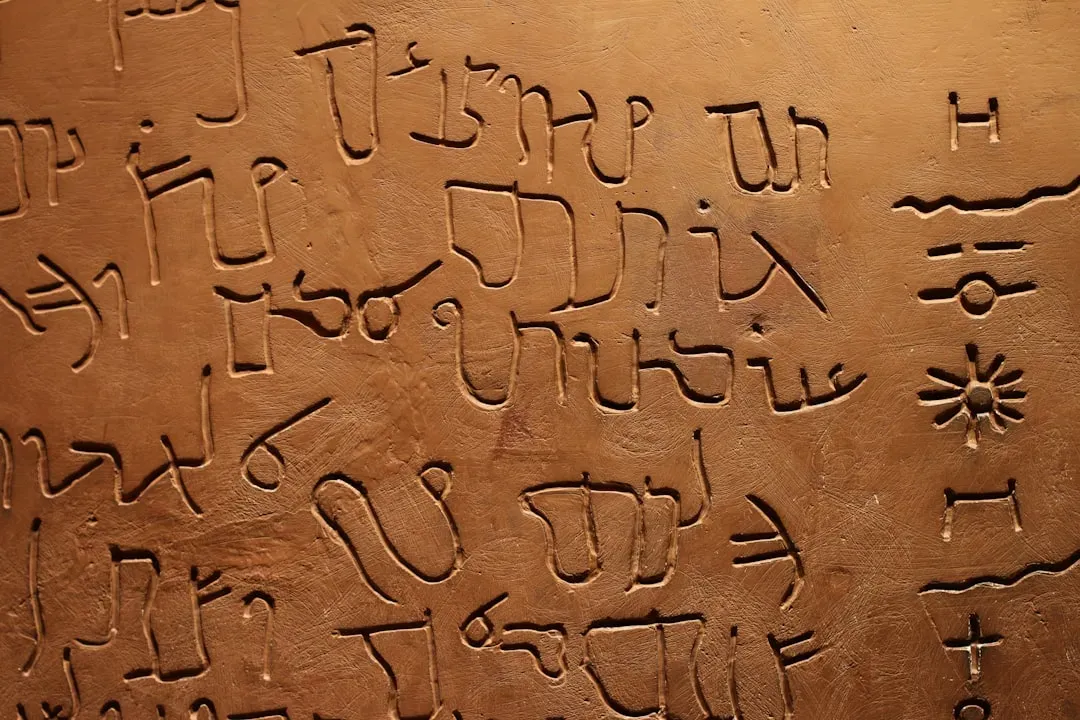
When you think about migration, it’s tempting to focus only on bodies and DNA, but ideas, languages, and traditions traveled just as far and left just as deep a mark. As groups moved, they carried stories, rituals, and ways of solving problems, sharing them with new neighbors or blending them into entirely new cultures. You can see echoes of this when you notice similar myths, symbols, or tools in places that are separated by long distances yet share faint threads of resemblance. Movement did not just shuffle people around; it rewired how they thought about the world and about themselves.
Language is one of the clearest examples of this invisible migration. When you speak, you are using sounds and structures that descended from older tongues carried across valleys, rivers, and seas. Over time, those languages split, merged, and transformed, but they still bear the fingerprints of ancient journeys. In a way, every conversation you have today is part of a chain that began when small bands of travelers tried to describe new animals, strange skies, or unfamiliar neighbors. Your voice is not just yours; it is the latest chapter of a story that started when humans first set out from their homelands and learned to name the wider world.
Conclusion: You Are Living Proof of an Ancient Restlessness
When you pull all these threads together, you start to see yourself differently. You are not just the product of a recent family tree; you are the endpoint of countless migrations, experiments, and risks taken by people who refused to stay put. They walked along coasts, crossed land bridges, sailed into unknown waters, and adapted to climates that would challenge you even today. Borders, passports, and national identities are all very recent layers laid over a much older truth: your species has always been in motion.
The next time you move to a new city, take a trip, or even just wonder what lies beyond the horizon, remember that you are echoing impulses that go back deep into prehistory. Your curiosity, your willingness to explore, and even your ability to thrive in new environments are part of a legacy written in bones, artifacts, and DNA scattered across the planet. In that sense, early human migration did not just shape the world; it shaped you. When you think about your own life, where do you feel that ancient pull to move next?