
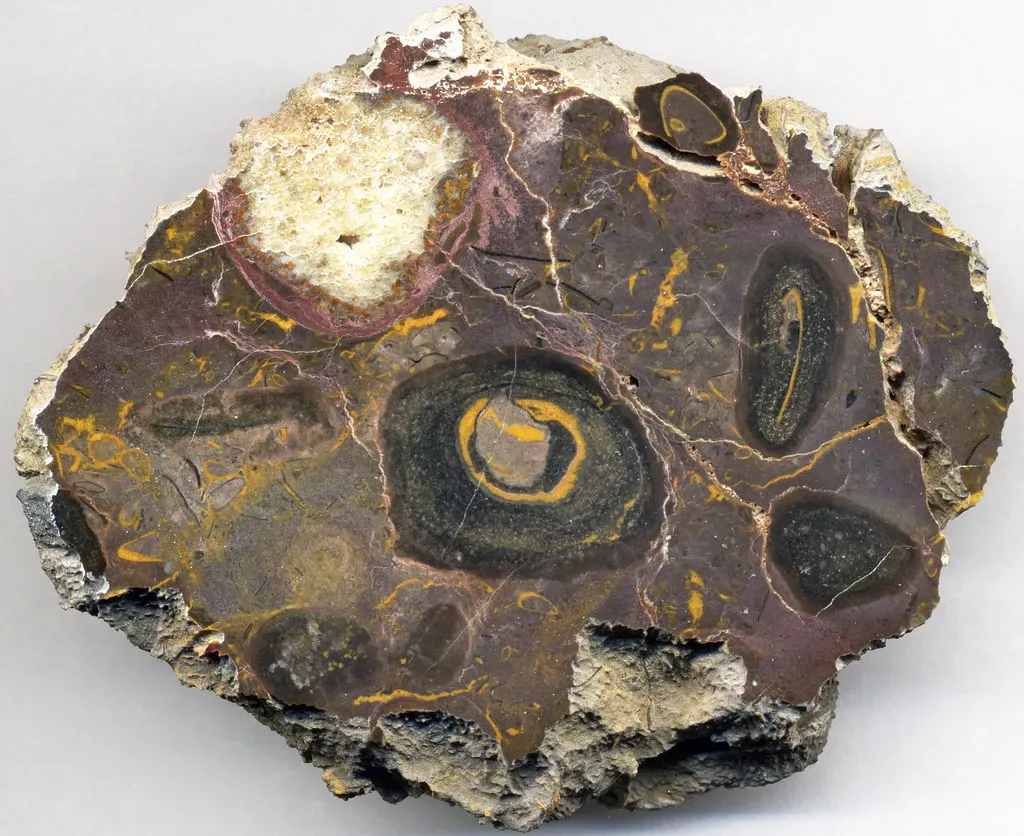
Billions of years before the first dinosaur ever left a footprint, before the first fish ever breached the ocean’s surface, this planet was already alive. Not in a distant, theoretical sort of way. Alive with colonies of invisible architects, single-celled organisms working in silence at a geological scale, gradually rewriting every ocean, every shoreline, every breath of air that would ever exist. Most people know about the Cambrian explosion, about trilobites and dinosaurs, about the great extinctions. Honestly, that entire drama only accounts for a tiny sliver of Earth’s story.
The real story, the deep one, is microbial. And it is jaw-dropping. Let’s dive in.
When the Earth Was Young and Life Was Smaller Than a Grain of Sand
You have to picture a world almost completely alien to the one you know. Conditions on Earth 4 billion years ago were radically different from today. The atmosphere lacked oxygen, and an ozone layer did not yet protect Earth from harmful radiation. Heavy rains, lightning, and volcanic activity were common. It sounds like the description of a planet with no future at all. Yet somehow, life found a way.
Claims of the earliest life using fossilized microorganisms come from hydrothermal vent precipitates from an ancient sea-bed in the Nuvvuagittuq Belt of Quebec, Canada. These may be as old as 4.28 billion years, which would make it the oldest evidence of life on Earth, suggesting an almost instantaneous emergence of life after ocean formation 4.41 billion years ago. Think about that for a moment. As soon as liquid oceans existed, something was already stirring. Life, it seems, didn’t need an invitation.
Stromatolites: The Oldest Architects You’ve Never Heard Of
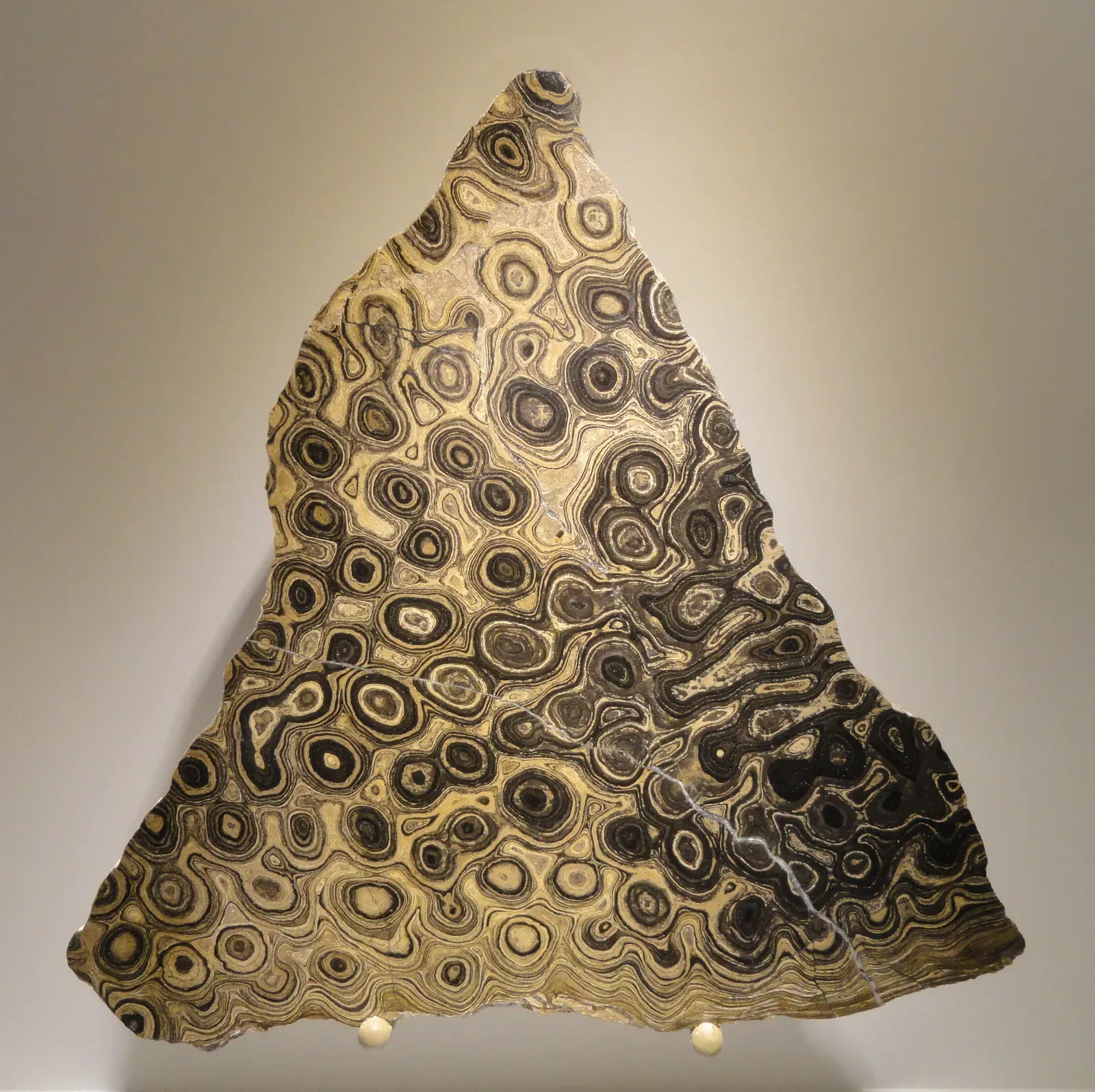
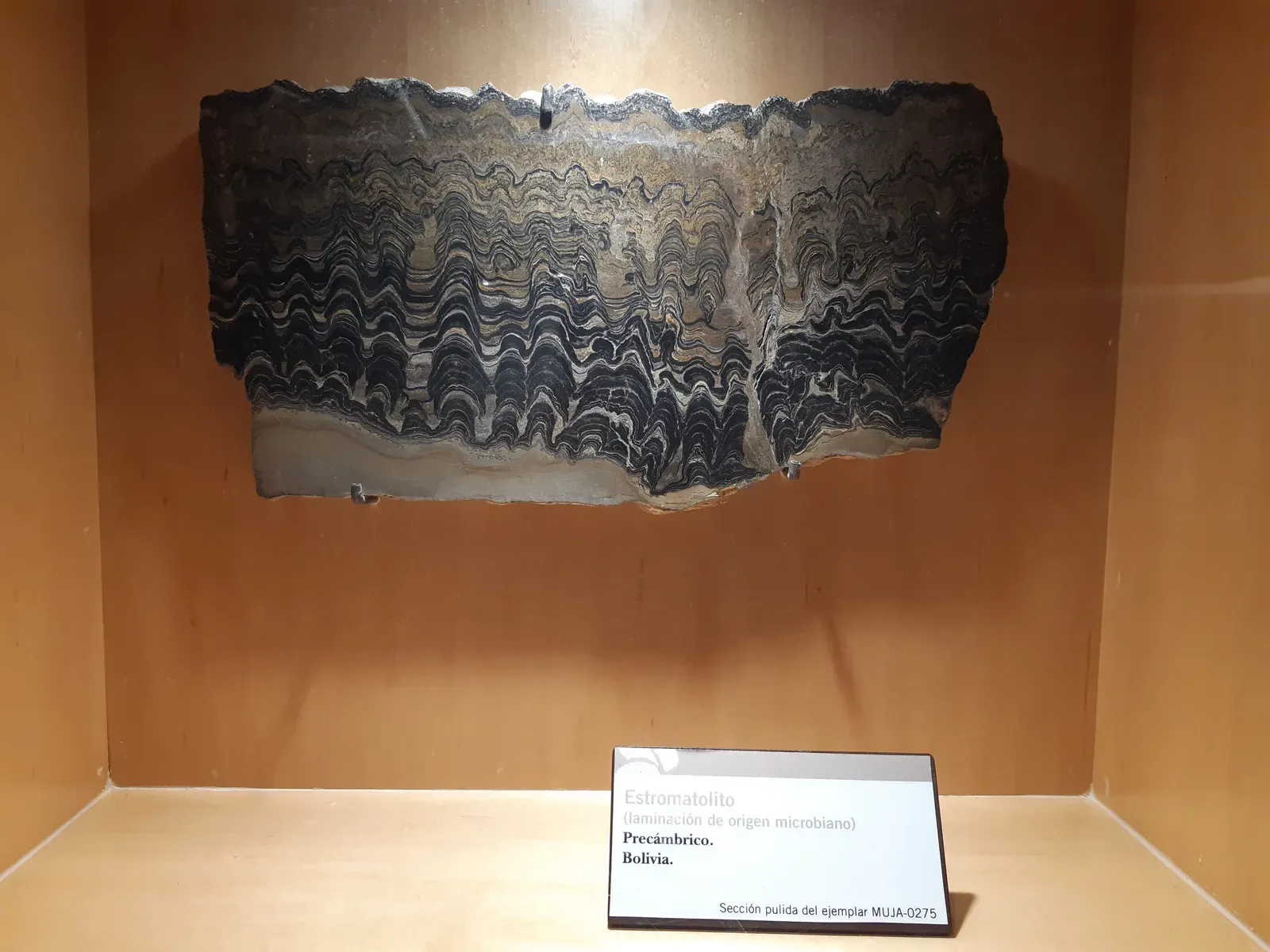
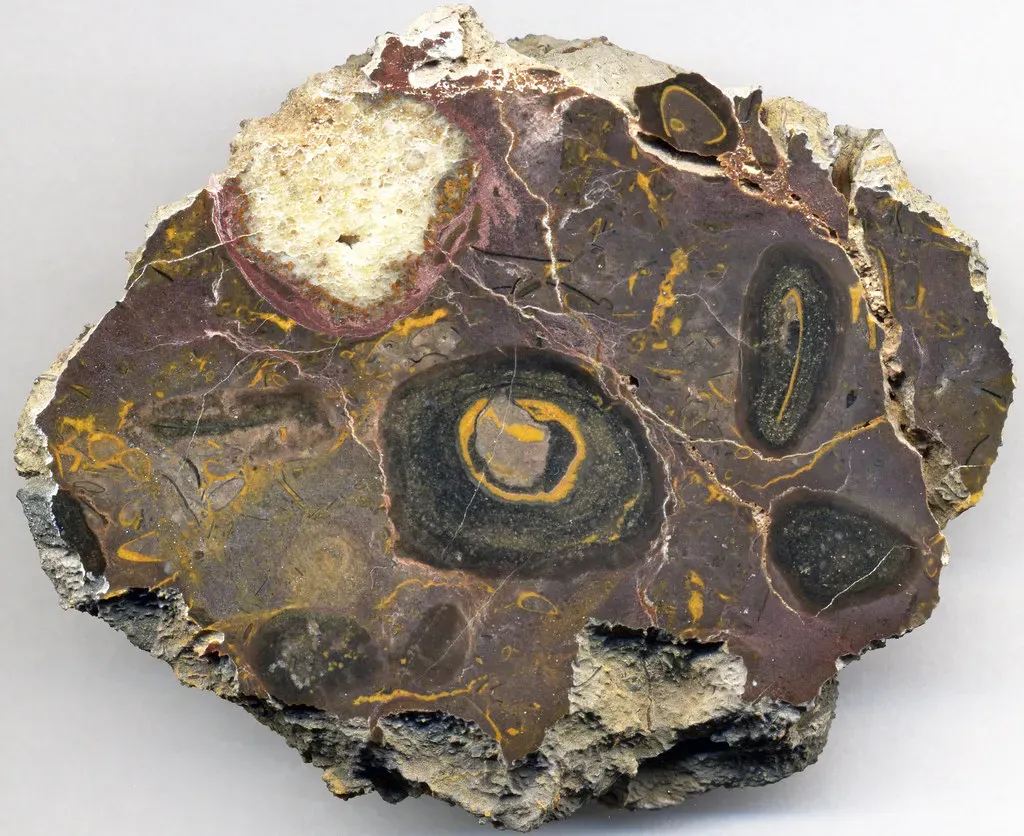
Stromatolites are not fossils of individual organisms. Instead, they are fossils of microbial ecosystems. That distinction matters more than it might seem. You are not looking at the remains of one creature when you examine a stromatolite, you are looking at the preserved record of an entire community, layer upon living layer, built up over thousands of years. Think of it like a city captured in stone, not a single building.
Stromatolites first appeared in the fossil record during the Archean Eon, 3.481 billion years ago, nearly two-thirds of Earth’s existence. A single one-meter structure may be 2,000 to 3,000 years old. Slow, patient, relentless. There is something almost meditative about microbes that spend millennia building rock, one thin layer at a time. No urgency. Just chemistry and time.
Hydrothermal Vents: The Dark Cradle of the First Life
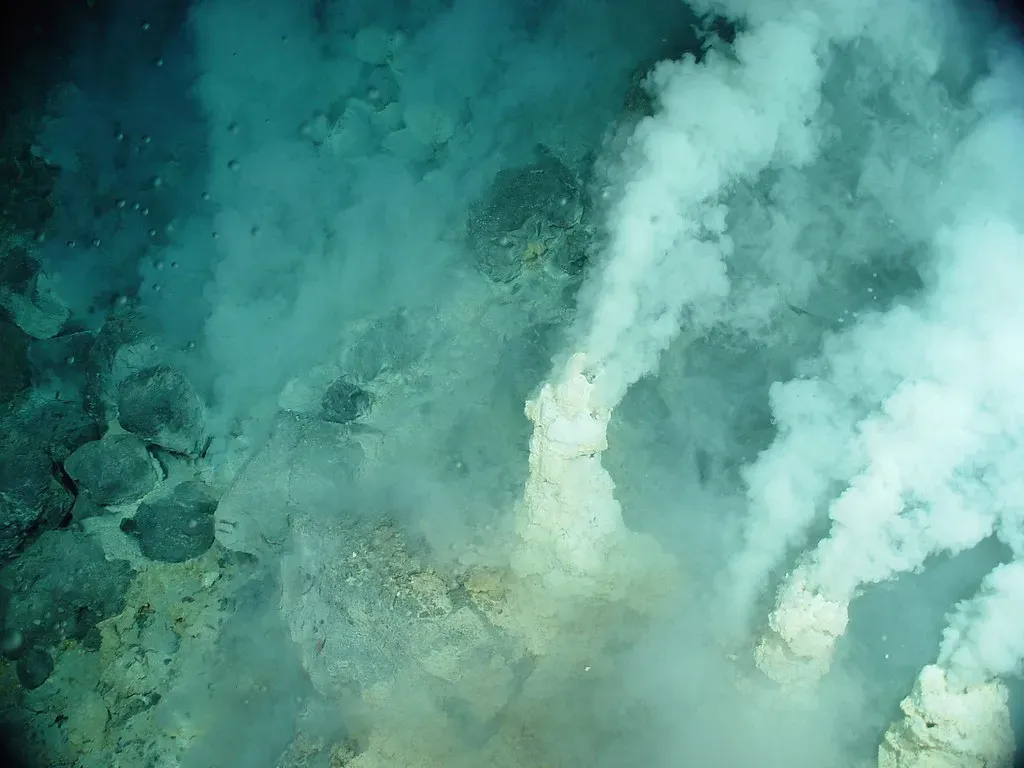
Perhaps the earliest known signs of life have been found in Quebec, where features such as haematite tubes suggest that filamentous microbes lived around hydrothermal vents at least 3,770 million years ago. Although it is not known when or where life on Earth began, some of the earliest habitable environments may have been submarine-hydrothermal vents. The idea that life might have first sparked not under sunlit shallows but deep in scalding darkness, far below the ocean surface, is one of the most provocative ideas in all of science.
Since sunlight does not reach deep-sea hydrothermal vents, organisms in deep-sea hydrothermal vents cannot obtain energy from the sun to perform photosynthesis. Instead, the microbial life found at hydrothermal vents is chemosynthetic, fixing carbon by using energy from chemicals such as sulfide. The ancient process of chemosynthesis precedes photosynthesis, and likely sustained the earliest life on Earth. Life, right from the start, was a creative problem-solver. No sunlight? Fine. We’ll use sulfur instead.
Cyanobacteria: The Tiny Organisms That Invented the Air You Breathe
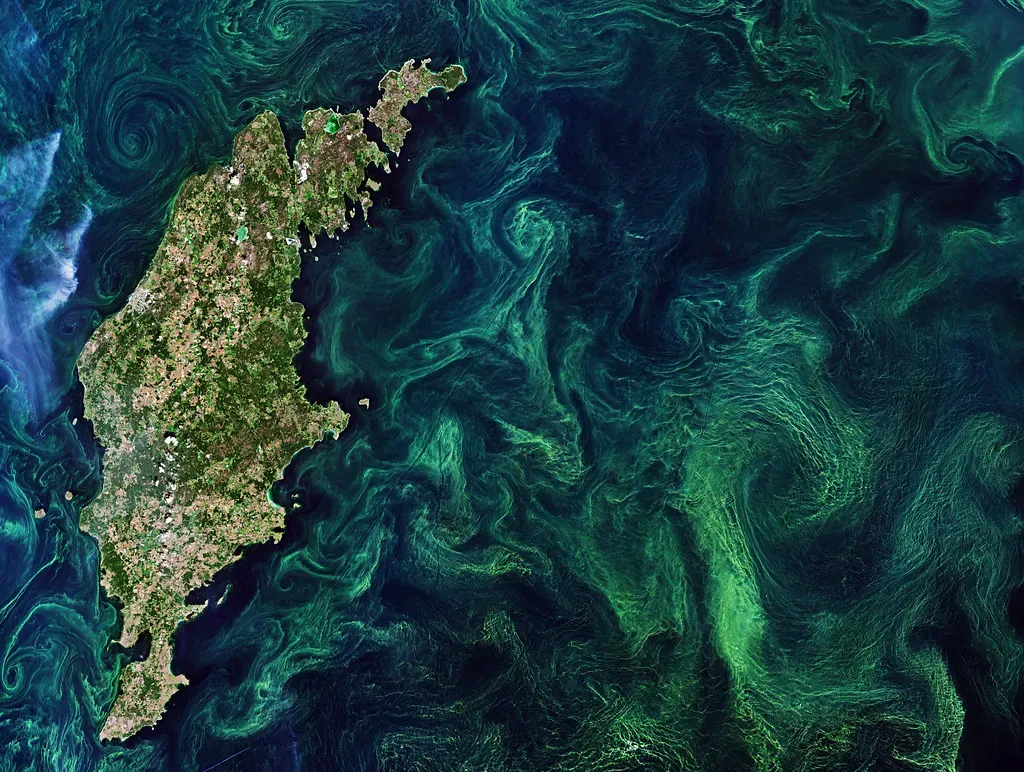
Here’s the thing: the oxygen you are breathing right now was not always here. We are so acclimatized to the presence of oxygen on our planet Earth that we take it for granted. However, oxygen was absent from the earth’s atmosphere for close to half of its lifespan. When the earth was formed around 4.5 billion years ago, it had vastly different conditions. At that time, the earth had a reducing atmosphere, consisting of carbon dioxide, methane and water vapor.
The entire game changed when a group of bacteria diverged from their anaerobic ancestors around 3.4 billion years ago. These unique microbes developed one of the most crucial innovations in the history of life on Earth, oxygenic photosynthesis, and evolved into what we now know as cyanobacteria. Before cyanobacteria, the air was only about one percent oxygen. Then, for two billion years, photosynthesizing stromatolites pumped oxygen into the oceans. When the oceans’ waters were saturated, oxygen was released into the air, and with around twenty percent oxygen in the air, life was able to flourish and evolve.
The Great Oxygenation Event: When Microbes Changed Everything
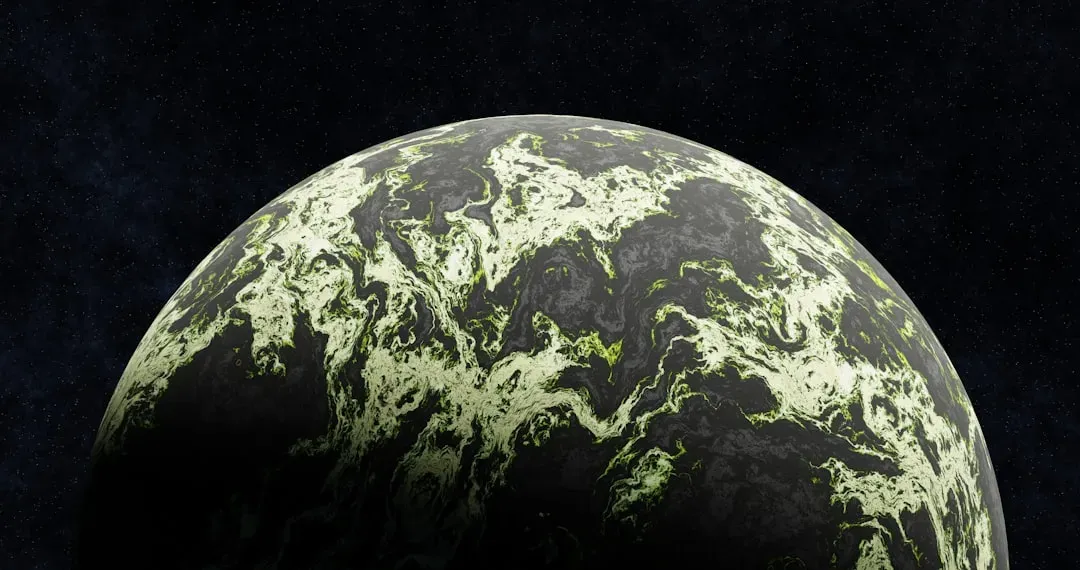
The Great Oxidation Event, also called the Oxygen Catastrophe, Oxygen Revolution, or Oxygen Crisis, was a time interval during the Earth’s Paleoproterozoic era when the Earth’s atmosphere and shallow seas first experienced a rise in the concentration of free oxygen. This began approximately 2.460 to 2.426 billion years ago during the Siderian period. I know it sounds crazy, but one of the most transformative catastrophes in planetary history was caused by microscopic pond scum. Trillions of cyanobacteria, quietly photosynthesizing, slowly poisoning the atmosphere for the organisms around them, and making the planet habitable for everything that came after.
MIT researchers traced a key oxygen-processing enzyme back hundreds of millions of years before the Great Oxidation Event. Early microbes living near oxygen-producing cyanobacteria may have quickly used up the gas as it formed, slowing its rise in the atmosphere. The results suggest life was adapting to oxygen far earlier, and far more creatively, than once thought. The release of oxygen by cyanobacteria was thus responsible for changes in the earth’s atmospheric composition, the rise of aerobic metabolism and, ultimately, the evolution of multicellularity. That is the entire arc of complex life, traced back to one microscopic innovation.
Microbial Mats and the Blueprint of Entire Ecosystems
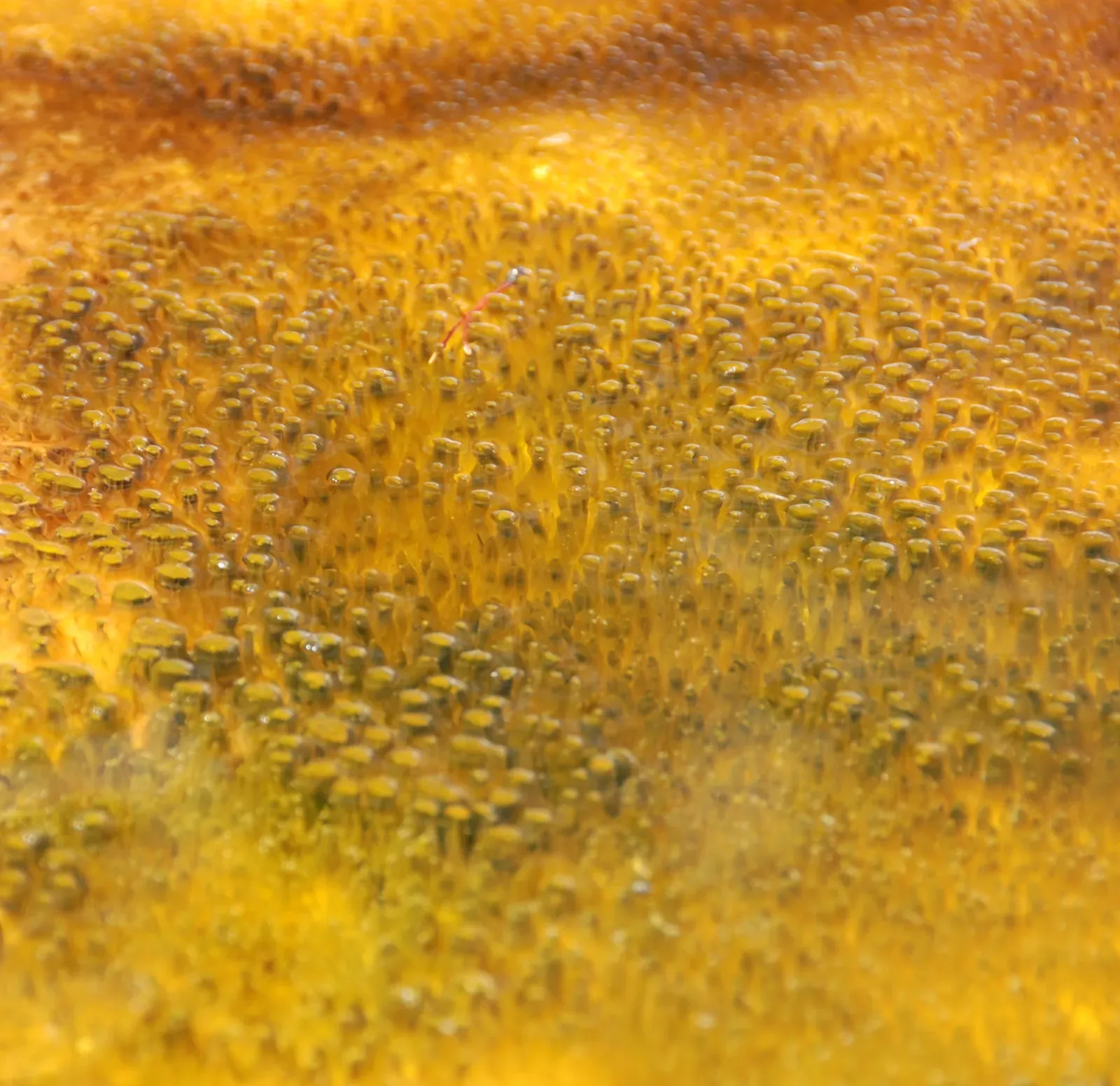
Microbial mats are multi-layered, multi-species colonies of bacteria and other organisms that are generally only a few millimeters thick, but still contain a wide range of chemical environments, each of which favors a different set of microorganisms. To some extent each mat forms its own food chain, as the by-products of each group of microorganisms generally serve as food for adjacent groups. Picture a city compressed into a few millimeters of living film. That is a microbial mat. An entire economy of organisms, stacked like floors of a building, each one recycling the waste of the others.
The ecosystems of life’s first two billion years seem alien, but it was within these early oceans that the fundamental biogeochemical circuitries of carbon, sulfur, nitrogen and phosphorus cycling were established, microbial processes that still underpin all functioning ecosystems on the Earth. From a microbial perspective, animals, algae, and later plants simply provided new opportunities for diversification, and, to this day, microbial metabolisms remain the only essential components of biogeochemical cycles. Everything you see in nature today, every forest, every reef, every ocean current, runs on machinery that microbes invented billions of years ago.
Living Fossils: Where Ancient Microbial Ecosystems Survive Today
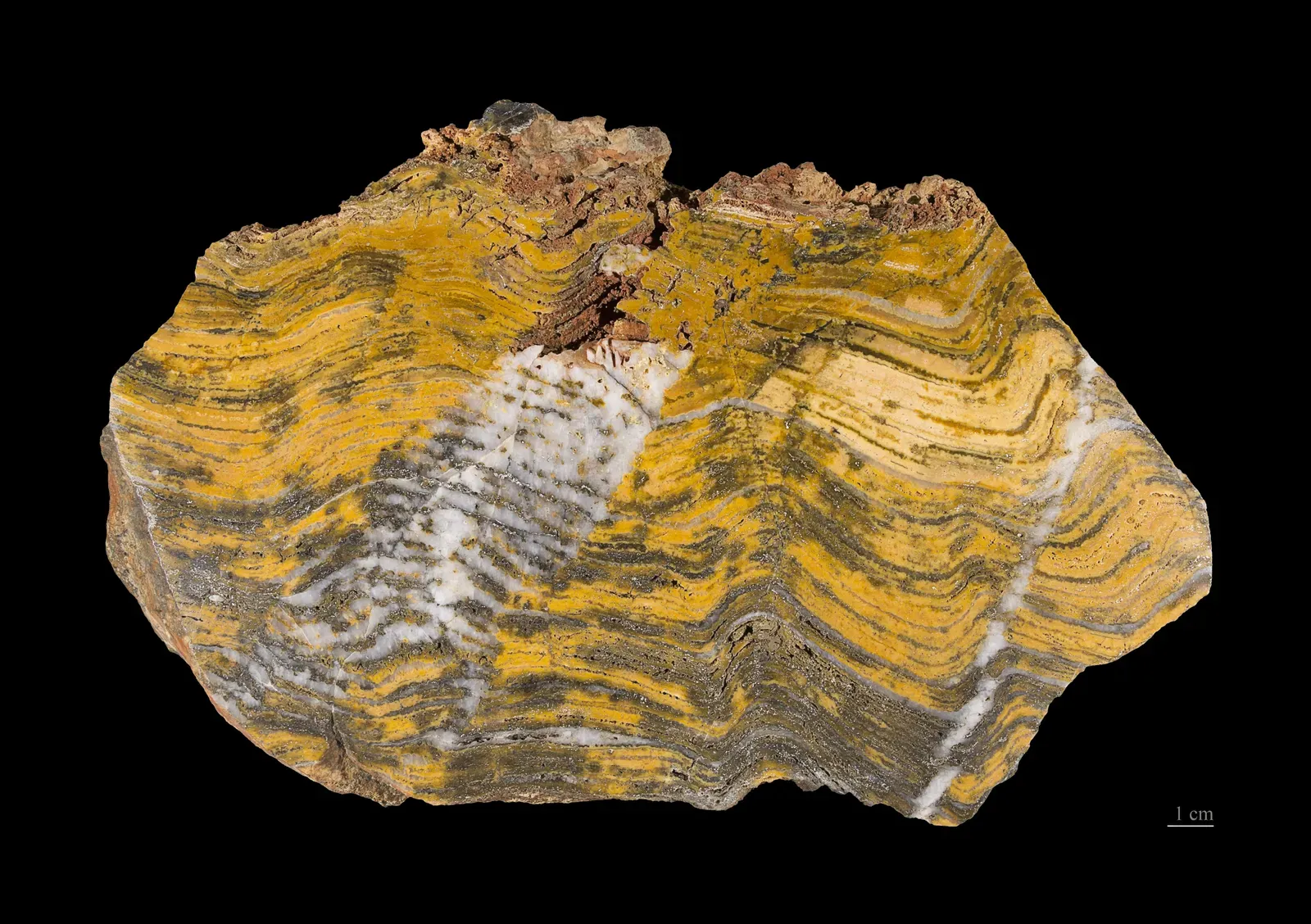
You might think you need a time machine or a geology degree to witness these ancient ecosystems. You don’t. There are only two well-developed marine stromatolite areas in the world, in the Bahamas and at Hamelin Pool in the Shark Bay area of Western Australia. Australia’s marine stromatolites are protected, forming part of the Hamelin Pool Marine Nature Reserve, which lies within the UNESCO World Heritage listed Shark Bay. Standing at the shoreline there, you are effectively looking at the same life forms that existed more than three billion years ago. It is genuinely humbling.
Pavilion Lake in British Columbia has the largest known freshwater stromatolites, and NASA has conducted xenobiology research there, called the Pavilion Lake Research Project. The goal of the project is to better understand what conditions would likely harbor life on other planets. As with all studies of early life on Earth, stromatolites have their application in the search for extraterrestrial life, specifically on Mars. Were a stromatolite found on the red planet, it would be major evidence to suggest Mars once maintained the conditions needed to foster life. The story of ancient microbial life does not only belong to our past. It is actively guiding the search for life across the cosmos.
Conclusion: Tiny Lives, Enormous Legacy
It’s hard to say for sure where the full story of Earth’s microbial origins will eventually take us. New discoveries are rewriting the timeline constantly, and every ancient rock formation studied seems to push the origin of life a little further back. What is clear, though, is this: the history of life on Earth is largely microbial. For vast stretches of time, bacteria and other single-celled organisms were the only life on Earth. The age of the dinosaurs to the present day represents roughly five percent of the history of life.
The geologic record shows that microbes have been the sole life-forms on Earth for most of its 4.5-billion-year history. Everything else, every animal, every plant, every fish and bird and human, is a relatively recent footnote. The next time you take a breath, consider this: you are enjoying the accumulated exhaust of trillions of ancient microbes that lived and died over unimaginable spans of time, transforming a lifeless rock into the world you know. They never had brains, never had goals, never even had cells with a nucleus. Yet without them, nothing would exist at all. How extraordinary is that?
What do you think, does knowing that invisible microbes built the world we live in change how you see life on Earth? Tell us in the comments.