Imagine stepping outside and breathing air so rich in oxygen that your lungs would feel practically turbo-charged. Or living beneath a sky where the carbon dioxide levels were so high, the entire planet sweltered in a permanent greenhouse. That was the world dinosaurs called home, and it wasn’t just dramatic scenery. It was chemistry. Pure, raw atmospheric chemistry that quite literally shaped the size and scale of the largest animals that ever walked on land.
The story of is not just about bones and muscle. It’s about the invisible ocean of gas surrounding those ancient giants, pushing their biology toward extremes we can barely imagine today. You might think you already know everything there is to know about dinosaurs. You probably don’t. Let’s dive in.
The Mesozoic Stage: An Alien World With Familiar Creatures
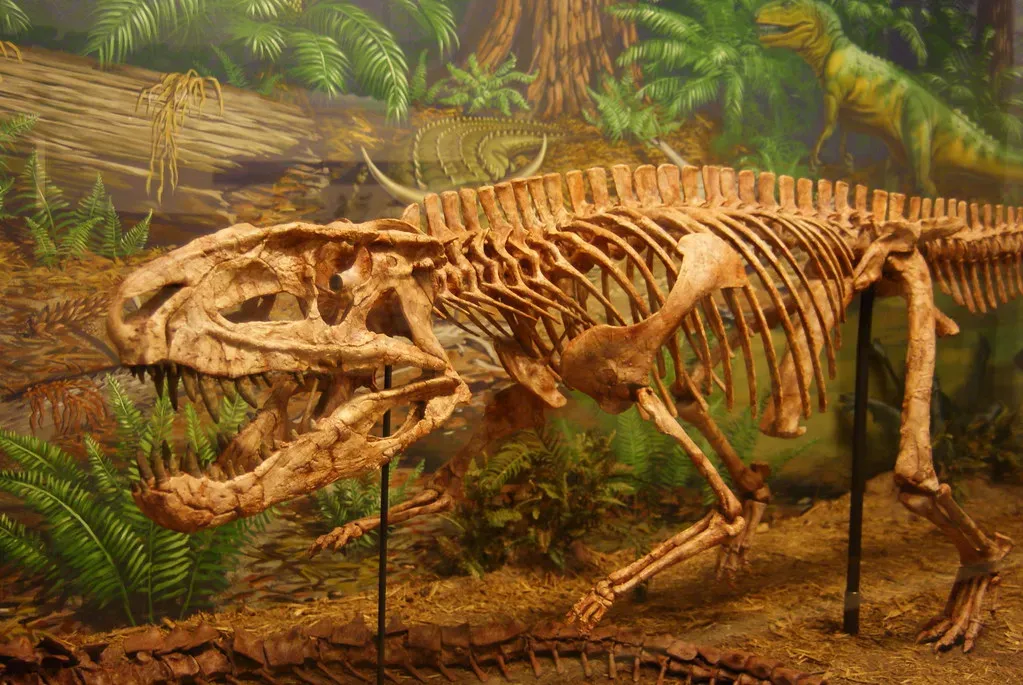
The Mesozoic Era, which lasted from about 252 to 66 million years ago, was characterized by the dominance of archosaurian reptiles such as the dinosaurs, a hot greenhouse climate, and the tectonic break-up of Pangaea. Think of it less like modern Earth and more like a fever dream version of a tropical planet. The air was thick, the world was warm, and life had room to run wild in ways evolution rarely gets a second chance to try.
Earth during the Mesozoic era was much warmer than today, and the planet had no polar ice caps. That detail alone should stop you in your tracks. No ice caps meant higher sea levels, more shallow coastal seas, and a generally more uniform warmth spreading across vast continents. For large-bodied, metabolically demanding creatures, this was not just livable. It was paradise.
Oxygen: The Invisible Engine Behind Giant Bodies
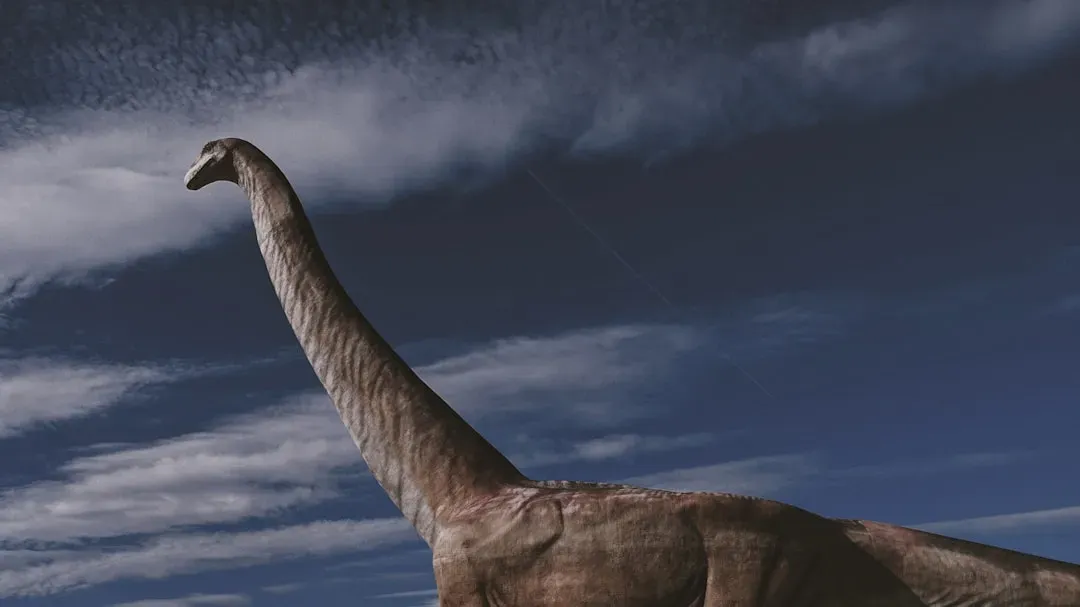
Earth’s atmosphere has undergone dramatic transformations throughout its 4.5-billion-year history, with oxygen levels fluctuating significantly. During the Mesozoic Era, oxygen concentrations reached levels estimated at 30 to 35 percent, substantially higher than today’s 21 percent. This oxygen-rich environment emerged from the proliferation of photosynthetic organisms and significant geological processes that sequestered carbon while releasing oxygen. Honestly, when you put it that way, you start to realize dinosaurs weren’t just lucky. They were perfectly placed in time.
The increased atmospheric oxygen created novel conditions that would profoundly influence the evolution of life, particularly for large, active vertebrates with high metabolic demands. This atmospheric composition represented a unique window in Earth’s history, creating an environment unlike any experienced by modern animals and establishing the foundation for gigantism in dinosaurs and other Mesozoic creatures. It’s a bit like the difference between running a car on standard fuel versus a supercharged racing blend. Same engine, dramatically different performance ceiling.
Reading the Ancient Air: How Scientists Cracked the Atmospheric Code
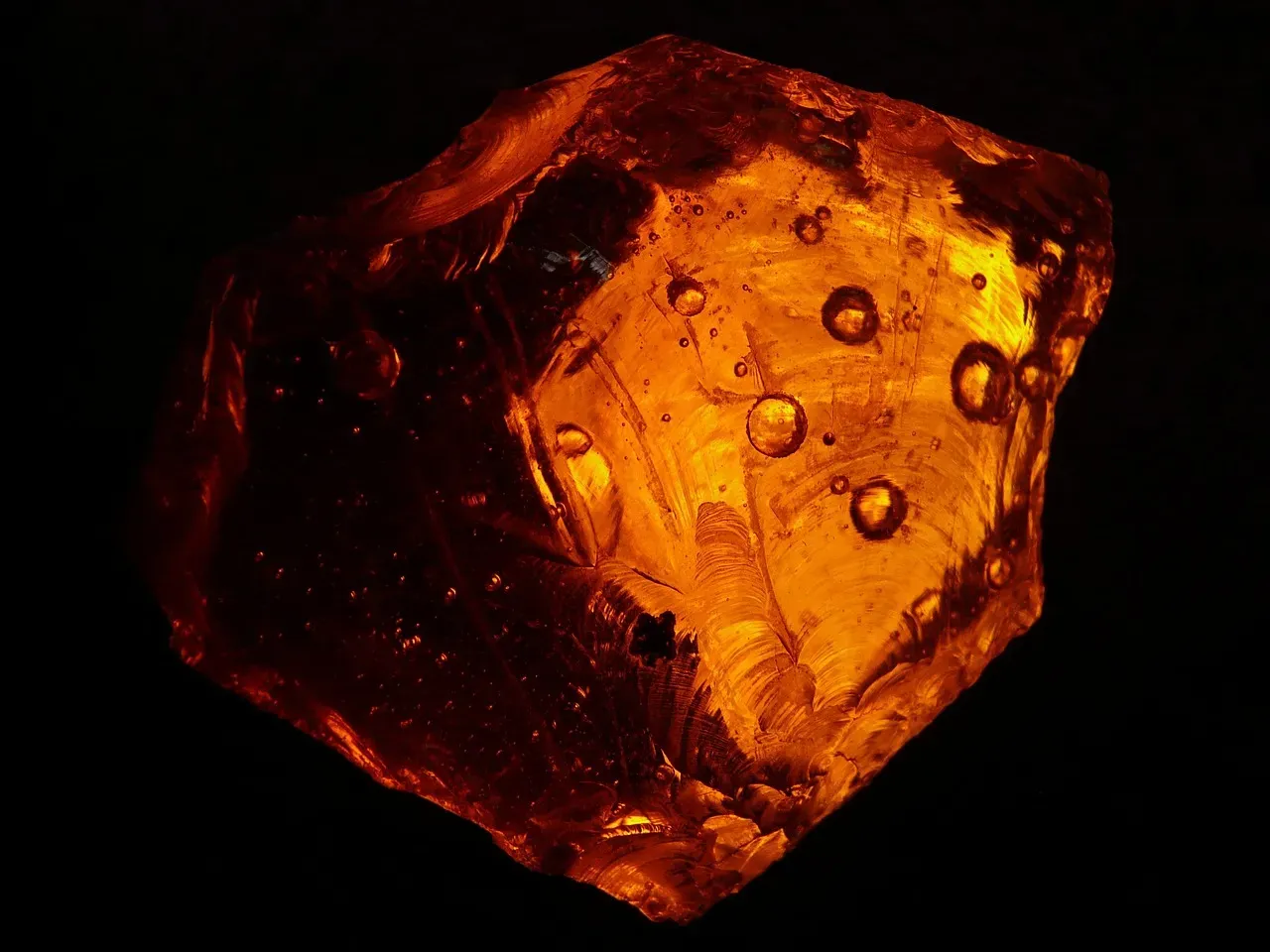
Scientists have reconstructed the composition of the Earth’s atmosphere of the last 220 million years by analyzing modern and fossil plant resins. That’s right. Amber, that golden, sticky material you might associate with Jurassic Park, has been one of the most powerful tools paleoclimatologists have ever found. It’s hard to overstate how remarkable that is. A substance secreted by ancient trees now tells us what the air smelled like before humans existed.
The atmosphere of the Earth 80 million years ago was discovered to have roughly half again as much oxygen as modern air. Early analyses of gas samples from amber 80 million years old found the oxygen content ranged between 25 to 35 percent and averaged around 30 percent oxygen. Cretaceous air was supercharged with oxygen. More recently, scientists developed an entirely fresh approach. Researchers inferred the prehistoric composition of Earth’s atmosphere during the Mesozoic Era by investigating something unexpected: dinosaur teeth. By breathing, dinosaurs absorbed oxygen from the atmosphere into their hard tissues, and that stored oxygen contains chemical clues that preserve conditions about the atmosphere at the time. Tooth enamel is a hard tissue that can survive for millions of years, making dinosaur teeth a robust time capsule for learning about the ancient climate.
Carbon Dioxide and the Greenhouse World That Fed Giants
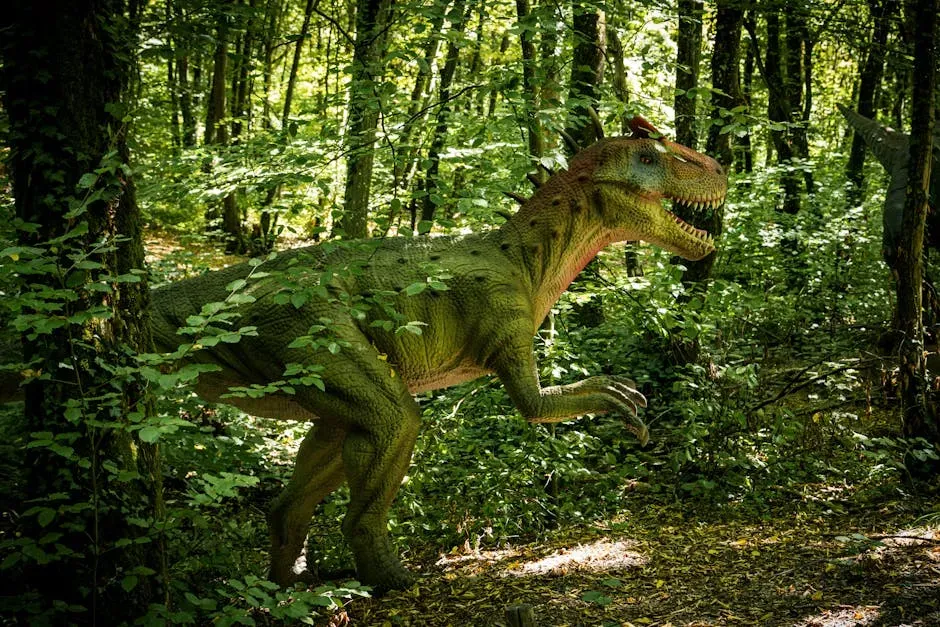
The atmospheric concentration of CO2 during the time of the dinosaurs was much higher than it is today. CO2 concentrations during the Mesozoic Era were in the 2,000 to 4,000 ppm range. For context, today’s atmosphere sits at just over 420 ppm. You’re talking about a world where the greenhouse effect was in full swing, turning the planet into one enormous, humid growing chamber. That kind of warmth didn’t just make dinosaurs comfortable. It made their food explode in abundance.
The atmosphere of Earth during the Mesozoic era, between 252 and 66 million years ago, contained far more carbon dioxide than it does today, and total photosynthesis from plants around the world was twice as high as it is today, according to an analysis of oxygen isotope composition of dinosaur teeth. More photosynthesis means more plant growth. More plant growth means a staggeringly plentiful food supply. The lush plant life during the Mesozoic era provided plenty of food, allowing the biggest dinosaurs to grow to extraordinary sizes. It’s not complicated, really. You give a creature unlimited food and the biological machinery to process it, and it’s going to get very, very big.
The Respiratory Revolution: How Dinosaur Lungs Made Gigantism Possible
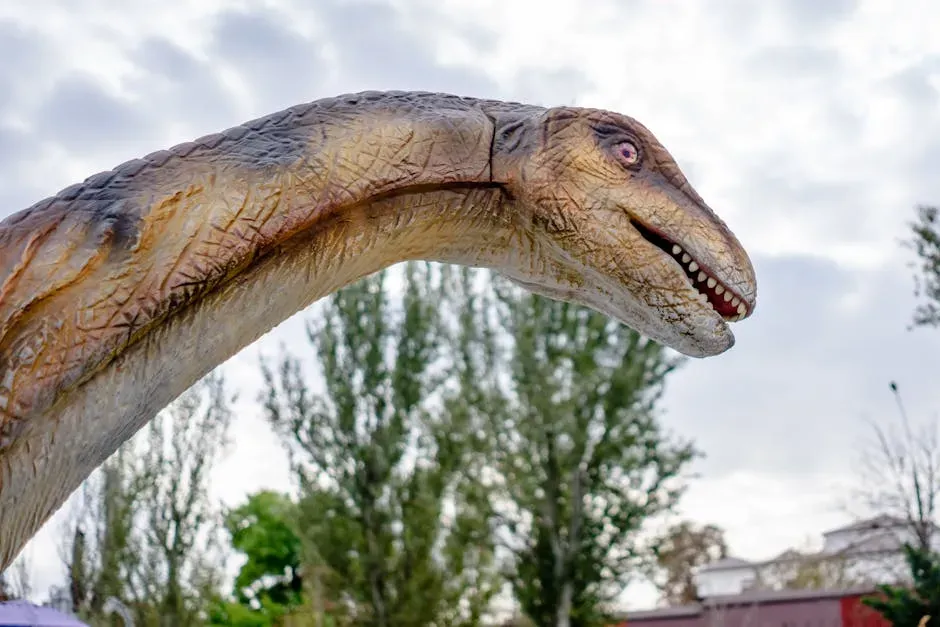
Many dinosaurs did not breathe like we do today, but shared the unidirectional, or one-way, respiration system of birds. This system is beneficial for high-energy demands like those experienced by large dinosaurs such as the sauropods, because it allows the extraction of greater amounts and a constant supply of oxygen. The air sacs, alternatively known as pneumatic foramina, are also weight saving. Think of it like the difference between a bicycle pump and a proper industrial compressor. Both move air. One does it with spectacular efficiency.
Air sacs are an important component of the avian respiratory system, and corresponding structures were also crucial for the evolution of sauropod . Pneumatized bones are very light, because they are filled with air instead of the heavier marrow, which was not only important for active flight but also for the evolution of gigantism in sauropod dinosaurs. Here’s the thing: this is elegantly clever engineering. You build a massive body, but you hollow out the bones with air-filled chambers, reducing weight while keeping structural strength. That’s how you get an animal weighing tens of tons that can still stand up and walk.
The Titans Themselves: Sauropods and the Limits of Size
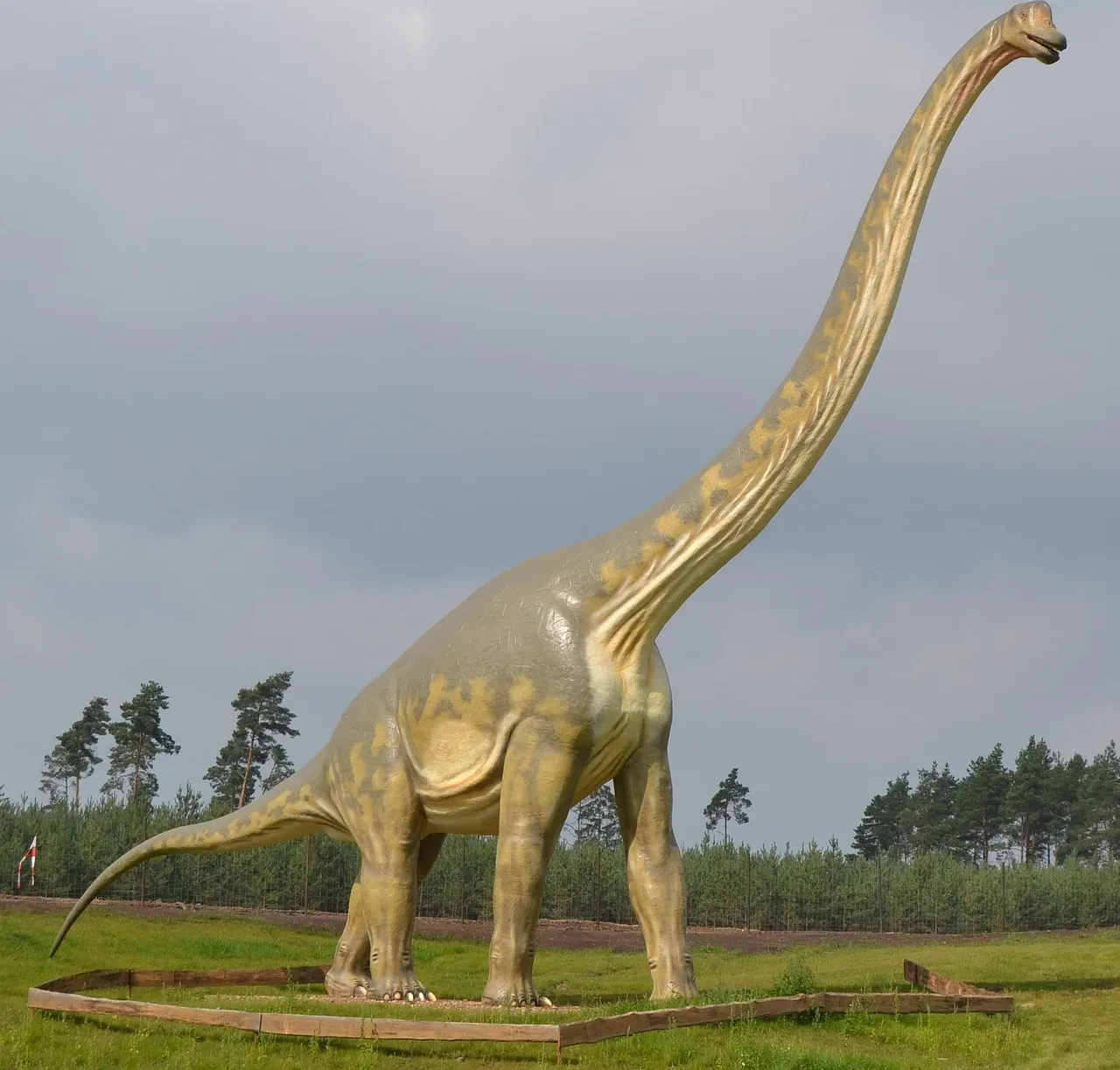
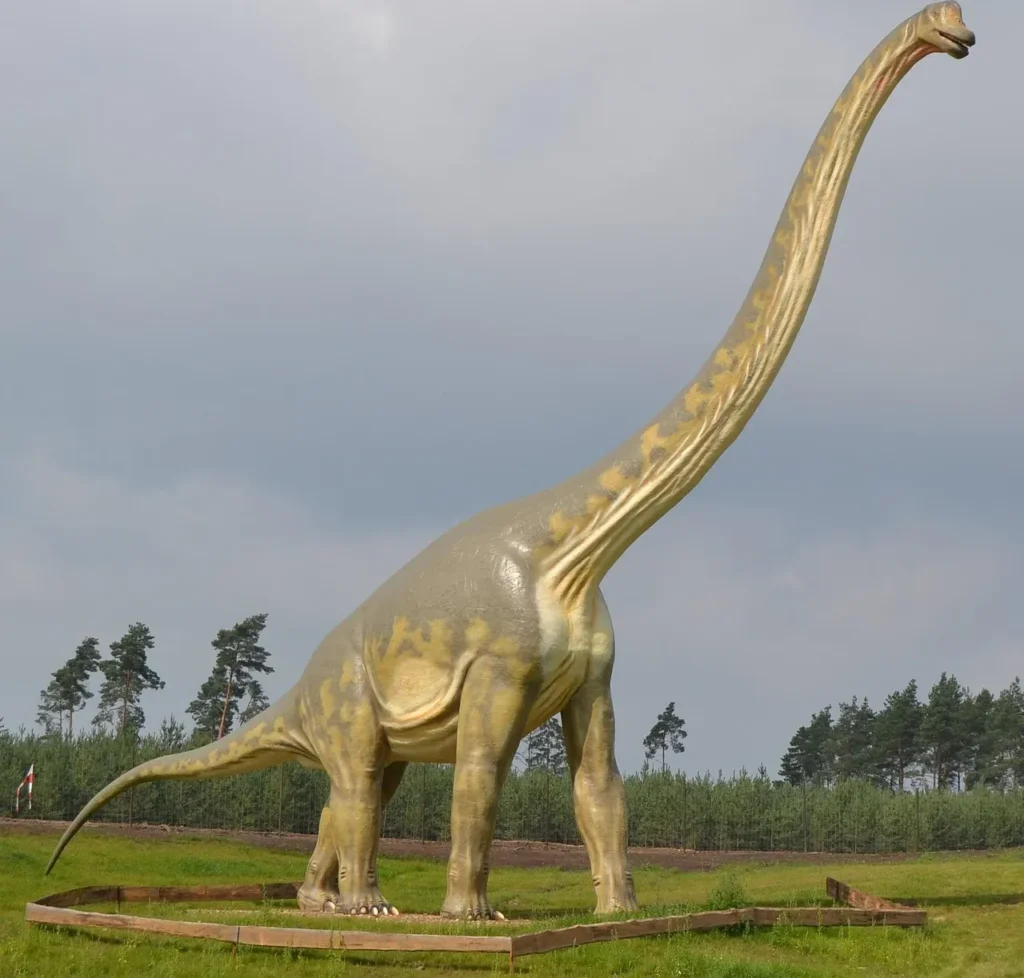
Sauropods like Argentinosaurus and Patagotitan reached estimated lengths of over 30 meters and weights exceeding 70 tons, dimensions that dwarf even the largest modern land animals. The oxygen-rich atmosphere of the Mesozoic provided a partial solution to this puzzle by supporting the metabolic requirements of these giants. Higher oxygen levels improved the efficiency of cellular respiration, allowing more energy production from food sources. Let that sink in for a moment. These weren’t simply big creatures. They were operating at the absolute outer edge of what biology can physically achieve on land.
This increased metabolic efficiency, combined with dinosaurs’ unique respiratory systems and other adaptations such as specialized bone structure and reproductive strategies, made gigantism evolutionarily advantageous. The environmental conditions of the Mesozoic therefore created a perfect storm of factors that pushed the boundaries of possible animal size well beyond what’s achievable in today’s world. It really was a kind of perfect storm. Remove any one of those atmospheric or biological ingredients, and you almost certainly never get an Argentinosaurus. You probably don’t get anything close.
When the Air Changed: Atmosphere, Extinction, and the End of Giants
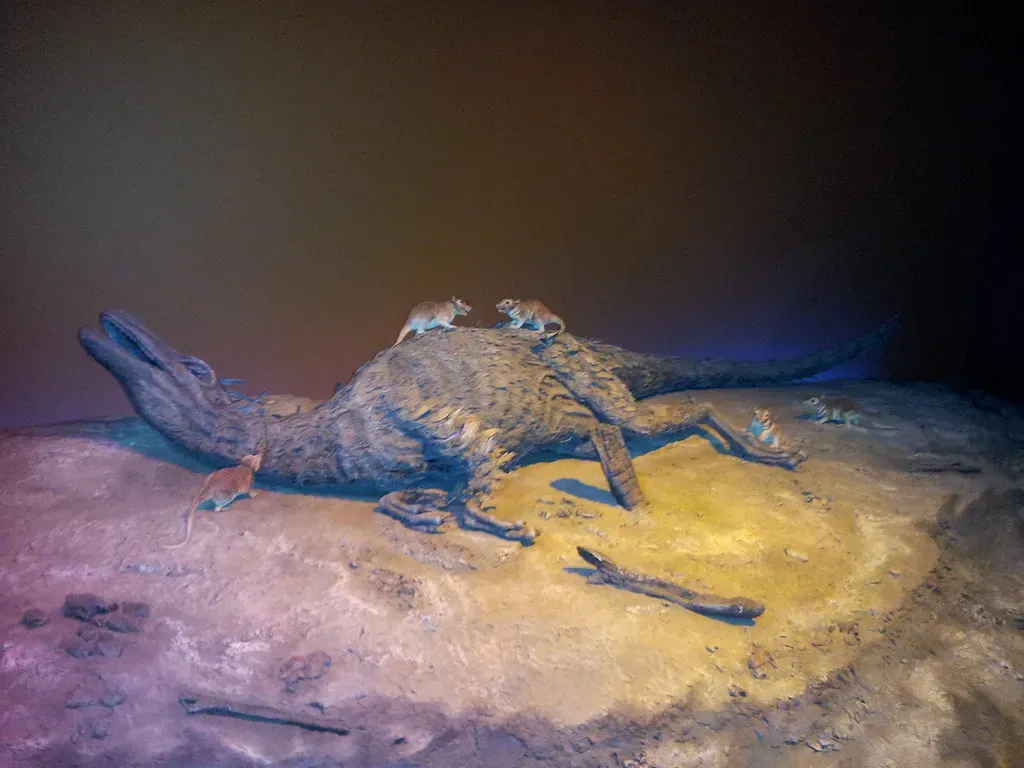
The gradual decline in atmospheric oxygen during the Late Cretaceous period coincided with the eventual extinction of non-avian dinosaurs, raising questions about its potential contribution to their demise. While the asteroid impact at the Cretaceous-Paleogene boundary 66 million years ago remains the primary extinction mechanism, decreasing oxygen levels may have created additional stresses on dinosaur populations beforehand. Paleoclimate studies suggest atmospheric oxygen had dropped from its Mesozoic peak to near-modern levels by the end of the Cretaceous. The air itself was changing before the rock from space even arrived.
A fire of this magnitude might well have consumed enough oxygen to account for an observed composition drop. The combination of dust, decimated vegetation, colder climate, a world-wide fire, and a significant drop in atmospheric oxygen could certainly have combined to bring about the extinction of the dinosaurs. Approximately half of all genera became extinct, including all of the non-avian dinosaurs. The atmosphere that had built the giants ultimately could not sustain them through the catastrophe at the end of the Cretaceous. When the sky changed, so did everything living beneath it.
Conclusion
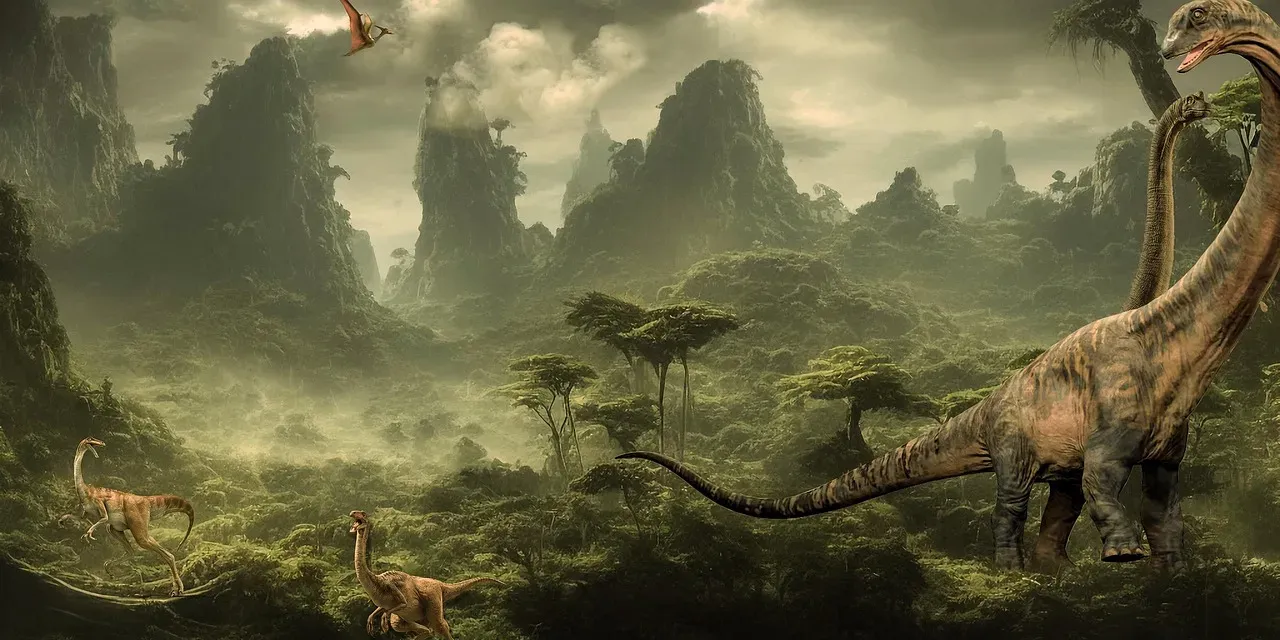
was never about one single cause. It was an atmospheric conspiracy. The planet itself conspired through high oxygen, sky-high CO2, soaring temperatures, and lush food-producing forests to build the conditions where true giants could exist. Pair that with biological innovations like hollow bones and bird-style lungs, and you get the most spectacular large animals in the history of life on Earth.
What makes this story so fascinating in 2026 is how much of it we are still uncovering. Dinosaur teeth are now climate archives. Amber is a time capsule of ancient air. The ancient atmosphere is literally written into the bodies of creatures that vanished 66 million years ago. The more you dig into it, the more awe-inspiring the picture becomes.
So here’s a question worth sitting with: if the atmosphere shaped the giants of the Mesozoic so profoundly, what might the rapidly changing atmosphere of our own era be shaping right now? What do you think? Tell us in the comments.