
Everyone knows about the asteroid. That rock from space, roughly six miles wide, that slammed into what is now Mexico’s Yucatan Peninsula and wiped out nearly all dinosaurs in one catastrophic blow. It is the rock star of extinction events, dramatic, well documented, and famous enough to inspire blockbuster movies. Yet it was not the first catastrophe. Not even close.
Long before that final, infamous chapter, the ancient world endured other sweeping crises, each one stranger and more layered in mystery than the last. Some of these events shaped the dinosaurs themselves, clearing ecological paths, reshuffling food chains, and essentially handed certain species the keys to an empty planet. The story of life on Earth before the “big one” is dark, bizarre, and genuinely surprising. Let’s dive in.
The World Before Dinosaurs: What Was Even at Stake?
To understand these earlier extinctions, you first need to appreciate how radically different Earth looked before the famous Jurassic giants took over. The world had already been through deep convulsions that wiped out entire categories of life. In the mid to late Triassic, the dinosaurs evolved from one group of archosaurs and went on to dominate terrestrial ecosystems during the Jurassic and Cretaceous. But before that evolutionary triumph, there were centuries of ecological chaos, competition, and collapse that set the table for their rise.
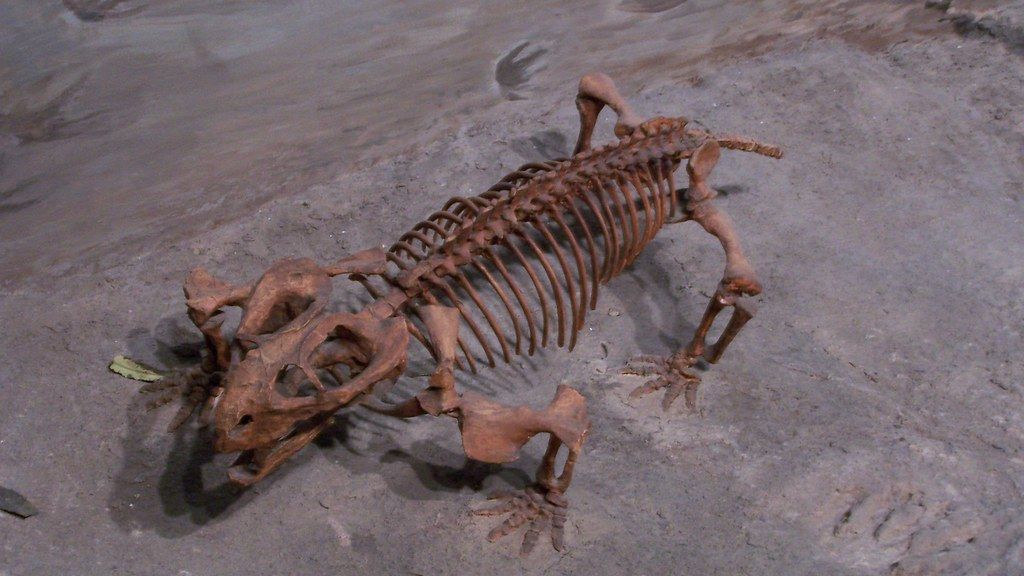
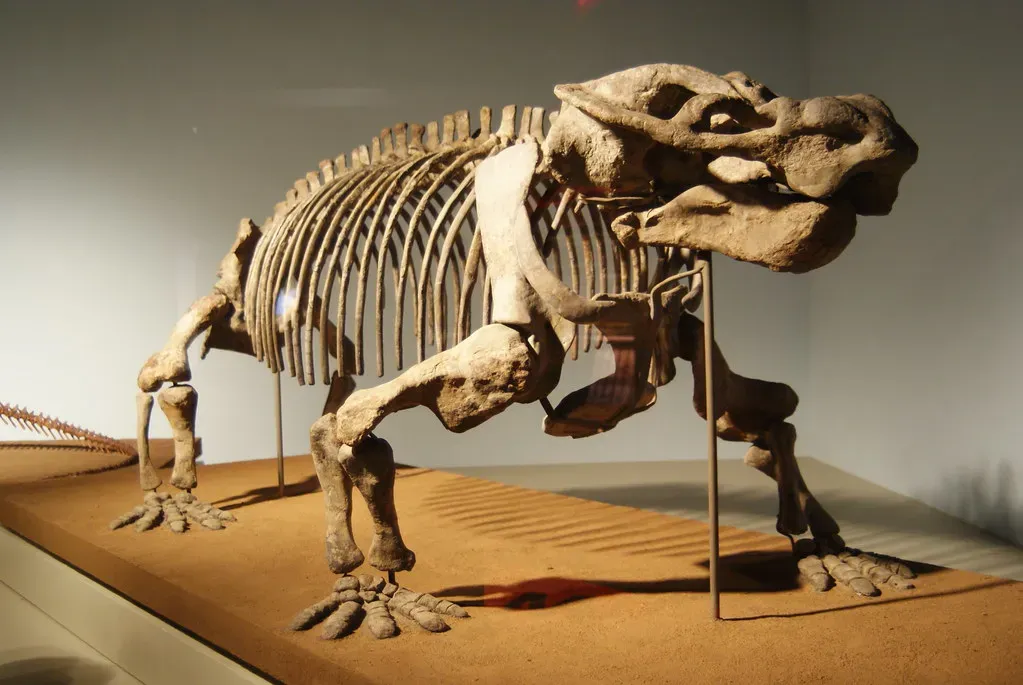
Here’s the thing: the ecosystems of the Permian and early Triassic were utterly foreign to what we picture as the “age of dinosaurs.” Two important types of animals dominated land during the Permian, synapsids and sauropsids, with synapsids, which had one temporal opening in their skulls, thought to be the ancestors of mammals. Think about that. Before the dinosaurs, the world was run by creatures far closer to your distant mammalian relatives than to any Tyrannosaurus. Those are the animals that the earliest extinction crises either wiped out or pushed aside.
The Great Dying: The Catastrophe That Accidentally Made Dinosaurs Possible
If you thought the asteroid was bad, brace yourself. The Permian–Triassic extinction event, known as the Great Dying, occurred approximately 251.9 million years ago at the boundary between the Permian and Triassic periods, and it is Earth’s most severe known extinction event, with the extinction of nearly three quarters of all biological families and over eighty percent of marine species. To put that in perspective, imagine waking up tomorrow and finding that the vast majority of all living things on the planet are simply gone. Gone from the oceans, gone from the land, gone from the insects. That is the kind of devastation we are talking about.
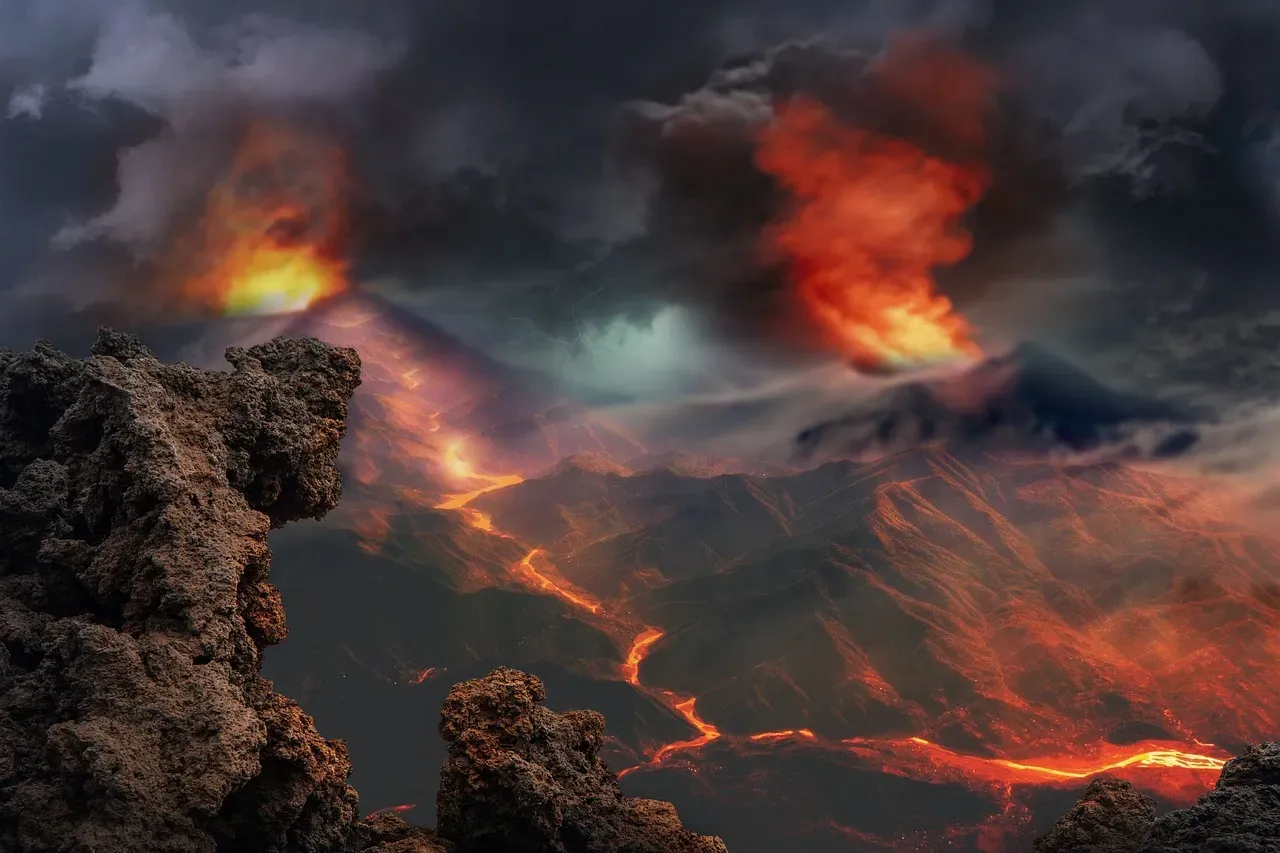
The culprit? Volcanoes on a scale that almost defies imagination. The scientific consensus is that the main cause was flood basalt volcanic eruptions that created the Siberian Traps, which released sulfur dioxide and carbon dioxide, resulting in oxygen-starved sulfurous oceans, elevated global temperatures, and acidified oceans. The volcanic eruptions in what is now the Siberian Traps released a staggering volume of carbon dioxide into the atmosphere over a million years, killing off most animals, except for a few lineages, including the animals that would evolve, in the Late Triassic, into the earliest dinosaurs. It was horrific for almost everything alive. But for the distant ancestors of dinosaurs, it cracked open the door.
Think of it like a forest fire that kills the old trees but allows new seedlings to burst through the soil. The extinction event marked the transition from the Permian to the Triassic period, facilitating the emergence of new life forms, including early ancestors of dinosaurs and various marine species such as crabs and lobsters. The recovery was slow and deeply unsettling. The world’s forests were wiped out and did not come back in force until about ten million years later, and of the five mass extinctions, the Permian–Triassic is the only one that wiped out large numbers of insect species, with marine ecosystems taking four to eight million years to recover. The silence that followed was enormous. Into that silence, the archosaurs crept forward.
The Carnian Pluvial Episode: When the Rain Changed Everything
This one is the most obscure of the three and honestly, that makes it the most fascinating. About 234 to 232 million years ago, Earth experienced something scientists call the Carnian Pluvial Episode. You have almost certainly never heard of it. The Carnian Pluvial Episode was a period of major change in global climate that coincided with significant changes in Earth’s biota both in the sea and on land, occurring during the latter part of the Carnian Stage of the Late Triassic Epoch and lasting for perhaps one to two million years, triggered in part by volcanic activity off the coast of North America that led to global warming and increased rainfall. Basically, the planet’s thermostat broke and it rained for what felt like forever.
The rain caused floods across the planet for many thousands of years, alternating with periods of drought for one to two million years, creating an era so severe it earned its own geologic name, stressing all life on Earth, plants and animals, and removing many species that were poorly equipped for the harsh conditions. Now here is where things get genuinely wild. While most creatures were struggling to survive these relentless climate swings, a scrappy group of animals was quietly benefiting from the chaos. Evidence indicates that dinosaur diversification followed the Carnian Pluvial Episode, dated to 234 to 232 million years ago, a time when climates switched from arid to humid and back to arid again.
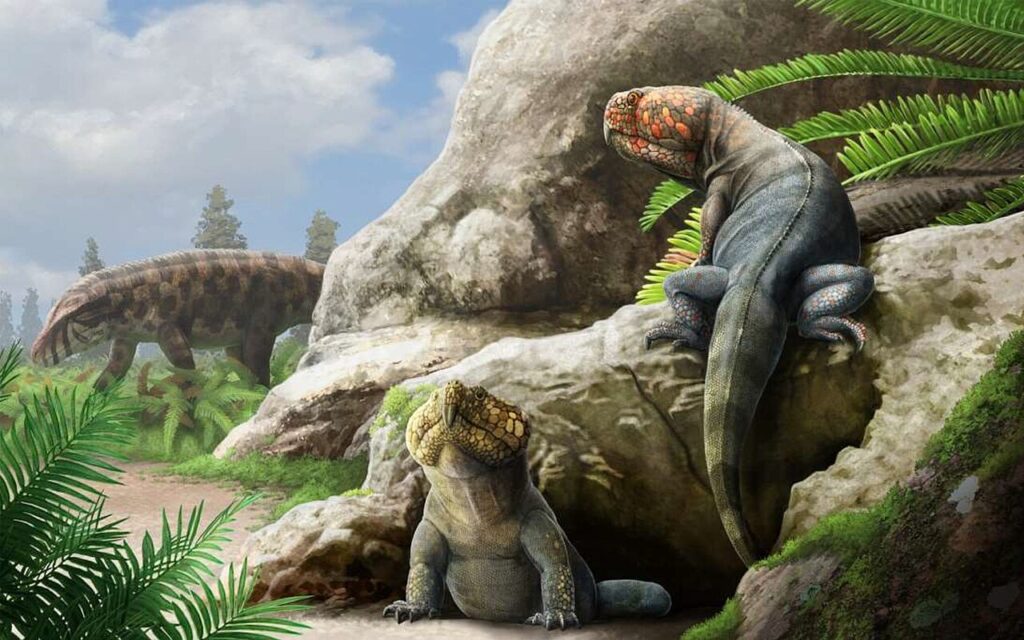
A meta-analysis of fossil data suggests a substantial reduction in species richness and the disappearance of roughly one third of all marine genera during this period, and this crisis triggered major radiations. On land, the impact was equally dramatic. The diversification of dinosaurs at this point, especially herbivorous forms, followed extinctions of previously ecologically significant herbivorous groups such as dicynodonts and rhynchosaurs. The dinosaurs did not outcompete these groups. They simply moved into the spaces left behind after the rains and drought wiped the slate clean. It is an oddly humble origin story for the most dominant land animals Earth has ever known.
The End-Triassic Extinction: The Crisis That Handed Dinosaurs the World
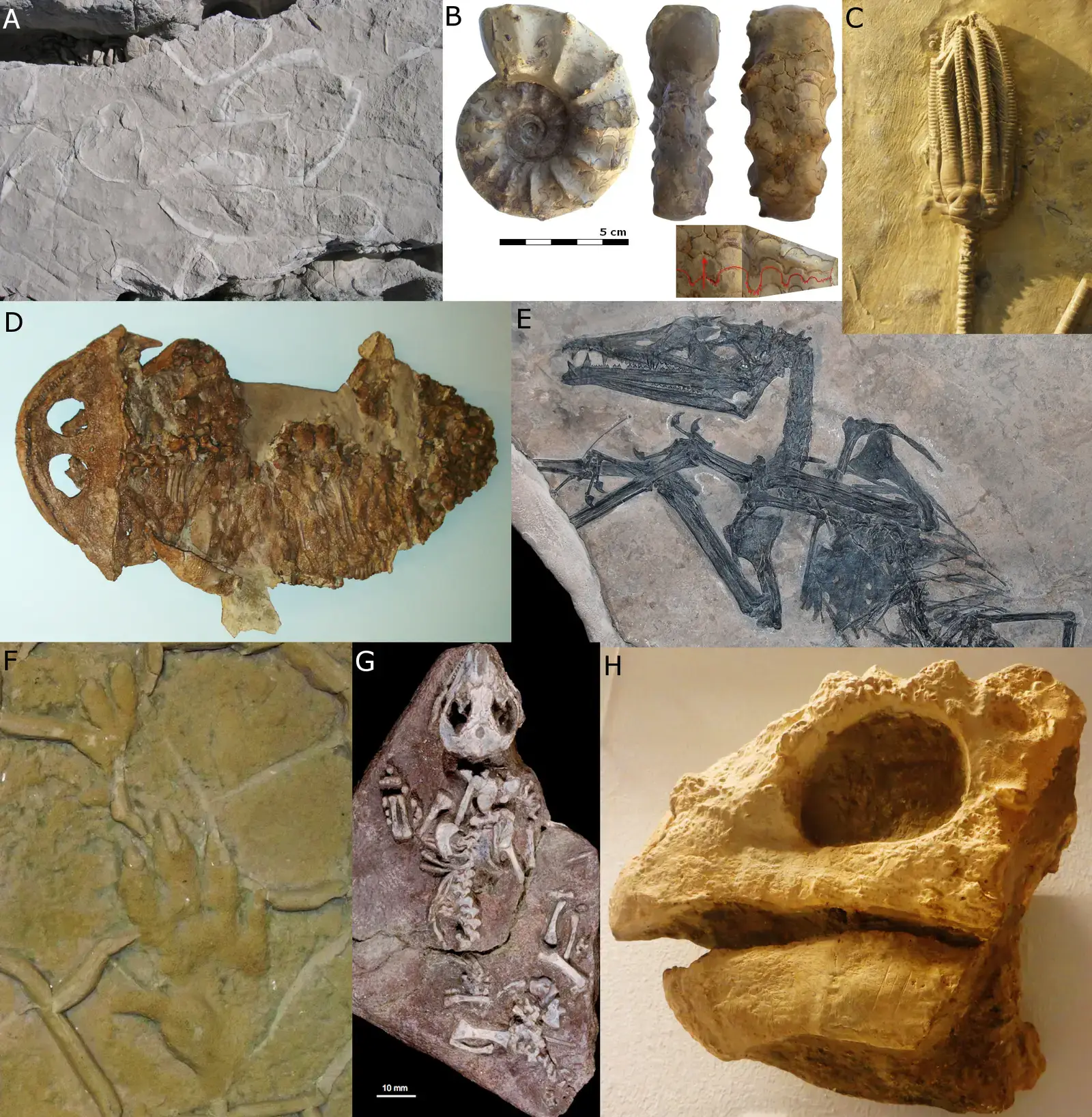
Of the three mysterious extinctions covered here, this one sits closest to the “big one” in terms of sheer devastation, and it remains stubbornly difficult to fully explain. The end-Triassic extinction was a global event occurring at the end of the Triassic Period that resulted in the demise of some 76 percent of all marine and terrestrial species and about 20 percent of all taxonomic families. That is an almost incomprehensible level of biological collapse, and yet it has been consistently overshadowed in popular culture by the later asteroid event. Honestly, that seems deeply unfair to a catastrophe of this scale.
Most scientists agree on a likely scenario: over a relatively short period of time, massive volcanic eruptions from the Central Atlantic Magmatic Province spewed huge amounts of lava and gas including carbon dioxide, sulfur and methane, and this sudden release of gases into the atmosphere may have created intense global warming and acidification of the oceans that ultimately killed off thousands of plant and animal species. What made this event particularly strange is the combination of poisons involved. CAMP volcanism released enormous amounts of toxic mercury, and the appearance of high rates of mutagenesis in fossil spores during the event coincides with mercury anomalies, believed by researchers to have been caused by mercury poisoning. Mercury poisoning. In the whole ecosystem. That detail alone is haunting.
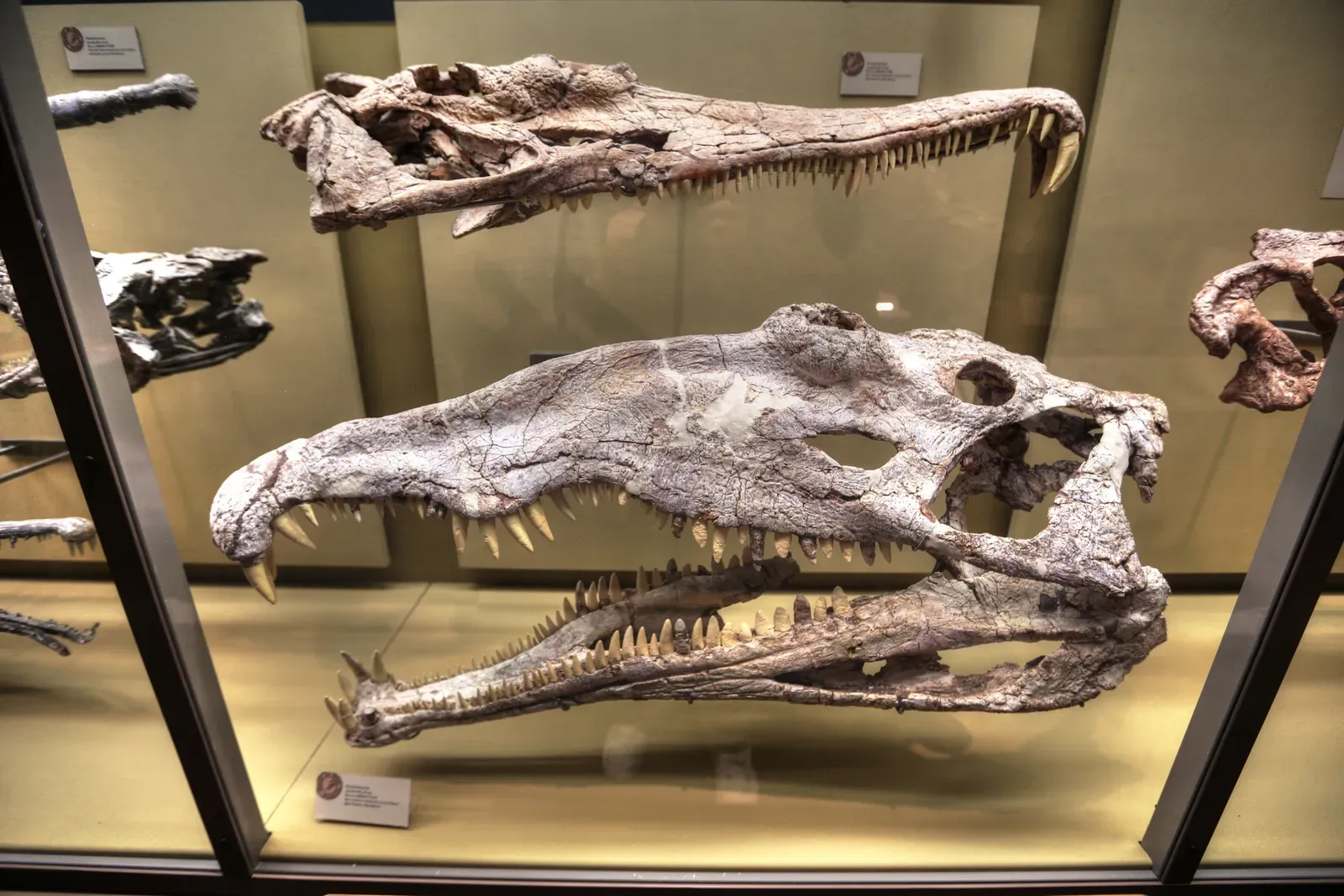
It is thought that the end-Triassic extinction was the key moment that allowed dinosaurs to become the dominant land animals on Earth, and the event ranks fourth in severity of the five major extinction episodes that span geologic time. After the dust settled, the world looked completely different. On land, the dominant vertebrates had been the crocodilians, which were bigger and far more diverse than they are today, and many of them died out. In their wake, the earliest dinosaurs, small nimble creatures on the ecological periphery, rapidly diversified. From scrappy survivors to planetary rulers. It is an extraordinary reversal of fortune.
The Lingering Mystery: Why Do These Events Still Puzzle Scientists?
Uploaded by FunkMonk, CC BY-SA 2.0)
You might expect that after decades of paleontological research, we would have clean, tidy answers about what triggered these three catastrophes. We do not. Many scientists consider the Triassic-Jurassic extinction one of the most mysterious of all the prehistoric extinction events, as experts have been unable to agree on one likely cause. The end-Triassic alone has spawned competing theories about meteorites, sea level shifts, and volcanic chains, none of which fully satisfies everyone in the scientific community. It’s hard to say for sure which single factor ultimately pulled the trigger.
Part of the challenge is the imperfect fossil record, which acts like a book with half the pages torn out. The question of why non-avian dinosaurs went extinct 66 million years ago remains unresolved in part because of the coarseness of the fossil record, and a sudden extinction caused by an asteroid is the most accepted hypothesis, though it is debated whether dinosaurs were in decline or not before the impact. If we struggle to fully read the final chapter, imagine the difficulty of deciphering events that happened 250 million years ago. Each of these earlier extinctions leaves tantalizing clues buried in rock layers, spore fossils, and isotopic signatures, but the picture is never quite complete.
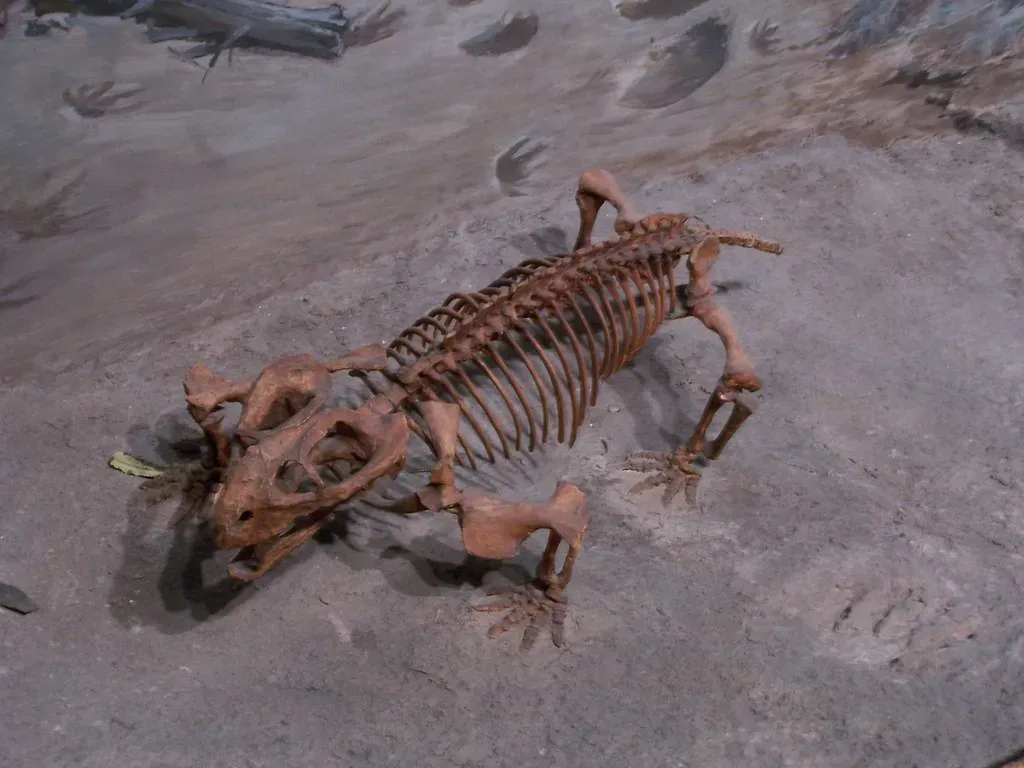
What we do know is that each mystery event reshaped the trajectory of life in ways that echo to this day. Late Paleozoic faunas of lumbering pareiasaurs and therapsids gave way to modern terrestrial ecosystems comprising dinosaurs and pterosaurs, but also turtles, lizards, crocodiles and mammals, most of which eventually emerged in the Late Triassic. Every creature alive today, including you reading this right now, is downstream of those ancient catastrophes. The Great Dying, the Carnian Pluvial Episode, and the End-Triassic Extinction were not just endings. They were, in some deeply strange way, invitations for something new to emerge.
Conclusion: Every Extinction Is Also a Beginning
Let’s be real: the popular story of dinosaurs tends to skip straight to the glamorous part, the giants, the battles, the asteroid. But the full picture is far more layered and, if you ask me, far more compelling. Three separate waves of catastrophe, each mysterious in its own right, each reshaping the biosphere in ways that ultimately paved the road for dinosaurs to rise, and eventually, for mammals to inherit the Earth after the fourth and final blow.
The Permian “Great Dying” nearly ended all complex life. The Carnian Pluvial Episode flooded and roasted the world into something barely recognizable. The End-Triassic extinction cleared away the last major competitors and handed dinosaurs an essentially empty planet. None of these events are fully understood. All of them are staggering in scale. Because organisms are not adapted for very rare global events, survival is more a matter of luck than some innate superiority, and dinosaurs surviving the mass extinction at the end of the Triassic does not mean they were superior to the animals that went extinct or somehow deserved to succeed.
Survival, it turns out, has always been part luck, part timing, and part being in the right ecological niche when everything else collapses. The next time someone mentions the asteroid, you might smile and think: that was just the last act of a very long, very strange story. What do you think is the most chilling of these three mysterious events? Drop your thoughts in the comments.