

Picture this: a herd of massive Parasaurolophus thundering across a Cretaceous floodplain, each one blasting deep, resonant calls through a hollow, tube-like crest on its skull. They’re not just making noise. They’re talking. Identifying each other. Warning each other. Maybe even doing something that loosely resembles singing. It sounds like science fiction, but the evidence is building fast.
For decades, scientists imagined dinosaurs as lumbering, mostly silent creatures, communicating in crude ways at best. That picture is now being torn apart. New fossils, reanalyses of famous specimens, and the use of increasingly sophisticated tools have continued to upend what we thought we knew about how these animals lived, moved, fed, and evolved. Communication is no exception. So let’s dive into what the science is actually telling us now.
The Roar That Never Was: Rethinking Dinosaur Vocalizations
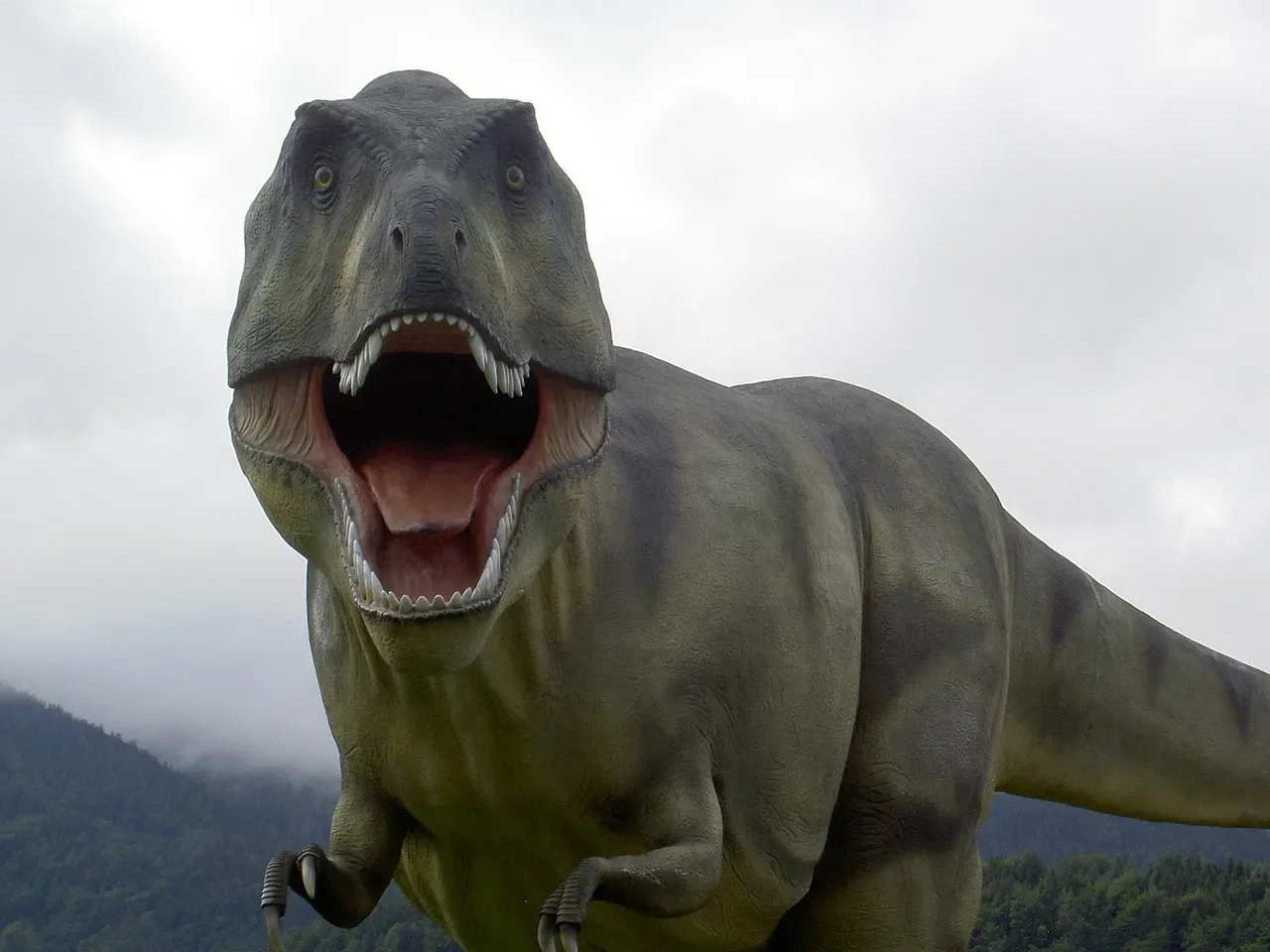
You’ve seen it in every blockbuster movie. A Tyrannosaurus opens its jaws and lets out a jaw-rattling, earth-shaking roar. It’s iconic. It’s also probably wrong. In the movies, we always hear dinosaurs letting out an earth-shaking roar. However, many experts theorize this isn’t entirely accurate. The vocal anatomy required for that kind of roar simply hasn’t been found fossilized in the vast majority of non-avian dinosaur species.
Without preserved soft tissues, the nuances of the dinosaur vocal range remain out of earshot. Yet it would be a mistake to simply lament the silence of the fossil record and move on. Dinosaurs would have been able to make noise in other ways. Think of it like a saxophone player who’s lost the reed. You can still see the instrument. You can still measure the tube length. You can still work out what sounds it was capable of. That’s essentially what paleontologists do.
Closed-Mouth Vocalizations: The Hum Beneath the Silence
Here’s something that’ll genuinely surprise you. Many dinosaurs may have communicated with their mouths completely closed, in a deep, resonant, almost bass-drone style. To figure out how closed-mouth sounds arose, researchers analyzed the distribution of this ability in birds and other reptilian groups. The scientists found that these hoots evolved at least sixteen times in Archosaurs, a group that includes birds, dinosaurs and crocodiles. That’s not a fluke. That’s a pattern.
Interestingly, only animals with a relatively large body size use closed-mouth vocalization behavior. Since dinosaurs are members of the Archosaur group, and many had large body sizes, it is likely that some dinosaurs made closed-mouthed vocalizations in a manner similar to birds today. Imagine a creature the size of a school bus producing a low, almost subsonic rumble that you’d feel in your chest before you heard it. That was possibly the soundtrack of the Mesozoic.
Parasaurolophus and Its Built-In Musical Instrument
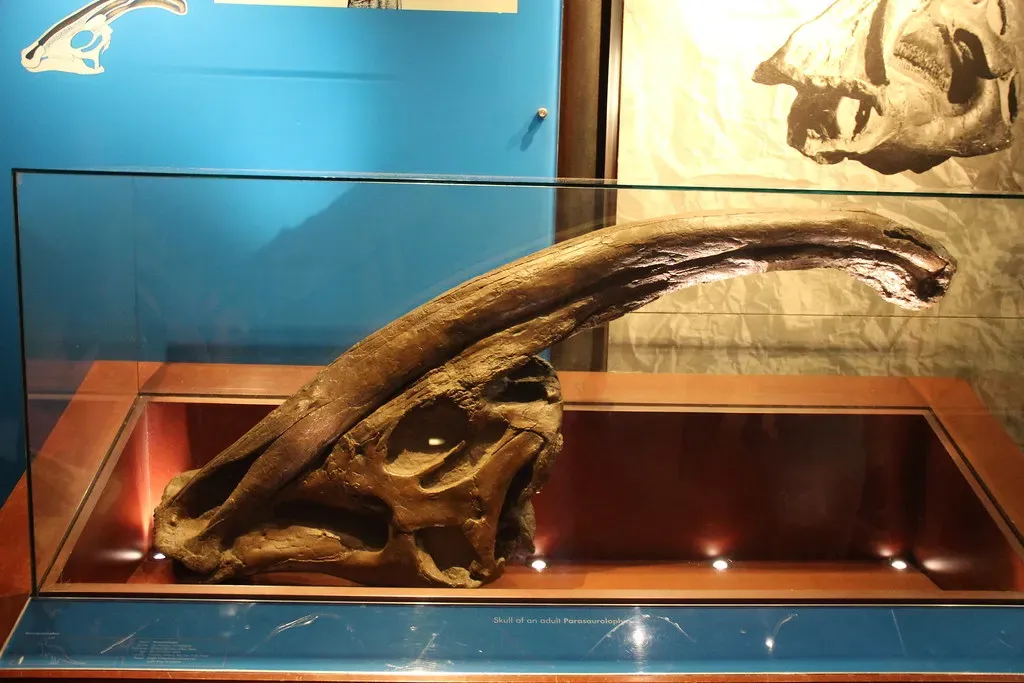
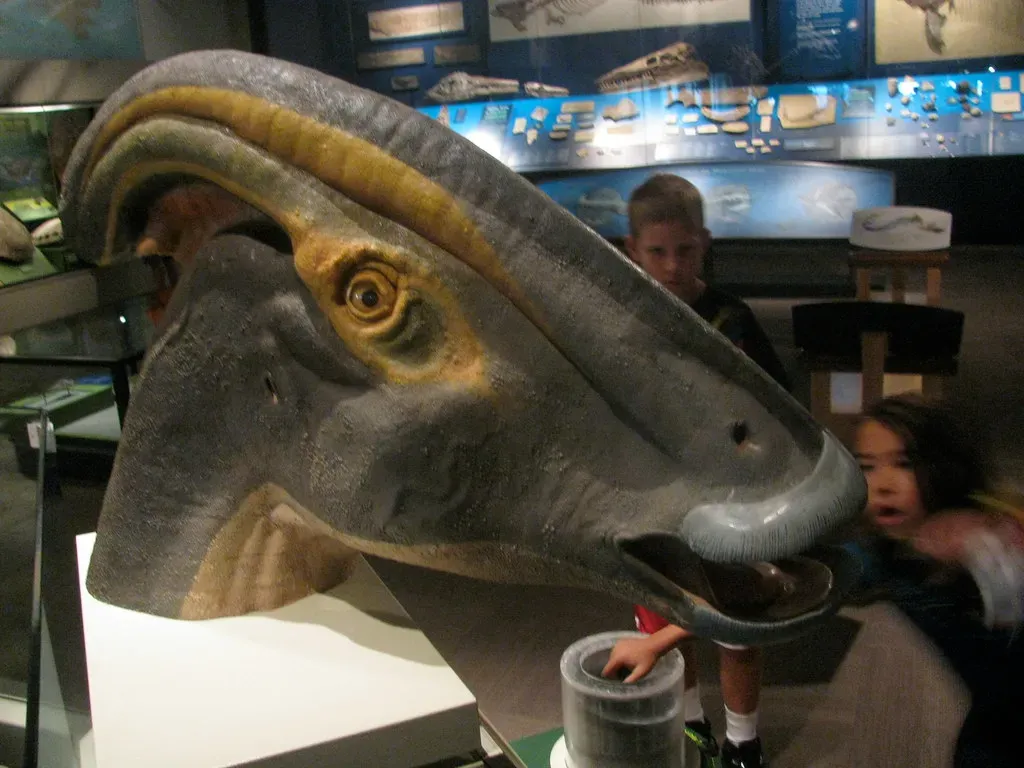
Of all the communicating dinosaurs researchers have studied, Parasaurolophus is honestly in a class of its own. The most distinctive feature of Parasaurolophus was undoubtedly its large cranial crest, which extended up to five feet back from its head. The tube-like crest was narrow, curved, and hollow, extending from the dinosaur’s nasal passages. This feature made the crest as much an instrument as an ornament.
Studied from an acoustical perspective, researchers found that the crest of Parasaurolophus truly was capable of acting as a resonating chamber for sound. In fact, the internal anatomy of the Parasaurolophus crest was very similar to a woodwind instrument called the crumhorn, and it was proposed that adult Parasaurolophus communicated over long distances through low-frequency sounds. The sound frequency range, estimated between 30 Hz and 200 Hz, was a direct result of its unique cranial crest anatomy and the principles of acoustic resonance. This range allowed for effective long-distance communication and may have played a role in social behavior and predator deterrence.
Individual Voices: Every Dinosaur Had Its Own Sound
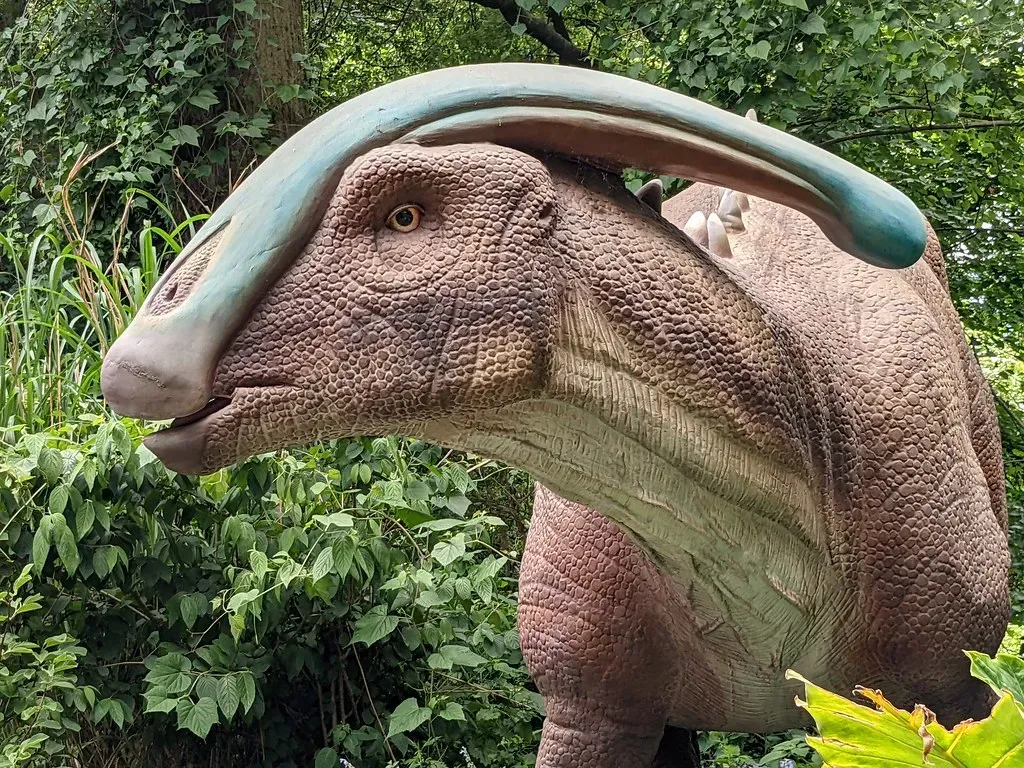
Think of it like a fingerprint. The shape and size of each crest was slightly different between individuals, between species, and even between males and females. Research seems to confirm that the head crests were used for vocal communication. If the research is validated, it would indicate that when a lambeosaurine made calls, air would travel through the nasal passages enclosed by the head crest. Since the sizes and shapes of head crests differed among lambeosaurine genera and amongst individuals of a species, this would be evidence that each dinosaur had its own distinct voice.
That’s a remarkable thought. Not just species-wide signals, but genuinely individual voices. Reconstructions suggest that Parasaurolophus had muscular control over the airflow through its crest, allowing it to modulate the sound. This control would have enabled the animal to produce a range of vocalizations, from deep calls for long-distance communication to more complex sounds for close-range interactions. The ability to vary sound output highlights the sophistication of its vocal system, which was likely crucial for social behaviors such as mating, warning signals, and herd coordination.
Feathers as a Visual Language
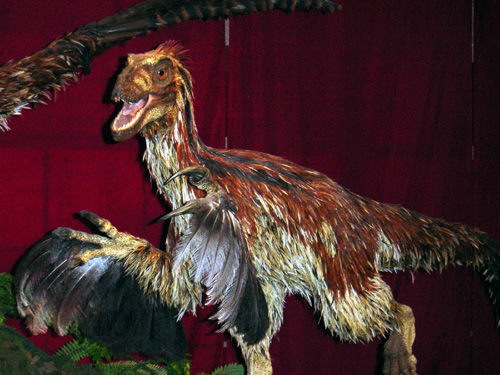
Sound was only part of the story. For many dinosaurs, what you saw was just as important as what you heard. The evolution of feathers made dinosaurs more colorful, which in turn had a profoundly positive impact on communication, the selection of mates, and on dinosaurs’ procreation. Think of it like a peacock’s tail crossed with a traffic light. Color was information, and there was a lot of it on display.
Analysis of Microraptor fossils reveals that this four-winged dinosaur had black, iridescent feathers similar to crows. The researchers think that the tail feather was ornamental and likely evolved for courtship and other social interactions, not for aerodynamics. This is a huge shift in understanding. Feathers, for a long time, were framed purely as a flight adaptation. Now researchers increasingly see them as a communication tool first. A dazzling, shimmering visual signal sent across Mesozoic forests.
Body Language, Horns, and Frills: The Unspoken Conversation
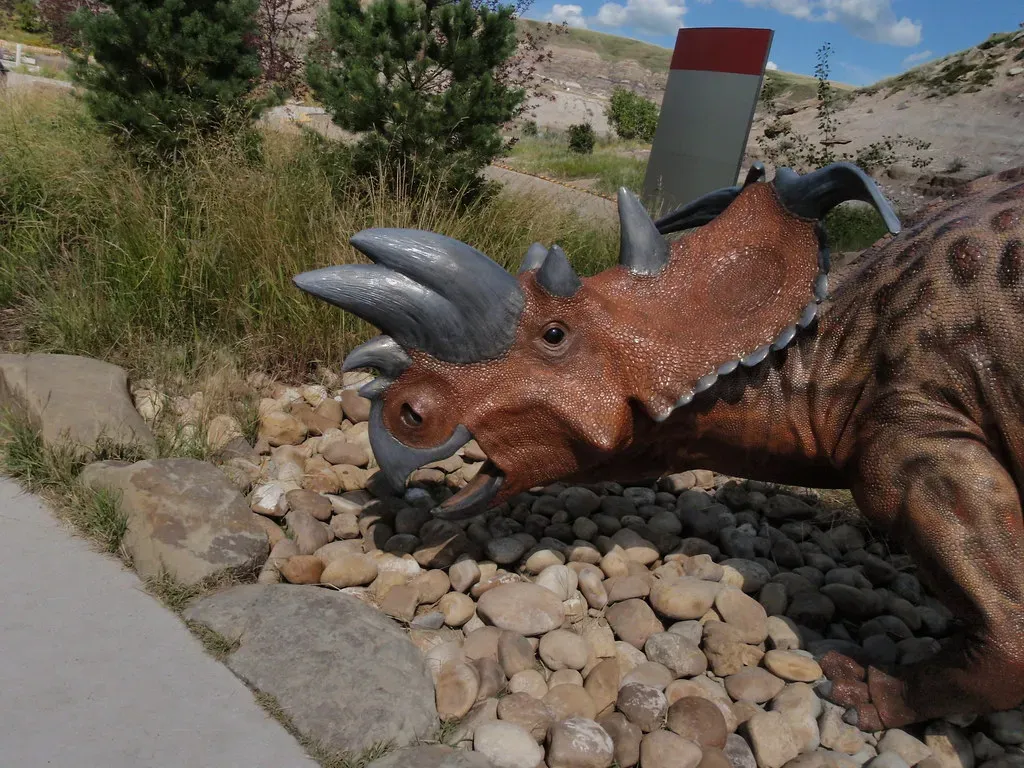
Not everything was about sound or color. Scientists believe that most dinosaurs used body language to communicate. A swing of the tail, a stomp of the foot, or a stretch of the neck could send a strong message. These movements were especially important during times like mating season or when dinosaurs needed to protect their space. It’s not so different from how wolves raise their hackles or how a cat puffs its tail. The language was physical and immediate.
The horns, frills, and crests that adorned dinosaur heads may have been used for mating rituals or to intimidate rivals. For instance, fossils show that a Triceratops relative developed larger frills and cheek horns as it matured, suggesting that these decorations helped the species communicate, and possibly catch the attention of mates. These horns and frills may have also conveyed the dinosaurs’ dominance and age to others of their kind. Honesty, I think that’s the part that gets overlooked the most. These structures weren’t just for show. They were a communication system written directly onto the skeleton.
Herd Dynamics and Cross-Species Signals
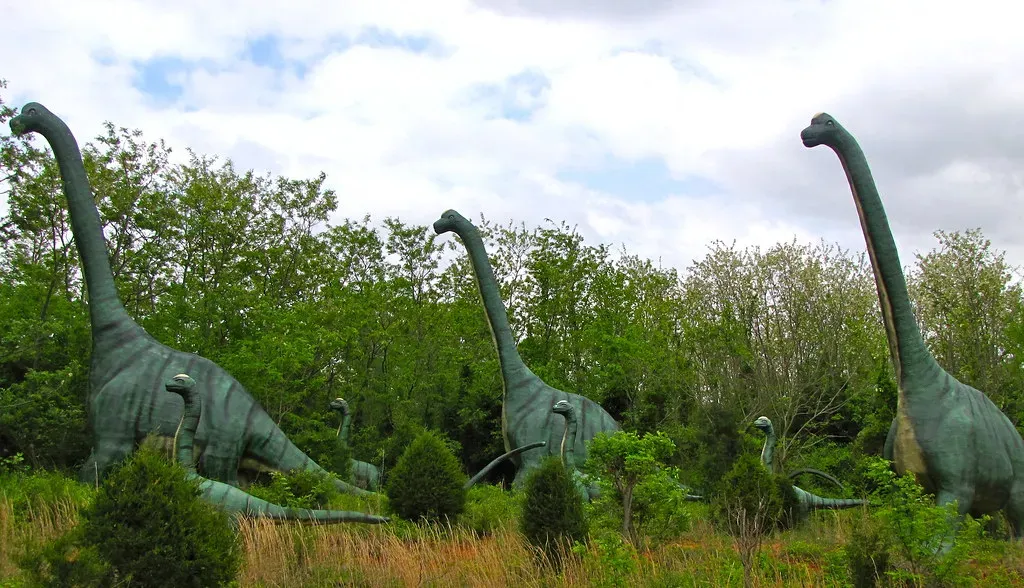
Communication didn’t just happen within a species. There’s growing evidence that it stretched across species lines. The presence of other dinosaur footprints among ceratopsian tracks has led researchers to believe that these trackways could show the first evidence of mixed-species herding behaviour in dinosaurs. This would have been similar to how modern wildebeest and zebras travel together across the African plains.
If dinosaurs were moving in mixed-species herds, they’d have needed some level of mutual understanding. Some shared signals. Paleontologists believe that the crest of Parasaurolophus functioned both as a visual recognition device, enabling it to quickly identify members of its own species within a larger mixed-species herd, and as an auditory tool. The hollow chamber, which varied in size and shape, likely produced unique sounds that enabled Parasaurolophus to signal one another and communicate in other fashions. The Mesozoic wasn’t just one big chaotic mess. There was social order, and communication was the glue holding it together.
What Modern Science Is Still Uncovering
Here’s the thing: we’re still only scratching the surface. Some discoveries filled in long-missing gaps in the fossil record, while others forced researchers to confront the uncomfortable reality that a few long-held assumptions were simply wrong. From reinterpretations of iconic predators to ancient trackways that capture fleeting moments of Jurassic life, research showed how much information is still locked inside bones, teeth, and footprints that have been studied for decades.
Scientists have presented results on the acoustic characteristics of a physical model of the Parasaurolophus’ crest. They created a physical setup made of tubes to represent a mathematical model that will allow researchers to discover what was happening acoustically inside the crest. The physical model, inspired by resonance chambers, was suspended by cotton threads and excited by a small speaker, and a microphone was used to collect frequency data. Despite advancements, uncertainties remain. The soft tissues involved in sound production, such as vocal cords or membranes, leave no fossil record, forcing scientists to make educated guesses. It’s hard to say for sure where the next breakthrough will come from, but if the pace of recent paleontology is anything to go by, it won’t be long.
Conclusion

The old image of dinosaurs as dumb, lumbering, silent giants is quietly being retired, and honestly, good riddance. Those communications likely included hoots and hollers, cracking sounds, dance and song, and even symbolic love calls made with showy plumage. Clues from the fossil record and related, living animals such as birds and crocodiles hint at the ways the ancient creatures may have communicated. That picture is vivid, dynamic, and surprisingly rich.
When you think about dinosaurs from now on, try hearing them. Try imagining the deep, resonant hum of a Parasaurolophus crest echoing across a foggy Cretaceous valley, or the flash of iridescent feathers catching the morning light as two Microraptors assess each other in a forest clearing. While it is impossible to know for sure if dinosaurs had a language, the concept challenges us to think about the evolution of communication and the factors that contribute to the development of complex language systems. This exploration can enhance our understanding of how modern animals communicate and provide insights into the conditions that led to the emergence of language in humans. The deeper we dig into the ancient past, the more we realize that the drive to communicate is one of the most powerful forces in nature, and it is far, far older than any of us imagined.
What aspect of dinosaur communication surprised you the most? Drop your thoughts in the comments below.