Global trade in sea cucumbers ‘alarming’ with many species at risk: Study – Image for illustrative purposes only (Image credits: Pixabay)
On the ocean floor, sea cucumbers quietly process decaying matter into nutrient-rich sediment, sustaining marine ecosystems. Yet this vital role now hangs in the balance as international demand for these echinoderms has surged since 2013. A recent scientific study highlights the escalating pressure on their populations, urging immediate conservation steps to curb the spread of overharvesting.
Trade Expansion Sparks Widespread Depletion
Researchers documented a marked increase in the global sea cucumber trade over the past decade. Harvesting operations have shifted from depleted areas to new fishing grounds, creating a pattern described as “contagious” depletion. This relentless expansion has left many fisheries unsustainable, with species after species showing signs of collapse.
The study, published in February in the Journal of the Marine Biological Association of the United Kingdom, reviewed data from diverse regions. It emphasized that the trade’s growth continues unabated, amplifying risks to biodiversity. Earlier reports had already flagged similar concerns, but current trends indicate a deepening crisis.
Vital Scavengers of the Seafloor
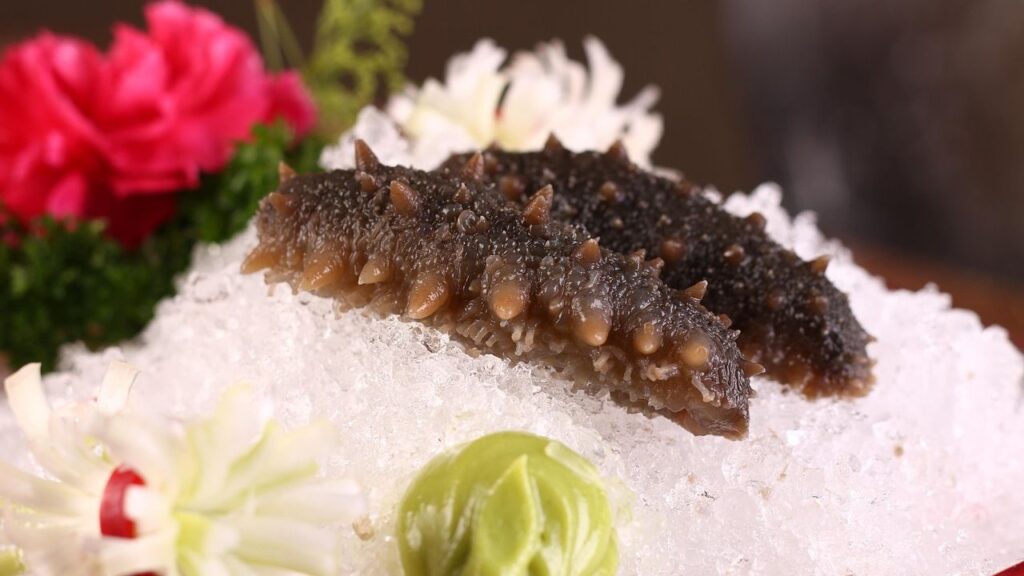
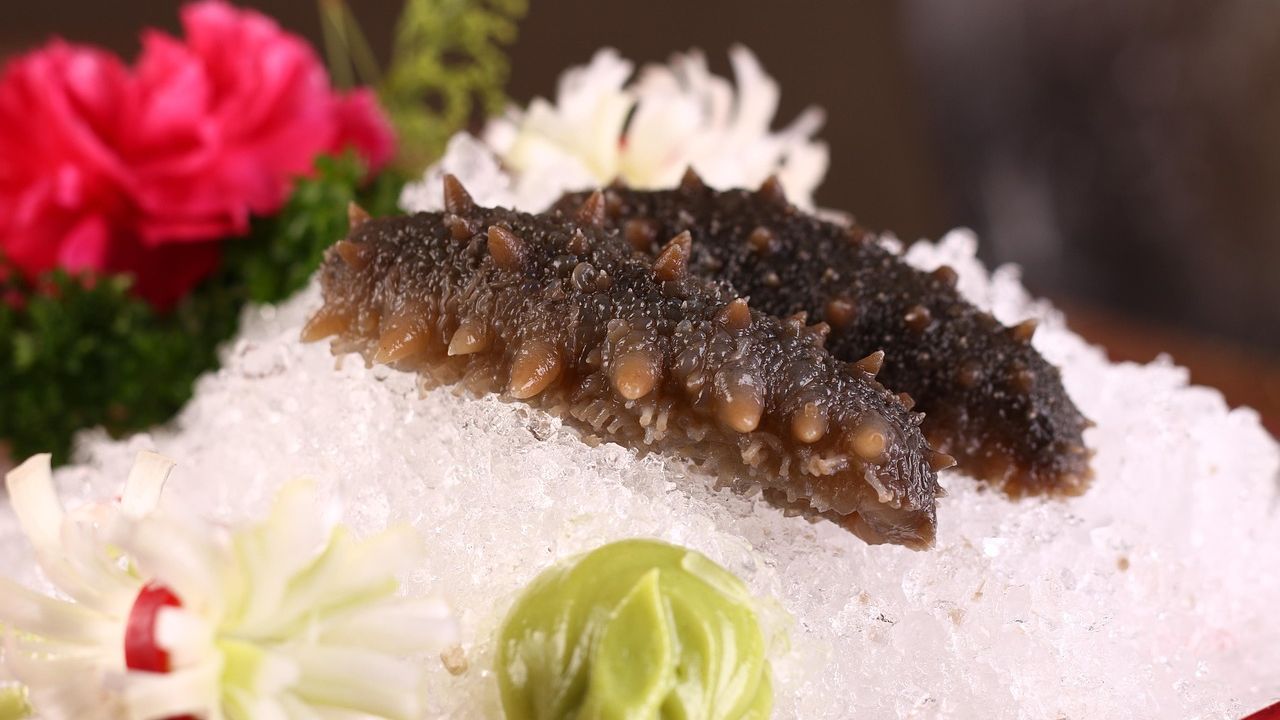
Among the approximately 1,800 known species of sea cucumbers, all belonging to the class Holothuroidea within the phylum Echinodermata, few draw as much commercial interest. Related to starfish and sea urchins, these soft-bodied creatures crawl across seabeds, ingesting detritus – organic debris from dead plants and animals. They break it down internally and expel it as aerated, nitrogen-enriched material that fertilizes surrounding habitats.
This recycling process supports microbial life and nutrient cycling essential for coral reefs and seagrass beds. Without sea cucumbers, sediment buildup could smother these environments, disrupting food webs. Their decline thus threatens broader marine health, a point underscored by ongoing ecological research.
Expert Insights Reveal Alarming Patterns
Chantal Conand, an emeritus associate at France’s National Museum of Natural History and lead author of the study, described the situation starkly. “Nowadays it’s overexploited nearly all over in the world,” she told Mongabay, reflecting on sea cucumbers broadly. Her team’s analysis traced how fisheries deplete local stocks before moving elsewhere, perpetuating a cycle of exploitation.
The paper detailed the trade’s “escalating impacts,” noting that sustainability remains elusive for numerous species-specific operations. Conand and co-authors pointed to recent parallel studies reinforcing these findings. They argued that without intervention, the global market’s momentum would overwhelm natural recovery rates. Regional examples illustrated the pattern: once-thriving beds in the Pacific and Indian Oceans now yield far less, prompting fishers to seek untapped waters. This mobility exacerbates pressures on already vulnerable populations, complicating management efforts across borders.
Pathways to Sustainable Fisheries
Conservationists advocate for robust measures to rein in the trade. These include stricter quotas, protected marine areas, and international monitoring of exports. The study’s authors stressed the need for species-specific assessments to identify those most at risk.
Collaboration among nations could foster data-sharing and enforcement. Recent precedents in other fisheries offer models, such as temporary bans that allowed stocks to rebound. Implementing similar strategies for sea cucumbers demands urgency, given the trade’s rapid evolution.
As sea cucumber populations dwindle under mounting trade pressures, the ocean’s hidden recyclers face an uncertain future. Stronger global safeguards offer hope, but only swift action will preserve their ecological legacy for generations ahead.