
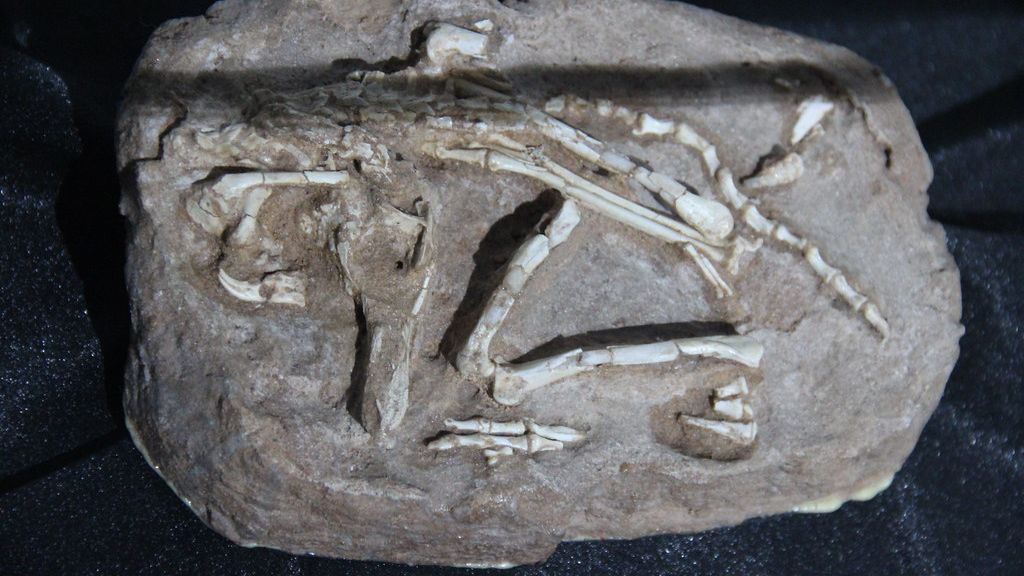
Imagine holding a rock in your hand and realizing it once breathed, walked, swam, or hunted – maybe millions of years ago. That’s what fossils do to you. They collapse time in the most unsettling and thrilling way possible. The fossil record provides snapshots of the past which, when assembled, illustrate a panorama of evolutionary change over the past 3.5 billion years. Some fossils simply confirm what scientists already suspected. Others? They flip entire theories upside down overnight.
The twelve discoveries you’re about to read didn’t just add a footnote to science. They rewrote whole chapters. From ancient fish that decided to walk to miniature humans hiding on remote islands, these finds shook the scientific world in ways that still echo in laboratories and universities right now. Buckle up, because what follows is genuinely stranger than fiction. Let’s dive in.
1. Lucy (Australopithecus afarensis) – The Ancestor Who Walked Before She Thought
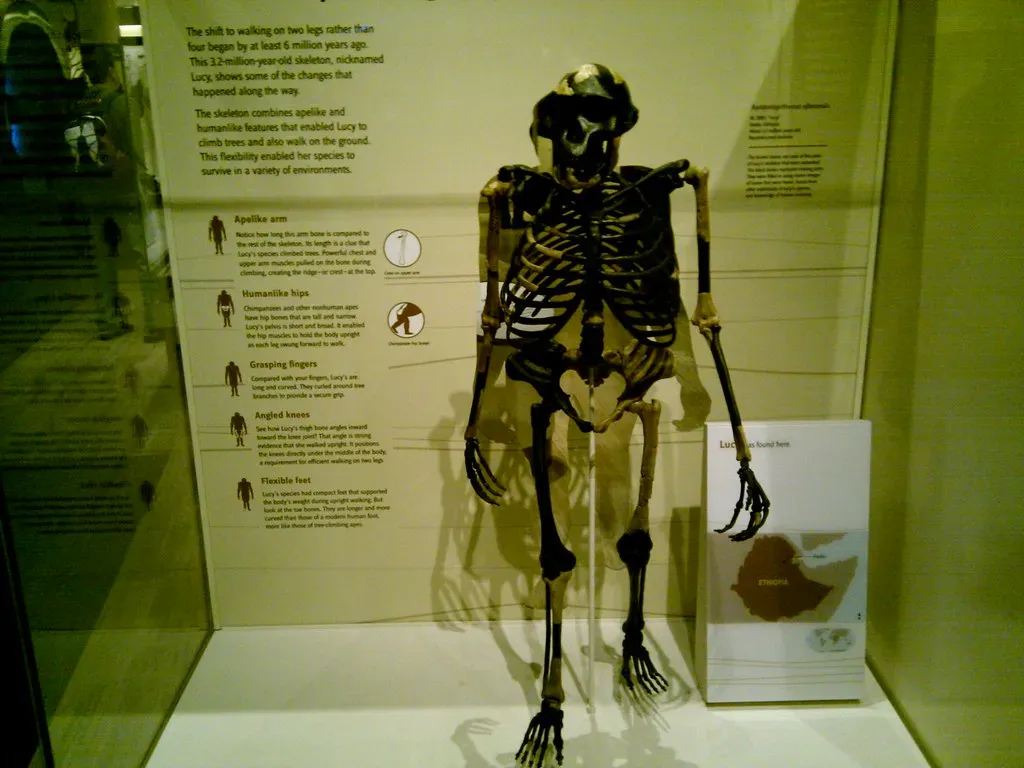
Here’s a thought that should stop you in your tracks: for a long time, scientists believed the human brain evolved first, and that big brains came before walking upright. It seemed logical, almost poetic – intelligence leading the way. Before Lucy was found, the common assumption about human evolution was that the big brain developed first, and then the human started walking. Lucy completely reversed this idea.
In 1974, Donald Johanson and his team unearthed a remarkable fossil in Ethiopia: a 3.2-million-year-old Australopithecus afarensis skeleton they named Lucy, comprising roughly forty percent of her skeleton. Her pelvic structure and leg bones revealed bipedal locomotion, even though her long arms suggested she retained some climbing ability. It was a creature caught between two worlds, neither fully ape nor yet fully human. Lucy fundamentally changed the understanding of human evolution, emphasizing the importance of upright walking in our ancestors’ development long before the expansion of brain size.
2. Archaeopteryx – The Feathered Bridge Between Dinosaurs and Birds
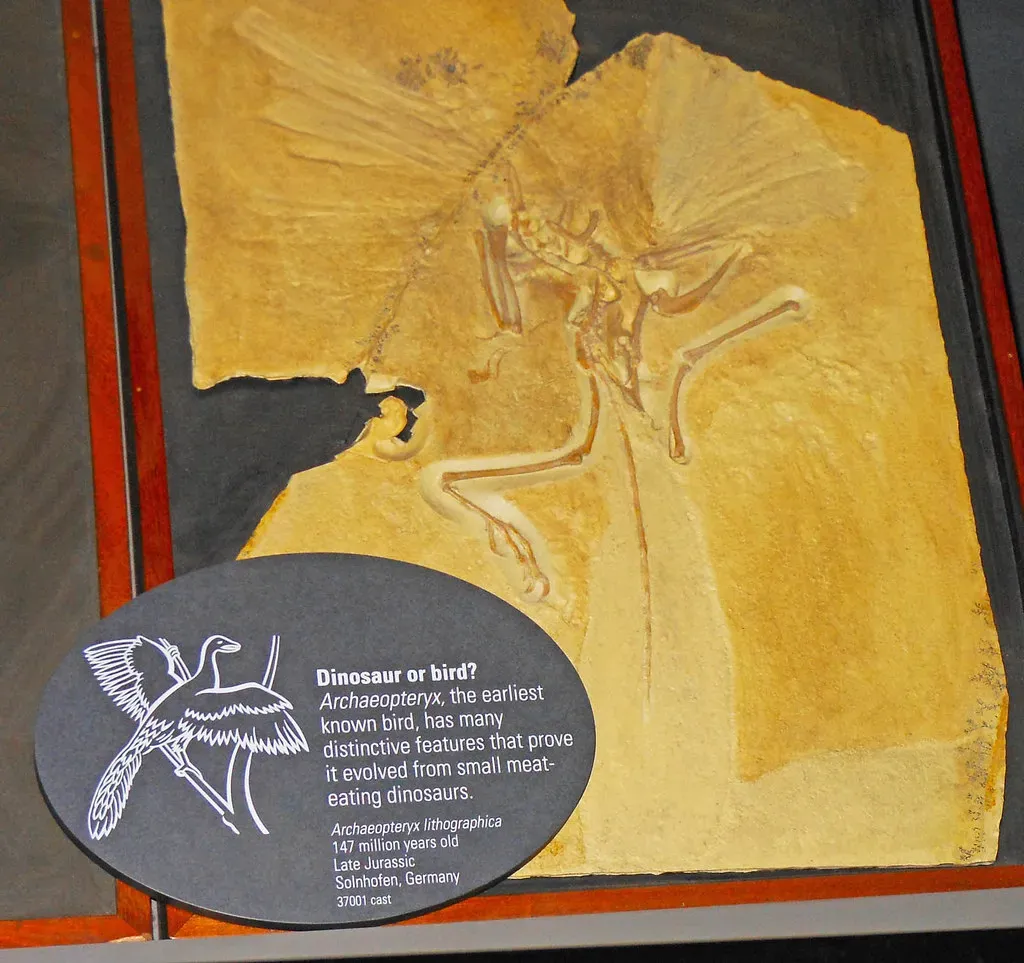
You want a fossil that caused a genuine scientific crisis? Meet Archaeopteryx. Discovered in Germany in 1861, Archaeopteryx is a crow-sized creature often called the “missing link” between dinosaurs and birds, with feathered wings, sharp teeth, and a bony tail, displaying a fascinating mix of avian and dinosaurian traits. Think about that combination for a moment – feathers and teeth in the same animal. It sounds like something from a fever dream.
Archaeopteryx became a cornerstone of evolutionary science shortly after Darwin’s On the Origin of Species was published, providing evidence for the connection between birds and reptiles. Early skeptics debated its classification, but it is now recognized as a transitional species. Especially in the post-Darwin period, this fossil was a major problem for evolution opponents because it carried features of two separate groups in the same body. If today we can comfortably say birds are descendants of dinosaurs, one of the foundation stones of this is Archaeopteryx.
3. Tiktaalik – The Fish That Took Its First Steps on Land
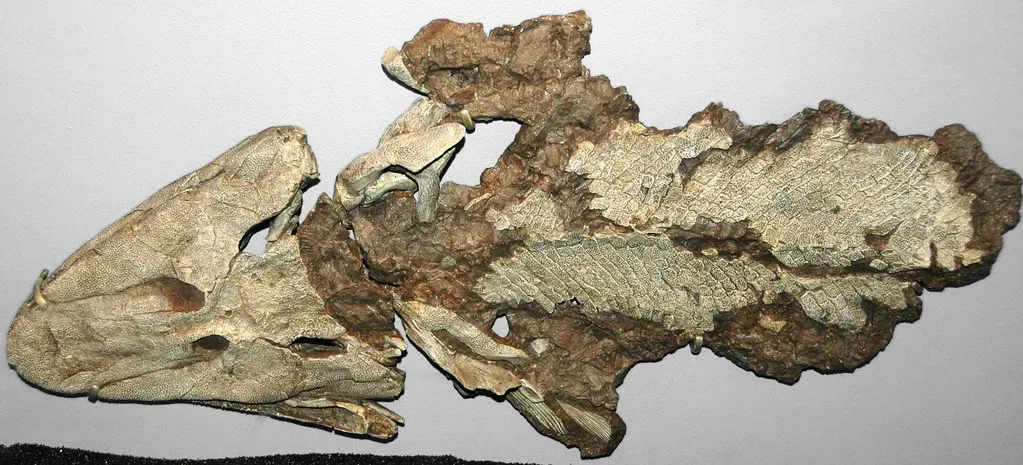
Honestly, Tiktaalik might be the most exciting animal you have never heard of. Discovered in 2004 on Canada’s Ellesmere Island, Tiktaalik is a fascinating fossil bridging the evolutionary gap between fish and early tetrapods. Dating back 375 million years, this “fishapod” possessed features like robust fins with wrist-like bones, gills, and lungs – adaptations suggesting it was capable of both swimming in water and supporting itself on land.
The discovery of Tiktaalik validated predictions made by paleontologists about where such transitional fossils might be found. It represents a critical moment in the history of life, showcasing how vertebrates began their colonization of terrestrial environments. Tiktaalik was a creature that could lift its head in shallow waters and look around, and could push itself from the bottom. In other words, you are looking at one of your oldest ancestors taking its very first steps onto dry land. I find that deeply humbling, to be honest.
4. Pakicetus – The Wolf-Shaped Ancestor of Every Whale on Earth
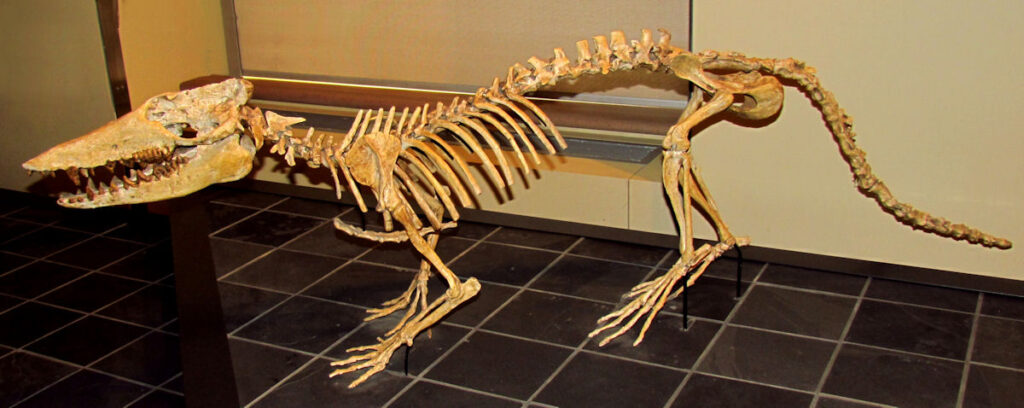
If someone told you that today’s blue whales – the largest animals to ever live – once had ancestors that looked like wolves and trotted around on dry land, you would probably laugh. Yet that is precisely what the fossil record shows. Pakicetus is a prehistoric mammal that lived approximately 53 million years ago and is considered one of the earliest ancestors of modern whales, named after Pakistan where its first fossilized remains were discovered, and was a four-footed animal roughly the size and shape of a large dog or small wolf.
The discovery of Pakicetus played an important role in solidifying the inferences that revolved around the evolution of whales. Although it had the body of a land animal, its head had the distinctive long skull shape of a whale’s. Fossils also revealed that Pakicetus had an ear bone with a feature unique to whales and an ankle bone that linked it to artiodactyls – the large order of even-toed hoofed mammals that includes hippos, pigs, sheep, cows, deer, and giraffes. It’s almost too wild to believe. Your local cow and a humpback whale share a common cousin.
5. The Burgess Shale – A Snapshot of Life’s Most Explosive Moment
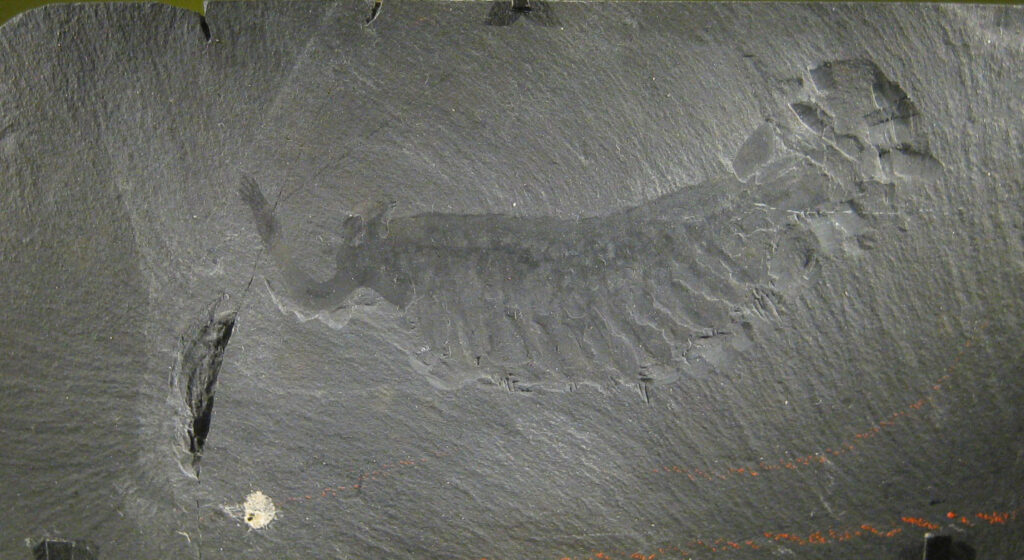
Imagine stumbling upon a rock formation that perfectly preserved the soft bodies of creatures from over 500 million years ago – animals so bizarre they looked like something dreamed up by a surrealist painter. That is exactly what the Burgess Shale in Canada delivered. The Burgess Shale fossils provide important insights into the diversity and evolution of life during the Cambrian period, a time when many major groups of animals first appeared in the fossil record, and include a wide variety of creatures – arthropods, mollusks, and chordates – many of which have no living descendants or close relatives.
Some of the most famous Burgess Shale organisms include Anomalocaris, Hallucigenia, and Opabinia, which have unusual and sometimes bizarre body plans that challenge our ideas about what early animals looked like. The exceptional preservation is due to unusual conditions including rapid burial by sediment and a lack of oxygen, preventing decay and allowing soft tissues to be preserved. This area of paleontology has seen a lot of activity, particularly in the study of the Cambrian explosion, during which many of the various phyla of animals with their distinctive body plans first appeared. It is a window into a world almost too alien to comprehend.
6. Neanderthal Fossils – Rewriting the Story of Human Uniqueness
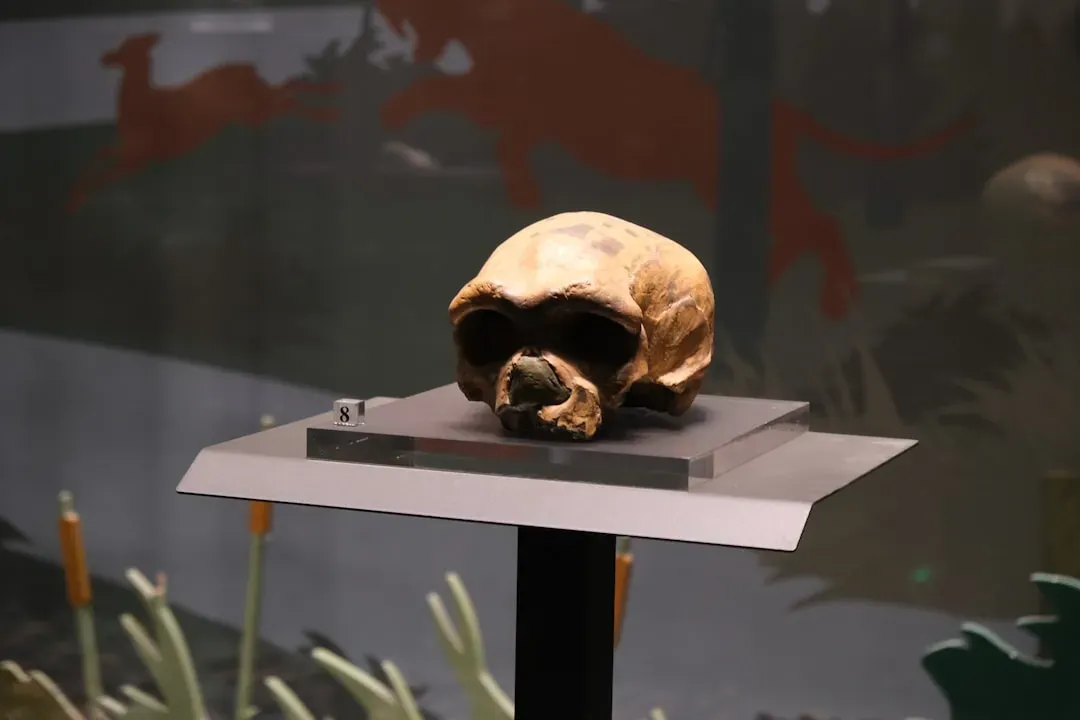
We used to think of ourselves as the sole crown of creation, the one and only advanced human species to have ever walked the Earth. Neanderthal fossils shattered that comfortable self-image entirely. The first recognized Neanderthal fossils were discovered in Germany’s Neander Valley in 1856. These robust early humans, who lived alongside modern Homo sapiens, had larger brains and a stocky build adapted for cold climates.
Their tools, burial practices, and DNA evidence reveal a rich and complex culture. The discovery of Neanderthals challenged perceptions of human uniqueness, revealing that modern humans share ancestry and even interbred with this species. Opinions about the relationship between our own species and Neanderthals have continually changed. The early 1900s saw them as sub-humans, a stereotype that didn’t change until the 1950s when it was widely considered that they may be the ancestors of modern Europeans. New research in the 1980s led many to move them to a side branch of our family tree, a decision supported by comparisons of mitochondrial DNA in the 1990s and 2000s. Every time scientists think they have it figured out, a new discovery shifts the story.
7. Homo floresiensis – The Real-Life Hobbit Who Turned Human Evolution Upside Down
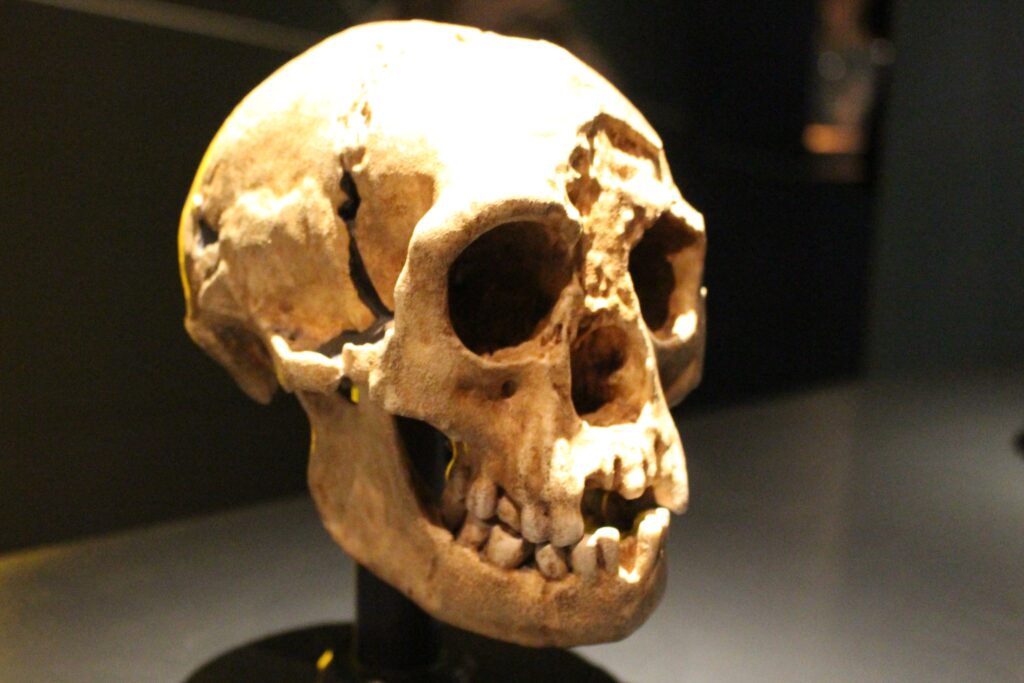
Of all the fossils on this list, the “Hobbit” might be the one that caused the most jaw-dropping moments in modern paleoanthropology. A joint Australian-Indonesian team, looking for evidence of the early migration of Homo sapiens from Asia to Australia, stumbled on the remains of a small human in the cave of Liang Bua, Flores, in 2003. The discoverers argued that a variety of primitive and derived features identified the remains as that of a new species. Nobody went looking for this. It just appeared.
Homo floresiensis individuals stood approximately three feet six inches tall, had tiny brains, large teeth for their small size, shrugged-forward shoulders, no chins, and receding foreheads. Despite their small body and brain size, they made and used stone tools, hunted small elephants and large rodents, coped with predators such as giant Komodo dragons, and may have used fire. The discovery challenged the idea that humans evolved in a neat line from primitive to complex, and underscored just how much remained unknown about the human story. It is hard to say for sure just how many more human species are still out there waiting to be found.
8. The Laetoli Footprints – Proof Written in Stone That We Walked Early
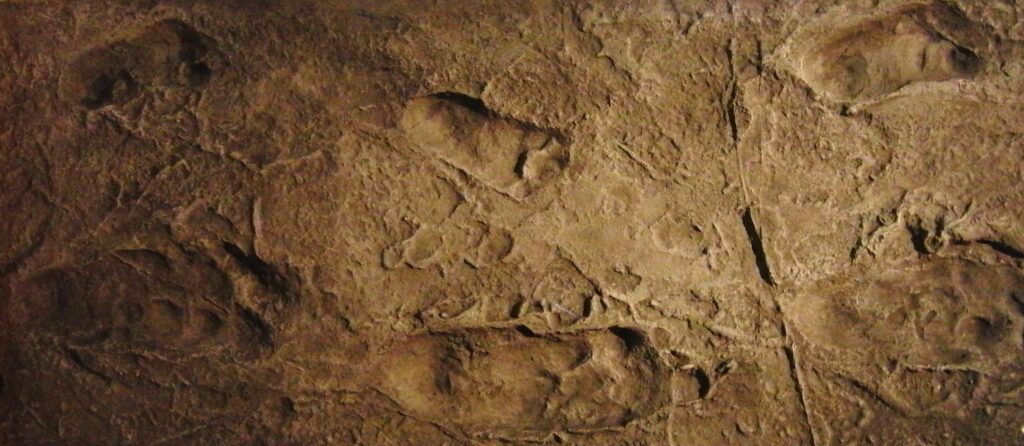
Bones can tell you a lot. But footprints? Footprints tell you something bones simply cannot – they show you a moment, frozen forever. The Laetoli footprints are something beyond being a fossil. They capture a moment. Three individuals pressed into volcanic ash were walking together, and the step intervals and foot arch were surprisingly close to modern human walking.
Discovered in Tanzania and dated to roughly 3.6 million years ago, these tracks were made by Australopithecus afarensis – the same species as Lucy. Thousands of human fossils enable researchers to study the changes in brain and body size, locomotion, and diet over the past six million years, while millions of stone tools, footprints, and other traces of human behavior in the prehistoric record tell about where and how early humans lived. Seeing actual stride patterns from creatures who lived millions of years ago makes you stop and feel something. These were real individuals, walking together on an ordinary day. That is extraordinary.
9. Precambrian Microfossils – Life Began Far Earlier Than Anyone Expected
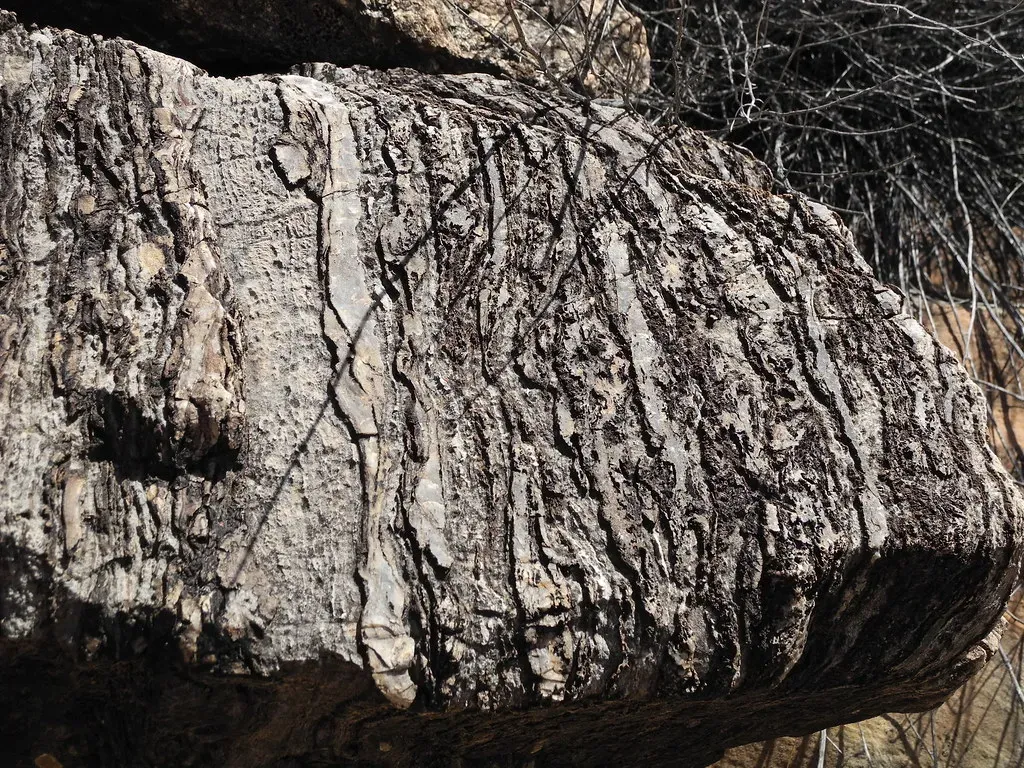
Let’s be real: most people picture “ancient life” as dinosaurs or maybe woolly mammoths. The truth is far stranger and far older. Precambrian microfossils are so small they cannot be seen with the naked eye. Yet their importance is enormous. Precambrian microfossils showed us that life on Earth started much earlier than we thought – while complex animals emerged only 500 to 600 million years ago, these microscopic organisms were living billions of years before that.
The oldest known animal fossils, about 700 million years old, come from the so-called Ediacara fauna, small wormlike creatures with soft bodies. Numerous fossils belonging to many living phyla and exhibiting mineralized skeletons appear in rocks about 540 million years old. Fossils range in age from 10,000 to 3.48 billion years old. That last number is almost impossible to truly wrap your mind around. Life on this planet is ancient in a way that defies ordinary imagination. It rewrote the entire timeline of biology when these tiny organisms were finally recognized for what they were.
10. Trilobites – Evolution’s Living Laboratory in Fossil Form
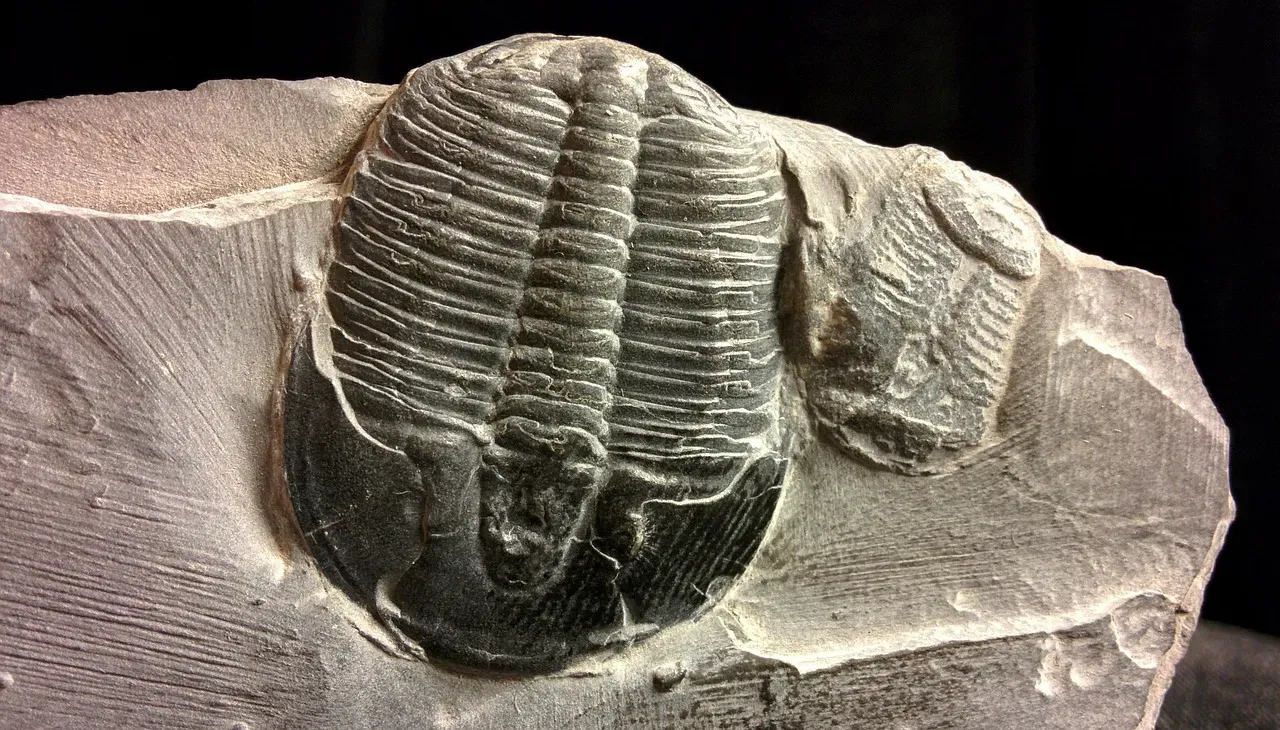
Trilobites might not get the same pop culture glory as T. rex, but among paleontologists, they are arguably among the most scientifically valuable fossils ever found. Why? Because there are so very many of them, in so many rock layers, spanning hundreds of millions of years. Trilobites are one of the richest groups in the fossil record, and you can follow the change of the same species within hundreds of thousands of years, step by step.
This kind of evolutionary documentation is extraordinarily rare. Most transitional evidence comes in fragments, separated by millions of years. Trilobites are different – they give you a film strip where most fossils give you only a few scattered frames. The fossil record provides snapshots of the past which, when assembled, illustrate a panorama of evolutionary change over the past 3.5 billion years. The picture may be smudged in places and has bits missing, but fossil evidence clearly shows that life is very, very old and has changed over time through evolution. Trilobites helped prove, in stunning scientific detail, that evolution is not a sudden event but a slow, measurable process.
11. Dinosaur Eggs and Nests – Discovering That “Terrible Lizards” Were Devoted Parents
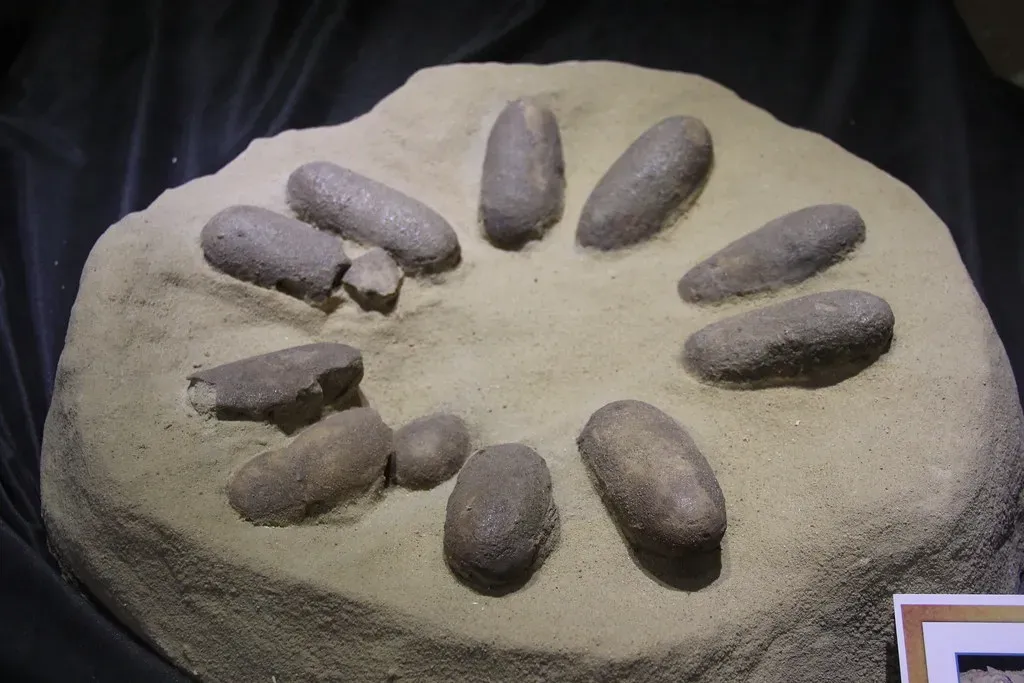
The classic image of dinosaurs – cold, solitary, brutish killing machines – took a significant hit when scientists started finding fossilized nests. It turns out that at least some of these creatures were remarkably attentive parents. In 1923, scientists from the American Museum of Natural History unearthed the first fossils to be widely regarded as dinosaur eggs. Found in the Gobi Desert in Mongolia, the eggs were initially thought to belong to Protoceratops, whose remains were frequently found in the area.
The idea of dinosaurs building nests and feeding their young emerged directly from these fossils. These discoveries showed that dinosaurs were creatures with far more complex social behavior than previously imagined. Later discoveries of Maiasaura – whose name literally means “good mother lizard” – found nests with juveniles too large to have been hatchlings, suggesting adults actively fed and cared for their young. This discovery alone reshaped our entire understanding of dinosaur biology. They were not so different from modern birds and mammals as people once assumed.
12. The Coelacanth – A Living Fossil That Shocked the World
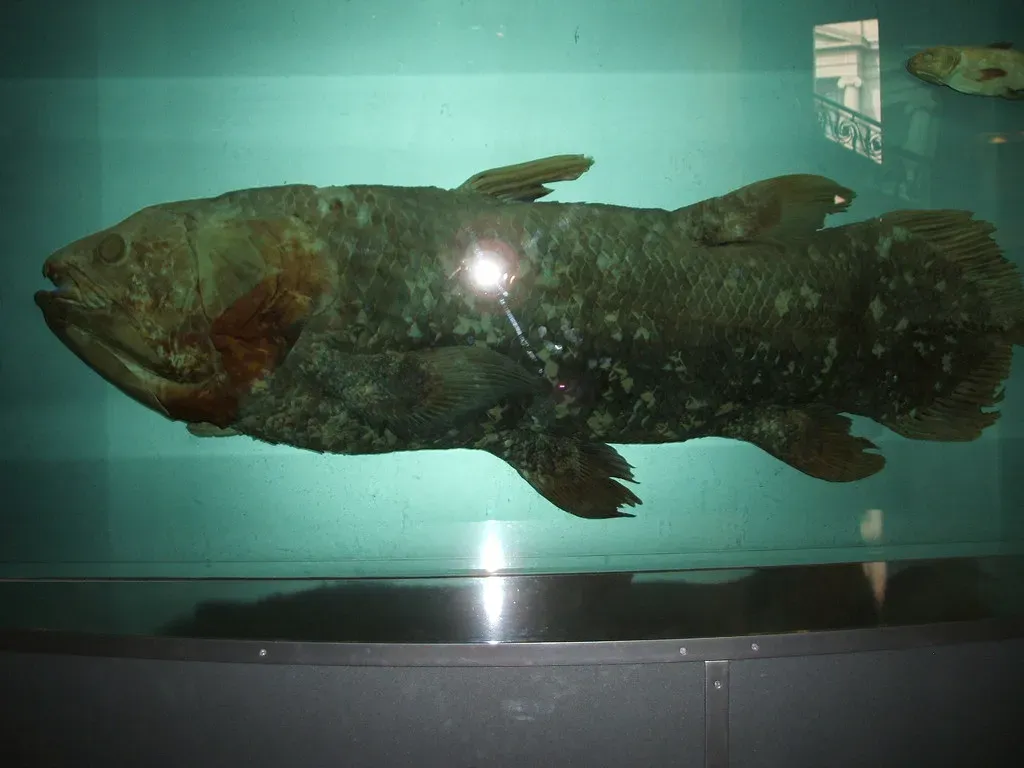
Sometimes evolution throws you a curveball so wild it almost feels like a practical joke. Once believed to have gone extinct 66 million years ago, the coelacanth was rediscovered alive in 1938 off the coast of South Africa. Scientists had studied coelacanth fossils for years, treating them as a solved chapter of evolutionary history. Then one turned up, very much alive, in a fish market. That, honestly, is one of the most astonishing moments in the entire history of natural science.
Coelacanths are a group of fish that were thought to have gone extinct 66 million years ago, at the end of the Cretaceous period, along with the dinosaurs. Their survival proved that evolution does not always mean constant dramatic change – some lineages can remain remarkably stable for enormous stretches of time, a concept scientists call “living fossils.” The coelacanth also provided living material to compare against its ancient fossilized relatives, opening research doors that nobody had even thought to knock on. The real significance of such discoveries lies in how they illuminate the grand history of life on Earth, from its beginnings more than three billion years ago to the present day, recording how life adapted or perished in the face of major environmental challenges.
Conclusion: Bones That Changed the World
Every single one of these twelve fossils did something remarkable – they forced scientists, and the rest of us, to question what we thought we already knew. From a wolf-shaped whale ancestor to a three-foot-tall human relative hunting pygmy elephants on a remote island, the story of life on Earth is wildly more complicated and more beautiful than any single theory could ever contain.
Paleontology is among the scientific disciplines that demonstrate that evolution, through natural selection in response to factors such as extinction events and varying environmental conditions, is responsible for the diversity of life on Earth. The history of life as recorded in the fossil record is complemented by information from the fields of genetics, molecular biology, anatomy, and biogeography to provide a robust validation of the theory of evolution.
The most exciting part? The ground beneath your feet is still hiding secrets. New fossils are being pulled from rock and riverbed every single year, and each one carries the potential to rewrite another chapter. The next discovery that changes everything could be out there right now, waiting to be found. So, which of these twelve discoveries surprised you the most? Tell us in the comments – we’d genuinely love to know.