
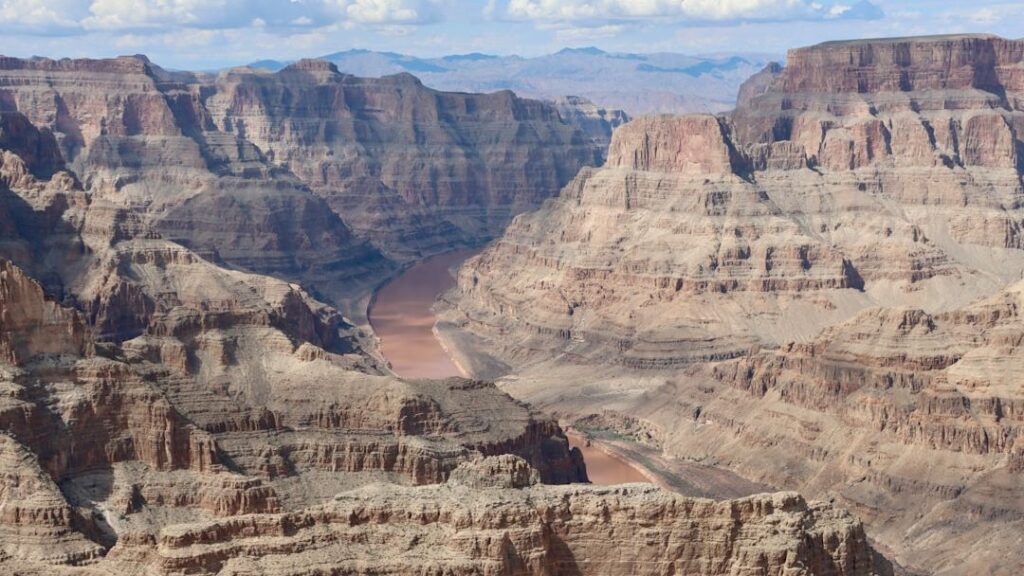
Picture standing at the edge of something so vast, so impossibly deep, that your brain simply refuses to process its true scale. You are not just looking at a hole in the ground. You are staring at nearly two billion years of Earth’s story, carved open by a river, laid bare for you to read like pages in the world’s oldest book. It is geological theater on a scale nothing else on the planet can match.
Yet for all the photographs, documentaries, and school textbook diagrams, most people only scratch the surface of what the Grand Canyon actually represents. Its colors alone could keep a painter busy for a lifetime. Its secrets, though – those are something else entirely. Let’s dive in.
A Living Textbook Written in Stone
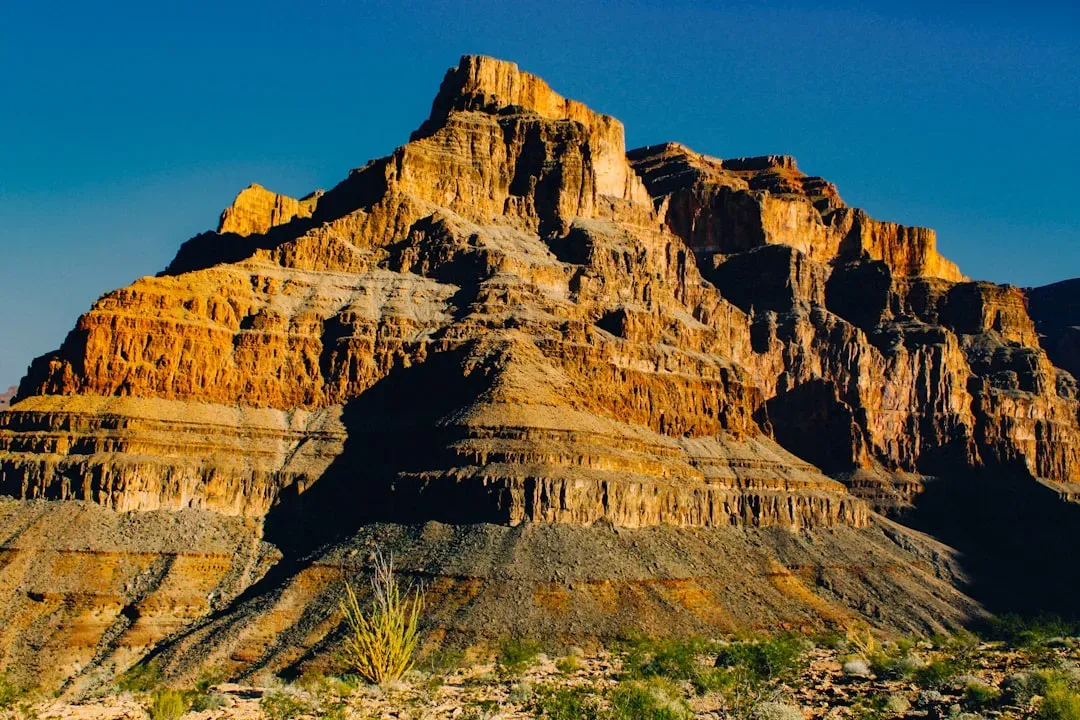
You might think of the Grand Canyon simply as a dramatic landscape, but geologists see something fundamentally different when they look at it. The Grand Canyon tells one of the world’s greatest geologic stories, and its distinctive features allow researchers to piece together the history of this unique location, one of America’s treasures and a UNESCO World Heritage Site. That is not a poetic exaggeration – it is a literal scientific fact backed by more than 150 years of research.
The geology of the Grand Canyon area includes one of the most complete and studied sequences of rock on Earth, with nearly 40 major sedimentary rock layers exposed in the Grand Canyon area ranging in age from about 200 million to nearly 2 billion years old. Think about that for a moment. When you hike from rim to canyon floor, you are descending through time itself – every step backward through millions of years of Earth’s biography.
Stratigraphy is the study of rock layering and reveals a wealth of information about what Earth was like when each layer formed. In the Grand Canyon, clear horizontal layers of different rocks provide information about where, when, and how they were deposited, long before the canyon was even carved. It is, honestly, one of the most awe-inspiring things science has ever had the privilege of reading.
The Ancient Basement: Rocks Nearly Two Billion Years Old
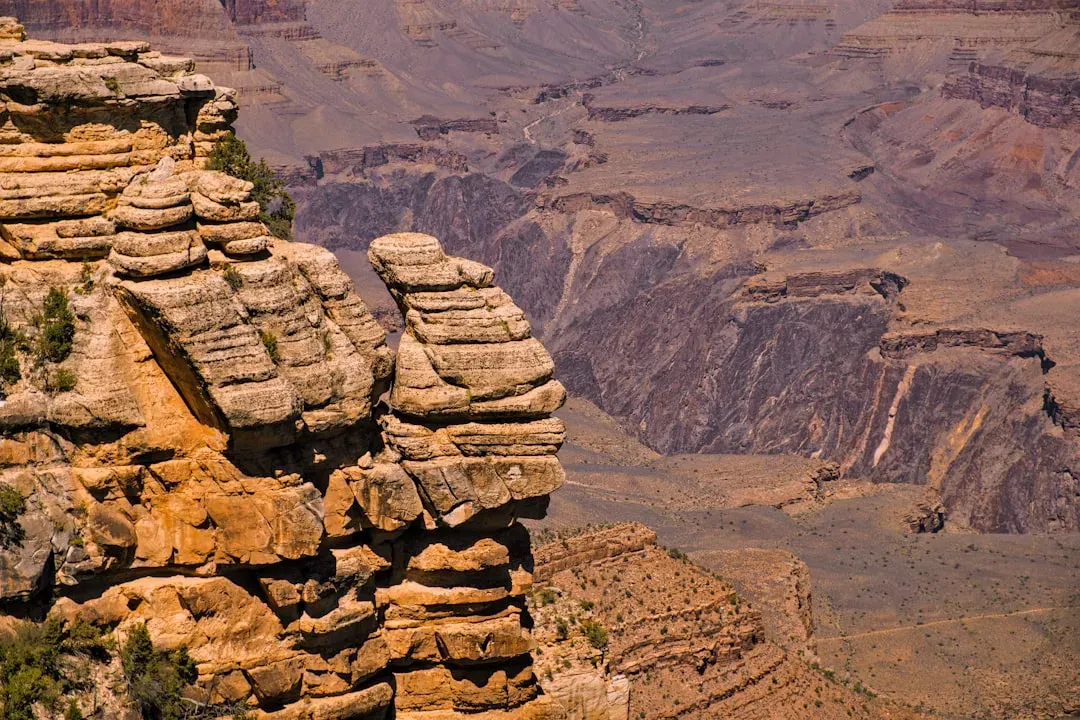
Here is where things get truly staggering. At the very bottom of the Grand Canyon, you will find some of the oldest exposed rocks anywhere on Earth’s surface. The oldest rocks in the Grand Canyon, found at the bottom of the canyon, are primarily metamorphic with igneous intrusions. The intrusive igneous rocks are called Zoroaster granite, and together this rock set is known as the Vishnu Basement Rocks – primarily schist with granite, these rocks have visible crystals and are about 1.7 billion years old, from an era early in Earth history known as the Proterozoic.
At about 2.5 and 1.8 billion years ago in Precambrian time, sand, mud, silt, and ash were laid down in a marine basin. From 1.8 to 1.6 billion years ago, at least two island arcs collided with the proto-North American continent. This process of plate tectonics compressed and grafted the marine sediments onto the mainland and uplifted them out of the sea, and later these rocks were buried 12 miles under the surface and pressure-cooked into metamorphic rock. To put that in perspective, those collision events happened before complex life even existed on Earth.
These rocks, exposed only in the deepest part of the canyon, are the remains of mountains that may have rivaled the mighty Himalayas in height, and their metamorphic formations are among the most resistant to erosive forces known to geology. Imagine mountains taller than Everest, completely eroded and buried, now peeking back out at you from the canyon floor. It is almost too much to wrap your mind around.
The Great Unconformity: A Billion Missing Years
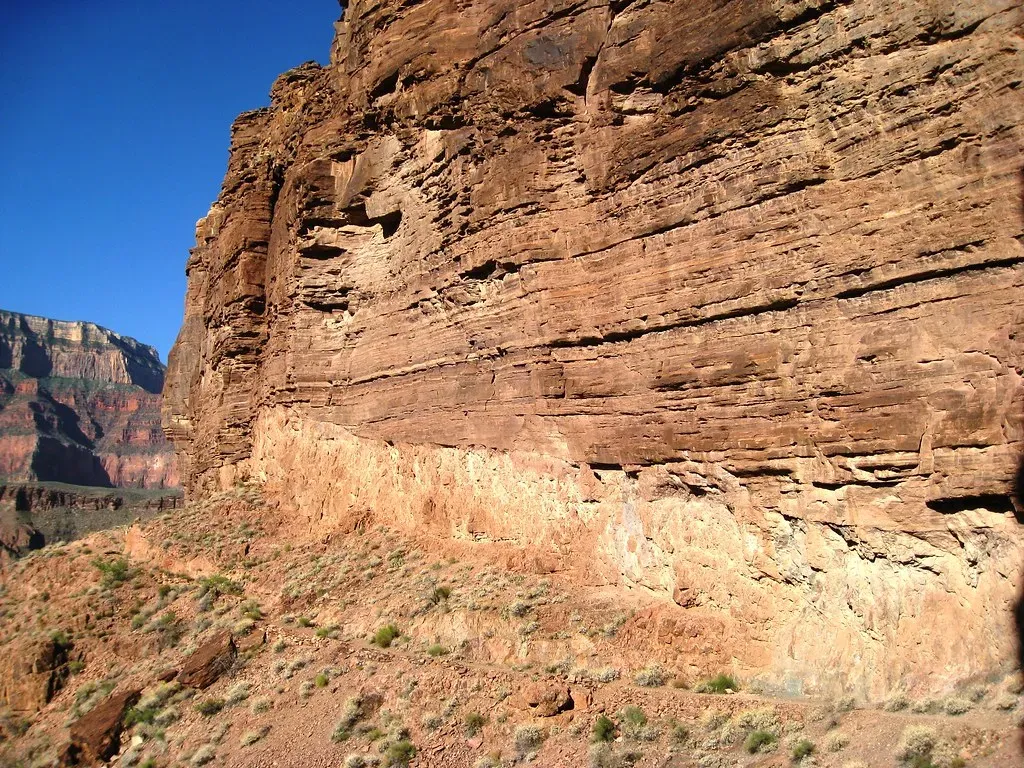
Honestly, one of the most mind-bending features of the Grand Canyon is not what you can see – it is what is missing. The Grand Canyon is a layer cake of geological history, with rocks stacked neatly upon one another as they were laid down millions of years ago. That is, until you get deep into the canyon and find the Great Unconformity, a gap between rock layers representing a billion years in some places. A whole billion years. Gone. Vanished from the record.
Unconformities are gaps in the geologic record that occur when rocks or sediments are eroded away and time elapses before new deposition occurs. New sediment eventually forms new rock layers on top of the eroded surface, but there is a period of geologic time that is not represented. You can think of unconformities as missing pages in the book of the geologic record, and the very fact that there is this gap provides information to geologists, indicating changing ocean levels or changes in the Earth’s crust.
Even stranger, the Great Unconformity shows up in rocks worldwide, and always in rocks from the same era – about 550 million years ago and earlier. This global pattern tells scientists that something catastrophic and planet-wide happened during that window of time. The supercontinent Rodinia, which came together about 1 billion years ago and broke up around 750 million years ago, was rifting apart during this time period – and that breakup likely tore those missing pages right out of Earth’s story.
The Cambrian Explosion: When Life Erupted at the Canyon
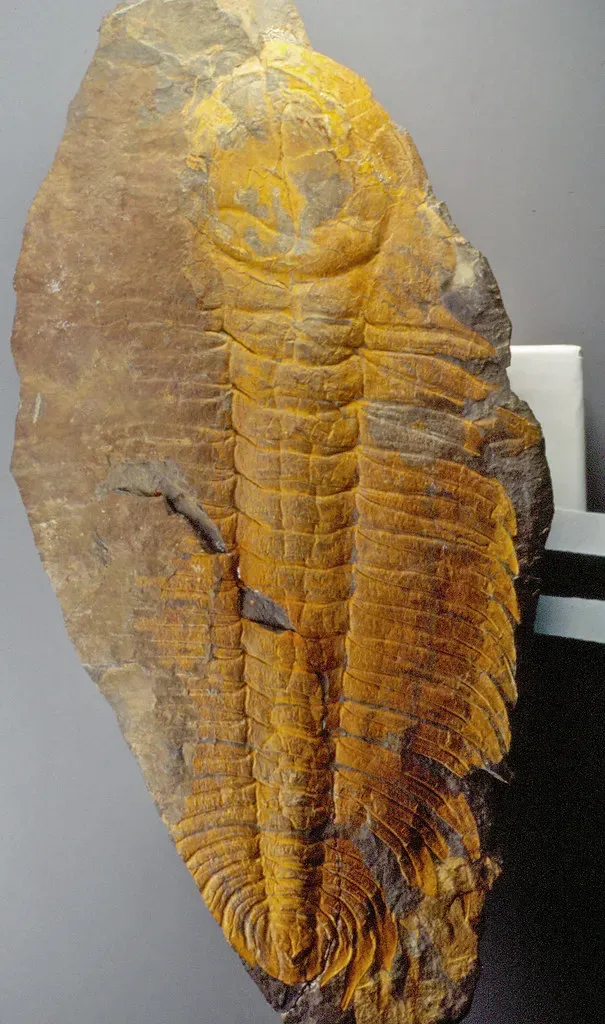
Now we get to 500 million years ago, and this is where things become almost cinematic. During this evolutionary turning point, the area that is now the Grand Canyon was underwater and teeming with rapidly evolving sea organisms – including a so-called “penis worm” that featured a spiky mouth for scraping up algae. If that sounds alien, that is because in many ways it was. Life was doing something it had never done before – exploding outward in complexity and form at a breathtaking pace.
The conditions at the Grand Canyon at that time made it an ideal spot for the Cambrian explosion to boom. The area was much closer to the equator and submerged in shallow sea water. The ecosystem’s warm waters were neither too deep nor too shallow, creating a sweet-spot environment for life to thrive and evolve. Think of it like the perfect incubator – warm, shallow, nutrient-rich, and bathed in sunlight.
Nearly all major groups of animals alive today can trace their evolutionary origins back to the Cambrian period. So when you gaze at the canyon walls, you are also looking at the birthplace of most animal life on Earth. That is not a small thing.
A Fossil Record Unlike Any Other
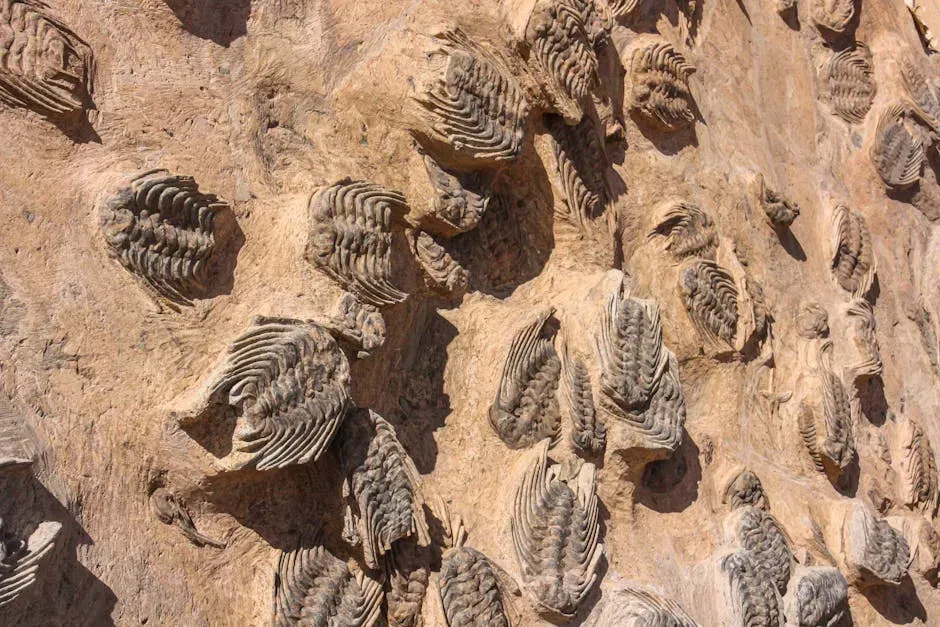
You would not expect a desert canyon to be one of the richest fossil sites on the planet, yet here we are. Almost all of the rock layers within the Layered Paleozoic Rocks are fossiliferous and show a changing fossil record due to faunal succession. Invertebrates are the most common type of Paleozoic fossils found in Grand Canyon, although an especially wide array of trace fossils, especially trackways and trails, are present throughout much of the canyon’s stratigraphy. Vertebrate body fossils, mostly of fish, are known from some units, and plant fossils have been found in rocks deposited in terrestrial environments.
The oldest vertebrate fossils known from the park are those of antiarch placoderms – ancient armored fish – about 385 million years old, in the Devonian Temple Butte Formation. Antiarch placoderms were a type of heavily armored early jawed fish that did not survive past the Devonian extinction event. It is sobering to hold that thought – creatures that evolved over millions of years, only to be wiped out entirely.
In contrast to the ancient life preserved in the fossils within the canyon walls, fossils found in dry caves within the canyon provide information on organisms that lived there during the very recent geologic past. Whereas fossils from Grand Canyon’s Paleozoic strata tell of trilobites and long-extinct invertebrates thriving in the oceans, fossils found in dry caves provide information on animals that inhabited the canyon during the late Pleistocene and Holocene, the last 50,000 years.
How the Colorado River Carved a Marvel
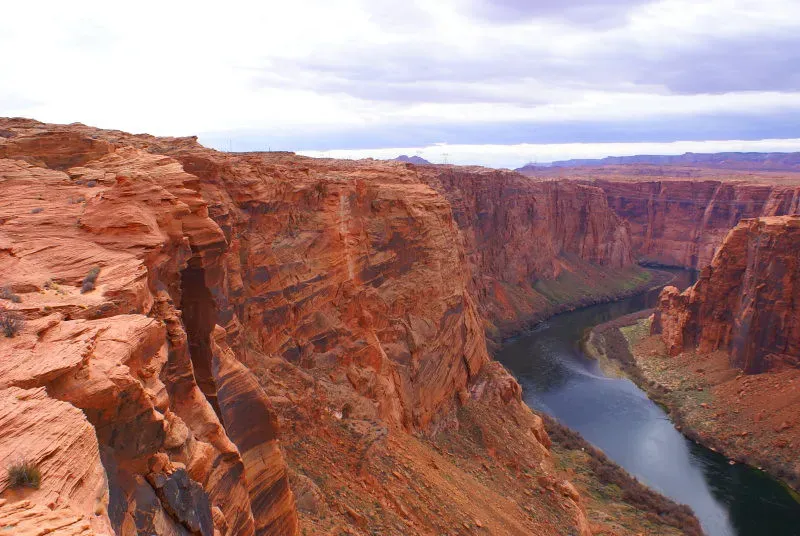
Over the past 6 million years, the Colorado River has carved through almost 2 billion years of the Earth’s geologic history at the Grand Canyon. Layers of limestone, sandstone, shale, granite, and schist make up the Grand Canyon’s rock sequences, and these layers continue to be worn away through water and wind erosion, creating the cliffs and slopes that make up this fantastic play of shape and color through time and space. The river is, in essence, the sculptor. The canyon is just its masterpiece.
Most scientists believe the Colorado River and its tributaries began carving their path through the Colorado Plateau around six million years ago. The arid climate, large volume of water, and steep gradient sped along the erosion processes. The fast-flowing river quickly swept debris such as sand and rock downstream, eroding the riverbed in a process known as down-cutting, and the soft sedimentary rock layers wore away relatively quickly, leaving a deep, steep-sided canyon rather than a valley.
I think the debate about exactly how old the canyon is makes it even more fascinating. The emerging scientific consensus is that the canyon is made up of multiple segments which formed at different times and eventually connected to become the waterway now traversed by the Colorado River. Of the three central segments, the “Hurricane” was formed 50 to 70 million years ago, and the “Eastern Grand Canyon” was cut 15 to 25 million years ago, while the “Marble Canyon” and “Westernmost Grand Canyon” segments were carved in the last five to six million years. It is less a single creation and more a slow assembly of geological chapters.
Volcanoes, Lava Dams, and Ice Ages

The story does not end with the river. The Grand Canyon has also been shaped by fire and ice in ways that feel almost mythological. Volcanic activity deposited lava over the area 1.8 million to 500,000 years ago, and at least 13 lava dams blocked the Colorado River, forming lakes that were up to 2,000 feet deep. Imagine this canyon filled with water, dammed by walls of cooling lava. The geological drama here never really stopped.
Wetter climates brought on by ice ages starting 2 million years ago greatly increased excavation of the Grand Canyon, which was nearly as deep as it is now 1.2 million years ago. So in geological terms, the canyon you see today was largely shaped within the last couple of million years – practically yesterday on Earth’s timescale. During the Pleistocene, the colder, wetter climate sped up erosional processes and allowed rivers and streams to shape the Grand Canyon’s iconic formations.
Twelve Thousand Years of Human Presence
Long before any geologist showed up with a hammer and a notebook, people called this canyon home. People have used and lived in the Grand Canyon continuously for nearly 12,000 years, according to archaeological finds within the national park. Twelve thousand years. That is longer than most civilizations on Earth have existed.
The Colorado River is important to many Native American communities surrounding Grand Canyon National Park. For over 12,000 years, the river has been an important source of water and life for indigenous groups living in and around this vast canyon, and these groups used the river’s water for agriculture and to fortify their lives in the canyon and along the rim. Their relationship with this landscape was not one of tourism – it was survival, spirituality, and civilization all at once.
Today there are at least 12 Native American tribes who live in or near the canyon, but their lives are dramatically different from times past. In 1882, the US government restricted the Havasupai to a small reservation at the canyon’s bottom. Instead of moving seasonally to where game was most abundant, the Havasupai were forced to eke out a difficult living in the canyon year-round. That history is painful and important, and it is inseparable from the canyon’s full story.
The Canyon’s Future: Still Changing, Always Evolving
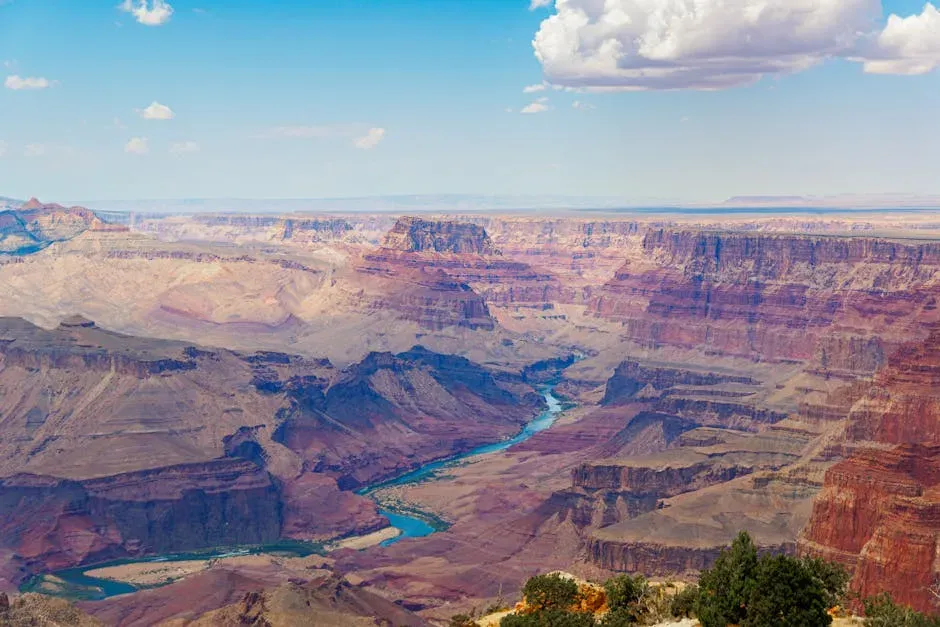
Here is something people rarely consider: the Grand Canyon is not finished. It is still being carved, still being shaped, and still holding secrets that scientists have not yet unlocked. The river continues to be an agent of change, reshaping the canyon over time. The canyon is not fully formed as long as there is water flowing, and there is ongoing research about river flow, sediments, and geomorphology.
The canyon’s geological and human stories collide when it comes to thinking about the future – especially about the role of water in the American West as climate changes. The Colorado River supplies water to millions of people in seven states as well as Mexico. Streamflow from the river’s headwaters has dropped by more than 16 percent over the past century, mostly because of warmer temperatures and reduced snowfall. The very force that created this wonder is now under tremendous pressure.
The Grand Canyon isn’t the oldest canyon or the biggest canyon, but it is one of the best places in the world to learn about geological deep time, and to think about how our extremely brief human lives fit into Earth’s history and its future. That single perspective, honestly, is worth more than any photograph.
Conclusion: The Canyon That Keeps Asking Questions
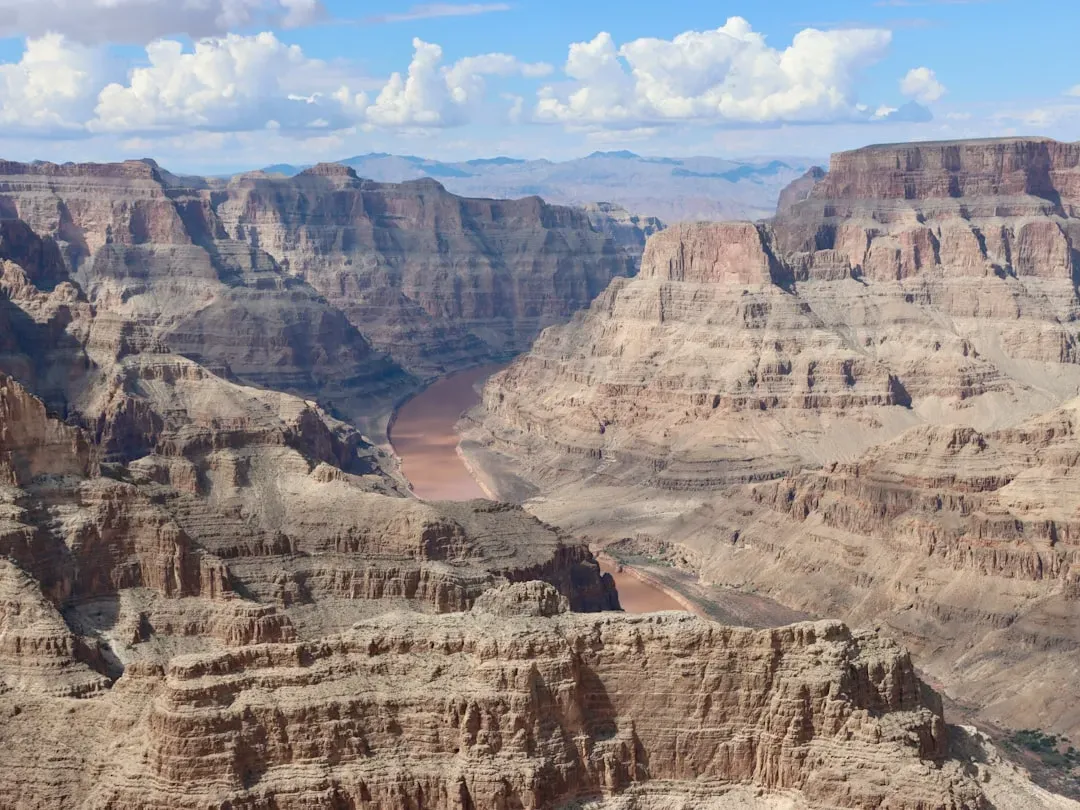
You could spend a lifetime studying the Grand Canyon and still find yourself standing at the rim with more questions than answers. Its rock layers record everything from the birth of North America to the first explosion of complex animal life. Its caves whisper stories of creatures that walked the Earth tens of thousands of years ago. Its walls have witnessed supercontinents forming and shattering, oceans filling and draining, volcanoes plugging rivers with lava, and ice ages deepening the gorge to almost its current depth.
What strikes me most is this: every layer of rock you look at represents not just time, but change. Nothing about Earth has ever been static, and the Grand Canyon makes that undeniable. The same forces that built it – erosion, tectonics, water, heat, pressure – are still at work today, just slowly enough that we do not notice them in a single lifetime.
The Grand Canyon does not just reveal Earth’s past. It asks you a quiet, persistent question: given all this change, all this deep time, where exactly do you fit in? What do you think about it? Leave us your thoughts in the comments below.