
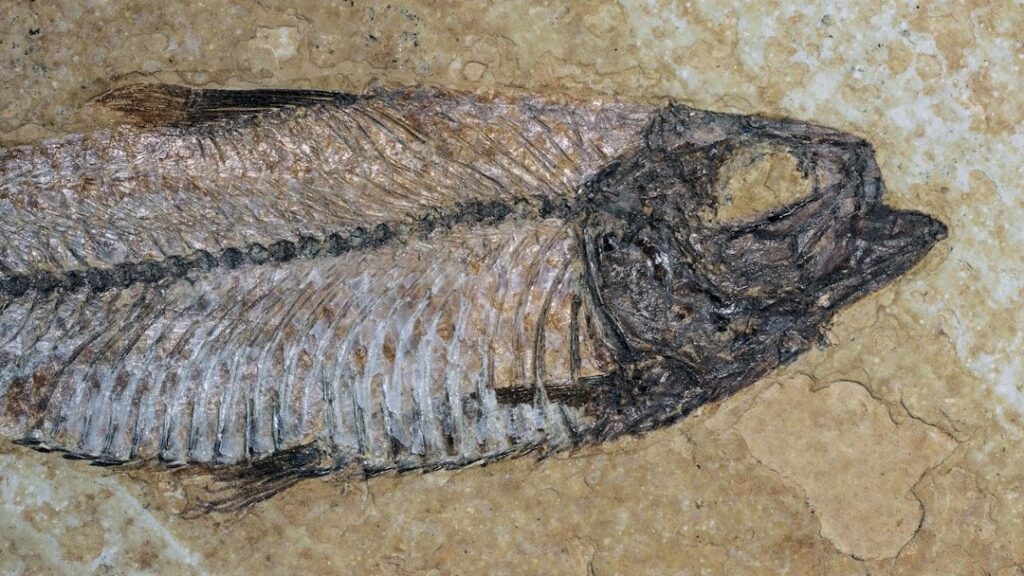
Somewhere right now, a chunk of rock is hiding a secret that could rewrite everything you think you know about life on Earth. That is not an exaggeration. Throughout history, single fossils, just bones pressed into stone for millions of years, have shattered scientific consensus, started fierce academic debates, and permanently reshaped how we understand where every living thing on this planet came from.
You might imagine paleontology as a slow, dusty discipline. It is, in many ways. Yet the moments when these discoveries break open are anything but. They are electric. From the dense Ethiopian highlands to the frozen cliffs of Arctic Canada, these ten incredible finds remind us that the story of life is far stranger, more fascinating, and more surprising than any textbook summary could ever fully capture. Let’s dive in.
1. Lucy: The Ancient Ancestor Who Walked Upright Before She Thought Big
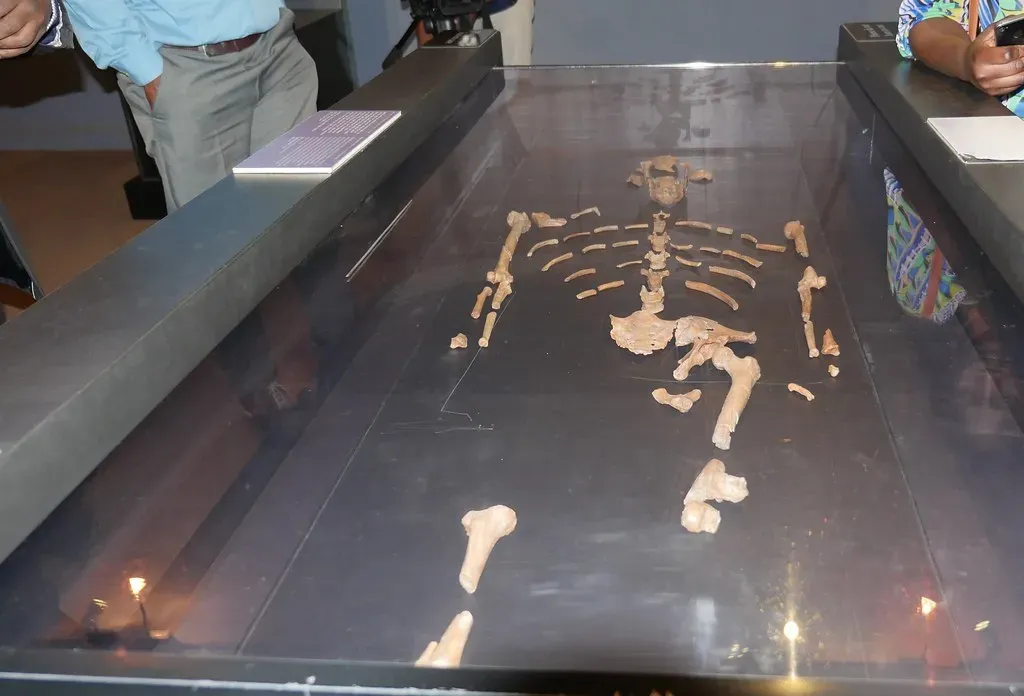
On November 24, 1974, paleoanthropologist Donald Johanson and graduate student Tom Gray were surveying the Ethiopian site of Hadar when they spotted bone fragments jutting from the earth. Johanson and his team found about forty percent of a skeleton and later determined the fossils to be approximately 3.2 million years old. That skeleton, later nicknamed “Lucy,” became arguably the most famous fossil ever found. The name came from a joyous camp celebration, where a Beatles song happened to be playing at full volume.
Lucy’s skeleton presents a small skull akin to that of non-hominin apes, plus evidence of a walking gait that was bipedal and upright, akin to that of humans. This combination supports the view that bipedalism preceded the increase in brain size in human evolution. That single discovery flipped a long-held scientific assumption on its head. Increasing brain size and intelligence did not lead the way in our evolutionary transformation, as early 20th century anthropologists often assumed. Lucy made that crystal clear.
2. The Laetoli Footprints: A Moment Frozen in Volcanic Ash
(Original text: self-made), CC BY-SA 3.0)
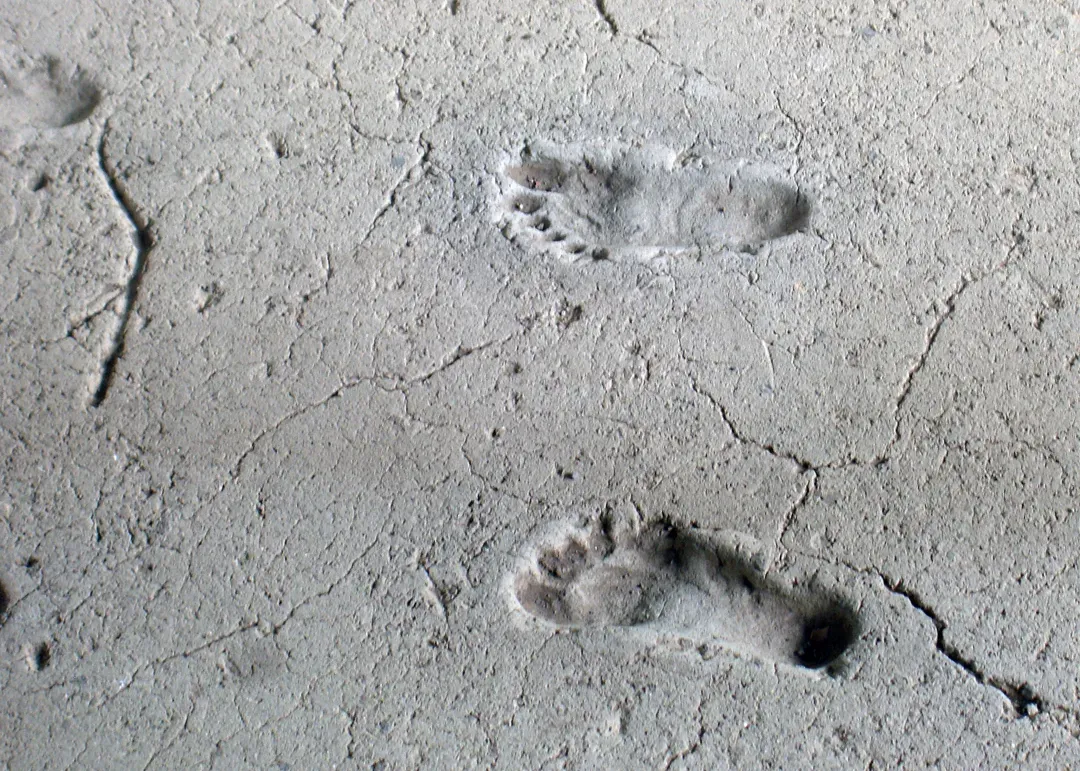
Imagine walking through freshly fallen volcanic ash, not knowing you are leaving a message for scientists millions of years in the future. That is exactly what happened in Tanzania roughly 3.6 million years ago. Three early humans walked through wet volcanic ash at Laetoli. When the nearby volcano erupted again, subsequent layers of ash covered and preserved the oldest known footprints of early humans. Mary Leakey’s team stumbled upon the tracks in 1976, but it wasn’t until 1978 that they uncovered the full 88-foot-long footprint trail. It remains one of the most astonishing finds in the history of paleontology.
The Laetoli footprints were groundbreaking because they proved that bipedal walking evolved long before larger brains or tool use. Think of it this way. We had assumed for years that intelligence drove everything, that bigger brains came first and walking upright followed. These footprints told us otherwise, permanently and undeniably. Analysis of the footprints and skeletal structure showed clear evidence that bipedalism preceded enlarged brains in early humans.
3. Archaeopteryx: The Feathered Bridge Between Dinosaurs and Birds
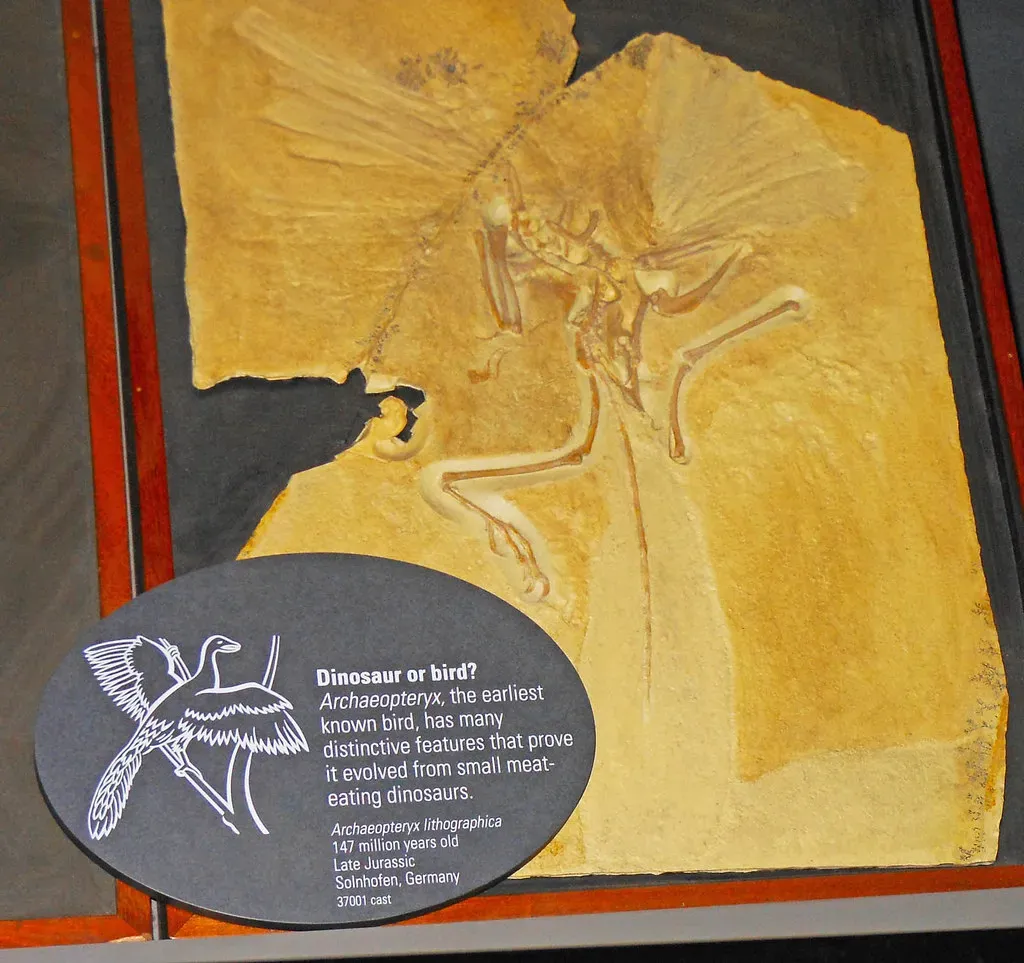
Archaeopteryx is a genus of feathered dinosaurs that lived during the late Jurassic period, around 150 million years ago. The fossils were first discovered in Germany in 1861 and are considered to be some of the most important fossils in the study of evolutionary biology. You could barely script a more perfectly timed scientific discovery. Darwin had only just published his theory of evolution by natural selection two years earlier, and suddenly here was a creature with both bird feathers and dinosaur teeth, arms and claws all at once.
The morphological gap previously left by Archaeopteryx is now being filled with discoveries of feathered dinosaurs and early birds, especially from China. Such fossils are key to understanding the evolution of bird flight. These finds illustrate how the evolutionary assembly of the avian body plan began in bipedal predatory theropods with small forelimbs and large hindlimbs, progressing through increasingly bird-like transitional anatomical stages. Honestly, you could spend an entire career studying this one creature and still not exhaust its implications.
4. Tiktaalik: The “Fishapod” That Conquered Land
Uploaded by FunkMonk, CC BY-SA 2.0)
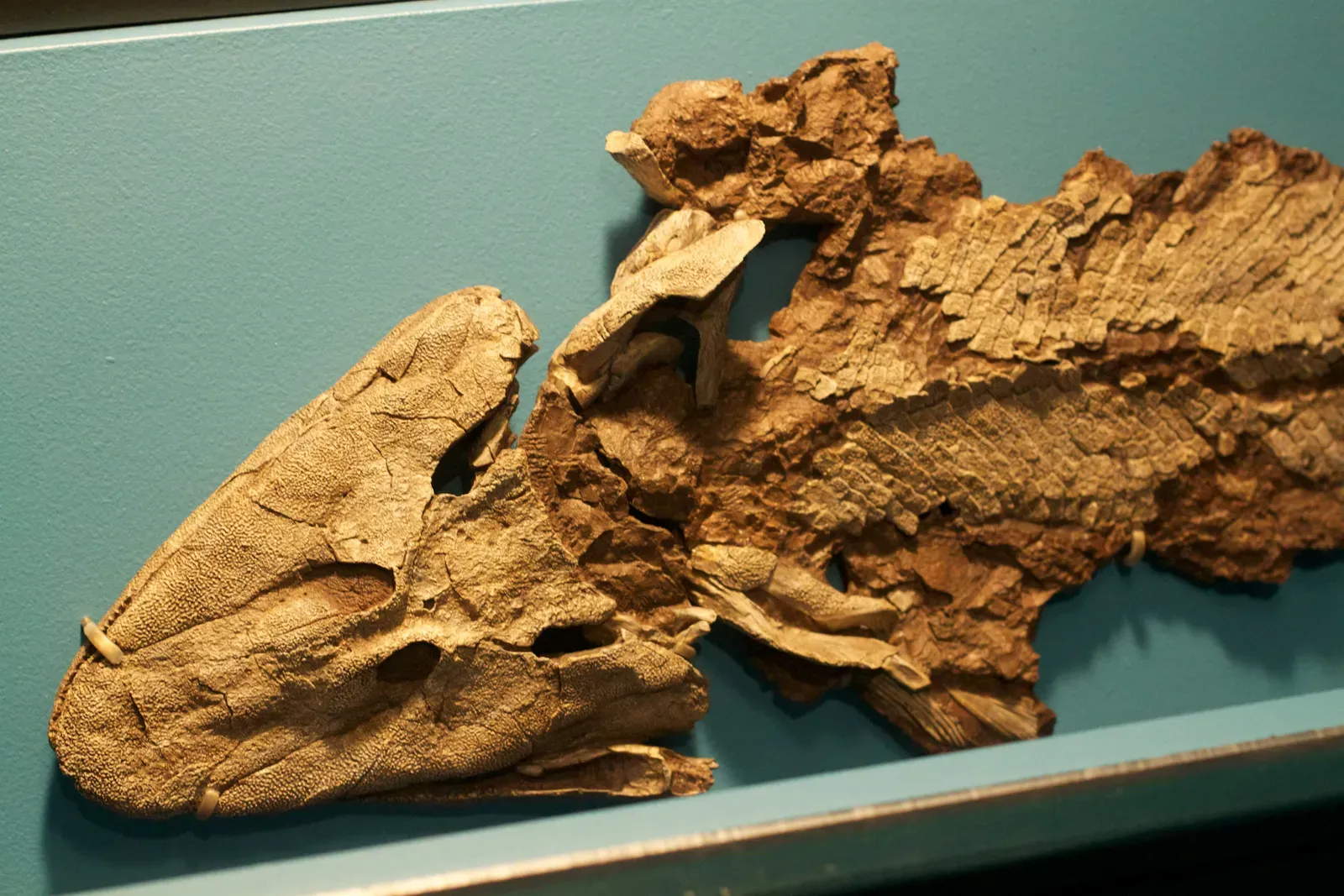
Here is a discovery that deserves far more mainstream attention than it gets. Tiktaalik is an extinct sarcopterygian, or lobe-finned fish, from the late Devonian period about 375 million years ago, having many features similar to those of tetrapods, meaning four-legged animals. The first Tiktaalik fossils were found in 2004 on Ellesmere Island in Nunavut, Canada. The discovery, made by Edward B. Daeschler, Neil H. Shubin, and Farish A. Jenkins Jr., was published in the April 2006 issue of Nature and quickly recognized as a transitional form.
Unearthed in Arctic Canada, Tiktaalik is a non-tetrapod member of bony fish, complete with scales and gills. However, it has a triangular, flattened head and unusual cleaver-shaped fins. Its fins have thin ray bones for paddling like most fish, but they also have sturdy interior bones that would have allowed Tiktaalik to prop itself up in shallow water. Those fins and other mixed characteristics mark Tiktaalik as a crucial transition fossil, a link in the evolution from swimming fish to four-legged vertebrates. This discovery clearly revealed that going onto land was not a sudden event. It was a gradual adaptation lasting millions of years.
5. The Burgess Shale: A Window Into the Cambrian Explosion
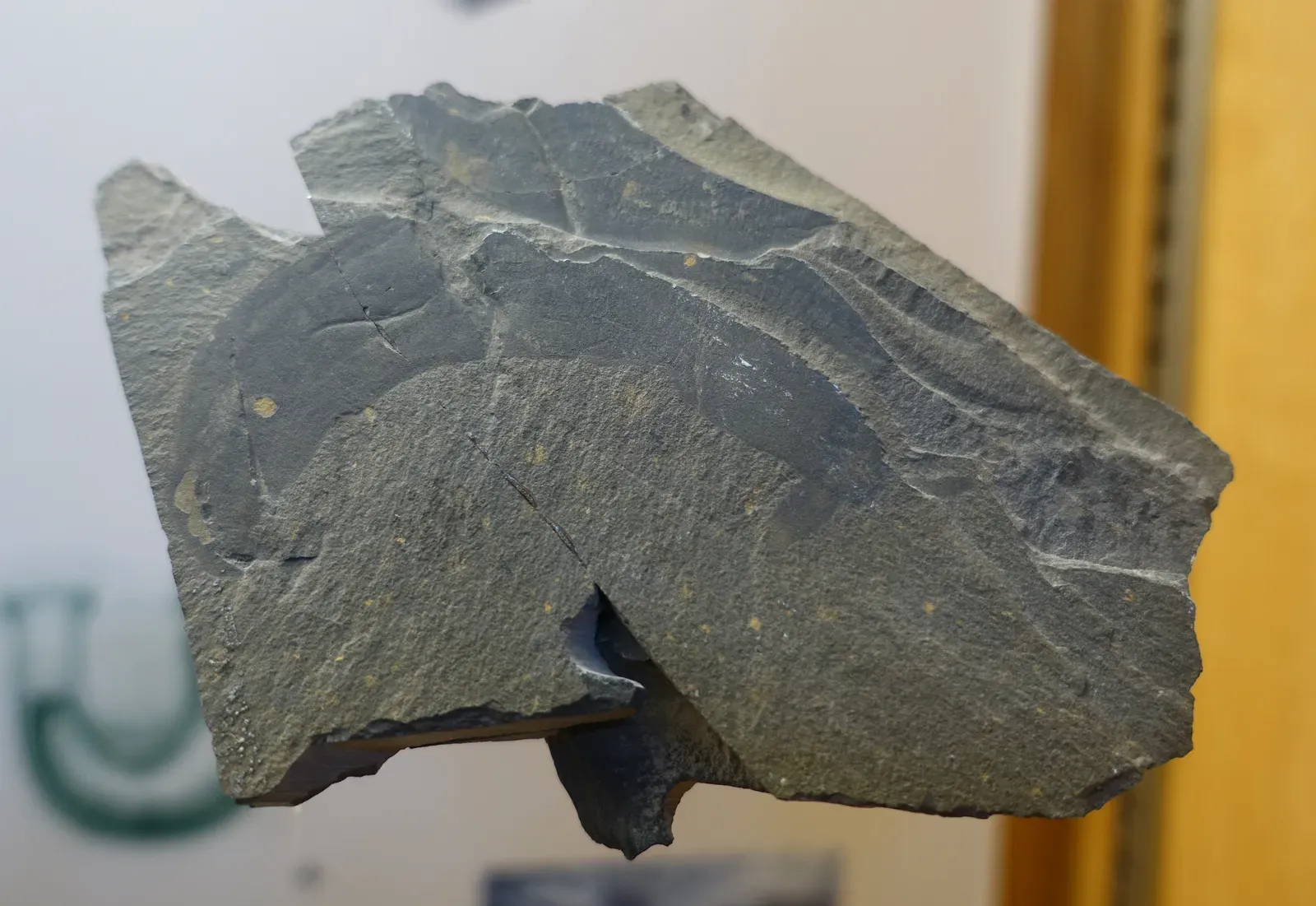
High in the Canadian Rockies lies a treasure trove of fossils called the Burgess Shale. Discovered in 1909, this site preserved creatures from over 500 million years ago during the Cambrian Explosion, a period when life diversified at an astonishing rate. The fossils here are unusual because they include not just hard shells and bones but also soft tissues, giving scientists a much clearer picture of ancient life. It is difficult to overstate how rare soft tissue preservation really is. Most fossils give you bones. The Burgess Shale gave you everything.
The Burgess Shale revealed bizarre and alien-looking creatures, from spiny predators to animals with five eyes. Some seemed so strange that scientists struggled to classify them. These fossils reshaped our understanding of early animal evolution and showed that experimentation and diversity have always been hallmarks of life on Earth. This discovery made scientists think of evolution not as a progressing ladder but as a branching and pruning tree. That metaphor, once properly grasped, genuinely changes how you picture all of natural history.
6. The Therapsid Jaw Fossils: How Reptile Bones Became Your Ears
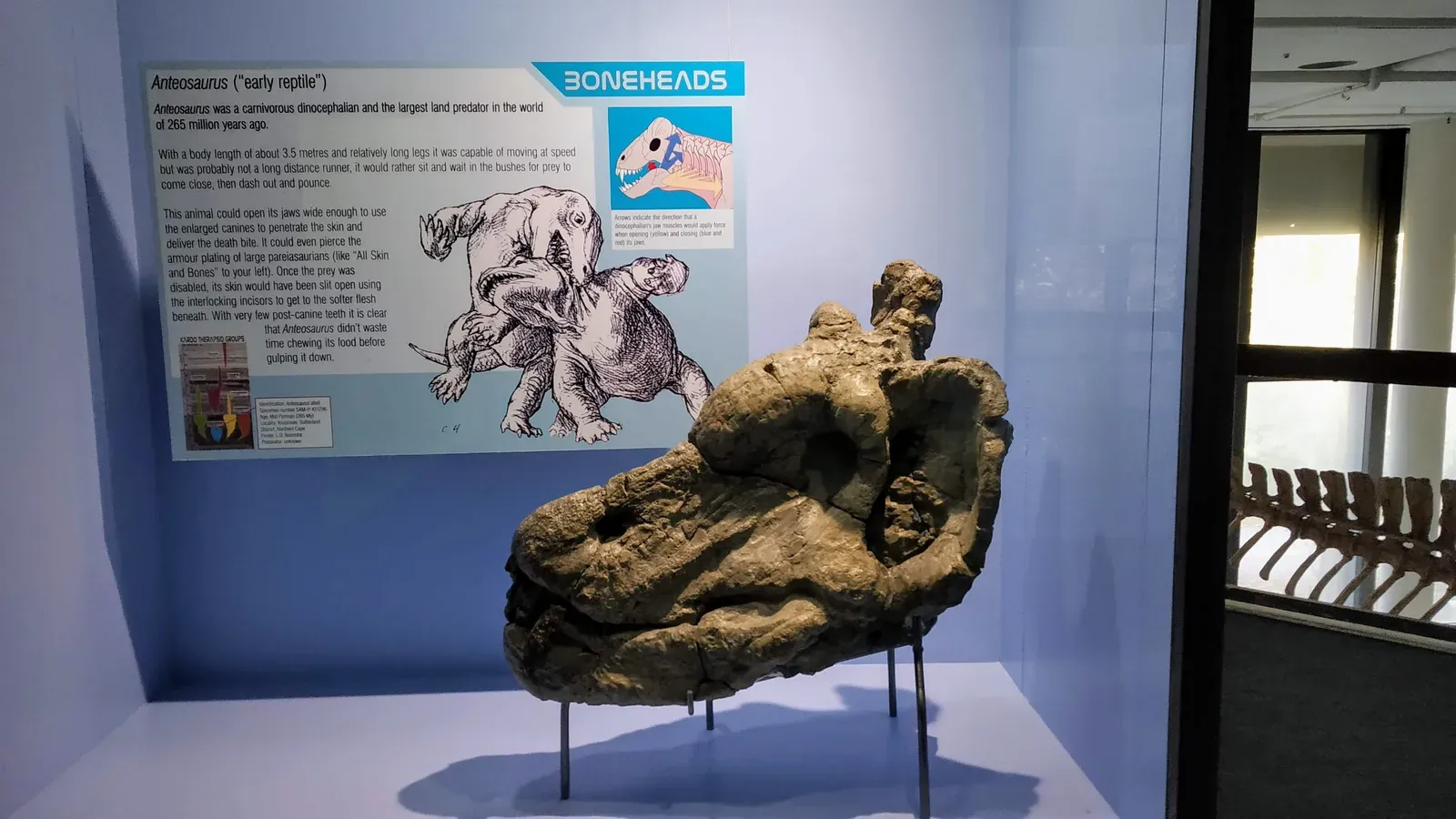
This one is almost too strange to believe. The lower jaw of reptiles contains several bones, but that of mammals only one. The other bones in the reptile jaw unmistakably evolved into bones now found in the mammalian ear. You are reading that correctly. The tiny bones that allow you to hear right now were once, hundreds of millions of years ago, part of the jaw structure of a reptile ancestor. That transition seemed almost impossible for scientists to explain at first, because what function could those bones have served in their intermediate stages?
Paleontologists discovered two transitional forms of mammal-like reptiles, called therapsids, that had a double jaw joint with two hinge points side by side. One joint consisted of the bones that persist in the mammalian jaw, and the other was composed of the quadrate and articular bones, which eventually became the hammer and anvil of the mammalian ear. It is one of those evolutionary transitions that, once you understand it, makes you feel like you are seeing the whole of biology differently. Using recovered fossils, paleontologists have reconstructed examples of radical evolutionary transitions in form and function.
7. The Taung Child: Africa’s Ancient Hominid and the Struggle for Recognition
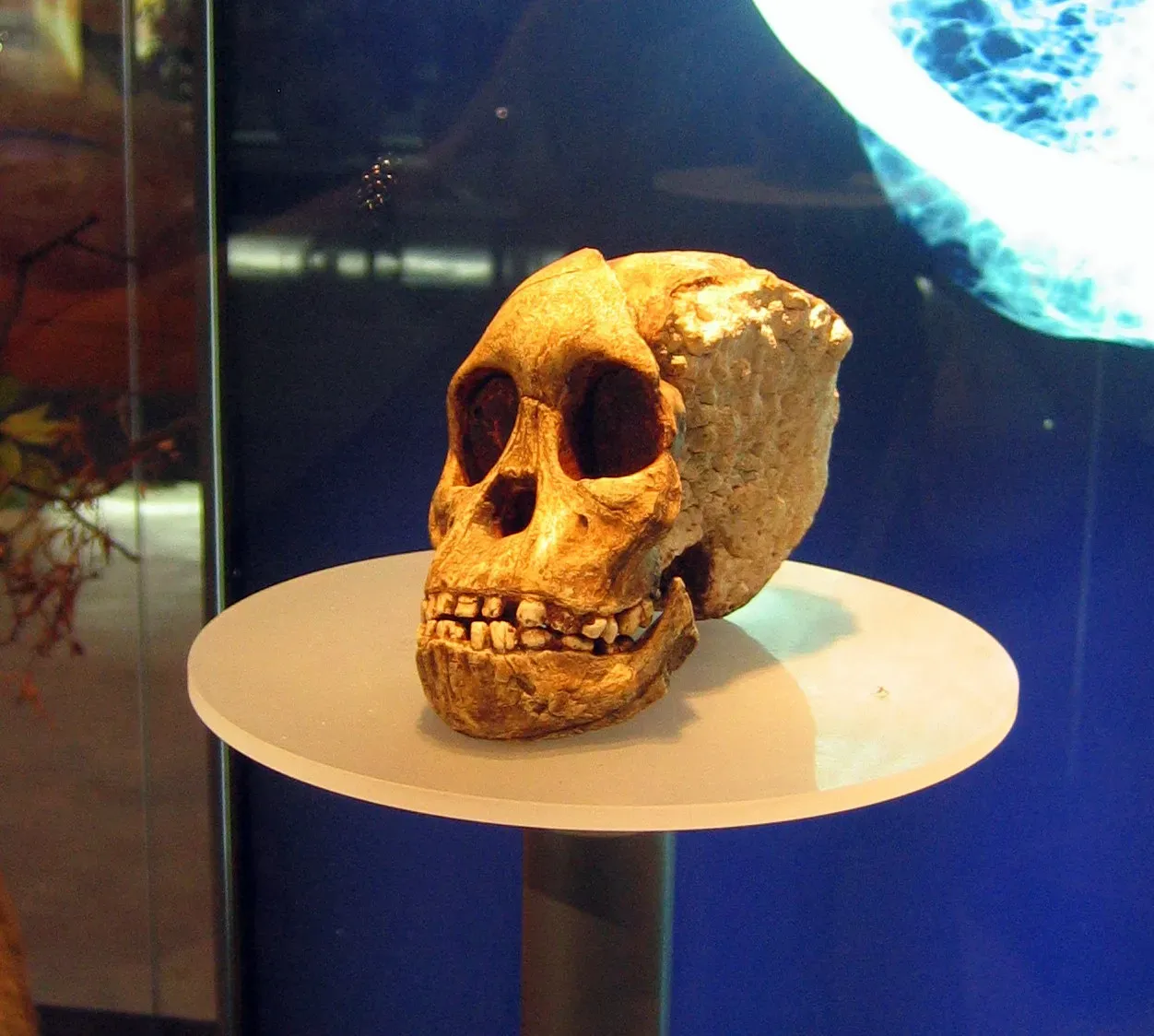
The discovery of the Taung skull in South Africa, classified as Australopithecus africanus in 1925, was clearly more ancient than earlier finds. Anatomist Raymond Dart, who first analyzed it, claimed it was a human ancestor. Let’s be real, though. The scientific establishment at the time was not exactly welcoming. Most leading researchers dismissed Dart’s claim outright, insisting Africa was not the cradle of humanity. It took decades of further discovery before the scientific world fully accepted that our origins lay in Africa.
This fossil was eventually found in the same layer as a specimen of Paranthropus boisei, finally disproving the “single species” theory that was popular at the time. Followers of this theory believed that only one hominin species could occupy an area at any given time and that the family tree was a single, evolving line moving toward modern humans. This find proved that the human family tree was more like a branching bush and that evolution was not linear. That insight alone reshaped our entire understanding of human origins.
8. Homo floresiensis: The “Hobbit” That Proved Evolution’s Surprises Never Stop
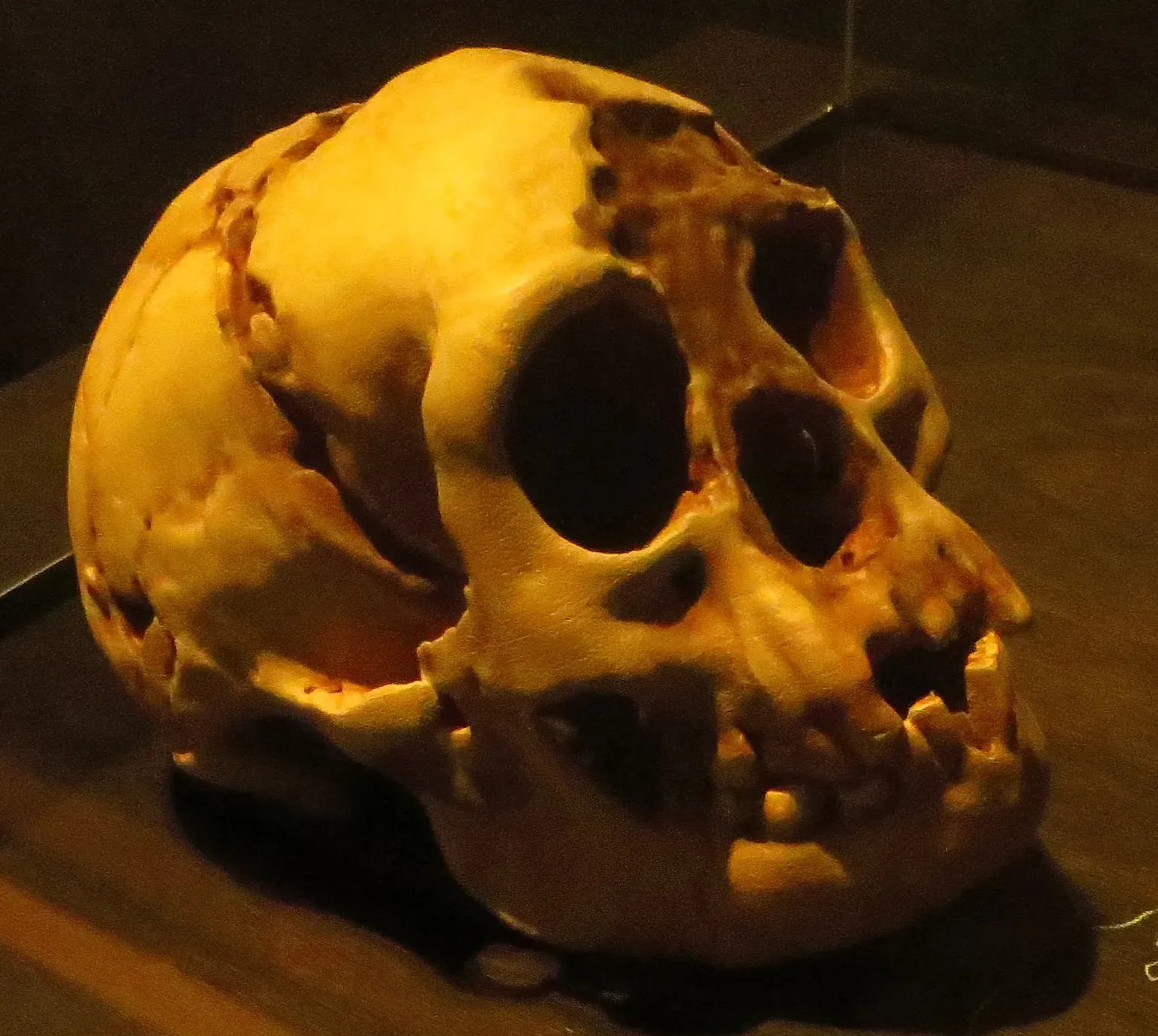
In 2003, researchers working on the Indonesian island of Flores uncovered something that genuinely baffled the global scientific community. Homo floresiensis, a type of dwarf human discovered on the Indonesian island of Flores, was announced as a new species. Fossils date from about 12,000 to 100,000 years old, making this a contemporary of modern humans. This tiny hominin, standing barely over a meter tall, lived at the same time as our own species. It is hard to imagine, but you and a miniature human cousin essentially shared the planet in the not-too-distant past.
The scientific debates that followed were fierce. Some researchers argued Homo floresiensis was simply a modern human with a medical condition. Others insisted it represented a genuinely distinct species that had evolved in isolation, shrinking over time through a process known as island dwarfism. Several important transitions have been illuminated through fossil discoveries, including the evolution of modern humans from a bush of more than a dozen divergent species. The “Hobbit” of Flores sits squarely within that complicated, endlessly fascinating story. I think the fact that they were contemporary with us is the part that never quite loses its shock value.
9. Feathered Dinosaur Fossils from China: Rewriting the Bird-Dinosaur Connection
Uploaded by FunkMonk, CC BY-SA 2.0)
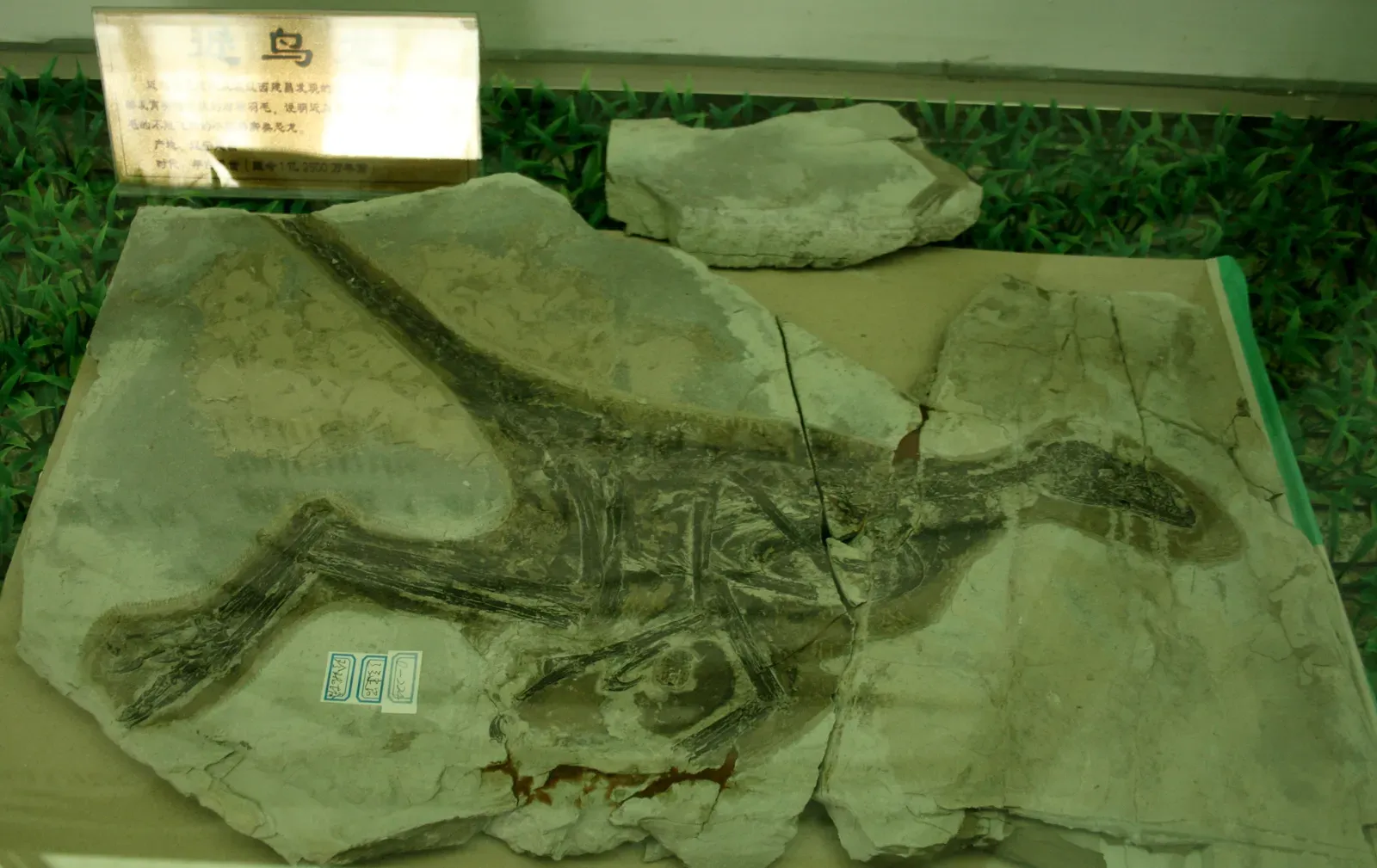
For most of the 20th century, the connection between birds and dinosaurs, while theorized, lacked the physical evidence to silence the skeptics. Then China delivered. Feathered dinosaurs found in China ended the bird-dinosaur debate. Some species were four-winged, some glided. Flight did not emerge in a single moment. It developed gradually. These Chinese fossil beds became among the most scientifically valuable sites on Earth, yielding species after species that filled in the evolutionary steps between ground-dwelling theropods and the birds you hear outside your window.
These finds illustrate how the evolutionary assembly of the avian body plan began in bipedal predatory theropods with small forelimbs and large hindlimbs and tails, progressing through a series of increasingly bird-like transitional anatomical stages. This progression, and the resulting acquisition of flight, involved a complex mosaic of changes in skeletal morphology, feather morphology, body size, and mass distribution. It is a bit like watching an impossibly slow-motion video of a crocodile gradually becoming a sparrow over millions of years. Strange, beautiful, and humbling all at once.
10. The Whale Fossil Series: From Land-Walker to Ocean Giant
Uploaded by FunkMonk, CC BY-SA 2.0)
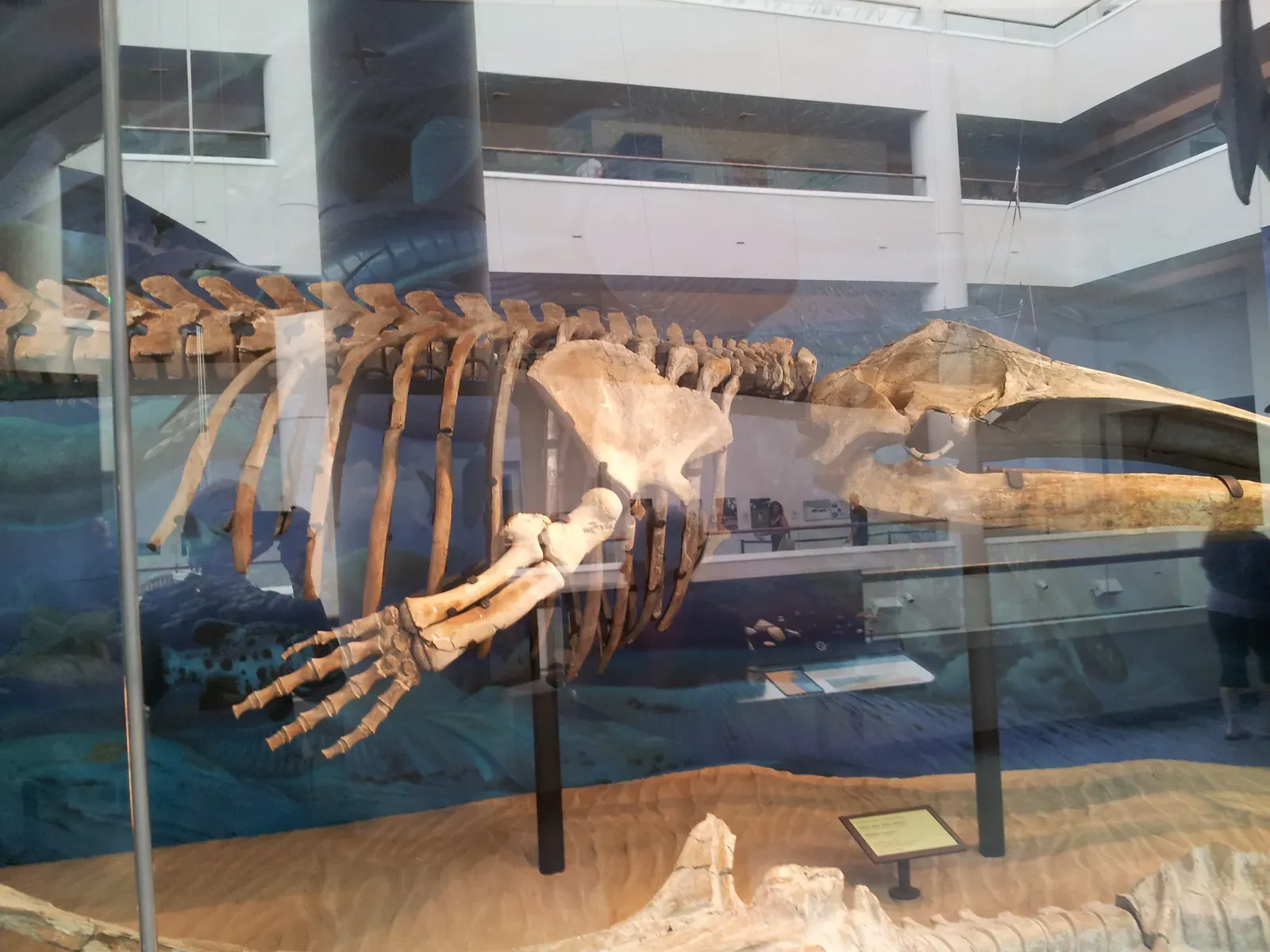
Not only did vertebrates move from the sea to the land, but there were also transitions from land back into the sea that happened hundreds of millions of years after the origin of land vertebrates. These are very well preserved in the fossil record. One key example is the origin of whales from their land-dwelling ancestors. This evolutionary journey is one of the most dramatic in all of natural history. The idea that the largest animals on Earth today once walked on solid ground sounds more like science fiction than paleontology.
It has long been postulated that whales descended from land mammals that had returned to the sea. From anatomical and paleontological evidence, the whales’ closest living land relatives seemed to be the even-toed hoofed mammals. Recent comparisons of milk protein genes have confirmed this relationship and suggested that the closest land-bound living relative of whales may be the hippopotamus. When we compare the DNA of modern whales, including dolphins and orcas, to all other living mammals, we find that they share the greatest similarity with hippos. So the next time you see a hippo, remember it is basically a cousin to the blue whale. That is evolution in all its jaw-dropping glory.
Conclusion: The Earth Is Still Telling Its Story
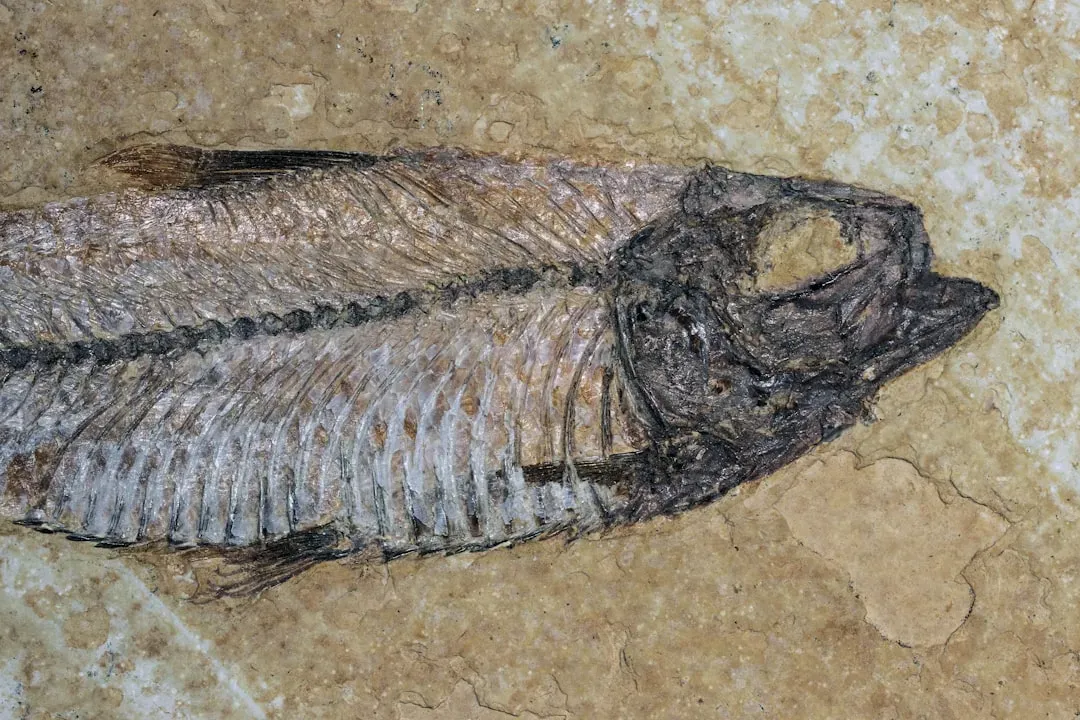
Every one of these ten discoveries started with someone noticing something unusual in the ground. A bone fragment here, a footprint there, a strange fin in Arctic rock. Fossil evidence clearly shows that life is very, very old and has changed over time through evolution. Each new find does not just add a data point to a chart. It reshapes the entire picture.
Paleontology is an especially good example of the cumulative nature of science, with each new find adding a new piece to the puzzle of life’s past. Even when a new fossil overturns current views, this is still cumulative in the corrective sense. There is something deeply reassuring about that. Science does not claim to be finished. It keeps digging. Quite literally.
The most thrilling part is that countless fossils are still out there, waiting in rock layers no human eye has ever examined. The next discovery that rewrites everything might be sitting in the ground right now, just a few inches below the surface somewhere. What discovery would you most want scientists to make next? Tell us in the comments.