Imagine a world so utterly alien that the continents you know have not yet taken shape, the skies are ruled by leathery winged giants, and the ground shakes under the footfall of creatures the size of buildings. This was not science fiction. This was Earth, somewhere between 252 and 66 million years ago. The Mesozoic Era, better known as the Age of Reptiles, was one of the most breathtaking chapters in the history of life on our planet.
You might think you already know this story. Dinosaurs, asteroids, extinction. But honestly, that is barely the surface. What unfolded over those nearly 200 million years was a saga of biological creativity so explosive and so relentless that we are still uncovering its secrets today. So let’s dive in.
A World Reborn from Catastrophe
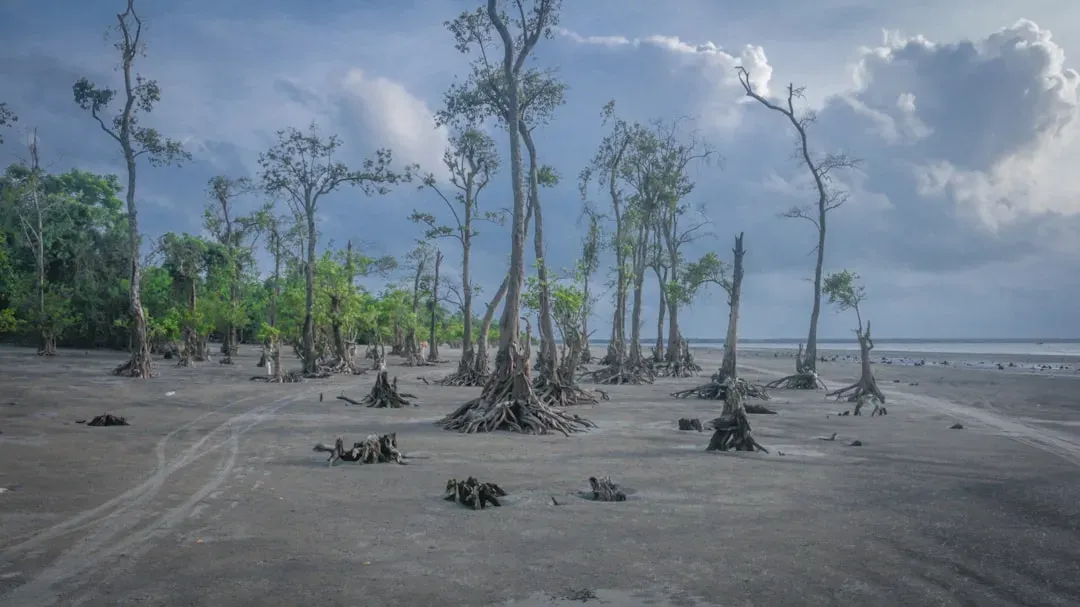
Before you can appreciate the innovation of the Mesozoic, you need to understand what came before it. The Mesozoic Era began roughly around the time of the end-Permian extinction, which wiped out nearly all marine life and a vast majority of all terrestrial species on the planet. Think about that for a second. The slate was almost completely wiped clean. Life did not just survive, it seized the opportunity.
Life slowly rebounded, eventually giving way to a flourishing diversity of animals, from massive lizards to monstrous dinosaurs. It is like watching a forest grow back after a wildfire, except this fire was planetary, and the forest that returned was filled with creatures beyond imagination. The Mesozoic Era had a lot of firsts. It had the first birds, first mammals, first dinosaurs, and first flowering plants.
The Rise of the Ruling Reptiles
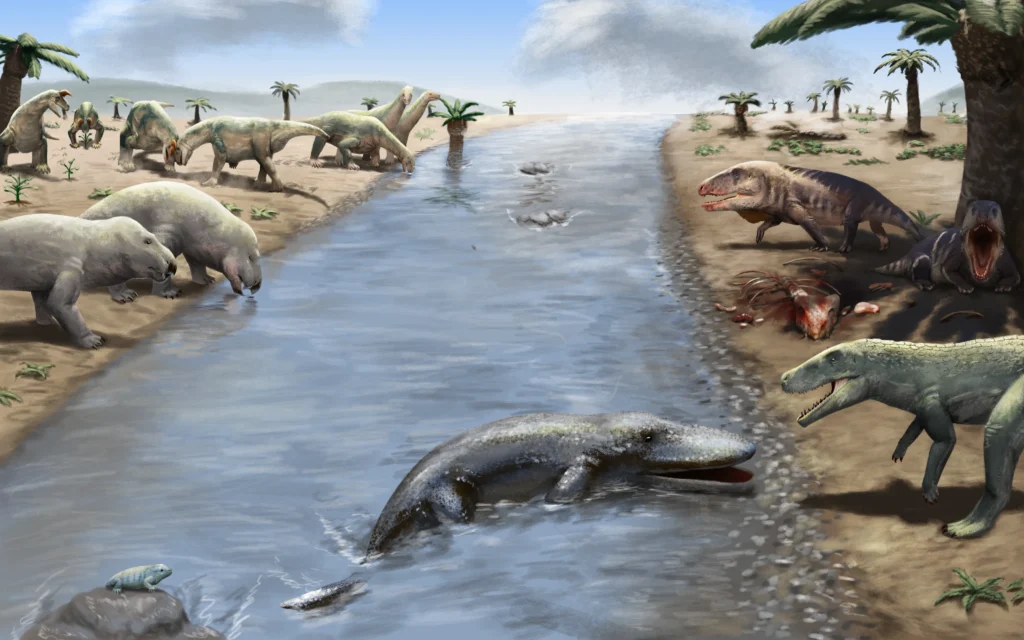
Here is the thing about reptiles during the Mesozoic: they did not just survive, they dominated everything. The archosaurs, known as the “ruling reptiles,” include ancestral groups that went extinct at the end of the Triassic, as well as the flying pterosaurs, crocodilians, and the dinosaurs. Like the placental mammals after them, archosaurs occupied all major environments: terrestrial, in the air, aquatic, and even fully marine habitats.
In Mesozoic times, the reptiles were at the prime of their evolution and displayed an amazing variety of specializations. They varied widely in size and appearance and were diverse in structure and habits. You could think of them like a single corporate empire that somehow managed to dominate every industry at once. Land, sea, air. They owned it all. The acknowledged stars of the Mesozoic were the reptiles, who came to dominate the sea, the land, and the air for almost 200 million years.
Dinosaurs: From Small Beginnings to Colossal Giants
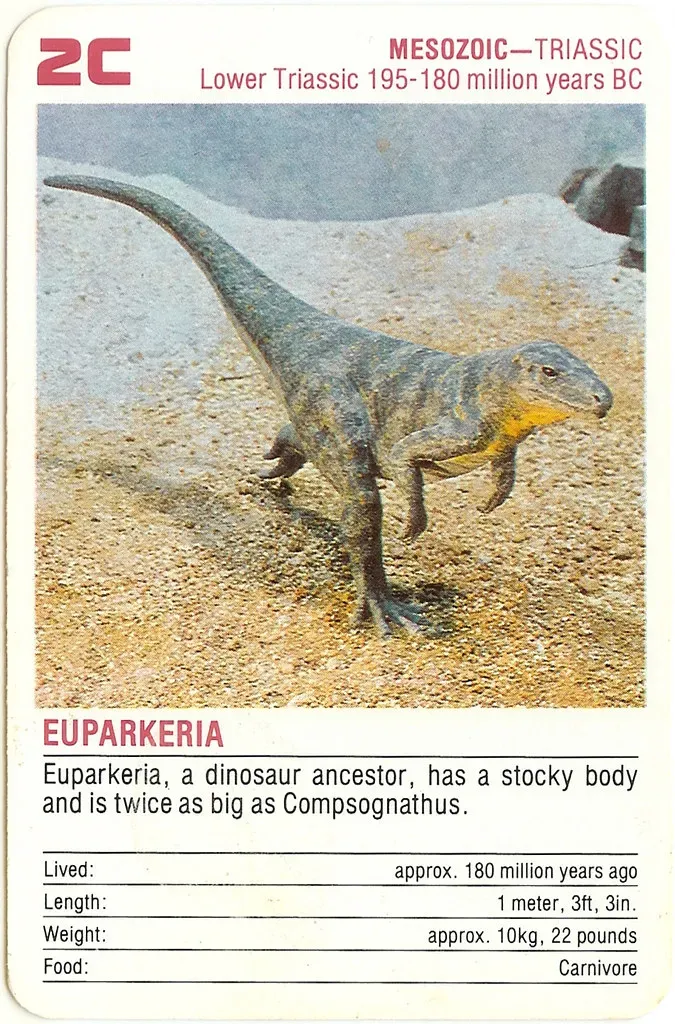
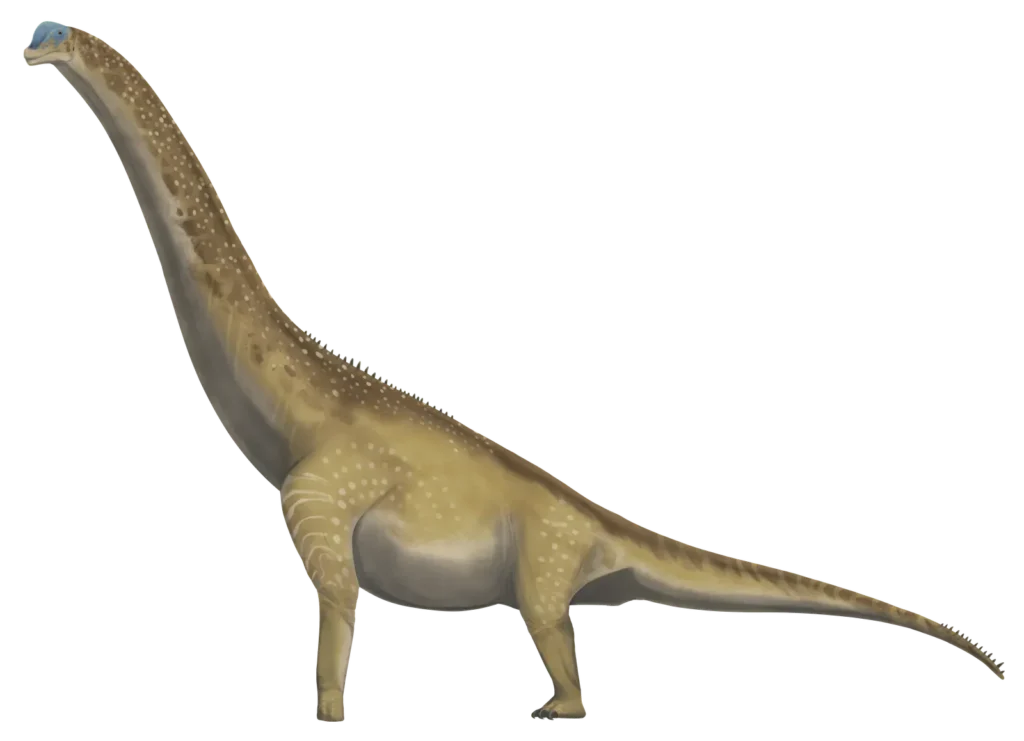
The pterosaurs were the first vertebrate group to take flight. The dinosaurs themselves were relatively small animals in the Triassic period of the Mesozoic but became truly massive in the Jurassic. It is almost hard to believe that the ancestors of Brachiosaurus were roughly the size of a dog. Evolution, given enough time and opportunity, is a remarkably ambitious engineer.
Dinosaurs diversified into a dizzying variety of shapes, dietary habits, and sizes, ranging from colossal long-necked sauropods larger than Boeing 737 aircraft to feathered gliders no larger than pigeons, which were the progenitors of today’s birds. The major adaptive advantage dinosaurs had was changes in the hip and ankle bones, tucking the legs under the body for improved locomotion, as opposed to the semi-erect gait of crocodiles or the sprawling posture of other reptiles. A small anatomical tweak, but one that changed everything.
The Oceans Were No Less Spectacular
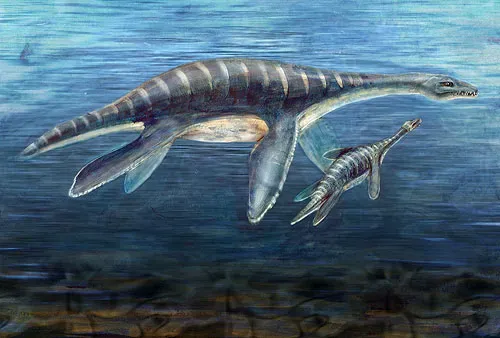
While everyone tends to focus on land-dwelling dinosaurs, the oceans of the Mesozoic were just as astonishing. In the oceans, plesiosaurs were quite common, and ichthyosaurs flourished. These were not small creatures either. Some plesiosaurs stretched to lengths comparable to a school bus, hunting the ancient seas with four powerful flippers. Large marine reptiles such as plesiosaurs, along with the coiled-shell ammonites, flourished in these seas.
The ichthyosaur, a giant fish-like marine animal, was a land reptile which had returned to the sea but continued bearing its young alive. It was not, however, the ancestor of current whales or dolphins. This is a genuinely mind-bending fact. A land animal evolved back into a fully aquatic lifestyle, complete with live birth, and looked remarkably like a dolphin millions of years before dolphins ever existed. Evolution, it turns out, tends to rediscover the same good ideas.
Pangaea Breaks Apart and Biodiversity Explodes
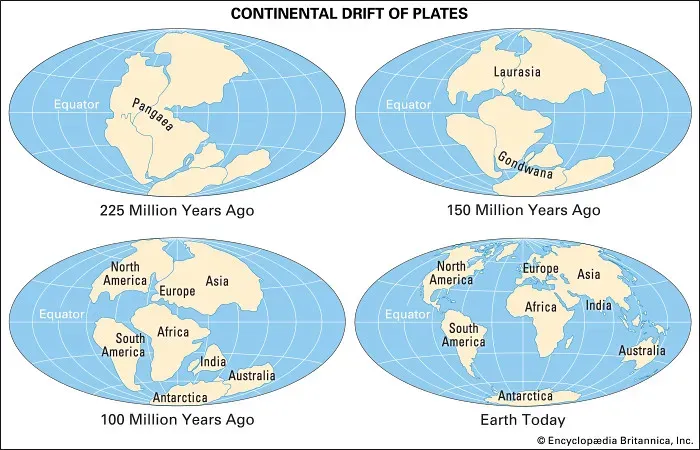
The Mesozoic was not only a significant era for evolution, but also for climate and tectonic activity. Pangaea started rifting into separate continents from one giant landmass. You can picture it like a single giant puzzle being slowly, violently torn apart over millions of years, each piece drifting away to become a new world. Pangaea started breaking up, in a region that would become eastern Canada and the United States, around 210 million years ago in the Late Triassic.
Rainfall increased due to the seas forming between the landmasses, which allowed lush ferns and forests to grow. This geographic isolation was essentially nature’s greatest experiment. The breakup of Pangaea not only shaped our modern world’s geography but biodiversity at the time as well. Throughout the Mesozoic, animals on the isolated, now separated island continents took strange evolutionary turns. This includes giant titanosaurian sauropods like Argentinosaurus and theropods like Giganotosaurus from South America.
The Dawn of Birds, Mammals, and Flowers
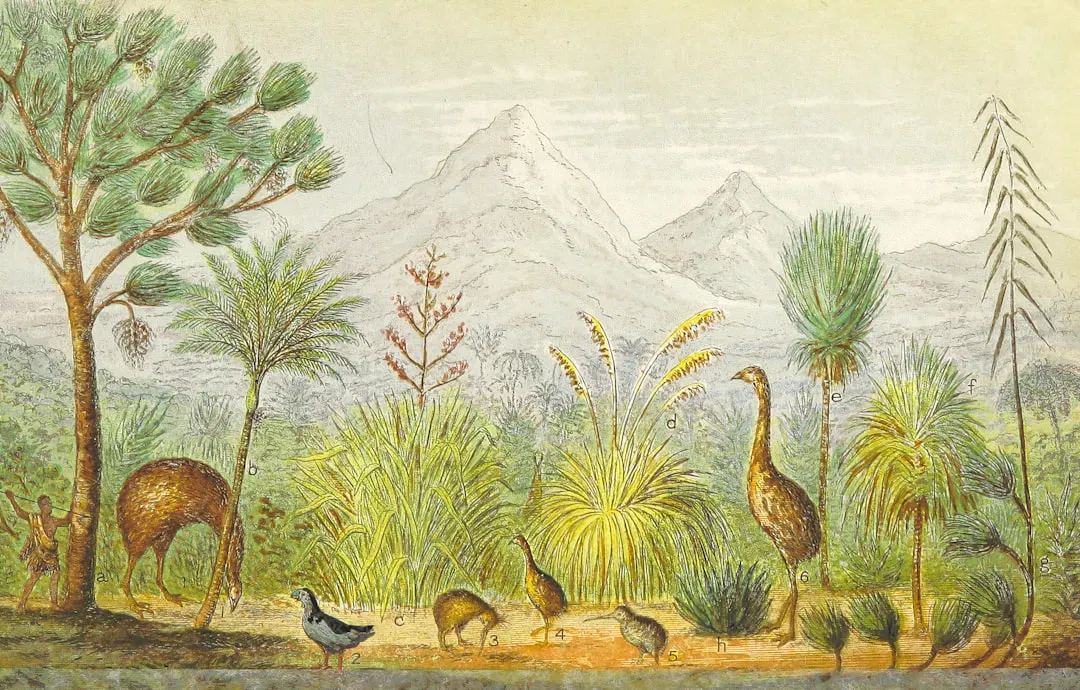
One of the most surprising truths about the Mesozoic is that the era did not just produce reptilian giants. It also quietly set the stage for the world you live in today. Birds evolved from theropod dinosaurs during the Jurassic, around 165 to 150 million years ago, and their classic small, lightweight, feathered, and winged body plan was pieced together gradually over tens of millions of years of evolution rather than in one burst of innovation.
The first mammals also appeared during the Mesozoic, but would remain small until the Cenozoic. Flowering plants appeared in the Early Cretaceous and would rapidly diversify through the end of the era, replacing conifers and other gymnosperms as the dominant group of plants. Through nourishment and pollination, plants and insects co-evolved ever since the Cretaceous. Plants developed colors and structures that protected them from all but specific insects. Insects simultaneously developed so as to live off certain flowers. Flowering plants and insects form an inseparable symbiosis. That partnership, born deep in the Mesozoic, is the reason your garden blooms today.
The Cataclysmic End of an Era
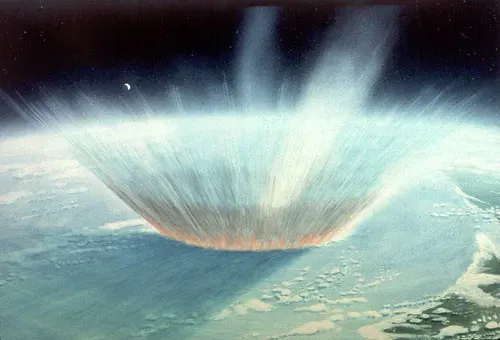
I think what makes the Age of Reptiles so poignant is that for all its staggering success, it ended with shocking abruptness. At the end of the Cretaceous, the Deccan Traps and other volcanic eruptions were poisoning the atmosphere. A large meteor then smashed into Earth 66 million years ago, creating the Chicxulub Crater, in an event known as the K-Pg Extinction, the fifth and most recent mass extinction event, in which roughly three quarters of all life became extinct, including all non-avian dinosaurs.
Researchers found that only the asteroid strike wiped out all potential dinosaur habitats, while volcanism left some viable regions around the equator. Still, the story did not fully end there. Early birds diversified throughout the Jurassic and Cretaceous, becoming capable fliers with supercharged growth rates, but were decimated at the end-Cretaceous extinction alongside their close dinosaurian relatives. After the mass extinction, modern birds explosively diversified, culminating in more than 10,000 species distributed worldwide today. The dinosaurs never truly went away. They just learned to fly.
Conclusion
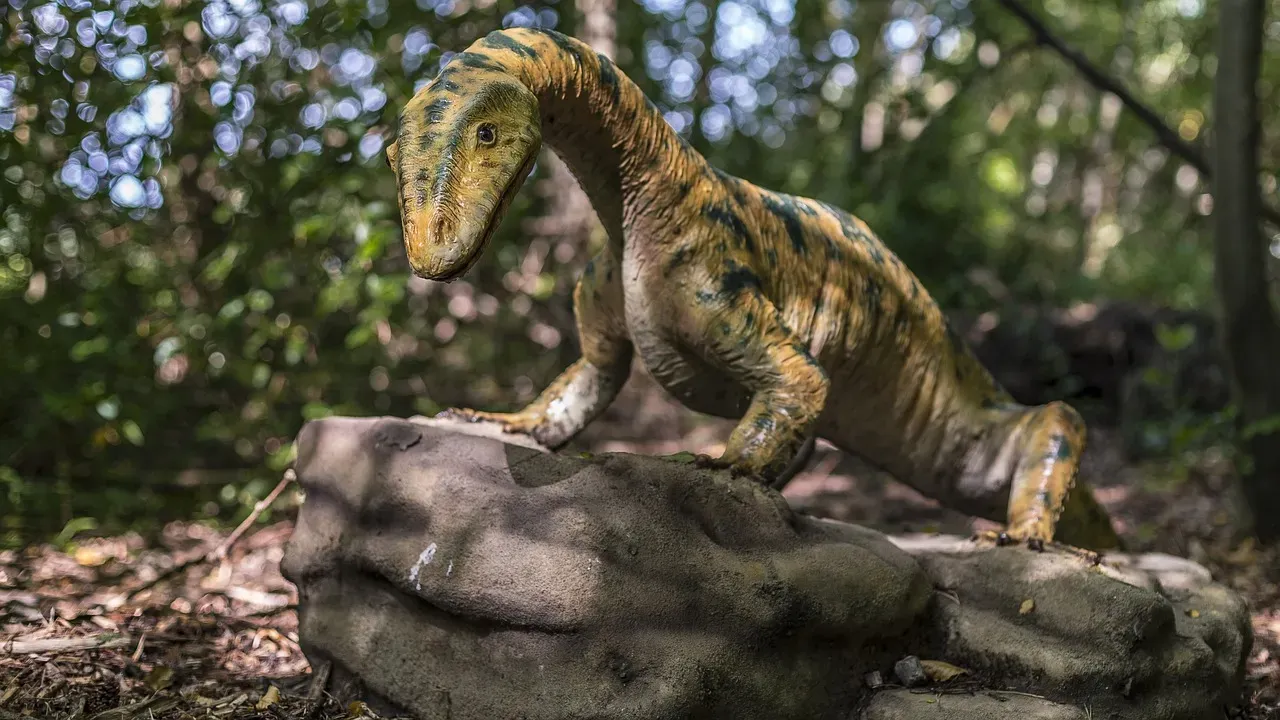
The Age of Reptiles was not simply a chapter about enormous, scary animals. It was a nearly 200-million-year masterclass in biological reinvention. Life arrived at the Mesozoic’s doorstep through catastrophe, and it answered with an explosion of creativity that shaped every living thing you see around you, from the bird at your window to the flower in your hand.
The continents you walk on were forged by Mesozoic forces. The plants that feed you trace their lineage back to Cretaceous forests. Even you, in a very real sense, owe your existence to the small, scrappy mammals that survived in the shadow of giants. The Age of Reptiles built the foundation of our modern world, one extraordinary adaptation at a time.
What surprises you most: that it lasted nearly 200 million years, or that it ended in what feels, geologically speaking, like an instant? Tell us in the comments.