
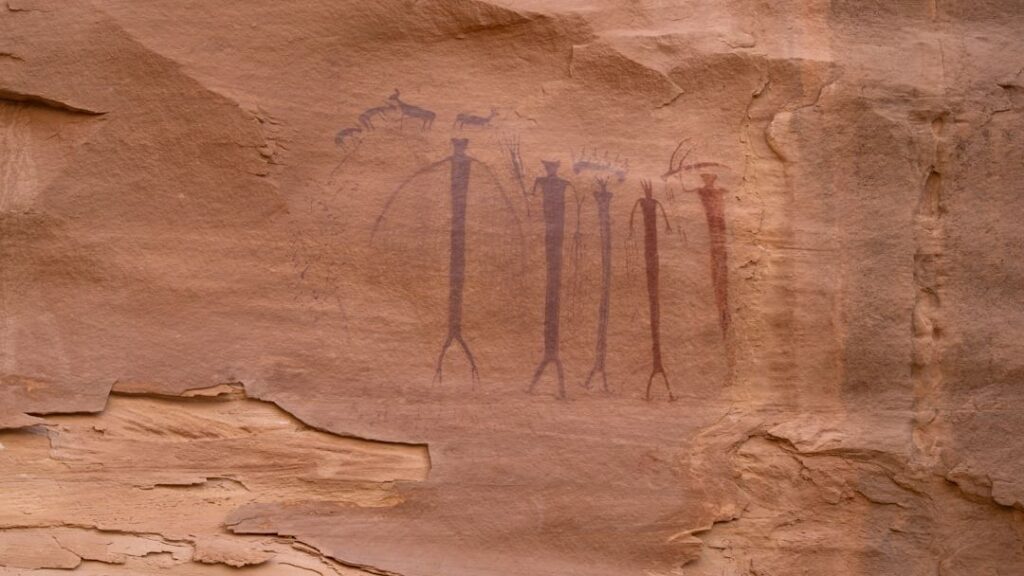
Picture yourself standing at the base of a sun-baked canyon wall somewhere in the American Southwest. You look up, and etched into the rock are figures of bison, deer, serpents, and hunters that have been staring back at the open sky for thousands of years. You feel something catch in your chest – a strange pull toward a world you never lived in, yet somehow recognize.
That is the power of ancient tribal art in the United States. These aren’t random scratches left behind by bored wanderers. They are visual diaries, spiritual declarations, and ecological records rolled into one magnificent body of human expression. What they tell us about how prehistoric people lived alongside, feared, revered, and depended on animals is nothing short of extraordinary. Stick around, because what you are about to discover goes far deeper than you might expect.
A Living Record Carved Into Stone: What You Need to Know About Petroglyphs and Pictographs
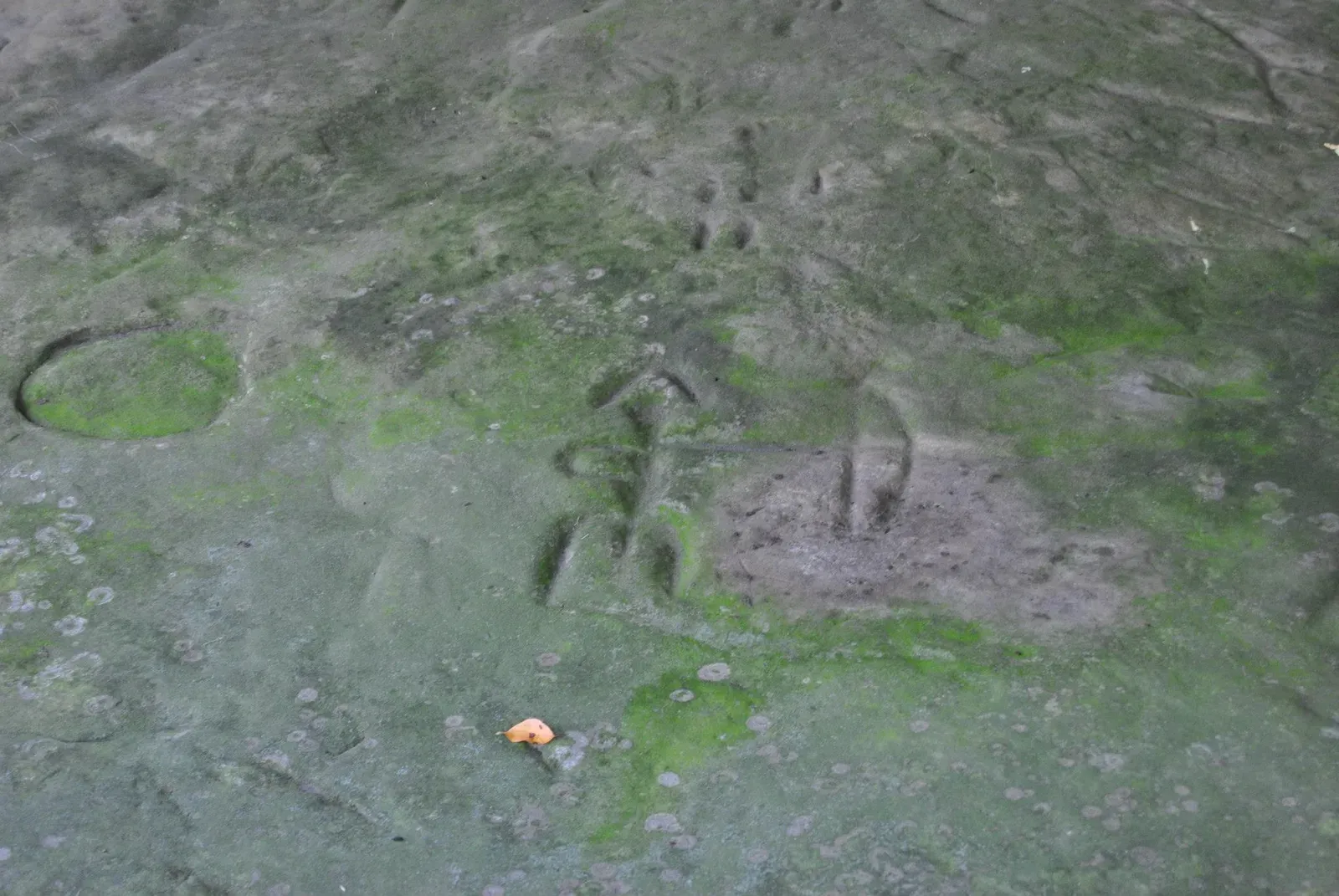
When you look at Native American tribal art, you are essentially looking at two distinct forms of expression. Native American rock art includes two styles of creation: pictographs, which are drawings or paintings made on rocks, and petroglyphs, which are images carved into the rock. Think of the difference like this – a pictograph is like ancient spray paint, while a petroglyph is like stone engraving. Both required skill, intention, and extraordinary patience.
Pictographs were created by painting on rock surfaces with natural pigments, including iron oxides such as hematite or limonite, white or yellow clays, soft rock, charcoal, and copper minerals. These weren’t crude finger-smears. They were carefully mixed, applied, and deliberately placed. Because petroglyphs are carved directly into rock, they tend to last longer than pictographs – which is why so many of the painted images you might see today survive only as ghostly shadows of their original vibrant colors.
Where You Can Find These Ancient Masterpieces Across the United States
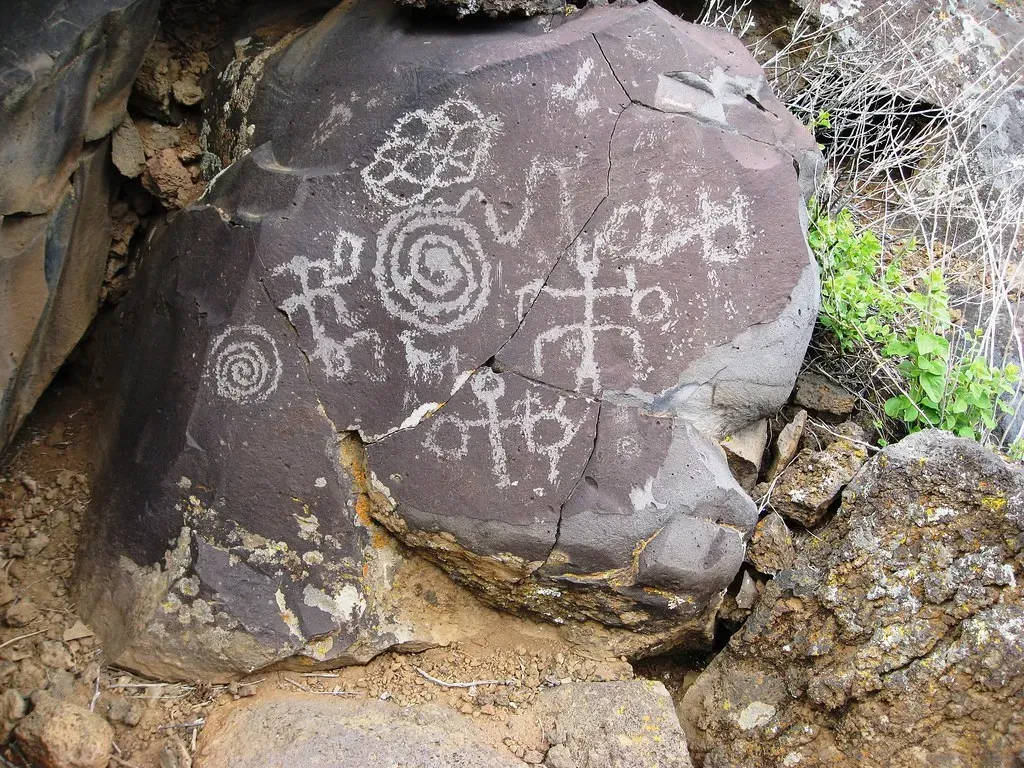
You might think this kind of art is rare, a few lonely carvings scattered here and there. Honestly, the reality is breathtaking. The United States has thousands of pictographs and petroglyphs, with the greatest concentration in the American Southwest. The site with the most of these is the Petroglyph National Monument in New Mexico, where archaeologists have estimated that there may be more than 25,000 petroglyphs along just 17 miles of escarpment. That number alone should make your jaw drop.
In North America, rock and cave art can be found across the continent, with a large concentration in the desert Southwest, where the arid climate has preserved thousands of petroglyphs and pictographs of ancient Puebloan peoples. Meanwhile, Arkansas alone has one of the richest concentrations of rock art in eastern North America, primarily in the Ozark and Ouachita mountain areas of the state, with a concentration in the central Arkansas River Valley. Let’s be real – this was not a regional tradition. It was a continent-wide language.
Animals Dominate the Canvas: What the Imagery Reveals About Prehistoric Life
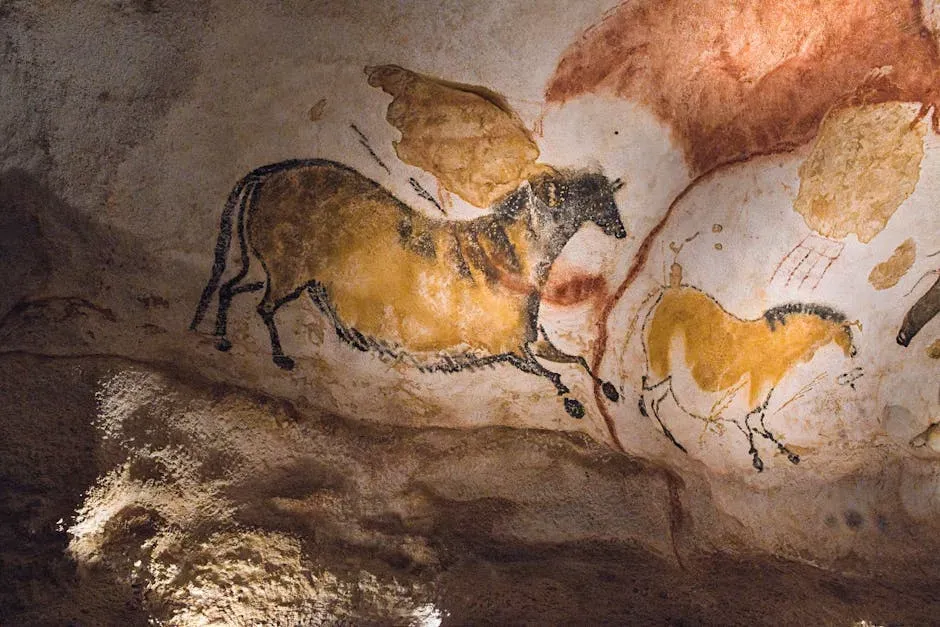
Here is the thing that strikes you the moment you start studying this art seriously: animals are absolutely everywhere. The most common subjects in ancient rock art are large wild animals, such as bison, horses, aurochs, and deer, along with tracings of human hands and abstract patterns called finger flutings. This preferential and exuberant treatment of animals suggests on the part of our ancestors an inexplicable fascination with wildlife.
It goes deeper than fascination, though. A 2012 study found that prehistoric cave artists depicted the walking gait of four-legged animals with greater accuracy than modern artists, suggesting close observation of prey animals was important for survival. These ancient artists were not just painting from memory. They were studying. They were watching, tracking, and understanding their animal neighbors with the kind of precision that kept them alive. Prehistoric art offers insights into early human beliefs, societal structures, and environmental interactions, serving as a communication medium before written language.
The Sacred Bison: A Relationship Unlike Any Other in Tribal Art
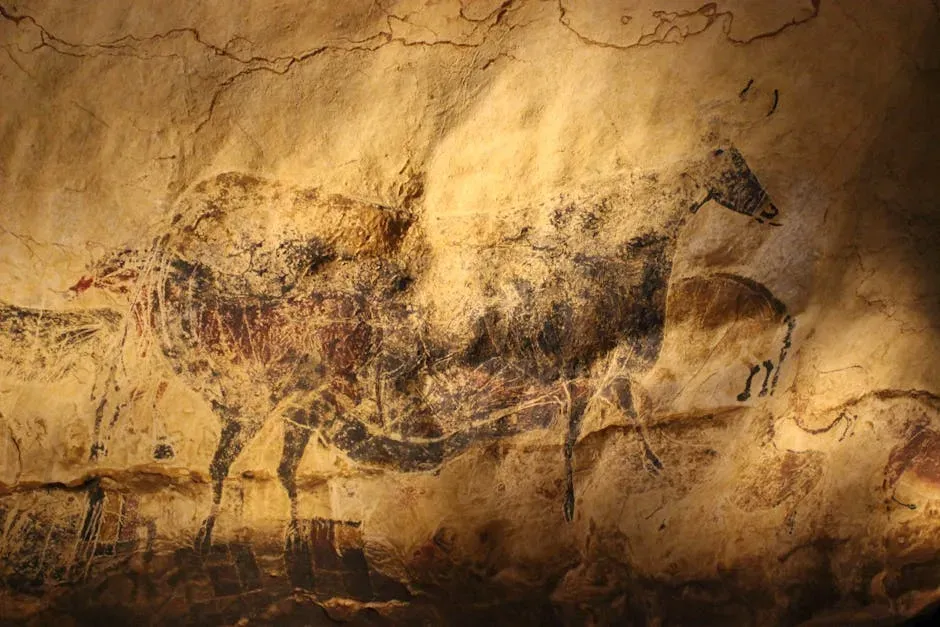
Of all the animals depicted across America’s ancient tribal art, the bison holds a position of jaw-dropping cultural weight. The American bison, commonly referred to as the buffalo, is much more than an important historical food source to the Northern Plains Native Nations. Tribal histories, cultures, traditions, and spiritual lives all connected deeply to the buffalo in a profound reciprocal relationship. You see this reflected in the art itself, where bison appear again and again in scenes of hunts, ceremonies, and spiritual encounters.
Bison were central to many Native American ceremonies and rituals. The Sun Dance, a pivotal religious ceremony among Plains tribes, often involved the use of bison hides and skulls. Bison were seen as intermediaries between the physical and spiritual worlds, and their sacrifice during these ceremonies was believed to ensure the prosperity and well-being of the tribe. To the people of the Plains, the buffalo was the sustainer of life, a relationship as significant spiritually as it was materially. In preparation for a hunt, many tribes held buffalo calling ceremonies to lure the animal and to honor its sacrifice. That level of spiritual intentionality is written all over the walls of ancient America.
Shamans, Spirits, and Shapeshifters: The Deeper Symbolic Language of Tribal Art
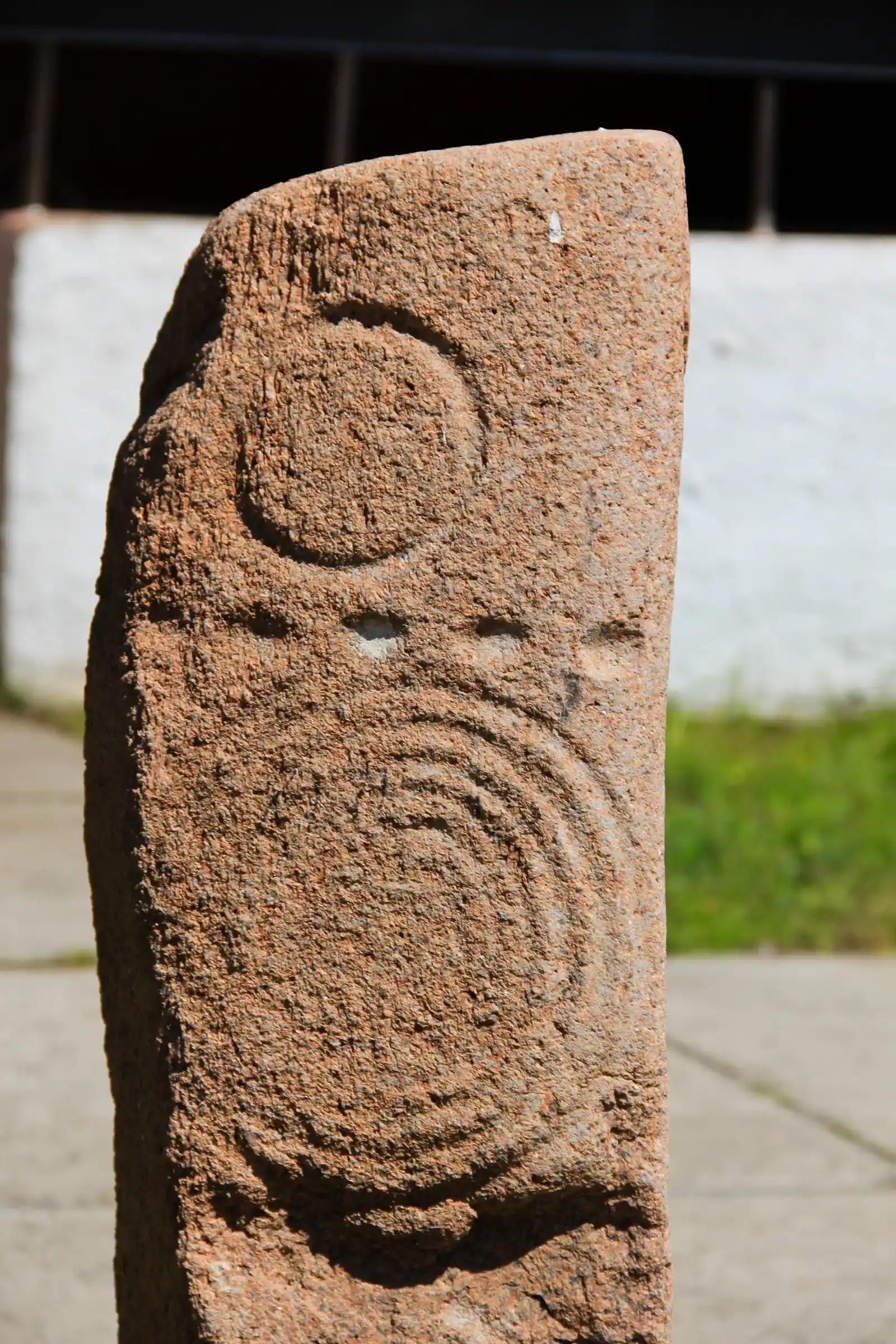
You might assume tribal art is a simple pictorial record, something like a prehistoric photograph album. It is not. The imagery is layered with symbolic meaning that archaeologists and Indigenous scholars are still carefully untangling today. Pennsylvania petroglyphs, for example, consist of naturalistic designs of humans, animals, and their tracks, as well as more supernatural depictions of human and animal-like imagery and other conventionalized symbolic designs such as circles and dots. The line between the natural animal world and the spiritual one was clearly very thin for these cultures.
Totemism, where each drawing represented the animal protecting the tribe, was a favored early interpretation, while the “sympathical magic” theory proposed that drawing animals was a way to kill them symbolically before the hunt. Neither theory fully explains everything, and honestly, that ambiguity is part of what makes this art so haunting. Even when you can plainly see what a rock art image represents, you do not always know what it meant to the person who produced it. A petroglyph of a deer might have symbolized what deer meant to the maker’s society, which might not be anything like what we think of when we visualize a deer.
What Ancient Art Teaches You About Ecological Knowledge and Human Survival
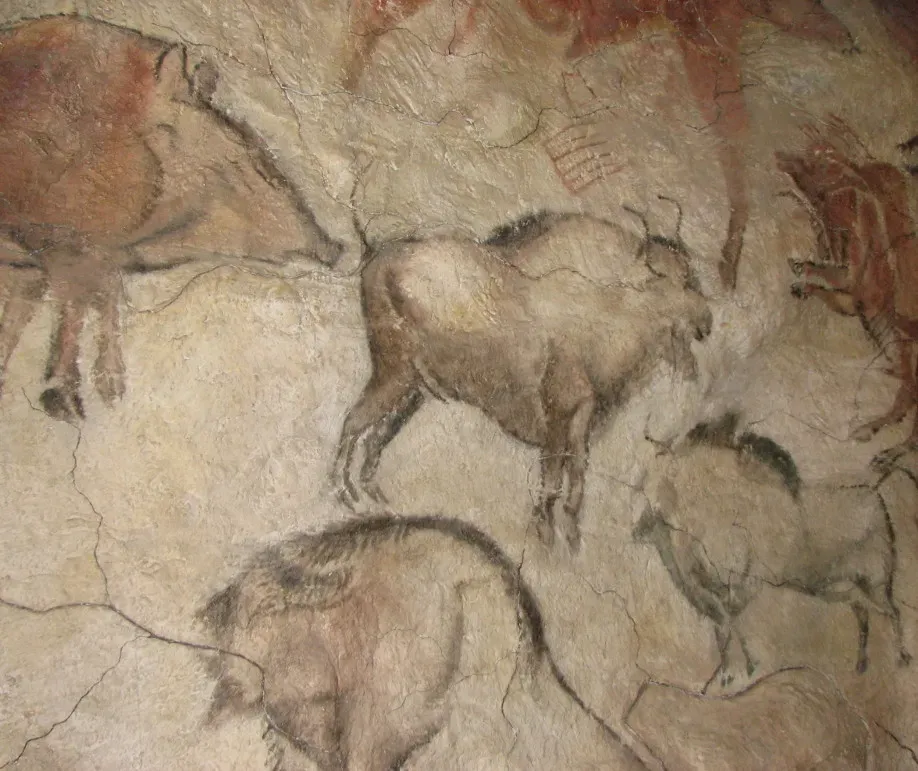
Here is a perspective that rarely gets enough attention: ancient tribal art was also a form of ecological documentation. It reveals not just what animals prehistoric people knew, but how deeply they understood the environments those animals lived in. Indigenous people, over thousands of years of observation and intimate contact, understood the grasslands of the Great Plains. They knew where and when certain grasses grew and how to maximize their abundance for bison. They utilized tools such as human-made fire to burn small areas of prairie grasses so that those grasses would grow back with more vigor and nutrition, which attracted bison and allowed them to be hunted.
Native Americans created these images in order to record the history of tribal events, but also included ceremonial images and even maps of hunting areas. Think about that for a moment. These rock faces were strategic resources. They were maps, field guides, and sacred texts all at once. In some parts of the world, descriptive analyses of rock art have yielded important information about the animals, tools, weapons, economics, and social conditions in vanished cultures. Every carving is a clue, and collectively they form a picture of human-animal coexistence that no written archive could ever fully replace.
Conclusion: The Walls Still Speak, If You Are Willing to Listen
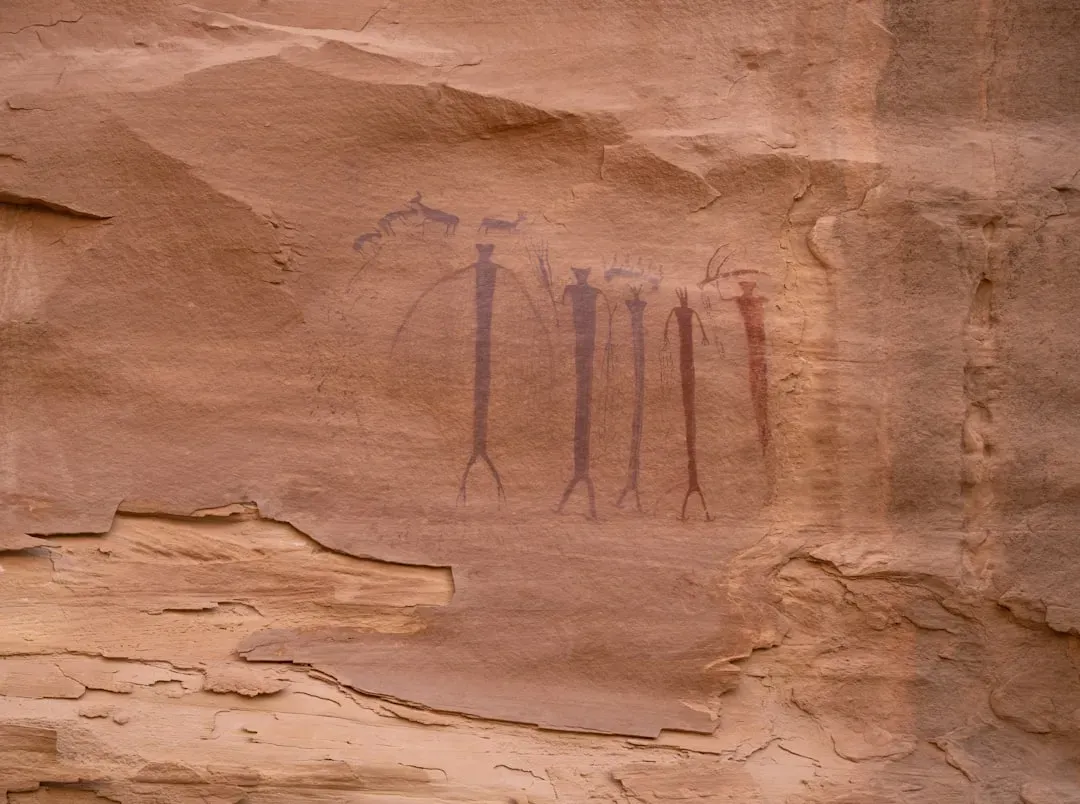
Ancient tribal art across the United States is far more than a collection of pretty pictures on rock. It is evidence of a world where humans and animals were bound together in relationships of dependence, reverence, and spiritual kinship. Cave art is a symbolic representation of codes produced by ancient human thinking, and parietal art symbolizes the fusion of the human and animal worlds – whereas today we perceive these two entities as largely dissociated from each other. In many ways, these images hold a mirror up to us. They ask us what we have lost.
Rock art is a thrilling part of our species’ evolutionary history and of Indigenous peoples’ cultural history. Even when the meaning of the animal images remains unknowable to us, those images move us with their beauty and with the questions they raise about a diversity of human ways of looking at the natural world. The next time you see an image of ancient tribal art, look a little longer. Let it sit with you. Because what you are seeing is not just old paint on stone – you are looking at what it once truly meant to live alongside the wild world, not above it.
What would it change about how you see the natural world today, if you carried that kind of reverence with you? Tell us what you think in the comments.